How To Test And Improve Drainage In Georgia’s Red Clay Soil
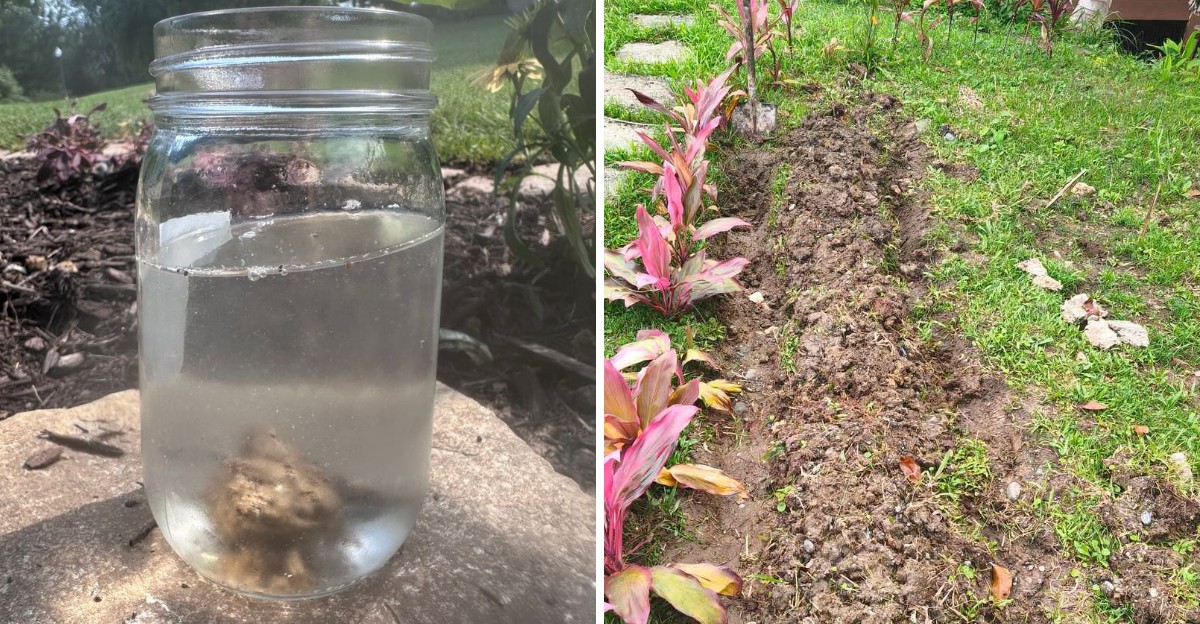
Water that sits in a freshly dug planting hole for hours is one of the clearest warnings a yard gives. Plants set into that kind of spot often struggle no matter how they are fed or watered.
Red clay holds moisture because its tiny particles pack tightly, leaving little room for air or drainage.
Some yards drain better than others on the same street, so guessing rarely tells the full story. Fill a test hole with water, let it empty, then refill it and time the drop.
Results from that check can point you toward the right fix for each part of your Georgia property.
Several popular shortcuts can make clay harder to work with over time, which surprises many gardeners.
Small improvements made before spring planting give roots a better chance once the weather warms.
1. A Simple Hole Test Shows How Fast Water Really Drains
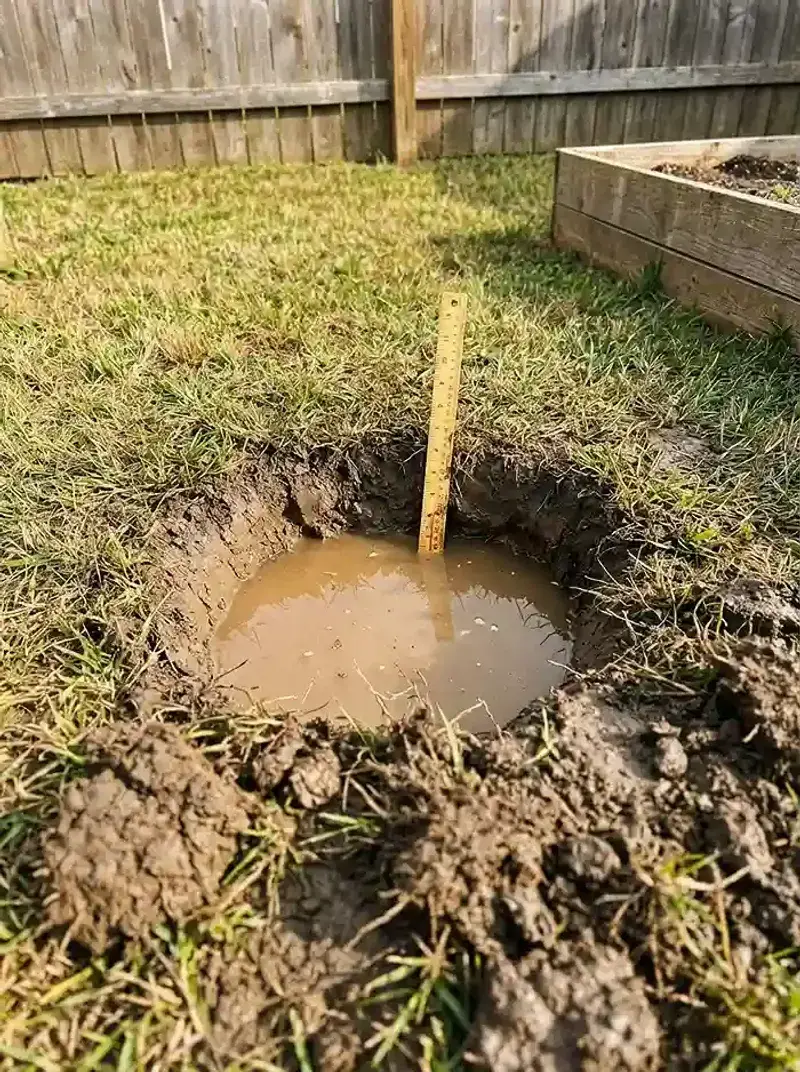
Your shovel can tell you more about drainage than any guess. A basic percolation test, often called a perc test, shows how quickly water soaks into the ground where you plan to plant.
Start by digging a hole roughly one foot wide and one foot deep in the exact spot you have in mind.
Straight sides work best because they make measuring easier. Try to keep loose crumbs from falling back into the bottom of the hole.
Soil can change a lot across a single yard, especially in Georgia neighborhoods where builders moved topsoil around.
Because of that, digging a test hole in each planting area is a smart idea. A low corner near the driveway may act very differently from a sunny slope out back.
Timing matters too, so pick a stretch of fairly normal weather for the test.
Right after a heavy storm, the ground may already be soaked, which can make drainage look worse than usual. During a long dry spell, cracked clay may swallow water quickly at first and give a misleading result.
Keep a ruler or yardstick handy, along with a garden hose or a few buckets of water.
You will also want a watch or phone timer. Jot your notes down on paper so you can compare different spots later and plan your beds with real information instead of hunches.
2. Fill The Hole Twice And Time The Second Draining
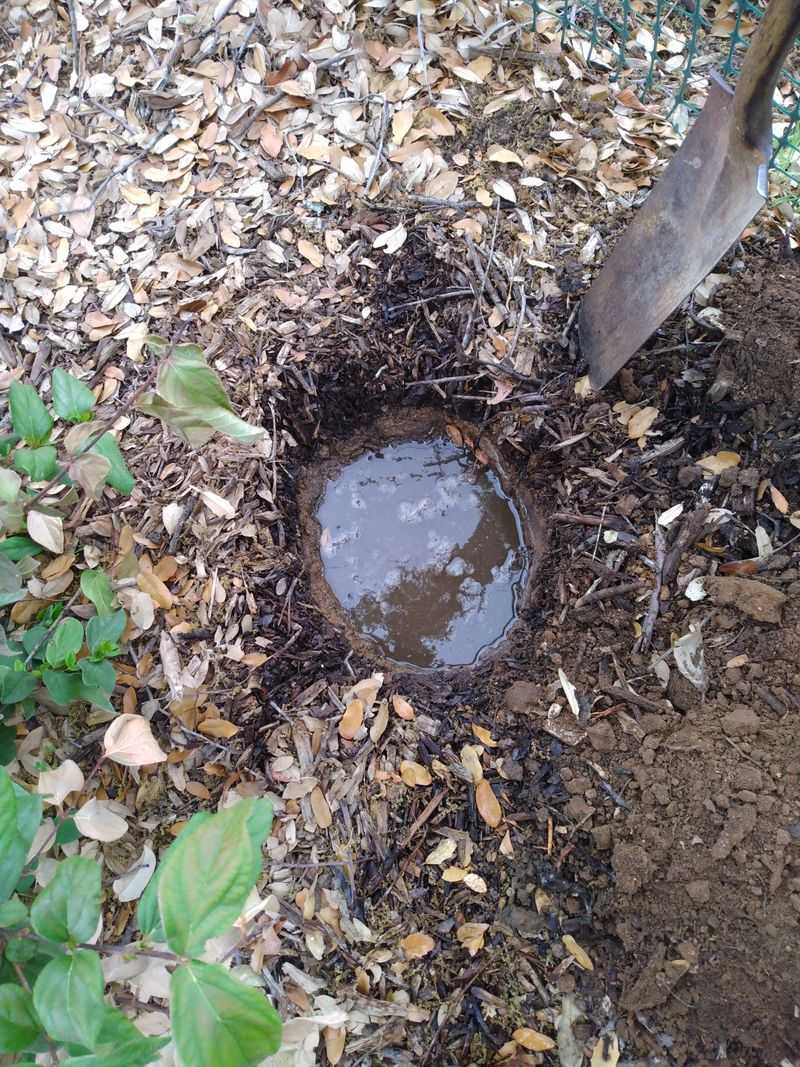
One filling is not enough. Dry clay soaks up the first round of water quickly, so that early result can make your soil seem better drained than it really is.
Fill the hole to the top with water and simply let it drain away on its own.
Think of that first fill as a way to wet the surrounding soil. Once the ground around the hole is moist, it behaves more like it would after a typical rain.
As soon as the hole empties, fill it to the top again right away.
Now set a yardstick in the hole and note the water level. Check it every hour and write down how many inches the level drops each time.
Your Georgia Garden Changes Every Week. Your Plan Should Too.
Gardening in Georgia changes quickly throughout the season. Every Friday you’ll receive a simple weekly plan showing exactly what to plant, prune, fertilize, harvest, and protect so you never miss the right timing.
Extension services commonly suggest that around one to six inches of drop per hour is a reasonable range for many garden plants.
Faster than that may point to sandy or rocky spots that dry out quickly. Slower than about an inch per hour suggests the soil holds water longer, which is common in heavy Georgia clay.
Patience pays off here, so try not to rush the readings.
Write down the date and recent weather next to your numbers. That record helps you compare test holes fairly and decide which spots need the most attention before you buy a single plant.
3. Water Still Standing Hours Later Signals Poor Drainage
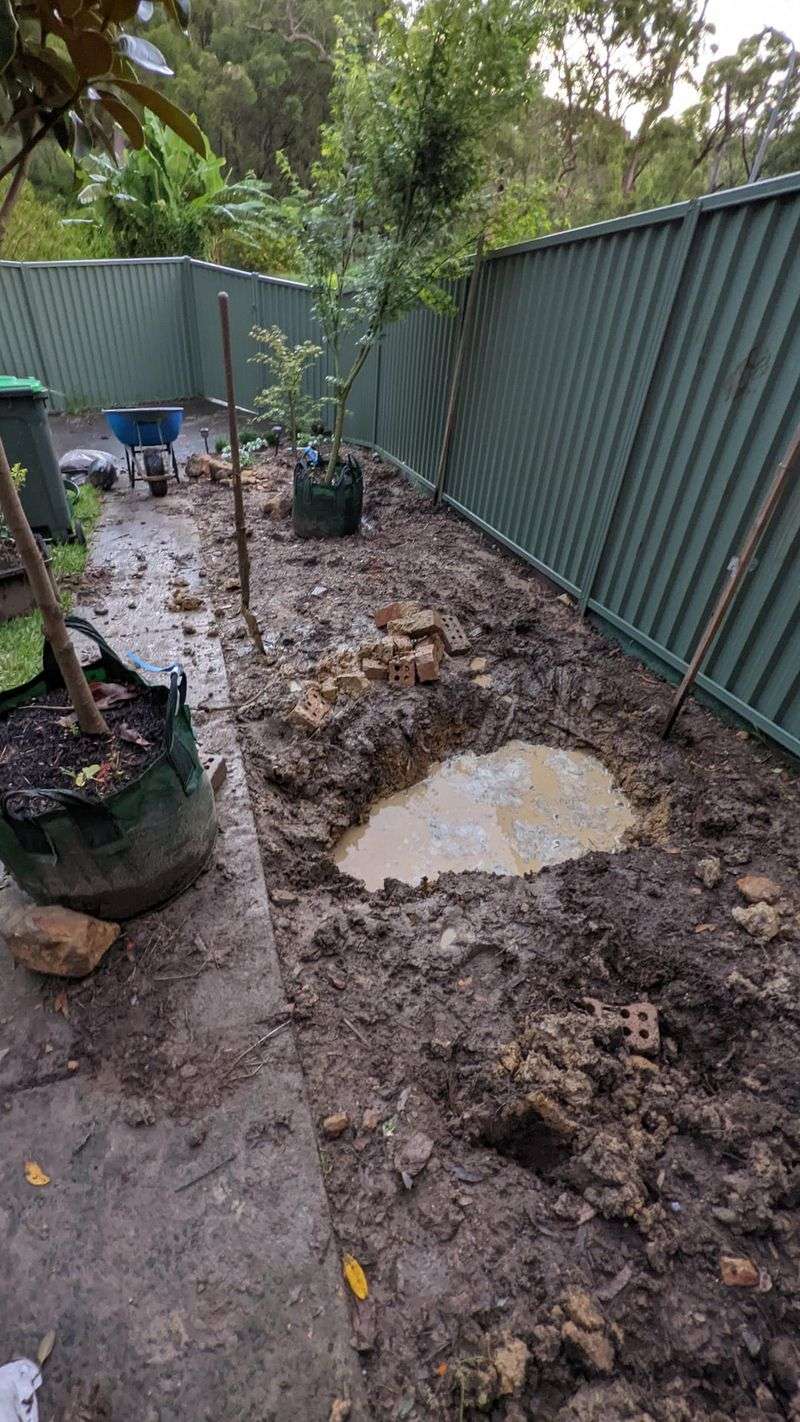
Standing water tells a clear story. If your test hole still holds water many hours after the second fill, roots planted there will likely sit wet for long stretches.
Most shrubs and trees need air around their roots as well as moisture.
When soil stays soaked, those air spaces fill with water instead. Over time, roots can weaken, and root rot problems become more likely for plants that prefer drier ground.
Some spots surprise people.
A yard can look fine on top yet hold a dense layer of subsoil a foot or two down. Water drains through the loose top layer, then hits that tight layer and backs up, a pattern often seen in Georgia Piedmont clay.
Look for other clues while you wait for test results.
Puddles that linger for a day or more after rain, moss on bare soil, or a sour smell when you dig can all hint at slow drainage. None of these alone proves a problem, but together they add up.
So what can you do with a slow site?
Some gardeners pick plants that tolerate wet feet, such as certain native shrubs found along streambanks. Others improve the soil, change the grade, or build up planting areas.
Your local Extension office can help match plant choices to your conditions.
4. Spreading Compost Across The Whole Bed Beats Amending A Single Hole
Picture a bathtub buried in your yard. That is roughly what can happen when you fill one planting hole with rich compost and surround it with dense clay.
Water moves easily into the loose, fluffy mix inside the hole. Then it reaches the tight clay walls and slows down, so the hole can collect water like a bowl.
Roots also tend to stay inside the soft amended zone instead of spreading outward.
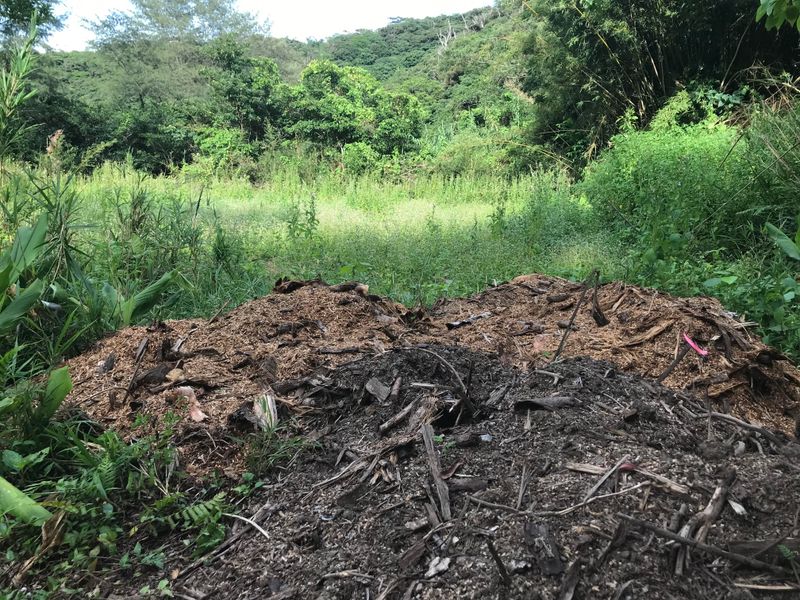
A better approach is to improve the whole bed at once. Spread a few inches of compost across the entire planting area and work it into the top several inches of soil with a fork or tiller.
Organic matter helps clay particles clump into small crumbs with spaces between them.
Those spaces let water and air move more freely. Results build gradually, and adding compost or mulch each year usually keeps the improvement going.
For trees, many Extension specialists in Georgia suggest planting in native soil without heavy amendments in the hole.
Instead, dig a wide, shallow hole and spread mulch over a broad area around the tree. As mulch breaks down, it feeds soil life and slowly adds organic matter near the surface.
Shredded leaves, aged manure, and finished compost all work well. Just avoid piling fresh, raw material deep against plant stems.
5. Adding Sand To Clay Can Make Drainage Problems Worse
Sand sounds like the perfect fix. It drains fast on a beach, so mixing it into sticky clay seems logical at first glance.
Trouble is, small amounts of sand often do the opposite of what gardeners hope.
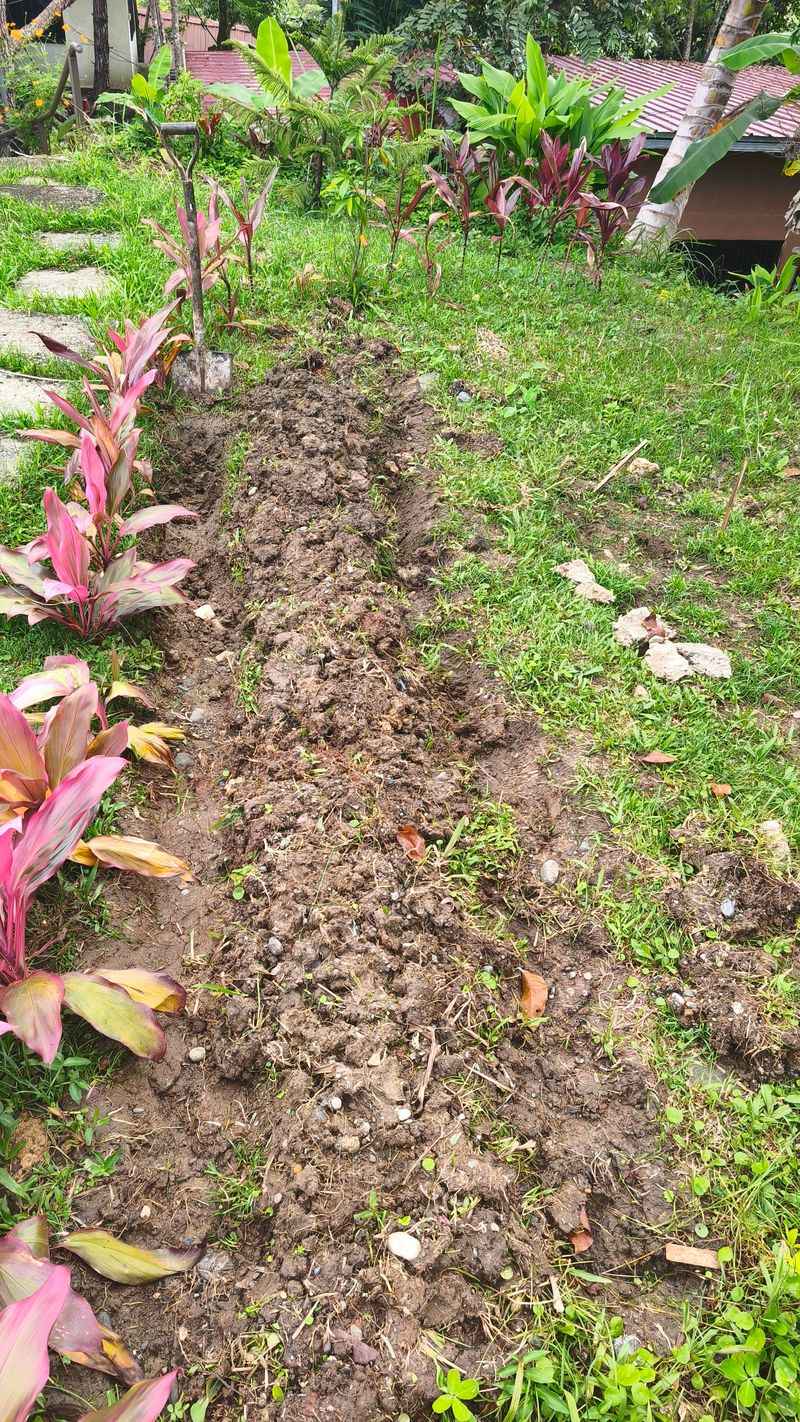
Tiny clay particles fill the gaps between sand grains. Together they can pack into a dense, hard mix that some people compare to brick or concrete once it dries.
To truly change soil texture, you would need a very large share of sand compared to clay.
Most Extension guidance says the amount required makes it impractical for a home garden. Hauling and mixing that much material by hand across a yard is costly and exhausting.
Georgia clay is common enough that this mistake shows up often in home landscapes.
A homeowner might add a few bags of play sand to a flower bed, only to find water still pooling the next spring. Sometimes the soil actually feels harder than before.
Compost and other organic matter are usually a safer bet for clay.
Instead of jamming into gaps, organic matter helps clay form looser crumbs over time. If you already added sand, adding generous compost on top can still help improve the structure gradually.
Save the sand for patio bases, play areas, and similar uses.
Your garden soil will benefit more from steady improvements in organic matter than from a quick fix that could leave the clay even harder to work with.
6. Gypsum Rarely Improves Drainage In Typical Clay Soil
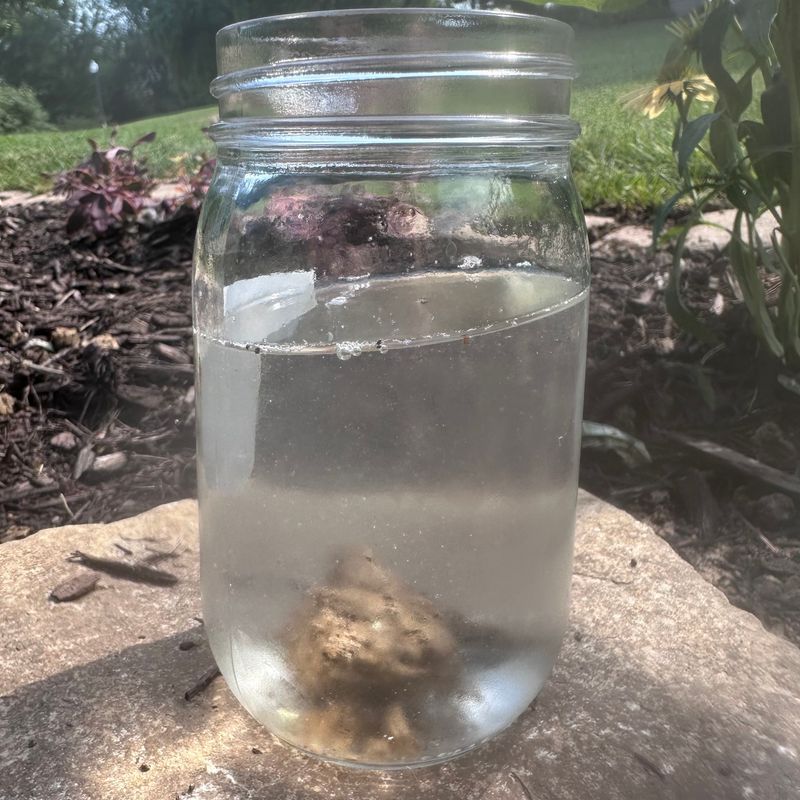
Garden center shelves make gypsum look like a miracle in a bag. For most home yards, though, the real story is much more modest.
Gypsum is calcium sulfate, and it can help loosen certain clays that are high in sodium.
Sodium-heavy soils show up more often in dry western regions, coastal flood zones, or areas affected by road salt.
In those cases, calcium can replace sodium and help soil particles clump together better.
Typical clay soils in Georgia are not usually high in sodium, so gypsum often has little effect on drainage there.
Spreading it will not likely harm your yard. Still, you might spend money and effort without seeing the change you wanted.
Gypsum does supply calcium and sulfur, which some crops use.
If you suspect a nutrient issue, a soil test is the smarter first move. UGA Extension offices can send samples to a lab and explain the results in plain terms.
Wondering whether salt might be part of your problem?
Spots near a salted driveway or a coastal area that sees storm surge could be worth testing. A lab report can show sodium levels and guide your next step.
For most yards, organic matter and less compaction will likely do more for drainage than gypsum.
Those simple changes can gradually improve soil structure and help water move through your yard more easily.
Over time, healthier soil can make a noticeable difference in how well your plants grow after heavy rain.
7. Reducing Soil Compaction Helps Water Move Through Clay
Footsteps leave a mark. Every trip across wet clay presses the soil tighter, squeezing out the air pockets that water needs to soak in.
Construction is a big source of compaction in newer neighborhoods.
Heavy equipment often packs subsoil hard before sod or shrubs go in. Home lots in Georgia subdivisions frequently show this, with water running off the surface instead of sinking.
Staying off wet soil is one of the easiest habits to build.
Wait until clay crumbles in your hand before digging or tilling. Working it while sticky can smear it into hard clods that take a long time to break apart.
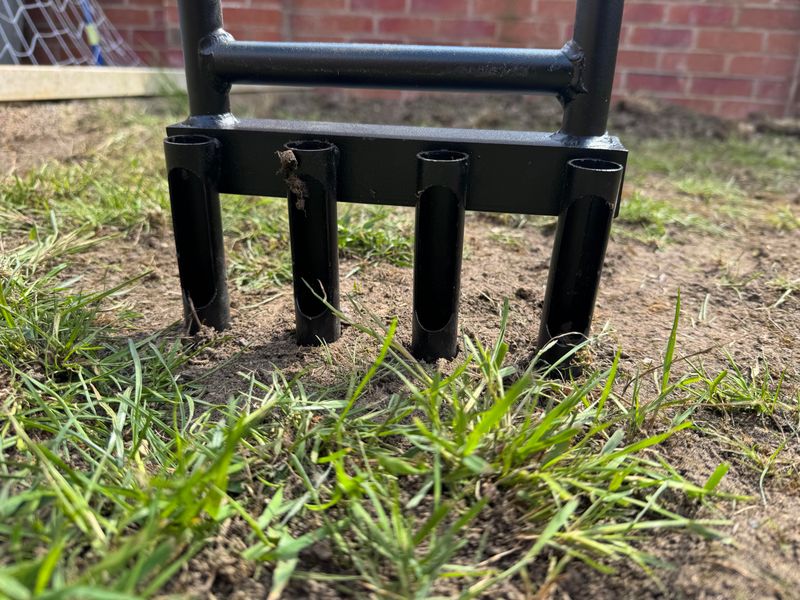
Lawns can benefit from core aeration, which pulls small plugs of soil from the ground.
Warm-season grasses like bermuda and zoysia are usually aerated in late spring or early summer while they grow actively. Fescue lawns are typically aerated in fall, when cool-season grass recovers well.
In garden beds, a digging fork can loosen soil without fully turning it over.
Set stepping stones or paths so you are not walking on growing areas. Adding a layer of mulch also helps cushion the surface from heavy rain and foot traffic.
Deep roots from cover crops or perennial plants may slowly open channels too, though results take time and vary by site.
8. Raised Beds And Berms Lift Roots Above Soggy Ground
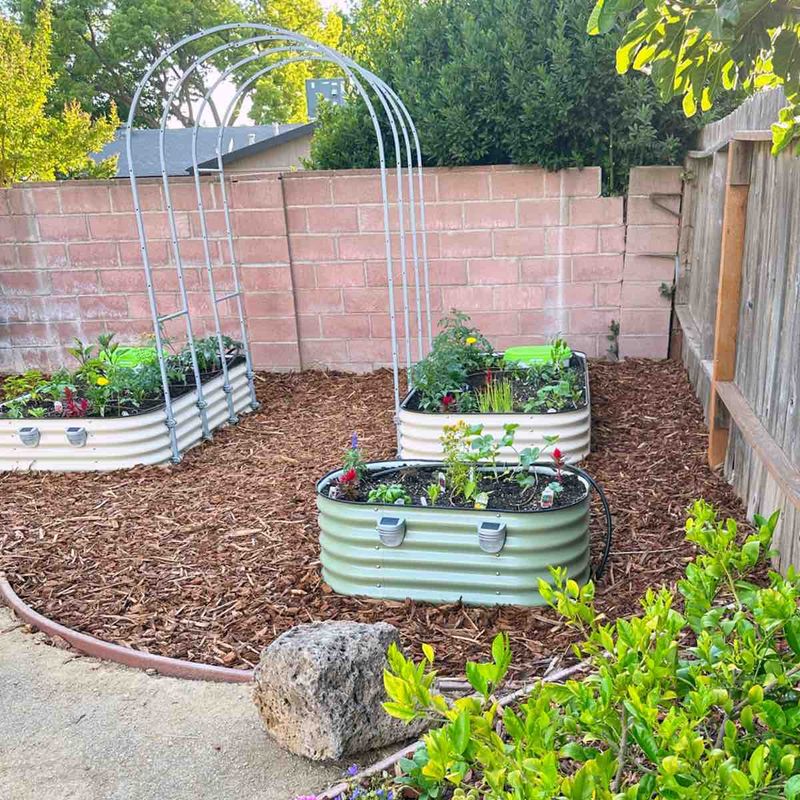
Sometimes the smartest move is to go up instead of down. Raising the planting level gives roots a drier zone above slow-draining clay.
Raised beds work well for vegetables, herbs, and flowers that dislike wet feet.
Fill them with a blend of quality topsoil and compost. Loosening the clay underneath before filling can help water move from the bed into the ground below.
Height does not need to be extreme.
Even eight to twelve inches can make a noticeable difference for many crops. Taller beds are easier on your back, though they cost more to build and fill.
Berms are gentle mounds of soil shaped right into the landscape.
They suit shrubs and small trees better than framed boxes do. Make them wide and gradual, with sloped sides, so they blend in and resist washing away during heavy summer storms common across Georgia.
Keep an eye on water during dry spells.
Raised soil tends to dry out faster than ground-level beds, especially in hot July and August weather. Mulch and regular, deep watering help keep roots from stressing.
Watch where runoff goes, too, so a new berm does not push water toward your house or a neighbor’s yard. A little planning helps both your plants and your property stay in good shape.
Good drainage starts with giving excess water a safe place to go rather than simply moving the problem somewhere else.