The Glossy Green Illinois Holiday Favorite With Berries You Should Never Let A Child Touch
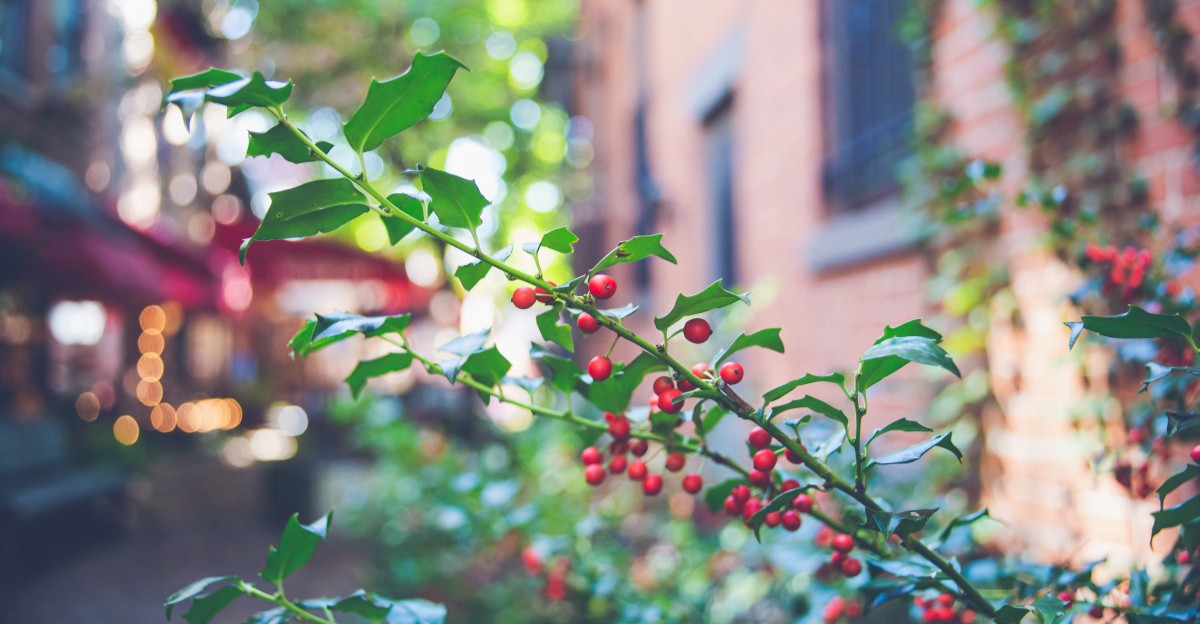
A toddler can feel sick after swallowing just a few shiny red berries from a sprig on the mantel. Those berries look like candy, and little kids treat them that way. I am surprised how often this plant shows up in homes all season long.
It lands on wreaths, centerpieces, and greeting cards, and plenty of folks in Illinois clip it straight from the yard. The leaves carry their own surprise, too. Their prickly edges can scratch a small mouth before anyone notices a problem.
You might notice the berries start dropping once the decorations warm up indoors. That is the moment a crawling baby finds them first.
The festive branch hiding on your table is holly, so keep it out of reach before the berries ever hit the floor.
That Shiny Holly Sprig on Your Mantel Has a Hidden Side
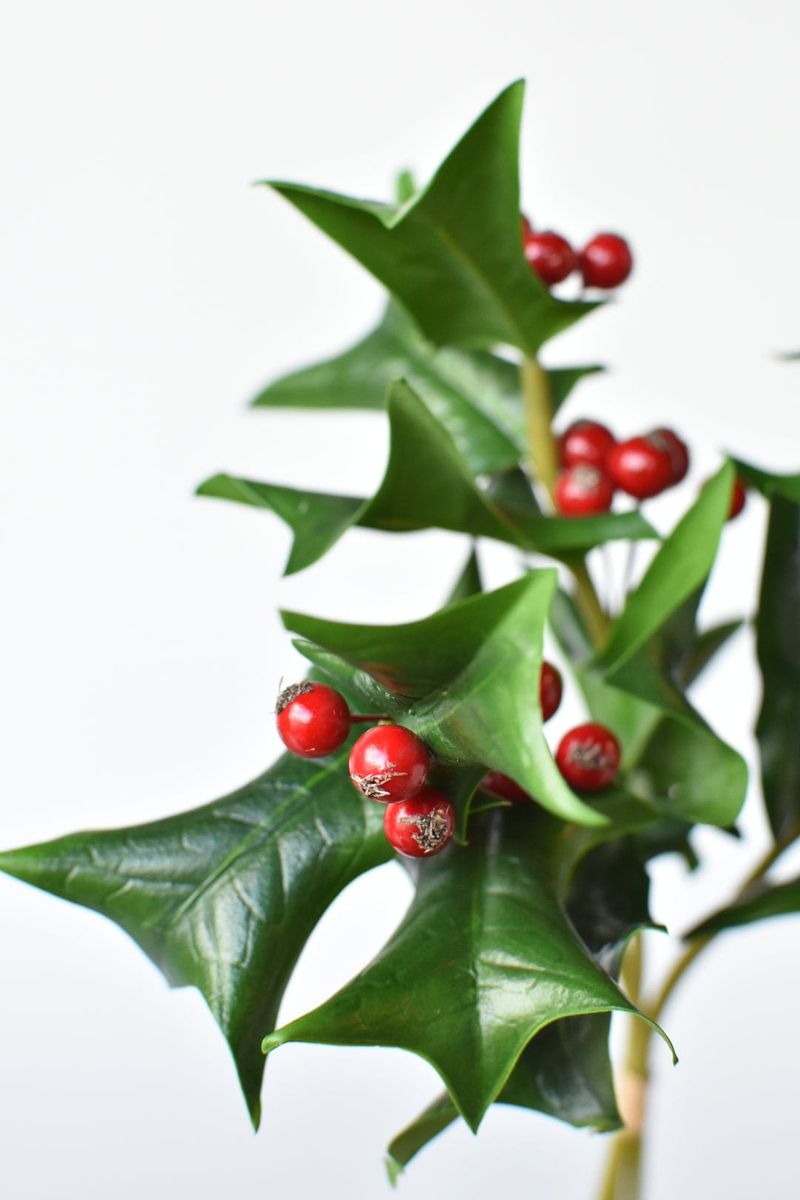
I grabbed a bundle of holly at a holiday market last December and felt instantly festive. It took a chat with a nurse friend to make me look at those red berries differently.
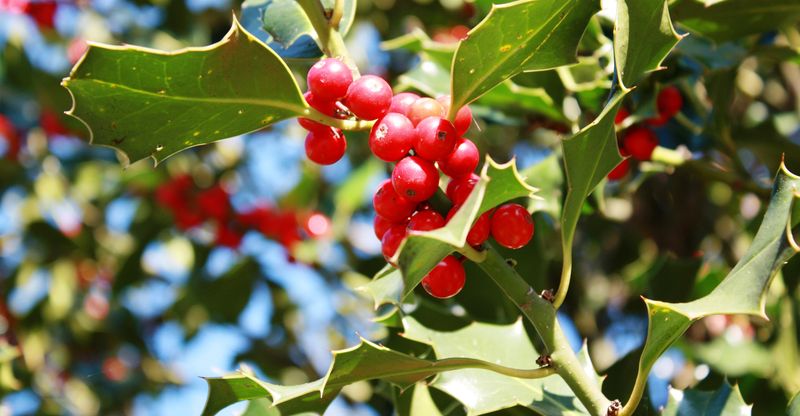
Holly is the glossy green plant with spiny leaves and bright red fruit that shows up everywhere in winter. American holly, Ilex opaca, is native to the eastern United States and can grow in parts of southern Illinois.
English holly and other types are also sold as cut greens at stores and tree lots across the state.
Poison centers list holly as a plant that can make people sick when eaten. The berries contain natural compounds, including saponins, that help protect the plant from hungry animals.
Those same compounds irritate the human stomach and gut. Kids are the main worry for a simple reason. Bright red fruit at eye level looks like a treat, and small children explore by tasting things.
Severe poisoning is uncommon, according to poison control experts. Still, a sick toddler on a holiday weekend is no fun for anyone.
Knowing what you have on your mantel is the first step toward keeping the season merry and calm.
Those Red Holly Berries Can Upset a Small Tummy Fast
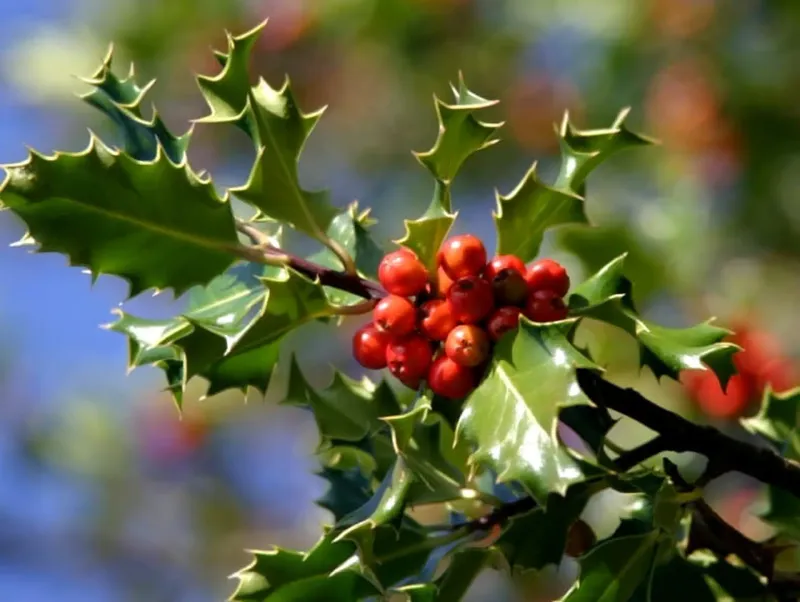
Here is a number that stuck with me. Some children show symptoms after eating only a small number of holly berries, based on poison center reports.
The most common reaction is plain stomach trouble. Kids may have nausea, vomiting, belly pain, and diarrhea.
Bigger handfuls have been linked to more stubborn vomiting and drowsiness in some cases. Why so strong? The saponins in the berries act like a natural irritant inside the digestive tract.
A little body weighs much less than an adult, so a small amount can matter more. Pets face similar risks.
The ASPCA lists holly as toxic to dogs and cats, with drooling, vomiting, and diarrhea as typical signs. Curious puppies that chew everything deserve extra attention.
I like to remind friends that most cases turn out mild. That fact should calm you, not relax your guard.
A child who swallowed berries still needs a quick call for advice, because only an expert can judge the amount and the risk.
Treat holly berries the way you treat medicine bottles. Pretty, common, and best kept far above toddler height.
Spiny Holly Leaves Bring Their Own Trouble
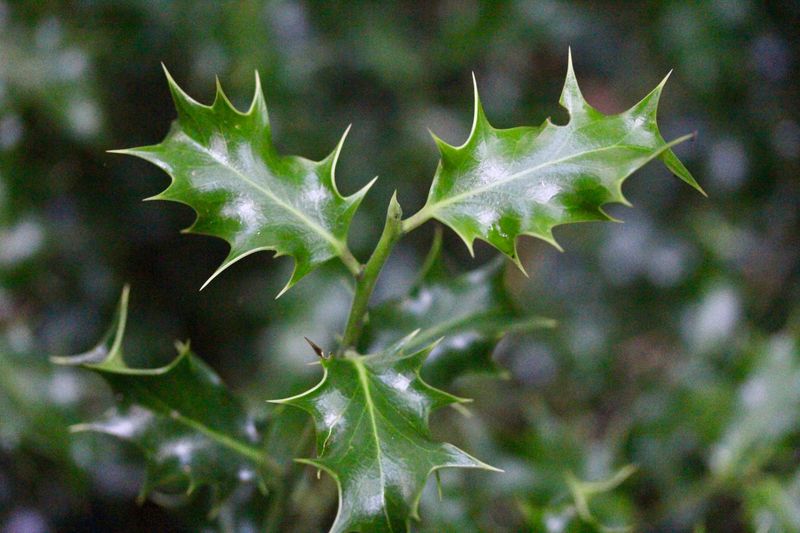
Pull every berry off a holly branch and you still have something worth watching. Those leathery leaves are not innocent bystanders.
Holly leaves contain some of the same irritating compounds as the berries. Chewing on them may cause mouth irritation or an upset stomach.
Most kids spit them out quickly, since the leaves taste bitter and feel tough. The bigger issue is physical. Many holly types have stiff, pointed spines along the leaf edges. A toddler who grabs or mouths a leaf can get scratches on the lips, gums, or tongue.
Fun fact for your next family gathering. Holly leaves near the top of older trees often have fewer spines than lower leaves.
Researchers have linked this to grazing animals, since the plant puts its sharpest defenses where nibbling mouths can reach.
So in a way, holly evolved to fight off small munchers. Your toddler just happens to fit the profile.
Keep cut stems and fallen leaves off the floor and away from low tables. A quick sweep after decorating helps a lot, because dried leaves curl and their spines get even stiffer as they lose moisture.
Fallen Berries Under the Wreath Are the Real Danger Zone

Indoor heat changes everything. A holly wreath that looked perfect on day one often starts shedding by week two.
Warm, dry air from furnaces pulls moisture out of cut branches. The berries shrink, loosen, and drop onto rugs, couch cushions, and hardwood floors.
Winters in Illinois keep heaters running for months, so this can happen in many homes that bring holly inside.
Guess who spends the most time on the floor? Crawling babies and toddlers, plus the family dog.
A single dropped berry rolling under a chair is easy for an adult to miss and easy for a baby to find.
My simple habit is a daily floor check near any holly display. It takes thirty seconds with a flashlight, and it catches strays before tiny hands do.
Misting cut greens and keeping them away from heat vents slows the drying. Stems placed in a little water last longer, too. Check water levels every other day so stems stay hydrated.
Doors and porches make smart spots for real holly wreaths. The cooler air keeps berries plump and attached, and the decoration stays far from the playroom. Hang it high on the door, out of reach of curious hands and paws.
Snip Off the Holly Berries Before You Deck the Halls
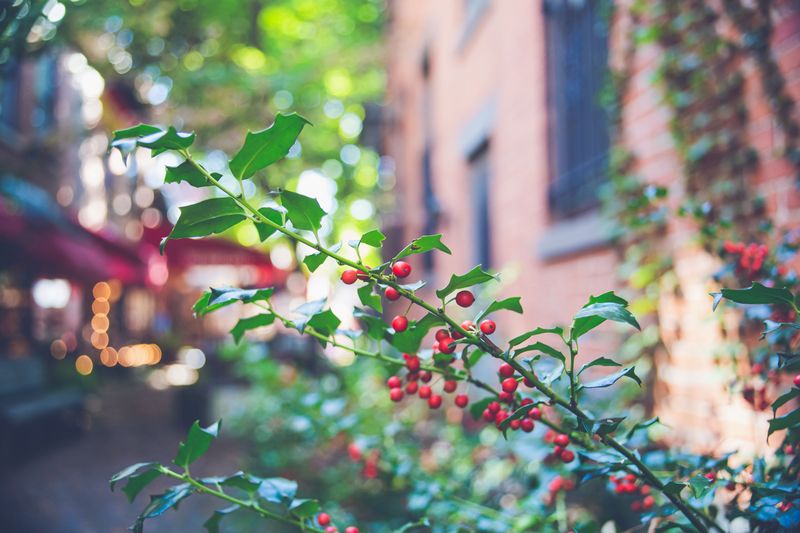
Grab a pair of small snips and a bowl. This is the easiest safety fix of the whole season. Poison control experts often suggest removing berries from real holly before you display it in a home with kids.
You keep the classic glossy green look, and the riskiest part goes straight into the trash. Seal the bag so pets cannot dig through it. Next, think about height.
Mantels, high shelves, and door tops work well. Coffee tables, low centerpieces, and stair railings within reach of little arms are spots to skip.
Got holly growing outside? American holly and its hybrids are popular shrubs in the southern half of the state.
Teach older kids that the berries are for birds only, and supervise toddlers who play near the bushes. Wear gloves when you cut or arrange branches. The spines poke, and they can surprise you.
One more tip from my own decorating mistakes. Tell visiting relatives about your setup, too.
Grandma might bring a gorgeous berry-covered centerpiece without thinking twice, and a friendly heads-up keeps it on a high shelf.
Faux Holly and Fresh Pine Make Cheerful Kid-Friendly Swaps

Want the look without the worry? Artificial holly has come a long way, and some versions are hard to tell from the real thing.
Faux sprigs give you deep green leaves and red berries that will not rot, drop, or upset anyone’s stomach. Just check that plastic berries are glued on tight. Loose pieces can become a choking hazard for small kids.
Fresh evergreen branches are another favorite of mine. Pine, spruce, and fir are generally considered low in toxicity. Their needles can still poke or cause choking, so sweep up regularly.
Christmas cactus brings bright blooms and is considered nontoxic to kids and pets. It also lives for years, so it feels like a gift that keeps showing up every winter.
A few holiday plants deserve caution as well. Mistletoe berries can cause stomach trouble, and amaryllis bulbs can make pets sick.
Poinsettias are far less dangerous than their reputation, though they may cause mild stomach upset.
Dried orange slices, pinecones, and cinnamon sticks add color and a cozy scent. They work beautifully in garlands and give kids a fun craft project.
Keep the Poison Control Number Near Your Holly Decorations
Save this number in your phone today: 1-800-222-1222. It connects you to Poison Control from anywhere in the United States, any hour, for free.
Illinois families reach the Illinois Poison Center through that same line. The staff are nurses, pharmacists, and doctors trained in poisonings. Calls are confidential, and many cases are handled safely at home with their guidance.
If you think your child ate holly berries or leaves, stay calm and act quickly. Remove anything left in the mouth and gently wipe it out. Do not try to make your child vomit unless an expert tells you to.
Have a few details ready. Know your child’s age and weight, about how many berries are missing, and when it happened. A photo of the plant can help, too.
Call 911 right away if your child has trouble breathing, will not wake up, or has a seizure. My favorite takeaway is simple. Holly can stay part of your holiday traditions with a little planning.
Snip the berries, raise the decorations, sweep the floor, and keep that number close. Then go enjoy the cookies.