What It Means When a Barred Owl Calls Over Your North Carolina Yard at Night
Some birds in the woods behind your house can sound like a troop of monkeys having a full-blown argument at midnight. I heard it once from my back porch and nearly dropped my watering can.
The sound came from a bird with dark brown eyes, a round head, and no ear tufts. It hunts mice, frogs, and even crayfish, and it often stays in the same patch of woods for years.
Here in North Carolina, these night callers live in river bottoms, swamps, and shady older neighborhoods. Many of us hear them long before we ever spot one.
I tend to think every yard has a story only the night shift knows. So what is that hooting voice in your trees really trying to say?
1. That Hooting Owl in Your Oak Tree Is Talking to Someone
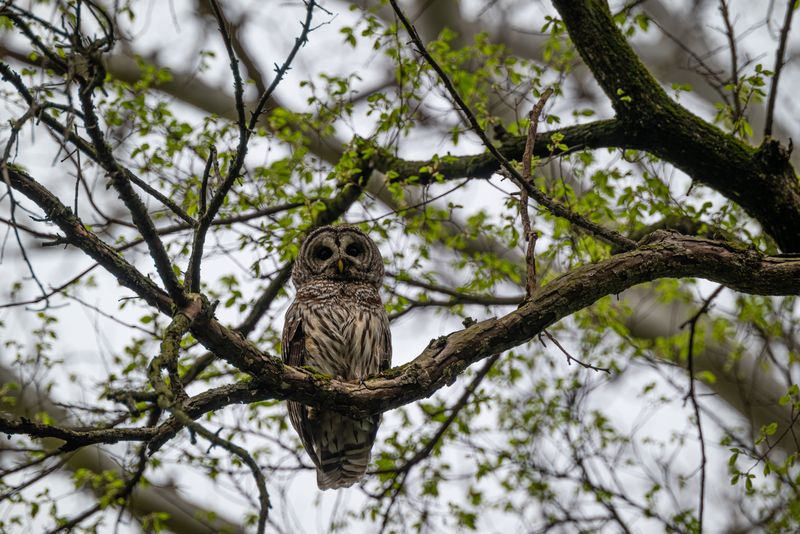
Owls rarely waste their breath. When a barred owl calls over your yard, it is sending a message to other owls, not to you. The most famous call sounds like someone asking, “Who cooks for you? Who cooks for you all?”
Birders describe it as a rhythm of about eight or nine hoots, with the last note often dropping low. On a still night, it can carry a long way through trees and quiet streets.
So who is listening? Most often it is a mate, a neighboring owl, or a young bird nearby. The owl may be saying “I live here,” “Where are you?” or “Stay away from my patch.”
I love that this simple idea changes how the sound feels. Instead of something spooky, it becomes a bit of neighborhood chatter you get to overhear.
The owl itself is likely sitting closer than you think. Barred owls often perch on branches near forest edges, along creeks, or in big yard trees. Try stepping outside quietly with a dim flashlight pointed at the ground.
Let your eyes adjust and scan the lower limbs. You might catch a round, gray-brown shape with dark eyes watching you right back.
2. Barred Owls Guard Their Territory With Loud Hoots
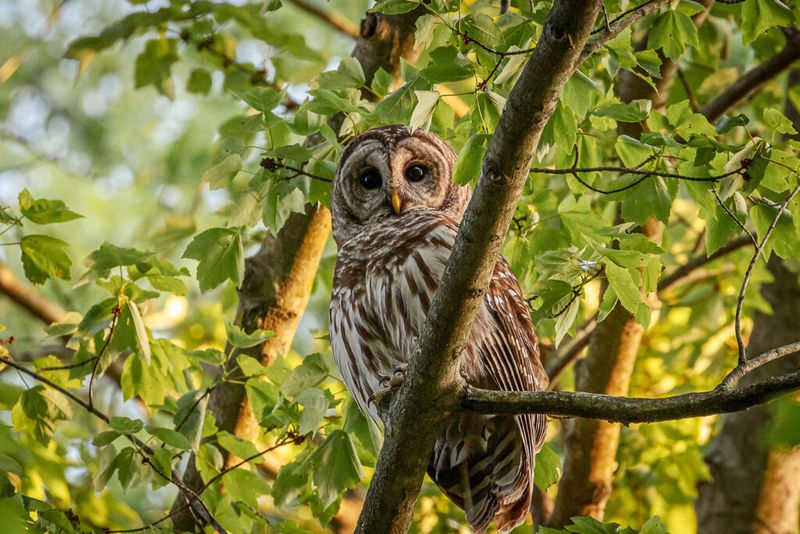
Property lines matter to owls too. A big reason barred owls call at night is to claim and defend their territory.
These owls are strongly attached to home. Once a pair settles in, they often stay in the same area for years, sometimes for life. Their hooting works a lot like a fence you can hear. It tells other owls that this stretch of woods, creek, and yard is already taken.
If two owls start calling back and forth, you may be hearing a boundary check. One bird calls, and a neighbor answers from farther away. Sometimes the exchange grows louder and wilder before it settles down.
What does that mean for your yard? Your property is probably part of a resident owl’s regular hunting grounds. Hearing the same calls night after night from the same direction is a strong hint that a local owl calls your neighborhood home.
Keep a simple notebook by the back door. Write down the time, the direction of the call, and the weather. After a few weeks, you may notice patterns.
Many people find their owl calls most around dusk and in the hours before dawn, which makes those the best times to listen.
3. Wild Owl Duets Can Sound Like a Monkey Party
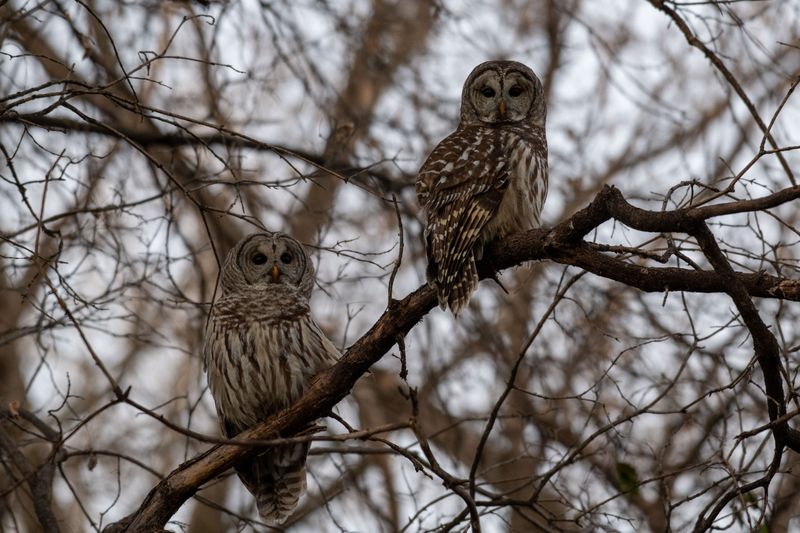
Cackles, whoops, gurgles, and screams. If that racket woke you up, congratulations, you probably heard a barred owl couple in love.
Mated pairs often perform loud duets that birders call caterwauling. The two birds trade hoots, then pile on cackles and odd sounds until it seems like a jungle broke loose in your trees. Many listeners compare it to fighting monkeys, and honestly, that fits.
Barred owls in North Carolina begin courting well before spring. Vocal activity can pick up in fall and build through winter. Eggs are often laid from about January into March, though some pairs start a little earlier in the warmer parts of the state.
These duets help a pair bond and stay in touch. They also announce to other owls that two birds share the territory, which is a stronger warning than one alone.
Here is a fun way to enjoy the show. Sit outside on a calm winter evening, bundle up with a warm drink, and stay still. When the duet starts, try to pick out the two voices.
One often sounds a little deeper than the other. Female barred owls are usually larger than males, which may help explain the difference.
4. Your Mouse and Vole Problem Just Got a Night Watchman
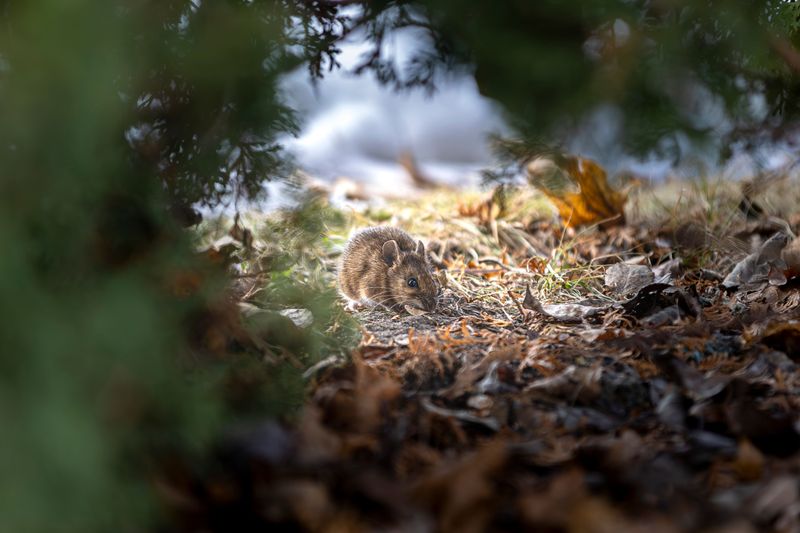
Gardeners, this part is for you. An owl calling nearby often means a skilled hunter is working the same ground where voles chew your hostas and mice raid your shed.
Barred owls eat a wide menu. Mice, voles, rats, chipmunks, and young rabbits are common prey. They also take frogs, salamanders, snakes, crayfish, fish, insects, and sometimes smaller birds.
Their spot near creeks and wet woods gives them a handy buffet. An owl will not clear out every rodent in your yard. Still, a steady predator nearby helps keep small mammal numbers in check, and it works for free every night.
I think of them as the garden’s quiet night crew. While you sleep, they sit on a low branch, listen hard, and drop silently onto prey. Soft edges on their flight feathers help muffle the sound of their wings.
You can help them help you. Keep a few open lawn or meadow areas where owls can spot movement.
Leave some natural cover like leaf litter or a brush pile along the yard edge, since it supports the small animals owls hunt. A healthy food web in your yard makes it a better hunting spot.
5. Big Old Shade Trees Make Your Yard Owl Real Estate
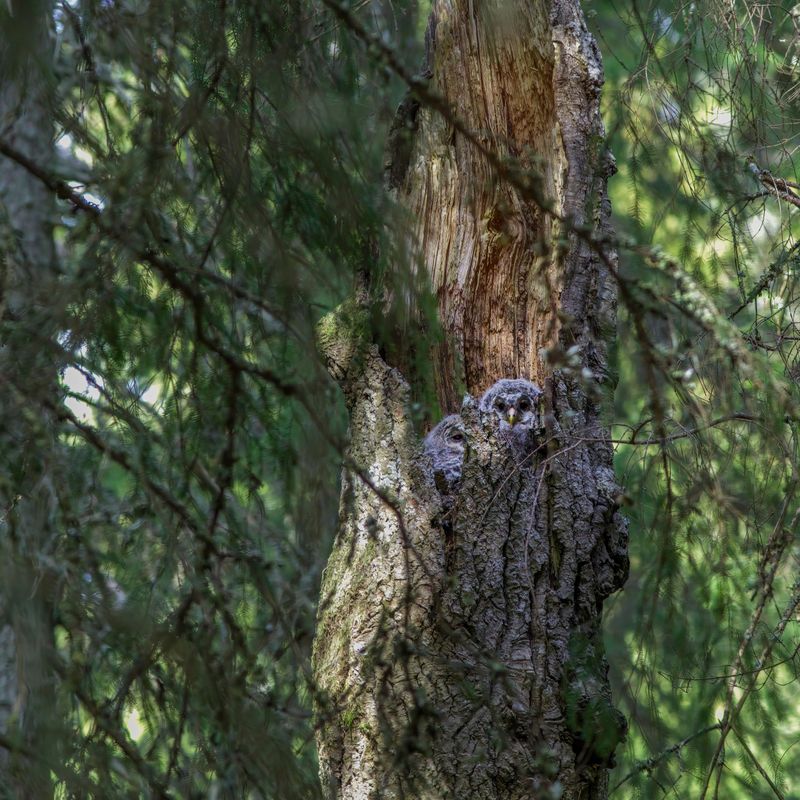
Older neighborhoods with tall trees have something owls love. Hearing hoots close to the house may mean your yard, or one next door, offers good habitat.
Barred owls nest mainly in large tree cavities. Big hollow oaks, sycamores, beeches, and other mature hardwoods fit the bill. They sometimes reuse old nests built by hawks or crows, and they will move into well-placed nest boxes.
These owls are common across most of North Carolina, especially in the Piedmont and Coastal Plain. They are less common in the higher mountains.
Swamps, river bottoms, and wooded wetlands are classic spots, but shady suburbs with creeks nearby can work nicely too. Here is a tip worth sharing. Before you remove a large old tree, have a certified arborist check whether it is truly hazardous.
Sometimes a withered limb can be trimmed while the trunk stays, keeping a safe snag for wildlife. Snags are standing trees that have lost their life but still offer value.
Woodpeckers carve holes, insects move in, and owls may roost nearby. If a snag sits away from your house, driveway, and play areas, leaving it standing can turn your back corner into a wildlife hotspot.
6. Skip the Rat Poison If You Want Owls Hooting Next Spring
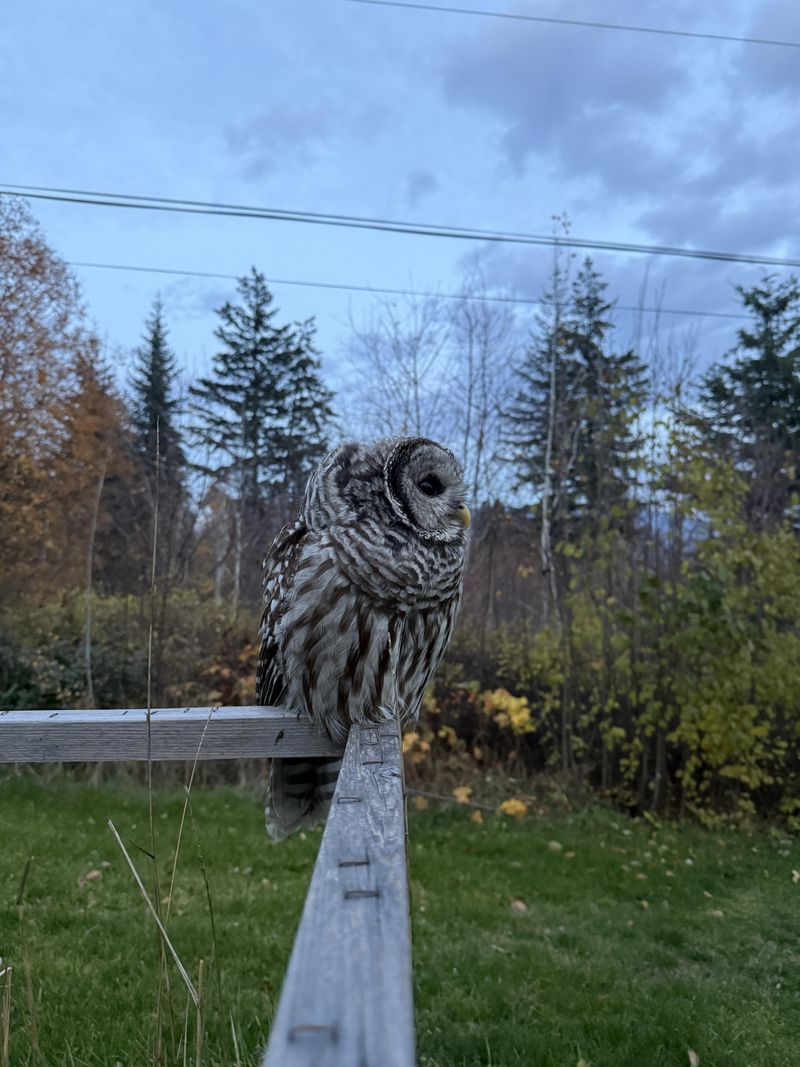
Rodent bait seems like an easy fix. The trouble is that owls eat the same mice and rats that nibble the poison.
When a rodent eats anticoagulant bait, it may wander around sick for days. That slow, easy target can end up in an owl’s talons. Wildlife rehab centers report owls and hawks suffering from these poisons, and the effects can build up over time.
Try safer steps instead. Seal gaps in sheds and garages, store birdseed in metal bins, and pick up fallen fruit. Snap traps placed inside closed boxes can handle problems indoors without harming wildlife outside.
Lighting matters too. Bright floodlights left on all night can disturb hunting and roosting. Motion-sensor lights or warm, downward-facing fixtures are kinder to night creatures and save on your power bill.
Also remember the law. All owls are protected under the federal Migratory Bird Treaty Act and North Carolina wildlife rules. Harming owls, keeping them, or disturbing active nests is illegal.
If you find an injured owl, do not try to raise or treat it yourself. Contact a licensed wildlife rehabilitator through the NC Wildlife Resources Commission. They have the skills and permits to give the bird its best shot.
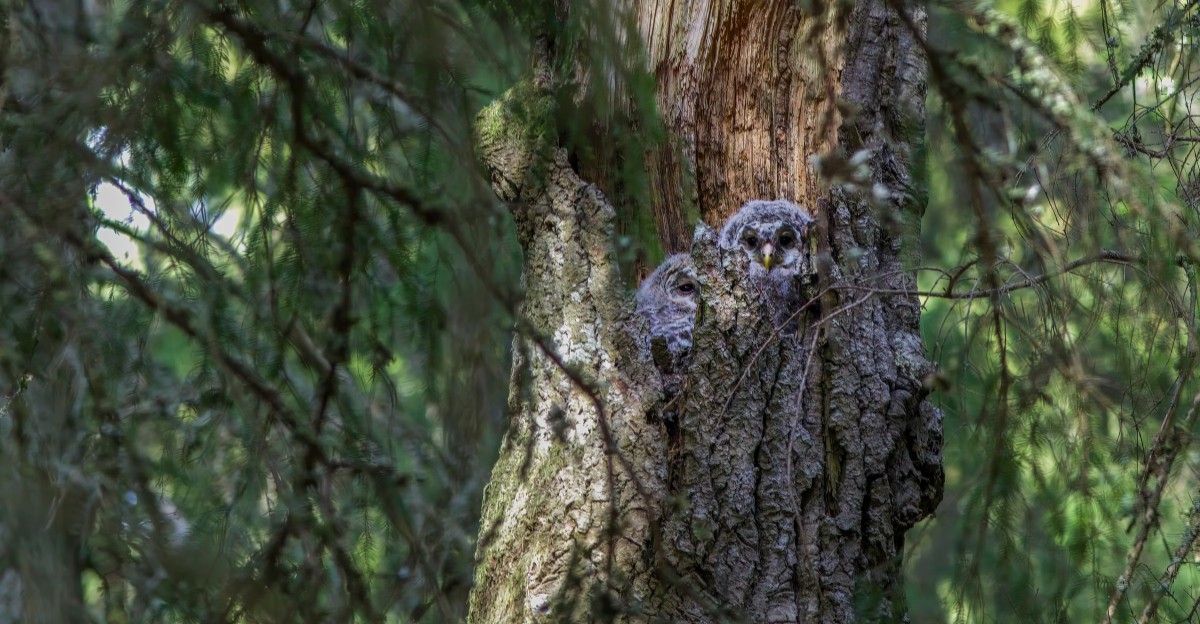
7. Fuzzy Young Owls Make Their Own Strange Nighttime Noises
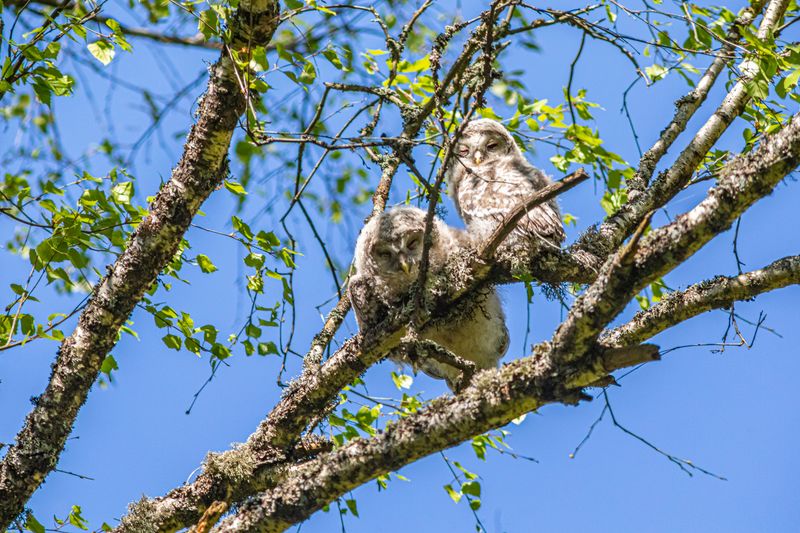
Not every owl sound comes from a grown-up. In late spring and summer, you might hear a raspy, hissing screech that sounds nothing like a hoot.
That noise often comes from young barred owls begging for food. Owlets usually leave the nest before they can fly well and climb around nearby branches. Their parents keep feeding them for months, and the youngsters let everyone know when they are hungry.
By late summer and fall, many young owls head out to find territories of their own. That dispersal can bring new voices to your neighborhood. A strange owl calling from an unfamiliar direction may be a young bird testing the waters.
So what is the big takeaway? An owl calling over your yard is a good sign. It points to mature trees, prey to eat, and a landscape that still has some wildness left.
If you spot a fluffy owlet on the ground, give it space. Parents are usually nearby. Only call a wildlife rehabilitator if it looks hurt or sits in real danger.
Then grab a chair, listen on a calm evening, and enjoy the neighbors who keep the night lively in North Carolina.