The Gorgeous Hydrangea Alternative You Can Grow Without The Fuss Or Struggle In Florida
Hydrangea dreams often wilt under Florida sun, leaving gardeners chasing color that never lasts. A stronger star waits in the wings, ready to deliver glossy foliage, elegant form, and year round beauty without constant care or delicate treatment.
Picture a landscape filled with rich green texture, soft white blooms, and a natural shape that brings calm structure to any yard. Heat rises, humidity builds, sandy soil spreads, yet this tough performer keeps its polish and presence through every season.
Butterflies visit, birds find shelter, and your garden gains a refined look that feels both lush and effortless.
No drama, no endless watering, no fragile blooms that collapse under pressure, just steady growth and quiet strength that suits real Florida conditions.
Gardeners across the state praise its reliability and timeless appeal. The name behind this transformation is Walter’s Viburnum, a true Florida classic that turns struggle into lasting beauty.
1. Walter’s Viburnum Is A True Florida Native That Knows This Climate
Plants that evolved right here in Florida already understand the rules of survival in this unique environment. Walter’s Viburnum has been thriving in the Southeast for thousands of years, adapting to sandy soils, intense summer heat, and sudden temperature swings that confuse non-native species.
When you plant a native like this, you’re working with nature instead of against it.
This shrub naturally resists the pests and diseases that plague imported ornamentals because it developed alongside Florida’s ecosystem. Its root system knows how to navigate the state’s varied soil types, from coastal sand to clay-heavy inland ground.
That means less time spent amending soil or troubleshooting mysterious plant ailments that pop up with species from other climates.
Native plants also require far less water once established because their biology is tuned to Florida’s rainfall patterns. Walter’s Viburnum can handle the dry spells between summer storms without wilting or dropping leaves.
During hurricane season, its deep, well-anchored root system helps it tolerate wind and heavy rains better than many shallow-rooted ornamental shrubs.
Beyond practical benefits, choosing native plants supports local ecosystems. Birds, butterflies, and beneficial insects recognize Walter’s Viburnum as a natural food source and habitat.
When you fill your landscape with natives, you’re creating a healthier environment for wildlife that depends on these relationships. Hydrangeas might look lovely, but they don’t offer the same ecological partnership.
This viburnum gives you beauty and purpose in one easy package that feels right at home in Florida yards.
2. Thrives In Sun Or Light Shade Without Complaints
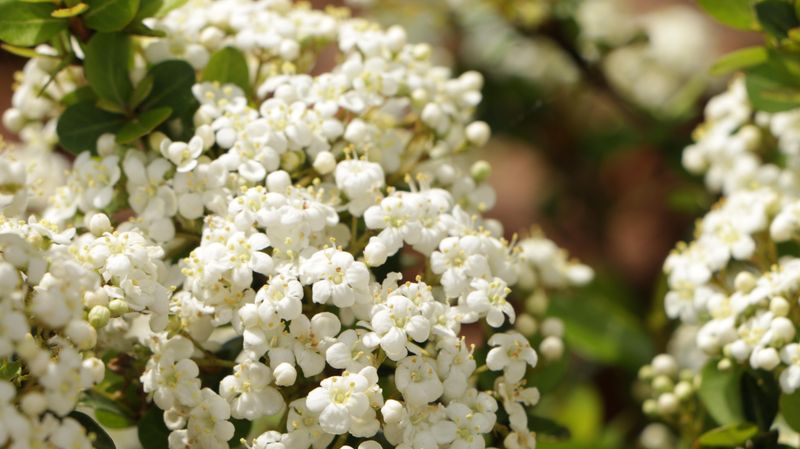
Finding plants that adapt to different light conditions gives you so much more freedom when designing your landscape. Walter’s Viburnum performs beautifully whether it’s soaking up full Florida sun or tucked beneath the dappled shade of taller trees.
This flexibility means you’re not locked into one specific planting location or forced to rearrange your yard to accommodate a fussy shrub.
In full sun, this viburnum develops dense foliage and produces abundant spring blooms that cover the plant in soft white clusters. The leaves stay glossy and healthy even during the hottest months when other shrubs start looking stressed.
If you have an open area that needs filling or want a hedge along a sunny fence line, this plant will thrive there without demanding constant intervention.
Partial shade works just as well, making Walter’s Viburnum perfect for those tricky spots under oak trees or along the north side of your home. The plant grows slightly more open in shade but still maintains good structure and blooms reliably each spring.
Many hydrangea varieties demand specific light conditions and sulk if they don’t get exactly what they want, but this viburnum simply adjusts and keeps growing.
This adaptability means you can use Walter’s Viburnum throughout your landscape without worrying about microclimates or sun angles. Plant it where it fits your design needs, and it will settle in happily.
That kind of easygoing nature takes so much stress out of gardening, especially in Florida where light patterns shift with seasonal sun angles and afternoon thunderstorms.
3. Grows Into A Thick Natural Privacy Screen
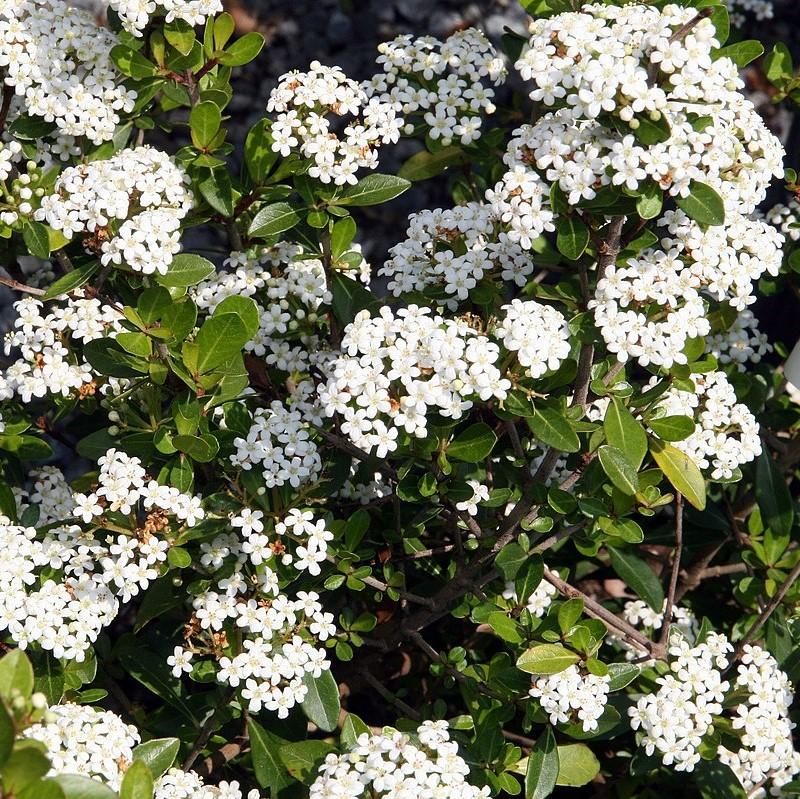
Privacy matters in any yard, but creating a natural screen that looks good year-round can be challenging in Florida. Walter’s Viburnum solves this problem beautifully by growing into a dense, layered shrub that blocks sight lines without looking rigid or artificial.
Its branching habit fills in naturally from the ground up, creating a living wall that feels organic and welcoming rather than fortress-like.
This viburnum typically reaches six to twelve feet tall and spreads four to eight feet wide, depending on growing conditions and pruning habits. When planted three to four feet apart, individual shrubs quickly grow together into a seamless hedge that provides excellent screening.
The evergreen foliage stays on the plant year-round, so you maintain privacy even during winter months when deciduous plants would leave gaps.
The natural form is slightly rounded and informal, which works perfectly for Florida landscapes that favor relaxed, cottage-style designs over formal European hedges. You can lightly shape Walter’s Viburnum if you prefer a more controlled look, but it honestly looks best when allowed to grow with minimal interference.
Just trim any stray branches that wander too far, and the plant handles the rest.
Unlike some fast-growing screens that become leggy or sparse at the base, this viburnum maintains density from bottom to top. The foliage is small and glossy, creating a fine-textured appearance that contrasts nicely with bolder tropical plants.
Whether you’re blocking a neighbor’s view, hiding an air conditioning unit, or defining garden rooms within your property, this native shrub creates functional beauty that lasts for decades with very little effort on your part.
4. Delivers Soft White Blooms Each Spring
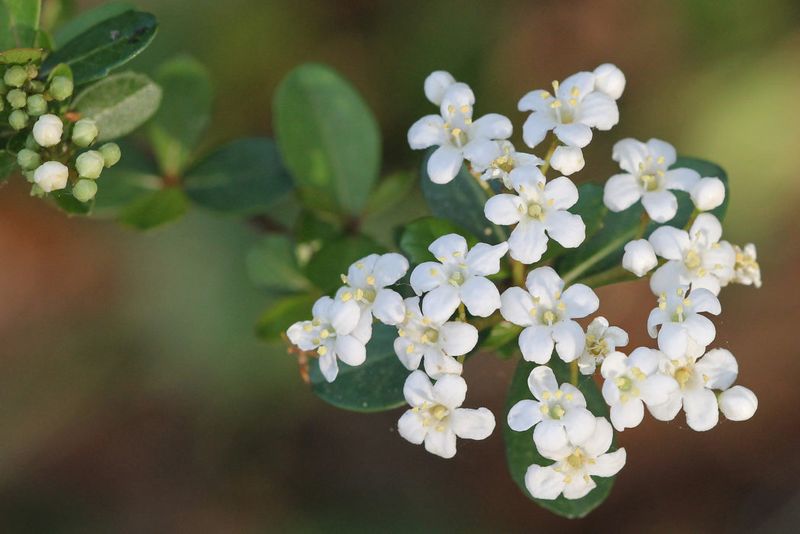
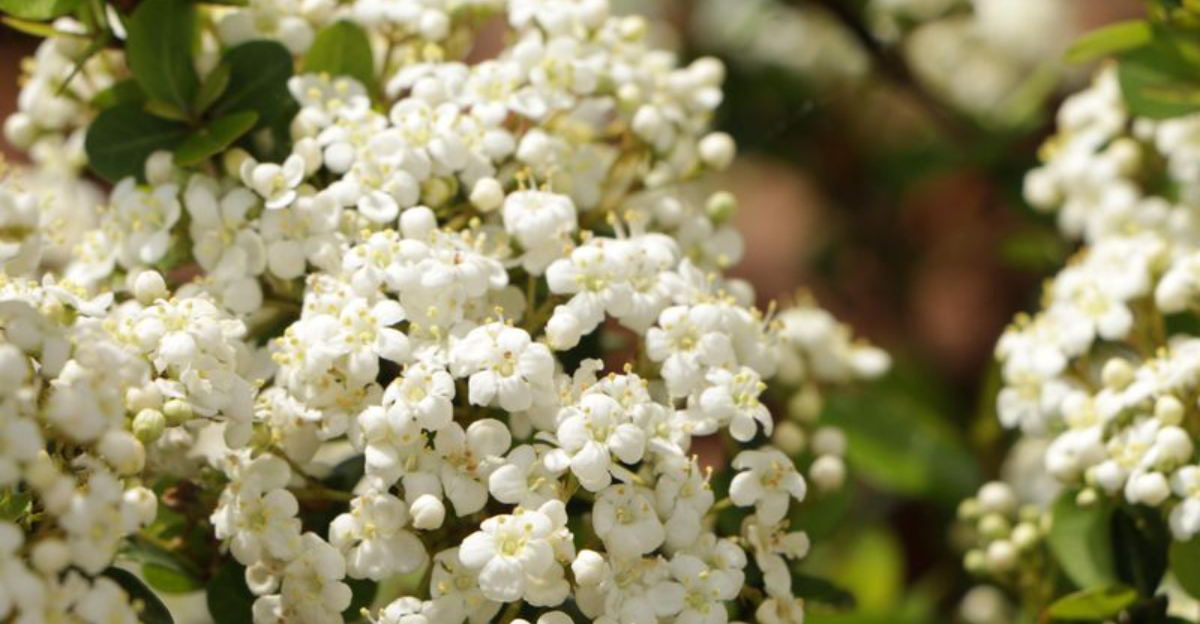
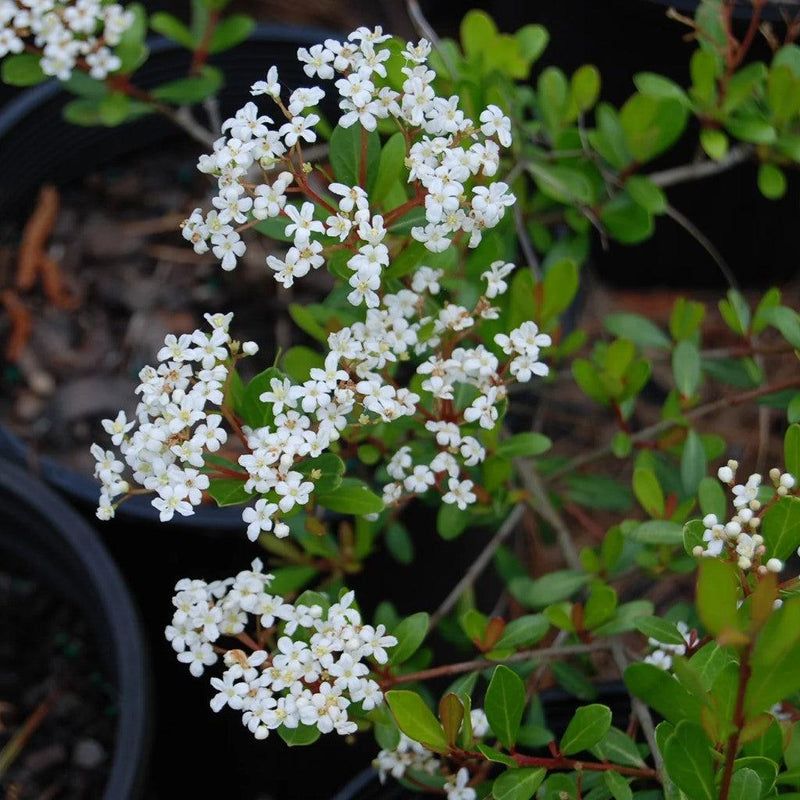
Spring in Florida brings a burst of flowering activity, and Walter’s Viburnum joins the celebration with clusters of small white blooms that cover the plant in a soft, romantic display. The flowers appear in flat-topped clusters called cymes, creating a look that echoes the beloved hydrangea without requiring all the special care.
Each tiny blossom is simple and pure white, but together they form showy groups that catch your eye from across the yard.
The blooming period typically runs from March through April, depending on your location within the state and the weather patterns that year. These flowers aren’t just pretty to look at either.
They emit a light, pleasant fragrance that attracts butterflies, bees, and other pollinators to your garden. The scent isn’t overpowering, just a subtle sweetness that adds another layer of sensory enjoyment to your outdoor space.
After the blooms fade, small berries begin developing that start out red and eventually ripen to dark blue or black by fall. This means Walter’s Viburnum offers multiple seasons of visual interest rather than just one brief flowering period.
The berries provide food for birds while adding color contrast against the dark green foliage throughout autumn and early winter.
Compared to hydrangeas, which demand specific soil pH and consistent moisture to bloom properly in Florida, Walter’s Viburnum flowers reliably every spring without fuss. You don’t need to add amendments or worry about whether conditions are just right.
The plant simply does what it’s programmed to do, rewarding you with beautiful blooms as part of its natural cycle in the Florida landscape.
5. Feeds Birds And Welcomes Pollinators
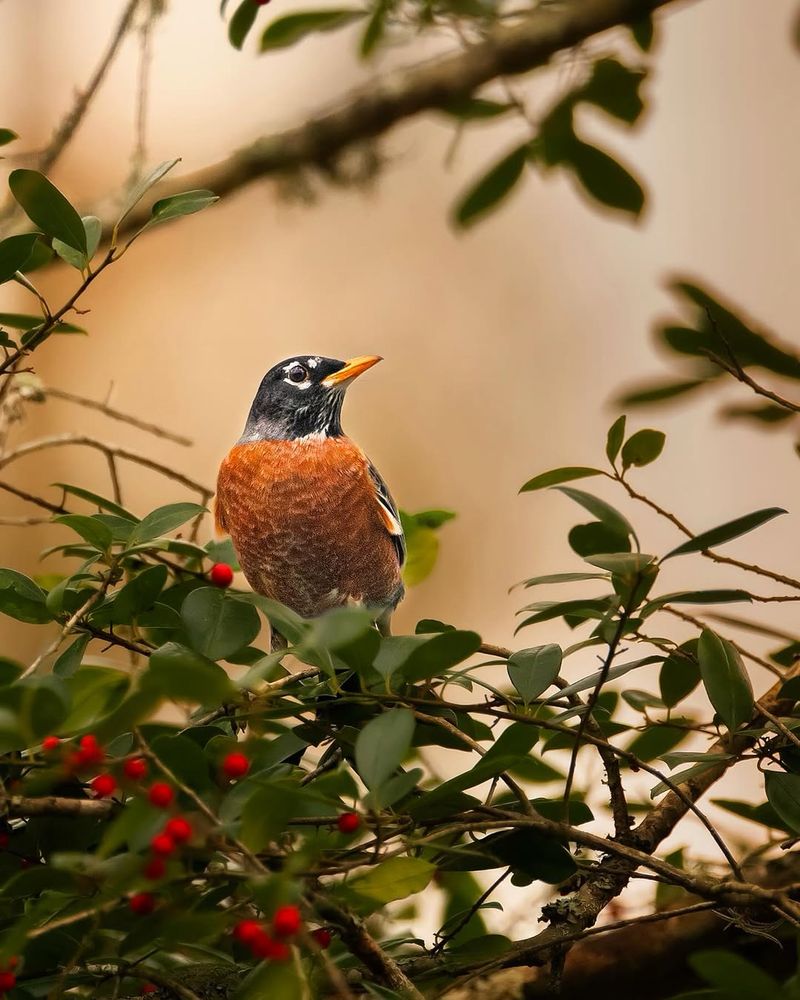
Creating a landscape that supports wildlife adds so much life and movement to your property. Walter’s Viburnum plays an important role in the local food web, providing resources that native creatures depend on throughout the year.
The spring flowers attract numerous pollinator species including native bees, butterflies, and beneficial insects that help your entire garden thrive. Watching these visitors work the blooms brings a sense of connection to the natural world right outside your door.
Once the flowers fade and berries develop, birds take center stage. Species like mockingbirds, cedar waxwings, robins, and bluebirds all feed on the small fruits that ripen in fall and early winter.
These berries are high in fat and nutrients, helping birds build energy reserves for migration or sustain themselves through cooler months. Planting Walter’s Viburnum essentially stocks a natural bird feeder that requires no maintenance or refilling from you.
The dense branching structure also provides excellent nesting sites and protective cover for smaller birds. Many species prefer to nest in native shrubs because the surrounding ecosystem feels familiar and safe.
When you include plants like this viburnum in your landscape, you’re not just decorating your yard but actively supporting biodiversity in your local area.
This ecological value is something ornamental hydrangeas simply can’t match. While hydrangeas might attract some pollinators to their blooms, they don’t produce berries that feed birds or create the same level of habitat value.
Walter’s Viburnum gives you beauty and function together, making your Florida landscape a more vibrant, living space that benefits both you and the wildlife that shares your environment.
6. Handles Wet Soil And Heavy Rains With Ease
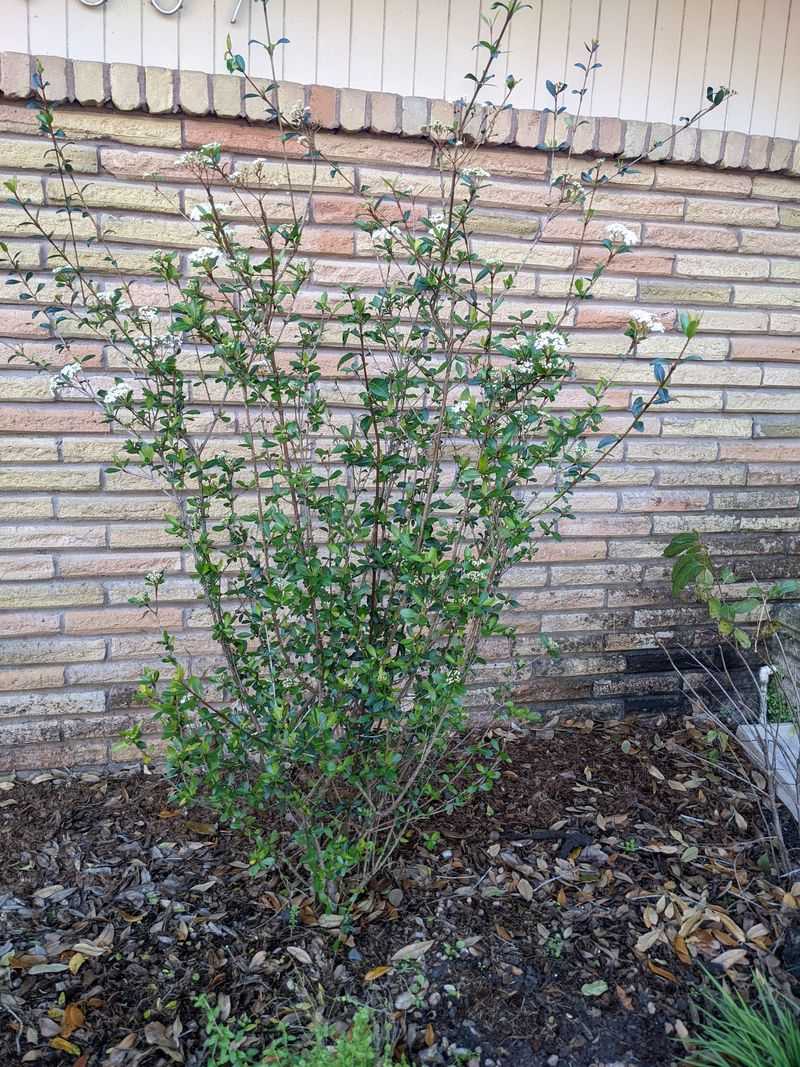
Florida’s rainy season brings challenges that many ornamental shrubs simply can’t handle. Afternoon thunderstorms dump inches of rain in minutes, creating temporary flooding in low spots and keeping soil saturated for days at a time.
Walter’s Viburnum actually tolerates these wet conditions better than most landscape plants, making it ideal for those problem areas where water tends to collect or drainage is less than perfect.
This viburnum naturally grows along moist woodland edges and stream banks, and it tolerates periodically wet soil better than many landscape shrubs. If you have a low spot in your yard that stays soggy after heavy rains, this plant will thrive there instead of struggling.
That ability to handle both wet and dry conditions gives you more planting options throughout your property.
The flexibility extends to different soil types as well. Walter’s Viburnum grows successfully in sand, loam, clay, and everything in between, as long as the site isn’t permanently waterlogged with standing water year-round.
During Florida’s dry season, the established root system reaches deep enough to find moisture even when the surface soil dries out. This means you’re not constantly adjusting watering schedules or worrying about whether your plant is getting too much or too little moisture.
Hydrangeas, by contrast, are notoriously picky about water. They wilt dramatically if soil dries out but can develop root problems if kept too wet.
That narrow comfort zone makes them frustrating to grow in Florida’s unpredictable climate. Walter’s Viburnum removes that stress entirely, adapting to whatever moisture conditions your yard provides without complaint or special attention.
7. Needs Little Attention Once Established
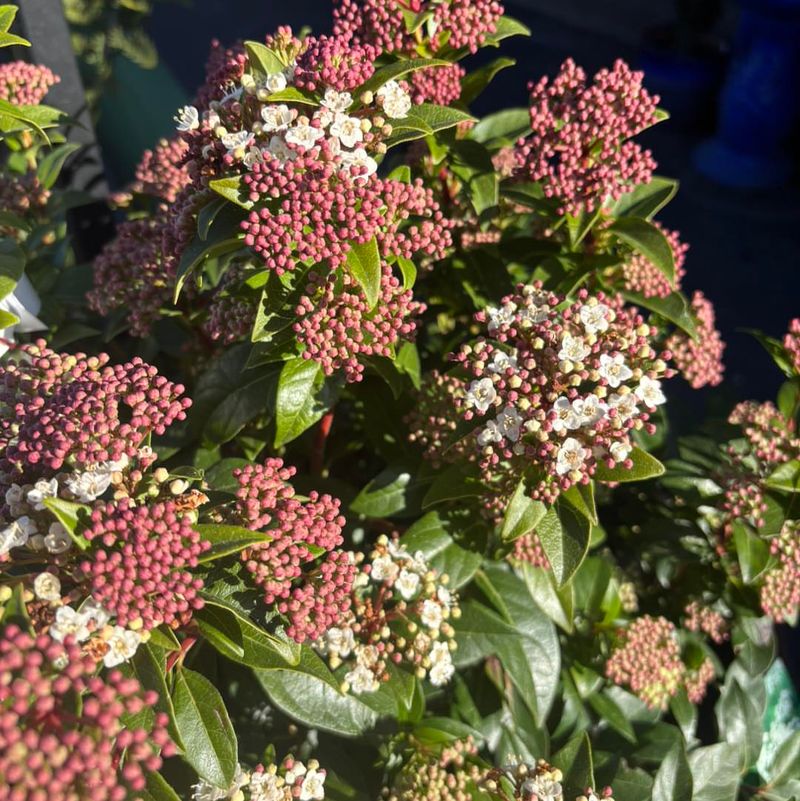
Gardening should be enjoyable, not a constant source of weekend chores and worry. Walter’s Viburnum rewards you with easy maintenance that frees up your time for actually enjoying your landscape rather than endlessly fussing over it.
Once the plant establishes during its first growing season, it becomes remarkably self-sufficient and tolerant of neglect that would stress more demanding shrubs.
Watering needs drop dramatically after establishment. While you’ll need to water regularly during the first few months to help roots settle in, established plants typically survive on rainfall alone in most of Florida.
During extended dry spells, an occasional deep watering helps, but this viburnum won’t wilt and suffer if you forget or go on vacation. That drought tolerance saves water, time, and the guilt that comes with watching thirsty plants struggle.
Fertilizing is optional rather than required. Walter’s Viburnum grows well in Florida’s native soils without supplemental feeding, though a light application of balanced fertilizer in early spring can encourage more vigorous growth if desired.
You won’t need to follow complicated feeding schedules or worry about nutrient deficiencies that plague pickier plants. The shrub simply grows steadily without demanding constant input from you.
Pruning requirements are minimal and flexible. You can shape the plant lightly after flowering if you want to control size or create a more formal look, but Walter’s Viburnum develops an attractive natural form without any pruning at all.
There’s no mandatory shearing or deadheading, no special techniques to master. Just let it grow, and trim it only if and when you feel like it.
This low-maintenance nature makes Walter’s Viburnum perfect for busy gardeners, older homeowners, or anyone who wants beauty without the burden of high-maintenance plants.
8. Perfect For Florida Landscapes From North To South
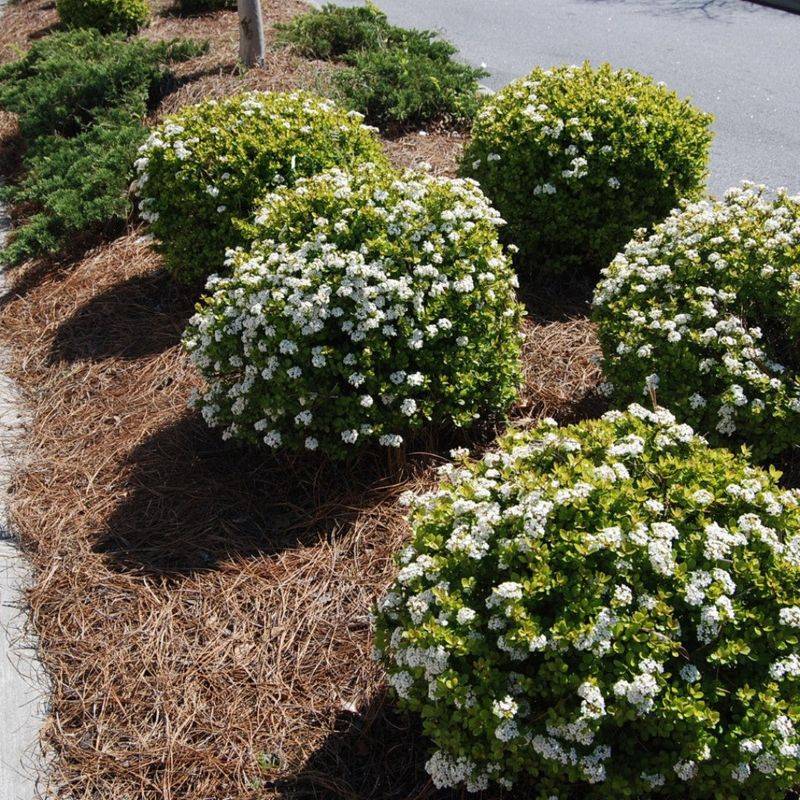
Florida spans multiple climate zones, and finding plants that perform well throughout the entire state can be surprisingly difficult. Walter’s Viburnum is one of those rare natives that adapts successfully from the Panhandle down to Central Florida, giving gardeners across a wide geographic range access to this beautiful, functional shrub.
Its natural range extends through much of the Southeast, so it handles the cooler winters of North Florida as easily as the subtropical conditions farther south.
In North Florida, Walter’s Viburnum tolerates occasional freezes and cold snaps without damage, maintaining its evergreen foliage through winter months. The plant goes semi-dormant during cooler weather but bounces back vigorously each spring with fresh growth and abundant blooms.
Gardeners in Jacksonville, Tallahassee, and Pensacola can count on this shrub to perform reliably year after year.
Moving south into Central Florida, the warmer temperatures and longer growing season allow Walter’s Viburnum to develop even more lush growth and fuller form. The plant thrives in the Orlando, Tampa, and Lakeland areas, handling summer heat and humidity without stress.
It fits beautifully into mixed borders with both native and adapted ornamentals, bridging the gap between temperate and tropical landscape styles.
This viburnum performs best in zones 8 through 10 and can also grow in many parts of South Florida when planted in suitable conditions. For most Florida gardeners, though, Walter’s Viburnum offers reliable performance that matches your local climate perfectly.
That broad adaptability means you can recommend it to friends and family across the state, knowing it will succeed in their landscapes just as well as it does in yours.