The Houseplant With The Cool Name That Handles Very Low Light In Pennsylvania Homes
If you’ve ever struggled to find a houseplant that thrives in dim corners or rooms with minimal sunlight, you’re not alone. Many plants need constant sunlight to stay healthy, leaving indoor gardeners frustrated.
But there is one plant that defies the odds and thrives in very low light conditions, making it the perfect solution for those tricky spots in your home. Not only does this plant do well in low light, but it’s also nearly impossible to destroy.
It’s tough, tolerant of neglect, and doesn’t need a ton of attention. Whether you’re new to plant care or just want something that can handle your busy schedule, this one checks all the boxes.
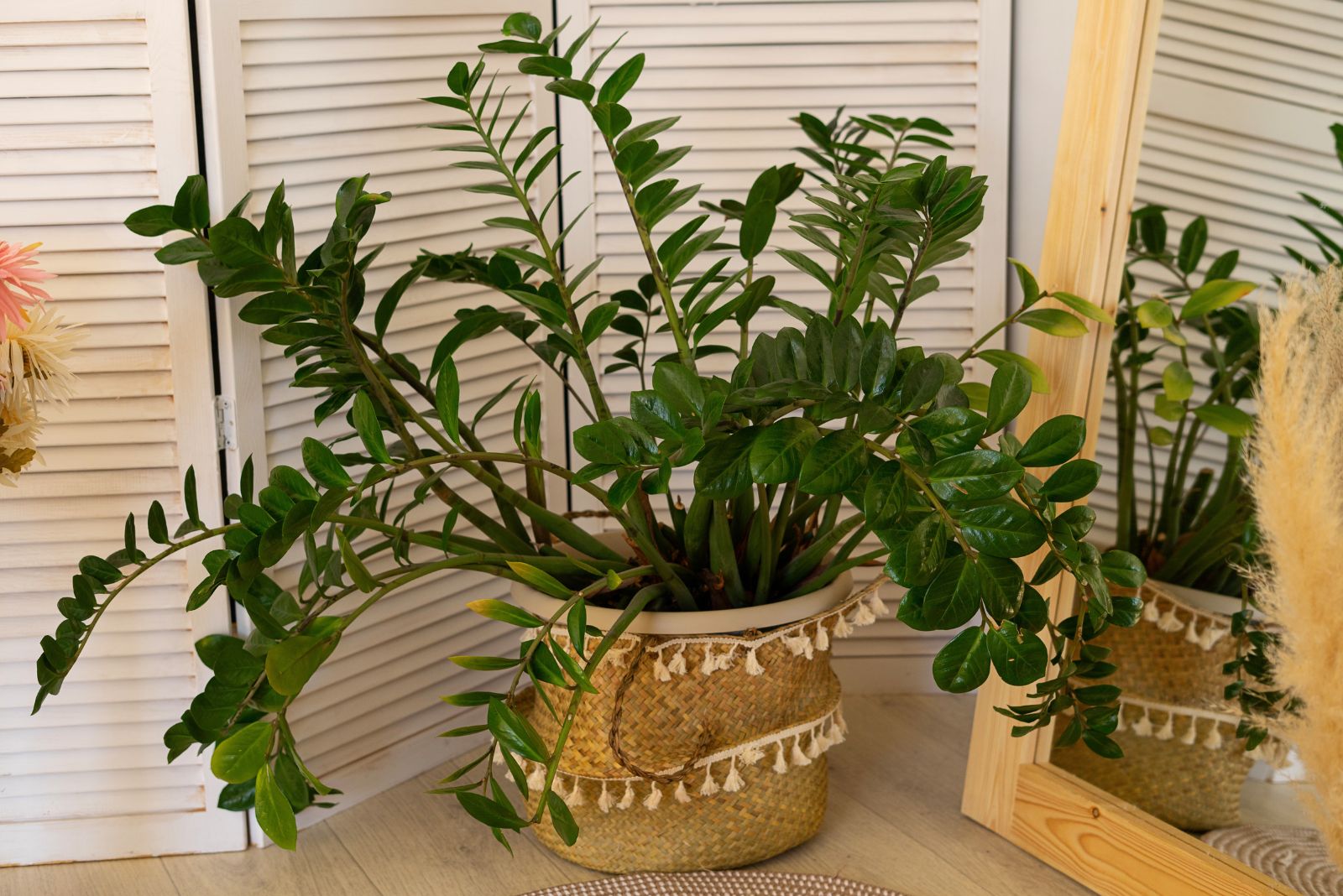
With its shiny, dark green leaves and sleek appearance, it fits perfectly in any home while requiring minimal effort. Plus, it’s got a name that sounds as cool as its capabilities.
If you’re ready for a low-maintenance, easy-care plant, this one’s a must-have!
Why The ZZ Plant Is Perfect For Pennsylvania Homes
Walk into almost any Pennsylvania home and you will notice one common challenge: not enough natural light.
Whether it is a row home in Philadelphia, a cozy apartment in Pittsburgh, or a farmhouse in rural Lancaster County, many Pennsylvania homes have rooms that just do not get enough sun. That is exactly why the ZZ plant has become such a favorite among local plant lovers.
The ZZ plant, officially called Zamioculcas zamiifolia, has a name that sounds like something out of a science fiction movie. But do not let the fancy name fool you.
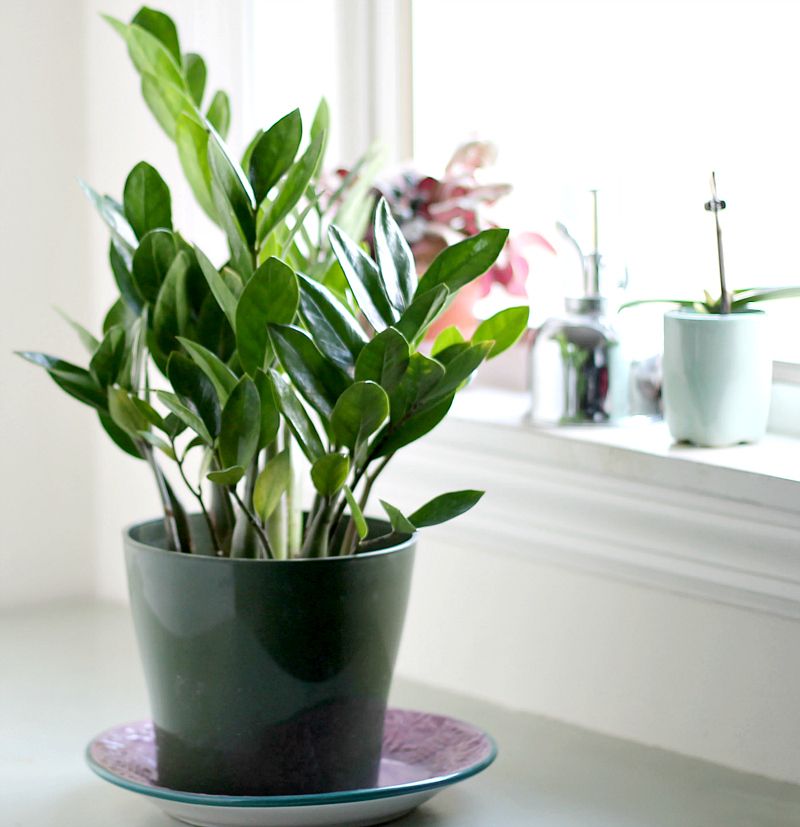
It is one of the easiest houseplants you can own. Its thick, glossy leaves have a deep green color that looks fresh and vibrant even without much sunlight. It adds a clean, modern look to any room without demanding much in return.
Beginners love it because it is forgiving. Busy parents love it because it does not need constant attention.
Even people who have never owned a plant before can keep a ZZ plant alive and thriving. It stores water in its thick roots, called rhizomes, which means it can go long stretches without watering.
For Pennsylvania residents dealing with cold, gray winters when sunlight is scarce, the ZZ plant is a reliable burst of green that keeps your home feeling alive all year long. It truly is one of the best houseplants you can bring into a Pennsylvania home.
Understanding The ZZ Plant’s Low Light Tolerance
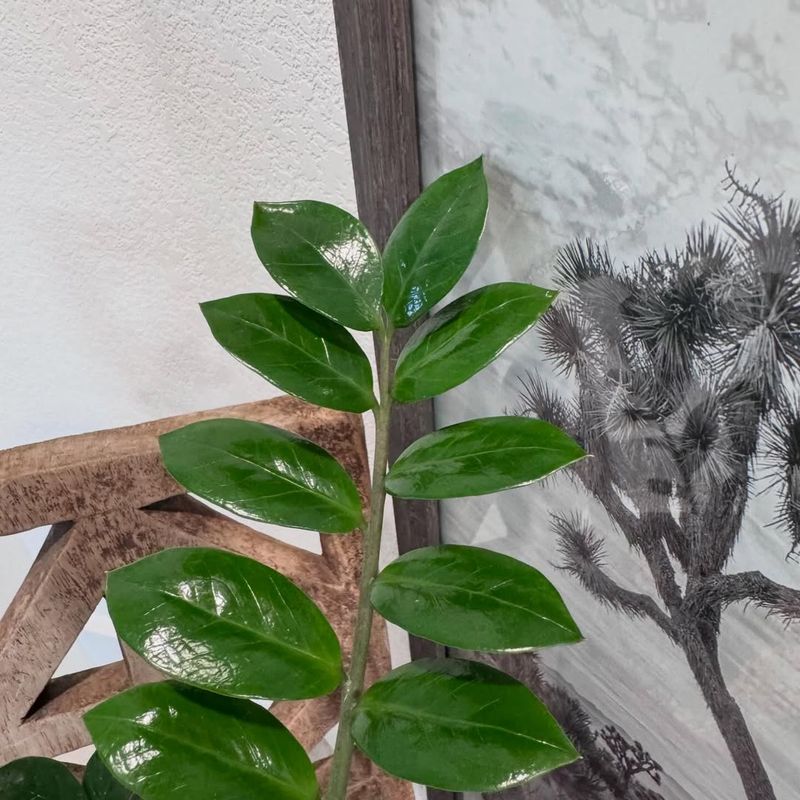
Most houseplants will throw a fit if you stick them in a dark corner. They droop, turn yellow, and basically beg for more sunlight.
The ZZ plant is a completely different story. It was built for low light, and science actually backs that up.
In its native habitat in East Africa, the ZZ plant grows under the dense canopy of trees where very little direct sunlight reaches the ground. That natural background means it is perfectly suited for the shadowy rooms found in many Pennsylvania homes.
Your Pennsylvania Garden Changes Every Week. Your Plan Should Too.
Gardening in Pennsylvania changes quickly throughout the season. Every Friday you’ll receive a simple weekly plan showing exactly what to plant, prune, fertilize, harvest, and protect so you never miss the right timing.
What makes this plant so special is how it handles light at the cellular level. It has a slow metabolism compared to most houseplants, which means it needs less energy from light to keep growing.
It can photosynthesize under fluorescent office lighting, dim hallway bulbs, or the weak winter sunlight that filters through Pennsylvania windows from November through March. That is a big deal for homeowners who do not have south-facing windows or bright sunrooms.
Apartments in cities like Allentown or Scranton often have windows that face brick walls or narrow alleyways. Basements converted into home offices or playrooms get almost no natural light at all.
The ZZ plant handles these tough spots without skipping a beat. Just keep it away from total darkness for extended periods, and it will reward you with steady, healthy growth.
Placing it near a lamp or under a basic grow light a few hours a day is more than enough to keep it happy in a low-light Pennsylvania space.
How To Care For A ZZ Plant In Pennsylvania’s Indoor Climate
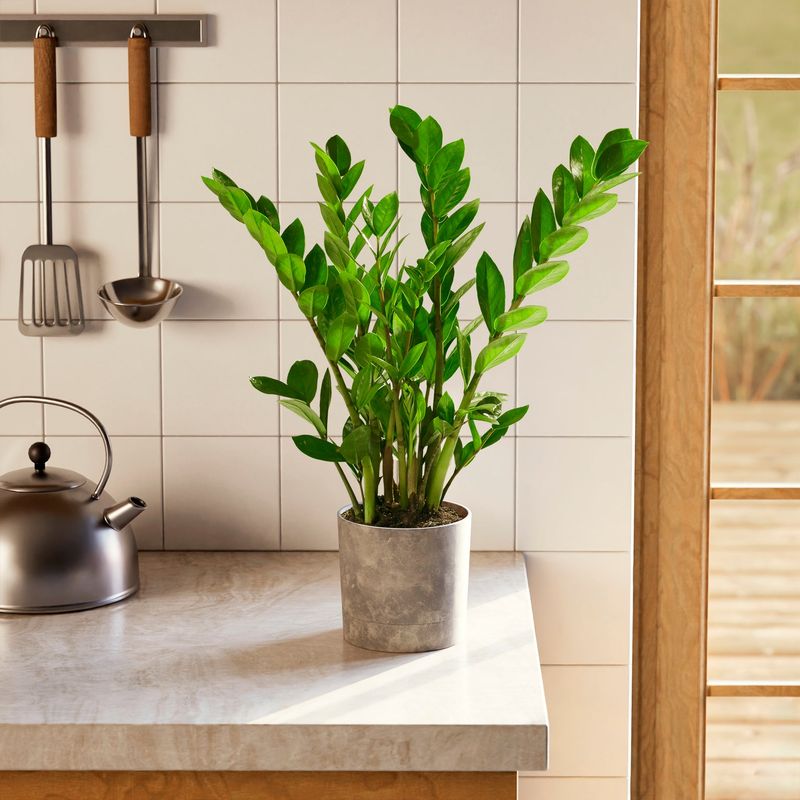
Pennsylvania winters can be brutal. Temperatures outside drop well below freezing, heating systems run constantly, and indoor air becomes very dry.
For many houseplants, that dry winter air is a real problem. Luckily, the ZZ plant handles it like a champ.
It actually prefers moderate humidity and does just fine in the drier indoor conditions that most Pennsylvania homes experience from December through February.
Temperature is something to pay attention to, though. ZZ plants are happiest when indoor temps stay between 65 degrees and 75 degrees Fahrenheit, which is pretty much the standard comfort zone for most people in their homes.
What they really cannot stand is a sudden blast of cold air. Placing your ZZ plant near a drafty window, an exterior door, or directly in front of an air conditioning vent can stress the plant out quickly.
Keep it in a stable spot where the temperature stays consistent throughout the day and night.
One of the smartest moves you can make as a Pennsylvania plant owner is to group your ZZ plant with a few other houseplants. When plants are clustered together, they naturally release moisture into the air around them, creating a slightly more humid microclimate.
This is especially helpful during the heating season when indoor air tends to get very dry. You do not need a fancy humidifier or any special equipment.
Just a little thoughtful placement goes a long way in keeping your ZZ plant comfortable through every Pennsylvania season. It is truly a low-effort, high-reward plant for any indoor space.
Watering And Soil Needs For A Thriving ZZ Plant
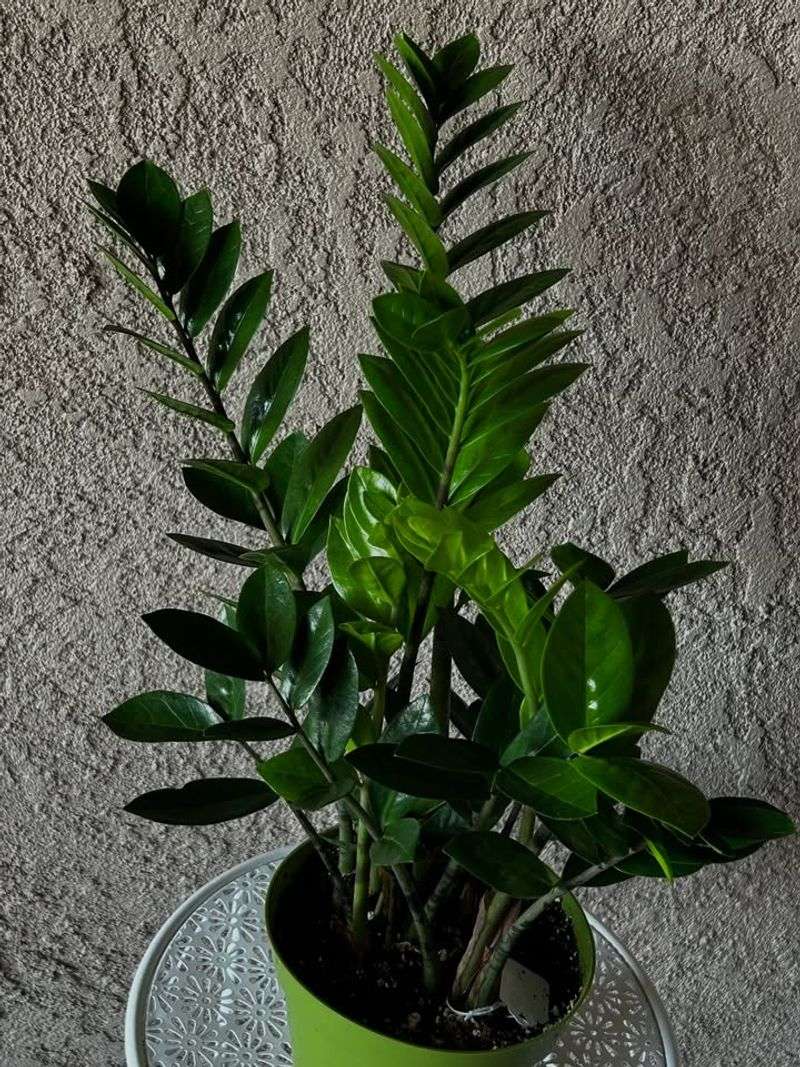
Here is a fun fact that surprises most new plant owners: the ZZ plant actually prefers to be ignored when it comes to watering. Unlike most houseplants that need a regular drink every few days, the ZZ plant stores water in its thick underground rhizomes.
Those chunky roots act like tiny water tanks, keeping the plant hydrated even when you forget to water it for a week or two. For busy households across Pennsylvania, that is genuinely great news.
The golden rule with ZZ plants is simple: let the soil dry out completely before watering again. Stick your finger about two inches into the soil.
If it still feels damp, wait a few more days. Overwatering is the most common mistake people make with this plant, and it can lead to root rot, which is very hard to fix once it sets in.
Always use a pot with drainage holes at the bottom so excess water can escape freely rather than pooling around the roots.
Soil choice matters a lot too. A well-draining potting mix is ideal, and you can even mix in a little perlite or coarse sand to improve drainage further.
Standard cactus or succulent soil blends from any garden center in Pennsylvania work really well for ZZ plants. During the warmer months of spring and summer, you may water slightly more often.
But in the colder Pennsylvania winters when the plant slows its growth, watering even less frequently is the right move. Less really is more when it comes to keeping this plant happy and healthy.
Why The ZZ Plant Is A Great Choice For Busy Households
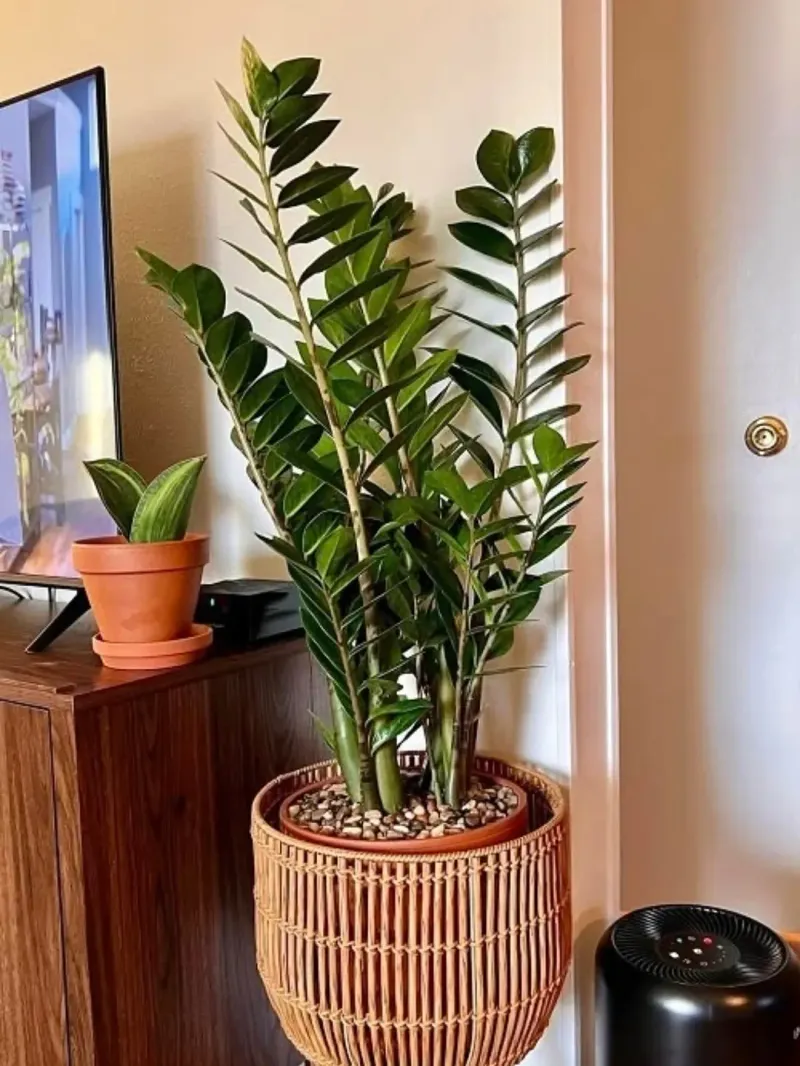
Life in Pennsylvania can get pretty hectic. Between school runs, work deadlines, weekend sports games, and everything else that fills up a family’s schedule, watering a houseplant often falls to the bottom of the to-do list.
That is where the ZZ plant earns its reputation as the ultimate low-maintenance companion for busy people. It practically takes care of itself, and it does not hold a grudge when you forget about it for a while.
Unlike fussier plants that need weekly feeding, frequent misting, or constant repositioning to chase the light, the ZZ plant stays content with very little effort.
You can fertilize it with a basic liquid houseplant fertilizer once a month during spring and summer, and then skip fertilizing entirely through fall and winter.
That is honestly about as much effort as it takes. No complicated routines, no special equipment, and no stress about getting it exactly right every single time.
Repotting is another area where the ZZ plant keeps things easy. It actually prefers being slightly root-bound, which means you only need to move it into a larger pot every two to three years.
Pennsylvania families who want greenery in their home without the pressure of high-maintenance plant care will absolutely love this plant. It sits quietly in its corner, looks beautiful, cleans the air a little, and asks for almost nothing in return.
For anyone juggling a full and busy life in Pennsylvania, the ZZ plant is honestly one of the most practical and rewarding houseplants you can choose to bring home.
Troubleshooting Common Issues With ZZ Plants
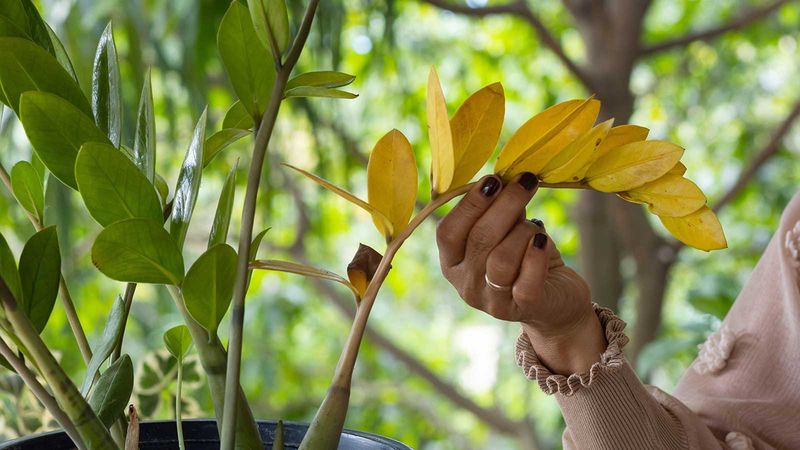
Even the toughest plants can run into trouble sometimes, and the ZZ plant is no exception. The good news is that when something goes wrong, the plant usually gives you a clear signal that is easy to read.
Yellowing leaves are the most common complaint from ZZ plant owners across Pennsylvania, and almost every time, the culprit is the same thing: too much water.
If you notice yellow leaves spreading across your plant, cut back on watering immediately and check that your pot is draining properly.
Brown leaf tips are a different story. They usually point to one of two things: either the plant is not getting enough water, or the indoor air is too dry.
During Pennsylvania winters when heating systems run full blast, the air inside homes can get very dry very fast.
If you spot brown tips, try watering a little more regularly and consider placing a small tray of water near the plant to add some moisture to the surrounding air. Grouping it with other plants also helps.
One more thing to watch out for is pests. Spider mites and mealybugs occasionally find their way onto ZZ plants, especially during the dry winter months.
If you spot tiny bugs or a white cottony substance on the leaves, wipe the leaves down with a damp cloth and treat the plant with a gentle neem oil spray. Catching problems early makes them much easier to fix.
With just a little observation and quick action, your ZZ plant will stay strong and beautiful in your Pennsylvania home for many years to come.