The Invasive Pest Michigan Growers Are Being Asked To Watch For Right Now
Your vines and trees across Michigan could already be hosting a threat you haven’t spotted yet. Officials are confirming a new insect problem spreading through orchards, vineyards, and hardwood stands statewide.
Damage shows up fast, and it doesn’t stay confined to a single type of plant. Grapevines take some of the worst hits, but fruit trees and forest canopies follow close behind.
You could lose an entire season’s growth before you even identify what’s causing it. Michigan’s climate and crop diversity make this especially dangerous for growers who assume they’re safe.
Early detection matters more than anything else right now, and waiting costs you real money. Nothing about this pest behaves the way you’d expect from typical outdoor threats.
Adult Numbers Peak Across Southeast Michigan In Late August
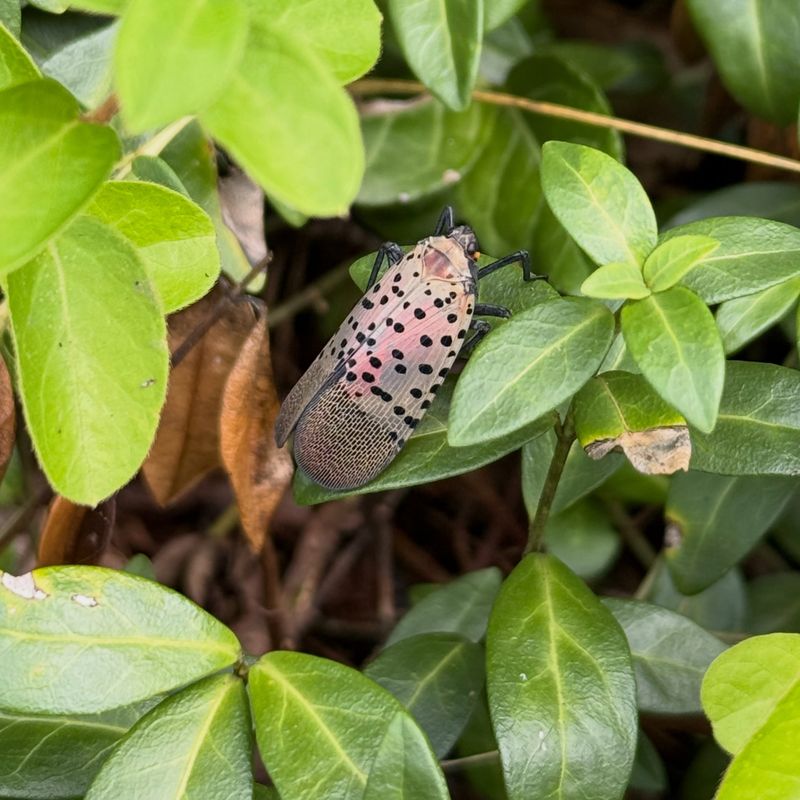
Southeast Michigan growers are watching adult populations climb fast right now. Adult populations surge fast during this window, which makes this stretch one of the more important scouting periods of the season.
Growers in counties like Monroe, Wayne, and Macomb are reporting higher numbers than in previous seasons. The adults are bold, fast, and surprisingly hard to catch in large groups.
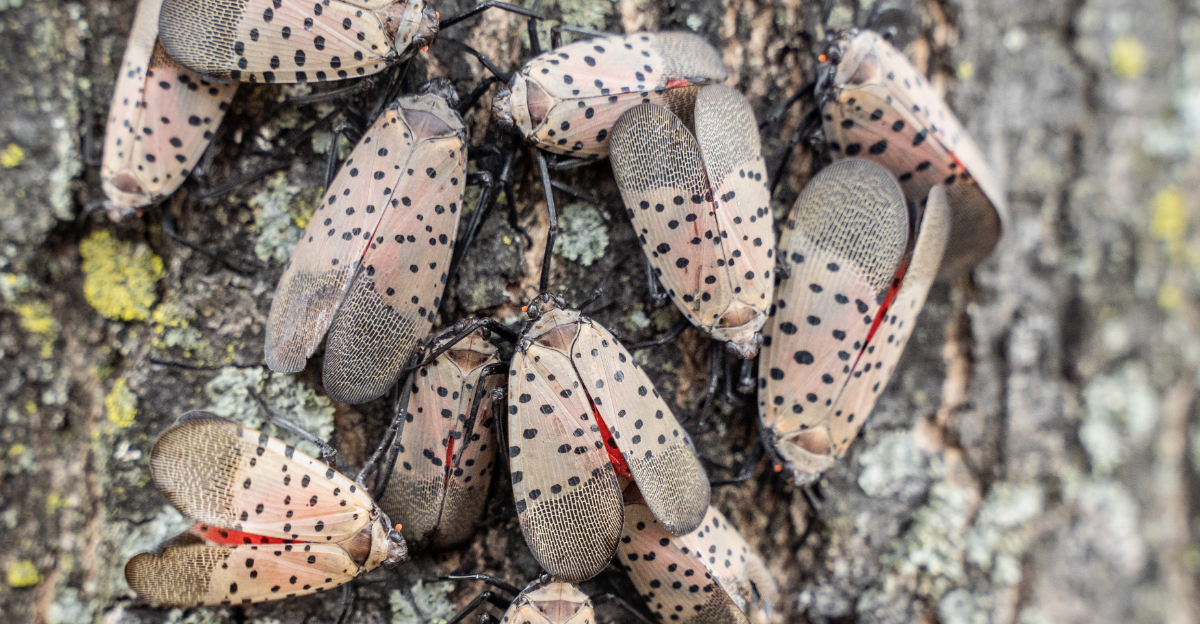
Spotted lanternflies in their adult stage are easy to spot if you know what to look for. Their forewings are gray with black spots, and their hindwings flash bright red when they take flight.
Adults are not picky about where they rest during the day. You might find them clustered on fence posts, vine trellises, barn siding, or even your pickup truck parked near the orchard.
The peak window runs roughly from mid-August through October, before the first hard frost. That gives them about six to eight weeks of heavy feeding time on your crops.
Frequent scouting during this stretch gives growers their best shot at catching populations early. Catching them early in the surge gives growers the best chance to respond before serious damage sets in.
Numbers can feel overwhelming when the peak hits fast. Staying consistent with your checks, even on busy harvest days, is the single most effective habit you can build this season.
Grapevines And Tree Of Heaven Draw The Heaviest Feeding
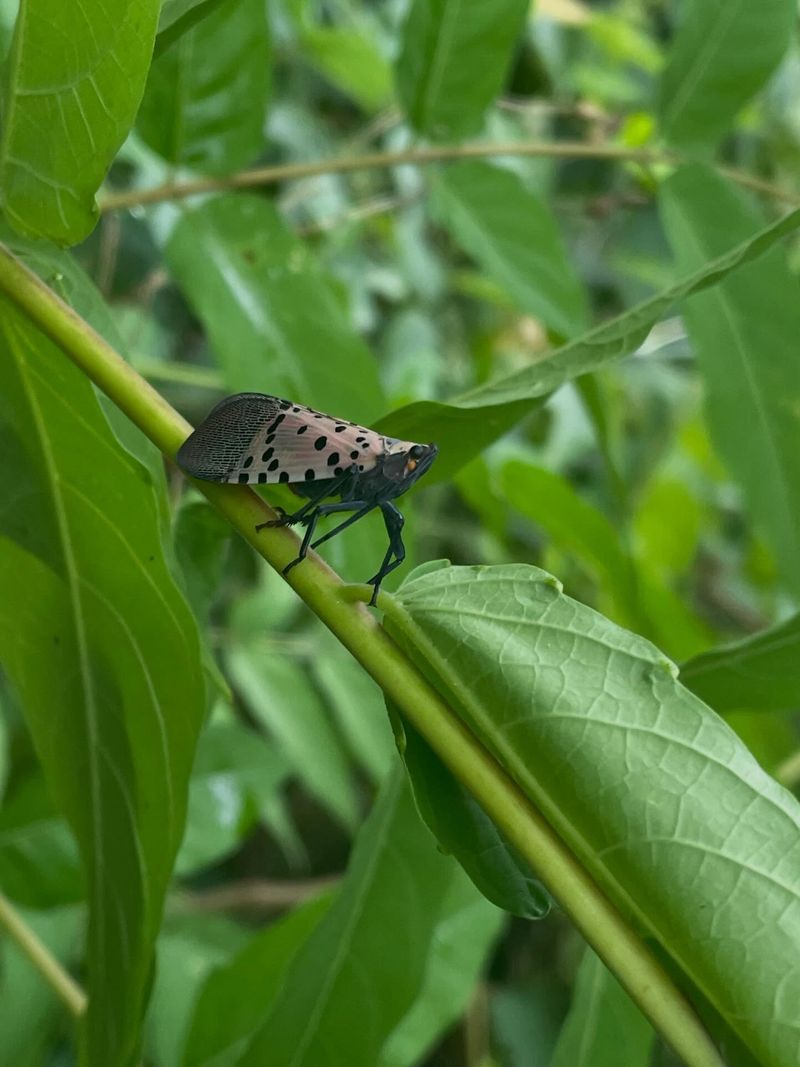
Ask any Michigan vintner what keeps them up at night this season, and spotted lanternfly is climbing the list fast. Grapevines are among the most heavily targeted hosts, and the damage can build up shockingly quickly.
The pest uses a piercing mouthpart to tap directly into plant stems and suck out sap. Over time, that repeated feeding weakens the vine and leaves it struggling to store energy for next year.
Tree of Heaven, an invasive tree itself, acts like a magnet for spotted lanternfly populations. Where Tree of Heaven grows near vineyards, expect the pest to follow in large numbers.
Removing Tree of Heaven from field edges can reduce local pest pressure noticeably. It is not a complete fix, but it takes away a key breeding and feeding hub the insects rely on.
Hops, apples, peaches, and cherries also appear on the feeding list, though grapevines remain the primary concern for Michigan agriculture. Growers managing mixed orchards should scout all species carefully.
Your Michigan Garden Changes Every Week. Your Plan Should Too.
Gardening in Michigan changes quickly throughout the season. Every Friday you’ll receive a simple weekly plan showing exactly what to plant, prune, fertilize, harvest, and protect so you never miss the right timing.
Feeding wounds on grapevines often weep sap, which then attracts a secondary wave of other insects. That chain reaction adds stress on top of stress for already-burdened plants.
Protecting your vines starts with knowing exactly where your Tree of Heaven patches are located. Map them now, manage them consistently, and you cut off one of the pest’s favorite pit stops before harvest season peaks.
Egg Masses Look Like Dried Mud Smeared On Bark And Equipment
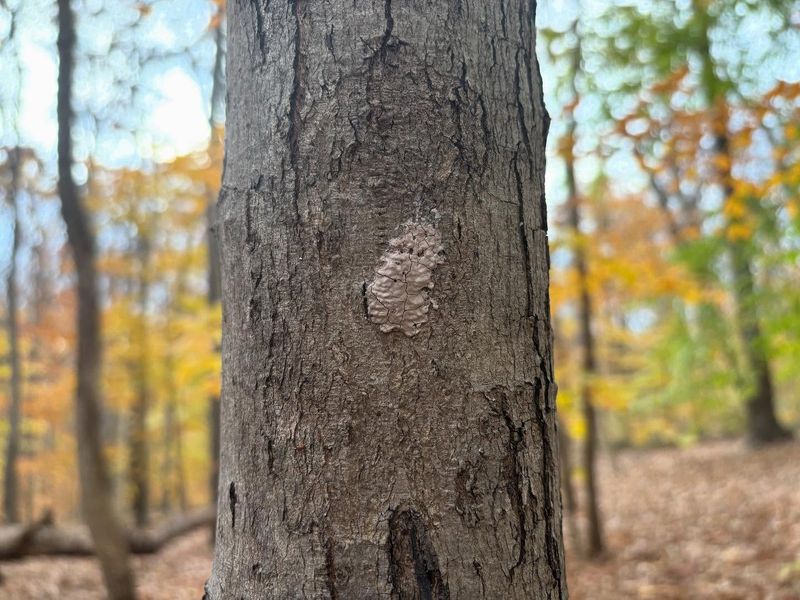
Spotting an egg mass before it hatches is one of the most powerful moves a grower can make. These masses look almost exactly like a smear of dried gray mud, and that disguise is surprisingly effective.
Each mass contains between 30 and 50 individual eggs arranged in neat rows beneath a waxy coating. That coating hardens over time and makes the eggs resistant to cold and casual contact.
Egg masses appear on nearly any flat surface, including tree bark, wooden fence posts, stone walls, and outdoor equipment. Trailers, tractors, and harvest bins left near infested trees are especially common targets.
The laying season runs from September through December, so fall and even early-winter equipment checks are just as critical as summer scouting. Missing a mass on your flatbed trailer means potentially moving the pest to a new county.
Scraping masses off surfaces with a stiff card or putty knife and dropping them into an isopropyl solution or hand sanitizer destroys them effectively. Always seal the container before disposing of it.
Photographing the mass before removal helps confirm identification, especially if you are new to spotting them. Send clear photos to your local Michigan State University Extension office for quick verification.
One overlooked mass on a piece of borrowed equipment can undo months of careful management on your property. Train every worker and family member to recognize the dried-mud look before moving anything off the farm this fall.
Counties Where Spotted Lanternfly Has Moved Past Early Detection
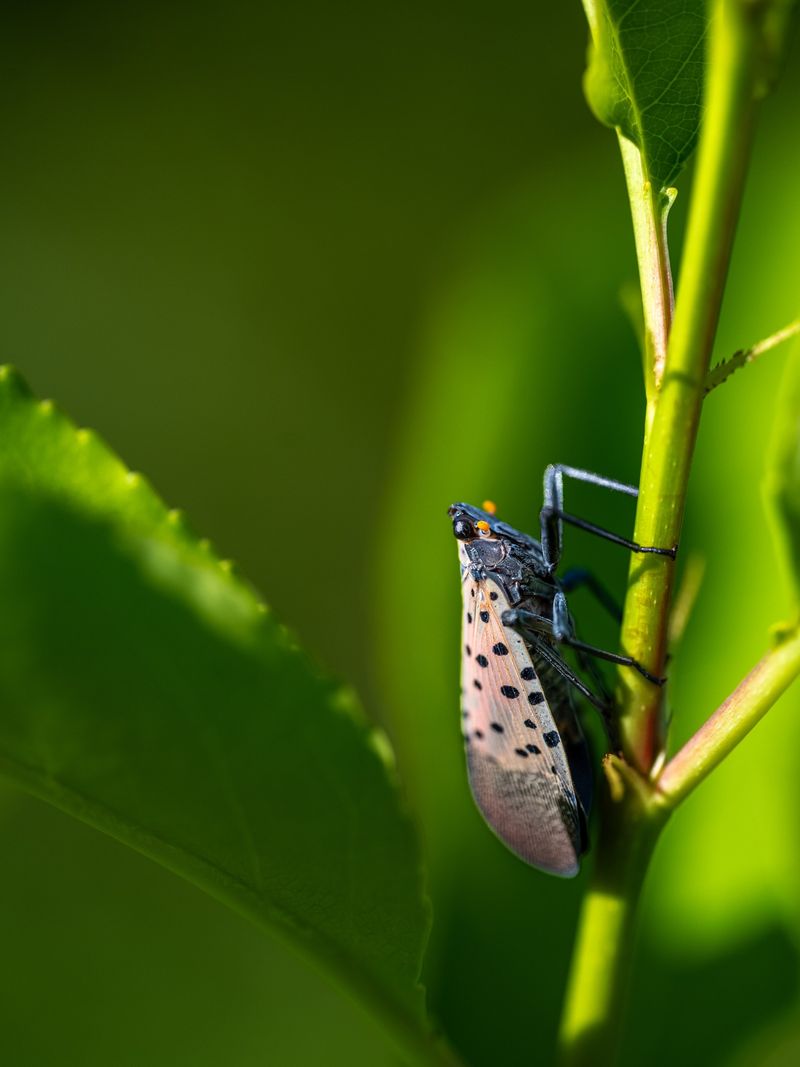
When a pest first arrives, every sighting matters enormously for tracking its spread. But as populations grow and establish themselves, reporting protocols shift to reflect the new reality on the ground.
Michigan Department of Agriculture and Rural Development continues to update its response as detections increase in certain counties, shifting the focus from individual reports to active management in established areas.
Monroe County is among the locations where spotted lanternfly has moved past the early-detection phase, one of the first counties to reach that stage. Officials still encourage reporting anything unusual there.
Lenawee and Jackson counties are also being monitored closely as populations expand from the southeast corner of the state. Officials expect the established zone to grow before the end of this growing season.
If you farm in a county still considered a watch zone, every confirmed sighting should still go to your local extension office or the state pest hotline. Early data from watch zones helps officials deploy resources faster.
Knowing your county’s current status changes how you spend your time and energy. Growers in established zones should focus on reducing spread to neighboring properties and protecting their most valuable crops.
Check the Michigan Department of Agriculture website for the most current county-by-county status map. That map updates regularly, and your county’s status may have changed since you last looked.
Sap Loss And Sooty Mold Are The Costs Growers Notice First
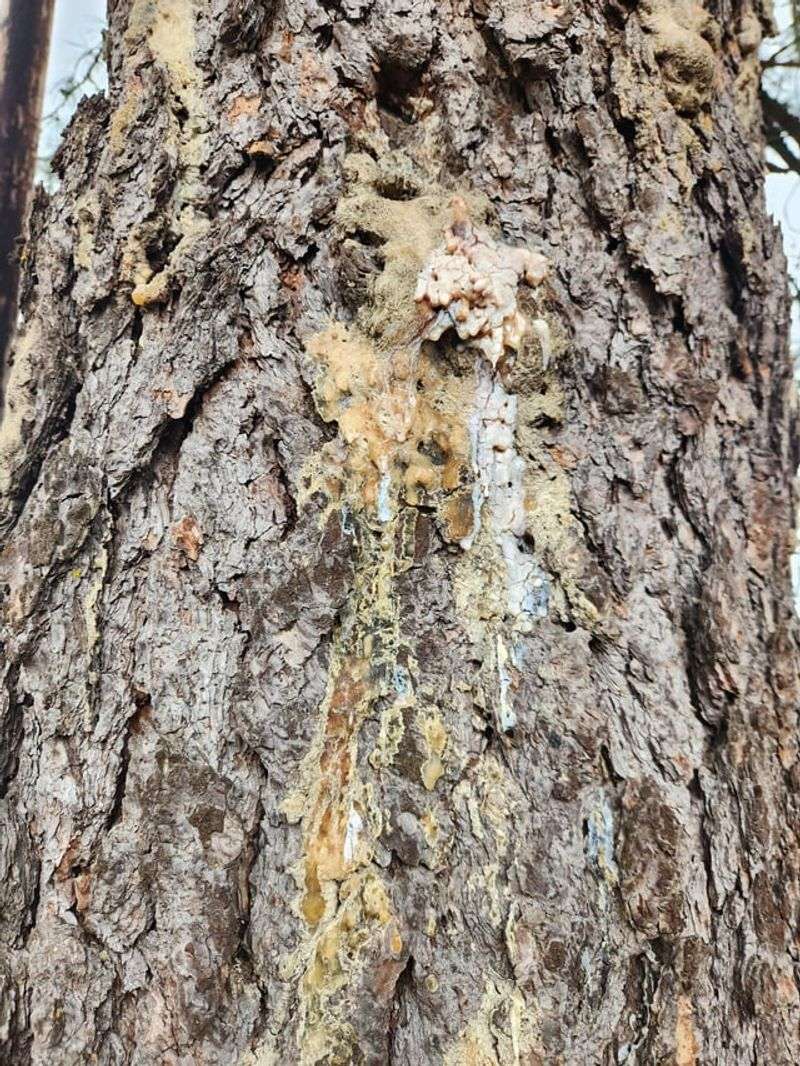
The first sign most growers notice is not the insect itself but the sticky mess left behind. Spotted lanternflies excrete a sugary liquid called honeydew as they feed, and it coats everything below them.
That honeydew layer is more than just gross. It becomes the perfect growing medium for sooty mold, a black fungal coating that blocks sunlight from reaching leaves and fruit.
Sooty mold does not infect the plant directly, but it slows photosynthesis and weakens the plant’s ability to recover from feeding stress. On grapevines, that combination can reduce fruit quality and sugar content significantly.
Sap loss from repeated feeding wounds adds another layer of damage that is harder to see but easy to measure at harvest. Vines that lose sap over weeks produce smaller clusters with less vigor going into winter.
The mold also makes fruit unmarketable in direct-sale operations like farm stands and u-pick operations. Customers notice black coating on grapes immediately, and no amount of washing fully restores the visual appeal.
Managing the pest population directly remains the most effective way to stop both problems at the source. Reducing feeding pressure early in the season limits the honeydew output before mold has a chance to establish.
Growers who catch infestations early in the season consistently report less sooty mold pressure later on. Acting on the first signs of feeding is generally far cheaper than managing the aftermath of a full season of sap loss.
Vehicle And Equipment Checks That Slow Movement To New Areas
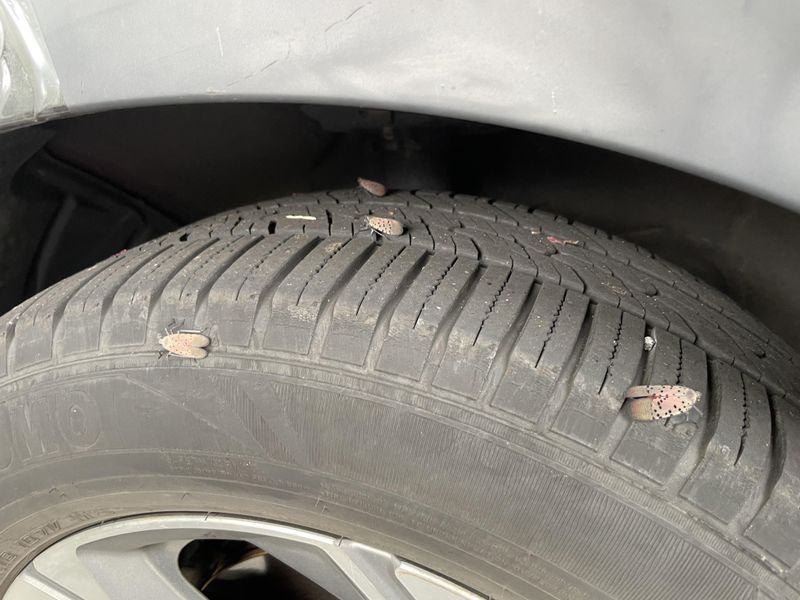
The spotted lanternfly does not fly hundreds of miles on its own. It hitchhikes, and your truck, trailer, or combine might be the ride it is waiting for.
Every vehicle that moves through an infested area and then travels to a new county is a potential transport vector. That is why equipment checks have become a non-negotiable part of daily farm operations in affected zones.
Focus your inspection on wheel wells, trailer frames, hitches, and any flat surface where an egg mass could stick. Adults also hide in gaps and folds of tarps, canvas covers, and cargo straps.
Before leaving any property in a watch or established zone, walk the full perimeter of your vehicle and trailer. Give special attention to shaded spots on the undercarriage where adults like to rest during midday heat.
Logging your inspection times and findings is a smart habit, especially if you move equipment across county lines regularly. A simple notepad log protects you legally and helps track patterns over time.
Washing vehicles before leaving an infested site is widely recommended as a preventive step. A pressure washer aimed at wheel wells and undercarriage dislodges egg masses and resting adults effectively.
Slowing the spread of the invasive pest Michigan growers are watching is genuinely a team effort. Every clean vehicle that crosses a county line is a small but meaningful win for the farms and forests waiting on the other side.