The Native Texas Flower That Draws Hummingbirds All Through September
September is one of the most dynamic months in the Texas hummingbird calendar. Resident hummingbirds are still active, early migrants are moving through on their way south, and the variety of species passing through Texas feeders and gardens during this window can be genuinely remarkable.
But hummingbirds in September are also searching harder for reliable nectar sources, because many of the plants that fed them through summer are finishing their bloom cycles.
The gardens that hold hummingbird attention through September are the ones with the right plants still in flower. One native Texas flower stands out for exactly this.
It blooms through September with a consistency that makes it one of the most reliable hummingbird resources of the entire late season, producing the tubular flowers that hummingbirds seek out specifically and continuing to do so right through the migration window when the traffic through Texas yards is at its most interesting and varied.
It’s native, heat tolerant, and beautiful enough to earn its spot in any Texas garden on looks alone.
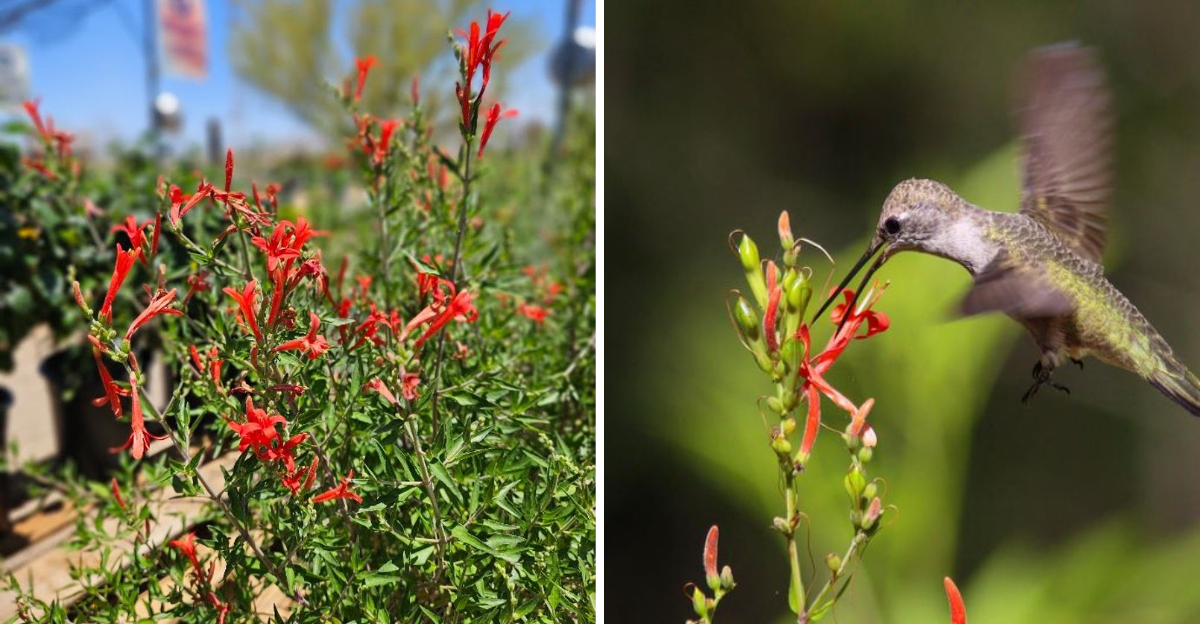
Flame Acanthus Keeps Blooming Into September
Most flowering plants in Texas start slowing down by late August. The heat has worn them out, and blooms get fewer and further between.
Flame acanthus is a completely different story. While other plants are winding down, this tough native shrub is still going strong, pushing out wave after wave of bright red-orange tubular flowers well into September and sometimes beyond.
The timing is not a coincidence. Flame acanthus naturally blooms from midsummer through fall, which lines up almost perfectly with the window when ruby-throated and rufous hummingbirds are most active in Texas.
These birds are fueling up for migration, and they need reliable nectar sources. Flame acanthus delivers exactly that, right on schedule.
Gardeners who have planted flame acanthus often say it feels like the shrub knows what it is doing. Just when the garden starts looking tired, the plant kicks into high gear.
The blooms can last for weeks, giving hummingbirds a consistent feeding spot instead of a one-time visit. That kind of steady bloom production is rare and genuinely valuable in a fall garden.
If you have been searching for a plant that bridges the gap between summer and autumn color, flame acanthus fills that role beautifully.
It is one of those plants that rewards patience and proper placement with a show that lasts longer than almost anything else in the yard.
The Flower Shape Is Perfect For Hummingbirds
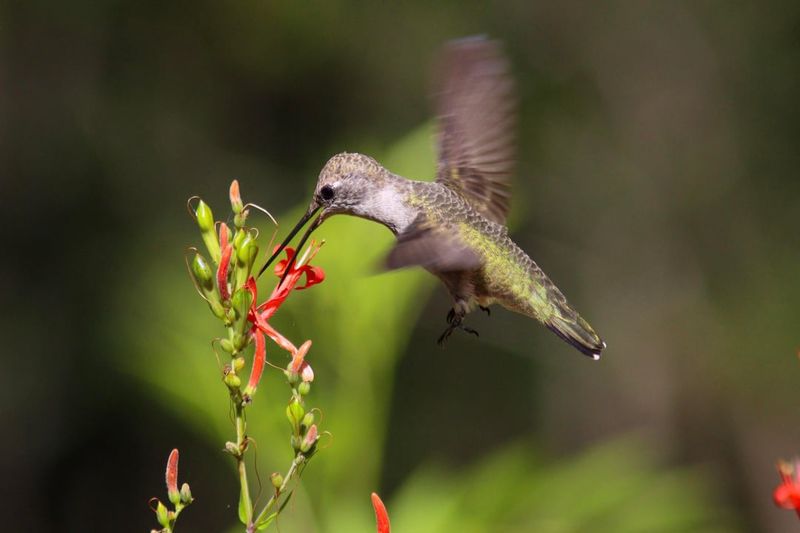
Ever wonder why hummingbirds seem to ignore some flowers and go crazy for others? A big part of it comes down to shape.
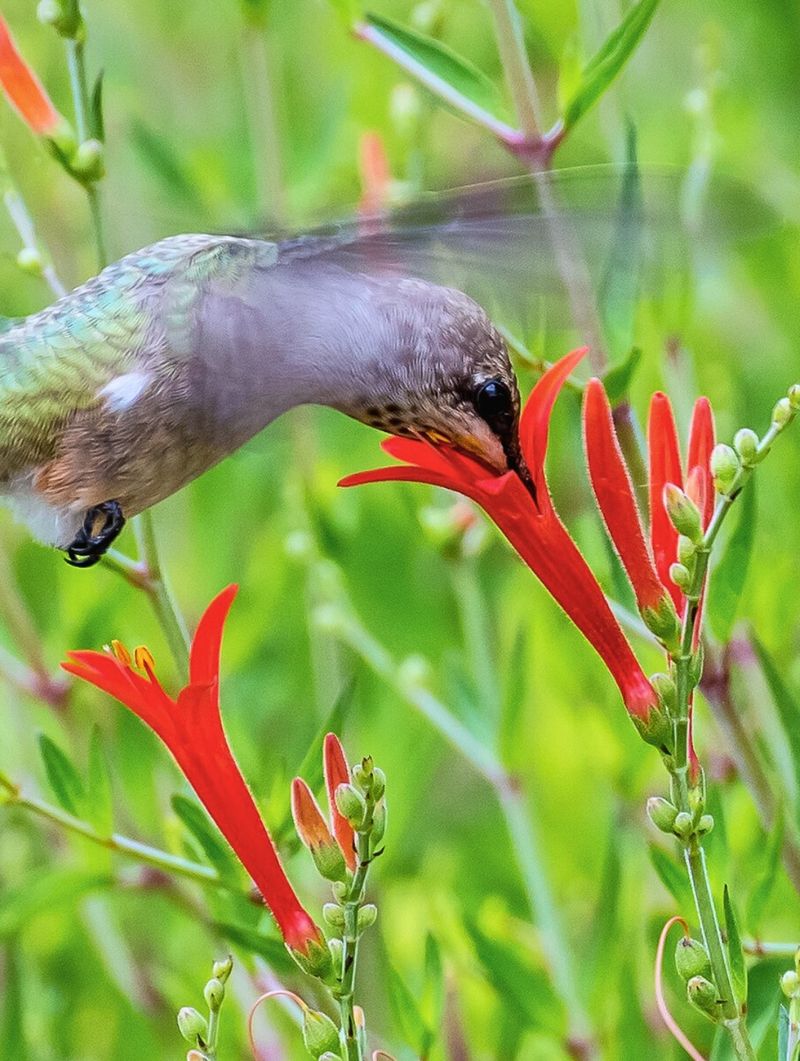
Hummingbirds have long, narrow bills and even longer tongues built for reaching deep inside tubular flowers. Flat or wide-open blooms are harder for them to access efficiently.
Flame acanthus produces long, slender, tube-shaped flowers that are basically custom-made for hummingbird feeding.
The fit is almost like a key in a lock. A hummingbird hovers in front of the bloom, slides its bill inside, and uses its tongue to lap up nectar quickly.
Your Texas Garden Changes Every Week. Your Plan Should Too.
Gardening in Texas changes quickly throughout the season. Every Friday you’ll receive a simple weekly plan showing exactly what to plant, prune, fertilize, harvest, and protect so you never miss the right timing.
Because the flower is shaped just right, the bird can feed fast and move on, visiting flower after flower in a short time. That efficiency keeps hummingbirds coming back to the same plant again and again throughout the day.
Color also plays a major role. Hummingbirds are strongly attracted to red and orange shades, and flame acanthus delivers both in a bold, eye-catching way.
From a distance, the plant practically glows against green foliage or a wooden fence. Once a hummingbird spots it, the bright color acts like a signal saying the nectar is worth the stop.
Gardeners have noticed that hummingbirds often find flame acanthus within days of it being planted, sometimes even before the plant is fully established.
The combination of the right color and the right flower shape makes this shrub one of the most effective hummingbird attractors you can grow in a Texas yard without any extra effort on your part.
It Handles Texas Heat And Drought
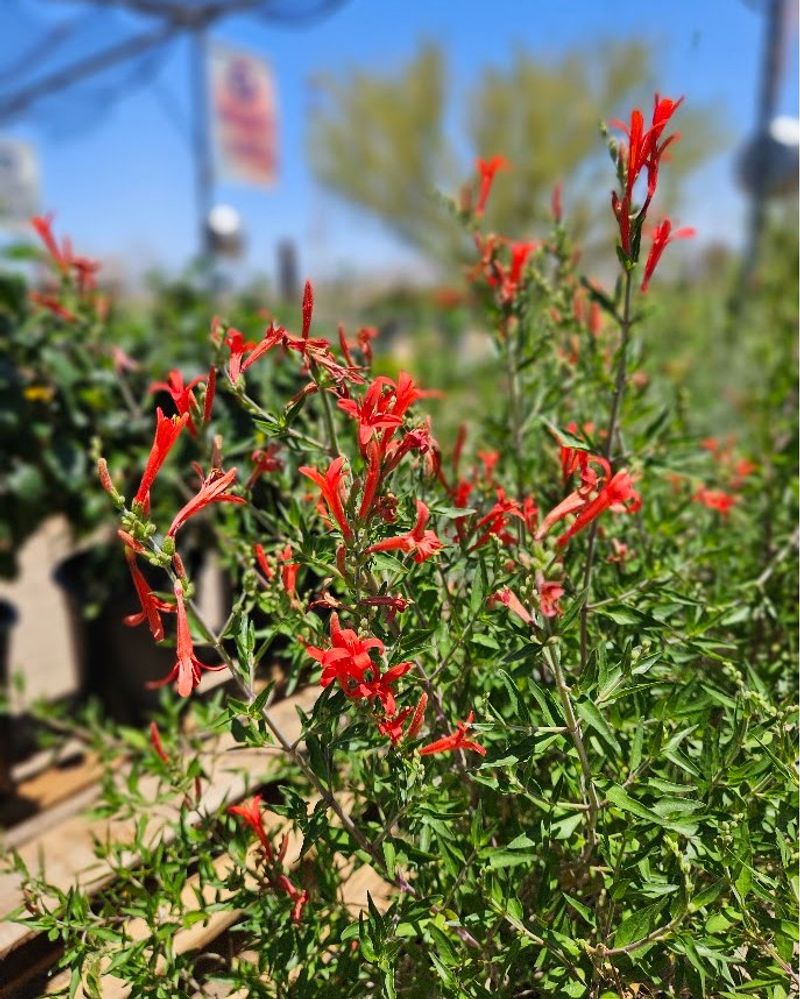
Texas summers are no joke. Temperatures can stay above 100 degrees for weeks, rain disappears for long stretches, and the ground bakes into something closer to clay pottery than soil.
A lot of plants simply cannot handle it. Flame acanthus, on the other hand, was born for exactly these conditions.
It is native to the rocky, dry hills of central and west Texas, which means it evolved to survive the worst the state can throw at it.
Once the plant is established, usually after one full growing season, it becomes remarkably independent. Deep roots help it find moisture far below the surface.
The plant does not wilt dramatically or drop leaves when rain skips a week or two. It just keeps growing, keeps flowering, and keeps doing its job without much help from you. That kind of toughness is genuinely rare in a flowering shrub.
For best results, plant flame acanthus in a sunny spot with good drainage. Sandy or rocky soil actually suits it better than rich, heavy garden soil, which can hold too much moisture and cause root issues over time.
Avoid low spots where water tends to pool after rain. A raised bed or a sloped area works wonderfully.
Full sun is important too. The plant can handle partial shade, but it blooms far more abundantly in a location that gets at least six hours of direct sunlight daily.
Once you find the right spot, this shrub practically takes care of itself through even the toughest Texas summer without skipping a single bloom.
It Adds Color When Summer Beds Start Fading
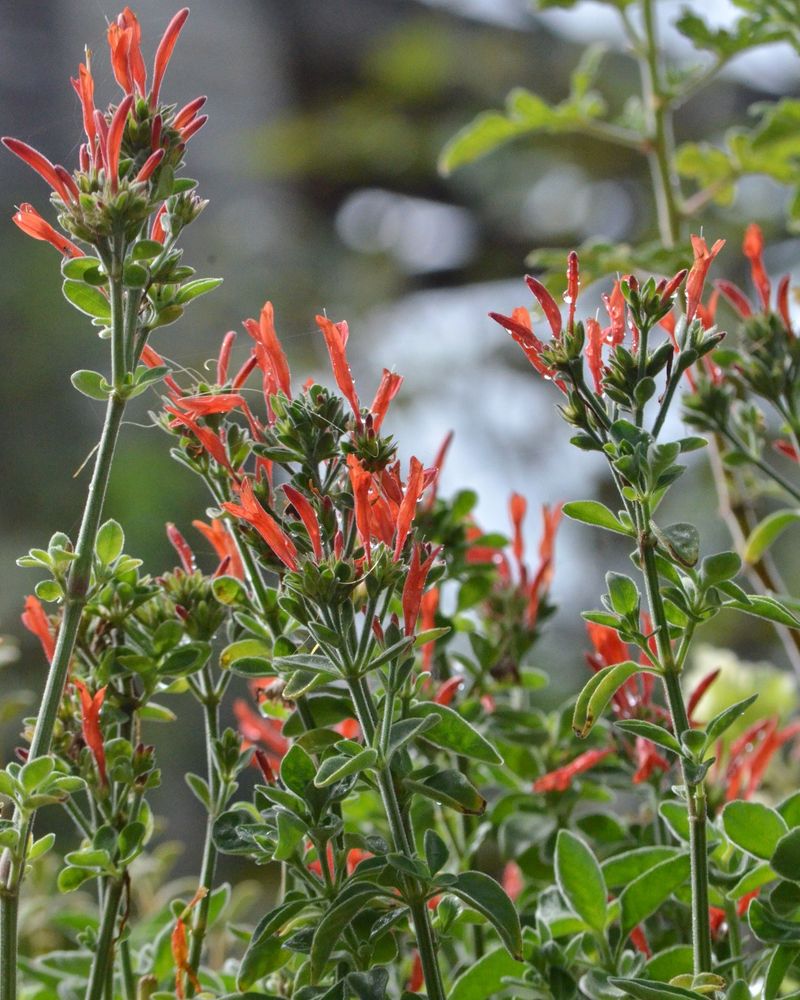
September in a Texas garden can feel a little melancholy. The zinnias are exhausted, the salvias have slowed down, and the bold summer color that made the yard so lively just a few weeks ago starts disappearing fast.
That is exactly when flame acanthus steps into the spotlight and refuses to let the garden go quiet without a fight.
The shrub flowers repeatedly through September and keeps going until the first real cold snap rolls in. Some years, that means color lasting well into October or even November in warmer parts of the state.
For gardeners who hate the idea of a dull fall border, flame acanthus is one of the most reliable fixes available.
You do not need to deadhead it constantly or fuss over fertilizer to keep it performing. The blooms just keep coming on their own schedule.
Planting flame acanthus near other fall bloomers like Mexican sage or fall aster creates a layered effect that looks intentional and polished. The red-orange of the acanthus pops beautifully against purple or blue flowers nearby.
Even on its own, the shrub makes a strong visual statement along a fence line or at the back of a border. Visitors to your yard will likely ask what it is, because it looks almost too good to be real in September when everything else is calling it quits.
Adding even one or two plants to your garden can completely change how your yard looks and feels during those quieter early fall weeks, giving it a second life just when you need it most.
It Works Well In Low-Water Landscapes
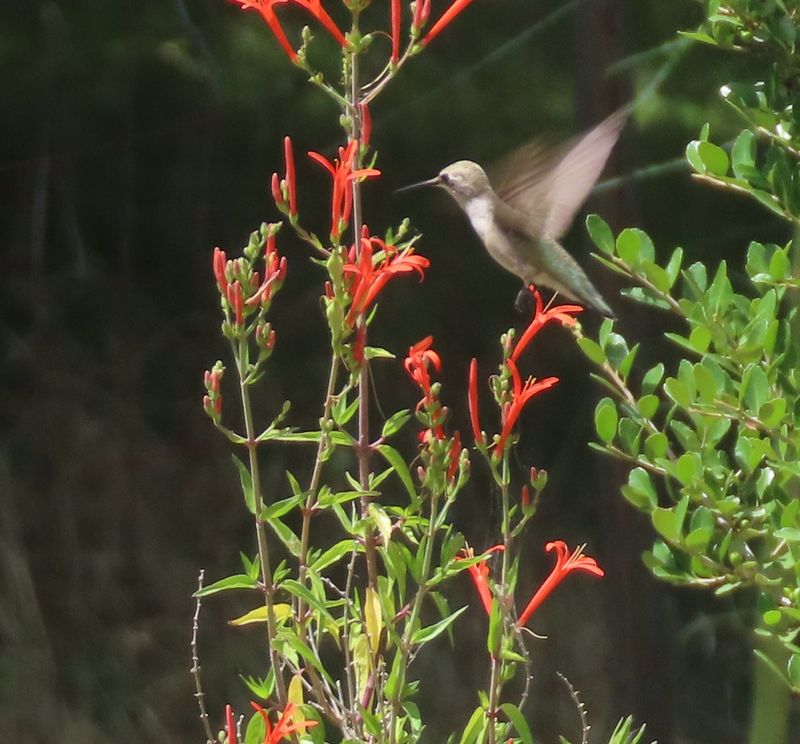
Water conservation is a growing priority for Texas homeowners, and for good reason. Drought restrictions, rising utility costs, and environmental awareness have pushed many gardeners toward plants that look great without needing constant irrigation.
Flame acanthus fits perfectly into that kind of thoughtful, water-conscious approach to landscaping.
After the first season of establishment, this shrub generally needs little to no supplemental watering. Rainfall alone is usually enough to keep it healthy and blooming, even during dry spells.
Compare that to a rose bush or a tropical hibiscus that needs deep watering several times a week in summer, and the difference is dramatic. Flame acanthus gives you the reward without the water bill.
In xeriscape designs, flame acanthus pairs naturally with other Texas natives like blackfoot daisy, cenizo, and native grasses. Together, these plants create a landscape that looks full and colorful while using a fraction of the water a traditional garden would need.
The combination also reduces the need for mulching, weeding, and soil amendments, which means less work overall.
Many Texas water districts and native plant societies actively recommend flame acanthus for low-water gardens because of how well it performs without intervention.
If you are redesigning a section of your yard or starting a new bed from scratch, working flame acanthus into the plan from the beginning makes a lot of sense. You get seasonal color, wildlife habitat, and a plant that genuinely thrives on neglect in the best possible way.
For busy homeowners who want beauty without constant upkeep, it is a smart and satisfying choice.
Give It Space And Keep Pruning Light
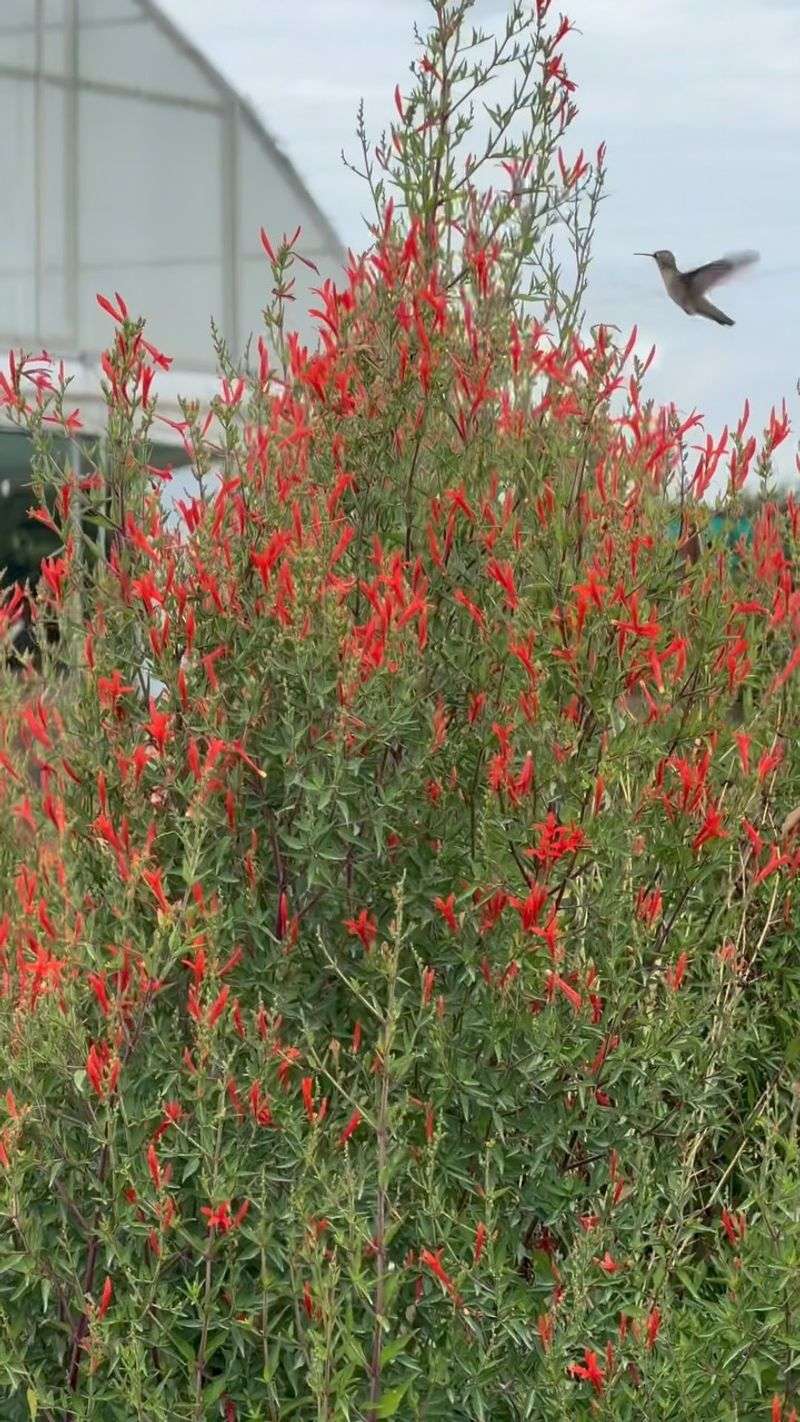
One thing new flame acanthus growers sometimes do not expect is just how big this plant can get. A mature shrub can spread four to six feet wide and reach a similar height, forming a full, rounded mound of stems and foliage covered in flowers.
That spreading habit is actually part of its charm, but it does mean you need to give it room from the start.
Planting too close to a walkway, a fence, or other shrubs will cause problems down the road. Leave at least three to four feet of space on all sides when you first put it in the ground.
The plant will fill that space over time, and when it does, it looks intentional and lush rather than crowded and unruly. Giving it room now saves a lot of headaches later and lets the plant reach its full potential without competing for light or air circulation.
Pruning is one area where less is genuinely more with flame acanthus. Light trimming in late winter or very early spring helps clean up any frost-damaged stems and encourages fresh new growth.
However, avoid cutting the plant back heavily in late summer or early fall. Those late-season stems carry the flower buds that will bloom in September, and removing them means removing the very blooms that hummingbirds are counting on.
A light touch with the pruners keeps the plant shapely without sacrificing the fall flower show. When in doubt, hold off and let the plant do what it does naturally. It rarely needs much help to look its best throughout the growing season.