The Last Cold Protection Steps Florida Gardeners Forget
The final cold snap often catches Florida gardens off guard, not because of the temperature, but because of the small steps many gardeners skip. Plants may be covered, watered, and moved, yet a few overlooked details can still lead to leaf burn, stem damage, and weakened roots.
Experienced growers know that the last phase of cold protection makes the biggest difference between quick recovery and lasting stress. Simple actions taken before, during, and just after the chill can lock in warmth, reduce shock, and protect future growth.
These finishing touches require little time but deliver powerful results when temperatures dip. A well prepared garden stands stronger, rebounds faster, and avoids the hidden damage that shows up days later.
Master the final cold protection moves many forget, and keep your Florida landscape healthy, resilient, and ready for the return of warm, steady weather.
1. Check Microclimates Around Your Yard

Your yard contains warmer and cooler zones that shift based on structures, trees, and ground elevation. A bed tucked against a south facing wall stays several degrees warmer than an open area twenty feet away.
Fences block wind and trap radiant heat from the ground. Tree canopies act like blankets, slowing heat loss overnight.
Low spots collect cold air as it drains downhill, creating frost pockets even when surrounding areas stay above freezing. Plants in these spots face greater risk during marginal freezes.
Walking your property before sunset helps identify which areas stay warmest and which turn coldest first.
Move containers holding sensitive tropicals closer to walls or under eaves where temperatures stay more stable. Shift potted herbs near the house foundation.
Avoid placing tender plants in open low areas where cold settles heaviest.
Understanding these microclimates lets you prioritize protection efforts and position plants strategically before the next cold season. Florida gardeners who map their yard microclimates save time and reduce losses when temperatures drop unexpectedly.
Small adjustments based on microclimate awareness make a measurable difference in plant survival and recovery speed after cold events.
2. Water Soil Before The Cold Arrives
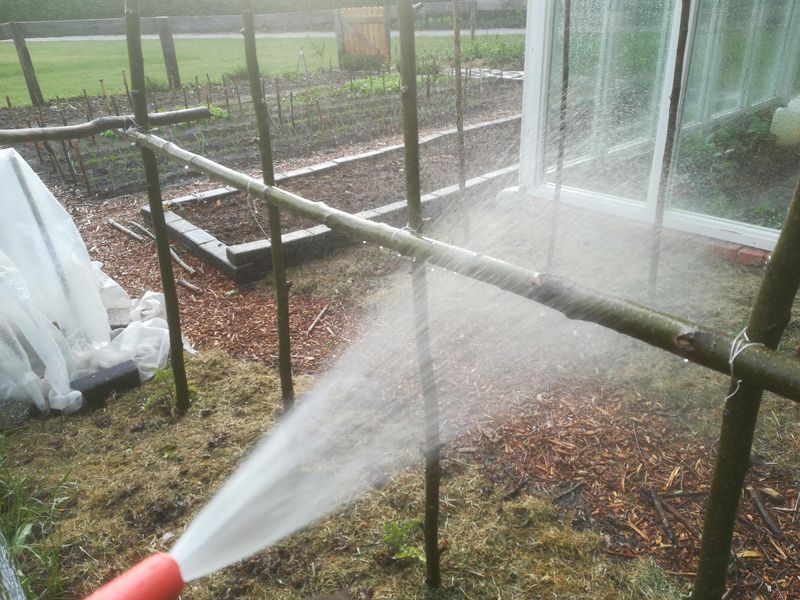
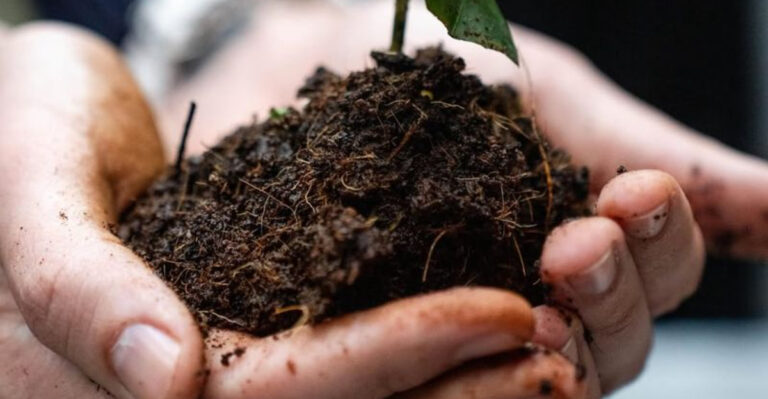
Moist soil holds heat far better than dry ground, acting as a thermal battery that releases warmth slowly through the night. Moist soil absorbs more daytime heat and releases it slowly overnight.
Dry soil lacks this heat storage capacity and cools rapidly once the sun sets.
Watering thoroughly in the morning or early afternoon before a predicted freeze gives soil time to absorb moisture without leaving foliage wet overnight. Wet leaves increase frost damage risk, so timing matters.
Aim to finish watering by mid afternoon so plant surfaces dry before evening.
Focus on root zones rather than wetting entire plants. Deep watering reaches deeper soil layers that hold heat longer.
Sandy Florida soils drain quickly, so water slowly to allow penetration rather than runoff.
Skip watering if rain soaked the ground within the previous day or two. Overly saturated soil provides no additional benefit and may harm roots.
The goal is moist soil, not muddy conditions.
This simple step costs nothing but provides measurable protection by moderating temperature swings near plant roots and lower stems where cold damage often starts first in Florida gardens.
3. Add Mulch To Insulate Root Zones
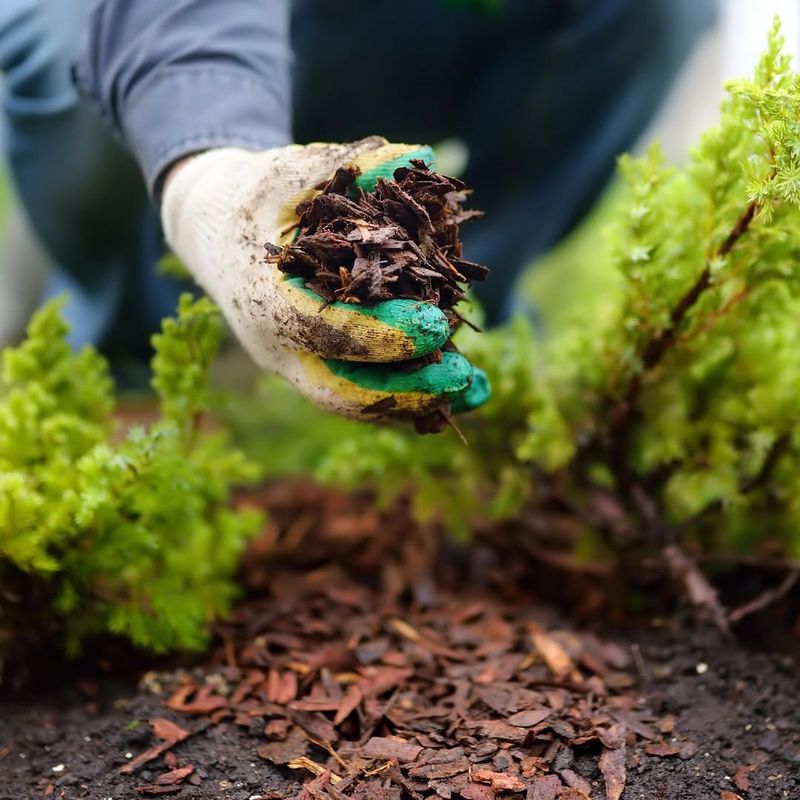
Mulch acts as insulation, buffering roots from rapid temperature changes that stress plants during cold snaps. A layer of organic material traps air pockets that slow heat loss from soil.
Pine bark, pine straw, and shredded leaves all work well in Florida landscapes.
Apply mulch two to four inches deep around shrubs, perennials, and vegetable beds. Deeper layers provide better insulation but avoid piling mulch against plant stems or tree trunks where moisture can cause rot.
Leave a small gap around the base of each plant.
Mulching before cold weather arrives gives maximum protection, but adding extra mulch just before a freeze still helps. Spread fresh material over existing thin layers to boost insulation value quickly.
Organic mulches break down over time, improving soil structure while protecting roots. They also reduce moisture loss during dry winter periods between cold fronts.
In sandy Florida soils, mulch helps maintain more stable moisture levels that support healthier root systems.
Young plants and shallow rooted species benefit most from generous mulch coverage. Established trees and deep rooted shrubs need less attention, but tender perennials and annuals gain significant protection from a thick mulch blanket during freeze events.
4. Cover Plants Before Sunset Not After Frost Forms
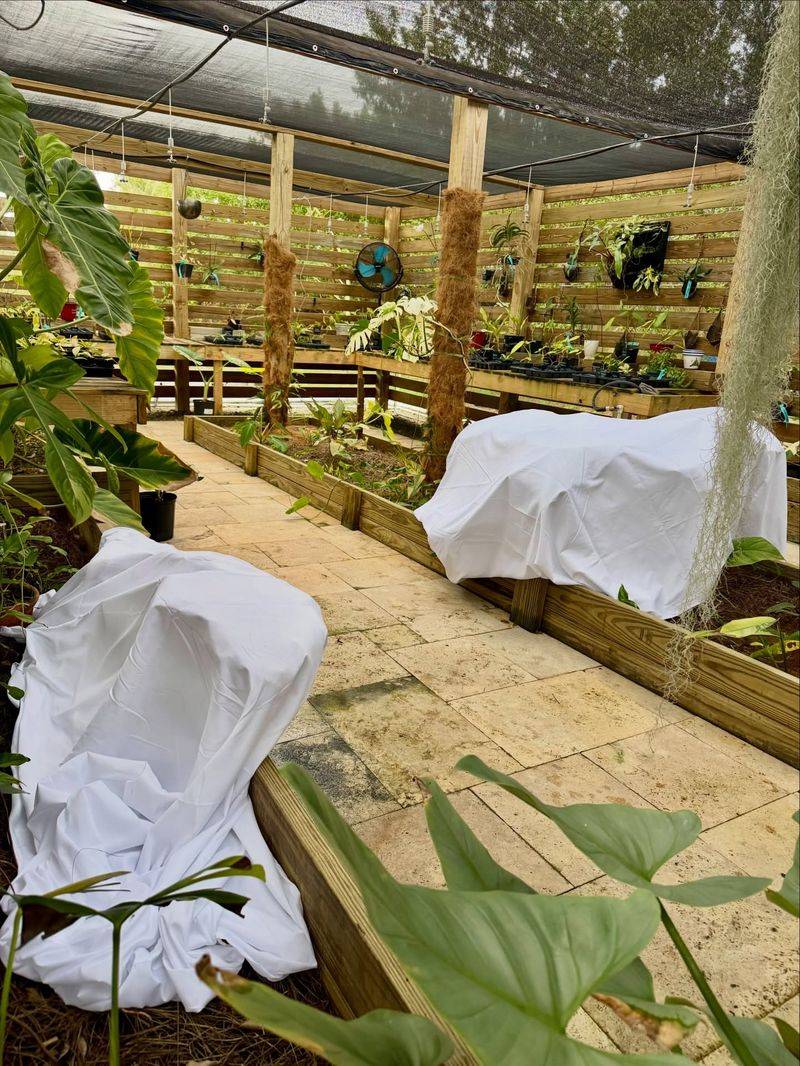
Timing makes all the difference when covering plants for freeze protection. Draping fabric over plants before sunset traps warmth radiating from soil and foliage during the day.
Waiting until after dark or after frost forms means missing that stored heat, reducing cover effectiveness significantly.
Soil and plant surfaces absorb solar energy throughout the day and release it slowly as evening approaches. Covering plants while this heat release continues creates a warmer microclimate under the fabric.
Frost cloth or old sheets capture this warmth and hold it close to plants overnight.
Plan to cover vulnerable plants by late afternoon when temperatures start dropping but before the sun sets completely. This window gives you time to work comfortably while maximizing heat retention.
Rushing to cover plants after dark in freezing temperatures is harder and less effective.
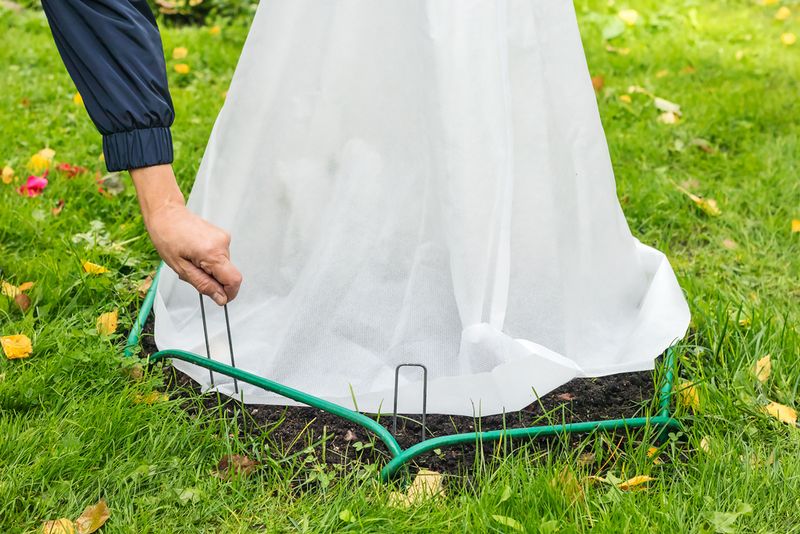
Secure covers so they reach the ground on all sides, trapping warm air rising from soil. Anchor edges with rocks, bricks, or landscape staples to prevent wind from blowing covers off overnight.
Loose covers let cold air circulate underneath, defeating the purpose.
Florida gardeners who cover plants proactively before sunset consistently see better results than those who wait until frost warnings escalate or temperatures already dropped below freezing.
5. Use Breathable Fabric Instead Of Plastic
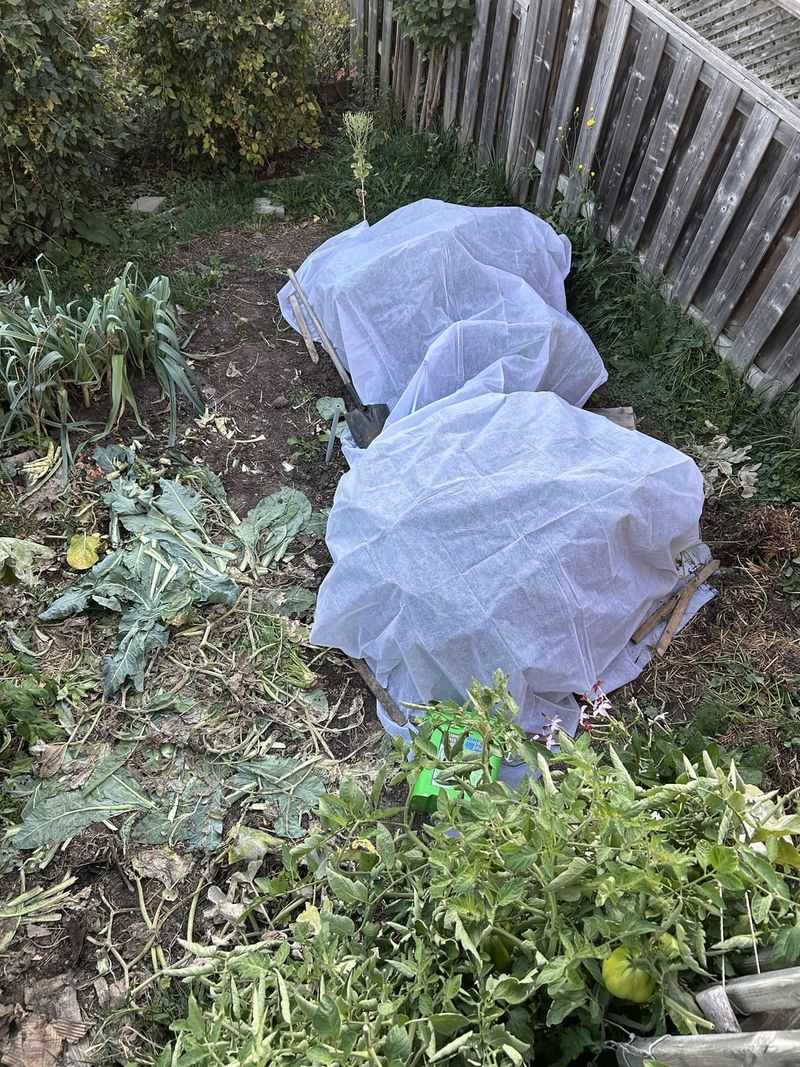
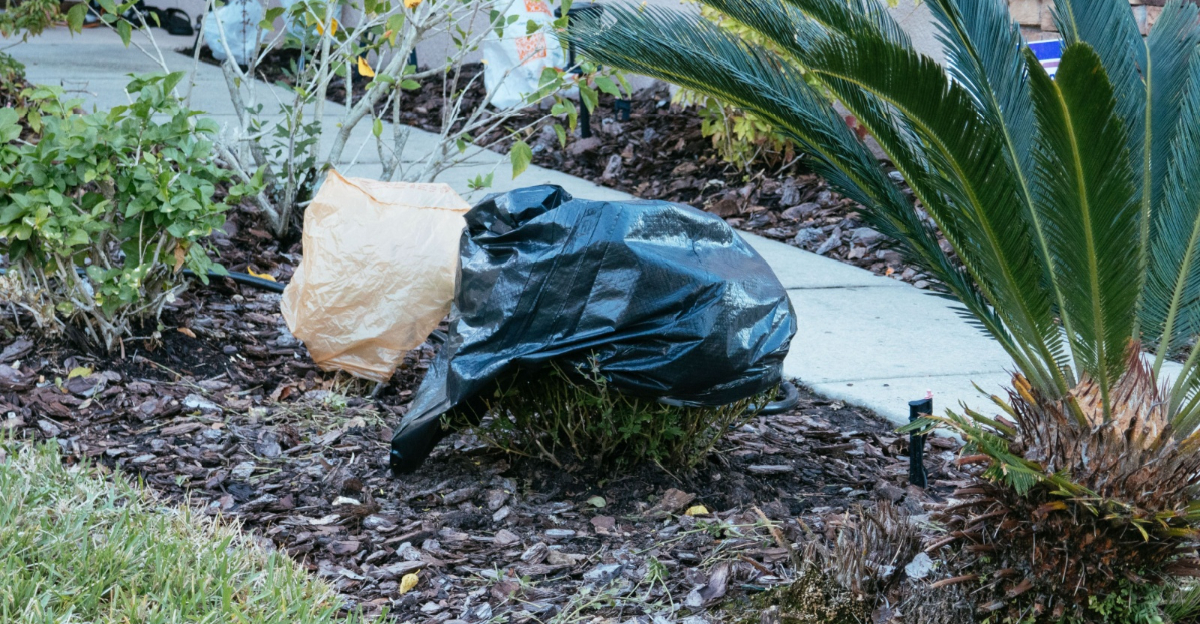
Plastic sheeting seems like an obvious choice for blocking cold air, but it often causes more harm than good when used incorrectly. Plastic does not breathe, trapping moisture that freezes directly on plant surfaces when it contacts foliage.
Condensation forms on the underside of plastic and refreezes, creating ice crystals on leaves and stems.
Frost cloth, old cotton sheets, or burlap allow air circulation while still providing insulation. These breathable materials let moisture escape rather than trapping it against plants.
They also prevent overheating when morning sun hits covered plants before you remove the fabric.
If plastic is your only option, build a frame to hold it above plants so it never touches foliage. Draping plastic directly on leaves guarantees damage wherever contact occurs.
The frame creates an air gap that provides insulation without freezing moisture transfer.
Frost cloth designed for agricultural use offers the best protection with convenient handling. It comes in various weights, with heavier fabric providing more insulation for severe freezes.
Lighter cloth works fine for brief dips just below freezing common in most Florida cold events.
Reusable fabric covers save money over time and store easily between cold fronts. They last several seasons with proper care, making them a worthwhile investment for Florida gardeners facing occasional freeze threats.
6. Protect Young And Newly Planted Plants First
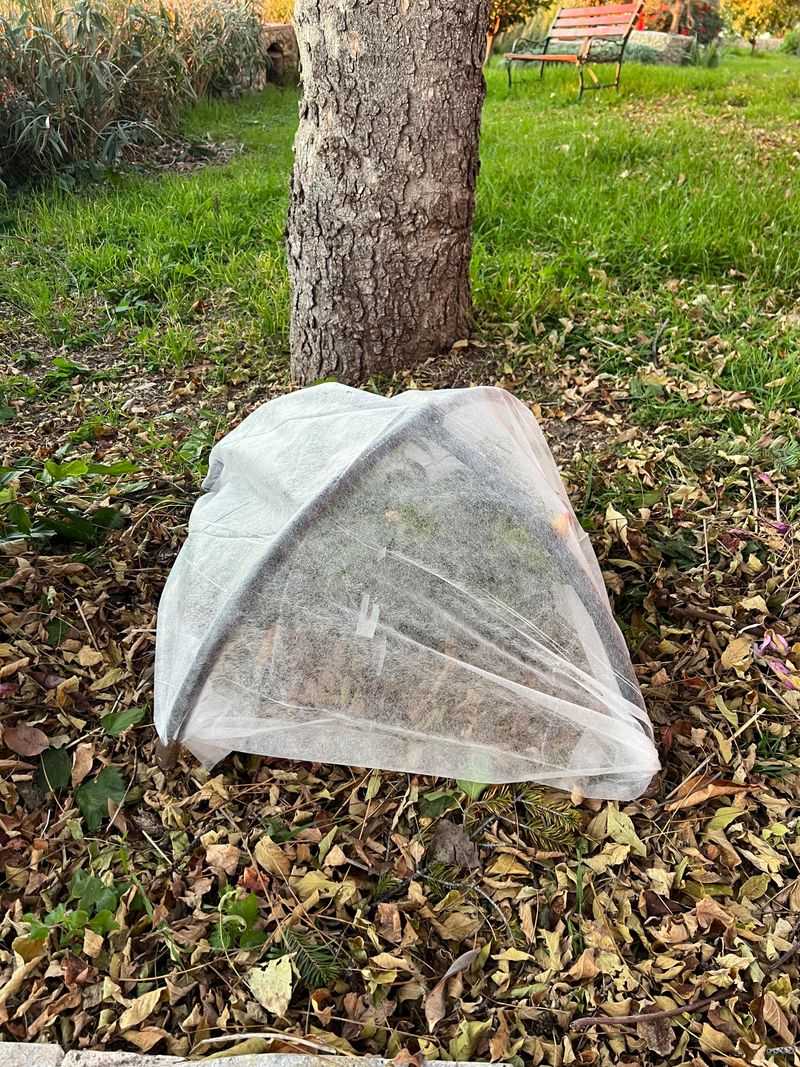
Established plants with mature root systems tolerate cold better than young specimens still developing roots. A shrub planted three months ago faces much higher risk than one growing in the same spot for three years.
Limited root development means less stored energy and reduced ability to recover from cold stress.
Newly planted trees, shrubs, and perennials need priority protection during their first two winters in the ground. Their roots have not spread far enough to access deeper soil moisture and nutrients that help established plants bounce back.
Tender new growth on young plants also suffers damage more readily than hardened mature foliage.
Tropical and subtropical species popular in Florida landscapes remain especially vulnerable when young. Hibiscus, croton, ixora, and similar plants need consistent protection until they mature.
Even cold hardy species benefit from extra care during their establishment period.
Focus your covering and mulching efforts on the newest additions to your landscape first. If time or materials run short, established plants can often tolerate brief cold exposure better than recent transplants.
Prioritizing protection based on plant maturity helps you use resources most effectively.
Seedlings and rooted cuttings growing in garden beds need the most attention. Their tiny root systems provide almost no buffer against temperature swings.
Covering these small plants takes little effort but prevents significant setbacks.
7. Move Containers Off Cold Surfaces
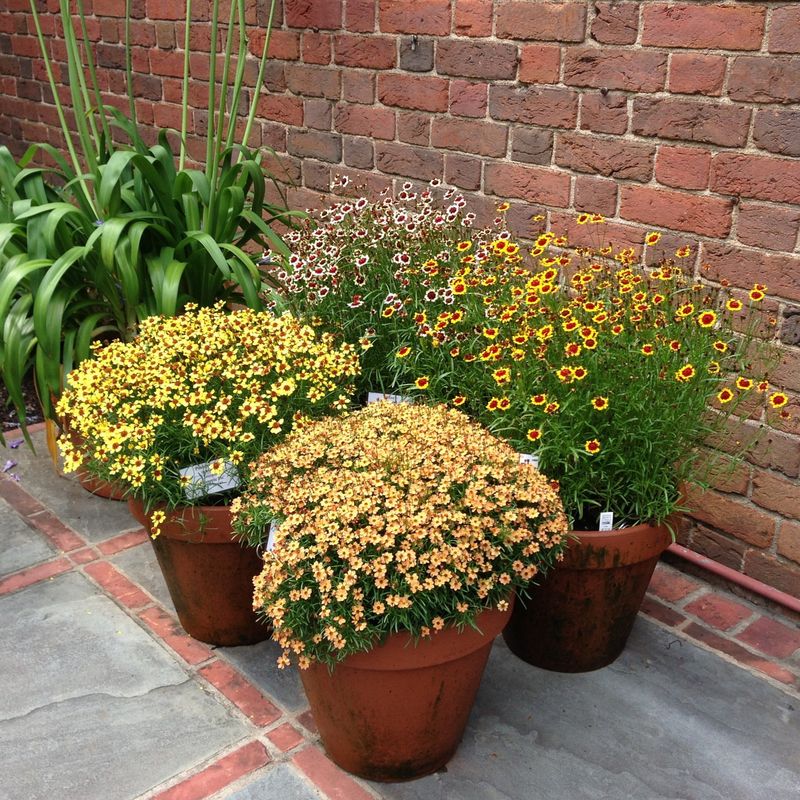
Pots sitting directly on concrete, stone, or tile lose heat rapidly through their bottoms as cold surfaces pull warmth from soil. Container roots suffer more during freezes than in-ground plants because they lack the earth insulation that buffers temperature swings.
Elevated containers stay several degrees warmer than those resting on cold pavement.
Slide pot feet, bricks, or wooden blocks under containers to create an air gap between pot bottoms and cold surfaces. This simple step reduces heat loss significantly.
Moving containers closer to walls or under eaves provides additional protection from radiant heat loss to the open sky.
Grouping containers together creates a warmer microclimate as plants share heat. Clustering pots in a sheltered corner or against a south facing wall combines multiple protection strategies.
Wrapping grouped containers with burlap or frost cloth adds another insulation layer.
Small containers cool faster than large ones because they hold less soil mass. Prioritize moving your smallest pots first, especially those holding tender tropicals or succulents.
Large containers with cold hardy plants can often stay in place unless temperatures will drop well below freezing for extended periods.
If space allows, moving containers into a garage, covered porch, or garden shed offers maximum protection. Even an unheated garage stays warmer than outdoor conditions during freeze events common across Florida.
8. Remove Covers After Sunrise To Prevent Overheating
Plants need sunlight and air circulation during the day even after a cold night. Leaving covers in place too long traps heat as temperatures rise, creating conditions hot enough to stress or damage plants.
Morning sun hitting dark fabric can push temperatures under covers well above comfortable levels within an hour or two.
Remove covers once temperatures climb safely above freezing and stay there, usually mid morning on most Florida winter days. Check weather forecasts to confirm temperatures will not drop again during daylight hours.
If another freeze threatens that same night, you can replace covers before sunset.
Pull covers off gently to avoid breaking cold stiffened stems or knocking frost onto foliage. Frost crystals remaining on leaves usually melt harmlessly once exposed to air and indirect light.
Rapid thawing in direct sun can sometimes worsen tissue injury, so remove covers once temperatures rise but before intense sunlight heats enclosed plants.
Fold and store covers in a dry location rather than leaving them piled in the garden. Wet fabric left on the ground mildews quickly in Florida humidity.
Proper storage extends cover life and keeps them ready for the next cold event.
On days when temperatures hover near freezing all day, partially opening covers for air circulation while leaving some protection in place offers a middle ground until conditions improve.
9. Delay Pruning Until Warm Weather Stabilizes
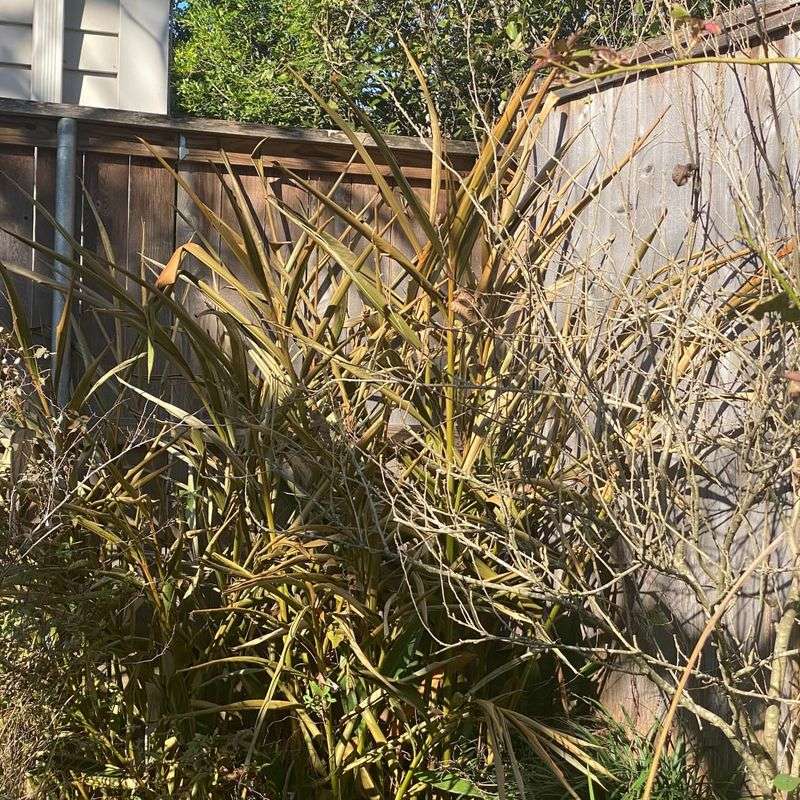
Damaged foliage looks unsightly after a freeze, tempting gardeners to prune it away immediately. Resist that urge because injured leaves and stems still provide protection for living tissue beneath.
Removing damaged growth too soon exposes tender new shoots to additional cold snaps that often follow the first freeze of winter.
Wait until spring when warm weather returns consistently before pruning cold damaged plants. In most of Florida, this means waiting until March or April when frost risk passes.
North Florida gardeners should wait even longer, sometimes into May for sensitive species.
Damaged foliage can provide some insulation to underlying tissue during additional cold events. Brown leaves and blackened stems buffer living growth below from temperature extremes.
Pruning removes this protective layer and stimulates new growth that emerges too early and suffers damage from late season cold fronts.
Assess damage severity once plants start pushing new growth in spring. Cut back to green wood just above emerging buds.
Plants often surprise gardeners by recovering from stems that looked completely destroyed but held living tissue inside.
Patience pays off with healthier regrowth and faster recovery. Premature pruning sets plants back by forcing them to regrow during unstable winter weather.
Waiting for truly warm stable conditions lets plants recover on their own schedule with less stress and better long term results.