The Late-Summer Mistake That Makes Oregon Ferns Crispy Before Fall Rains Return
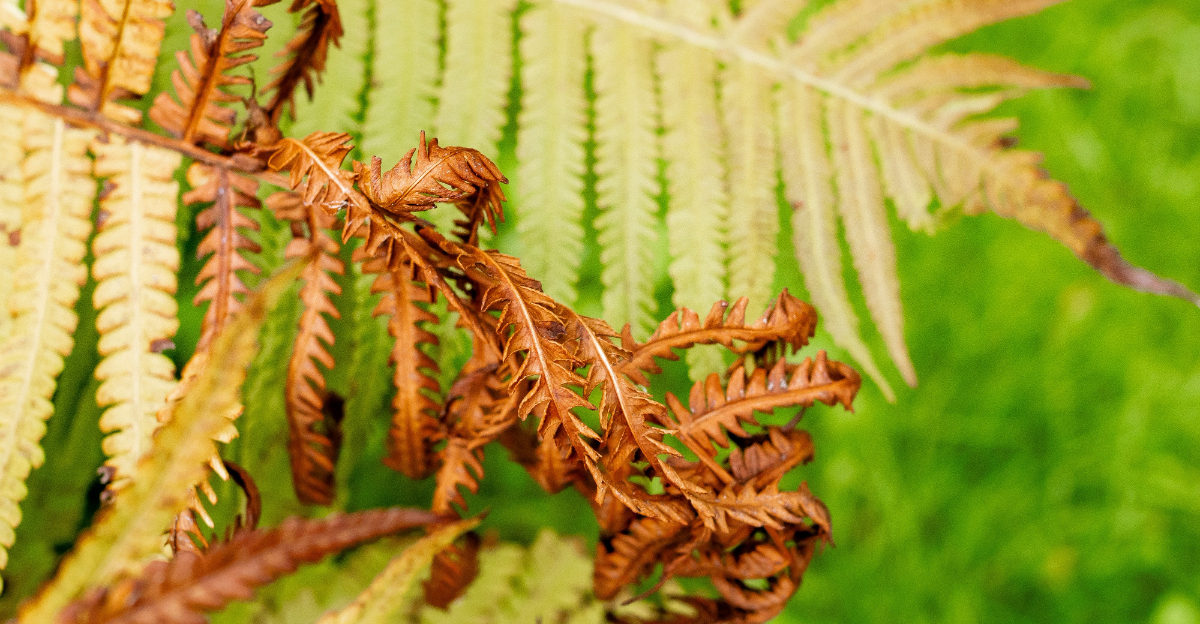
Fern fronds that stayed lush through spring can start browning surprisingly fast once Oregon’s late summer turns dry.
The frustrating part is that the damage often comes from a care routine that seemed perfectly reasonable earlier in the season.
As rainfall disappears, moisture near the surface becomes less reliable, while established ferns continue depending on cooler soil around their roots. Waiting for obvious wilting can mean the plant has already spent days under stress.
By then, crisp edges may keep spreading even after watering resumes. Shade alone is not enough to protect a fern when the surrounding soil repeatedly dries out.
The timing of moisture matters far more during this gap before fall rain returns. A small adjustment now can help preserve healthy fronds and keep the plant in better shape heading into autumn.
1. Waiting For Fall Rain To Do The Watering
A lot of gardeners in Oregon share the same hopeful habit: they see August on the calendar and start counting the days until the fall rains arrive. The thinking makes sense on the surface.
Rain is free, effortless, and usually reliable here. But ferns do not know what month it is, and they cannot wait.
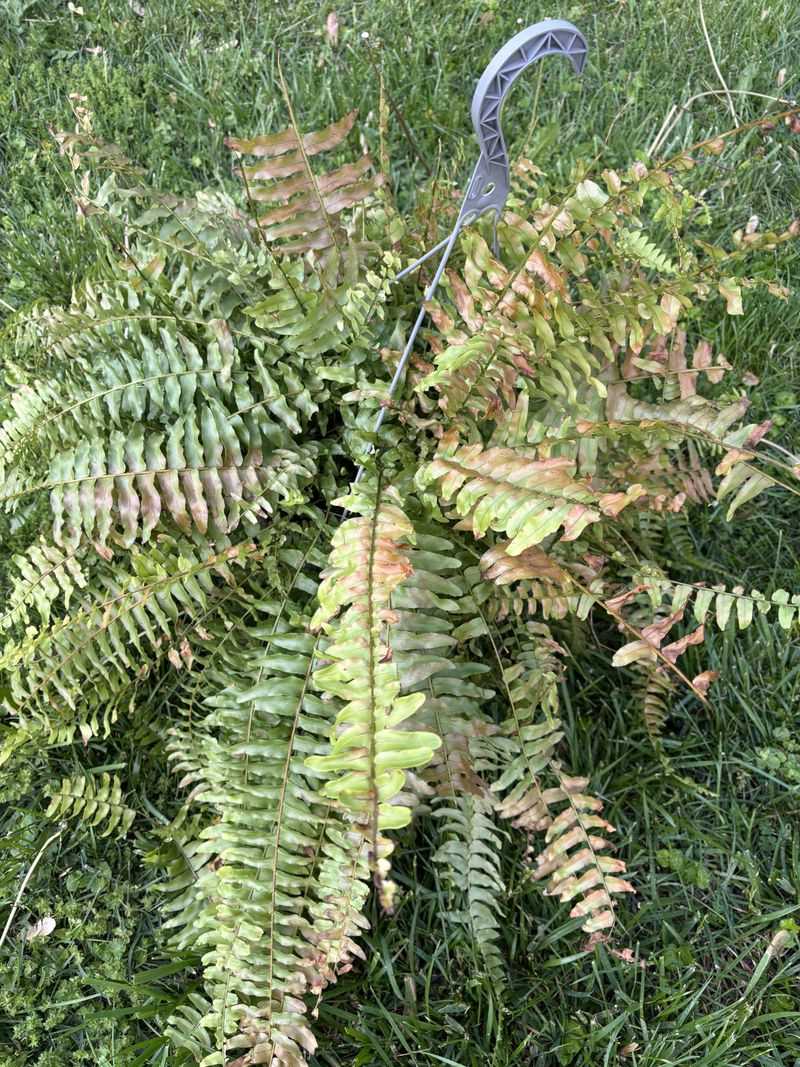
By the time October rains show up, a fern that went dry in August has already spent weeks struggling. The fronds turn crispy and brown.
The roots pull back from the dry soil. The plant enters a kind of stress it may not bounce back from easily.
Oregon can go six to eight weeks without meaningful rain during summer. That is a long stretch for a plant that prefers consistently moist soil.
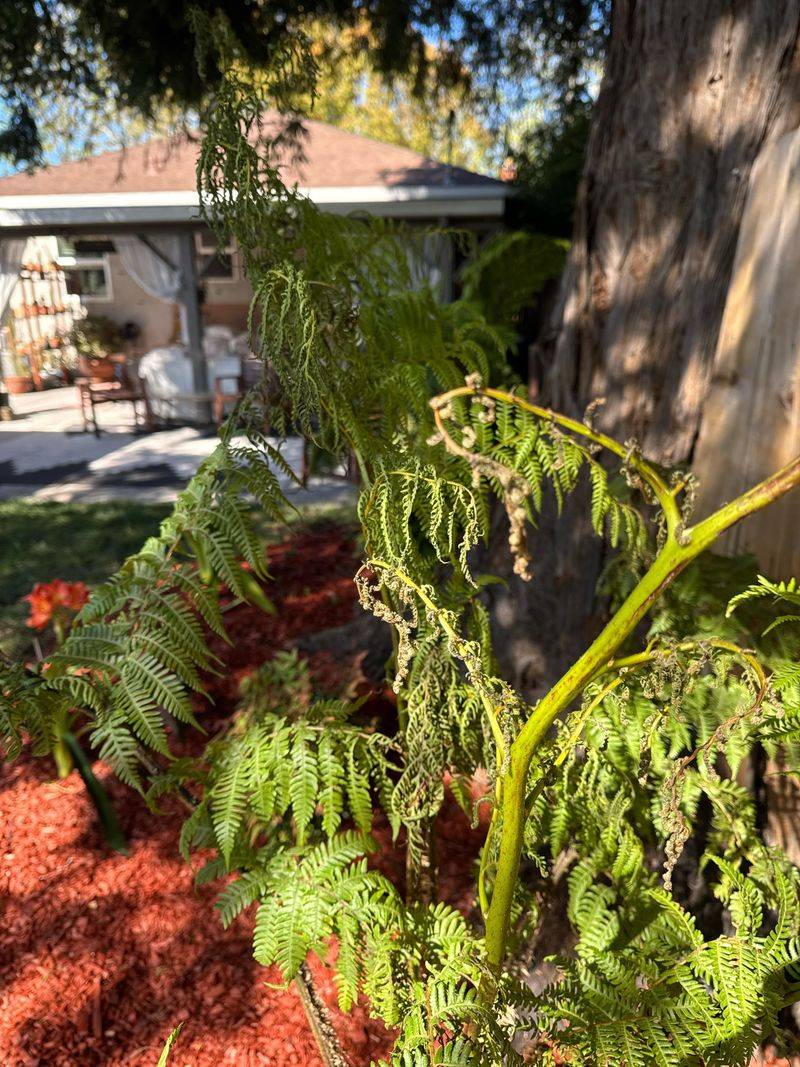
Ferns that grow in the ground near tree roots have it even harder because tree roots pull moisture away from the surrounding soil fast.
Waiting for fall rain is one of the most common and most damaging mistakes people make. It feels like patience, but it is actually neglect.
Ferns send clear signals when they are thirsty, and those signals come well before the plant looks completely gone.
Paying attention early and watering through the dry season keeps fronds green, roots healthy, and the whole plant ready to thrive when cooler weather finally returns.
2. Letting Fern Roots Dry Out Completely
Roots are the heart of any fern, and once they dry out completely, recovery becomes a slow and uncertain process. Most people focus on the fronds because that is what they can see.
But the real action happens underground, where fine, shallow roots are constantly searching for moisture.
Fern roots are not deep. They spread out horizontally near the soil surface, which makes them very good at catching light rain but very vulnerable during long dry spells.
When the top few inches of soil bake in late-summer heat, those roots have nowhere to go. A fully dried-out root system goes dormant. The plant stops growing.
Fronds stop producing food. The whole system shuts down. Even if you water after that point, it takes time for the roots to wake back up and start absorbing moisture again. Some fronds will not recover at all.
Your Oregon Garden Changes Every Week. Your Plan Should Too.
Gardening in Oregon changes quickly throughout the season. Every Friday you’ll receive a simple weekly plan showing exactly what to plant, prune, fertilize, harvest, and protect so you never miss the right timing.
The best approach is to never let things get that far. Check the soil near your ferns every few days during August.
Push a finger about two inches into the ground. If it feels dry at that depth, it is time to water.
Catching dryness early means you can fix it with one good soak rather than spending weeks trying to nurse a stressed plant back to health.
Roots that stay consistently moist stay active, and active roots mean healthy, green fronds all season long.
3. Crispy Frond Tips Are The First Warning
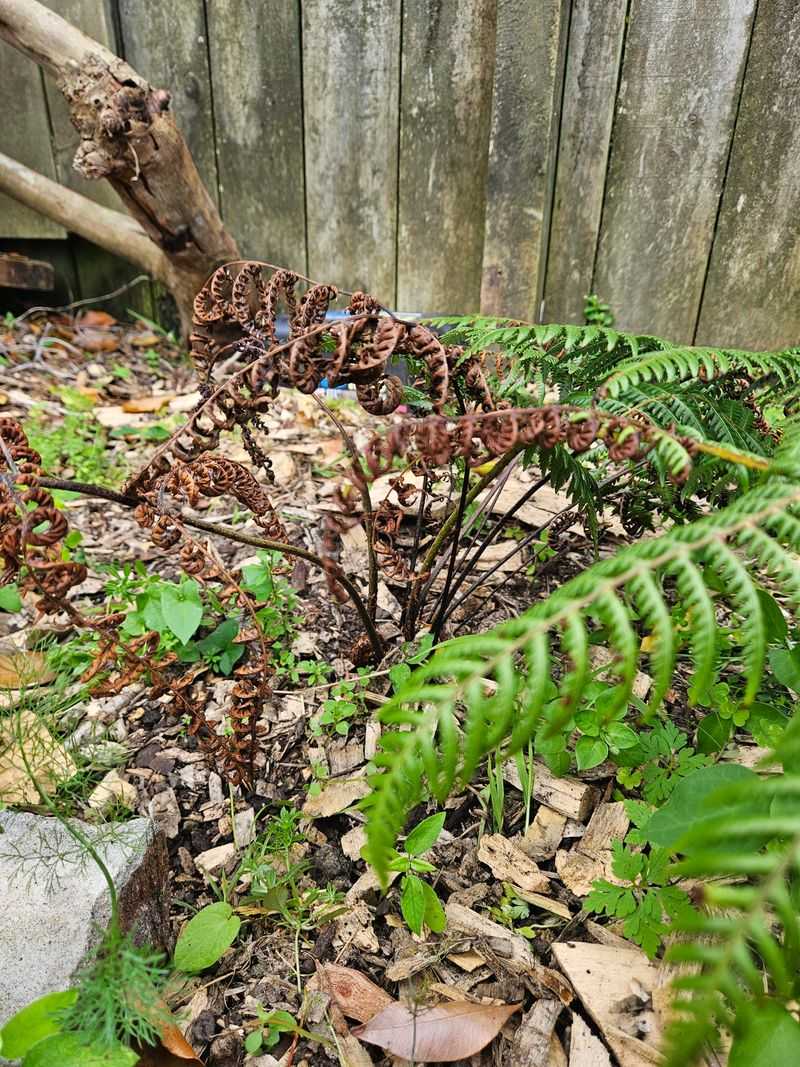
Brown, crispy frond tips are not just a cosmetic problem. They are a message.
Ferns send this signal when they have been under moisture stress for a while, and it is one of the clearest early warnings a gardener can get. The trick is knowing how to read it before things get worse.
When a fern is thirsty, it starts conserving water by letting the tips of its fronds dry out first. Think of it like a plant triage system.
The tips go first so the center of the plant can hold on a little longer. If you catch it at this stage, you still have time to turn things around.
A lot of gardeners see crispy tips and assume the plant needs more fertilizer or that something is wrong with the soil. But in late summer, the cause is almost always water stress.
The fix is simple: water deeply and consistently, and the new growth that comes in fall will be green and healthy.
The part that cannot be fixed is the already-brown tip. Once a frond tip dries out, it stays brown.
No amount of watering will turn it green again. You can trim those tips off for appearance, but the real goal is stopping the browning from spreading further down the frond.
Catching this warning early and responding with a good deep watering can save the majority of your fronds before fall arrives.
4. Shallow Sprinkles Never Reaching The Root Zone
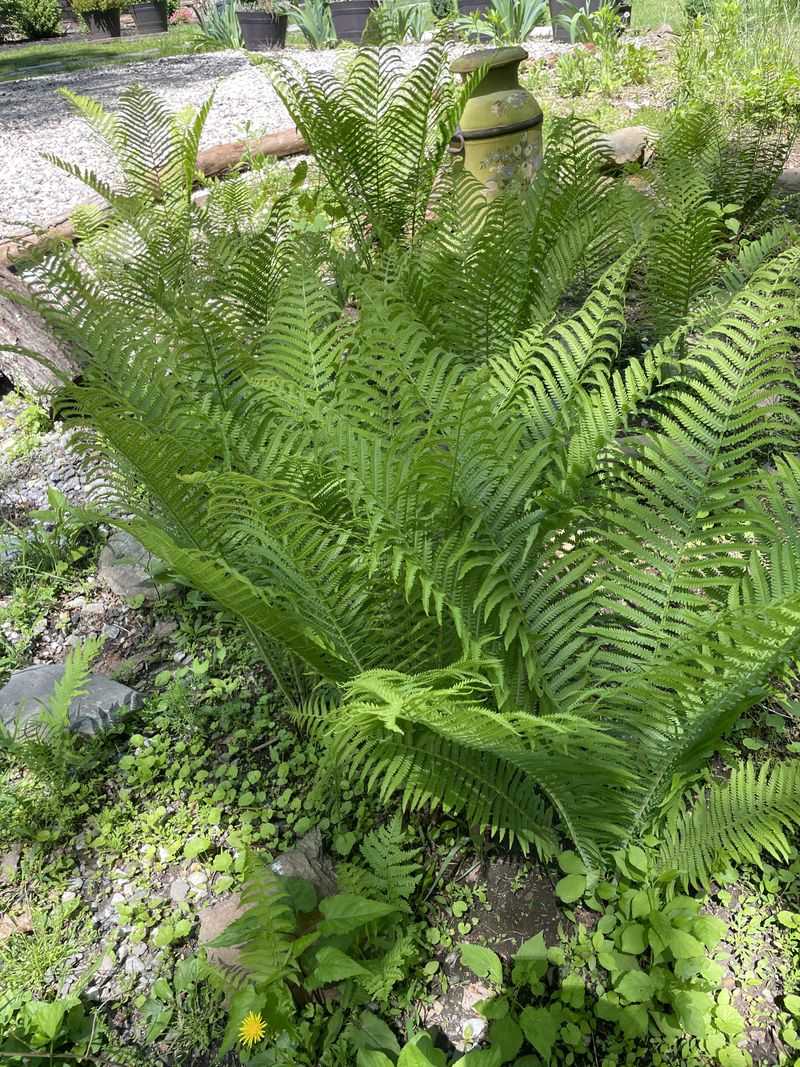
Giving ferns a quick sprinkle feels like watering, but it often does very little good. Water that only wets the top half-inch of soil evaporates within hours, especially on warm late-summer days.
The roots sitting two to four inches down never feel a drop.
Shallow watering also trains roots to stay near the surface, which makes them even more vulnerable to drying out.
Over time, a plant that only ever gets light sprinkles develops a shallow, fragile root system that suffers badly during dry stretches.
Many gardeners use sprinklers set to run for just a few minutes each day. That schedule sounds reasonable, but it rarely delivers enough water to reach where ferns actually need it.
A better approach is to water less often but for much longer. Letting water soak in slowly gives it time to move down through the soil and reach the root zone.
You can test whether your watering is actually working by digging a small hole near your fern after watering. If the soil is only wet an inch down, your watering time needs to increase.
The goal is to get moisture down to at least three or four inches. That depth keeps roots comfortable even when the surface dries out between watering sessions.
Consistent, deep watering during August and September is one of the most impactful things you can do to keep ferns looking healthy before the rains return.
5. Dry Shade Can Be Sneakier Than Full Sun
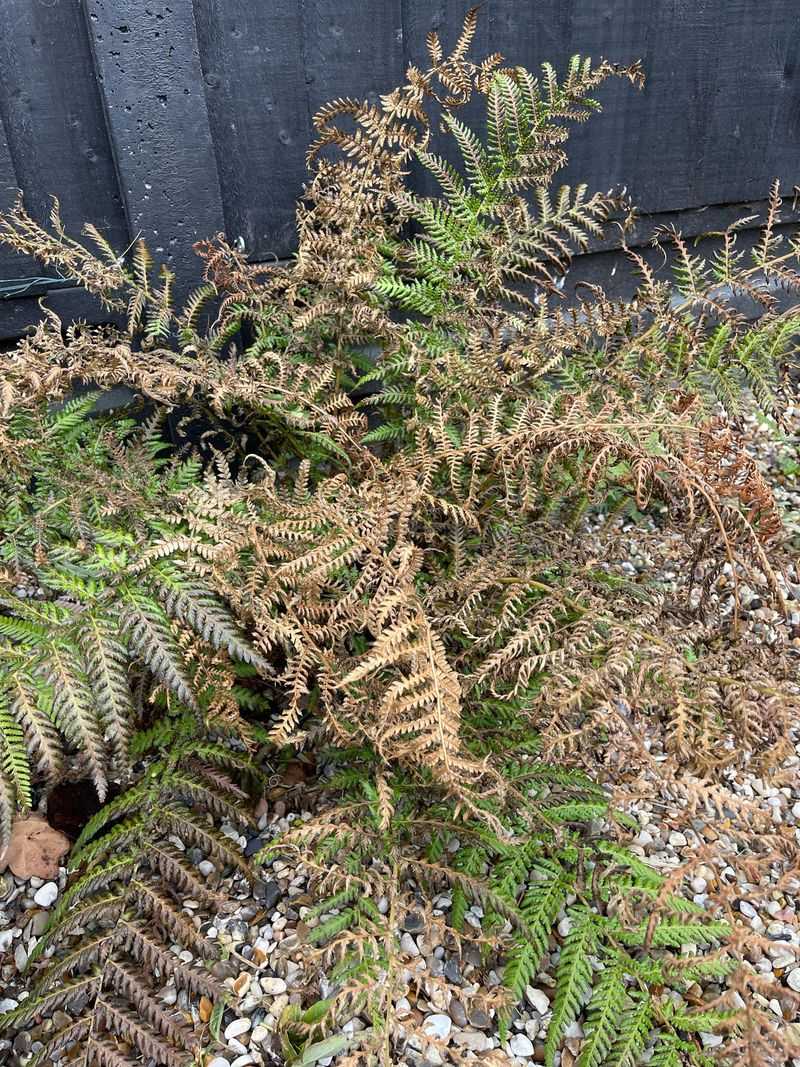
Shade sounds like protection. Most people assume that a plant sitting under a big tree is naturally cool and moist, sheltered from the summer heat.
But shaded spots under trees can be some of the driest places in a garden, and ferns planted there often suffer the most in late summer.
Tree canopies act like umbrellas. They block rain from reaching the soil below.
During Oregon’s long dry summers, this means the ground under large trees can go weeks without any natural moisture at all.
Add in the fact that tree roots are aggressively pulling moisture from the surrounding soil, and you have a setup that is surprisingly harsh for ferns.
The shade keeps the air cooler, which can mask how stressed a fern actually is. A plant in full sun will show stress quickly and obviously.
A fern in dry shade might look okay for a while before suddenly looking very bad, because the cooler temperature slows some visible signs of stress.
Gardeners often overlook these shaded spots when they walk through with a hose. The area looks comfortable and dark, so it feels like it does not need water.
Checking the soil under trees with your finger is the only reliable way to know what is actually happening down there.
Ferns in dry shade often need just as much supplemental watering as ferns in sunnier spots, sometimes even more during the hottest weeks of the year.
6. August Soil Losing Moisture Faster Than It Looks
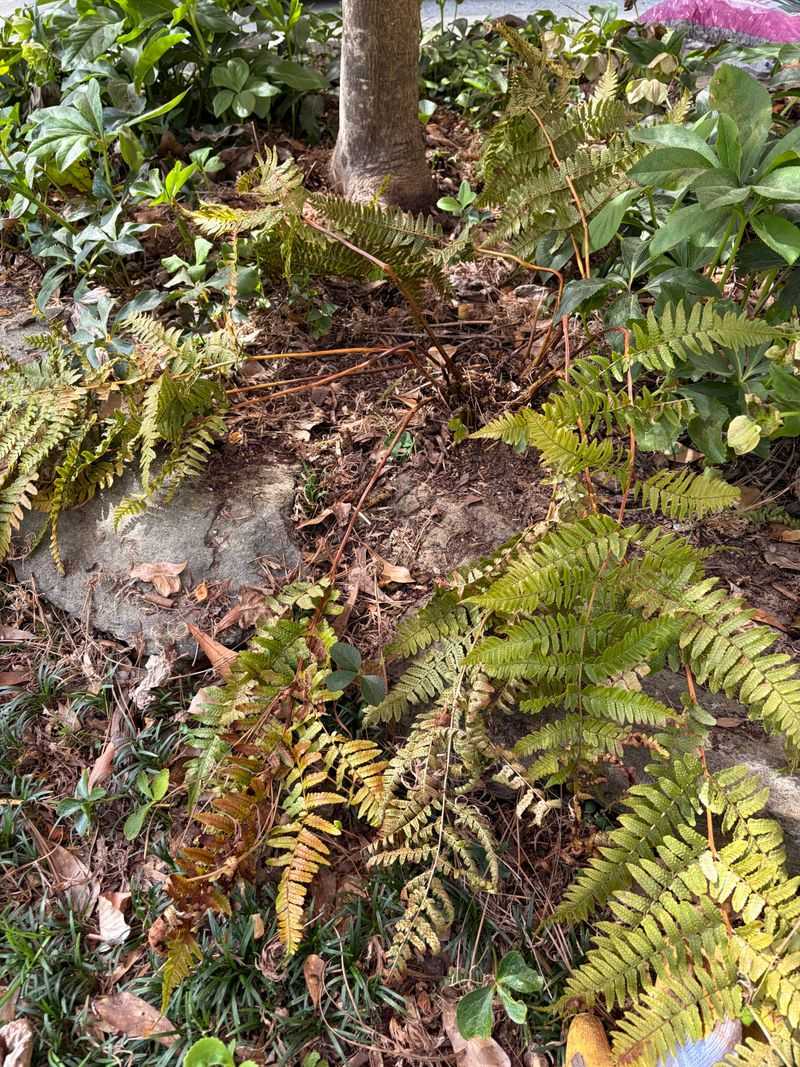
August is the cruelest month for garden soil in our region. Temperatures stay high, humidity drops, and weeks pass without a single drop of rain.
The soil can look dark and okay on the surface while being completely dry just an inch below. That gap between appearance and reality fools a lot of gardeners.
Sandy or loamy soils lose moisture especially fast. Even soil with good organic matter can dry out surprisingly quickly during a stretch of hot, dry weather.
Ferns planted in raised beds or near concrete walls have it even harder because those surfaces absorb and radiate heat that speeds up evaporation.
What makes August tricky is that the moisture loss is invisible until the damage is already happening.
You might water on Monday and think the ferns are set for the week, but by Wednesday the soil could be dry again.
Evaporation rates spike on warm, breezy days, pulling moisture out of the top layers faster than most gardeners expect.
Checking soil moisture every two to three days during August is not overreacting. A simple finger test, or even a basic soil moisture meter from a garden store, can save you a lot of guesswork.
Knowing what is actually happening in the soil, rather than guessing based on how the surface looks, is one of the most straightforward ways to protect your ferns during the driest weeks of the year. Staying proactive makes all the difference.
7. Giving Ferns A Slow Deep Soak Instead
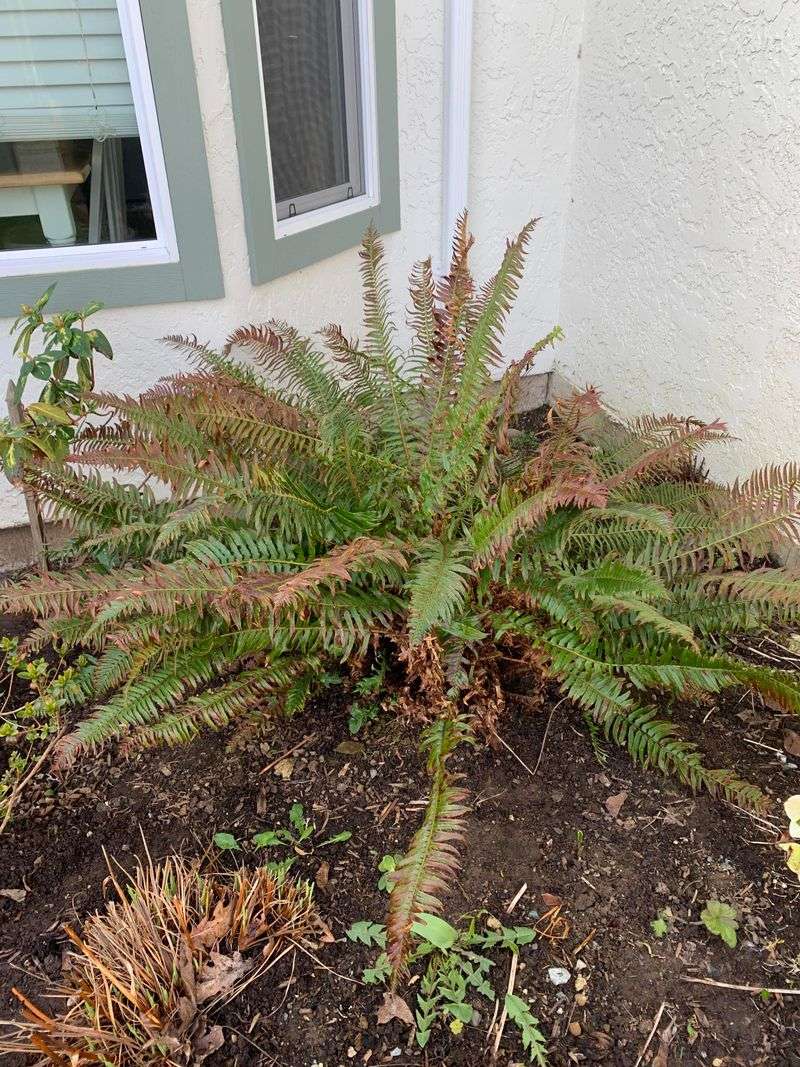
There is a big difference between wetting a plant and actually watering it. A slow, deep soak changes everything for a fern that has been struggling through a dry August.
Instead of water running off the surface or evaporating before it can soak in, a slow soak gives moisture time to travel down to where the roots actually live.
The best way to do this is to use a soaker hose or a hose with a gentle nozzle set to a low flow. Let the water run slowly at the base of the plant for fifteen to twenty minutes.
You want the water to sink in, not pool on top and run sideways.
After a deep soak, the soil around your fern should be moist three to four inches down. That depth keeps roots comfortable for several days, even when the surface dries out in the afternoon heat.
Watering deeply two or three times a week is far more effective than a quick sprinkle every day.
Morning is the best time to water ferns. The soil absorbs moisture before the heat of the day speeds up evaporation.
Evening watering can work too, but wet foliage overnight can sometimes encourage fungal issues. Watering at the base rather than overhead is always a good habit.
A slow deep soak is one of the simplest and most reliable tools you have for keeping ferns healthy through the dry stretch before fall rains finally return.
8. Mulch Helping Roots Stay Cool And Damp

One of the most underrated tools in summer fern care is a good layer of mulch.
Spread a few inches of organic mulch around the base of your ferns, and you create a barrier that slows evaporation, keeps soil temperature lower, and holds moisture in the ground much longer between waterings.
Wood chips, shredded bark, or leaf litter all work well. A layer about two to three inches thick is enough to make a noticeable difference.
Keep the mulch a couple of inches away from the base of the fern itself to allow air circulation and prevent any moisture buildup right against the crown.
During August, soil without mulch can heat up significantly during the afternoon. That heat pulls moisture out of the ground fast.
Mulched soil stays cooler and holds onto water much longer. Gardeners who mulch their ferns often find they need to water less frequently, which saves time and keeps the plants more consistently comfortable.
Mulch also breaks down over time and adds organic matter to the soil, which improves its ability to hold moisture naturally. It is a long-term investment in your garden’s health.
Applying mulch in late spring before the dry season begins is ideal, but adding it in July or August still helps significantly. Even a thin layer is better than bare soil.
For ferns trying to survive a long, dry Pacific Northwest summer, mulch can be one of the most quietly effective tools in your entire gardening routine.