The Most Underrated North Carolina Native Grass For Softening Concrete Patio Edges Without Extra Water
Patio edges have a way of looking harsh no matter how many pillows or lanterns you throw at them. Concrete just sits there, cold and unapologetic, waiting for something to break its silence.
There’s a plant most people scroll right past at the garden center, dismissing it as just another patch of green. Turns out it’s hiding a party trick that only shows up once the temperatures start to drop.
Skip the fussy watering schedule and the constant fertilizing, this one thrives on being left alone, which is basically a dream come true for anyone who forgets their yard exists half the year.
By the time other plants are packing it in for the season, this one is just getting started, turning stiff borders into something that moves, glows, and demands a second look.
The Native Grass Most Patio Owners Overlook
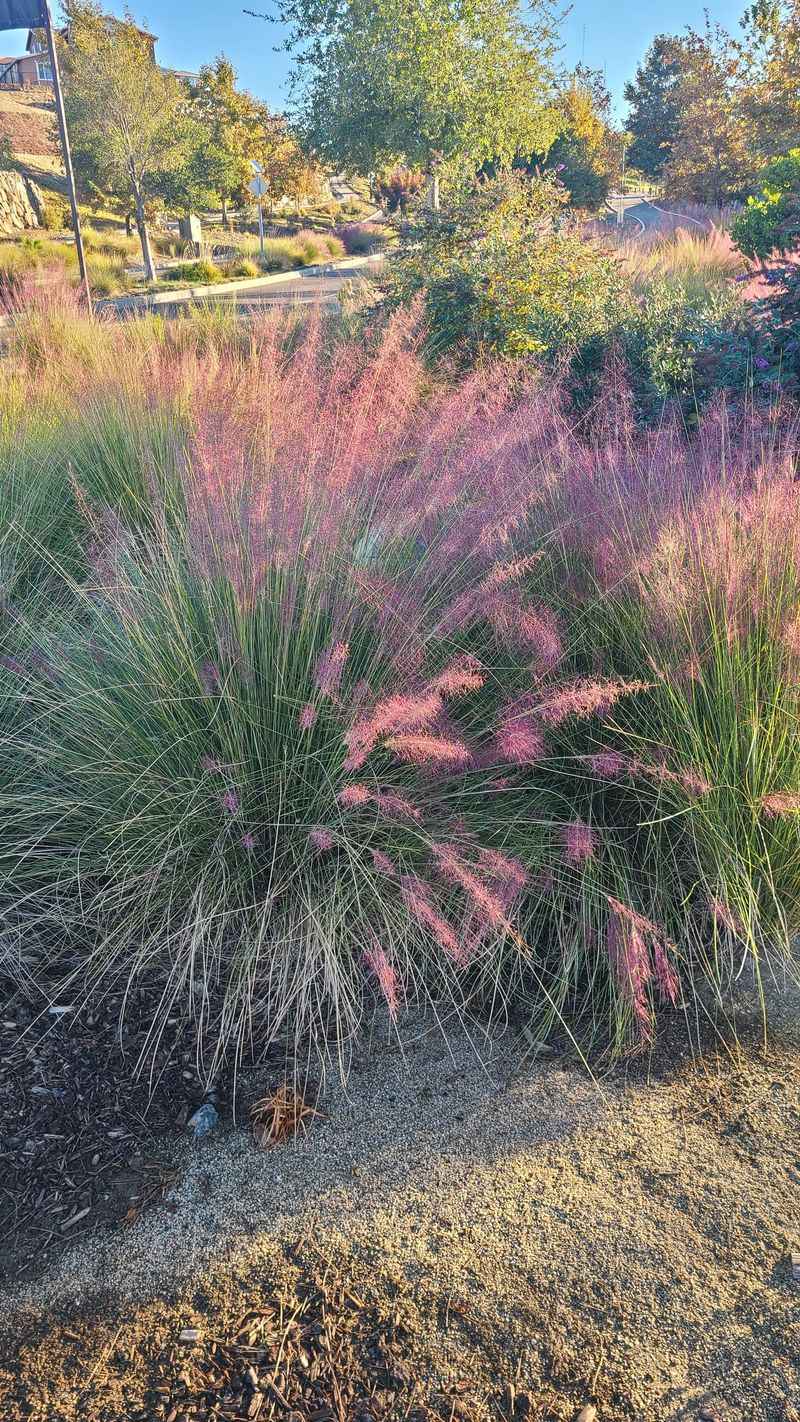
Walk past most garden centers and you will spot it hiding in the corner. Pink Muhly grass, known scientifically as Muhlenbergia capillaris, rarely gets the spotlight it deserves.
Most homeowners grab ornamental grasses from overseas nurseries without knowing a better option grows wild right here. This native beauty has been quietly thriving in Carolina meadows for centuries.
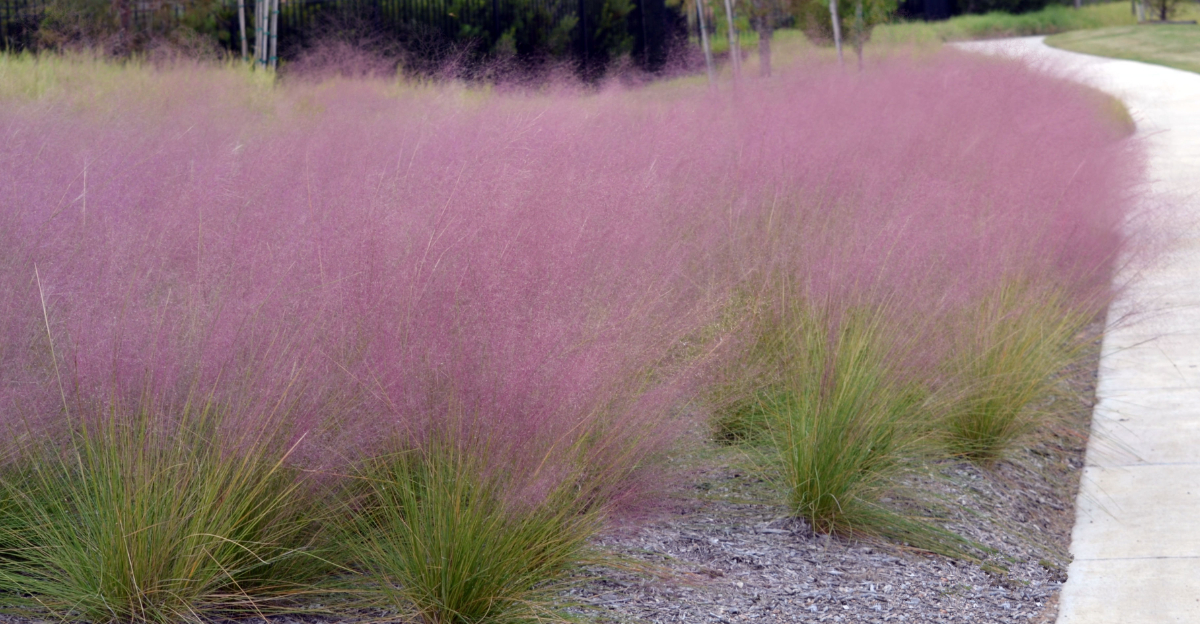
Its airy pink plumes rise three feet tall every September and October. That seasonal burst of color transforms a plain concrete patio edge into something that looks professionally designed.
The grass blends native charm with low-effort beauty in a way few plants can match.
Pink Muhly is drought-tolerant, deer-resistant, and perfectly suited to the Southeast’s hot summers. Those three qualities alone make it a standout choice for patio borders.
It also handles clay-heavy Carolina soils without complaint. Most ornamental grasses struggle in dense clay, but this one adapts and keeps growing.
The soft texture of its blades creates a visual buffer between hard concrete and open lawn. That contrast is exactly what makes patios feel warm and welcoming rather than cold and industrial.
Planting it requires almost no special prep. Dig a hole, drop it in, water it once to settle the roots, and step back.
This feathery Southeast native is finally stepping out of the shadows. Once it takes root along your patio, you’ll wonder why it took this long to notice.
Why Pink Muhly Grass Thrives Without Extra Watering
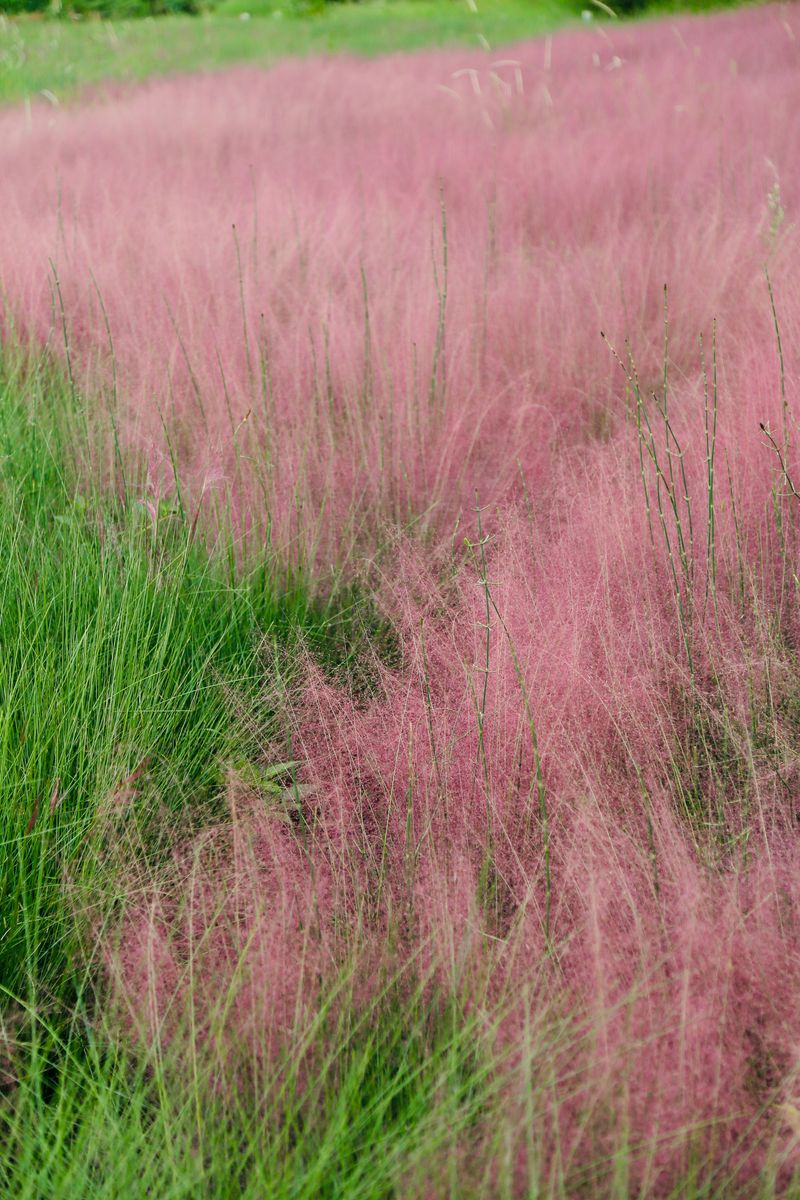
Drought-tolerant plants sound too good to be true, but this one actually delivers. Pink Muhly grass evolved in the Southeast’s unpredictable rainfall patterns over thousands of years.
Its deep root system reaches down into the soil to find moisture other plants cannot access. Once established, it rarely needs a single drop from your garden hose.
Most ornamental grasses from big-box stores need regular irrigation to stay lush. Pink Muhly skips that requirement entirely and still looks stunning through August heat.
The secret lies in its native adaptation to Carolina summers. Long dry spells followed by sudden heavy rains are exactly the conditions this grass was built for.
Established clumps can survive weeks without rain once their roots are settled in. The grass may look slightly less lush mid-summer, but it bounces back fast after any rainfall.
Your North Carolina Garden Changes Every Week. Your Plan Should Too.
Gardening in North Carolina changes quickly throughout the season. Every Friday you’ll receive a simple weekly plan showing exactly what to plant, prune, fertilize, harvest, and protect so you never miss the right timing.
Watering once a week for the first month after planting is all the help it needs. After that first season, nature takes over from there.
Sandy soils along coastal plain patios and clay-heavy Piedmont yards both work fine for this adaptable species. Soil type rarely limits its performance once roots are established.
Saving water is not just good for your wallet, it is good for local ecosystems too. Choosing native plants like Pink Muhly reduces runoff and supports pollinators at the same time.
Pink Muhly grass thrives without extra watering because it belongs here naturally. That self-sufficiency is exactly why busy homeowners keep falling for this quiet Carolina native.
How It Softens Hard Edges Around Concrete
Concrete is unforgiving in its rigidity. Sharp edges and flat gray surfaces make outdoor spaces feel more like parking lots than relaxing retreats.
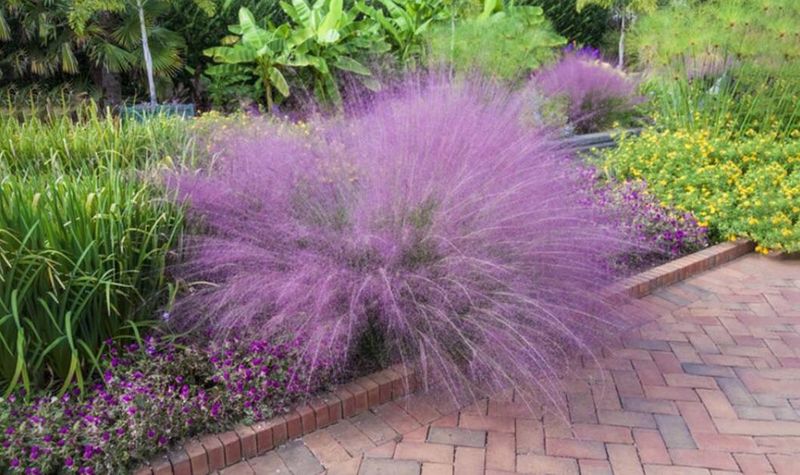
Pink Muhly grass flips that equation with its arching, feathery texture. The blades lean naturally outward and drape softly over hard surfaces below.
When plumes emerge in fall, they create a hazy pink fog effect along patio borders. That visual softness tricks the eye into seeing the space as lush and intentional.
The grass grows in a rounded mound shape that hugs patio edges without spreading aggressively. Unlike some border plants, it stays put and keeps its elegant form year after year.
From a design perspective, the contrast between hard concrete and soft grass is a classic landscaping technique. Professional designers use it constantly because it works in almost any setting.
Even in winter, after the plumes fade to tan and gold, the texture still adds warmth. Bare concrete edges look abandoned, but edges lined with dried Muhly look intentional and curated.
The movement factor adds another layer of appeal. A light breeze sends the plumes swaying in waves, adding life and energy to an otherwise static patio scene.
Planting in clusters of three or five creates a more natural, flowing border than single plants. Odd-numbered groupings mimic how grasses grow in wild meadows and feel less formal.
Softening hard patio edges without extra water is exactly what this grass does best. Every feathery plume earns it a permanent spot in Carolina landscaping.
Best Planting Spots Around Patios And Walkways
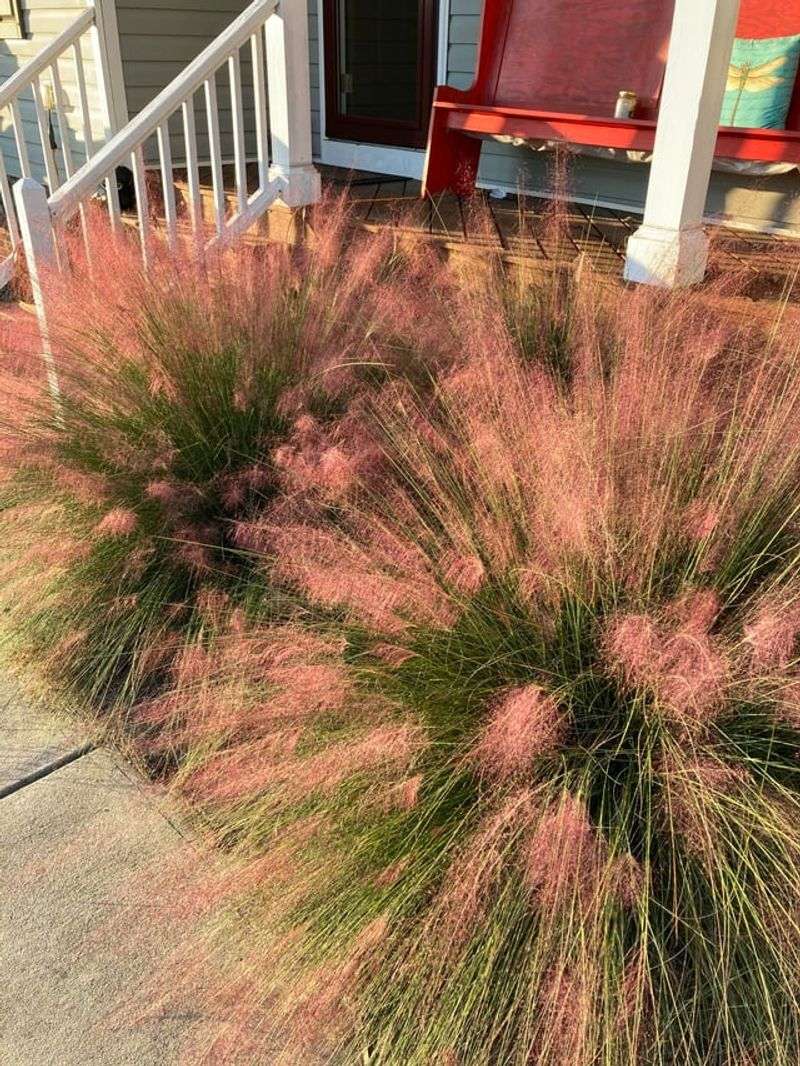
Placement makes or breaks any planting plan. Pink Muhly grass performs best in full sun, so choose spots that get at least six hours of direct light daily.
The corners of a concrete patio are ideal starting points. Corners often look awkward and bare, and a rounded clump of Muhly fills that bare space beautifully.
Along straight patio edges, spacing plants about three feet apart creates a rhythm that feels natural. Too close together and they crowd out; too far apart and the softening effect disappears.
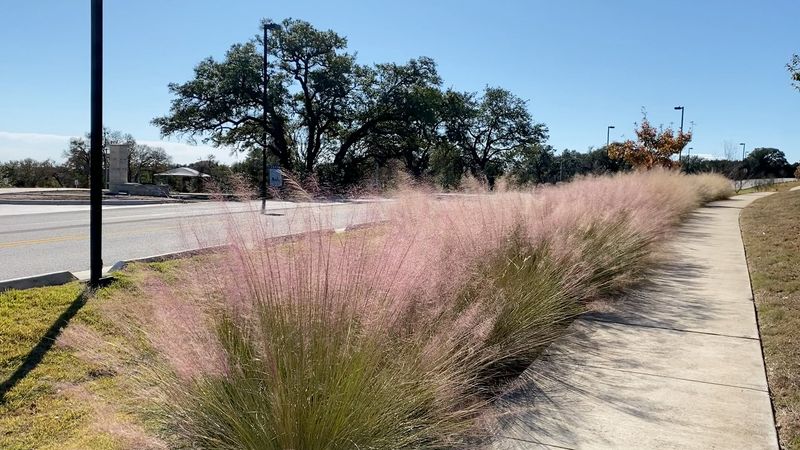
Walkway borders are another perfect home for this grass. As you walk past, the plumes brush the air beside you, creating a sensory experience that feels welcoming and alive.
Avoid planting in spots with standing water or heavy shade. Poor drainage leads to root rot, and shade suppresses the flowering that makes this grass worth growing.
Raised patio beds or retaining wall edges work especially well. The grass spills slightly over the wall edge, softening that hard transition between built and natural spaces.
If your patio faces south or west, you have hit the jackpot for Muhly growing conditions. Those sun-drenched exposures bring out the most vibrant pink color in fall plumes.
Pairing it with a slight slope allows good drainage, which keeps roots healthy through wet winters. A small grade away from the patio foundation is all you need.
Choosing the right spot ensures your planting thrives for a decade or more. Good placement is the easiest form of long-term plant care you can give.
Simple Care Tips For Long-Term Success
Low-maintenance does not mean zero maintenance. Pink Muhly grass needs a little annual attention to stay healthy and look its best season after season.
Cut the clumps back to about four inches from the ground each late winter. Doing this in February or early March prepares the plant for fresh spring growth.
Do not cut it back in fall after the plumes appear. Those dried plumes feed birds through winter and add beautiful texture to the cold-season patio landscape.
Fertilizing is rarely necessary for this native species. Rich soil can actually cause floppy, overgrown clumps that lose their elegant mounding shape.
If clumps grow larger than two feet across, division keeps them vigorous. Dig up the clump in early spring, split it with a sharp spade, and replant the sections.
Weeding around young plants matters most in the first season. Once established, the dense root system crowds out most competition on its own.
Mulching around the base with two inches of pine straw helps retain soil moisture during establishment. Pull the mulch slightly away from the base to prevent crown rot.
Pests and diseases rarely affect Pink Muhly in its native range. That natural resistance is one more reason it outperforms many imported ornamental grass varieties.
Keeping this grass healthy is genuinely simple once you know the basics. Minimal effort here translates into maximum seasonal beauty, year after year.
Pairing Ideas For A Natural Patio Border
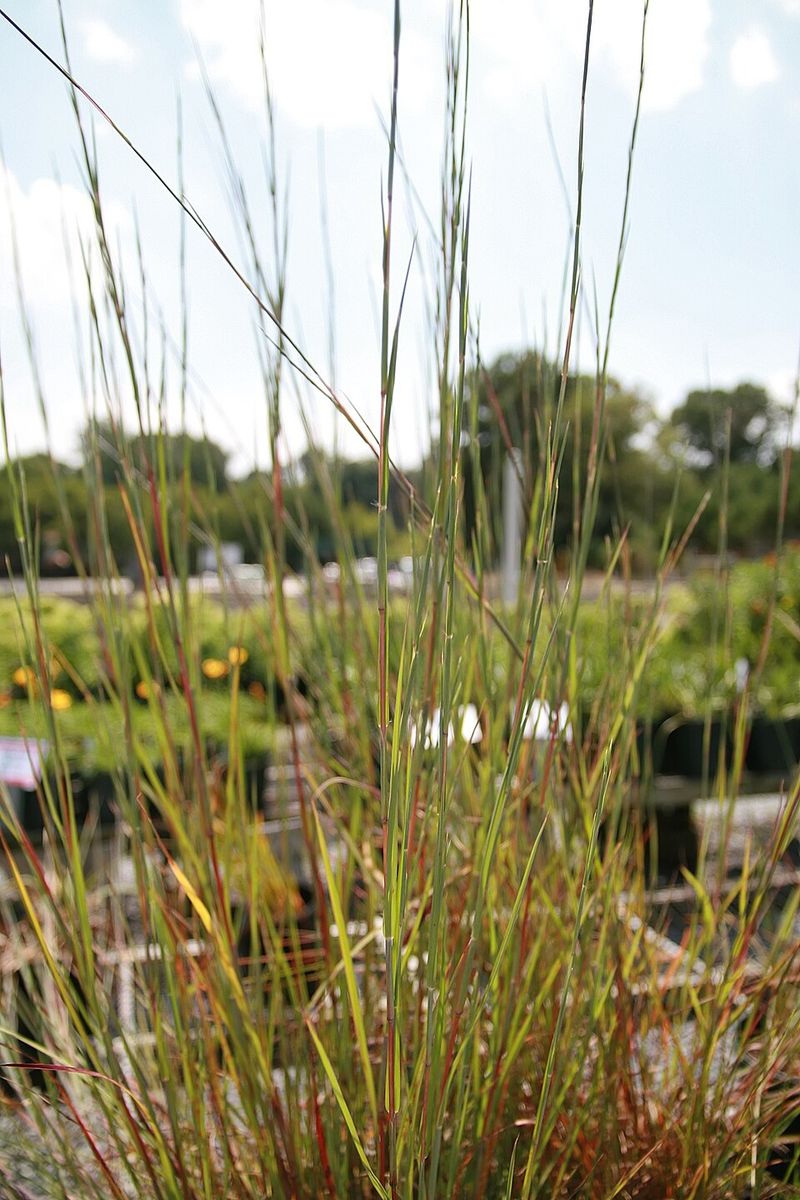
No plant is an island, and Pink Muhly grass shines brightest when paired thoughtfully. Combining it with other native species creates a border that looks designed but feels wild.
Black-eyed Susans bloom in summer just before Muhly peaks in fall. That back-to-back blooming sequence keeps your patio border colorful from July through November.
Purple coneflowers add height variation and attract pollinators all season long. Their bold upright form contrasts beautifully with the soft, arching Muhly blades beside them.
Little Bluestem grass offers a complementary texture in warm copper and orange tones. Planting it behind Pink Muhly creates a layered look that adds depth to flat patio borders.
Switchgrass varieties like Shenandoah turn deep red in fall, creating a stunning color echo with Muhly’s pink plumes. That seasonal color harmony feels effortless and completely natural.
For low-growing companions at the front edge, creeping phlox fills gaps and blooms in spring. It bridges the seasonal gap before summer and fall natives take center stage.
Native asters bloom in September alongside Muhly’s peak plume season. Purple aster flowers against pink grass is a combination that stops guests mid-conversation.
Keep the palette to three or four species maximum for a cohesive look. Too many plants competing for attention turns a border into visual noise rather than a calm retreat.
Pairing plants well is the final step in creating a patio border that feels alive. This Carolina native only gets more stunning with the right neighbors beside it.