The Lavender Pruning Mistake Oregon Gardeners Make Right After The Second Bloom
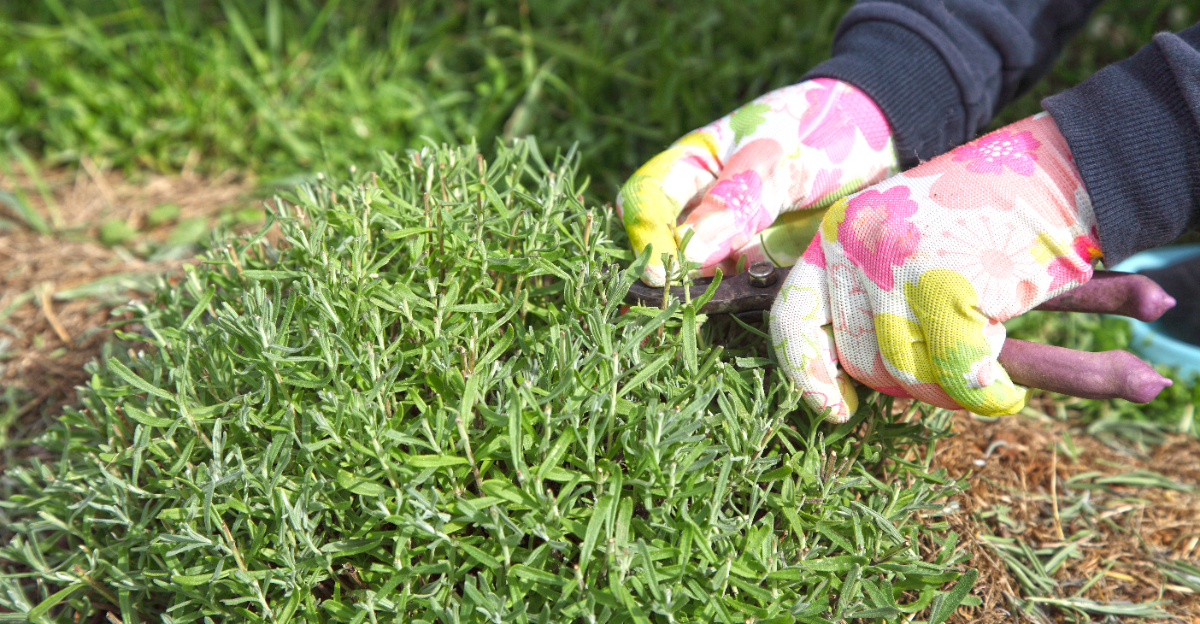
Lavender often looks ready for a serious haircut after its second bloom, and that is where trouble can start. Faded flowers sit above woody stems, the plant loses its tidy shape, and the pruners suddenly feel very persuasive.
A hard cut may seem like the fastest way to clean everything up, but lavender has firm limits.
Once those limits get crossed, the plant may struggle to recover before Oregon’s cooler weather arrives. Dramatic? A little. Important? Absolutely.
Late-season timing also changes how much stress the plant can handle. What works after the first flush may not suit the second, especially when fresh growth has less time to mature.
The safest approach depends on where each cut lands. A small mistake can leave the plant sparse next spring, while a careful trim can keep it compact and ready for another strong season.
1. The Mistake You Make Every Time You Prune
Most gardeners grab their shears after the second bloom with the best intentions. They want a tidy plant and a strong finish to the season.
But the moment those blades go past the green growth and into the woody brown base, the trouble begins.
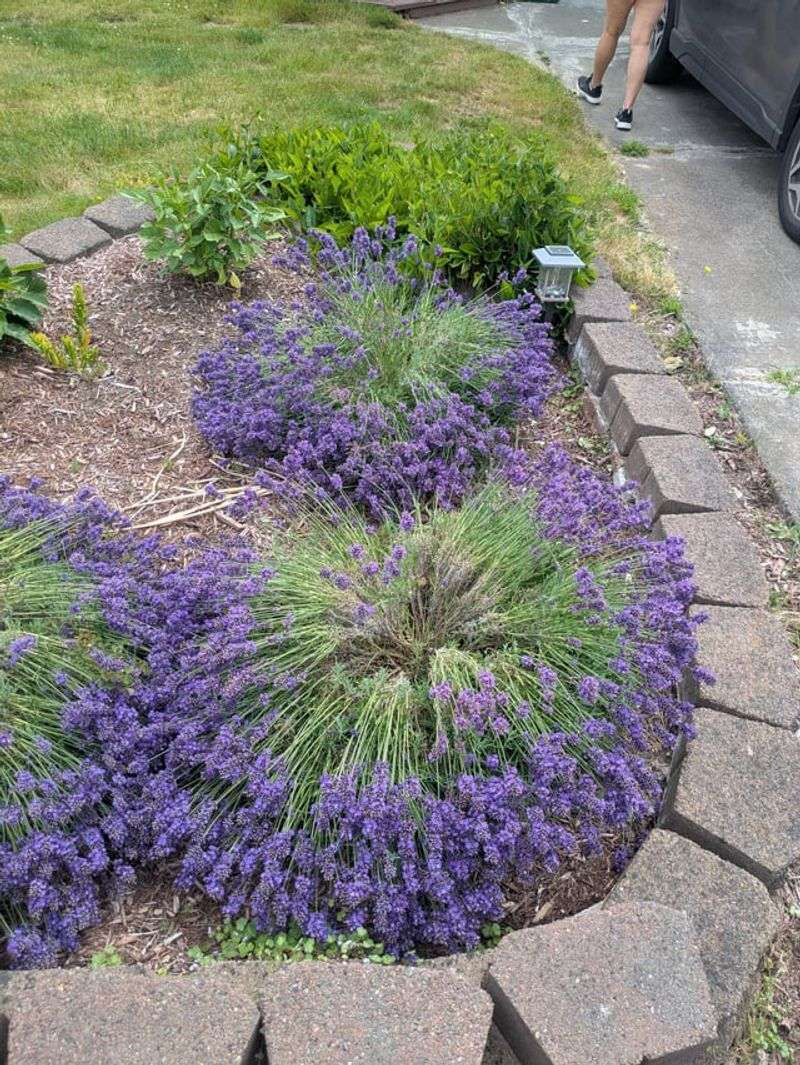
Lavender stems have two very different zones. The upper portion is green, flexible, and full of life.
The lower portion is brown, stiff, and woody. That woody section rarely sends out new shoots on its own.
Once you cut into it, you are essentially asking the plant to regrow from material that has very little ability to do so.
After the second bloom, the plant is already winding down its energy production. It is not in a phase of aggressive regrowth.
Asking it to push new growth from old wood at this point in the season is too much. The plant simply does not have the reserves to recover before cooler weather settles in.
Many Oregon gardeners do not realize the damage until the following spring, when certain stems fail to leaf out. Bare patches appear where full growth used to be.
By then, it is too late to fix what happened months earlier. The good news is that this mistake is completely avoidable once you know where the safe cutting zone actually is on each stem.
2. Old Wood Often Won’t Grow Back
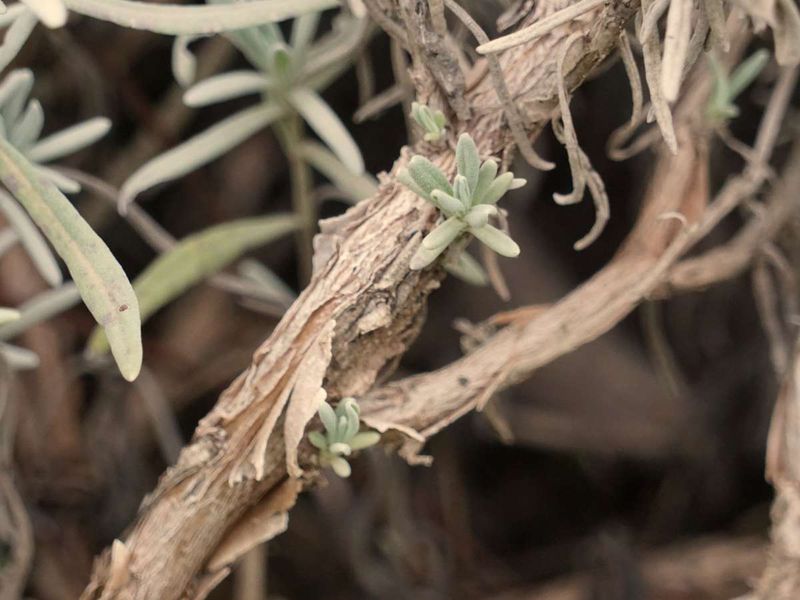
There is a reason experienced lavender growers always say to never cut into the brown. That advice is not just a preference.
It is rooted in how lavender actually grows and what its woody stems are physically capable of doing.
Old wood on a lavender plant is essentially dormant tissue. It does not have the same budding potential as green stems do.
When you remove all the green from a stem and leave only the woody portion, you are left with something that looks more like a stick than a living plant.
Some plants, like roses or certain shrubs, can push new growth from old wood with relative ease. Lavender is not one of them.
Its woody base is meant to be a support structure, not a regeneration point. Expecting it to behave otherwise leads to frustration and bare plants.
Your Oregon Garden Changes Every Week. Your Plan Should Too.
Gardening in Oregon changes quickly throughout the season. Every Friday you’ll receive a simple weekly plan showing exactly what to plant, prune, fertilize, harvest, and protect so you never miss the right timing.
Gardeners who have tried to hard-prune older lavender plants in late summer often report the same outcome. A few weeks pass, then a few months, and the stems never green up again.
Some may linger through winter looking gray and brittle before finally giving out in early spring.
Protecting the green growth above the woody zone is the single most important rule in lavender pruning.
That green section is where all future growth and blooms will come from, so keeping it intact after the second bloom is non-negotiable for the plant’s long-term health.
3. Second-Bloom Pruning Should Stay Light
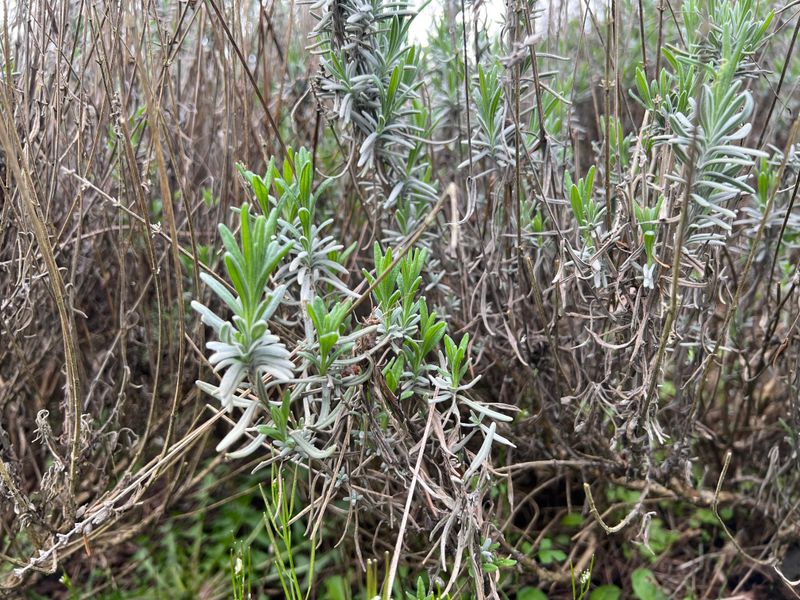
After the second round of flowers fades, it can be tempting to go all in with the pruning shears. The plant looks spent, the blooms are brown, and a good cleanup feels satisfying.
But restraint is actually the smarter move at this point in the season.
Light pruning after the second bloom means removing only the spent flower stalks and trimming back the tips of the green stems by a small amount. Think of it as a haircut, not a surgery.
You are tidying up the plant, not restructuring it.
This approach works well because it keeps the green foliage intact. That foliage is doing important work even after blooming ends.
It is still photosynthesizing, still building up energy reserves, and still preparing the plant for the months ahead.
In Oregon, the window between the second bloom and the first frost can be shorter than gardeners expect. Coastal areas may stay mild longer, but inland valleys and higher elevations can see temperatures drop quickly.
A lightly pruned plant has a much better chance of hardening off properly before those cold nights arrive.
Keeping the pruning session brief and focused is not laziness. It is a deliberate choice that reflects an understanding of what the plant needs most at this stage.
A little patience now means a fuller, healthier plant when spring rolls back around.
4. Trim Spent Stems, Not The Whole Plant
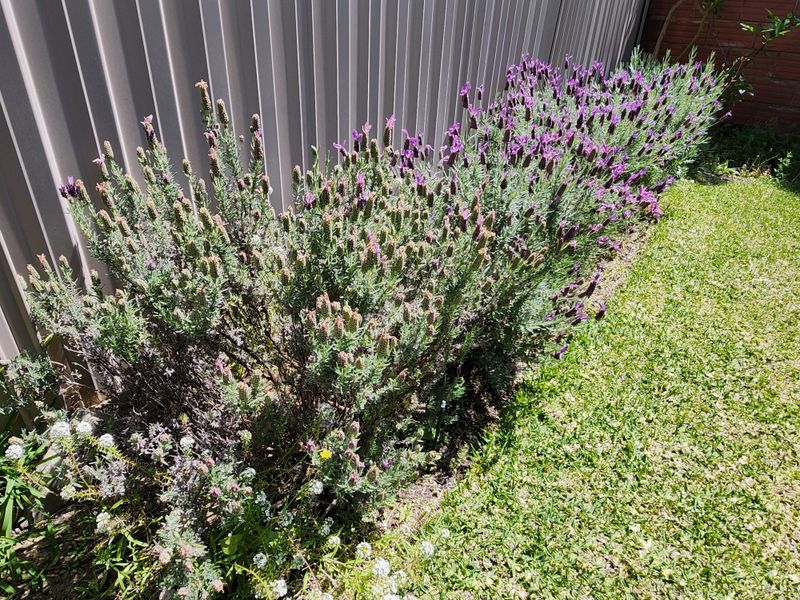
Spent flower stalks are easy to spot. They are dry, brown, and brittle.
They no longer serve a purpose for the plant, and removing them makes sense. But the mistake happens when gardeners start cutting stems that still have green leaves attached.
Each green stem is a productive part of the plant. Even after the flowers are gone, those stems are working.
They collect sunlight, support root function, and help the plant build up the energy it needs to survive winter and bloom again next year.
A focused approach works best here. Go through the plant stem by stem and cut only the ones that are fully spent.
If a stem still has green leaves anywhere on it, leave it alone or trim just the very tip. That small distinction makes a big difference in how the plant looks and performs next season.
Some gardeners find it helpful to use two different tools during this process. A pair of narrow scissors or snips works well for the spent stalks, while a larger pair of shears can handle any light shaping needed on the outer edges of the plant.
Keeping the tools sharp also helps make clean cuts that heal faster.
Focusing on what actually needs to go, rather than cutting everything that looks a little rough, protects the plant and keeps it on track for a strong start the following spring. Precision matters more than speed when working with lavender.
5. Leave Green Growth On Every Stem
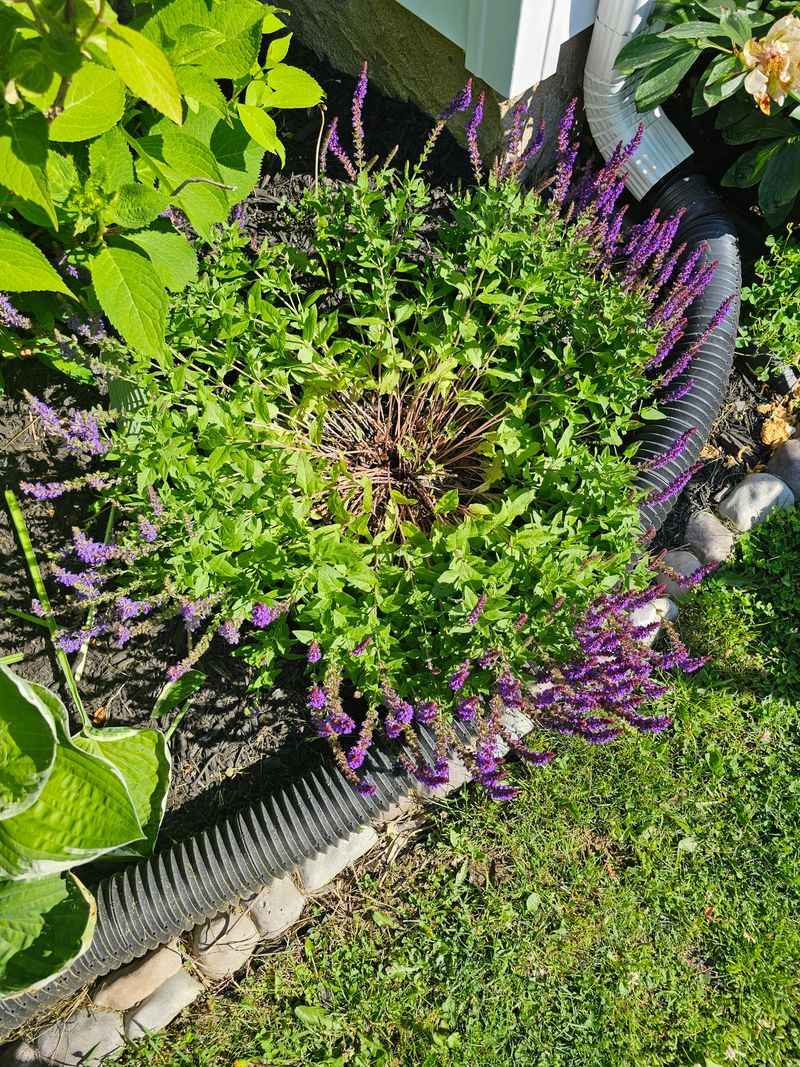
Green growth is the plant’s lifeline. Every leaf on every stem is contributing to the overall health of the plant.
Removing too much of that green at once, especially after the second bloom, puts serious stress on lavender.
A good rule of thumb is to always leave at least a third of the green growth on each stem after any pruning session.
Some growers prefer to leave even more, especially on older or larger plants that may be slower to recover.
The more green you preserve, the more energy the plant retains.
This becomes even more critical in late summer. At that point, the days are getting shorter and temperatures are beginning to shift.
The plant is naturally slowing down, and its ability to produce new growth is reduced. Stripping away too much green during this slowdown can push the plant into a state it struggles to come back from.
Younger lavender plants are often more forgiving than older ones, but even they benefit from a conservative approach after the second bloom. The goal is not to create a perfectly shaped plant right now.
The goal is to keep the plant alive and productive through the off-season.
Leaving green growth on every stem is not about being careless with pruning. It is about respecting what the plant needs at a specific moment in its seasonal cycle. That respect pays off come spring.
6. A Hard Cut Can Leave Bare Patches
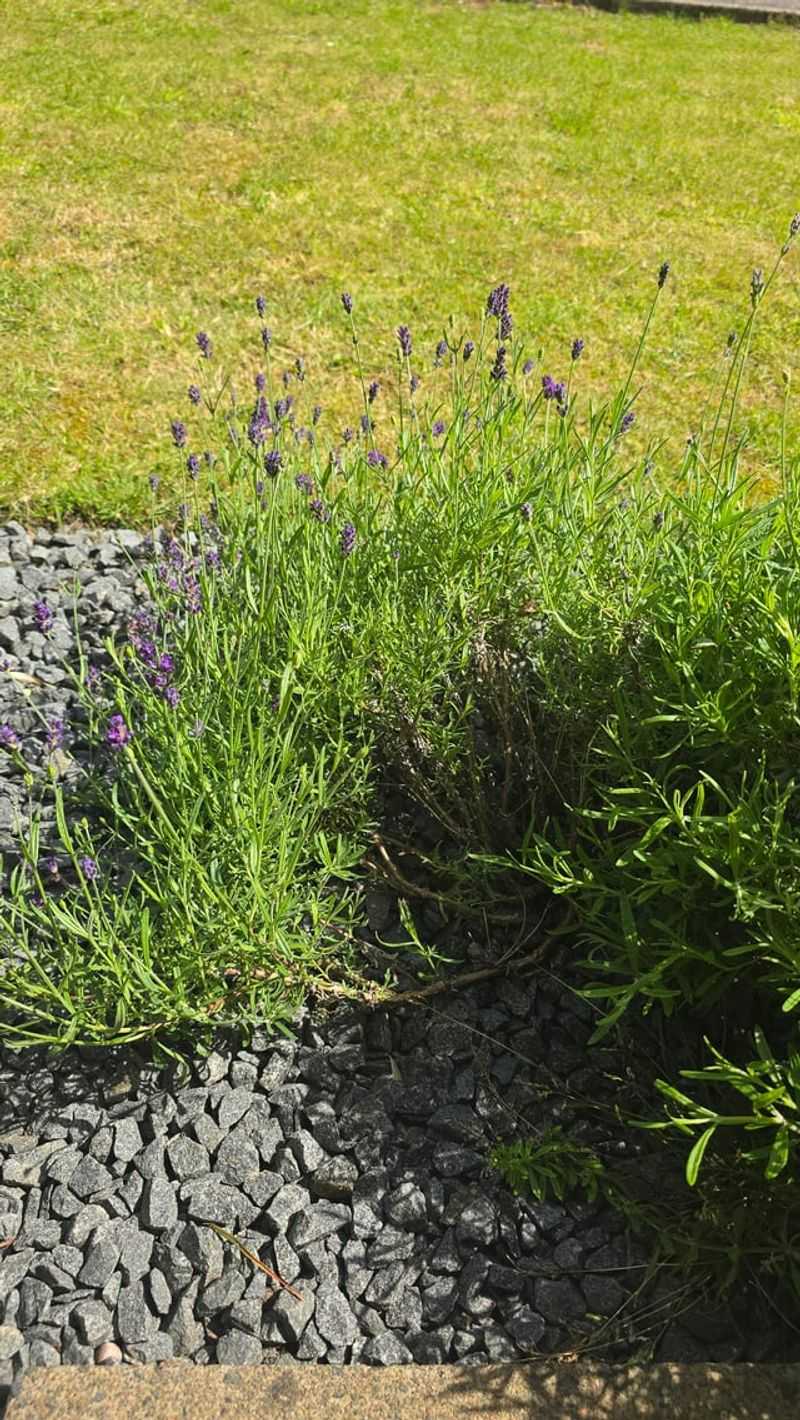
Few things are more discouraging than looking out at a lavender bed in spring and seeing empty, bare patches where full plants used to be.
That is often the direct result of cutting too hard after the previous summer’s second bloom.
When the woody base of a lavender stem is exposed through aggressive pruning, it rarely sends out new growth. The stem essentially becomes inactive.
Over winter, it may look okay. But when Oregon spring warmth arrives and neighboring plants start pushing out fresh green shoots, those hard-cut stems stay stubbornly bare.
Bare patches in a lavender bed are difficult to fix quickly. You can try placing new transplants in the gaps, but they take time to establish and fill in.
The overall look of the bed stays uneven for at least a full season, sometimes longer depending on the size of the gap.
Prevention is far easier than repair. Keeping each pruning session conservative, especially after the second bloom, is the best way to avoid this outcome.
It helps to think of the plant as something to be maintained rather than reshaped dramatically at the end of summer.
Gardeners who have experienced bare patches firsthand tend to become much more cautious pruners going forward.
That lesson, though frustrating to learn, usually leads to much healthier and more consistently beautiful lavender beds in the years that follow.
7. Late Summer Is Not Rejuvenation Time
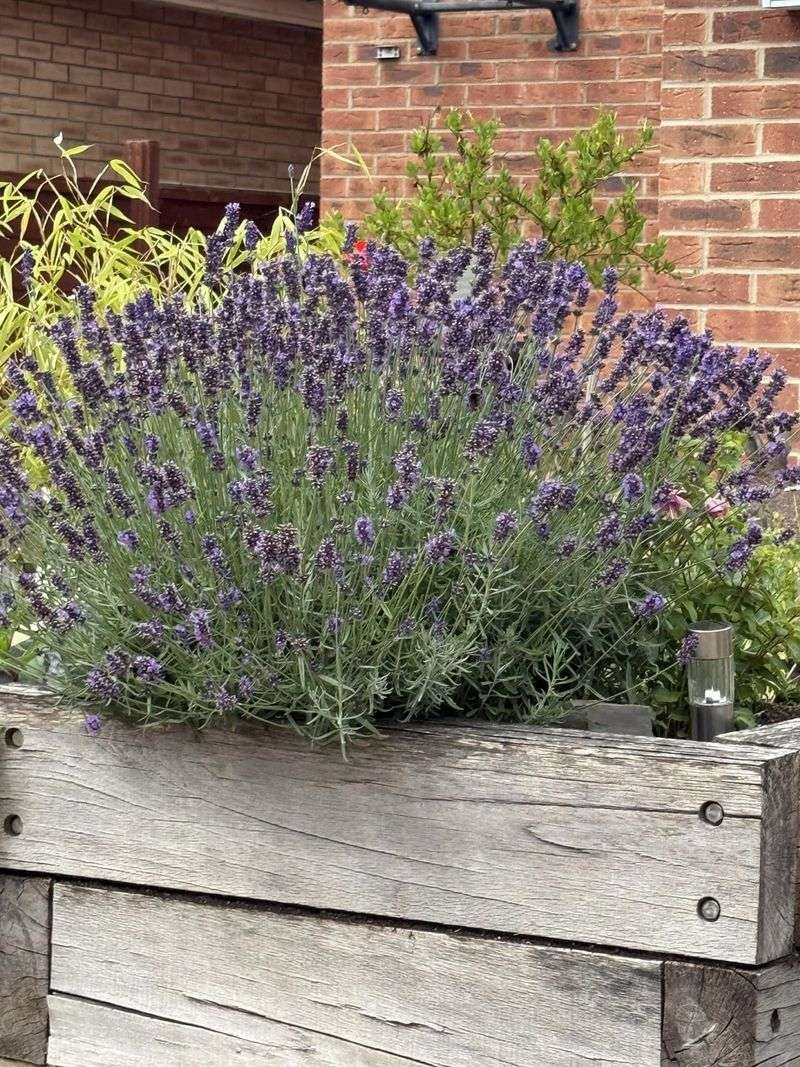
Rejuvenation pruning is a real and useful technique for many shrubs and perennials. It involves cutting plants back hard to encourage a fresh flush of new growth.
But timing is everything, and late summer is not the right window for lavender.
Rejuvenation pruning works best in early spring, just before new growth begins. At that point, the plant has energy stored up and the growing season ahead of it.
It can respond to a harder cut by pushing out new shoots and filling in gaps over the coming weeks and months.
Late summer is a completely different situation. The plant is winding down, not gearing up.
Cutting it hard at this time sends mixed signals to the plant and can trigger a weak attempt at new growth that never has enough time to harden off before cooler weather arrives. That tender new growth is then vulnerable to cold damage.
Oregon late summer pruning needs to be approached with care. The weather can shift faster than expected, and a plant that has been cut hard needs time to recover that it may not get.
Playing it safe with a light trim is always the better choice at this time of year.
Saving the big pruning decisions for early spring gives lavender the best possible chance to respond well and grow back strong. Patience between seasons is one of the most valuable tools a lavender gardener can have.
8. Woody Lavender Needs A Gentler Touch
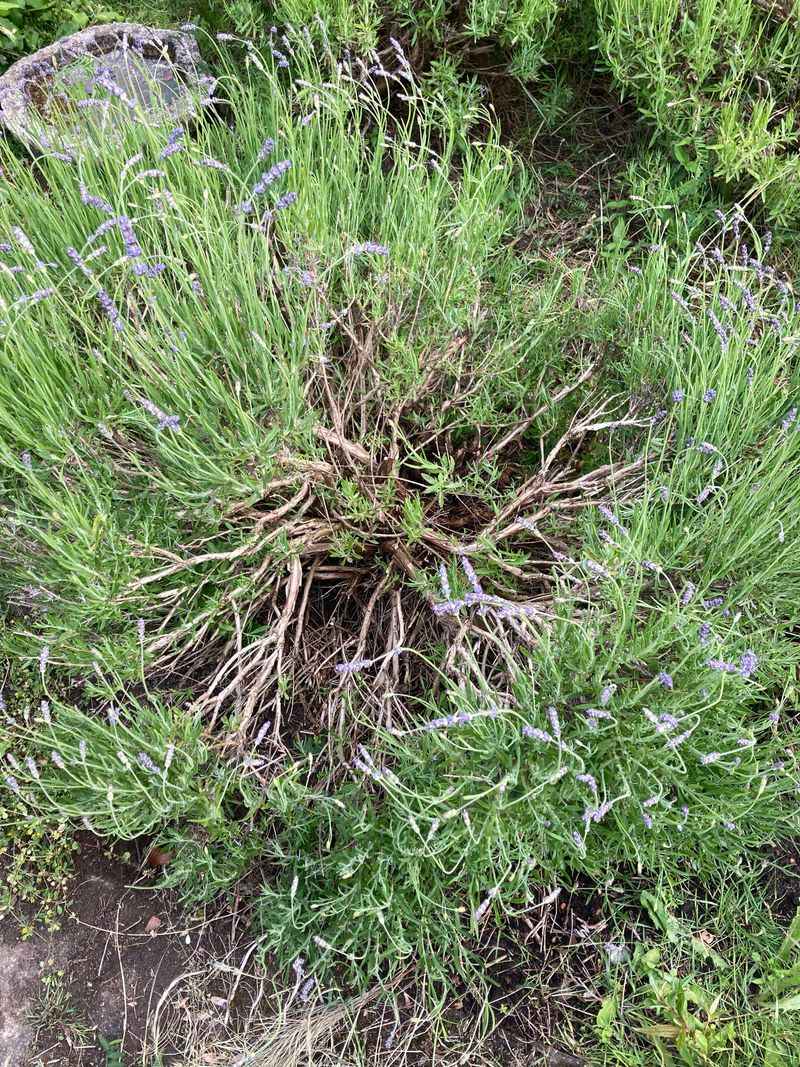
Older lavender plants develop thick, gnarly bases over time. That woody structure is a sign of maturity, and it comes with both strengths and limitations.
One of the biggest limitations is how poorly it responds to aggressive pruning.
A young lavender plant has flexibility on its side. It can handle a harder cut and still bounce back.
But a plant that has been growing for five, eight, or ten years has a much more established woody core. The ratio of brown wood to green growth is higher, and the plant’s ability to regenerate from that wood is lower.
For mature plants, the rule about leaving green on every stem becomes even more important.
Cutting into the woody zone on an older plant is far more likely to result in permanent bare spots than the same cut would on a younger one.
The older the plant, the more conservative the pruning should be.
Some gardeners try to rejuvenate woody lavender by cutting it back hard all at once. That rarely works well.
A better approach is to gradually reduce the woody sections over two or three years, removing a portion each spring and allowing the plant to adjust slowly.
Treating mature lavender with a gentle, patient approach is not just kind. It is the practical choice.
Older plants that are pruned carefully can continue producing beautiful blooms for many more years than those that are handled too aggressively.