This Heat-Proof Plant Thrives On Alabama Porches All Summer Long
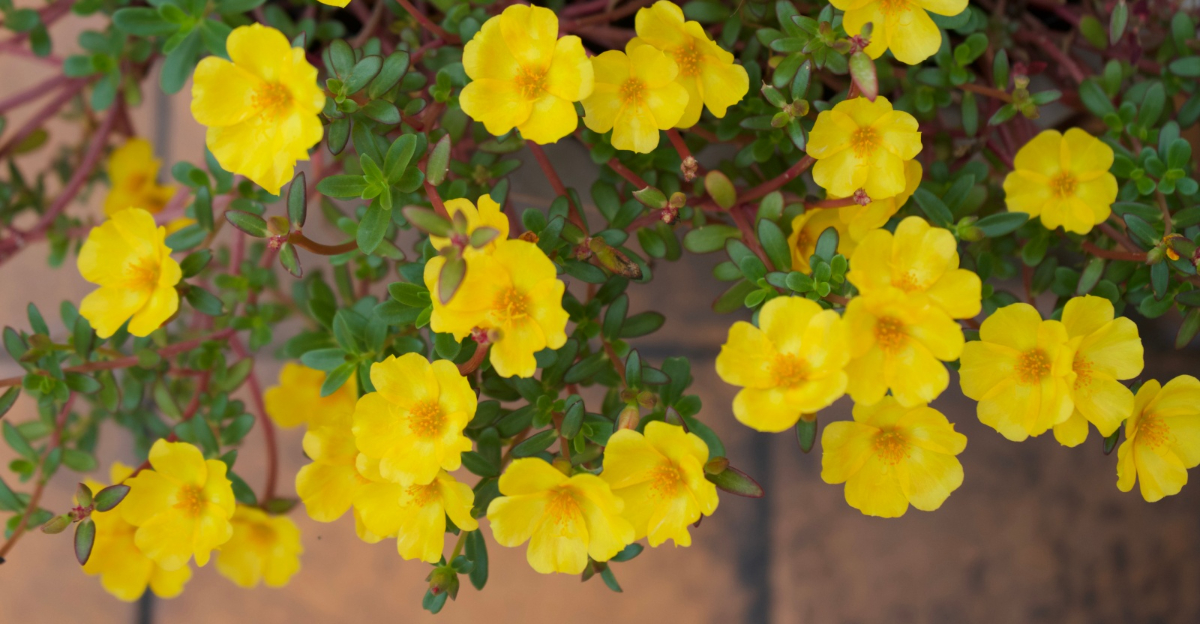
Heat like this doesn’t ease in, it arrives fast. Alabama summers challenge every plant you’ve ever trusted.
Your porch becomes a testing ground by June. Humidity wraps around you like a heavy coat. Most flowers fade before the sun even peaks. Watering twice a day still won’t help them.
Containers heat up, roots weaken, and color disappears fast. Nothing about this climate favors delicate choices.
Even seasoned gardeners find color hard to maintain. Shade helps some plants, but not enough here.
Somehow, something keeps thriving despite all of it. This plant handles drought without missing a single bloom.
Blazing afternoons barely touch its thick, glossy leaves. Colors stay electric while everything else fades to brown.
Quietly, Alabama gardeners have kept this secret for years. Every porch you own deserves this kind of resilience.
Few plants reward you with so little effort. You need to discover this plant before summer ends.
Why Alabama Afternoons Are Harsh On Porch Plants
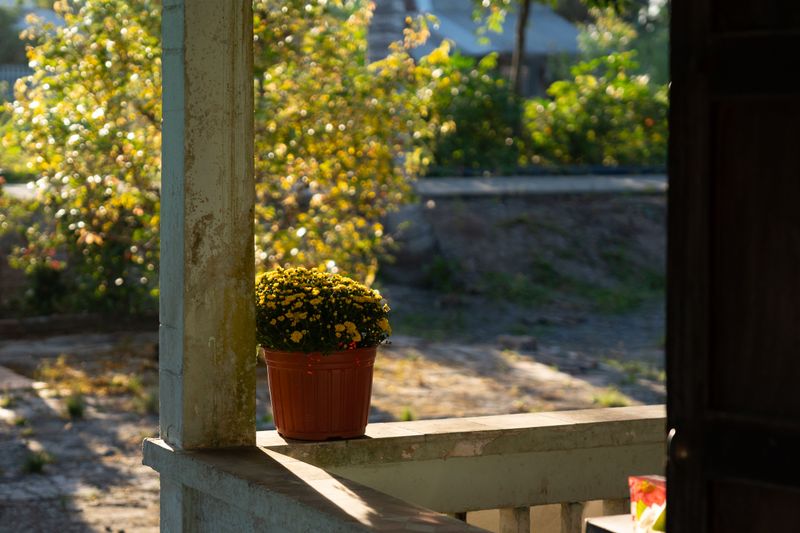
Porch plants face demanding conditions every single day. Southern afternoons combine scorching sun, radiant heat from concrete, and thick humidity that stresses even tough plants.
Most flowering annuals are bred for mild climates. When temperatures stay above 90 degrees for weeks, their roots overheat and their blooms wilt quickly.
Container plants have it even worse than in-ground ones. Pots absorb heat from every angle, and the soil inside can reach temperatures that damage roots within hours.
Watering becomes a daily chore that many people simply cannot keep up with. Miss one afternoon, and a heat-stressed plant may drop its flowers overnight.
Reflected heat from walls and railings adds another layer of stress. A south-facing porch can create a much hotter microclimate, pushing air temperatures well beyond what a thermometer reads in the shade.
Wind also contributes to plant stress during summer. Hot, dry breezes pull moisture from leaves faster than roots can replace it, causing rapid wilting.
Most popular porch plants, like impatiens, petunias, and ferns, simply are not suited to this level of heat stress. They look gorgeous in spring, then fade fast once true summer heat arrives.
Understanding these conditions helps you choose the right plant for the right spot. When you match a plant to its environment, you stop fighting nature and start enjoying your porch again.
Ornamental Purslane Handles The Heat With Ease
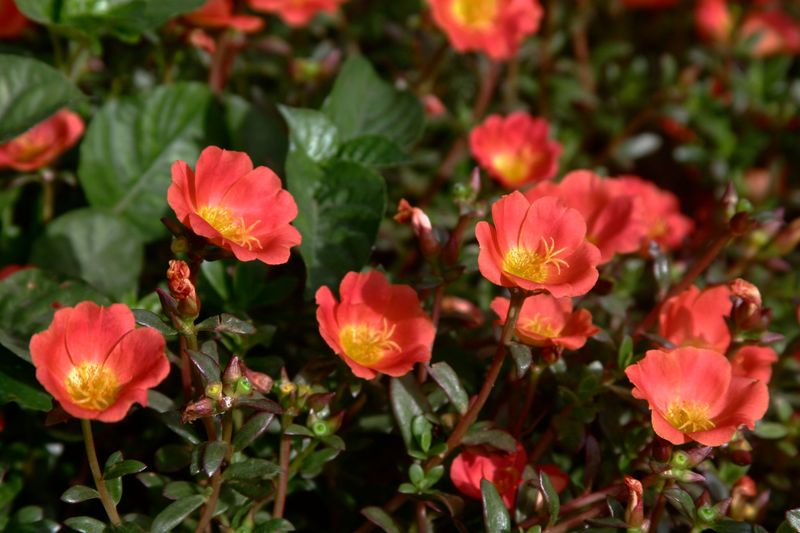
Ornamental purslane is not just surviving the heat. It is genuinely thriving in conditions that cause other plants to struggle.
This plant produces thick, succulent stems packed with moisture. Those stems store moisture, keeping the plant hydrated even on the hottest days.
The flowers open wide in full sun and close at night. Each bloom lasts only one day, but new ones open constantly, keeping the display fresh all summer long.
Colors range from soft creamy white to electric magenta, deep coral, and golden yellow. Many varieties offer bicolor blooms with striped or ruffled petals that look almost tropical.
Unlike petunias that get leggy and sad by midsummer, purslane stays compact and tidy. It does not need pinching or constant attention to look its best.
Your Alabama Garden Changes Every Week. Your Plan Should Too.
Gardening in Alabama changes quickly throughout the season. Every Friday you’ll receive a simple weekly plan showing exactly what to plant, prune, fertilize, harvest, and protect so you never miss the right timing.
Gardeners across warm-climate regions like Florida, Texas, and the Gulf Coast have grown it for years. It is sometimes called moss rose, portulaca, or sun plant, but the ornamental variety is bred specifically for bigger blooms and longer display.
One of its best traits is how quickly it bounces back after a dry spell. Give it a good drink after a missed watering, and it perks right back up within hours.
Ornamental purslane is a strong option for Southern porches, offering reliable color with relatively low maintenance.
The Secret To Purslane’s Heat And Drought Tolerance
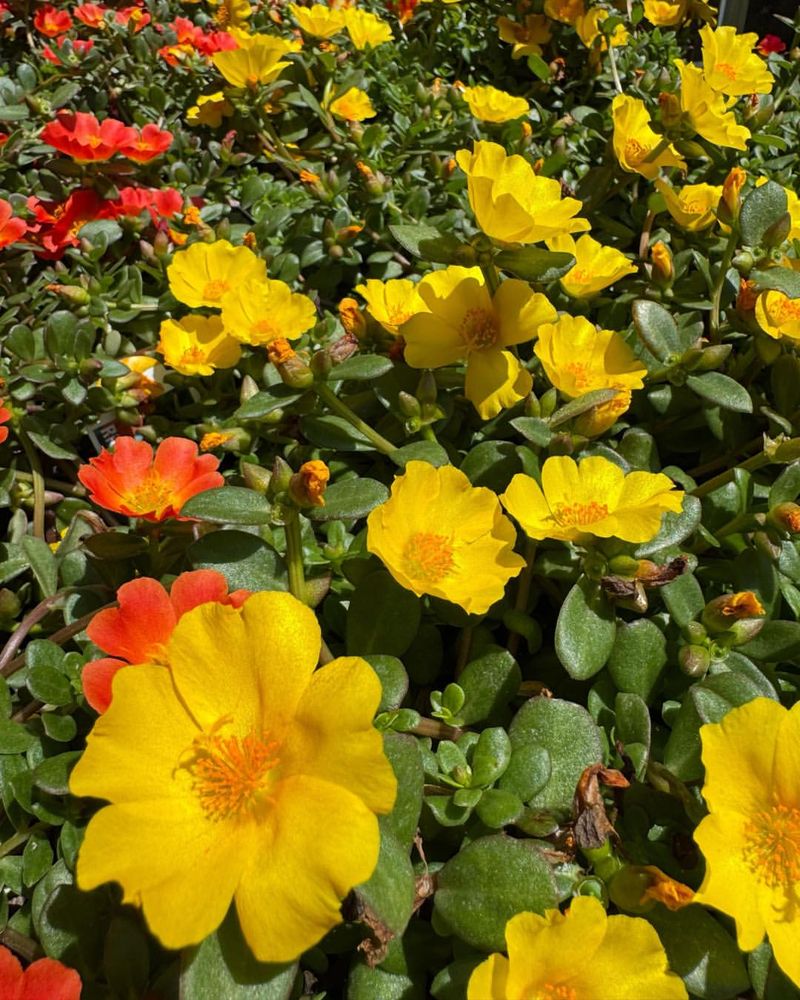
Purslane belongs to a family of succulents with a fascinating survival trick. Its leaves and stems store water inside specialized cells, much like a cactus does.
Purslane relies mainly on standard photosynthesis, but under drought stress it can shift to a slower, water-saving mode, absorbing some carbon dioxide at night to reduce moisture loss during the hottest hours.
Most plants open their pores during the day to breathe and photosynthesize. That process causes significant moisture loss, which is a serious problem in hot, dry weather.
Under drought stress, purslane reduces this daytime moisture loss by shifting some gas exchange to nighttime. By morning, it is ready to soak up sunlight without burning through its water reserves.
Its root system is also designed for efficiency. Shallow but widespread roots capture every drop of rainfall quickly, before water evaporates from the soil surface.
The waxy coating on its leaves reflects some sunlight and slows moisture loss. This natural sunscreen keeps the plant cooler than it would otherwise be in direct exposure.
Soil drainage matters a lot to this plant. It actually prefers lean, sandy soil over rich compost, because overly moist roots will rot faster than dry ones.
These adaptations did not happen by accident. Purslane evolved in hot, arid regions of the world, and every part of its biology is fine-tuned for exactly the kind of summer that Alabama delivers.
How To Plant And Care For It In Containers
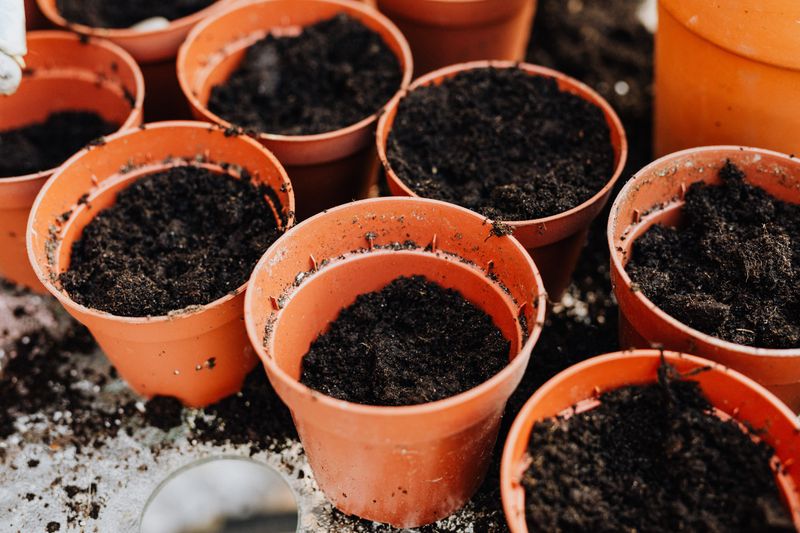
Starting with the right container makes all the difference. Choose a pot with at least one large drainage hole, because purslane does poorly in soggy soil.
Terracotta pots work beautifully because they breathe and dry out between waterings. Plastic containers hold moisture longer, which can lead to root rot in humid climates.
Fill your container with a cactus or succulent mix rather than standard potting soil. You can also blend regular potting mix with coarse sand or perlite for better drainage.
Plant purslane after your last frost date, which varies across Alabama from mid-March in the south to late April in the north.
Space plants about eight to ten inches apart in the pot. They will spread and fill gaps naturally within a few weeks of getting settled in.
Water deeply right after planting, then hold back and let the soil dry out before watering again. Overwatering is the number one mistake new growers make with this plant.
Fertilizing is optional but helpful. A slow-release granular fertilizer worked into the soil at planting time gives steady nutrients without pushing excessive leafy growth over blooms.
Once established, your purslane needs almost no intervention. Check the soil every few days, water when the top inch feels dry, and enjoy the show it puts on all season long.
Best Ways To Style It On An Alabama Porch
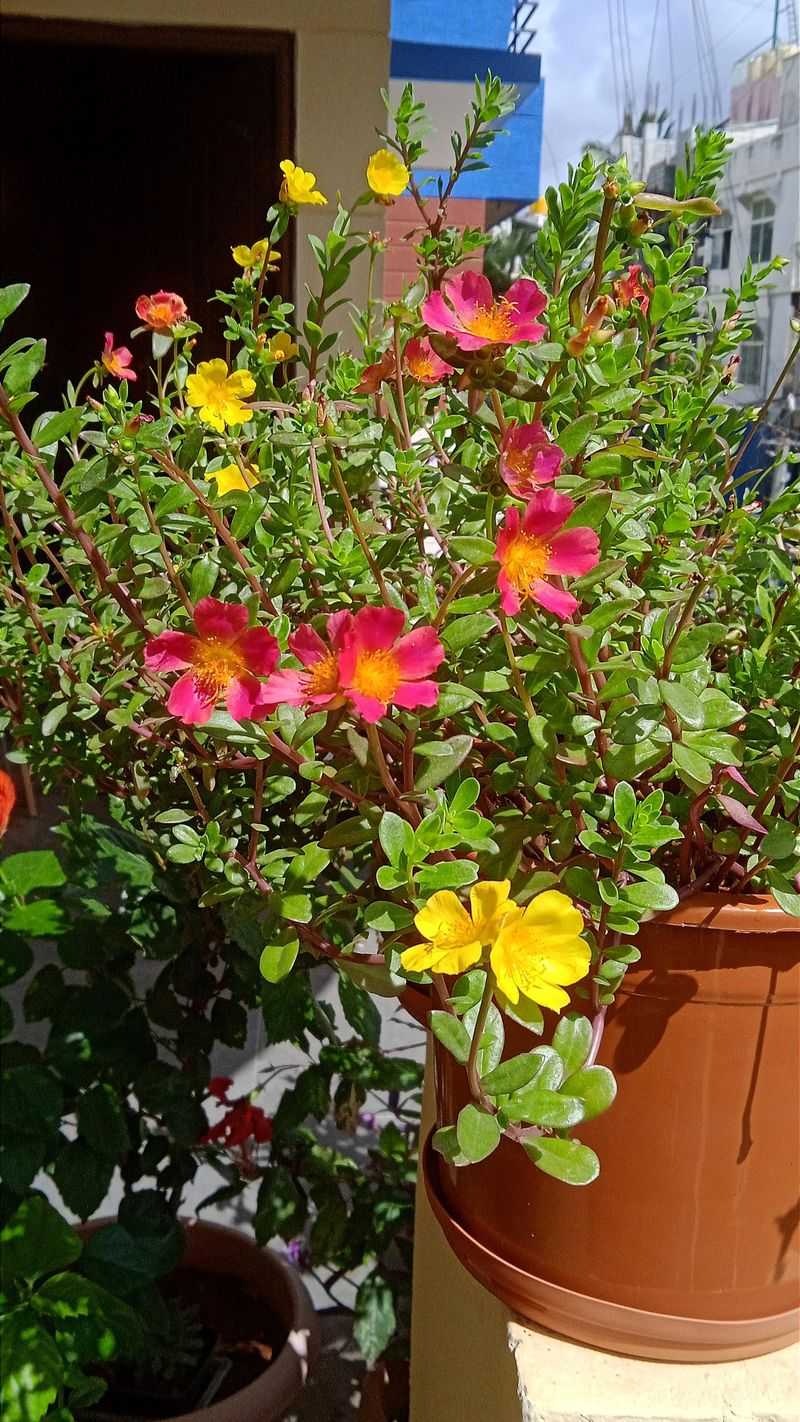
Purslane was practically designed for hanging baskets. Its trailing stems spill over edges in long, lush cascades of color that sway gently in a warm breeze.
Pair it with upright plants like tall grasses or spike dracaena for a classic thriller-filler-spiller container combo. The contrast in height and texture makes the whole arrangement pop.
Window boxes are another perfect home for this plant. Line a railing or window ledge with a long box, and purslane will fill it with color from one end to the other.
Try mixing several bloom colors in a single pot for a bold, tropical look. Coral, yellow, and white together feel festive without looking chaotic or overdone.
Monochromatic pots look surprisingly sophisticated on a porch with neutral furniture. A single pot of deep magenta purslane against a gray or white wall is visually striking.
Cluster several containers of different sizes together near your front door. Grouping pots creates a lush, intentional garden feel even in a small porch space.
Consider placing a pot near an outdoor seating area where guests will sit and look down at the blooms. Up-close, the ruffled petals are genuinely stunning and conversation-starting.
Ornamental purslane gives your porch serious curb appeal all summer without demanding constant attention. Style it once, water it occasionally, and let it do the rest of the work.
Common Mistakes To Avoid With Purslane
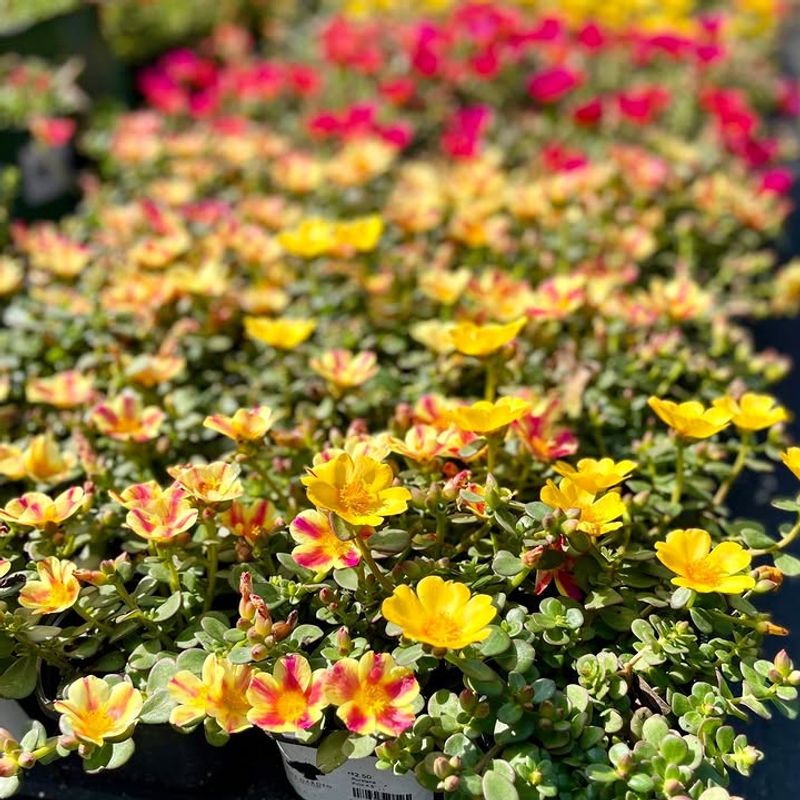
Overwatering is the most common way to damage a purslane plant. Most people treat it like a thirsty annual and water it daily, which causes root rot within weeks.
Let the soil dry out between waterings. Stick your finger an inch into the soil, and only water when that top layer feels completely dry to the touch.
Planting in shade is another common error. Some gardeners assume that shade will protect a struggling plant, but purslane actually needs full sun to bloom its best.
Without at least six hours of direct sunlight, the stems get leggy and the flowers become sparse. Move a shaded pot to a sunnier spot and watch the difference in days.
Using heavy, moisture-retaining potting soil sets the plant up for failure from the start. Rich, dense soil stays wet too long and smothers the roots that prefer lean conditions.
Skipping drainage holes entirely is a surprisingly common mistake in decorative pots. Always make sure water can escape freely, even if it means drilling holes in a pretty planter.
Fertilizing too aggressively pushes lush green growth at the expense of blooms. A light feeding once a month is plenty for a plant that naturally prefers lower-nutrient environments.
Ornamental purslane tends to do best with minimal intervention. Trust the plant, give it sun and good drainage, and it will keep your porch glowing all summer long.