The Lawn Mistake That Helps Crabgrass Spread Faster
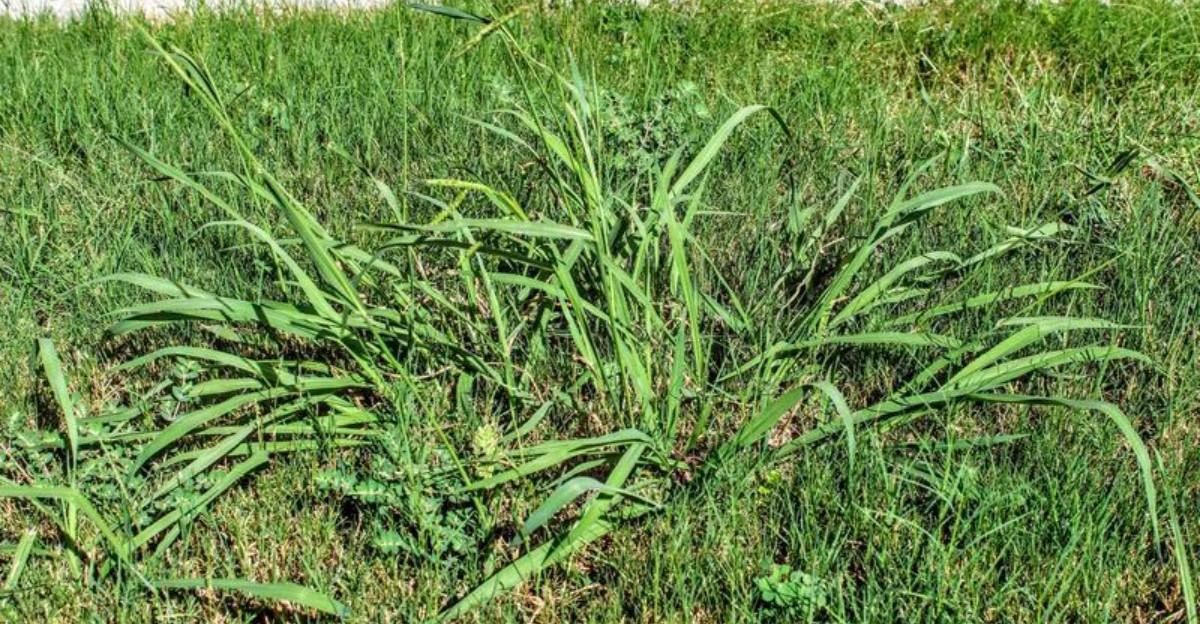
September mornings smell like cut grass and cooling soil, and the yard finally looks calm and settled. Yet something down in the thatch is quietly planning a loud comeback for next summer’s heat.
Most homeowners blame bad luck, thin soil, or the neighbor who lets his backyard grow into a jungle. The real trouble usually begins with a weekend habit that feels tidy, responsible, and harmless.
It happens in thousands of yards each Saturday, usually with a cold drink resting on the porch rail. Nobody suspects that a neat, freshly trimmed lawn is quietly handing out invitations to freeloaders.
Your lawn keeps score all season long, even well after the summer growth rush finally slows down. Grass, it turns out, holds a grudge far longer than most of your relatives do.
Scalped Turf And The Sunlight It Lets Through
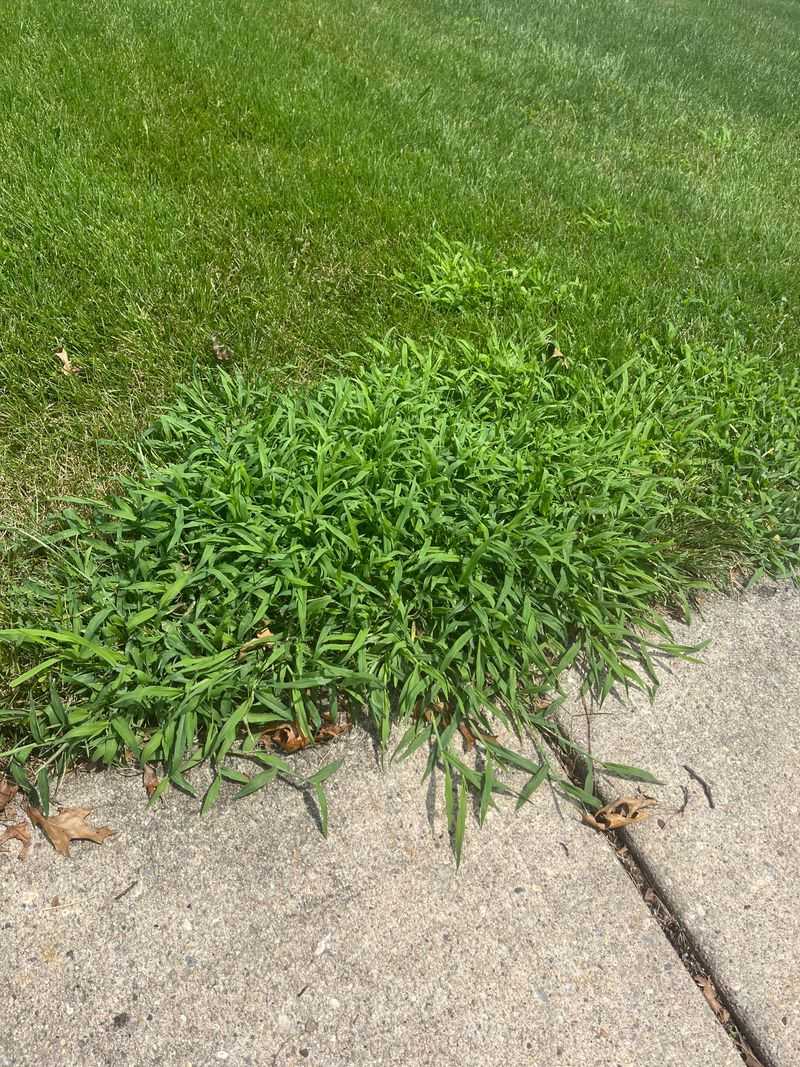
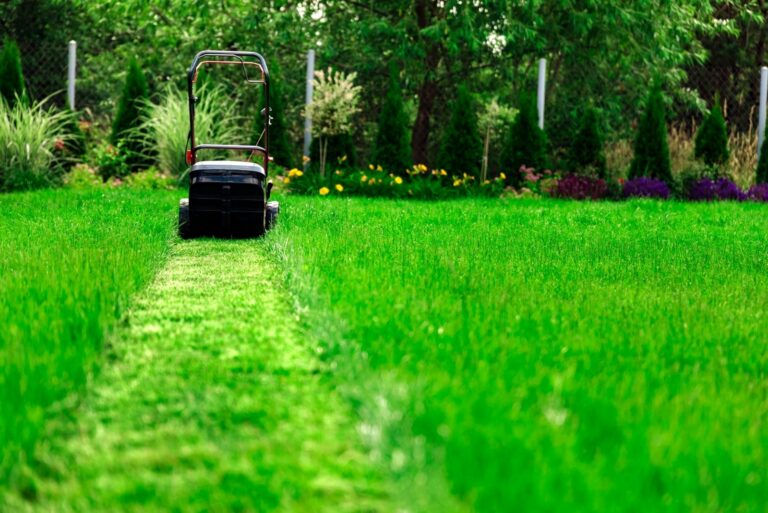
Cutting the lawn extra short feels efficient, like buying yourself a free week before the next mow. That one habit, repeated week after week, is the fastest way to invite crabgrass in.
Grass blades act like solar panels, shading the ground and keeping buried weed seeds sitting in darkness. Drop the deck to an inch, and sunlight floods straight onto warm, open soil.
Crabgrass seeds are sun lovers, and light is the signal that tells them to wake up. Tall turf blocks that signal, while a scalped lawn practically rolls out a welcome mat.
Short cuts also punish the roots, because blades and roots grow in rough proportion to each other. Weak roots build thin turf, and thin turf leaves open gaps that weeds gladly claim.
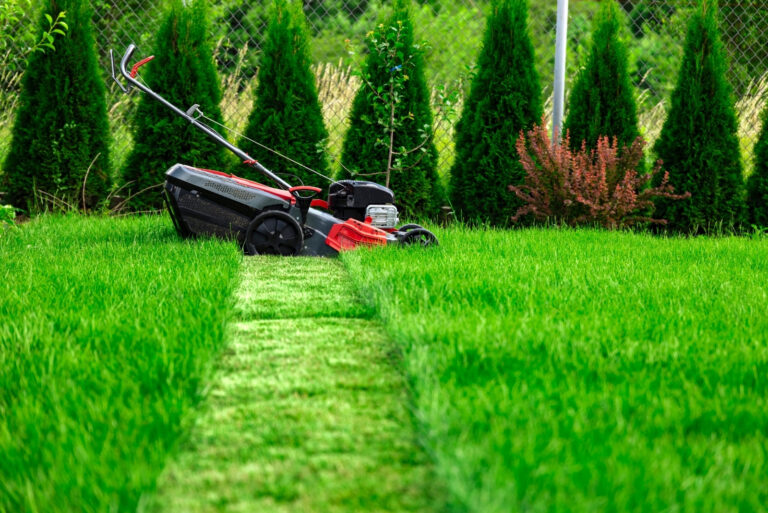
Most people spot the pattern along driveways, sidewalks, and the strips where the mower rides lowest. Those baked edges collect the heaviest weed pressure because the grass there stays shortest all summer.
Raising the cutting height by one notch changes the math in your favor almost right away. Taller grass shades the surface, cools it a little, and stops many seeds from starting.
Autumn does not erase the problem, since seeds dropped this season wait patiently under the surface. Choices you make in September quietly decide what pushes through your lawn next May.
Treat mowing height as the cheapest weed control you own, one that needs no bottles or sprayers. The dial on your mower costs nothing and works quietly every week.
Scalped Soil Warms Faster And Wakes Old Seeds
Under every lawn sits a hidden library of weed seeds, stacked up from seasons past. Crabgrass alone can drop thousands of seeds from one single plant before the first frost arrives.
Those seeds stay quiet until the top inch of soil warms to about fifty-five degrees. Bare, sunbaked ground reaches that temperature far sooner than soil tucked under a thick canopy.
Shade from tall blades can hold the surface several degrees cooler through those spring mornings. A few degrees sounds small, yet it delays germination long enough for your turf to win.
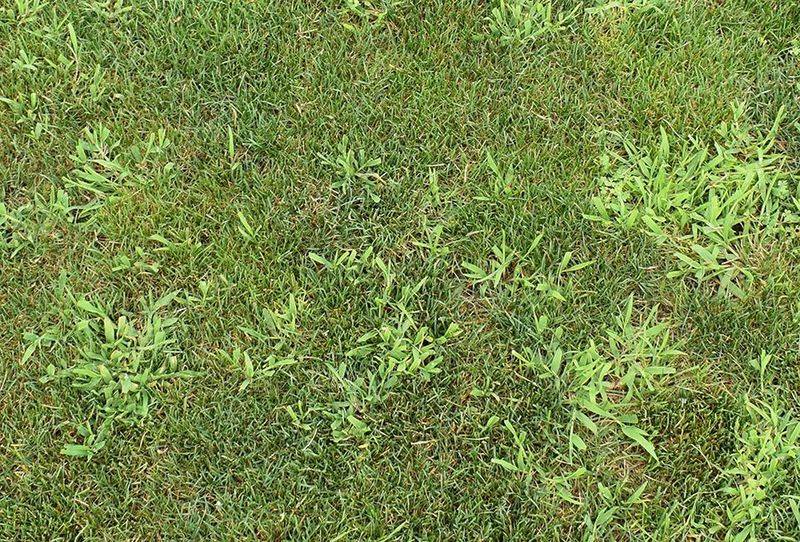
Thin spots work the opposite way, acting like little heat traps scattered across the yard. Warm soil plus direct light equals a green light for seeds that waited out winter.
Scalping creates those thin spots faster than anything else, especially on slopes and compacted paths. Passes that skin a high spot open up another nursery for next season’s weeds.
Soil compaction hits scalped spots hardest, since packed ground can’t grow the thicker turf mowing high is meant to build. Aerating those areas in early fall gives roots room to recover.
Seeds already sitting in the bank cannot be removed, so the goal is keeping them asleep. Shade, cover, and healthy density handle that job better than any single bottle of spray.
Picture that seed bank as a savings account you would rather not withdraw from this year. Mowing high keeps the account locked, quiet, and pleasantly boring for everyone involved.
September Cuts And The Late-Season Seed Drop
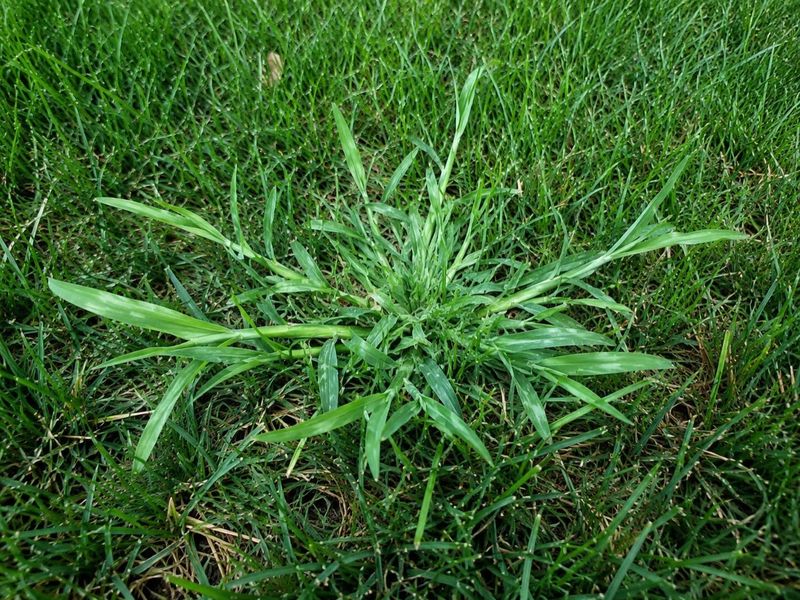
Early fall feels like the finish line, and mowers everywhere get set lower for a final tidy-up. That end-of-season scalp is a gift to weeds that are busy dropping seed right now.
Crabgrass plants spend late summer racing to release seed before the first frost shuts them down. Every short cut scatters those seeds around and opens bare soil for them to settle into.
Short, scalped cuts also fling more of those seed-loaded clippings straight onto the bare soil they just created. Bagging clippings during September keeps that seed out of the gaps a low blade already opened.
Cool nights also signal your turf to push new roots and store energy for the winter ahead. Leaving the blades taller during this stretch feeds that process and thickens the whole stand.
Many lawns produce their best growth of the entire year in September, given decent moisture. Cutting short throws away that free growth right when the grass needs it the most.
A single low cut before frost is forgivable, but scalping the lawn every week through fall multiplies the damage fast. Each pass keeps peeling back the shade cover just as crabgrass is dropping its heaviest seed load.
Even one careless pass at the lowest setting can undo weeks of careful mowing at the right height. Keeping the deck up through these final cuts matters more than squeezing out one extra week between mows.
September is the month your lawn either builds thick, weed-resistant turf or quietly opens the door to next year’s problems. Choose the thicker turf, and next June will look far less dramatic in your yard.
The Right Deck Height For Cooler Weeks
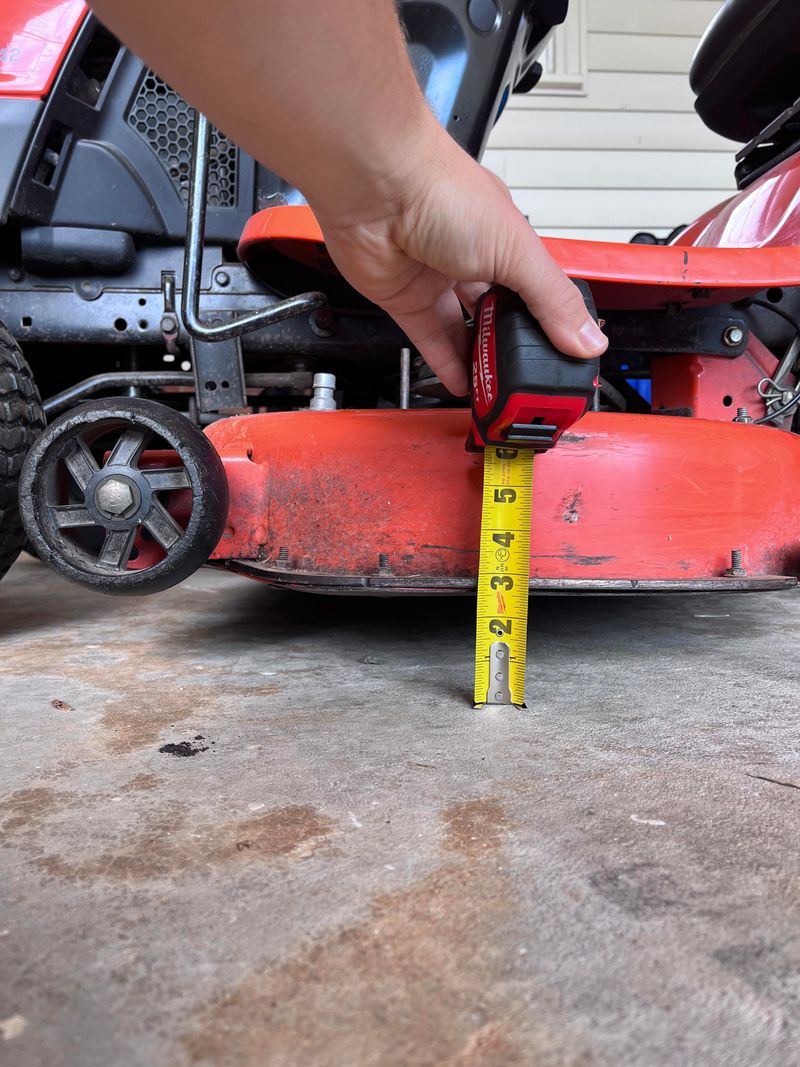
Setting the mower deck correctly takes about thirty seconds and pays off for many months. Most cool-season lawns do their best between three and four inches, even as temperatures slide down.
Kentucky bluegrass, tall fescue, and ryegrass all handle taller cuts well and reward you with density. Bermuda and zoysia run shorter, though scalping still hurts them during stressful stretches.
Follow the one-third rule and remove no more than a third of the blade at a time. Chopping half the plant away shocks the roots and stalls growth for several days.
Mowing more often beats mowing shorter, especially during the fast growth of early autumn. Quick, frequent passes keep the lawn looking even without stripping it down to bare stubble.
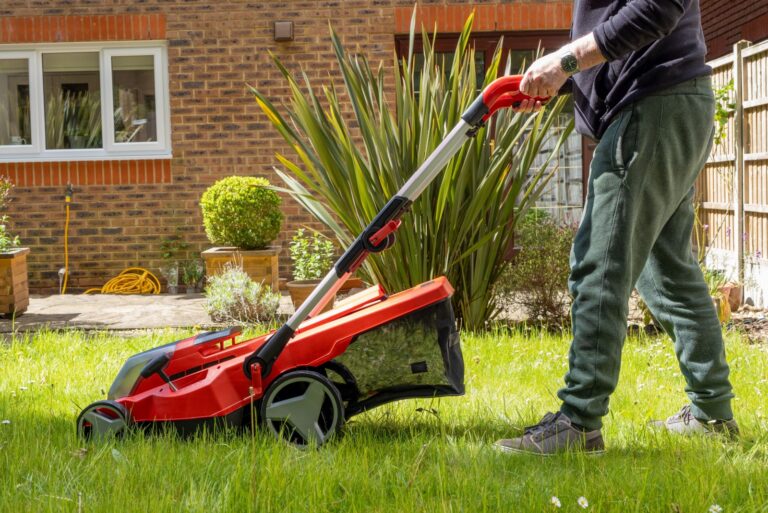
Check each wheel setting individually, since one low corner can scalp humps across the yard. Uneven decks are a common culprit behind those mysterious brown streaks you notice after mowing.
For the final cut before winter, trimming slightly shorter, around two and a half inches, helps. Shorter blades resist matting under heavy snow, which cuts down on winter disease problems.
Resist the urge to drop the deck lower when grass gets tall after a rainy stretch. Catching up with a taller cut and mowing again sooner beats scalping the whole lawn back down at once.
Small adjustments like these cost nothing, yet they quietly reshape how your lawn competes. Your mower turns into a tool for prevention instead of an accomplice for the weeds.
Dense Turf As A Living Weed Barrier
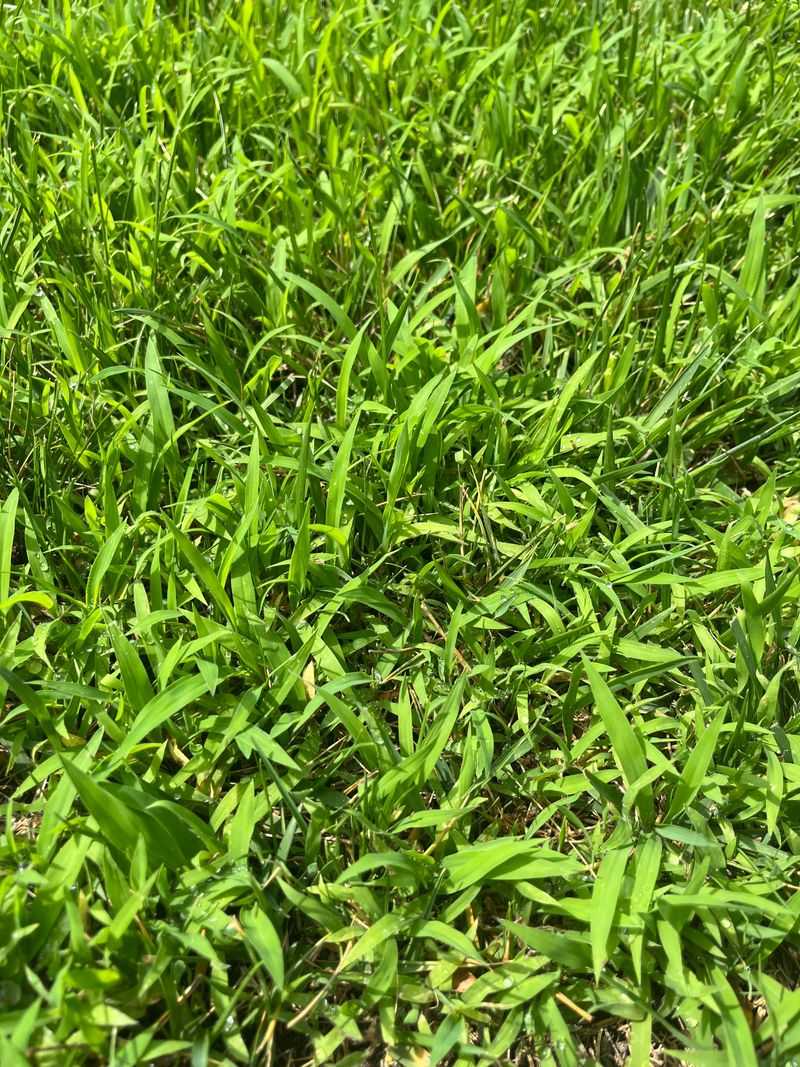
A thick lawn handles weed seeds the way a packed parking lot handles latecomers. There is very little open space left, so most weed seeds rarely get their chance.
Turf growing three or four inches tall develops deeper roots that reach moisture during dry spells. Deeper roots mean fewer stressed patches when the brutal August heat comes rolling back around.
Overseeding thin spots left behind by past scalping works best in early fall, while soil stays warm and nights turn cool. Seed sown into those gaps roots well before winter and helps close the openings low mowing created.
A balanced feed in September gives that taller turf the fuel to actually thicken up instead of just standing there. Fall feeding builds real density, the same density a low mower blade keeps cutting away.
Deep, infrequent watering pushes roots down to chase moisture, which only pays off once the grass is tall enough to grow real roots in the first place. Shallow daily sprinkling on a scalped lawn just keeps everything, grass and weeds, shallow together.
Homeowners who switch to taller mowing usually notice fewer coarse patches within one full season. The change looks slow at first, then suddenly the whole lawn seems to fill in and thicken up.
Dense turf also shrugs off foot traffic, pets, and neighborhood soccer games with more patience. Recovery happens faster because the plants have real energy stored down in their roots.
Think of lawn thickness as insurance you renew each autumn with seed and sensible cutting. The premium stays low, and the payout shows up quietly on your lawn next summer.
This Autumn’s Scalping Habit Decides Next Spring
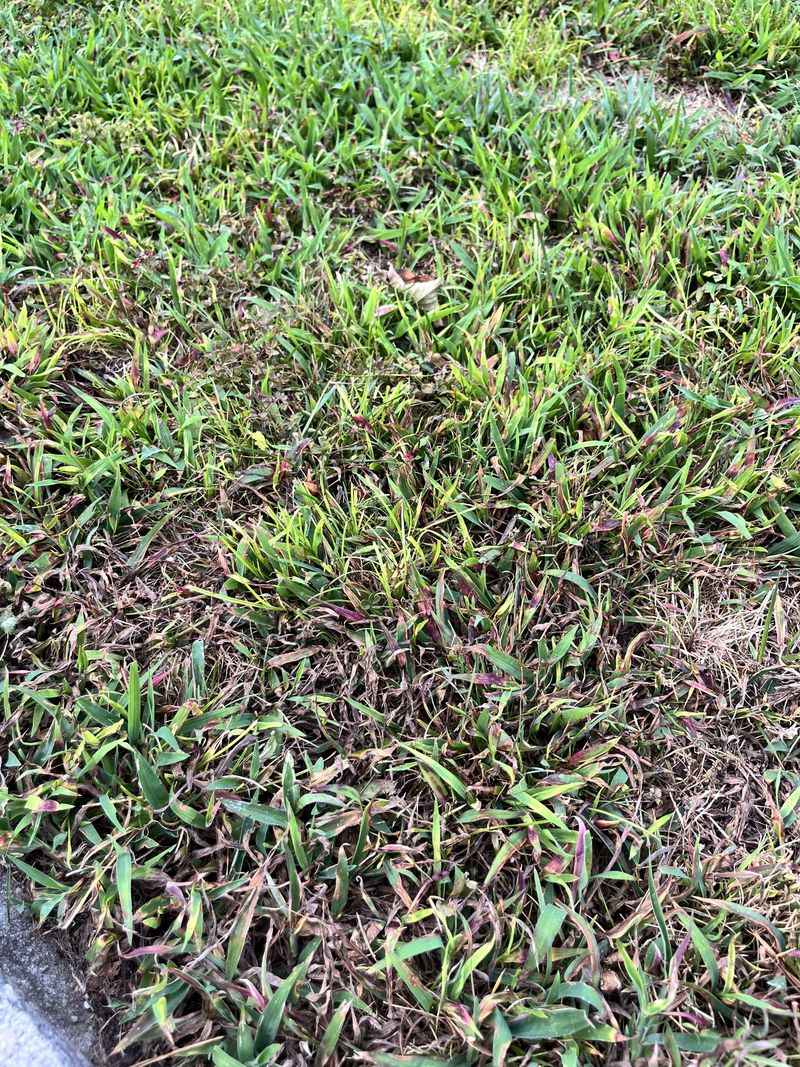
Planning next spring in September sounds early, though weeds are already writing their own calendar. Seeds resting in the soil right now quietly decide how busy your April eventually becomes.
Every scalped patch from this fall warms up first once the weather turns next spring. Those same spots wake their seed bank sooner and give crabgrass its earliest foothold in the yard.
Mark the areas that got scalped this year, maybe with a few photos on your phone. Those same edges and slopes will be the first to warm and sprout once spring soil crosses fifty-five degrees.
Keep a simple note of your mowing heights and mowing dates through the whole season. Patterns show up surprisingly fast, and you stop guessing about which cuts caused which bare patch.
Set the mower deck to its higher, cooler-weather height before storing it for winter, so next spring starts at the right setting instead of the lowest one from last season’s final cut. That one adjustment costs nothing and carries forward automatically.
Next spring arrives no matter how prepared your lawn happens to be. Being prepared mostly means owning a mower dial and the discipline to leave it alone.