Why Michigan’s Fall Color Is Starting Early Up North
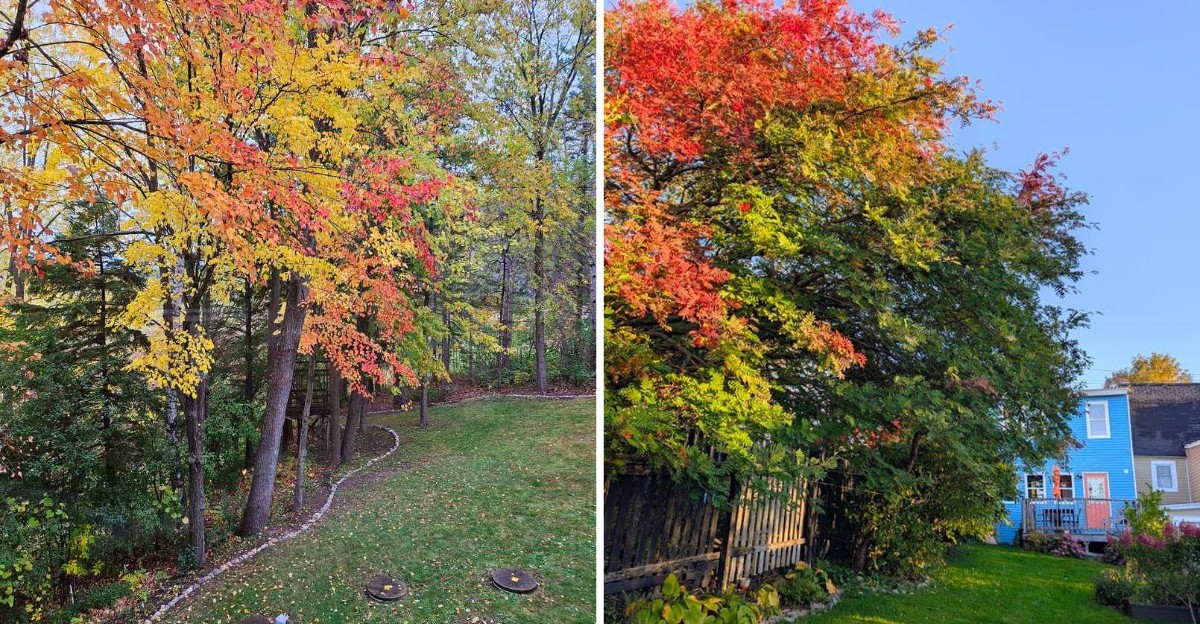
Somewhere north of Cadillac, the hills started changing outfits while the campgrounds were still packed with swimmers. Nobody sent out a memo, and the calendar on the wall clearly still said summer.
Locals noticed it first, the way they notice every shift between the big lake and the highway. Coffee shop talk turned into gentle arguments about the woods losing track of time.
Travelers planning October weekends started squinting at photos, wondering if they had somehow already waited too long. Whole ridgelines glowed orange days before anyone expected it.
The early rush comes down to thirsty roots and stubborn sunlight. The trees, for their part, refuse to apologize for upstaging the last of the beach crowd.
Drought Stress And The Northern Canopy’s Early Shift
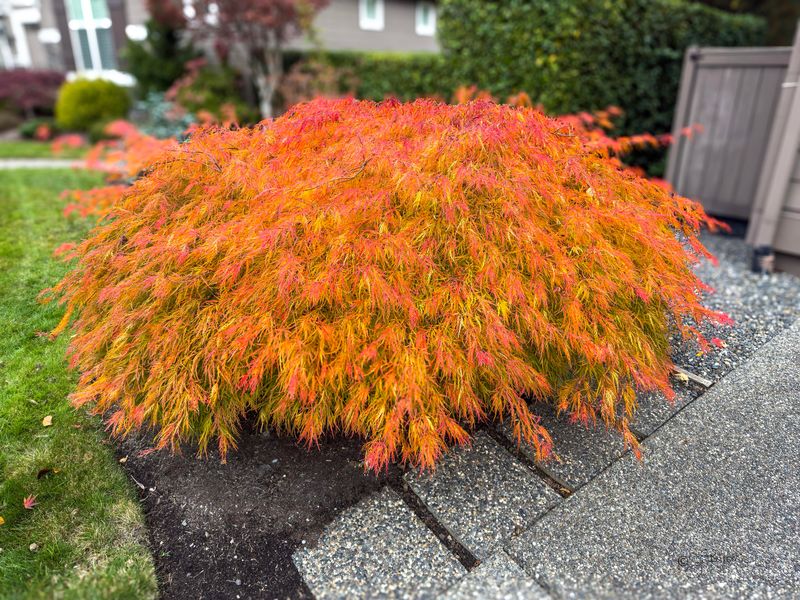
Ask any Traverse City orchard worker about September, and you will hear the same thing. The hills flushed orange before the school buses settled into their routines.
Trees turn early mostly because they are stressed, not because autumn arrived ahead of schedule. Dry soil forces maples and birches to shut down food production sooner.
When roots cannot pull enough water, leaves stop making chlorophyll, the green pigment that hides other colors. Yellow and orange pigments were there the whole time.
Northern Michigan soils are often sandy, so summer rain drains fast and disappears quickly. A three-week dry spell up there hits harder than the same stretch downstate.
Heat piles on the pressure too, especially during stretches of ninety-degree afternoons in August. Leaves lose moisture through tiny pores, and trees respond by cutting their losses.
Foresters call this early color a stress response, and it usually shows up in patches. One red maple blazes while its neighbors stay stubbornly green for weeks.
Roadside trees flip first because pavement reflects heat and road salt lingers in the soil. Trees rooted near streams and wetlands usually stay greener far longer into October.
Older trees handle drought better than young ones with shallow, limited root systems. Saplings along trail edges often color up weeks before the tall canopy does.
So an early show up north is not really a gift from the weather. Consider it the woods telling you the summer was harder than it looked.
Shorter Days And Colder Nights Above The 45th Parallel
Geography does a lot of the work here, and the 45th parallel runs right through Michigan. Everything north of Gaylord loses daylight faster in September than Detroit does.
Day length is the main signal trees trust, since it repeats the same way every year. Shorter evenings tell leaves to start closing up shop.
Cold nights sharpen the effect, and inland spots near Grayling see frost early most autumns. Sugars trapped inside the leaves then turn into brilliant reds.
Elevation matters more than people expect in the northern Lower Peninsula and the Huron Mountains. Higher ridges cool faster, so ridgetops color well before the valleys.
Lake Michigan and Lake Superior hold summer warmth well into October near the shoreline. Shoreline trees can lag behind inland ones by a week or two.
Your Michigan Garden Changes Every Week. Your Plan Should Too.
Gardening in Michigan changes quickly throughout the season. Every Friday you’ll receive a simple weekly plan showing exactly what to plant, prune, fertilize, harvest, and protect so you never miss the right timing.
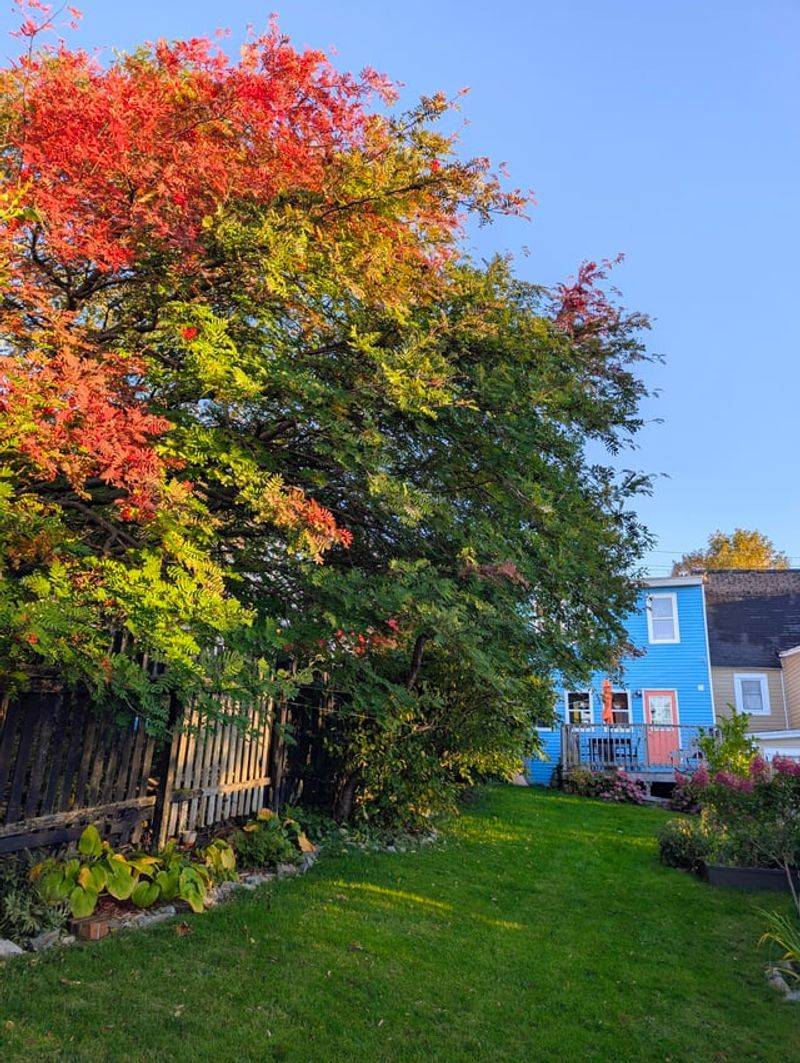
Species timing stacks on top of location, and black ash and sumac rush ahead early. Sugar maples follow, then oaks drag their feet into November.
Peak color in the Keweenaw often lands in the final days of September. Downstate parks may not reach their best until late October.
Two or three unusually warm nights can pause the whole process for a while. Color rarely moves in a straight line across the state.
So an early turn up north is partly normal, not purely a warning sign. The trees are simply reading a calendar written in sunlight.
Common Misreadings Of An Early Turn
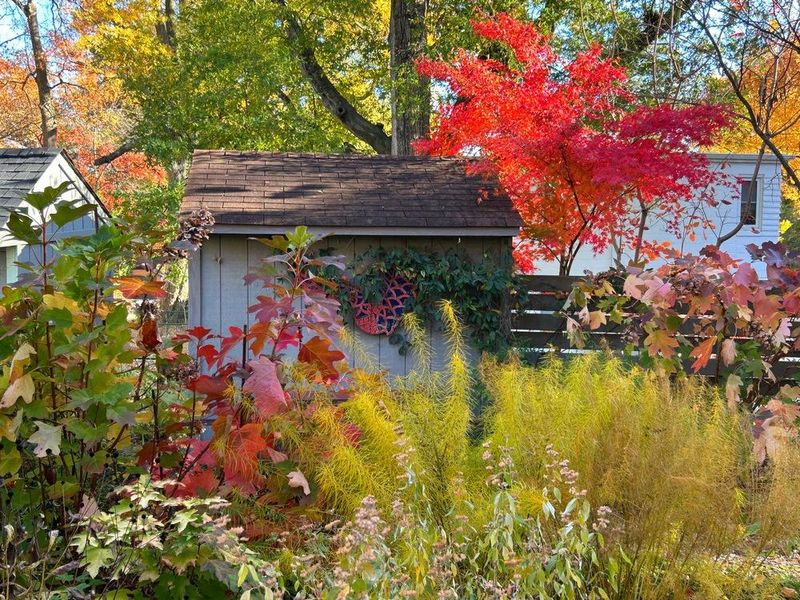
Every September, social media fills with photos captioned peak color, taken during the first week. Most of those photos show stressed trees, not a peak season.
Mistaking early stress color for the real show sends travelers north far too soon. Rooms get booked, gas gets burned, and half the canopy is still green.
Another misread involves brown leaves, which folks confuse with a spectacular early autumn. Crispy brown edges mean drought scorch, and those leaves drop without turning.
Homeowners sometimes panic when one maple colors in August while the rest stay green. A single early tree is usually reacting to root damage or packed soil.
Construction, driveway work, and buried utility lines injure roots without leaving any visible scar. The tree announces the problem the following autumn, in color.
People also blame cold snaps for early color, though temperature alone rarely triggers the shift. Water supply and day length carry far more weight.
Trusting last year’s peak dates is another trap, since no two Michigan autumns match. One August rainstorm can move the whole schedule by ten days.
Color maps help, but many are guesses built on averages rather than fresh reports. Local park staff and county road crews give much better information.
Reading the woods carefully saves you from a disappointing weekend drive. Slow down, study the whole hillside, and judge the season from there.
Better Timing For A Peak Color Road Trip
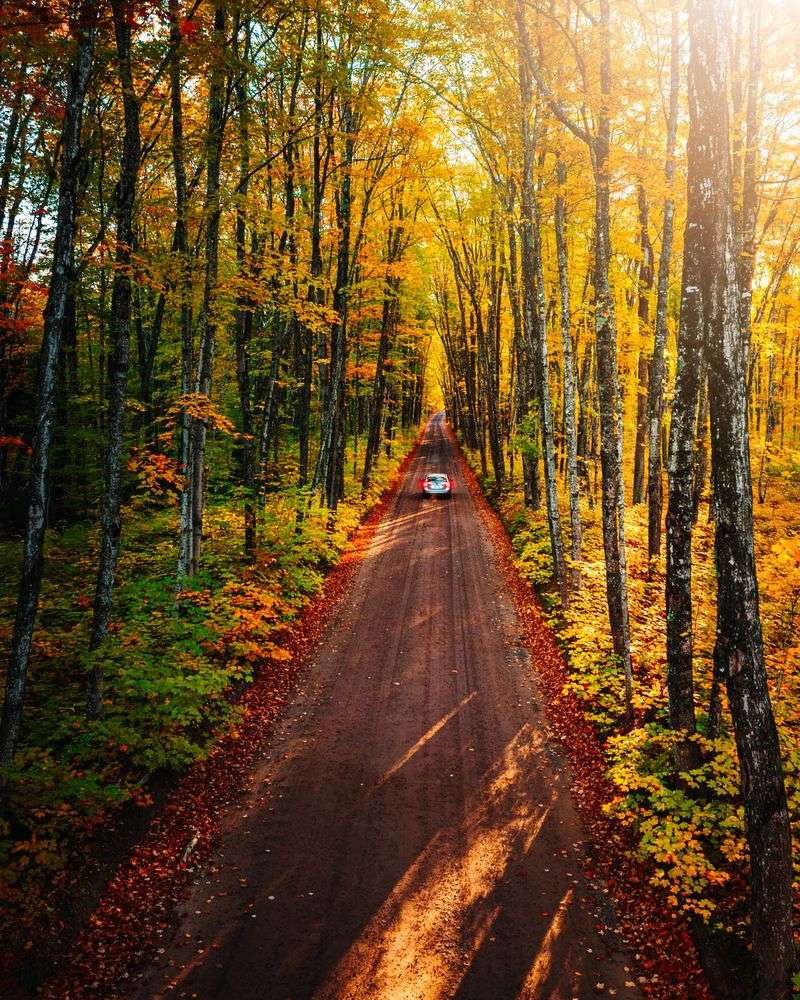
Timing a northern color trip works best when you plan loosely and book flexibly. Aim for a window, not a weekend carved in stone.
The Upper Peninsula usually peaks between late September and the first week of October. The northern Lower Peninsula follows one to three weeks later.
During dry years, shift your plans earlier by about one full week. After rainy summers, expect the whole calendar to slide later instead.
Check Michigan DNR updates and local tourism pages, which post photos from actual trail cameras. Real pictures beat color-coded maps every time.
Drive inland routes when the shoreline still looks green, since ridges and swamps color ahead. M-22 shines late, while inland hills glow earlier.
Weekday travel saves you from traffic on the Tunnel of Trees and Brockway Mountain Drive. Lodging also costs less Monday through Thursday.
Pack rain gear anyway, because overcast light actually makes reds and oranges look richer. Bright noon sun tends to wash the colors out.
Sunrise and the last hour before sunset deliver the warmest light for photographs. Midday works better for hiking and finding a decent parking spot.
Keep a backup route in mind in case your first choice disappoints you. Michigan is big enough that color is peaking somewhere.
Shorter Seasons And Quieter Autumn Towns
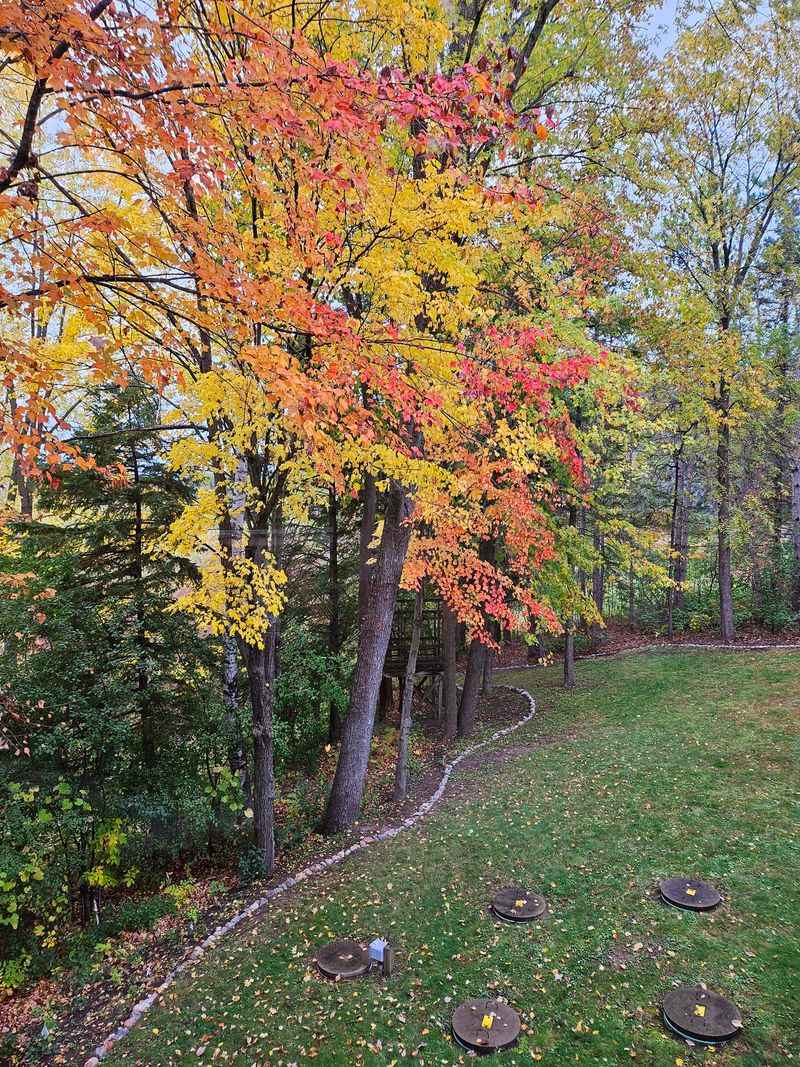
Early color changes more than scenery, and northern towns feel it in their cash registers. Fall tourism carries many small businesses through the long winter.
When leaves turn in mid-September, the peak window can shrink to about ten days. Visitors arriving in mid-October find bare branches and closed roadside stands.
Stressed trees also drop their leaves faster once wind and steady rain arrive. A single stormy night can strip an entire hillside bare.
Color quality suffers too, since drought-stressed leaves often show muted yellows instead of deep reds. Strong reds need sunny days, cool nights, and healthy leaves.
Orchards and cider mills notice the shift, because their busiest weekends depend on leaf peepers. Apple harvest and color season used to line up neatly.
Wildlife feels the change as well, with squirrels and jays racing to stash food earlier. Forest floors gather leaf litter weeks ahead of schedule.
Repeated early seasons weaken trees over time, leaving them open to insects and fungus. Sugar maples are especially sensitive to one dry summer after another.
Maple syrup producers watch these patterns closely, since stressed trees usually produce less sap. Spring results often trace straight back to the previous summer.
The short version is simple enough for anyone to remember. An early autumn up north usually means a briefer, softer one.
Yard Care That Keeps Local Trees On Schedule
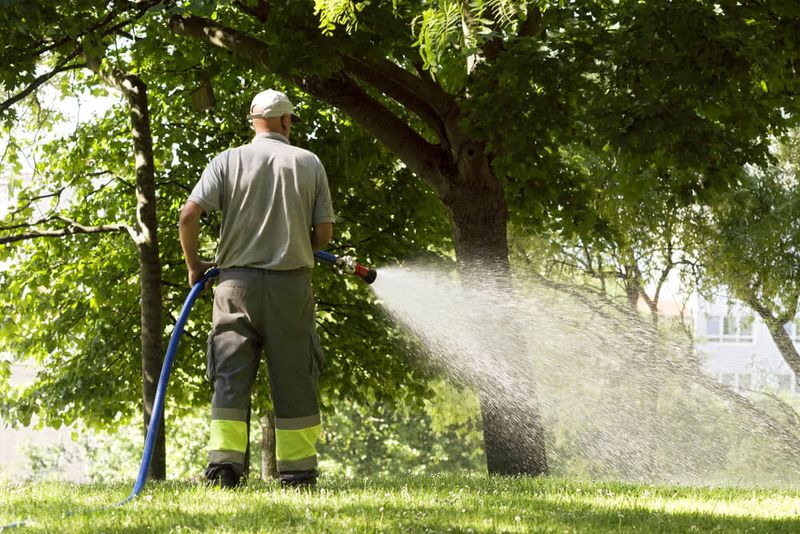
You cannot water a national forest, but you can certainly help the maple beside your driveway. Backyard trees respond quickly to decent care.
Deep watering beats frequent sprinkling, so soak the soil slowly once each dry week. Aim for the ground under the branches, not the trunk itself.
A mulch ring holds moisture nicely, spread two or three inches deep around the base. Keep it pulled back from the bark to prevent rot.
Packed soil blocks water and air, which quietly stresses roots for years at a time. Avoid parking or stacking firewood over the root zone.
Skip heavy pruning during a drought, since fresh cuts pull energy the tree cannot spare. Wait for a wet spring instead.
Fertilizer sounds helpful but often pushes weak growth at the worst possible moment. A soil test tells you if nutrients are genuinely missing.
Young trees deserve extra attention through their first three summers in the ground. Water them steadily, and they will thank you for decades.
Choosing species suited to sandy northern soil pays off, like red oak or serviceberry. Local nurseries know which trees handle dry seasons best.
Healthy trees hold their green longer and finish the season with richer color. Your effort shows up plainly every October.
Watching for early color on your own property is worth the habit. A maple that turns orange in August is asking for water, not admiring the view.