How To Plant Grass Seed On An Existing California Lawn To Make It Thicker
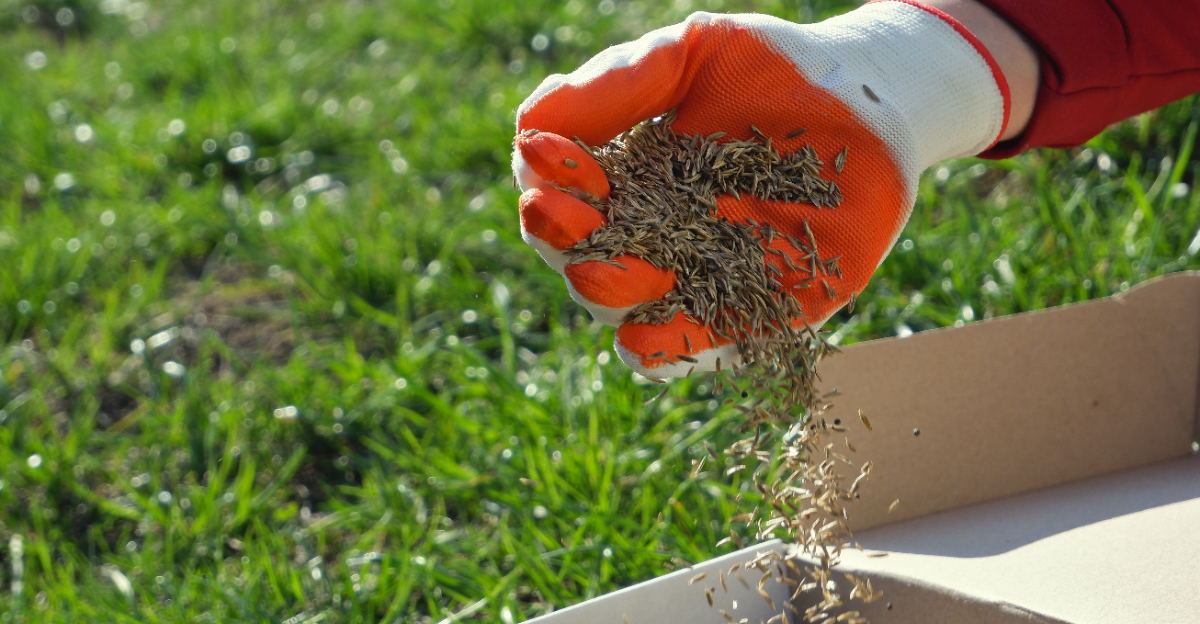
A thin, patchy lawn is one of those yard problems that somehow makes everything around it look worse. The flower beds could be stunning, the trees perfectly shaped, but a sparse lawn pulls the whole picture down.
Most California homeowners assume re-sodding is the only real fix, which is expensive, disruptive, and honestly pretty unnecessary in a lot of cases. Overseeding an existing lawn is simpler than it sounds and the results can be genuinely dramatic.
The process of spreading new grass seed directly onto an existing lawn works by filling in bare patches, thickening weak areas, and creating that dense, lush surface that makes a yard feel finished and well-kept.
California’s climate adds some specific considerations around timing, seed selection, and watering that make or break the whole process.
Get those right and new grass establishes quickly. Get them wrong and you’ve scattered expensive seed across your lawn for absolutely nothing. The difference comes down to a few key steps most people skip entirely.
1. Mow Low Before Seeding
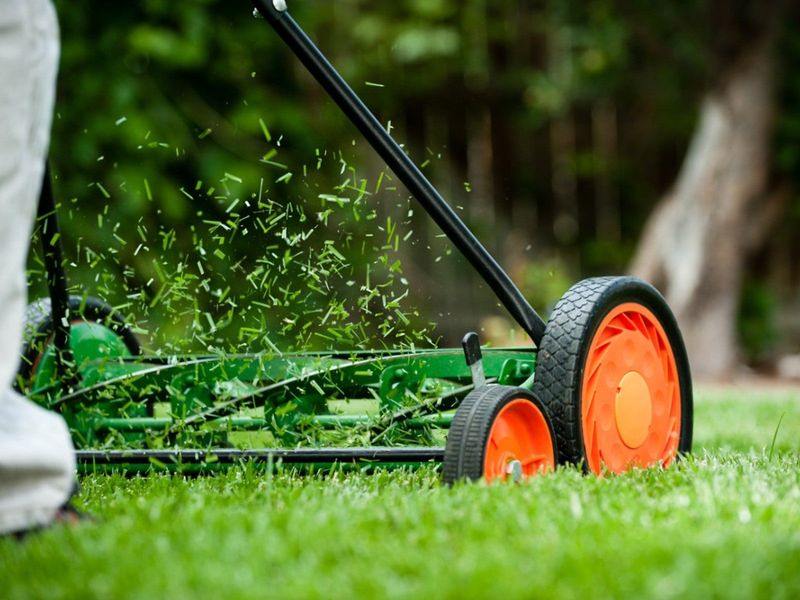
Getting your lawn ready before you ever open a bag of seed is one of the smartest moves you can make. Mowing low is the first real step in the process, and it makes a bigger difference than most people expect.
When your grass is cut short, sunlight reaches the soil more easily, and new seeds have a better chance of making contact with the ground.
Set your mower to its lowest setting, usually around one to one and a half inches. This is shorter than your normal mowing height, but it is temporary and helpful.
In California, where lawns can grow thick and fast during the right season, this low cut clears the way for fresh seed to settle in.
After mowing, leave the clippings on the lawn or bag them up. If the clippings are too thick, they can block seeds from reaching the soil.
A clean, short surface gives every seed the best possible start. This simple step takes less than an hour and sets the whole overseeding process up for success right from the beginning.
2. Rake Out Thick Thatch
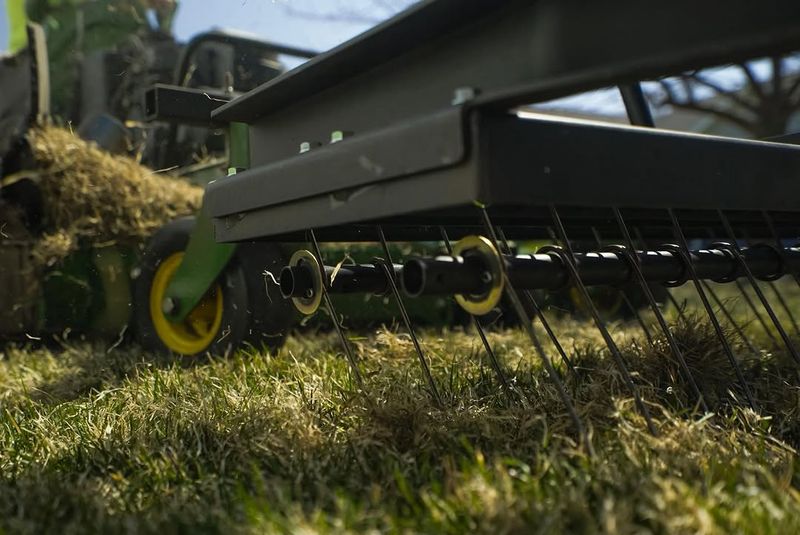
Most lawns have a hidden layer sitting just above the soil called thatch. It is made up of old grass stems, roots, and organic matter that builds up over time.
A thin layer is fine, but when thatch gets too thick, it acts like a barrier that stops water, nutrients, and seeds from getting through.
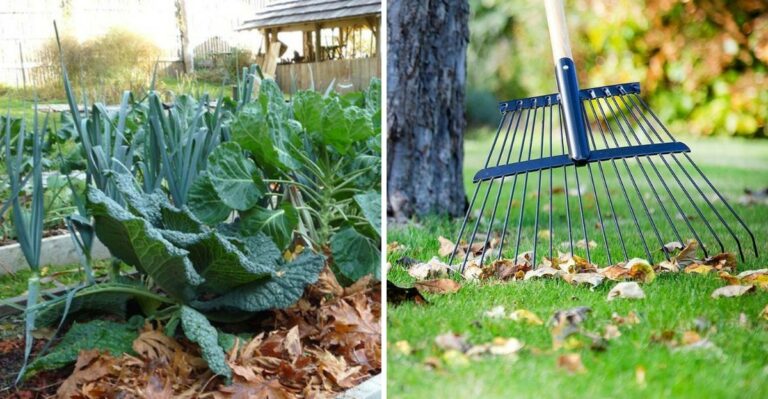
Grab a stiff metal rake and work it firmly across your lawn in short, overlapping strokes. You will likely pull up more brown, matted material than you expect.
This is totally normal, especially in California yards that have gone through dry summers without much rain or regular maintenance.
Once you have raked the area well, gather up the thatch and remove it from the lawn. You do not want it sitting in piles where it can block the new seed.
Some California homeowners also use a dethatching machine for larger lawns, which speeds up the process considerably. Either way, clearing out that thick layer gives your new grass seed a clean, open path straight to the soil where it needs to be.
Your California Garden Changes Every Week. Your Plan Should Too.
Gardening in California changes quickly throughout the season. Every Friday you’ll receive a simple weekly plan showing exactly what to plant, prune, fertilize, harvest, and protect so you never miss the right timing.
3. Loosen Bare Soil Patches
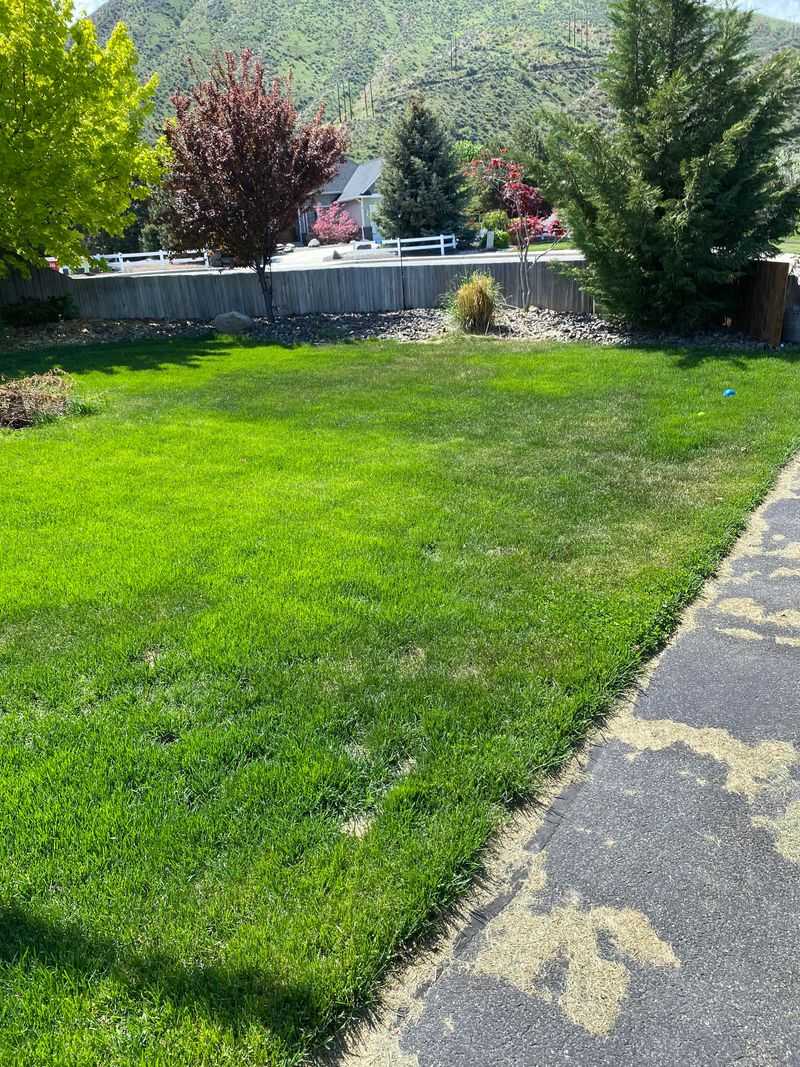
Bare patches in a California lawn are frustrating, but they are also your biggest opportunity. Those open spots are where new seed can take root fastest, as long as the soil underneath is not too hard and compacted.
Compacted soil makes it nearly impossible for grass roots to push through and grow strong.
Use a hand cultivator, a garden fork, or even a sturdy hand trowel to break up the top inch or two of soil in those bare areas. You are not trying to dig deep.
You just want to loosen the surface so air and moisture can move through more freely. This small action dramatically improves how well seeds germinate.
California soils, especially in hotter inland areas, tend to dry out and harden quickly during warm months. Loosening those patches before seeding gives roots somewhere to go.
If the soil looks very dry and dusty, give those spots a light watering the day before you plan to seed. Moist, loose soil is like a welcome mat for new grass.
It signals the seed that conditions are right and that growing can begin.
4. Choose California-Friendly Seed
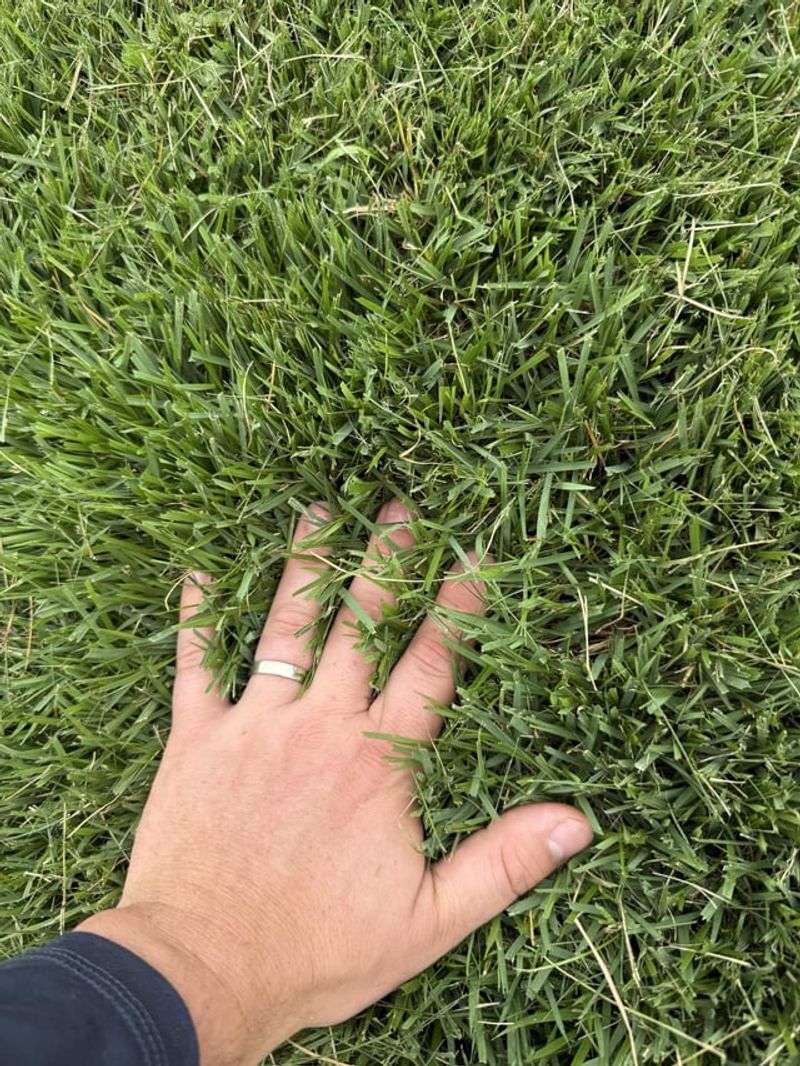
Picking the right seed for your California lawn is not something to rush. The grass variety you choose will determine how well your lawn handles the heat, drought, and dry spells that are common across most of the state.
The wrong seed can struggle from day one, no matter how well you prepare the soil.
For most California lawns, tall fescue is a popular and reliable choice. It handles heat well, stays green through mild winters, and grows thick enough to crowd out weeds.
Bermuda grass is another strong option, especially in Southern California where summers are long and temperatures stay high. Both varieties are widely available at local garden centers across the state.
If you live in a cooler part of California, like the Bay Area or higher elevations, a blend with bluegrass or ryegrass might work better. Always read the seed bag label and look for varieties rated for your region.
Matching the seed to your local climate is one of the most important choices you will make in this entire process. A well-matched seed will grow faster, stay healthier, and need less water over time.
5. Spread Seed Evenly
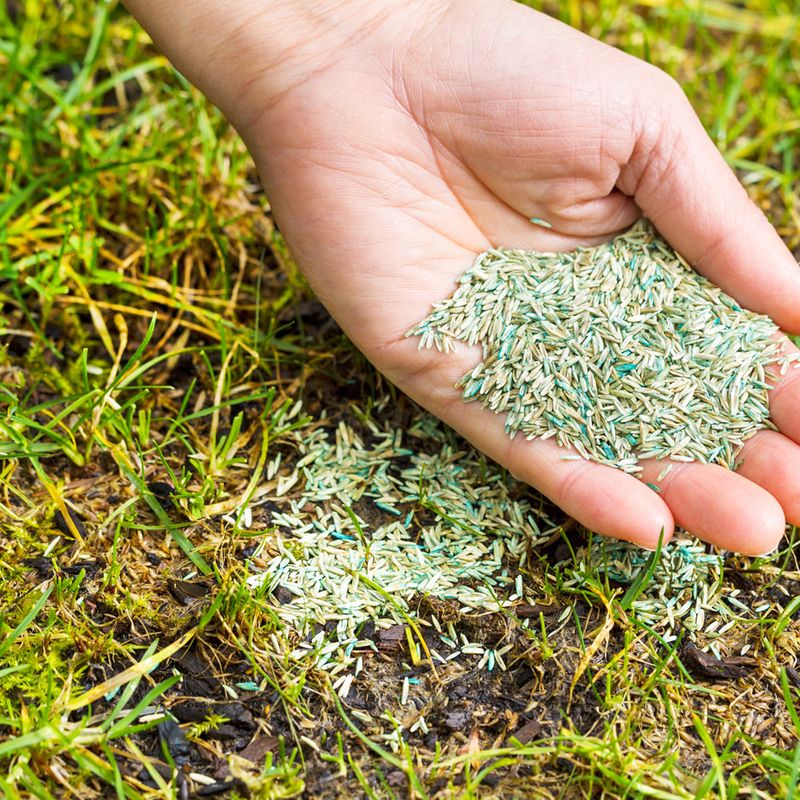
Even spreading might sound simple, but it is actually one of the steps where most people make mistakes. If you toss seed by hand without a plan, you end up with thick clumps in some spots and bare areas in others.
A broadcast spreader, whether handheld or push-style, gives you much more control and consistency across the whole lawn.
Check the seed bag for the recommended overseeding rate. This is usually lower than the rate used for starting a new lawn from scratch.
Follow those instructions closely. Going heavier does not always mean better results.
Too much seed in one spot can actually cause the seedlings to compete against each other for water and nutrients.
Walk in slow, overlapping rows across your California lawn, just like you would when mowing. Then go back and walk in the opposite direction to fill in any gaps.
This crosshatch pattern helps you get more even coverage. Pay extra attention to the thin and bare areas that need the most help.
After spreading, lightly rake the seed into the soil surface so it has good contact with the ground and is less likely to wash away or dry out too fast.
6. Topdress With Light Compost
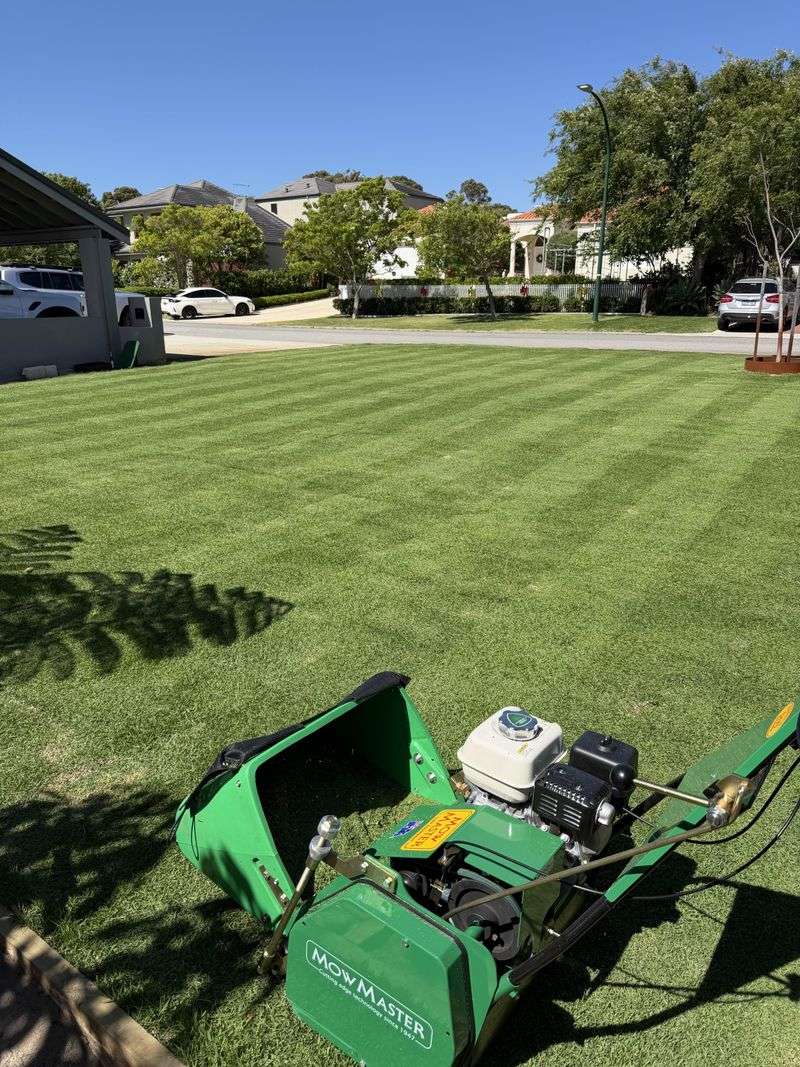
After spreading your seed, adding a light layer of compost on top is one of the best things you can do for your California lawn. Think of it as tucking the seeds in with a warm, nutrient-rich blanket.
Compost holds moisture, feeds the soil, and helps seeds stay in place when you water.
You do not need a thick layer. About a quarter inch of compost spread evenly across the seeded area is plenty.
Too much can actually smother the seed and prevent it from sprouting. Use the back of a rake to smooth it out gently and keep the layer thin and consistent.
Compost also improves the long-term health of your California lawn soil. Many soils in the state are sandy or clay-heavy, which can make it hard for grass to thrive without some organic matter added in.
A good quality compost introduces beneficial microbes and nutrients that feed your lawn over time. You can buy bags of compost at any local garden center or home improvement store.
Some California cities even offer free compost to residents as part of green waste recycling programs, which is a great option to take advantage of.
7. Keep Seed Moist Daily
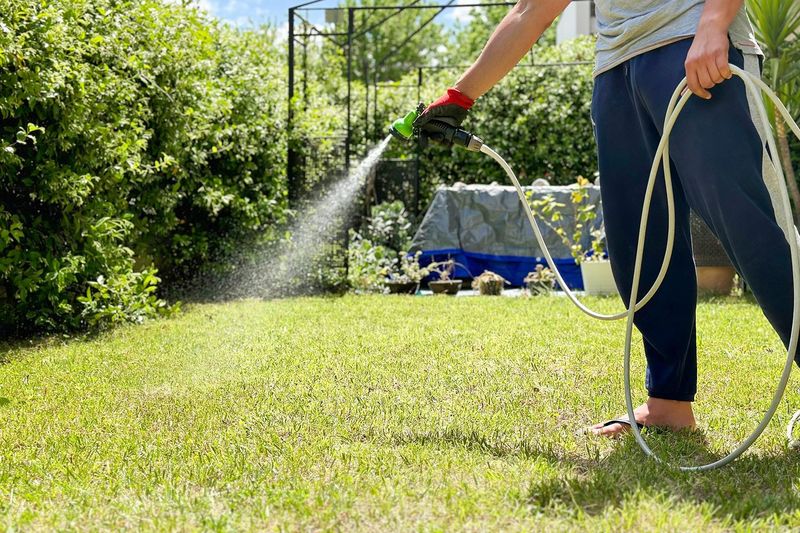
Water is everything when it comes to getting new grass seed to sprout. Once you have seeded your California lawn, keeping that seed consistently moist is your number one job for the next two to three weeks.
If the seed dries out even once during germination, you can lose a lot of your progress quickly.
Water lightly two to three times a day, especially during warm California afternoons when the sun can dry out the soil surface fast. You are not trying to soak the ground deeply at this stage.
The goal is to keep the top inch of soil moist at all times so the seeds stay hydrated and can begin to sprout.
Early morning watering is always the best time because the water soaks in before the heat of the day evaporates it. Evening watering is okay too, but it can sometimes encourage fungal growth if the lawn stays wet overnight.
As the seedlings begin to appear, you can gradually shift to deeper, less frequent watering to encourage deeper root growth. Staying consistent with moisture during this early stage is what separates a patchy result from a thick, full California lawn.
8. Wait Before Mowing Again
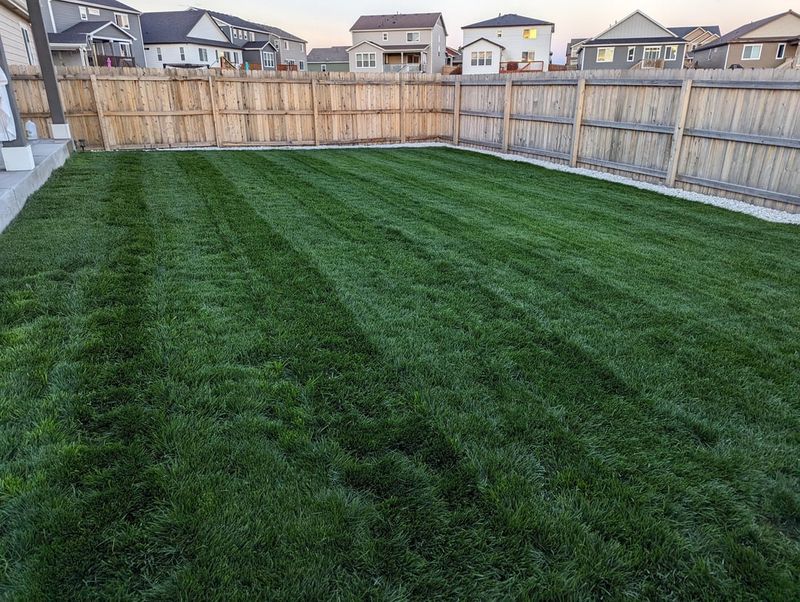
Patience is genuinely one of the hardest parts of overseeding a California lawn. Once you start seeing little green sprouts poking up, the urge to mow right away can be strong.
But mowing too soon is one of the most common mistakes homeowners make, and it can undo a lot of the hard work you have already put in.
Wait until the new grass has reached at least three to four inches in height before mowing for the first time. At that point, the roots are strong enough to handle the stress of being cut.
Mowing too early pulls young seedlings right out of the ground before they have had a chance to anchor themselves properly.
When you do mow for the first time, use a sharp blade and only cut off the top third of the grass height. This is called the one-third rule, and it applies to all mowing, not just after overseeding.
Keeping your California lawn at the right height after this first mow helps the new grass blend in with the older grass and grow together into one thick, even surface. Before long, your lawn will look fuller and healthier than it has in years.