The Low-Maintenance Texas Ground Cover That Butterflies Can’t Resist
Some plants quietly earn their place in a Texas garden by doing a lot more than you expect. This one covers the ground, handles tough conditions, and brings in butterflies like it is part of the job description.
For gardeners who are tired of bare patches, thirsty grass, or high-maintenance filler plants, that kind of performance is hard to ignore.
It adds life to the landscape without asking for constant trimming, pampering, or extra fuss, which is a big win in a climate that can be pretty unforgiving.
That is a big reason this plant is getting so much attention. Frogfruit spreads in a relaxed, natural way, softening open areas while still standing up to heat and dry spells.
At the same time, it becomes a magnet for butterflies, turning an ordinary part of the yard into something much more lively.
If you want a ground cover that looks easygoing but works surprisingly hard, this Texas favorite brings beauty, movement, and practical value all in one simple package.
What Is So Special About Frogfruit
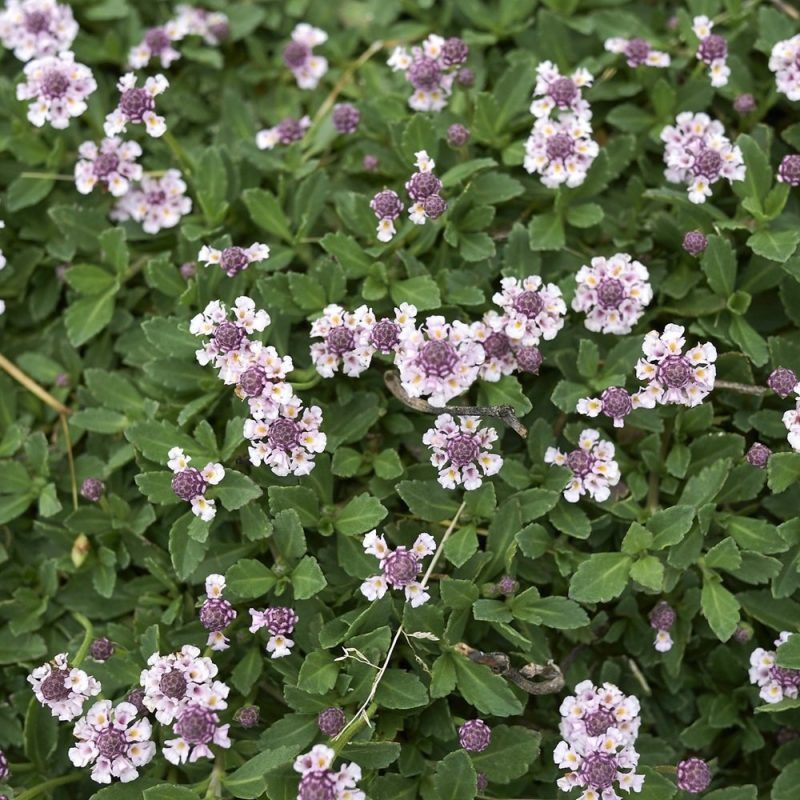
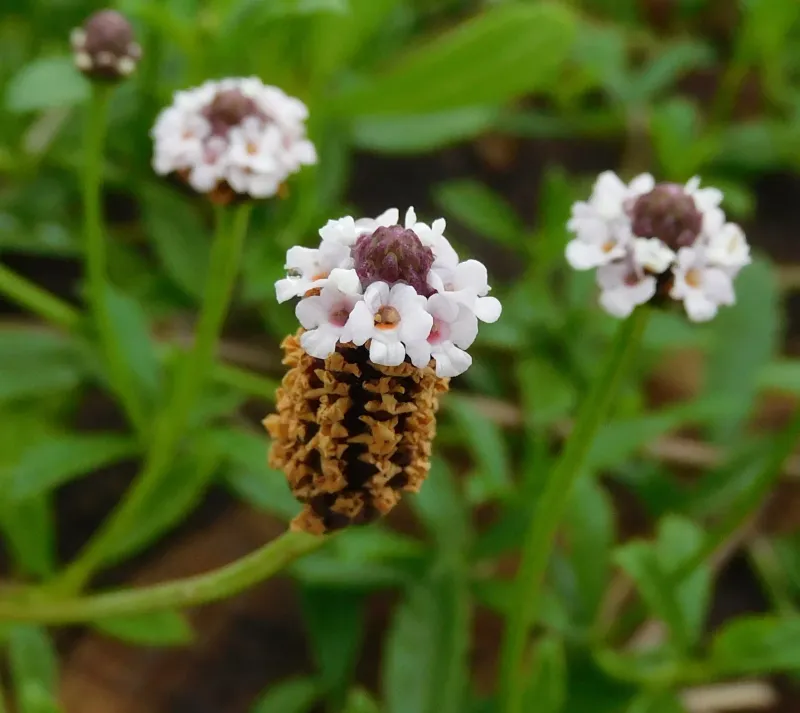
Most people walk right past frogfruit without giving it a second glance, but once you know what to look for, this little plant is hard to ignore. Its botanical name is Phyla nodiflora, and it is a low-growing, spreading perennial that hugs the ground like a natural carpet.
The stems creep outward from a central point, rooting as they go and forming a tight, mat-like cover over bare soil.
The flowers are tiny but charming. Each cluster is made up of small white to pale lavender blooms that appear from late spring all the way through fall.
They are not flashy or dramatic, but they are steady and reliable, which is exactly what a good ground cover should be.
Frogfruit is often used as a lawn substitute in Texas yards where traditional grass struggles. It also works beautifully as a filler between stepping stones, along garden borders, or in spots where you want something green and low-growing without the hassle of mowing.
Because it stays close to the ground, usually just two to four inches tall, it rarely needs trimming.
One of the most appealing things about frogfruit is how naturally it fits into a Texas landscape. It does not look stiff or formal.
Instead, it gives yards a relaxed, organic feel that blends well with native wildflowers and other Texas-friendly plants. Gardeners across the state have started using it more and more as awareness of native landscaping grows.
If you want a plant that does its job quietly and consistently, frogfruit is a smart and satisfying choice for any Texas outdoor space.
Why Butterflies Love Frogfruit
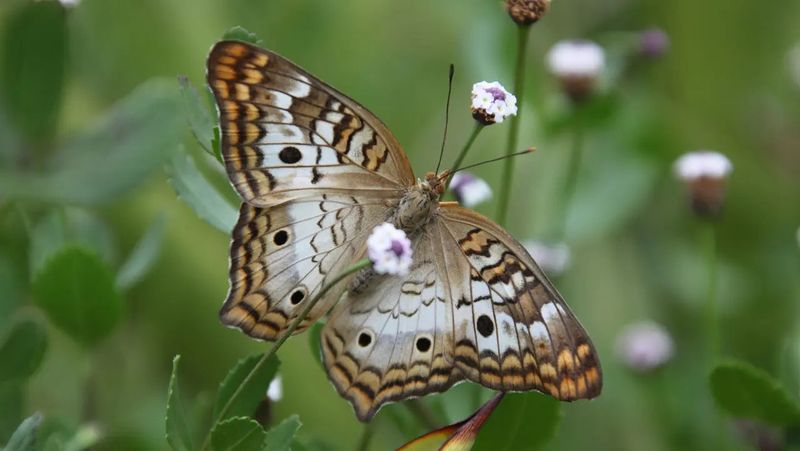
Butterflies do not just visit frogfruit for a quick snack. They actually depend on it. That is what makes this plant so different from most other flowering ground covers you might find at a garden center.
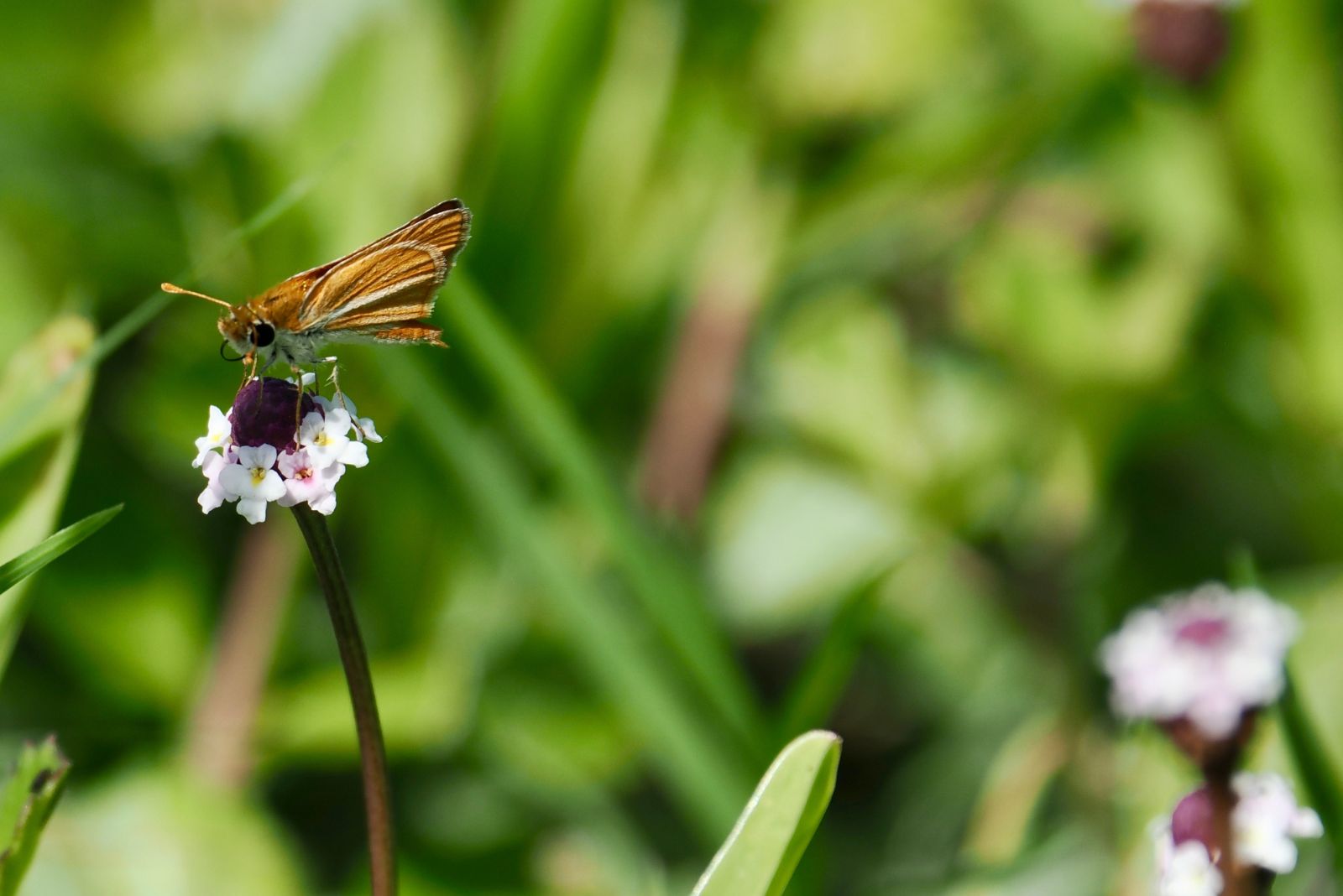
Frogfruit serves two important roles in a butterfly’s life: it is both a nectar source for adult butterflies and a host plant where females lay their eggs.
The caterpillars of several beautiful butterfly species feed on frogfruit leaves. The Phaon crescent, the common buckeye, and the white peacock are three of the most well-known species connected to this plant in Texas.
If you have ever seen a small orange-and-black butterfly fluttering low over a patch of frogfruit, there is a good chance it was a Phaon crescent.
Supporting the full butterfly life cycle matters more than most people realize. Planting nectar flowers is wonderful, but if caterpillars have nowhere to feed and grow, the butterfly population cannot thrive.
Frogfruit closes that gap in a way that many popular garden plants simply cannot. For Texas gardeners who care about supporting local wildlife, this makes frogfruit an especially meaningful addition to the yard. You are not just adding a pretty plant.
You are creating a habitat. Watching butterflies lay eggs, seeing caterpillars hatch and grow, and eventually spotting a freshly emerged butterfly taking its first flight can turn a simple patch of frogfruit into something truly special.
Few other ground covers offer that kind of reward. Across Texas, wildlife-friendly gardeners are recognizing frogfruit as one of the most valuable native plants they can grow.
Why Frogfruit Works So Well In Texas Landscapes
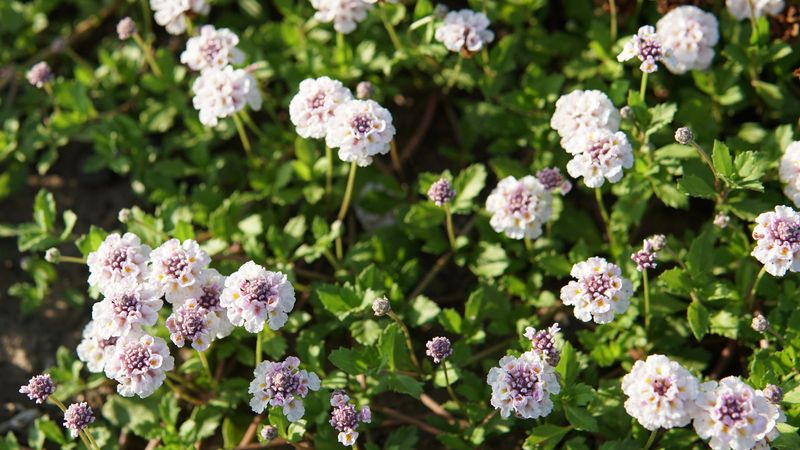
Texas is not an easy place to garden. The summers are brutal, the soil can be rocky and poor, and rainfall is often unpredictable.
Many plants that look great in a nursery pot struggle to survive once they hit the ground in a Texas yard. Frogfruit is different. It was made for these conditions, and it shows.
This tough native plant adapts well to a wide range of growing situations across Texas. It can handle full sun, which is saying a lot during a Texas July, and it also performs well in partial shade.
That flexibility makes it useful in spots where other plants give up. Whether your yard gets blazing afternoon sun or filtered light under a live oak tree, frogfruit can usually find a way to settle in.
Frogfruit is also known for spreading quickly once it gets established. The stems creep outward and root wherever they touch the ground, filling in bare patches without much help from the gardener.
This fast-spreading habit makes it excellent for erosion control on slopes or for covering large areas without replanting year after year.
As a long-lived perennial, frogfruit comes back season after season in most parts of Texas. In areas with mild winters, it may stay green year-round.
It can also tolerate light foot traffic in some settings, which makes it practical as a lawn alternative or a path edger. Few native plants offer this kind of all-around toughness.
From Central Texas to the Gulf Coast and beyond, frogfruit has proven itself as one of the most reliable and adaptable ground covers available to Texas gardeners.
What Gardeners Should Know Before Planting It
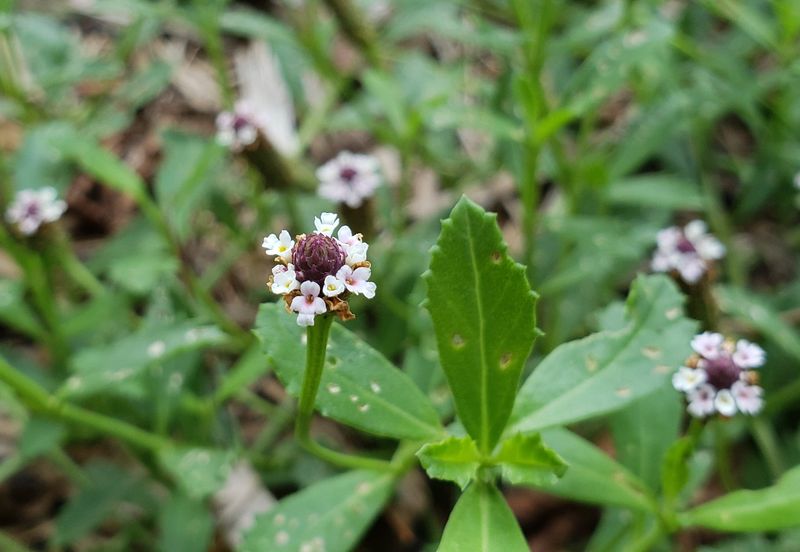
Frogfruit has a well-earned reputation for being easy to grow, but easy does not mean zero effort. Like any plant, it needs a little attention during the first few weeks after planting to get settled in.
Watering regularly during the establishment period helps the roots take hold, especially if you are planting during the warmer months, which is common in Texas.
Once frogfruit is established, it becomes much more self-sufficient. You can cut back on watering significantly, and it will handle most of what Texas weather throws at it.
Fertilizing is rarely necessary, and pests are generally not a major concern. That low-maintenance nature is a big part of why so many Texas gardeners have fallen for this plant.
One thing worth knowing is that frogfruit can spread enthusiastically. That is a huge advantage when you want to cover a large area quickly, but it can also mean occasional trimming or edging to keep it from creeping into places you did not intend.
Think of it less as a problem and more as a sign that your plant is doing exactly what it is supposed to do.
Winter behavior is another thing to keep in mind. In warmer parts of Texas, frogfruit tends to stay evergreen through mild winters.
In areas that get harder freezes, it may go dormant or show some frost damage on its leaves. The good news is that it usually bounces back once temperatures warm up again in spring.
Knowing what to expect through the seasons will help you plan your landscape with confidence and enjoy your frogfruit patch for many years to come.
What Makes Frogfruit Different From Other Ground Covers
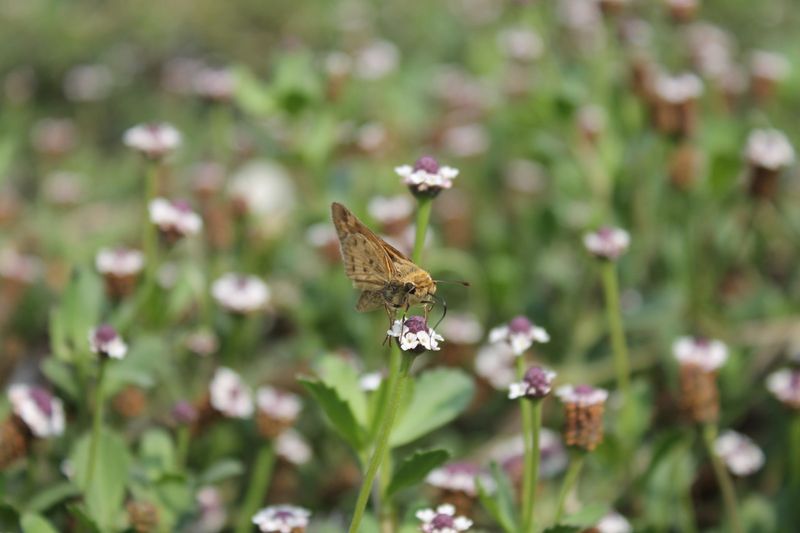
Walk through any big box garden center and you will find plenty of ground cover options. Liriope, Asian jasmine, and ivy are popular choices, but most of them were not born in Texas and do not behave like they belong here.
Frogfruit is different because it is genuinely native to the region and has evolved to fit into Texas ecosystems naturally.
Visually, frogfruit has a soft and relaxed look that sets it apart from more formal ground covers. It spreads low to the ground, staying flat and even, with a natural texture that feels right at home in a native-style landscape.
The small white and pale purple flowers that dot the mat throughout the growing season add gentle color without overwhelming the space.
Its versatility is also a standout quality. Frogfruit works beautifully between stepping stones, where it fills gaps and softens the hard edges of pavers.
It performs just as well along garden borders, in rain gardens, or in open areas where you want living ground coverage without the upkeep of turf grass. Few plants handle that many different roles with such ease.
Beyond looks and function, frogfruit also supports the local ecosystem in ways that non-native ground covers simply cannot. It feeds butterflies, supports caterpillars, and contributes to the natural food web that Texas wildlife depends on.
That combination of beauty, practicality, and ecological value is rare in a single plant. For Texas gardeners who want something that looks good, works hard, and gives back to the environment, frogfruit stands out as a truly unique and worthwhile option in any landscape.
Why It Is Worth Adding To A Texas Yard
Some plants earn their place in the garden by looking gorgeous. Others earn it by being tough and reliable.
Frogfruit manages to do both, and that is a rare thing. For Texas gardeners who want a landscape that is low maintenance, wildlife-friendly, and genuinely suited to the local climate, frogfruit checks every single box.
The butterfly connection alone makes it worth planting. Watching Phaon crescents, common buckeyes, and white peacocks visit your yard on a regular basis is one of the simple joys of gardening in Texas.
When you know that your ground cover is not just decorating the yard but actually helping butterflies complete their life cycle, the whole experience feels more meaningful.
From a practical standpoint, frogfruit also saves time and money. It does not need frequent watering once established, it rarely requires fertilizer, and it spreads on its own to fill in bare areas.
That means less work for you and more green coverage for your yard. In a state where water conservation matters, a drought-tolerant native like frogfruit is a genuinely smart investment.
Texas landscapes come in all shapes and sizes, from small urban backyards in Houston to sprawling Hill Country properties. Frogfruit fits comfortably into all of them.
It adapts, it spreads, it blooms, and it supports local wildlife without demanding much in return.
If you are ready to create a yard that feels more natural, more alive, and more in tune with the Texas environment around you, frogfruit is one of the best places to start. Plant it once and let it do what it does best.