The March Fertilizer Mistake Florida Homeowners Keep Making
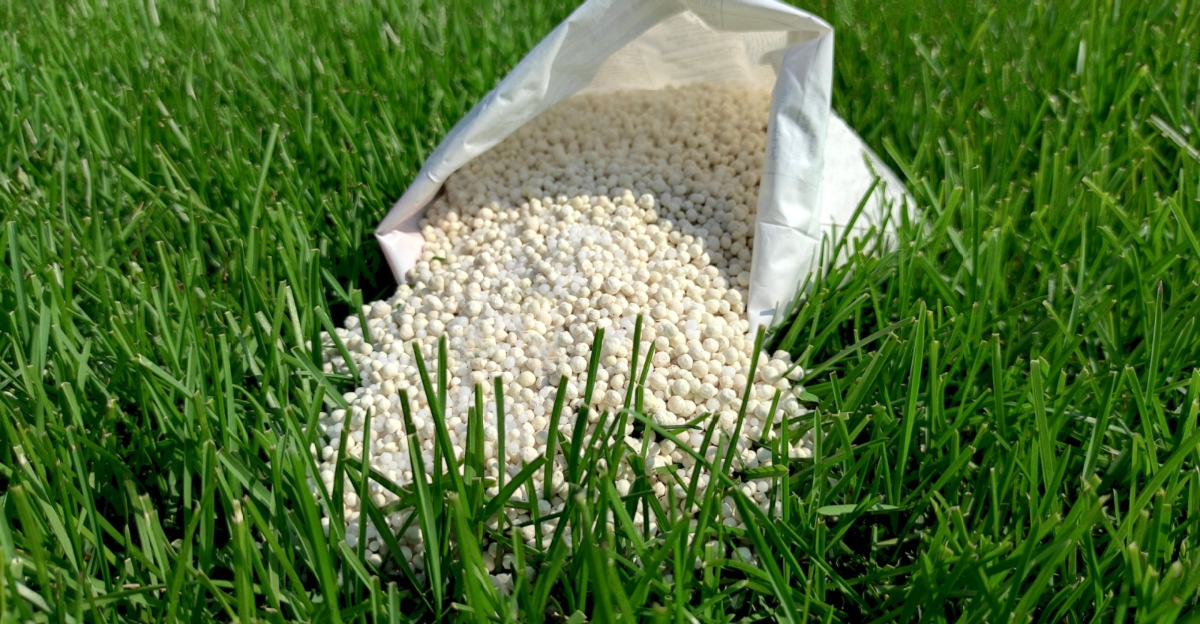
Every March, Florida homeowners make one lawn care move that feels smart in the moment but causes trouble long after spring begins. It starts with good intentions, a fresh bag of product, and the hope of fast green growth.
Then the opposite happens. Grass loses strength, the yard looks uneven, and small problems turn into expensive headaches.
Most people never connect the damage to that early spring decision, which makes the cycle repeat year after year. March seems like the perfect time to jump in and fix everything at once, but that impulse often creates the very setback homeowners want to avoid.
A healthy Florida lawn does not need panic or guesswork at the start of the season. It needs the right approach at the right time.
Miss that window, and the entire yard can struggle before the hottest months even arrive.
1. Stop Fertilizing Too Early In March
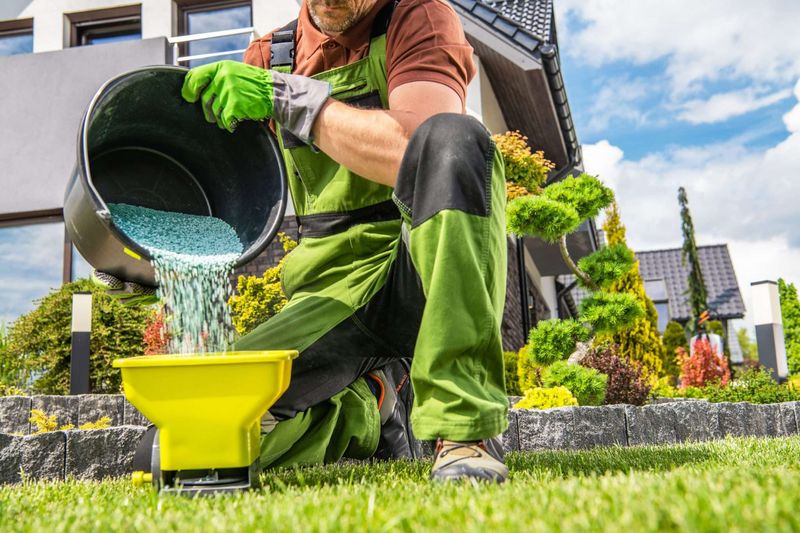
March feels like the perfect time to get the lawn going again. The weather is warming up, the days are getting longer, and every neighbor seems to be outside doing yard work.
But fertilizing before your Florida lawn is actually growing is one of the most common and costly timing mistakes homeowners make.
Warm-season grasses like St. Augustine, Bermuda, and Zoysia need soil temperatures to consistently reach around 65 degrees Fahrenheit before they can absorb nutrients effectively. In early March, many Florida lawns have not crossed that threshold yet, especially in northern and central parts of the state.
Applying fertilizer to a lawn that is not ready to use it means the nutrients sit exposed, often washing away before the grass can take advantage of them.
The calendar date does not tell you when your lawn is ready. Florida’s climate varies significantly from Pensacola to Miami, and what works in South Florida in early March may be weeks too soon in the Panhandle.
Waiting until your grass shows clear signs of active growth saves you money, protects local waterways, and gives your lawn a much better foundation for the rest of spring.
2. Avoid The Hidden Damage Of Feeding Too Soon
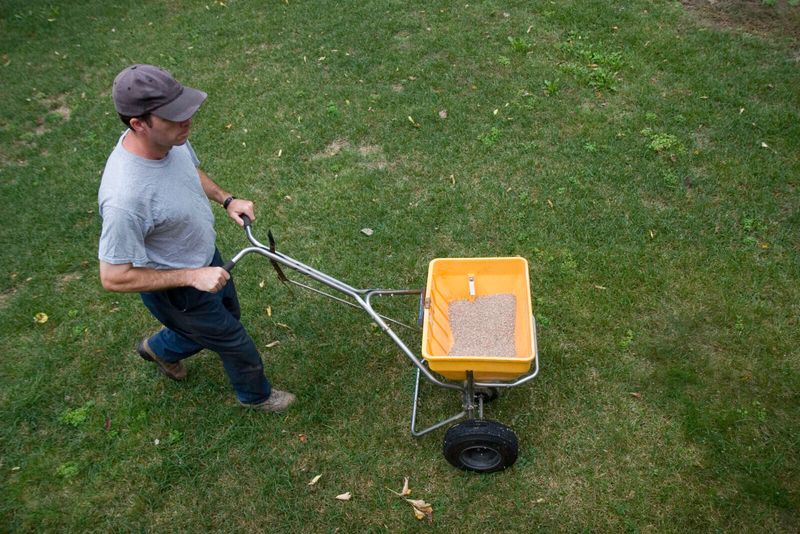
Fertilizer that goes down before your lawn is ready to absorb it does not just sit there patiently waiting. It starts breaking down, and without actively growing roots to take it in, much of it ends up going somewhere you do not want it to go.
Nutrients like nitrogen and phosphorus can wash off your lawn and into storm drains, ditches, and nearby bodies of water during Florida’s unpredictable spring rain events. This runoff contributes to water quality problems across the state, including algae blooms in lakes and estuaries.
Beyond the environmental impact, you are essentially paying for fertilizer that never benefits your grass at all.
Feeding too soon can also encourage a flush of weak, tender growth in your turf if there is a brief warm stretch followed by a cool snap. That new growth can struggle when temperatures dip again, leaving your lawn looking uneven and stressed.
The Southwest Florida Water Management District and other local agencies have been clear that proper timing is one of the most effective ways to protect both your lawn and Florida’s water resources. Wasted money and damaged waterways are two consequences no homeowner wants from a routine yard task.
3. Keep Early Fertilizer From Feeding Weeds
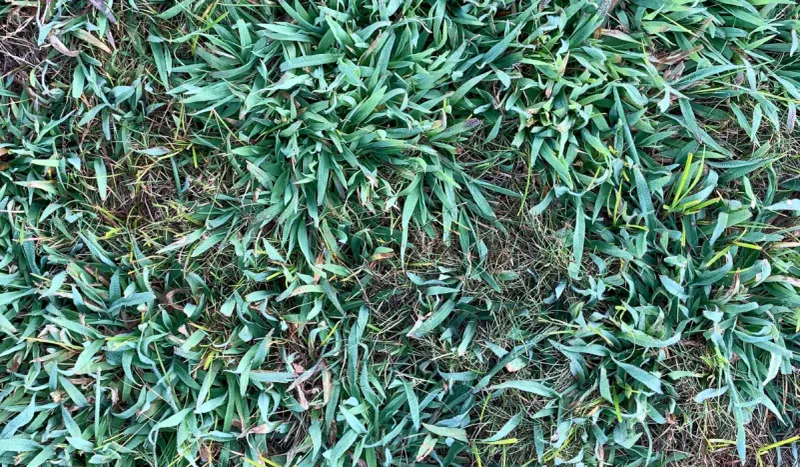
Weeds are opportunists. They move fast, they need very little encouragement, and they are often already active in Florida lawns well before warm-season grasses fully wake up in spring.
Applying fertilizer when your turf is still sluggish gives those weeds a nutritional boost right when you can least afford it.
Common Florida lawn weeds like crabgrass, dollar weed, and chamberbitter are already growing vigorously in early spring while St. Augustine and Bermuda are still coming out of their slow winter period. When nutrients are available and the grass is not yet competing strongly, weeds can take full advantage of that window.
The result is often a lawn that looks greener after fertilizing but is actually filling in with the wrong plants.
Waiting until your turf is actively growing and spreading means the grass itself becomes the competition. A dense, healthy lawn is one of the best natural defenses against weed pressure.
Fertilizing at the right time supports your grass, not the uninvited guests. This does not mean early fertilizer always guarantees a weed takeover, but the odds are not in your favor when the timing is off and the turf is not ready to outpace what is already growing.
4. Watch For Signs Your Lawn Is Ready
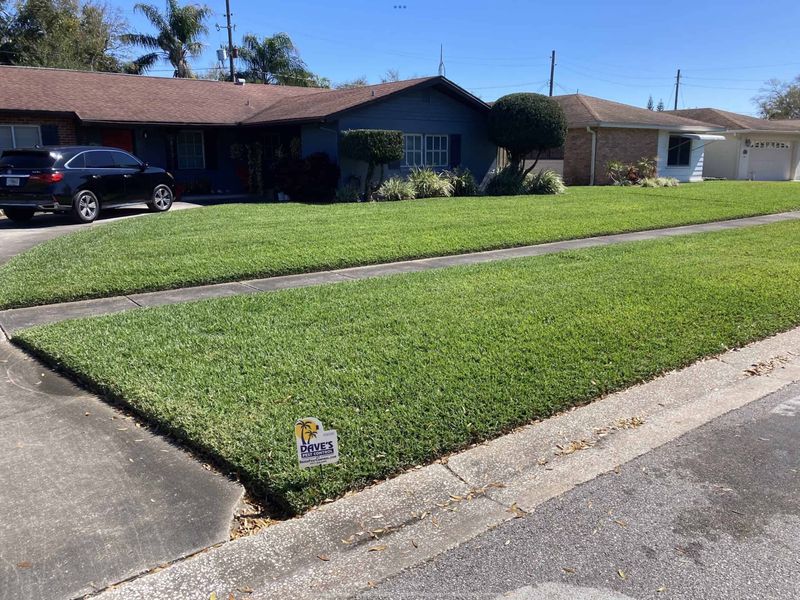
Rather than picking a date on the calendar, pay attention to what your lawn is actually telling you. Active growth is the signal you need before fertilizer makes any real sense, and your grass will show it clearly if you know what to look for.
Look for consistent color change across the lawn. When St. Augustine, Bermuda, or Zoysia starts genuinely greening up on its own and you can see new blade growth pushing through, that is a strong indicator the roots are awake and working.
Patchy green mixed with a lot of tan or straw-colored turf means the lawn is still transitioning and not ready for a full feeding.
Mowing frequency is another honest signal. If you have not needed to mow in weeks, your lawn is probably not growing fast enough to benefit from fertilizer.
Once you find yourself mowing regularly again because the grass is actually putting on new growth, that is a reliable sign conditions are right. Checking soil temperature with an inexpensive thermometer is also a smart habit.
When readings at a two to three inch depth are consistently above 65 degrees Fahrenheit for several days in a row, your lawn has reached the threshold where fertilizer can do real, measurable good.
5. Follow The Florida Lawn Signs That Matter
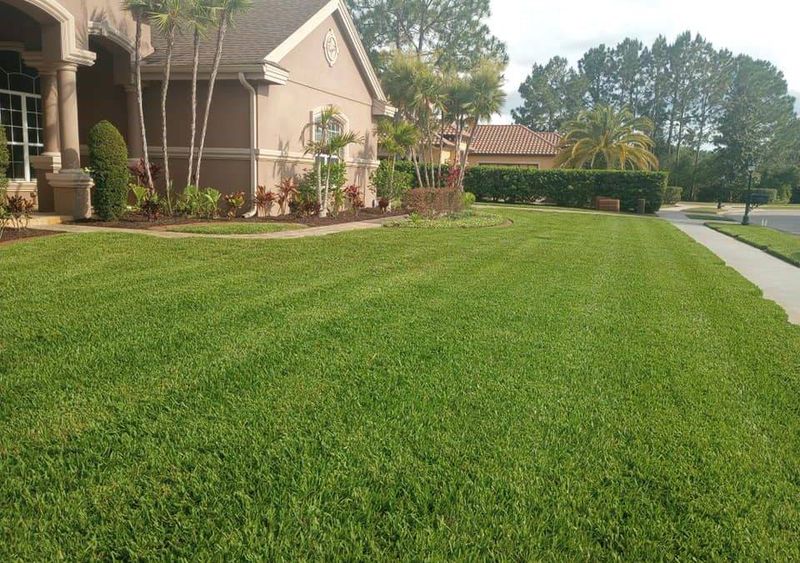
Florida is a long state, and the lawn care calendar looks very different depending on where you live. A homeowner in Naples or Fort Lauderdale may have warm enough soil conditions for fertilizing in late February or early March, while someone in Tallahassee or Gainesville might need to wait several more weeks before the same conditions arrive.
Relying on a single statewide date for spring fertilizing ignores the reality of Florida’s regional climate differences. South Florida transitions out of its cool season much earlier than North or Central Florida, where cold fronts can still push through well into March.
Following what your specific lawn is doing, rather than what a general spring schedule suggests, keeps you from making a move that is weeks ahead of schedule for your area.
University of Florida IFAS extension resources consistently point to lawn readiness and soil temperature as the reliable indicators for timing, not the month itself. Talking to your local county extension office is a genuinely useful step if you are unsure about the right window for your zip code.
Florida’s diversity is one of its most interesting qualities, but it also means there is no single universal answer to when spring lawn feeding should begin. Watching your own yard gives you the most accurate picture.
6. Understand What Early Nitrogen Can Trigger
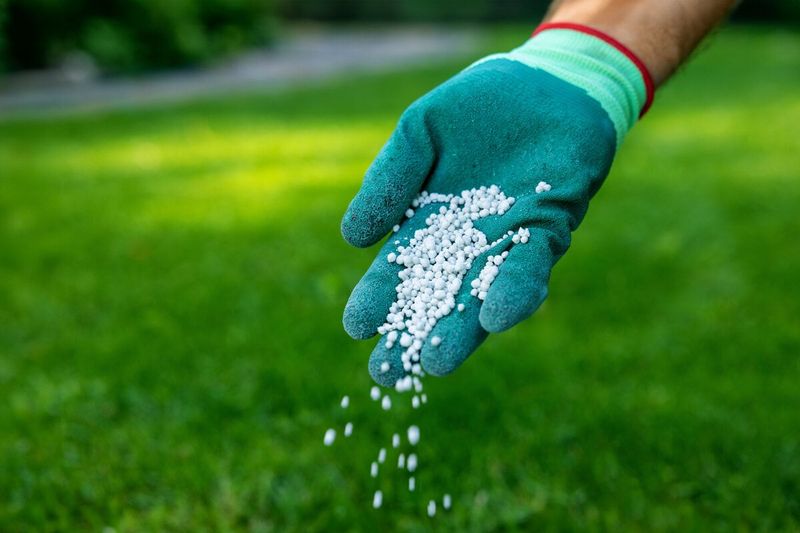
Nitrogen is the nutrient that drives green, leafy growth, and it works fast. That speed is exactly why applying it too early in Florida spring creates problems that are easy to overlook until the damage is already done.
When nitrogen hits a lawn that is not yet growing steadily, it can push a quick but fragile flush of new growth. That tender new tissue is more vulnerable to disease pressure and does not have the root support to stay strong if temperatures shift.
Florida can still see cool nights and occasional cold fronts in March, particularly in the northern half of the state, and soft new growth produced by an early nitrogen application is poorly equipped to handle that kind of fluctuation.
There is also the issue of efficiency. Nitrogen that is not taken up quickly by actively growing roots is highly susceptible to leaching down through Florida’s sandy soils or washing away in rain events.
You end up with a fertilizer application that produced little benefit for your lawn while potentially contributing to groundwater or surface water issues nearby. Patience with nitrogen timing is not just an environmental consideration.
It is a practical lawn care decision that gets you better results with less product and less waste over the course of the spring season.
7. Use Smarter Spring Fertilizer Timing In Florida
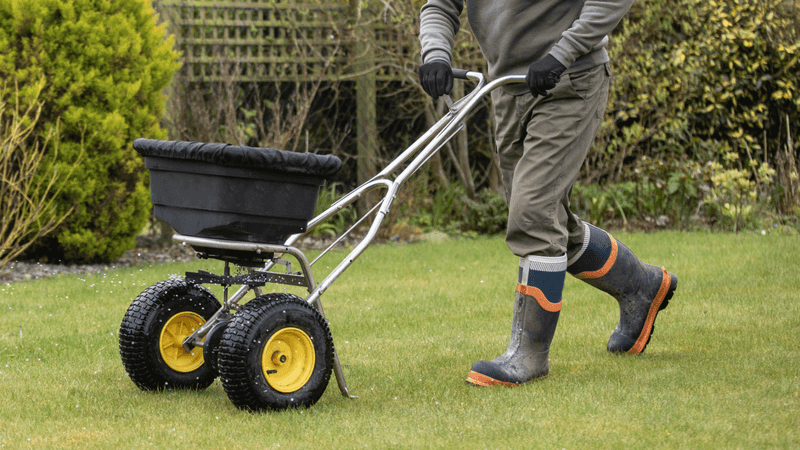
Better timing does not require complicated tools or a degree in agronomy. Mostly it requires slowing down, observing your lawn for a couple of weeks, and resisting the urge to fertilize just because the calendar says spring has arrived.
If you are in South Florida, late February to early March may genuinely be the right window once your lawn shows consistent active growth. For Central Florida homeowners, mid to late March is a more realistic target in most years.
If you live in North Florida or the Panhandle, waiting until April is often the smarter play, especially after a cooler than average winter. These are general starting points, and your lawn’s actual condition should always be the final guide.
Choosing a slow-release nitrogen product when you do fertilize also helps reduce the risk of nutrient loss in Florida’s sandy, fast-draining soils. Slow-release formulas deliver nutrients gradually as the grass grows, which matches Florida turf needs much better than a quick-release product that floods the system all at once.
UF IFAS recommends slow-release or controlled-release nitrogen sources for most Florida lawn situations, and that guidance holds especially true for spring’s first feeding. Smarter timing paired with the right product makes a noticeable difference in how your lawn responds through the rest of the season.
8. Wait For Active Growth Before You Feed Your Lawn
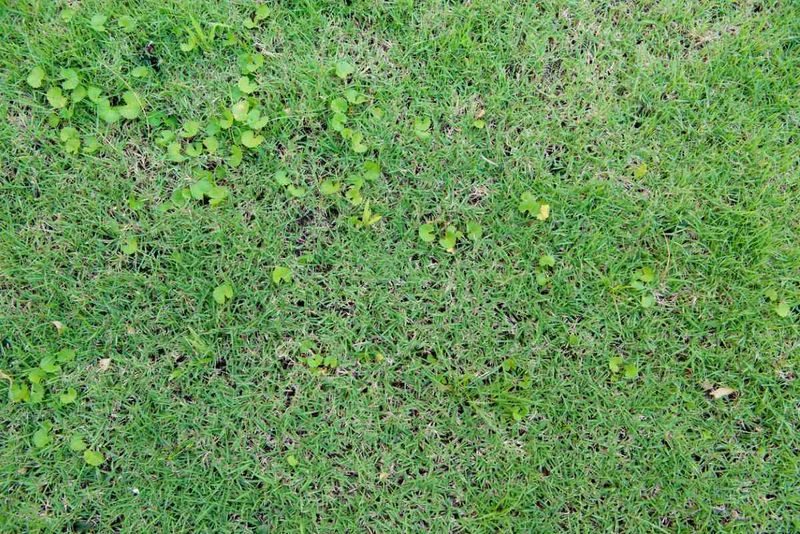
The single most reliable rule for spring fertilizing in Florida is straightforward: wait until your lawn is actively growing before you feed it. Not when the store puts fertilizer on sale, not when your neighbor starts spreading it, and not just because March arrived on the calendar.
Active growth means the grass is genuinely putting out new blades, the color is strengthening consistently across the lawn, and you are mowing on a regular schedule again. At that point, your turf has the root activity and metabolic momentum to actually use what you apply.
Fertilizer given at that stage goes to work right away rather than sitting exposed or washing away unused.
Treating your lawn as an individual rather than following a generic schedule is one of the most practical shifts Florida homeowners can make. Every yard has slightly different soil, sun exposure, drainage, and grass variety, all of which affect how quickly it comes out of its winter slowdown.
The patience required to wait for those real signs of readiness pays off with a stronger, more even lawn that gets better use out of every application you make. Feed your lawn when it is hungry and ready, and the results will speak for themselves throughout the spring and into summer.