Why Mulching In May Helps Arizona Gardens Handle Heat Better
May heat arrives fast in Arizona gardens. Soil dries out quickly once strong sun starts hitting the yard every afternoon.
Plants that looked healthy in spring can suddenly begin struggling once temperatures keep climbing week after week.
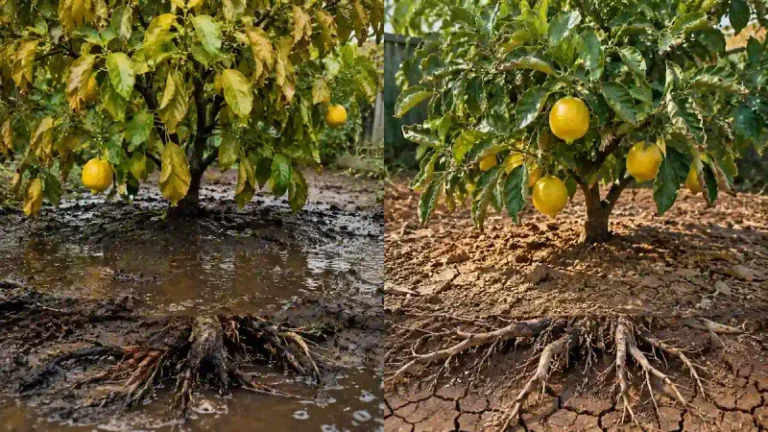
Dry ground becomes a bigger problem than many people expect this time of year. Moisture disappears faster, roots sit in hotter soil, and flower beds can start looking stressed before summer fully arrives.
Small changes around the garden often become much more noticeable once those conditions settle in.
Mulch starts making a real difference during May because the garden reacts differently when soil stays protected from direct heat. Arizona yards usually show those changes quickly once long dry days become more consistent.
1. Mulch Helps Slow Water Loss From Desert Soil
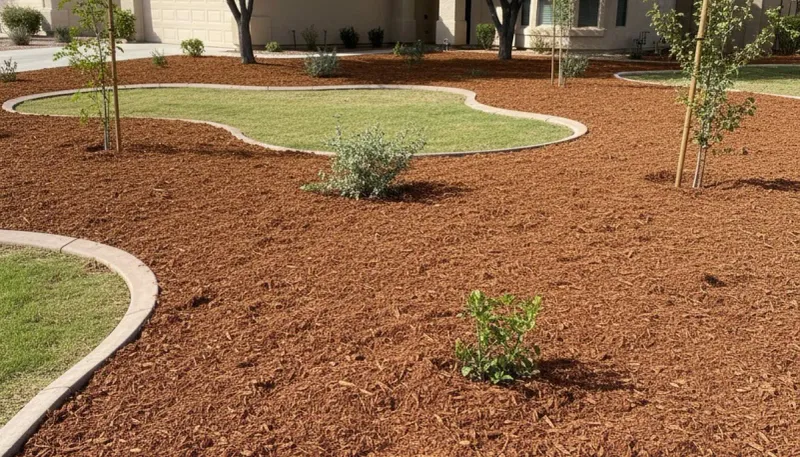
Water vanishes fast in Arizona. On a hot May afternoon in the Phoenix area, exposed soil can lose a surprising amount of moisture to evaporation within just a couple of hours after watering.
Mulch works like a lid over the soil, slowing that moisture loss significantly so plants actually get the water they need.
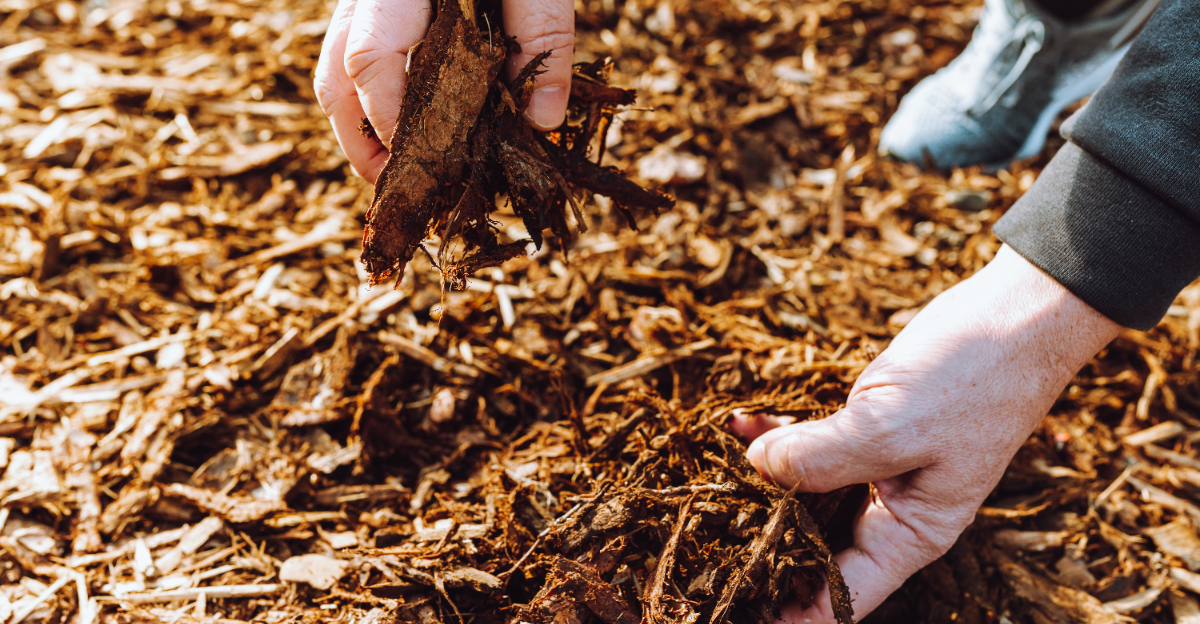
A layer of mulch about two to four inches thick is generally enough to make a real difference. Wood chips, straw, and shredded bark are all solid choices for Arizona gardens.
Each one creates a physical barrier between the hot air and the soil surface, which reduces the rate at which water evaporates.
Without that barrier, you end up watering more often just to keep plants alive through the summer. Mulching helps stretch every gallon of water further, which matters a lot in a desert state where water conservation is a serious concern year-round.
Gardeners in Tucson and the greater Phoenix metro area often notice they can cut back on watering frequency after laying down fresh mulch in spring. Some report watering every other day instead of daily during peak heat months.
That is not just convenient, it also saves money on water bills.
2. Covered Soil Stays Cooler During Hot Arizona Afternoons
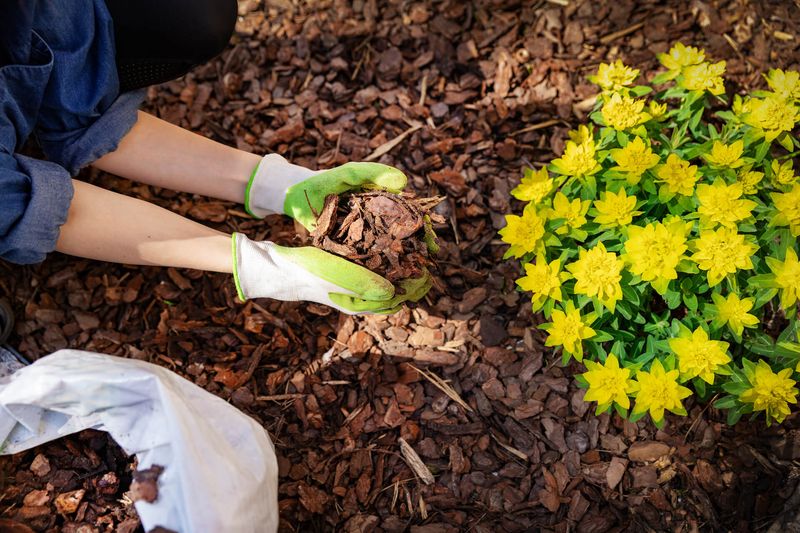
Bare soil in Arizona bakes. On a sunny afternoon in June, uncovered ground in the Phoenix area can reach surface temperatures well above 140 degrees Fahrenheit, which is hot enough to damage shallow roots and harm beneficial soil life.
Mulch changes that equation dramatically.
Covered soil stays noticeably cooler because mulch blocks direct sunlight from hitting the ground. Wood chip mulch, for example, can reduce soil surface temperatures by 20 to 30 degrees Fahrenheit compared to bare soil under the same conditions.
That difference is enormous for plant health during Arizona summers.
Cooler soil means roots are not fighting heat stress at the same time they are trying to absorb water and nutrients. Plants use energy more efficiently when their root zones stay within a reasonable temperature range.
Stressed roots absorb water poorly, which leads to wilting even when the soil has moisture in it.
Afternoon heat in Arizona is relentless from May through September. Mulching before those peak months arrive gives the soil time to settle and the mulch time to compact slightly, making it even more effective as an insulating layer.
Your Arizona Garden Changes Every Week. Your Plan Should Too.
Gardening in Arizona changes quickly throughout the season. Every Friday you’ll receive a simple weekly plan showing exactly what to plant, prune, fertilize, harvest, and protect so you never miss the right timing.
3. Mulch Helps Protect Plant Roots From Heat Exposure
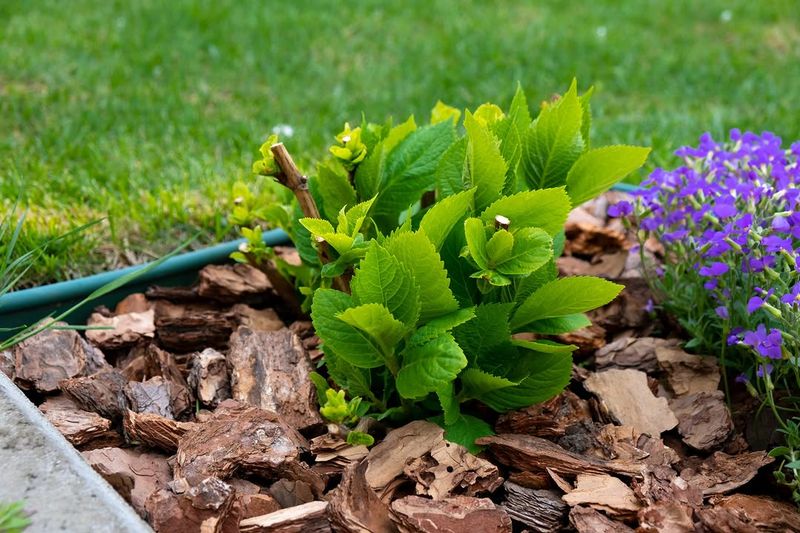
Roots are more vulnerable than most gardeners realize. Many plants in Arizona have shallow root systems that spread out horizontally near the soil surface to catch rainfall, which puts them right in the zone where summer heat hits hardest.
Without protection, those roots can suffer real damage during extended heat waves.
Organic mulch acts like insulation around the root zone. It keeps extreme heat from penetrating deep into the soil while also preventing rapid temperature swings between day and night.
In Arizona, nighttime temperatures can drop significantly compared to daytime highs, and those swings stress roots just as much as steady heat does.
Newly planted trees, shrubs, and perennials are especially vulnerable during their first Arizona summer. Their root systems have not had time to establish deeply, so they depend heavily on the top layer of soil for moisture and stability.
A few inches of mulch around the base of new plants can genuinely help them make it through their first summer.
Even established native plants like desert willow or palo verde benefit from mulched root zones, particularly during drought years when soil moisture is already low.
Mulch reduces the competition between roots and the soil surface for whatever moisture is available after watering or rain.
4. Organic Mulch Improves Soil As It Breaks Down
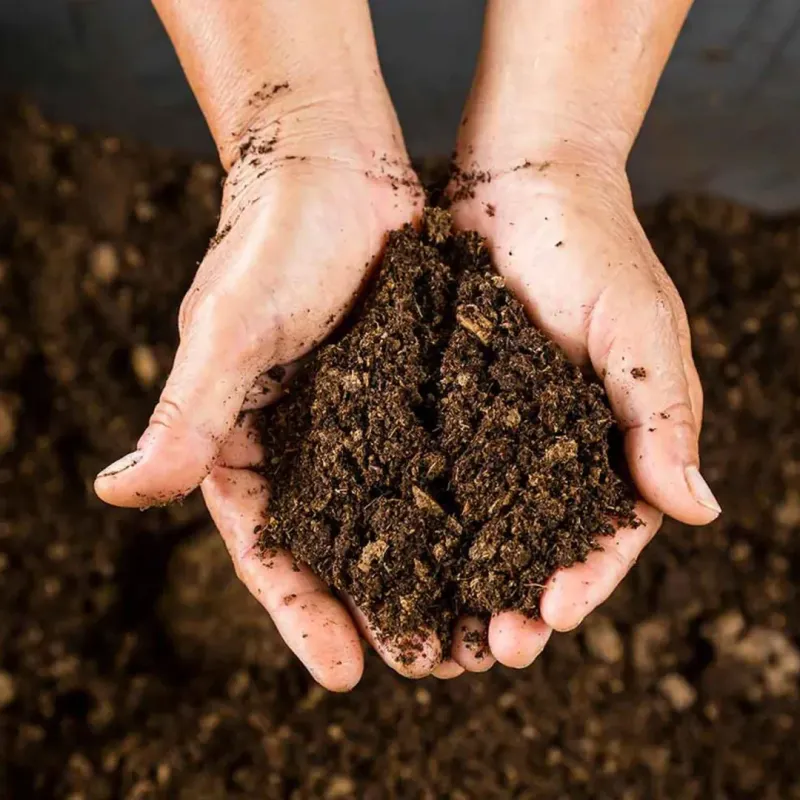
Not all mulch just sits there looking pretty. Organic options like wood chips, straw, and shredded leaves actually improve your Arizona soil over time as they slowly break down.
That is a big deal in a desert environment where native soil is often sandy, rocky, and low in organic matter.
As organic mulch decomposes, it adds humus to the soil. Humus improves soil structure by helping sandy desert soils hold moisture and nutrients better.
It also creates a more hospitable environment for earthworms and beneficial microbes, both of which are important for long-term soil health.
Arizona soils tend to be alkaline, which limits the availability of certain nutrients that plants need. Over time, decomposing organic mulch can gently shift the soil pH toward a slightly more neutral range.
That gradual change helps plants absorb iron, manganese, and other nutrients more easily.
Gardeners who have been mulching their beds in Phoenix and Tucson for several years often notice their soil getting darker and more crumbly over time.
That is a sign of improving organic content, which directly supports plant growth without needing to add as many fertilizers or soil amendments.
5. Bare Soil Often Develops Hard Crusts In Dry Weather
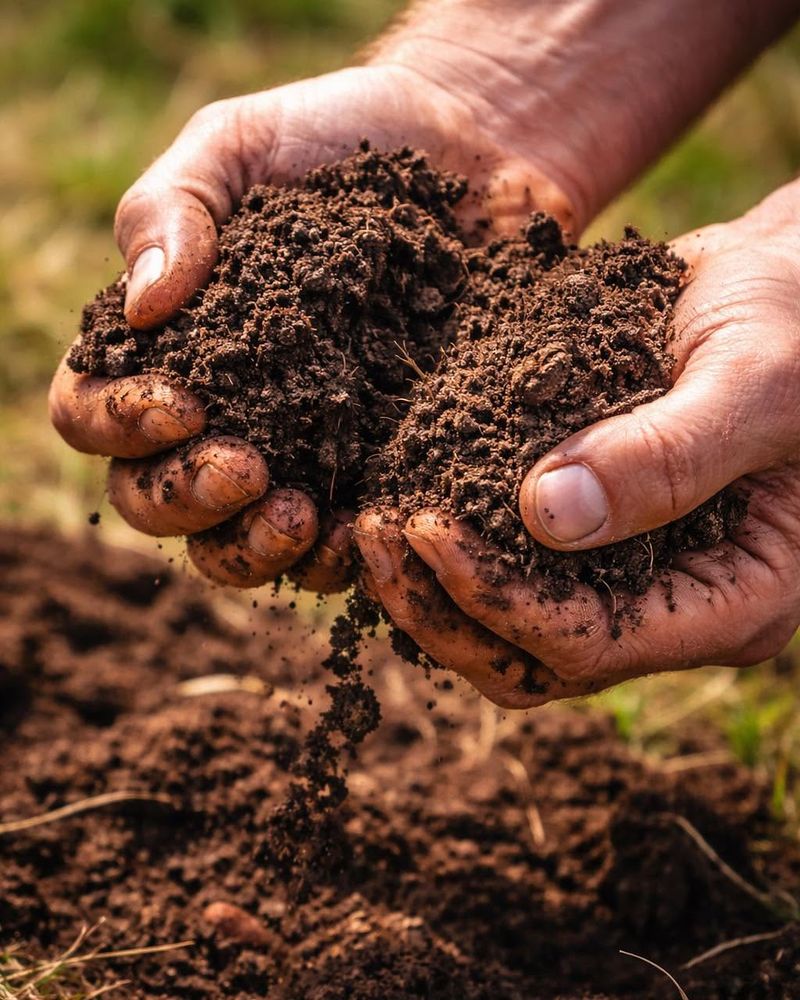
Crusted soil is a sneaky problem in Arizona gardens. When bare soil gets hit repeatedly by sun, heat, and occasional heavy irrigation, the surface can harden into a dense crust that water struggles to penetrate.
Instead of soaking in, water runs off the surface or pools on top and evaporates before reaching roots.
Soil crusting happens when the top layer of fine particles gets compacted and sealed together by repeated wetting and drying cycles. In Arizona, where summer monsoon rains can dump large amounts of water quickly, bare garden beds are especially prone to forming these hard surface layers.
Once a crust forms, breaking it up requires physical effort like hoeing or raking.
Mulch prevents crusting by softening the impact of water on the soil surface. Whether it is irrigation water or monsoon rain, mulch absorbs the initial force before water reaches the ground.
That gentler contact keeps soil particles from compacting and sealing together in the first place.
Healthy, uncrusted soil allows water to move down through the soil profile and reach roots much more efficiently.
In Tucson and across the Phoenix metro area, gardeners who mulch consistently report fewer runoff problems and better water absorption during both irrigation and rain events.
6. Mulch Creates A Barrier That Helps Limit Weed Growth
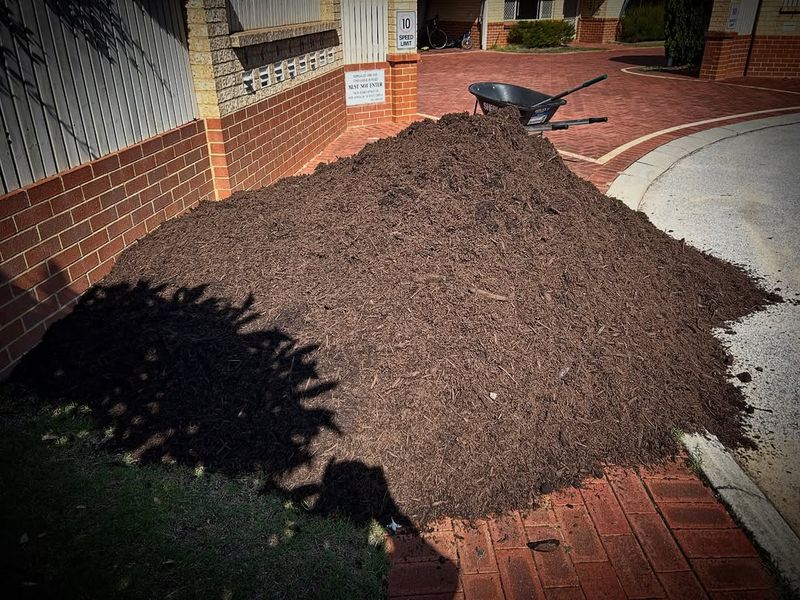
Weeds love bare soil. Give them open ground, sunlight, and a little moisture, and they will sprout fast, especially in the warmer months when Arizona gardens need every drop of water for actual plants.
Mulch cuts off that opportunity by blocking sunlight from reaching weed seeds sitting in the soil.
Most weed seeds need light to germinate. A two to four inch layer of mulch is thick enough to keep the soil surface dark, which stops many common weeds from sprouting in the first place.
Weeds that do manage to push through a thick mulch layer are usually weaker and much easier to pull out than those rooted in hard, bare soil.
Reducing weed pressure matters more than many gardeners expect. Weeds compete with garden plants for water, nutrients, and space, and in a water-limited environment like Arizona, that competition directly affects how well your plants perform during the summer.
Fewer weeds mean more resources going to the plants you actually want to grow.
Mulching in May, before the spring flush of weed growth fully takes off, gives you a head start.
Laying mulch early in the season means you are blocking weeds before they get established rather than trying to smother them after they have already taken root and spread.
7. Fresh Mulch Helps Reduce Soil Erosion From Strong Watering
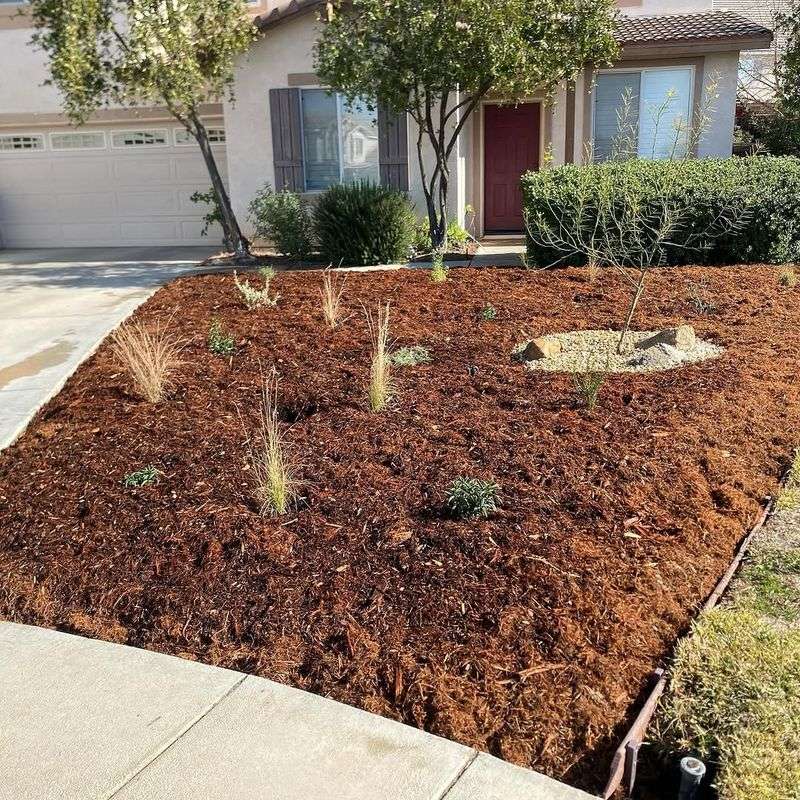
Strong irrigation can do more damage than most people expect. When you run a sprinkler or a hose directly on bare soil, the force of the water physically displaces soil particles, washing them away from plant bases and leaving roots more exposed over time.
In Arizona gardens where watering is frequent and sometimes intense, this erosion adds up quickly.
Mulch absorbs the impact of water before it hits the ground. Wood chips and shredded bark are particularly good at this because they interlock slightly and hold their position even when water flows across them.
Straw works well too, especially in vegetable beds where a lighter mulch material is preferred.
Erosion is not just a cosmetic issue. When soil washes away from around plant stems and root zones, it leaves roots more exposed to heat and drying air.
In the Arizona heat, exposed roots can suffer damage much faster than roots that remain covered and insulated by surrounding soil and mulch.
Slopes and raised beds in Phoenix and Tucson landscapes are especially prone to erosion during monsoon season, when short but intense rain events can move a surprising amount of soil in just a few minutes.
Mulched slopes hold together much better than bare ones under those conditions.