The Meaning Behind A Praying Mantis Showing Up In Your Georgia Garden
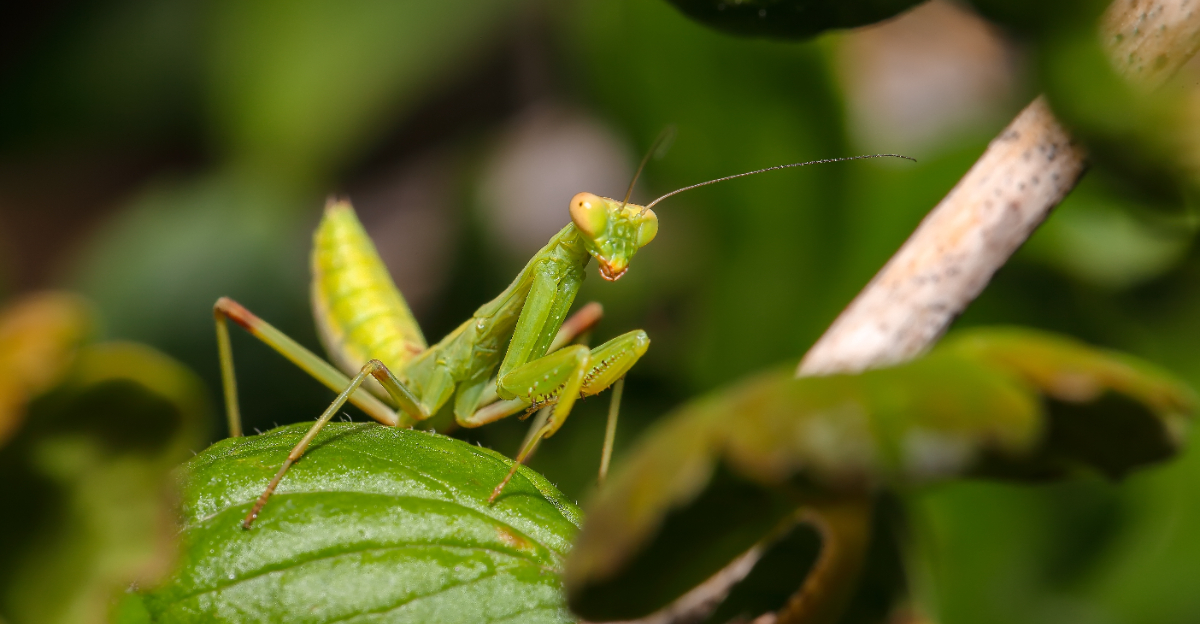
Not every unusual insect in the garden is a reason to worry, and a praying mantis is a perfect example. Seeing one perched on a flower, fence, or shrub often sparks curiosity because these insects look so different from everything else outside.
Many people assume their appearance carries a special meaning, but the real answer is much more interesting. Their presence usually reflects the conditions they find around them rather than anything mysterious.
A praying mantis stays where it can easily find insects to hunt and places to remain hidden from predators.
Warm weather across Georgia creates ideal conditions for both prey and protective plant growth, making gardens attractive hunting grounds.
These patient predators spend their days catching a variety of insects while leaving healthy plants alone.
Knowing what brings them into your yard can help explain why they suddenly appear and why many gardeners are happy to see them around.
1. Natural Pest Control Is Already At Work
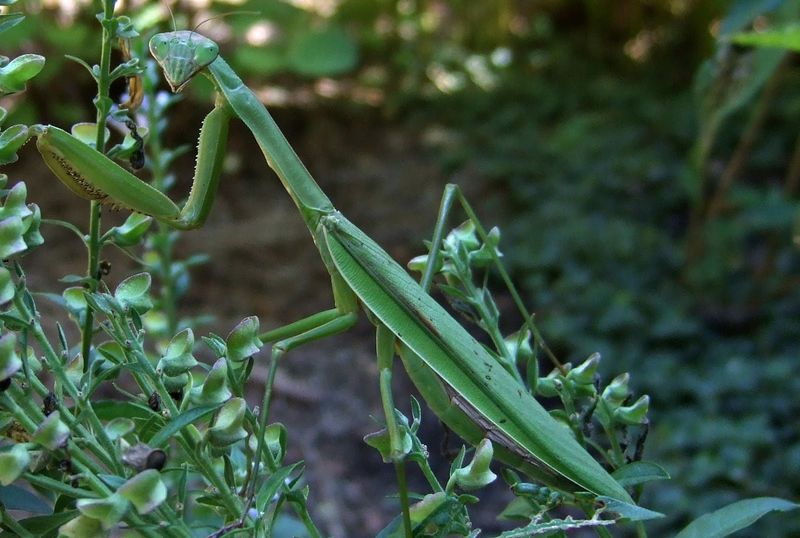
A praying mantis is basically a living pest trap. Spot one in your garden, and there is a solid chance your plants are under attack from soft-bodied insects.
Aphids, caterpillars, grasshoppers, and beetles are all fair game for a hungry mantis.
Mantises are ambush hunters. They wait, perfectly still, until prey comes close enough to snatch.
That patience is what makes them so effective in a garden setting.
One mantis will not wipe out every pest in your yard. However, its presence does signal that a natural balance is forming.
Pest populations are high enough to attract a predator, which means the food chain is doing its job.
Rather than reaching for a spray bottle, give the mantis time to work. Chemical pesticides can actually reduce the insect variety that mantises depend on for food.
Keeping your garden spray-free in certain areas encourages more beneficial predators to stick around.
Georgia gardens deal with heavy pest pressure during warm months. A mantis showing up during that time is genuinely useful.
It is not a guaranteed fix, but it is a meaningful sign that your garden has become attractive to natural hunters. That is worth paying attention to.
2. Flowering Plants Bring More Insects To Hunt
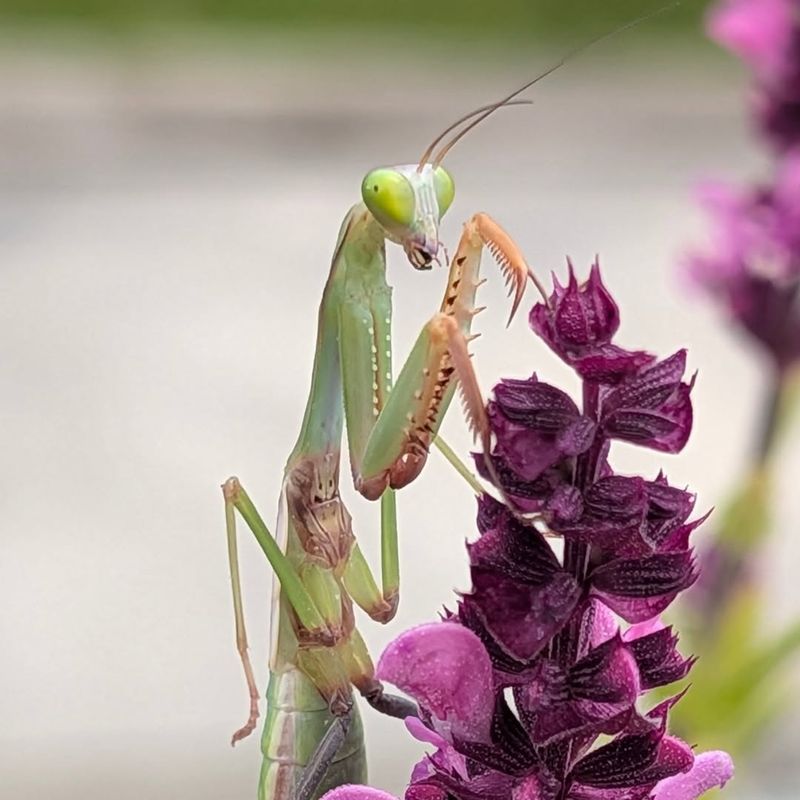
Flowers are basically a buffet sign for insects. When you plant flowering varieties in your garden, you attract pollinators, beetles, flies, and other small creatures.
Where those insects go, predators like the mantis follow.
Mantises do not eat pollen or nectar. They eat the insects that come looking for it.
Planting flowers near your vegetables or herbs can pull pest insects away from your crops and into areas where mantises are more likely to hunt.
Plants like black-eyed Susans, coneflowers, and zinnias are popular in Southern gardens. They attract a wide range of insects throughout the growing season.
A mantis perched on or near these plants is likely using them as a hunting platform.
Taller flowering plants give the mantis better visibility and more surface area to cling to. Short ground-level flowers attract fewer mantis sightings simply because the hunting angles are less favorable.
Your Georgia Garden Changes Every Week. Your Plan Should Too.
Gardening in Georgia changes quickly throughout the season. Every Friday you’ll receive a simple weekly plan showing exactly what to plant, prune, fertilize, harvest, and protect so you never miss the right timing.
If you have been seeing mantises near your flower beds, that is a sign your planting choices are working. A diverse mix of flowering plants supports a broader insect community, which in turn supports more predators.
You do not need a perfectly manicured garden to make this work.
3. Dense Plants Give Mantises Better Hunting Cover
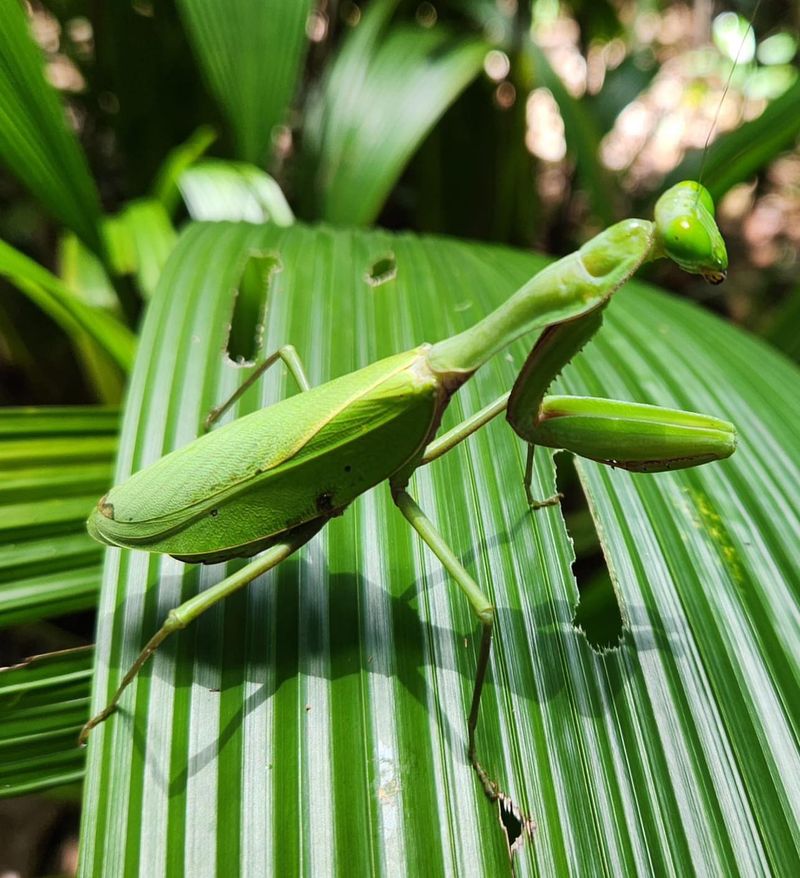
Mantises are masters of disguise. Dense, leafy plants give them the cover they need to blend in and wait for prey without being spotted.
A garden with thick foliage is far more attractive to a mantis than an open, sparse one.
Tomato plants, pepper bushes, and sprawling squash vines all create the kind of layered environment mantises prefer. They can move through the canopy of leaves, staying hidden while scanning for movement below or around them.
Raised garden beds with tightly packed plantings are especially good mantis habitat. The density creates natural corridors where insects travel and where a mantis can station itself without much effort.
It is low-energy hunting at its most efficient.
Herb gardens also work well. Basil, dill, and fennel grow thick and bushy during warm months.
Insects are drawn to the scent, and mantises are drawn to the insects. Planting herbs near your main garden beds can quietly build a more active predator zone.
Seeing a mantis disappear into your plants is not a bad thing. It means your garden structure is complex enough to support wildlife beyond just the plants themselves.
A garden that offers shelter, food, and cover for predators tends to have fewer out-of-control pest problems over time.
4. Summer Is The Best Time To Spot Them
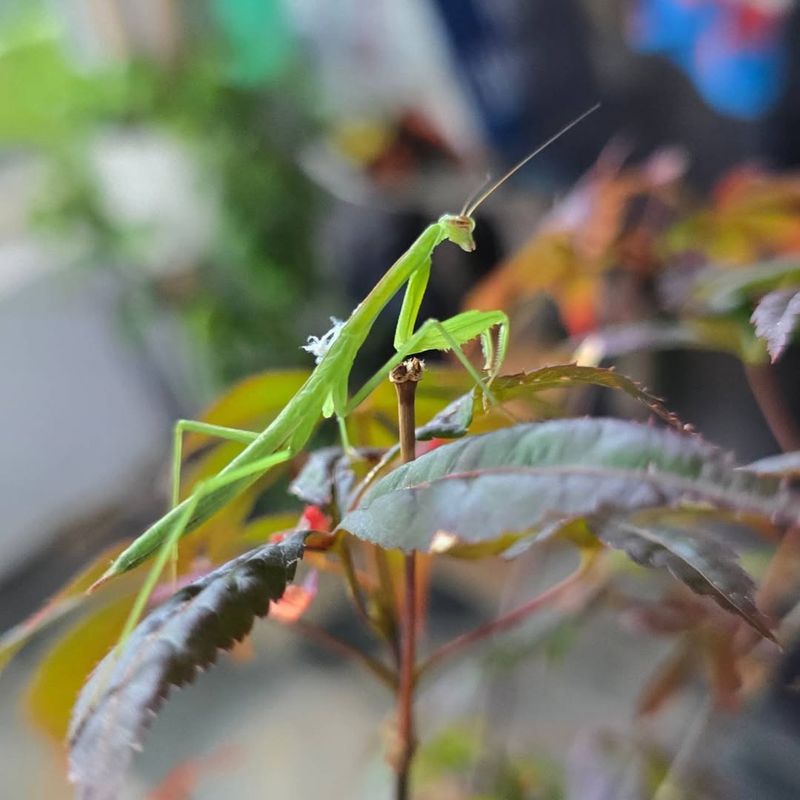
Warm weather brings mantises out in full force. Adult mantises are most visible from late summer into early fall, which lines up perfectly with Georgia’s long, humid growing season.
If you are going to see one, July through October is your window.
Nymphs, which are young mantises, hatch in spring and spend months growing before they reach adult size. By midsummer they are large enough to notice.
Before that, they are tiny and easy to overlook even if they are right in front of you.
Heat and humidity actually work in the mantis’s favor. Insect populations peak during the hottest months, which means food is abundant.
A mantis spotted in August has likely been living in your garden for weeks without you realizing it.
Checking plants in the early morning or late afternoon gives you the best chance of spotting one. Mantises tend to be more active during cooler parts of the day.
Midday heat can slow them down, so they often stay tucked into shade during peak sun hours.
Summer sightings are not random. A mantis in your garden during the hottest months means your yard is providing what it needs: warmth, shelter, and a steady supply of prey insects.
5. Egg Cases Can Mean More Mantises Next Year
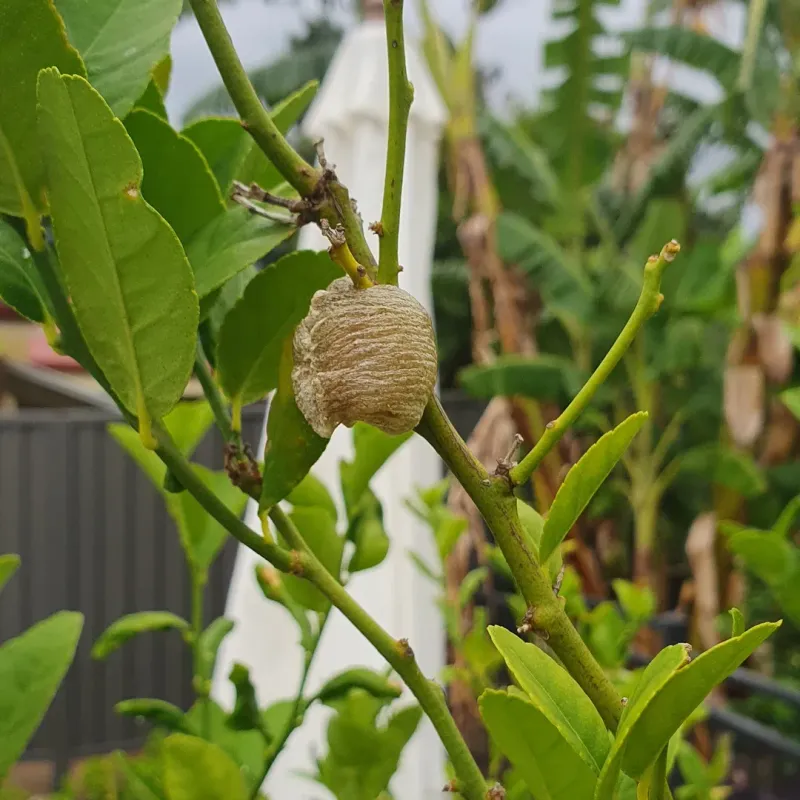
Finding a tan, foam-like cluster attached to a plant stem is a genuinely exciting discovery. That is a mantis egg case, called an ootheca, and it means a female laid eggs in your garden before the cold set in.
One case can hold anywhere from 50 to 200 eggs depending on the species.
The case is designed to survive winter. It hardens into a protective shell that insulates the eggs from frost and moisture.
Come spring, dozens of tiny nymphs can emerge and spread out across your garden.
Avoid removing egg cases from plant stems during fall cleanup. They look like dried foam or papier-mache, and it is easy to mistake them for debris.
Leave them attached to stems and let nature handle the rest.
If you plan to cut back perennials or clear out old plant material before spring, check each stem carefully. Snipping a stem with an egg case attached is an easy mistake to make.
Moving the case to a nearby shrub or fence is an option, but leaving it in place tends to produce better outcomes.
Egg cases spotted in a Georgia garden are a strong sign that mantises have found your space worth returning to. A garden that supports reproduction is one that has consistent food, shelter, and suitable plant structure.
6. Your Garden Has A Healthy Food Chain
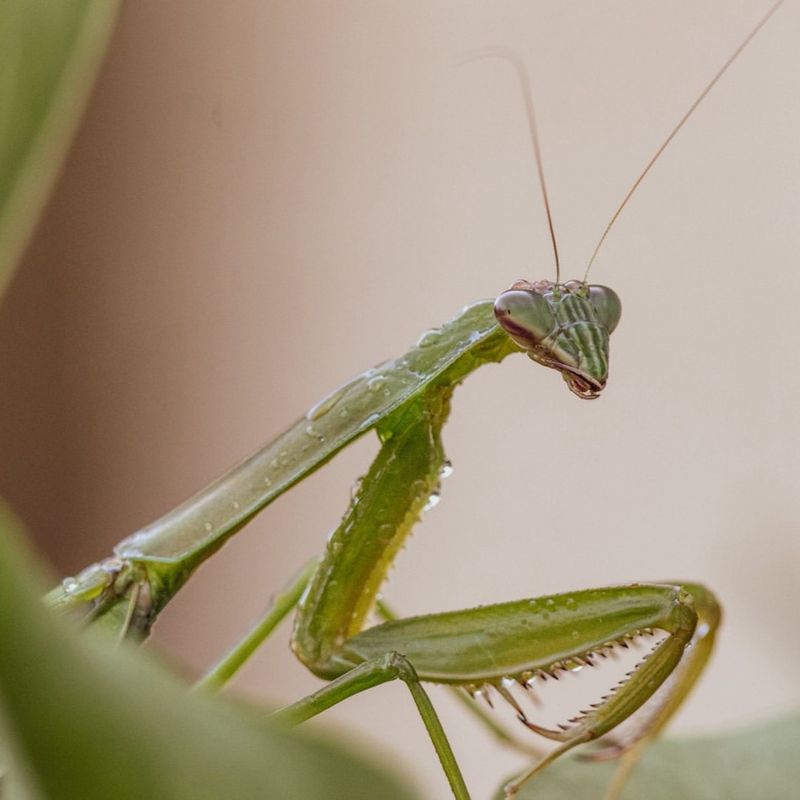
A mantis does not show up in a barren yard. It needs a working ecosystem to survive, which means plants, insects, and enough biodiversity to support a mid-level predator.
Seeing one is a signal that your garden has layers.
Healthy food chains in a garden look like this: plants feed small insects, small insects feed larger ones, and predators like mantises sit near the top of that local chain. Remove any part of that structure, and the whole thing gets shaky.
Avoiding broad-spectrum pesticides helps keep that chain intact. Sprays that wipe out pest insects often take beneficial ones with them.
Without prey, mantises move on or do not show up at all.
Birds, frogs, and spiders also play roles in a garden food chain. If you are seeing mantises alongside these other creatures, your garden is functioning as a small but real habitat.
That kind of balance tends to be self-regulating over time.
Gardeners in Georgia who notice mantises alongside other wildlife are often doing more right than they realize.
Mulching, planting natives, avoiding heavy chemical use, and leaving some wild edges around the garden all contribute to this kind of ecosystem health.
A mantis is just one visible piece of a much larger puzzle.
7. They Rarely Harm Healthy Garden Plants
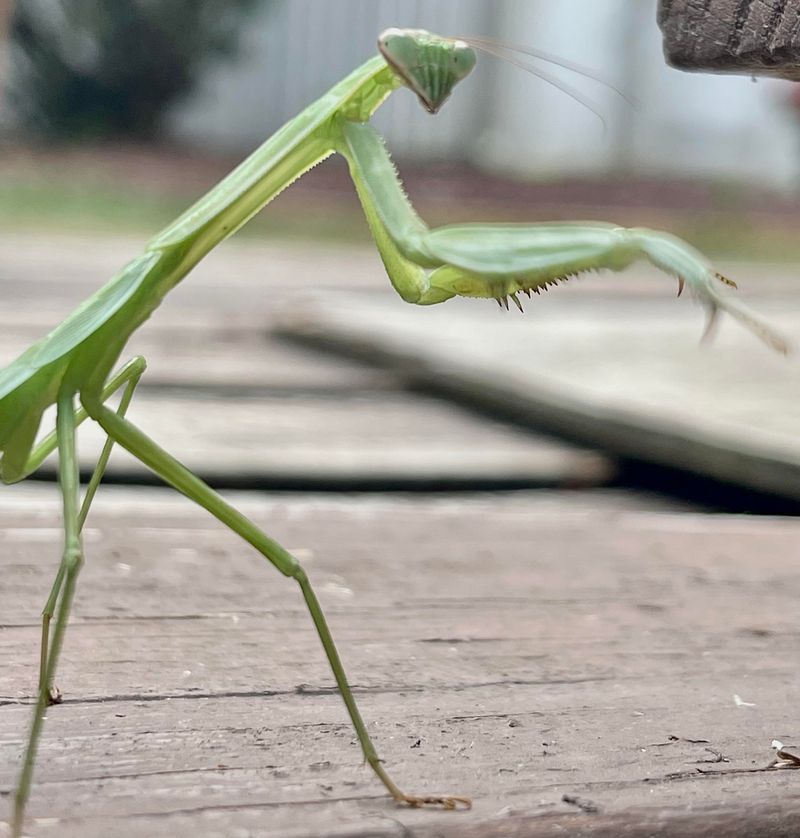
One of the most common worries new gardeners have is whether a mantis will damage their plants. The good news is that mantises do not eat plants.
Mantises are strict carnivores. They eat other insects, not plant material.
Your tomatoes, herbs, and flowers are completely safe from them.
Unlike caterpillars or aphids, a mantis has no interest in leaves or stems. It uses plants purely as a perch and a hunting ground.
Any plant a mantis sits on is being used as a lookout point, not a food source.
Some gardeners worry when they see a mantis eating a bee or a butterfly. Mantises do occasionally catch beneficial pollinators, and that part is harder to celebrate.
However, this tends to happen less often than pest captures, especially when pest populations are high and easier to catch.
Mantises are opportunistic hunters. They go after whatever is most available and easiest to grab.
In a garden with plenty of aphids, caterpillars, and beetles, those are the targets that show up most often on the menu.
Healthy plants with no pest pressure are still fine to have mantises around. Across much of the South, gardeners have found that a mantis presence rarely causes noticeable problems.
Plants stay intact, pest pressure often decreases, and the garden maintains a more natural rhythm.