The Meaning Behind A Walking Stick Insect Appearing In Your Pennsylvania Garden Trees
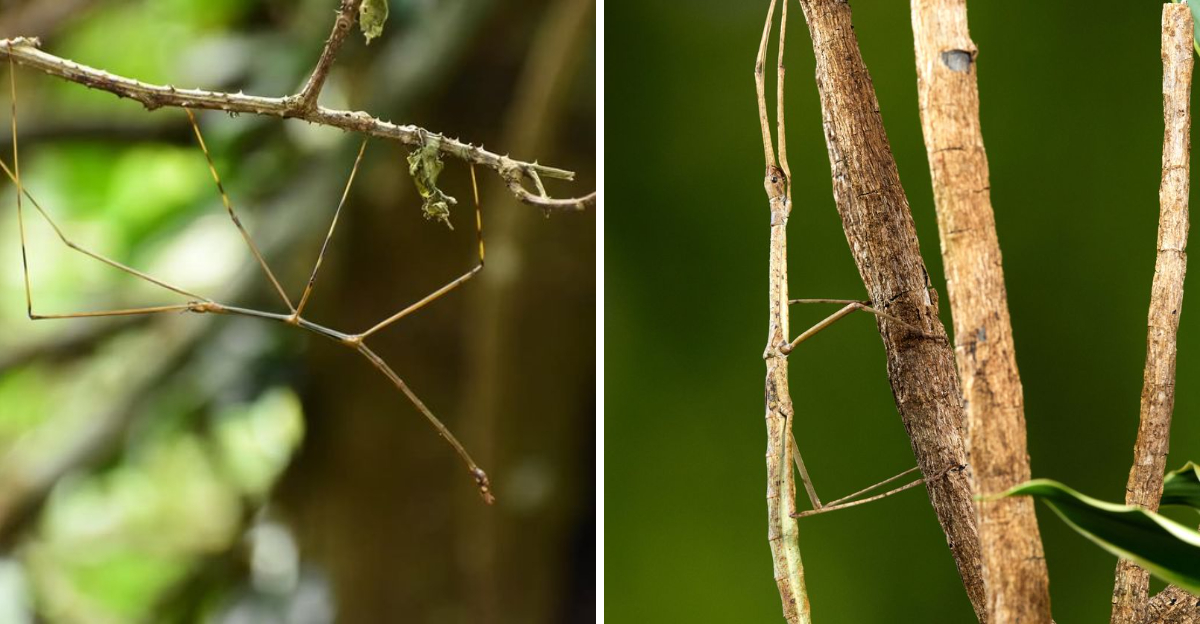
Finding a walking stick insect in your Pennsylvania garden trees is one of those encounters that requires a double take. The disguise these creatures maintain is genuinely extraordinary.
A twig that shifts position, a branch that has legs, a piece of the tree that is clearly and suddenly alive in a way that catches your brain completely off guard.
Most people who spot one for the first time find themselves doing a very slow lean closer before they’re sure about what they’re looking at.
And then the wondering starts. Where did it come from? Is it common? And what does it mean to find one in your garden?
Walking sticks are among the most ancient and ecologically fascinating insects in Pennsylvania’s natural world, and their appearance in a garden tells you something real about the conditions and habitat your trees and landscape are providing.
They’re selective about where they live and what they eat. Beyond the ecological significance, these remarkable insects carry symbolic meaning across many cultures and natural traditions that people have found deeply resonant for centuries.
1. A Native Northern Walkingstick Has Found Your Tree
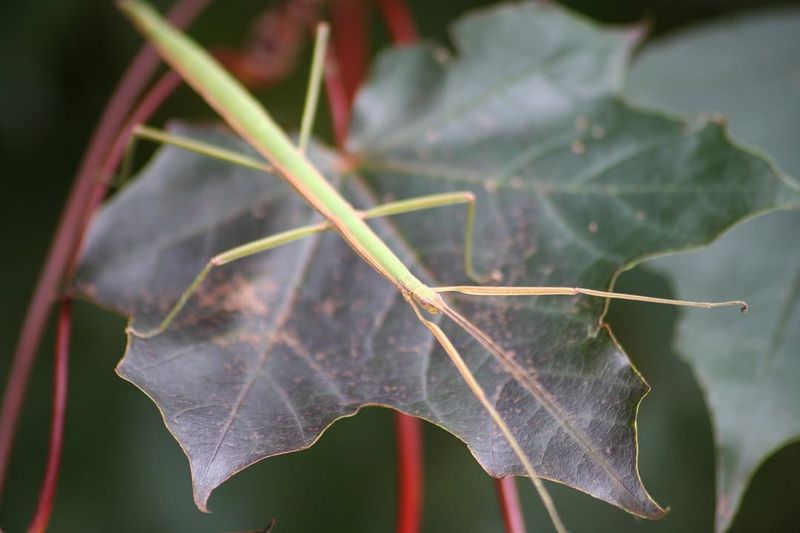
Picture this: you are pruning your oak tree on a warm summer afternoon, and suddenly a twig starts moving. That is exactly how most Pennsylvania gardeners first meet the northern walkingstick, known scientifically as Diapheromera femorata.
Far from being an invader, this insect has lived in Pennsylvania forests for thousands of years.
The northern walkingstick is completely native to the eastern United States. You are not looking at an invasive pest that has sneaked into your yard from another country.
Your garden has simply provided a welcoming habitat for a creature that belongs in Pennsylvania woodlands, and that is actually a sign of a healthy, natural environment.
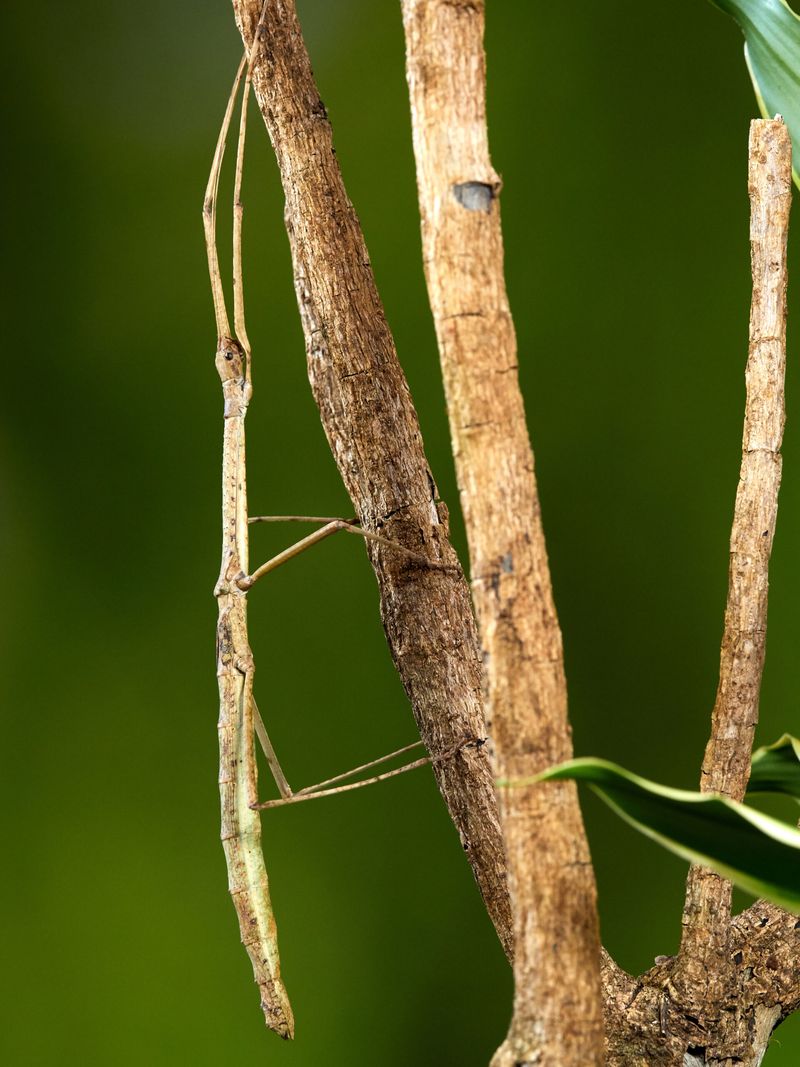
One of the most fascinating things about this insect is its camouflage. Its slim, brown, wingless body looks almost exactly like a dry twig or small branch.
The legs are long and delicate, adding to the illusion. Even experienced gardeners can walk right past one without ever noticing it is there.
Adult northern walkingsticks can grow up to about four inches long. Males tend to be smaller and darker than females, which are larger and more greenish-brown.
If you look closely without disturbing the insect, you can sometimes tell which one you have found just by comparing its size and color to photos online.
Finding this insect on your tree is a gentle reminder that your yard is connected to the broader natural world around you. Pennsylvania is home to many native species that most people never notice.
Slowing down and paying attention to what lives in your garden trees can turn an ordinary afternoon into a genuinely exciting nature experience.
2. Your Tree Provides The Leaves It Eats
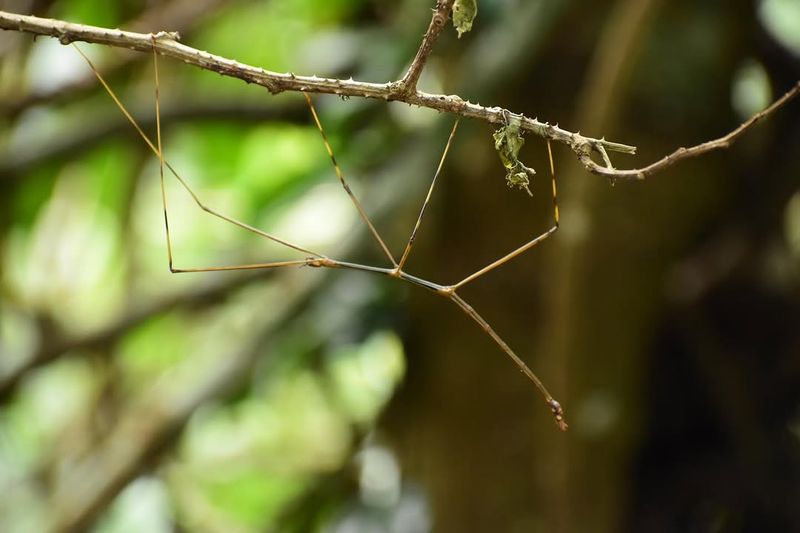
Walking stick insects are not random visitors. When one shows up on your garden tree, it is there for a very specific reason: food.
Northern walkingsticks are leaf-eaters, and your tree is essentially their favorite restaurant. They chew through the flat parts of leaves, leaving behind ragged edges and irregular holes.
Your Pennsylvania Garden Changes Every Week. Your Plan Should Too.
Gardening in Pennsylvania changes quickly throughout the season. Every Friday you’ll receive a simple weekly plan showing exactly what to plant, prune, fertilize, harvest, and protect so you never miss the right timing.
In Pennsylvania, black cherry trees and oaks are the preferred food sources for northern walkingsticks.
These trees are incredibly common throughout the state, so it makes perfect sense that walkingsticks are frequently found in residential gardens and wooded backyards.
If your tree is one of these species, you have served up a meal that this insect simply cannot resist.
That said, northern walkingsticks are not strict about their diet. They will also feed on other hardwood deciduous trees, including hazelnut, wild rose, and sassafras.
So even if your garden tree is not an oak or cherry, a walkingstick may still choose to visit and nibble on its leaves during the warm season.
Walkingsticks feed mostly at night, which is part of why they are so rarely noticed. During the day, they stay perfectly still on branches, blending in with the surrounding twigs.
At dusk and into the evening hours, they slowly move around and begin eating. Their slow, swaying movement even mimics a twig blowing gently in the breeze.
Knowing your tree is a food source for this insect tells you something valuable: your garden supports real biodiversity.
Native insects depend on native trees, and when that relationship is working, it is a clear sign that your outdoor space is functioning as a healthy mini-ecosystem worth protecting and appreciating.
3. The Timing May Reflect Its Normal Late-Summer Life Cycle
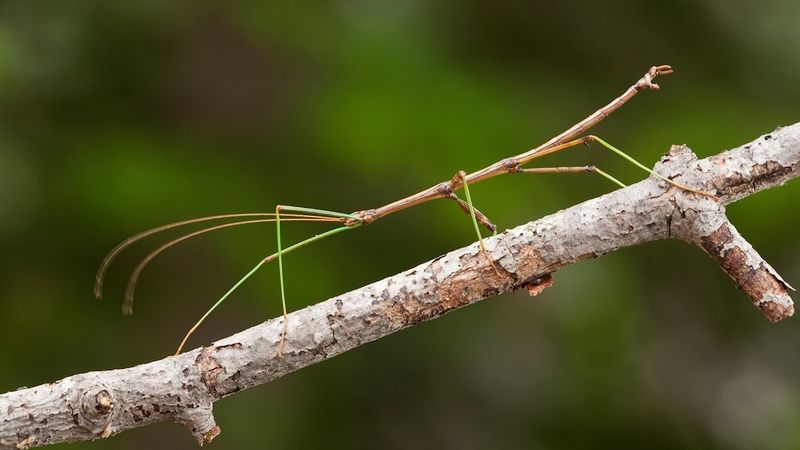
Timing matters a lot when it comes to understanding why a walking stick insect has appeared in your yard. If you are spotting one between late July and the end of August, you are watching this insect at its most active and visible stage of life.
Adults reach full maturity during these warm weeks, and they move more actively between branches as they feed and search for mates.
Earlier in the summer, young walkingsticks called nymphs are tiny and nearly impossible to see. They look like miniature adults but are so small that most people never notice them.
As the weeks pass, they grow steadily through a series of molts, each time shedding their outer skin and emerging slightly larger. By late July, they have grown into full-sized adults that are much easier to spot.
The late-summer timing also lines up with mating season. Male walkingsticks actively seek out females during this period, which means they travel more and expose themselves to a higher chance of being seen by curious gardeners.
A walkingstick moving across your tree on a warm August evening is likely following its natural instincts, not doing anything unusual at all.
After mating, the season winds down fairly quickly. By September and into October, adult walkingsticks become less active and are harder to find.
Their life above the ground essentially wraps up as temperatures begin to fall. So if you are lucky enough to catch one during the summer peak, you are witnessing a very specific and brief window of this insect’s yearly routine.
Paying attention to when you spot the insect can help you understand its life stage and confirm that what you are seeing is completely normal seasonal behavior in Pennsylvania.
4. Nearby Leaf Litter May Support The Next Generation
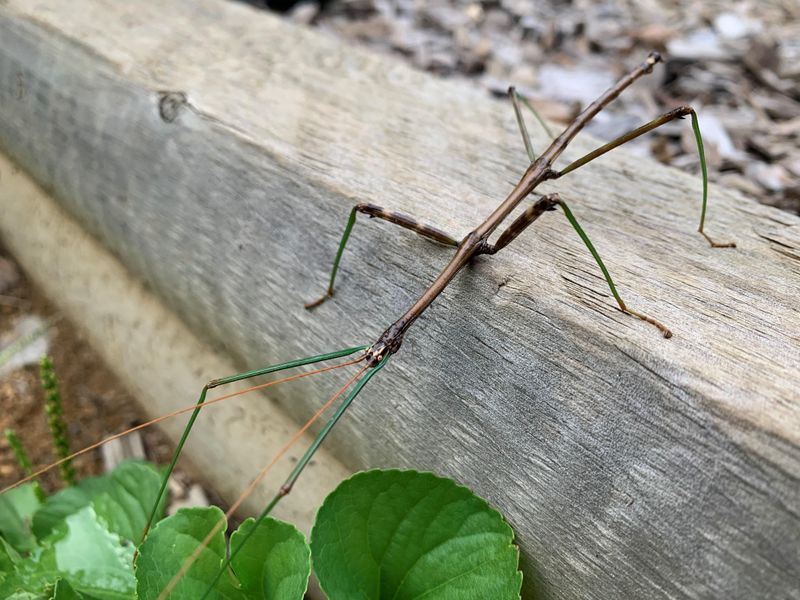
Here is something that surprises most people: walking stick insects do not build nests, and they do not lay their eggs on tree branches. Instead, female northern walkingsticks simply drop their eggs from wherever they happen to be sitting.
The eggs fall to the ground and land in the leaf litter below, which is exactly where they need to be.
Each egg is tiny, dark, and shaped a bit like a seed. Females can produce dozens of eggs over the course of the season, dropping them one at a time without any particular pattern.
Because they are so small and land randomly in leaf debris, the eggs are almost impossible to spot with the naked eye, even if you know what to look for.
Once the eggs hit the ground, they stay there all winter long. The leaf litter acts as a natural insulator, protecting the eggs from freezing temperatures.
This overwintering process is completely natural and requires no help from the tree or from you. The eggs simply rest quietly beneath the fallen leaves until conditions are right in spring.
When warmer weather arrives, the eggs hatch and tiny nymphs emerge. These young insects instinctively begin climbing upward, moving from the ground through low vegetation until they reach the leaves of suitable trees.
From there, the feeding cycle begins again, and the whole process repeats itself just as it has for generations.
If you have a thick layer of natural leaf litter beneath your garden trees, you may already be supporting the next generation of walkingsticks without even realizing it.
Leaving leaves in place during fall and winter can benefit many native insects that rely on this simple, natural shelter to survive the cold months.
5. One Walkingstick Usually Does Not Mean The Tree Is In Danger
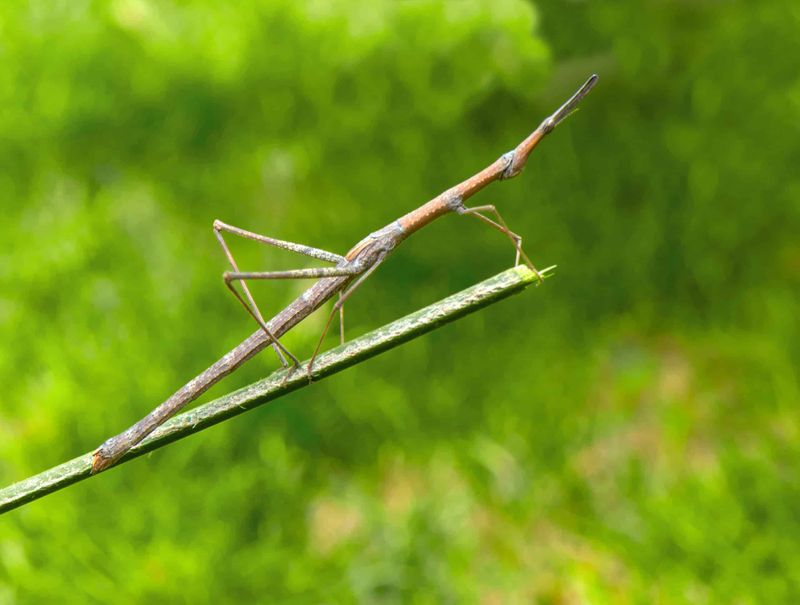
Calm down, your tree is almost certainly fine. Spotting a single walking stick insect on your oak or cherry tree does not mean you have a pest problem on your hands.
One individual insect eating a few leaves here and there is not going to seriously harm a mature, established tree. Trees lose leaves to insects all the time and bounce back without any issues at all.
Northern walkingsticks are actually quite slow eaters. They feed gradually and move leisurely from leaf to leaf over many days.
A single insect might chew through a relatively small number of leaves over its entire adult life. Compared to the total number of leaves on even a medium-sized tree, that amount of feeding is barely noticeable and causes no real lasting harm.
Healthy, well-established trees have an impressive ability to handle moderate insect feeding. They redirect energy, produce new growth, and continue functioning normally even after some leaf loss.
Unless you are dealing with a very young sapling or a tree that is already stressed by drought, disease, or root damage, a lone walkingstick is not a cause for concern.
Reaching for pesticide spray as a first response would actually be the wrong move. Pesticides applied to garden trees can harm beneficial insects, including pollinators like bees and butterflies that visit your yard.
They can also affect natural predators that help keep true pest populations in check over time.
A single walkingstick sighting is genuinely a non-event from a tree health perspective. Enjoy the sighting, maybe snap a photo, and let the insect continue doing what it has always done in Pennsylvania woodlands long before your garden ever existed.
6. Numerous Walkingsticks And Rapid Leaf Loss Could Signal An Outbreak
While one walkingstick is harmless, a crowd of them is a different story. Every several years, northern walkingstick populations can surge dramatically in certain areas of Pennsylvania.
During these outbreak years, large numbers of insects gather on the same trees, and the combined feeding can strip branches of their leaves surprisingly fast.
Gardeners who are not paying attention may suddenly notice their tree looking bare when it should be full and green.
Watch for multiple insects appearing on the same tree at the same time, especially if you also notice leaves thinning out quickly over just a few days. Defoliation during an outbreak can be dramatic and alarming to see.
Young trees and trees that are already under stress from drought, compacted soil, or disease are the most vulnerable to serious harm from heavy walkingstick feeding.
If you suspect an outbreak is happening in your yard, do not rush to spray chemicals right away. Your first step should be to confirm what you are actually dealing with.
Penn State Extension is an excellent resource for Pennsylvania gardeners and homeowners. Their experts can help you correctly identify the insect and assess whether the level of feeding is serious enough to warrant any kind of response.
In many outbreak cases, the population naturally drops back down on its own within a season or two without any intervention.
Natural predators, parasites, and environmental factors all help bring walkingstick numbers back under control over time. Patience combined with professional guidance is usually the smartest approach.
Keeping your trees healthy year-round through proper watering, mulching, and soil care gives them the best possible chance of recovering quickly, even if they do experience a heavier-than-normal feeding season from a walkingstick population boom.