What It Means When A Ruby-Throated Hummingbird Lingers In Your Pennsylvania Garden
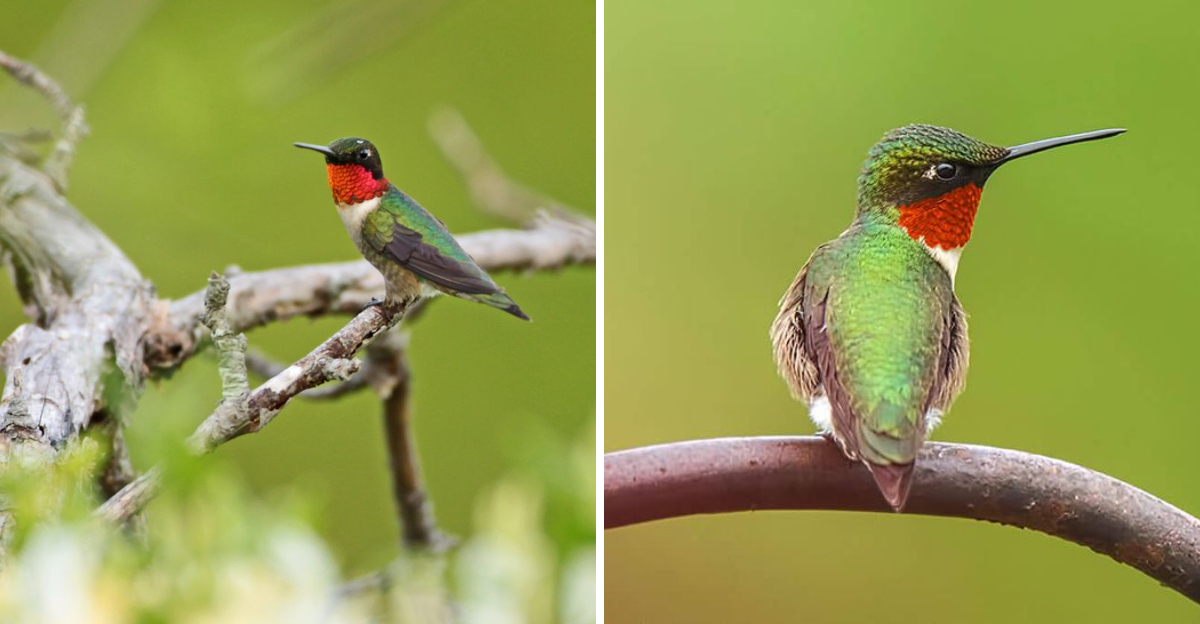
Most hummingbird visits are brief. A flash of movement, a few seconds at the feeder or flower, and then gone before you’ve fully registered what you were looking at.
So when a ruby-throated hummingbird lingers. Hovering in place, moving slowly through the garden, returning to the same spot more than once in a single visit, it feels different.
More deliberate. More worth paying attention to. And it usually is.
A ruby-throated hummingbird that lingers in your Pennsylvania garden is not doing so randomly. These birds are purposeful in everything they do, and an extended visit means something specific about what your garden is currently offering.
It also means something about the broader hummingbird calendar, because late summer visits from ruby-throated hummingbirds in Pennsylvania carry seasonal significance that many gardeners don’t fully appreciate until they understand the timing.
Beyond the practical, hummingbirds that linger carry rich symbolic meaning across many traditions, and that meaning deepens when the encounter feels unusually slow and present.
Here’s what a lingering ruby-throated hummingbird in your Pennsylvania garden is really telling you.
1. Your Garden Offers A Dependable Source Of Nectar
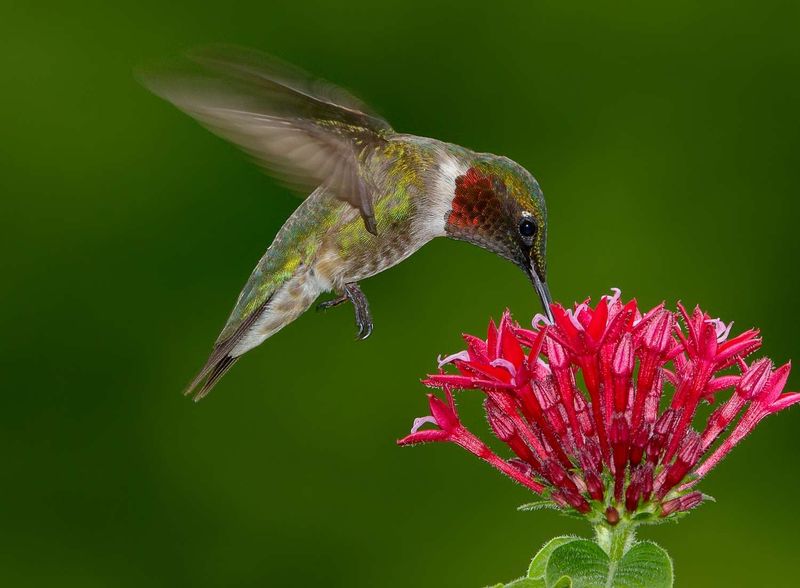
Imagine having your favorite restaurant right in your backyard. That is exactly what a nectar-rich garden feels like to a ruby-throated hummingbird.
When one of these tiny birds keeps returning to your yard, the very first thing to consider is whether your garden is serving up a reliable, delicious food supply.
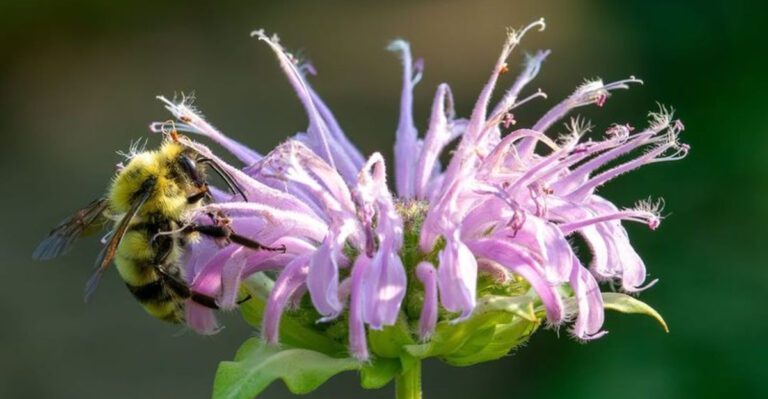
Ruby-throated hummingbirds are strongly drawn to tubular, nectar-filled flowers. Plants like cardinal flower, bee balm, trumpet creeper, jewelweed, and native honeysuckle are among their top favorites.
These blooms produce the deep, sweet nectar that gives hummingbirds the energy they need to keep moving at such an incredible pace. A single hummingbird can visit hundreds of flowers in one day.
Repeated visits to your garden usually mean the bird has figured out that your flowers or feeder deliver a consistent reward. Hummingbirds have excellent memories.
They can remember which flowers refill quickly and which feeders are kept clean and full. If yours checks those boxes, you have earned yourself a loyal visitor.
Planting a variety of blooms that flower at different times through the season is one of the smartest things you can do. Early bloomers welcome birds returning from migration in late April or May.
Mid-summer flowers fuel nesting adults. Late-summer plants support birds as they prepare to head south.
Mixing native plants with a clean sugar-water feeder gives hummingbirds every reason to make your garden a regular stop.
Red, orange, and pink tubular flowers tend to attract the most attention, though hummingbirds will visit other colors too. Your garden’s dependability is probably its greatest strength.
2. The Bird May Have Claimed The Area As A Feeding Territory
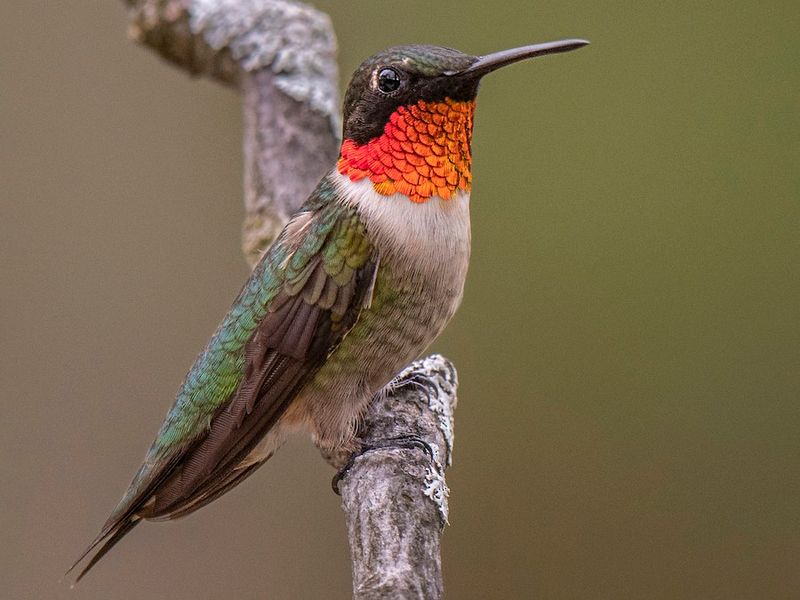
Not every hummingbird visit is casual. Sometimes, a ruby-throated hummingbird is not just passing through.
It has decided that your garden belongs to it, and it plans to defend that claim with surprising boldness.
Ruby-throated hummingbirds are well known for their feisty, territorial behavior. Males in particular will perch in a high, open spot near a feeder or flower patch and watch for any competitor that dares to approach.
Your Pennsylvania Garden Changes Every Week. Your Plan Should Too.
Gardening in Pennsylvania changes quickly throughout the season. Every Friday you’ll receive a simple weekly plan showing exactly what to plant, prune, fertilize, harvest, and protect so you never miss the right timing.
When another hummingbird shows up, the territory holder launches into a fast, aggressive chase. These aerial battles can be surprisingly intense for such a small bird.
If you notice a hummingbird repeatedly returning to the same perch, chasing others away, and circling your garden like it owns the place, that bird has almost certainly claimed your yard as its personal feeding territory. This is actually a compliment.
It means your garden is valuable enough to be worth fighting for. Having a territorial hummingbird can be both exciting and a little frustrating. On one hand, you get to watch all that dramatic behavior up close.
On the other hand, one bossy bird might keep others from visiting. A smart trick is to place multiple feeders out of sight from each other.
A territorial bird can only guard one spot at a time, so spreading feeders around your yard gives other hummingbirds a chance to feed without being chased off.
Adding dense shrubs and tall plants between feeding stations also helps. Your garden can support more than one hummingbird if you set it up thoughtfully.
3. It May Be Hunting Insects, Not Just Drinking Nectar
Most people think of hummingbirds as flower visitors, but there is a whole other side to their diet that often goes unnoticed. Protein is just as important to a hummingbird as sugar, and your garden might be serving up both without you even realizing it.
Ruby-throated hummingbirds are skilled hunters. They catch tiny flying insects like gnats, mosquitoes, and fruit flies right out of the air.
They also pick aphids and small caterpillars off plant leaves. Sometimes they even raid spiderwebs, grabbing both the trapped insects and the spider itself.
These protein-rich meals are especially important during nesting season, when females need extra nutrients, and when feeding young birds that require more than just sugar water to grow.
A pesticide-free garden is a huge advantage here. When you skip the chemical sprays, you allow a healthy population of small insects to thrive.
That means your garden is not just a nectar bar. It is also a full-service hunting ground. A hummingbird that lingers near your plants, hovers close to leaves, or darts after tiny specks in the air is probably on an insect hunt.
Encouraging this behavior is easier than you might think. Stop using insecticides and let your garden develop a natural balance.
Allow a few weeds or wildflowers to grow in a corner, since these attract the small insects hummingbirds love. Even leaving a small patch of bare soil can help.
Watching a hummingbird hunt is a reminder that these birds are much more complex than their delicate appearance suggests. They are quick, clever, and always looking for their next meal.
4. A Nest Or Young Hummingbirds Could Be Nearby
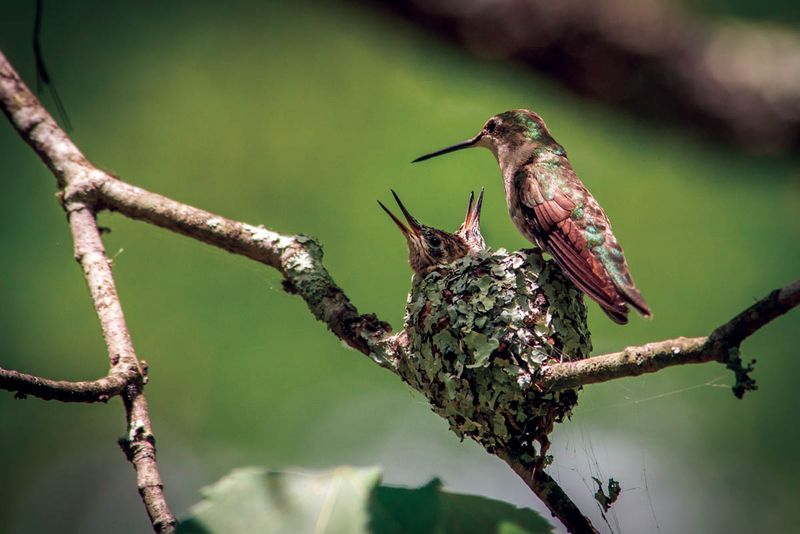
Ruby-throated hummingbirds breed throughout Pennsylvania, and spotting a female that keeps returning to your garden in the same pattern could mean something very special is happening just out of sight.
A nest, no bigger than a large thimble, might be tucked onto a branch not far from where you are standing.
Female ruby-throated hummingbirds build their nests alone, without any help from the male. They weave tiny cups from plant fibers and bind everything together with spider silk, which allows the nest to stretch as the young birds grow.
The outside is often decorated with lichen, making it nearly invisible against tree bark. Egg laying typically happens from May through July in Pennsylvania, and a female usually raises two tiny young per nesting attempt.
Watch carefully for behavioral clues. A female that consistently flies off in the same direction, carries small insects in her bill, or seems unusually focused on a particular tree or shrub may be tending a nest nearby.
She needs a reliable food source close to home, which is exactly why a productive garden can become her base of operations during the breeding season.
Keep in mind that lingering alone does not guarantee a nest is present. Some birds simply prefer certain gardens for food.
But if you suspect nesting activity, avoid trimming trees or shrubs in that area during May through August.
Give the bird space and resist the urge to search for the nest, since too much human activity nearby can cause a female to abandon her young. Watching quietly from a distance is the best way to enjoy this incredible natural event.
5. A Late-Summer Visitor May Be Preparing For Migration
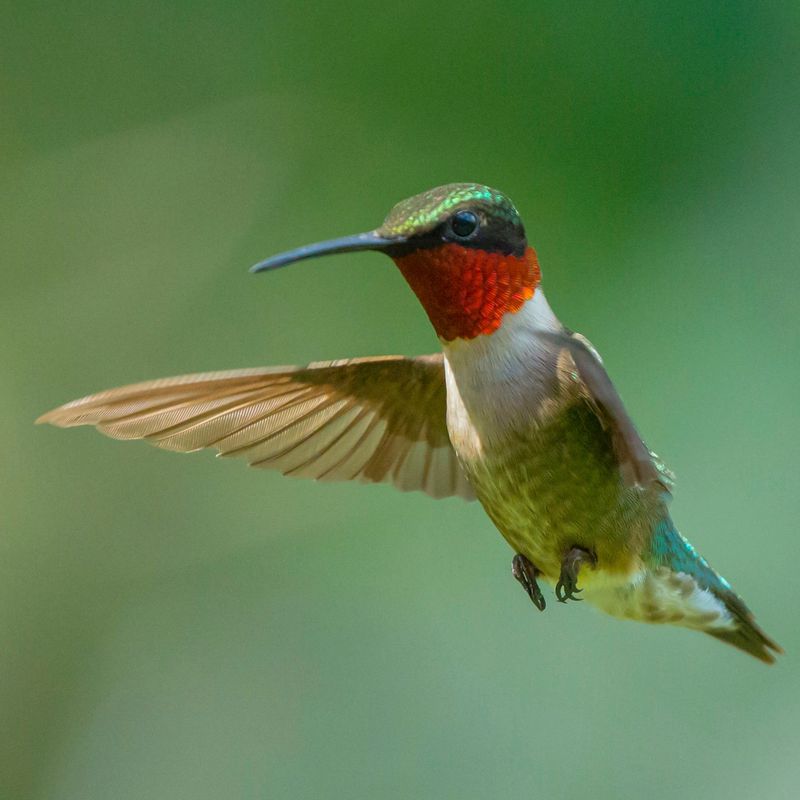
Late summer brings a bittersweet kind of magic to Pennsylvania gardens. If you notice a hummingbird spending extra time at your feeders or flowers in August or early September, that bird might be on a mission.
It is fueling up for one of the most remarkable journeys in the animal world. Ruby-throated hummingbirds migrate south to Central America each fall. Males tend to leave Pennsylvania first, often starting as early as late July or early August.
Females and juveniles follow later, with most departing by mid to late September. Before making that journey, these birds enter a phase called hyperphagia, where they eat almost constantly to build up fat reserves.
A hummingbird can nearly double its body weight during this period. A migrating hummingbird may spend several days, or occasionally even longer, in a productive garden while fattening up for the trip ahead.
Some gardeners notice unfamiliar birds that seem less cautious than their regular summer visitors.
These are likely migrants passing through on their way south, stopping wherever they find good food.
Keeping your feeders clean and filled through September is one of the kindest things you can do for these travelers. A common myth says that leaving feeders up in fall will convince hummingbirds to skip migration and stay.
That is not true. Migration is driven by changes in daylight, not food availability. So keep feeding without worry. Fresh nectar made from one part white sugar to four parts water is all you need.
Your garden could be the last great meal a hummingbird enjoys before crossing the Gulf of Mexico.
6. Sitting Quietly Nearby Is Normal Energy-Saving Behavior
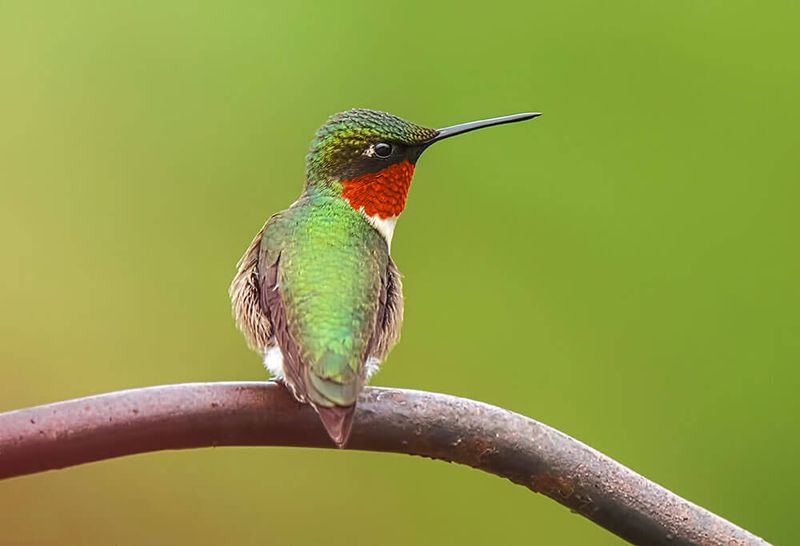
Here is something that surprises a lot of first-time hummingbird watchers. These birds do not spend every second in the air.
Despite their reputation as nonstop fliers, ruby-throated hummingbirds actually perch and rest quite often throughout the day, and seeing one sit still is a perfectly healthy and normal thing.
Hovering and flying burns an enormous amount of energy. A hummingbird’s heart beats over a thousand times per minute during active flight.
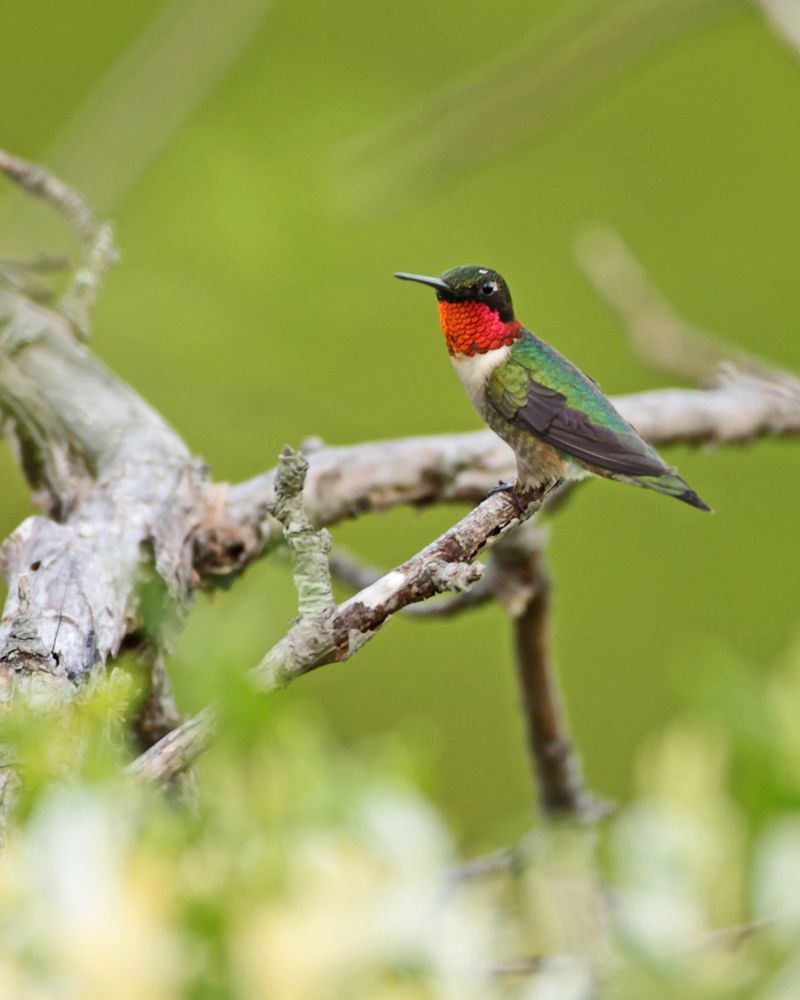
To recover, these birds regularly land on small, exposed twigs or thin branches where they can sit quietly, digest their last meal, and keep a watchful eye on their surroundings. A resting hummingbird is not sick or injured.
It is simply being smart about managing its energy. Perching also serves a strategic purpose. From a high, open branch, a hummingbird can survey all the flowers and feeders in its territory at once.
It watches for competitors, scouts for new food sources, and monitors any movement in the garden. That still little bird is actually working hard, just in a quieter way.
You can make your garden even more attractive by providing good perching spots. Leave a few bare, slender branches on shrubs or small trees rather than trimming everything back neatly.
Dry twigs near feeders are especially popular with hummingbirds. Adding a small water feature like a gentle misting fountain also draws them in, since hummingbirds love to fly through light sprays of water to clean their feathers.
A garden that offers food, perches, and water gives a ruby-throated hummingbird every reason to stay as long as possible.