The Meaning Behind An Owl’s Visit To Your Wisconsin Yard
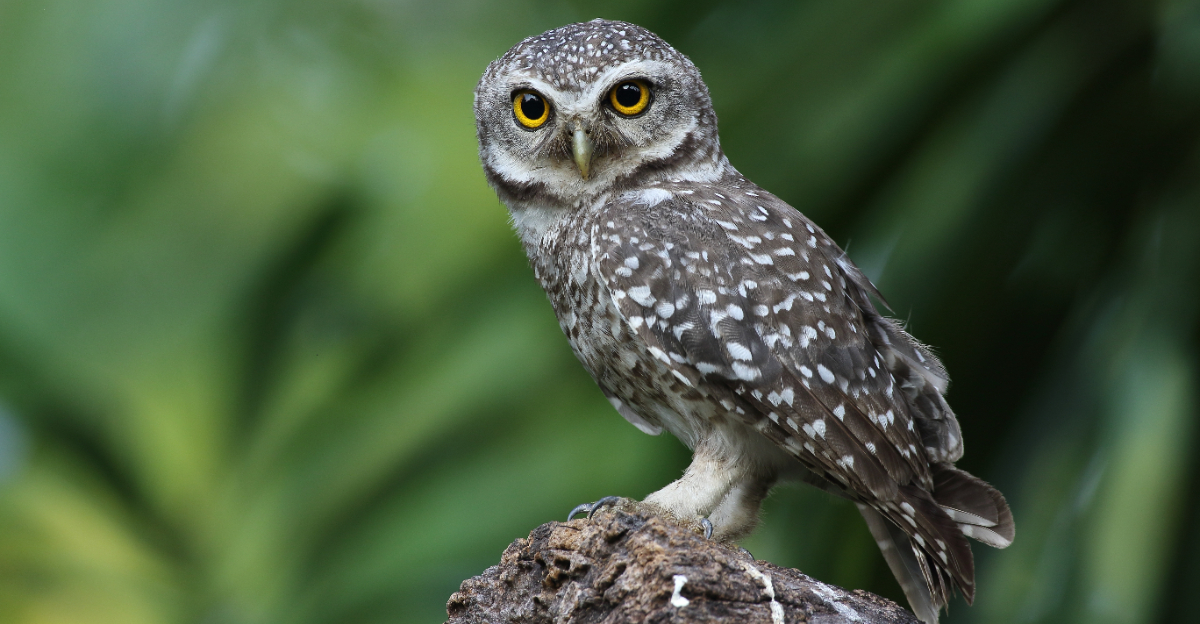
The porch light clicks off, and the yard goes quiet. Then you see it, a broad-shouldered shape on the fence post, head turning almost all the way around to lock eyes with you.
Owls rarely make idle appearances. Their presence usually points to something concrete happening beneath the surface of your property, from a healthy rodent population to a nearby roost site.
That single silent visit carries more information than most backyard encounters. It can hint at the food web thriving in your grass, the tree cover shading your yard, or even the quiet hours you keep at night.
Curiosity is the natural response, and it’s worth following. That owl on your fence post is trying to tell you something.
An Owl’s Visit Signals Good Hunting Grounds Nearby
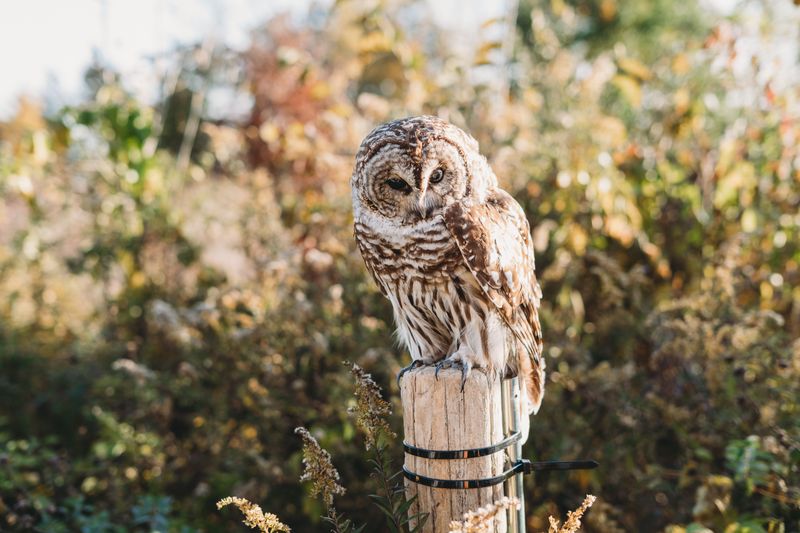
Silence falls, then two amber eyes appear in your yard. Nine times out of ten, that means your property has become an owl’s favorite hunting ground.
Owls are apex predators of the night. They don’t wander randomly. Every landing spot is a calculated move.
Your yard likely offers open ground for spotting prey. Mice, voles, and rabbits thrive in overgrown edges, brush piles, and garden beds.
Some owl species can pinpoint a mouse tunneling more than a foot under the snow. A yard with active rodent populations is basically a five-star restaurant for a hungry owl.
Meadow-like lawns attract more prey than short-clipped grass. If you’ve got a wilder yard, you’ve built a hunting paradise without even knowing it.
Perch height matters too. Owls prefer elevated spots like fence posts, tall trees, or utility lines. These vantage points let them scan wide areas quickly.
A nearby water source adds another draw. Ponds, streams, or even a low-lying drainage ditch pull in frogs and small mammals that round out an owl’s diet.
If an owl keeps returning to the same spot, it’s found consistent success there. That means your yard’s food supply is reliable enough to keep bringing it back.
Think of the owl as a free pest control service. It’s a sign your yard supports a healthy food chain, not a reason to worry.
Identifying Which Owl Species Has Come To Your Yard
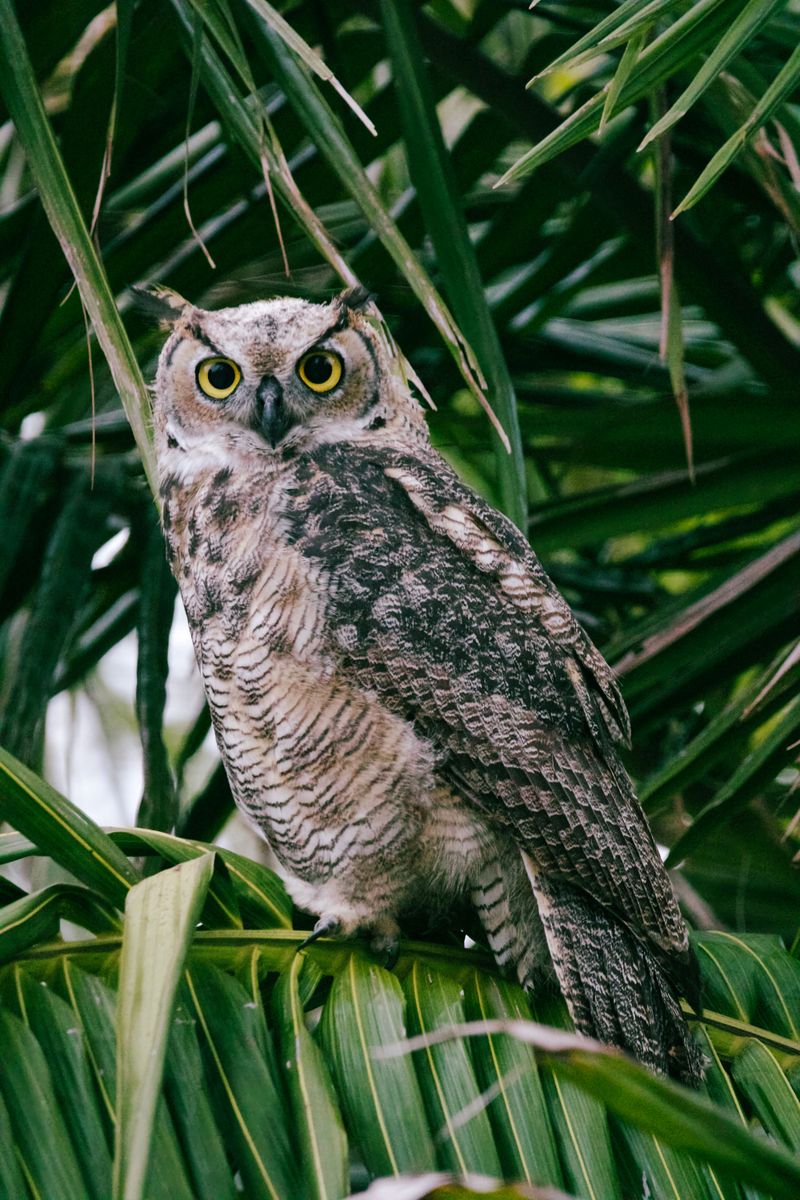
Not every owl is the same, and knowing which one visited you adds a whole new layer of meaning. Wisconsin hosts several owl species, each with distinct looks and habits.
The Great Horned Owl is the most common large owl you’ll spot. It has ear tufts, a deep hoot, and can take down prey as large as a skunk.
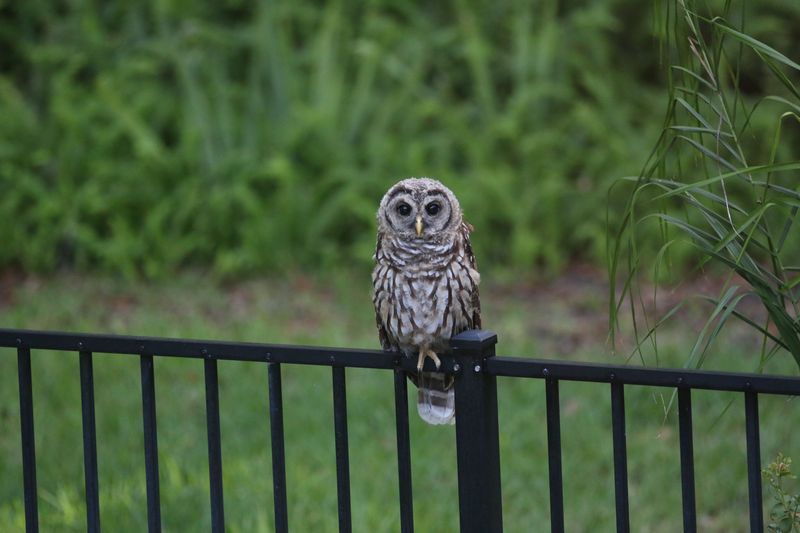
Barred Owls are slightly smaller and prefer wooded areas near water. Their call sounds like “who cooks for you,” which is surprisingly easy to remember once you’ve heard it.
The Eastern Screech-Owl is tiny but mighty. It nests in tree cavities and blends into bark so well that you might walk right past one without noticing.
Short-eared Owls show up in open fields and are unusually active at dawn and dusk. Spotting one hunting in daylight is a surprising and memorable experience.
Your Wisconsin Garden Changes Every Week. Your Plan Should Too.
Gardening in Wisconsin changes quickly throughout the season. Every Friday you’ll receive a simple weekly plan showing exactly what to plant, prune, fertilize, harvest, and protect so you never miss the right timing.
Snowy Owls occasionally drift south into Wisconsin during harsh northern winters. Seeing one in your yard is genuinely rare and worth documenting with a photo.
Long-eared Owls tend to roost in dense conifers and stay hidden most of the time. Their presence is often discovered through pellets dropped beneath a favorite tree.
Grab a field guide or use a free bird ID app to confirm your visitor. Knowing the species helps you understand what habitat your yard offers and how to make it even more welcoming.
Owls Are Drawn To Yards With Reliable Prey
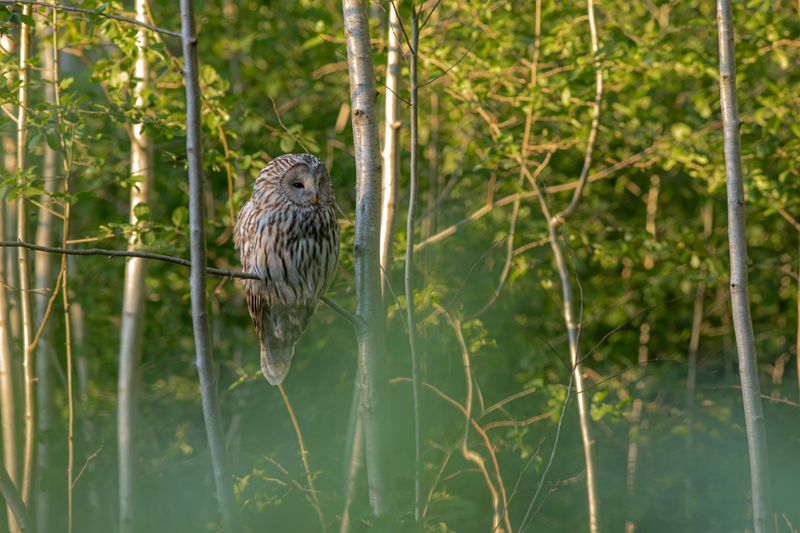
Prey availability is the number one reason an owl chooses your yard over your neighbor’s. If the food shows up consistently, the owl will too.
Mice and voles are the top menu items for most Wisconsin owls. These small mammals breed quickly and tend to concentrate near compost bins, wood piles, and garden edges.
Bird feeders are actually indirect owl attractors. Spilled seed draws mice and sparrows, which in turn draw the predators that feed on them.
Voles tunneling just beneath your lawn’s surface leave soft soil ridges that signal prey activity below. An owl can hear those movements and pinpoint the location with stunning accuracy.
Rabbits are another favorite target, especially for the larger owl species. If cottontails visit your yard regularly, a Great Horned Owl may follow close behind.
Frogs and crayfish near water features also attract certain species. Barred Owls in particular are fond of hunting near ponds and slow-moving streams.
Yards with layered vegetation, from tall trees to shrubs to ground cover, support more diverse prey. More prey diversity means a wider variety of owl species may stop by over time.
You don’t have to do anything dramatic to keep owls coming back. Simply maintaining a naturalistic yard with native plants and minimal pesticide use creates the prey-rich environment that owls seek out on their own.
Owl Visits Follow Predictable Seasonal Patterns
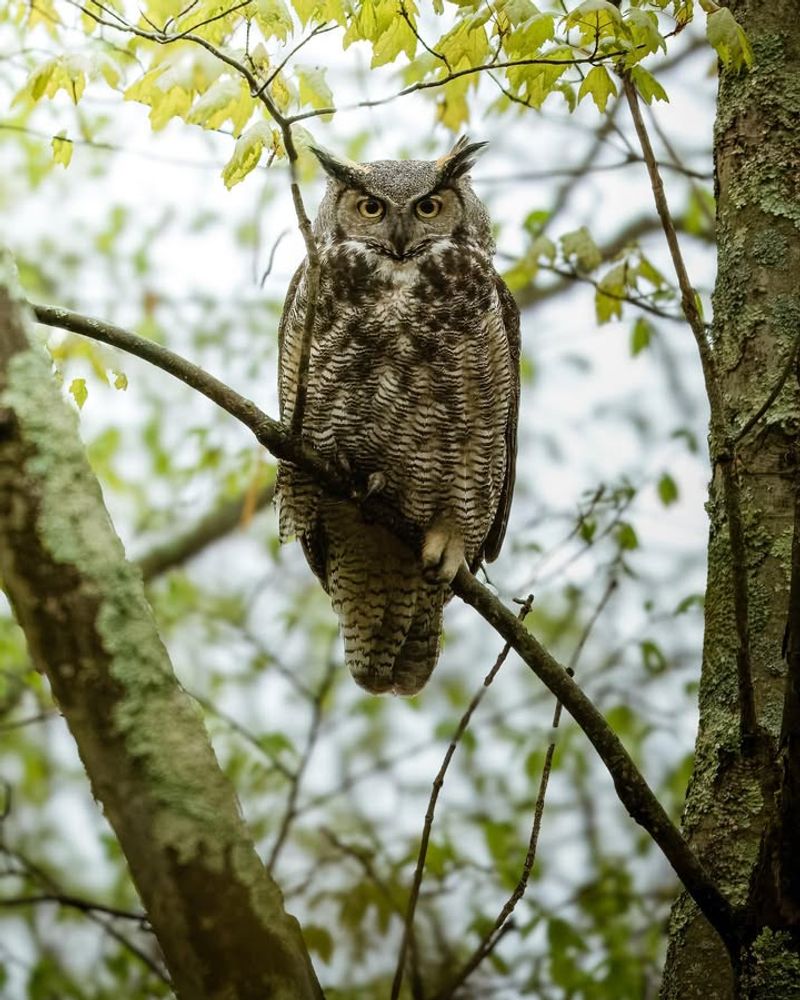
Owl sightings aren’t random throughout the year. Each season brings a different reason for that fence post visitor to show up.
Late winter is peak courtship season for Great Horned Owls. Their deep hooting calls carry farther across bare, leafless branches, making January and February the loudest months in your yard.
Barred Owls stay active year-round, but late winter also marks their breeding season. Pairs often call back and forth at dusk, and a Wisconsin yard near mature woods is a prime spot to catch that exchange.
Spring brings a shift toward nesting activity. Adult owls hunt more aggressively during this stretch, since a growing brood demands a steady supply of food.
Early summer is when fledglings start testing their wings. Young owls perched low on fence posts or garden structures are often clumsy fliers still learning to hunt on their own.
Fall triggers dispersal, as juvenile owls leave their parents’ territory to find new ground. This period often explains a sudden owl sighting in a yard that’s never had one before.
Dropping temperatures in late fall also push prey closer to shelter. Mice and voles move toward sheds, wood piles, and warm foundations, and owls simply follow that shift in food supply.
Winter irruptions add another layer to the pattern. When prey populations crash further north, species like the Snowy Owl push south into Wisconsin, turning an ordinary backyard into unexpected territory for a rare visitor.
Signs An Owl Has Made Your Property A Regular Stop
You might be hosting a repeat visitor without even knowing it. Owls leave behind clues that are easy to spot once you know what to look for.
Owl pellets are the clearest sign of a regular visit. These small, oval-shaped bundles of fur and bones get regurgitated after each meal and drop directly below a perch.
Look under large trees, fence posts, and utility poles for pellets. Finding several in the same spot confirms the owl returns to that location consistently.
Whitewash is another giveaway. These chalky white droppings streak down bark or fence rails and accumulate quickly under a favorite roosting branch.
Feathers left behind can help identify the species. Owl feathers have a distinctly soft, fringed edge that muffles sound during flight, and touching one makes that instantly clear.
Prey remains like small bones, feet, or fur tufts occasionally appear beneath perch spots. These leftovers tell you exactly what your resident owl has been eating.
Noise from smaller birds can also tip you off. Crows and jays aggressively mob roosting owls during daylight, creating a loud ruckus that draws your eye to the hiding spot.
Setting up a simple wildlife camera near a suspected perch is a fantastic way to confirm activity. Once you see that footage, you’ll realize your yard has been a regular stop on the owl’s nightly patrol route all along.
Supporting Owls Without Disturbing Their Natural Behavior
Once you realize an owl has chosen your yard, the instinct to get closer is strong. Resist it. The best thing you can do is give them space.
Owls are sensitive to human presence, especially near nest sites. Approaching too closely can cause them to abandon a nest, leaving eggs or chicks behind.
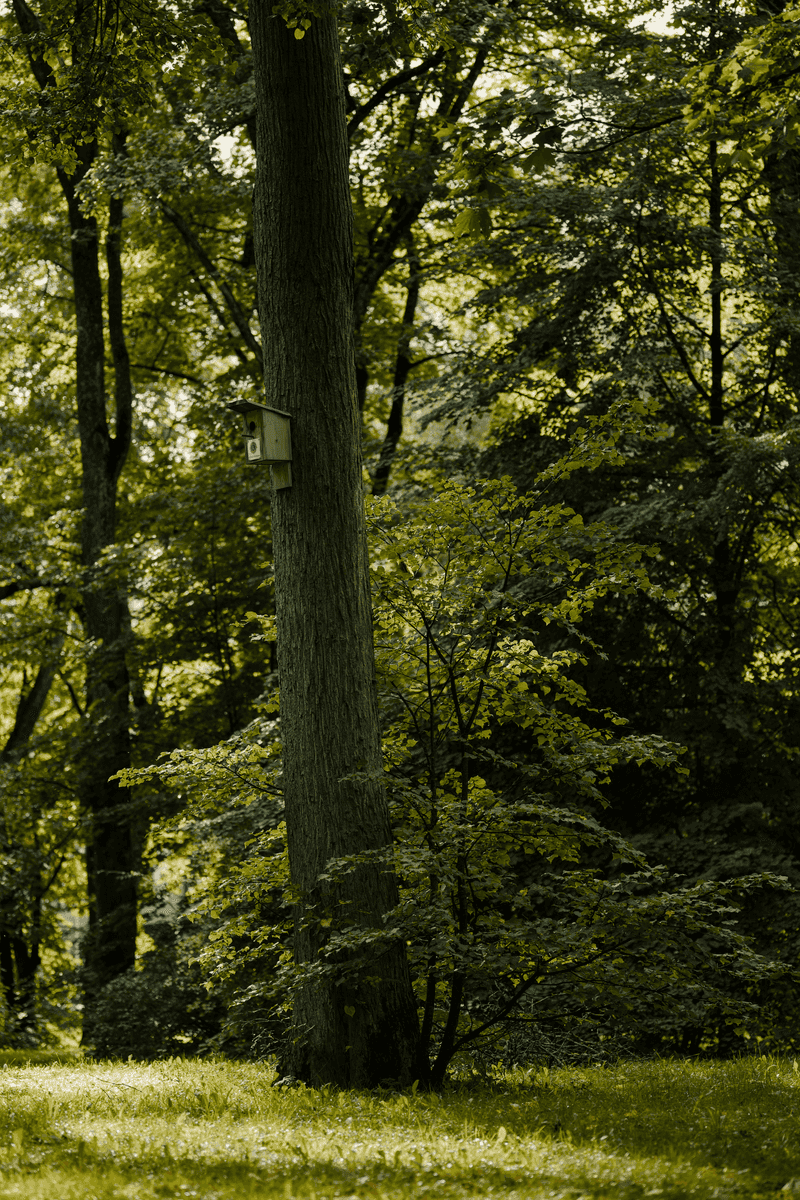
Install a nest box designed for owls and mount it at least twelve feet high. Eastern Screech-Owls and Barred Owls readily accept artificial cavities when natural ones are scarce.
Avoid using rodenticides anywhere on your property. Poisoned mice pass toxins up the food chain, and owls that eat them can suffer serious neurological damage.
Keep outdoor lighting low and warm-toned. Bright white lights disrupt nocturnal hunting patterns and disorient birds that rely on darkness to function effectively.
Leave decaying trees standing whenever it’s safe to do so. These snags provide natural nesting cavities and perch spots that no manufactured product can fully replace.
Native plantings support the insects and small mammals that owls depend on. A yard with goldenrod, wild bergamot, and prairie grasses hums with life that feeds the whole chain.
Ultimately, an owl’s visit reflects the habitat you’ve built, nothing more mystical than that. Support that habitat thoughtfully, and the owls will keep coming back on their own terms.