The Meaning Behind Finding A Toad Hiding In Your Pennsylvania Garden Beds
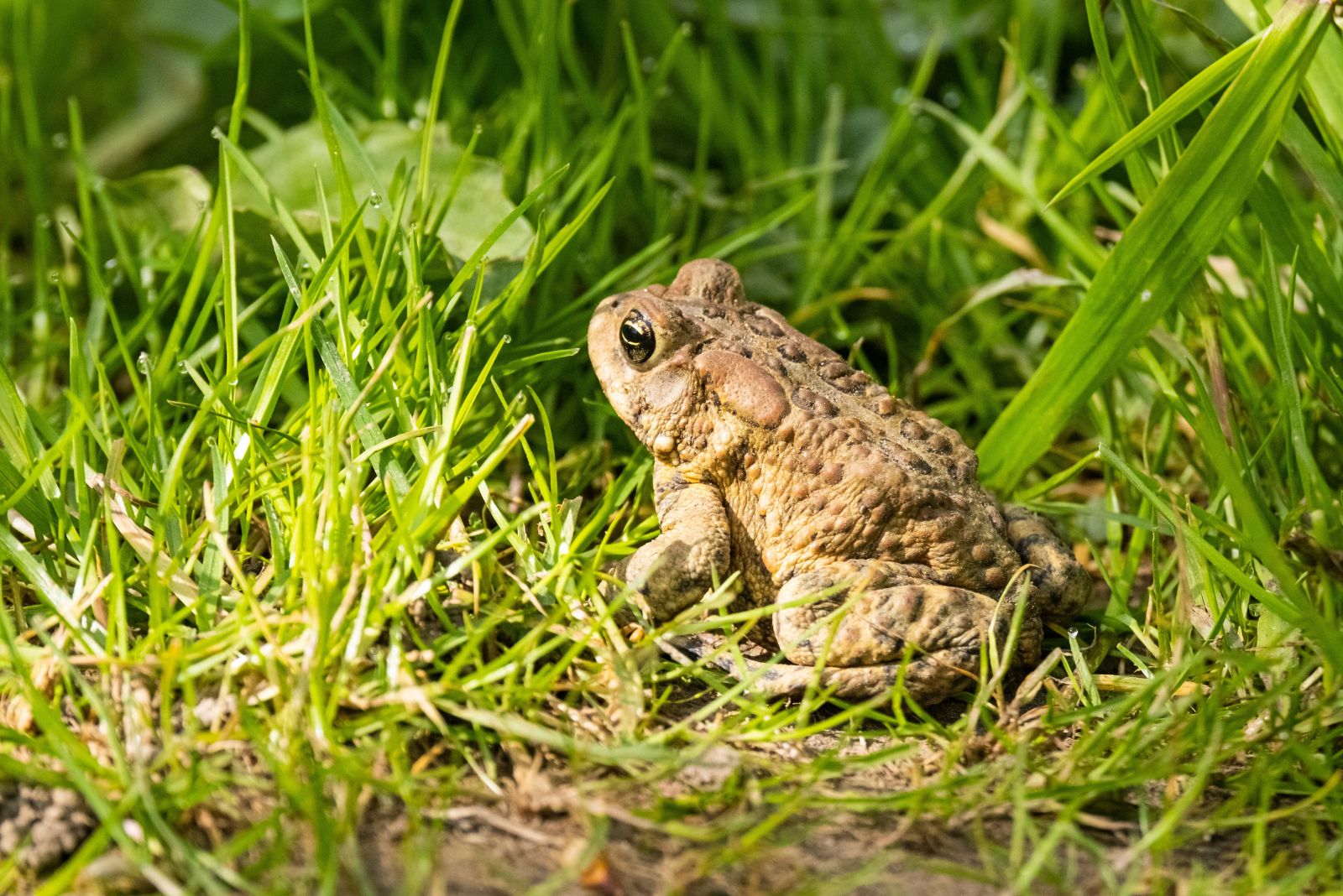
There’s something quietly charming about lifting a pot or moving a garden stone and finding a toad sitting there, completely unbothered, staring back at you with those ancient looking golden eyes.
Most Pennsylvania gardeners who have had this experience react with either delight or mild surprise.
And more than a few have found themselves wondering what it actually means to have a toad taking up residence in their garden beds. It means more than most people realize.
On the practical side, a toad in your garden bed is one of the best signs your outdoor space can offer. These animals are highly selective about where they settle, and a garden that attracts and keeps a toad is a garden that is doing something right.
What they consume, how they live, and what their presence reveals about your soil and pest situation is genuinely useful information for any gardener.
Beyond the practical, toads carry rich symbolic meaning across many cultures and traditions that has been passed down for generations. Here’s what finding a toad in your Pennsylvania garden beds really means.
1. Your Garden Bed Offers A Safe Daytime Shelter
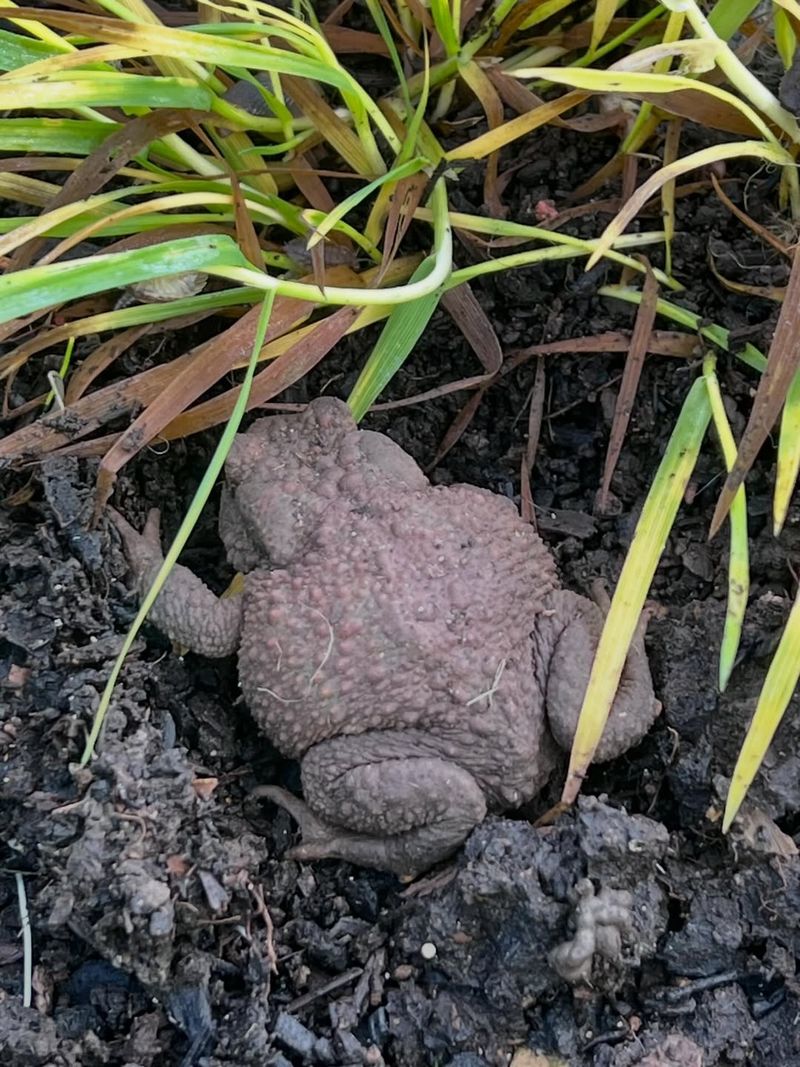
Most people picture toads hopping around at night, and that image is pretty accurate. Eastern American toads are nocturnal animals, meaning they do most of their hunting and moving around after the sun goes down.
When daylight comes, they need somewhere safe, cool, and hidden to rest until evening returns.
Your garden bed happens to check every one of those boxes. Layers of mulch, loose leaves, low-growing plants, and shaded patches of soil create the kind of cozy, sheltered environment a toad actively looks for.
These spots block direct sunlight, hold in moisture, and put a physical barrier between the toad and any hawks, snakes, or raccoons that might be looking for a snack.
Toads do not have the same kind of protective scales that reptiles have. Their skin is soft and permeable, which means they lose moisture quickly when exposed to dry air or direct sun.
Hiding during the day is not laziness. It is a survival strategy that has worked for millions of years.
When you find a toad tucked beneath a hosta leaf or burrowed against a garden stone, it has essentially chosen your bed as its daytime retreat. That is a sign you have created a microhabitat with real value.
Dense plantings, thick mulch layers, and shaded corners all contribute to making your garden a functional shelter for small wildlife. Keeping those features in place does not require extra effort on your part.
Just let the bed stay a little wild and layered, and the toad will keep finding it useful as a reliable place to rest safely.
2. There Is Plenty Of Food Nearby
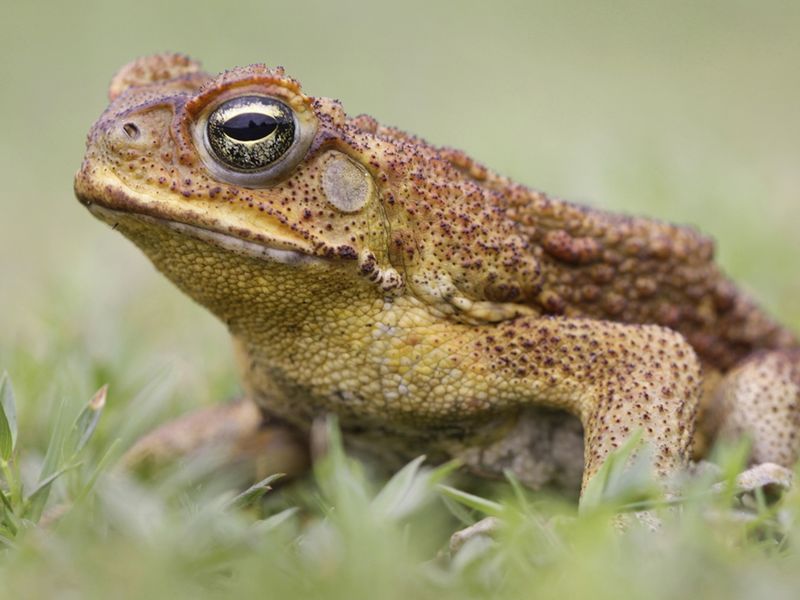
A toad does not wander into a garden by accident. These animals are deliberate about where they settle, and food availability is one of the biggest reasons they pick a particular spot.
If a toad has chosen your garden bed, the area is almost certainly full of the prey it needs to survive.
Your Pennsylvania Garden Changes Every Week. Your Plan Should Too.
Gardening in Pennsylvania changes quickly throughout the season. Every Friday you’ll receive a simple weekly plan showing exactly what to plant, prune, fertilize, harvest, and protect so you never miss the right timing.
Eastern American toads have a wide and impressive menu. Mosquitoes, beetles, caterpillars, earwigs, ants, and earthworms are all fair game.
Slugs and snails are also on the list, which is great news for anyone who has ever watched those slimy pests chew through a row of lettuce overnight. A single toad can eat thousands of insects over the course of a warm season.
Toads hunt using a fast, sticky tongue that snaps out and pulls prey back in before most insects even realize what happened.
They are incredibly efficient hunters, and they are most active during the hours after sunset when many garden pests are also out and feeding. This timing overlap makes them natural allies for gardeners.
Rich soil full of organic matter tends to attract more worms and insects, which in turn attracts toads. Compost-amended beds, garden areas near water features, and spots with consistent moisture are especially likely to draw them in.
If your garden bed has all of that, you have essentially set up a well-stocked buffet. The toad is not visiting out of curiosity.
It is visiting because your garden reliably delivers the calories it needs. That kind of consistent food supply is exactly what encourages a toad to return night after night throughout the growing season.
3. You Have A Natural Pest-Control Partner
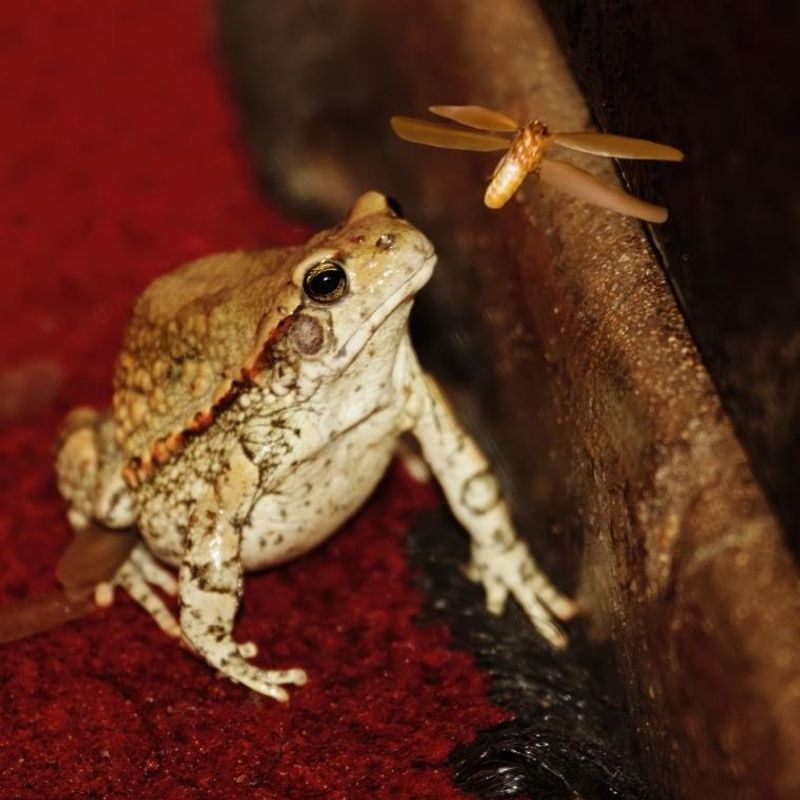
Forget the expensive sprays and traps. When a toad moves into your garden bed, you have gained one of the most effective and completely free pest-management tools available to any home gardener.
Toads do not damage plants. They never chew leaves, tunnel through roots, or spread disease from one plant to another.
Every single thing they do in your garden is beneficial from a pest-control standpoint. What makes them so valuable is their appetite and their consistency. A healthy adult toad can consume between 50 and 100 insects in a single night.
Over an entire summer, that adds up to thousands of slugs, grubs, caterpillars, and beetles that never get the chance to cause damage to your flowers or vegetables. No chemical product works around the clock with zero side effects the way a hungry toad does.
The toad fits into the natural food web of your garden in a way that supports balance rather than disrupting it. By keeping populations of plant-eating invertebrates in check, it helps reduce the kind of pest explosions that can wipe out a garden bed in just a few days.
This is sometimes called biological pest control, and it is one of the principles behind sustainable and organic gardening practices.
Welcoming a toad means resisting the urge to use broad pesticides in the area where it lives and hunts. Many common pesticides can harm toads directly or by wiping out the insect populations they depend on for food.
If you want to keep your toad working for you, go easy on chemical treatments and let it do what it does naturally. Your plants will likely thank you for it by the end of the season.
4. The Bed Provides Moisture And Protection From Heat
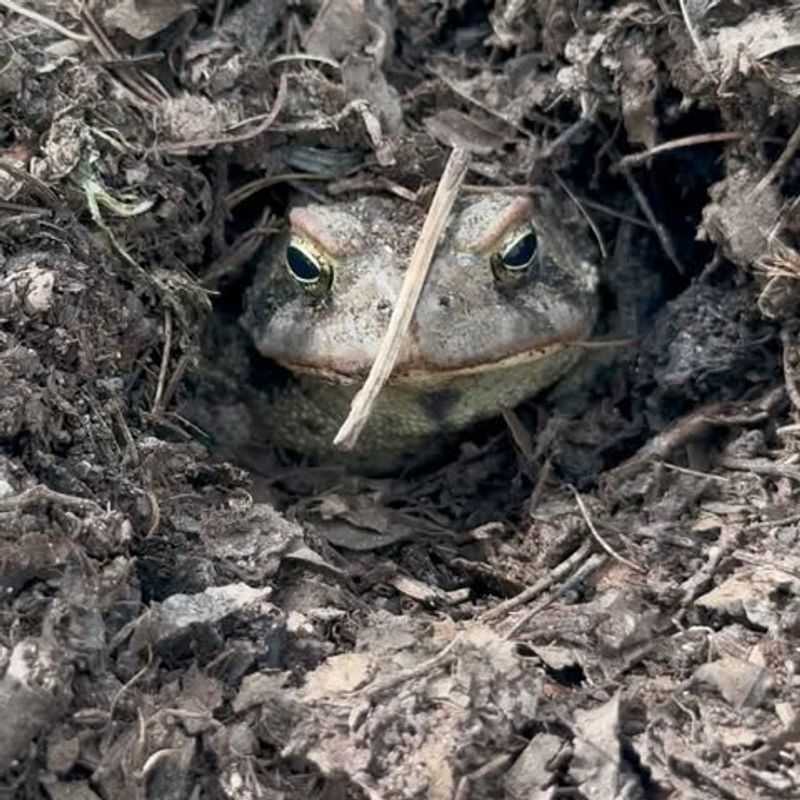
Pennsylvania summers can get brutal. Temperatures climb into the upper 80s and 90s, and stretches of dry weather can bake exposed soil into something that feels more like pavement than garden earth.
For a toad, those conditions are genuinely dangerous. Heat and dehydration are serious threats to an animal that relies on moist skin to breathe and stay healthy.
Garden beds that are well-mulched, densely planted, or shaded by taller vegetation create a noticeably different environment than the surrounding yard. The soil underneath stays cooler.
Moisture from watering or rainfall lingers longer beneath a thick layer of mulch than it does on bare ground. Leaf litter and ground covers create a buffer zone that keeps the microclimate several degrees cooler than the open air above it.
Toads seek these spots out with purpose. They are not stumbling into your garden bed randomly.
They are reading the environment and gravitating toward the areas where conditions are most favorable for their survival. A shaded bed with consistently moist soil is like an air-conditioned room compared to a dry, sun-baked lawn.
You can make your beds even more welcoming by maintaining a generous layer of organic mulch, around two to three inches deep, and watering in the morning so moisture stays in the soil longer.
Adding flat stones or pieces of clay pot as makeshift shelters gives toads additional hiding spots with stable, cool surfaces.
These small changes cost very little and go a long way toward supporting not just toads but other beneficial wildlife too. A moisture-rich bed is a thriving bed, and toads are one of the clearest signs you have achieved that balance.
5. Loose Soil May Offer A Place To Burrow Or Overwinter
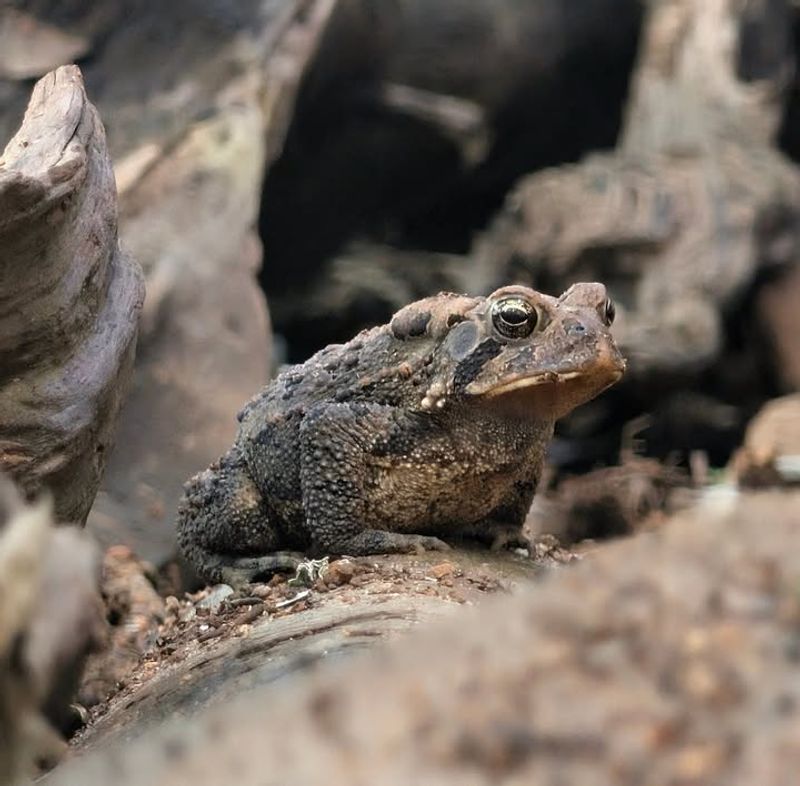
Here is something most people do not realize about toads: they spend a significant part of their lives underground.
Eastern American toads use their hind legs to dig backward into loose soil, disappearing beneath the surface to escape extreme temperatures or to settle in for the long winter ahead.
Your garden bed might be offering more than just food and shade. It could be a potential hibernation site.
As fall arrives in Pennsylvania and nighttime temperatures start dropping consistently, toads begin preparing for the cold months ahead. They look for spots where the soil is soft enough to dig into and deep enough to stay below the frost line.
Well-amended garden beds with loose, loamy soil are ideal for this purpose. A toad that has been visiting your garden all summer may eventually decide to stay put permanently once the season shifts.
Overwintering underground is how toads survive Pennsylvania winters without migrating. Their metabolism slows dramatically, and they enter a state of torpor that carries them through until spring temperatures warm the soil again.
Finding a toad in your bed in October or November is a strong signal that it is scouting or already committed to using that location as a winter refuge.
Avoid deep tilling in garden areas where you have spotted toads in the fall. Heavy mechanical disturbance of the soil during late autumn can disrupt or harm any wildlife that has already burrowed in for the season.
Leaving a section of the bed undisturbed through winter is a simple and thoughtful way to support these animals. Come spring, you may find your resident toad right back where you last saw it, ready for another season of pest patrol.
6. Your Yard Provides Usable Wildlife Habitat, But It Is Not A Mystical Sign
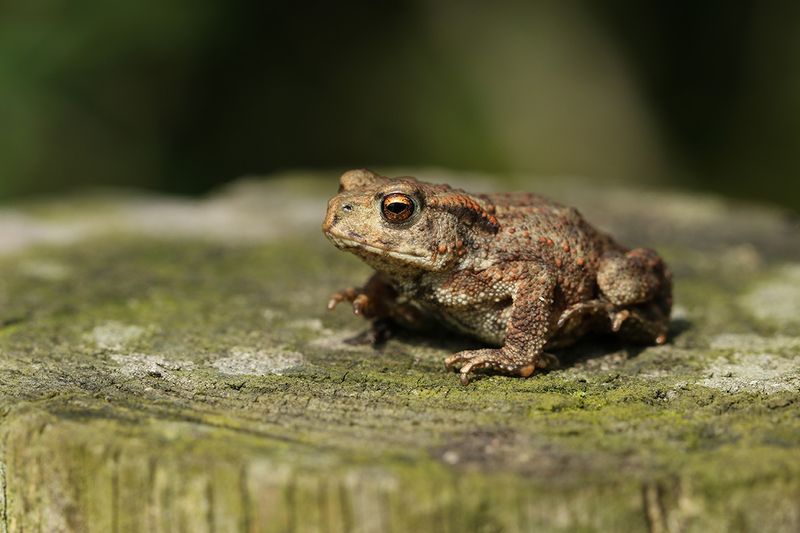
Finding a toad in your garden bed can feel meaningful, and in a practical sense, it absolutely is. But it helps to understand what the toad’s presence actually tells you versus what people sometimes assume it means.
Folklore in various cultures has linked toads to rain predictions, good luck, or even warnings of misfortune. None of those interpretations are supported by science, and the toad itself has no idea about any of them.
What the toad’s presence does tell you is something genuinely valuable. Your yard, or at least the section around that garden bed, is providing a workable combination of food, shelter, and moisture.
That is not a small thing. As natural habitats shrink across Pennsylvania due to development, suburban yards that support wildlife become more important than ever. A toad choosing your garden is a sign that your space has ecological value.
That said, one toad in one bed does not mean your entire yard is a thriving wildlife sanctuary.
It might be surviving in a single favorable microhabitat while the rest of the yard is too dry, too exposed, or too chemically treated to support it. Think of the toad as a useful data point rather than a verdict on your whole property.
If you want to build on what you already have, consider adding a shallow dish of clean water, planting more native ground covers, and reducing pesticide use across the yard. These steps expand the habitat value beyond one lucky bed.
The toad found something good in your garden. With a few intentional choices, you can make the rest of your yard just as welcoming to small, beneficial wildlife throughout the season.