These Are the Best Ways To Repair Brown Patches In Your Kansas Lawn After Summer Heat
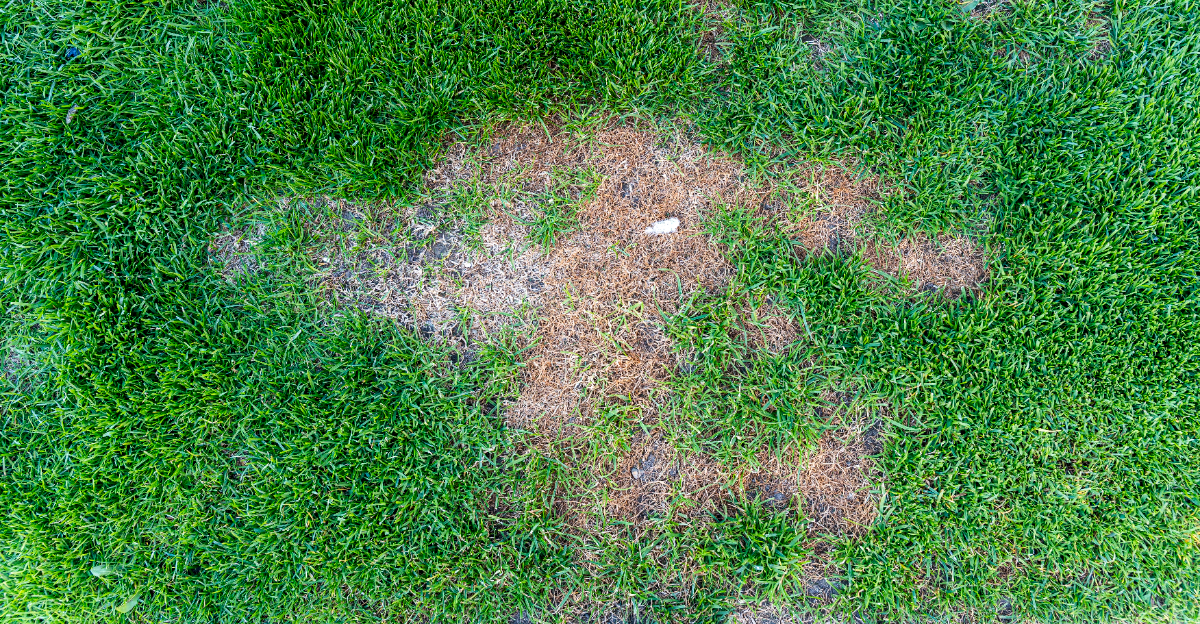
Heat doesn’t ask permission before it changes your lawn. Kansas summers push your grass past its limits fast. Brown patches spread across your yard quickly. You notice it first near your driveway, then everywhere.
Your grass fades quietly, without warning, without mercy. Nobody really warns you how fast change multiplies in dry heat. Every stressed blade in your yard works to hold on.
Local soil bakes hard under Kansas heat, testing you. Time still favors you. Recovery starts once you understand why the change happened. Timing matters more than you realize.
Watering wrong makes your lawn worse, not better. Certain grass varieties recover faster in your yard than others. Soil health decides whether your new seed grows or fades.
Small mistakes now cost you entire seasons later. Momentum builds fast once you address the real cause beneath your grass. What you do next decides whether your lawn thrives or struggles.
1. Rake Away Debris And Dried Grass
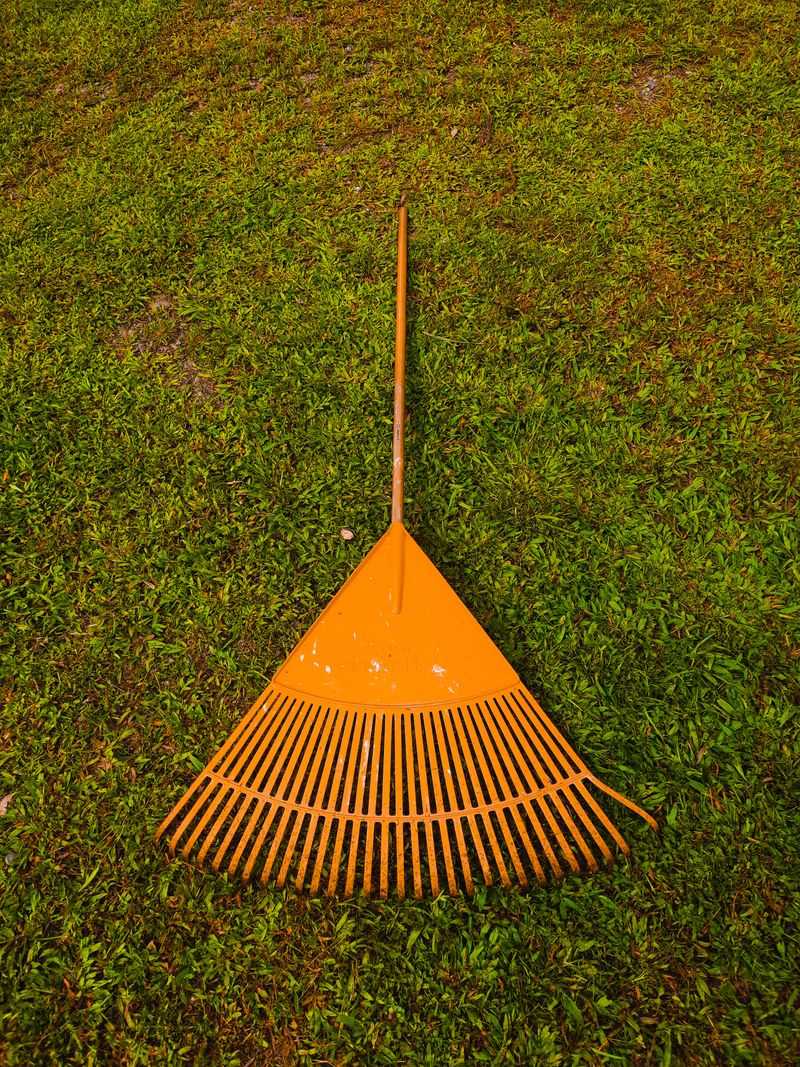
Old grass does not just look bad. It blocks water, air, and nutrients from reaching the soil below.
Before you do anything else, grab a stiff rake and get to work. Pull out the brittle, matted grass from every brown patch you can find.
This step is called dethatching, and it is more powerful than most people realize. A thick layer of built-up material sitting on top of your soil acts like a spongy lid, keeping moisture and seeds from making contact with the ground.
Work in short strokes and rake in multiple directions. You want to loosen the top layer without tearing up healthy grass nearby.
Bag up all that debris and toss it in the compost or yard waste bin. Leaving it on the lawn just reintroduces the problem you are trying to fix.
Some homeowners skip this step because it feels tedious. That is a mistake that slows down the entire recovery process.
Once you clear the area, you will immediately notice the soil underneath. Check if it looks cracked, pale, or rock-hard, because that tells you what comes next.
Raking also loosens the top layer of soil slightly, which gives seeds better contact when you overseed later. Think of it as preparing a clean canvas before you paint.
This simple step sets the foundation for every other repair method that follows. A clean patch is a patch ready to grow.
2. Test Soil For Compaction And pH

Your grass is not always the problem. Sometimes the soil underneath is what needs fixing first.
Kansas soils can become dense and compacted after a intense summer. When that happens, roots struggle to breathe, and water just runs off instead of soaking in.
A simple screwdriver test works great for checking compaction. Push a standard screwdriver into the soil with your hand, and if it does not slide in easily, your soil is too tight.
For pH, grab an inexpensive soil test kit from any garden center. Kansas soils can vary widely, but many areas trend alkaline, a home test will tell you where yours stands.
Your Kansas Garden Changes Every Week. Your Plan Should Too.
Gardening in Kansas changes quickly throughout the season. Every Friday you’ll receive a simple weekly plan showing exactly what to plant, prune, fertilize, harvest, and protect so you never miss the right timing.
Most warm-season and cool-season grasses prefer a pH between 6.0 and 7.0. If your reading is off, you can adjust it with lime to raise pH or sulfur to lower it.
Take samples from multiple brown patches across your yard. Soils can vary quite a bit even within the same lawn, so testing a few spots gives you a clearer picture.
Write down your results before you head to the garden store. Knowing your exact numbers helps you buy the right amendments without guessing.
Fixing compaction and pH issues before seeding makes every other step more effective. Healthy soil grows healthy grass, and that is the whole point of this process.
3. Aerate The Lawn To Improve Airflow
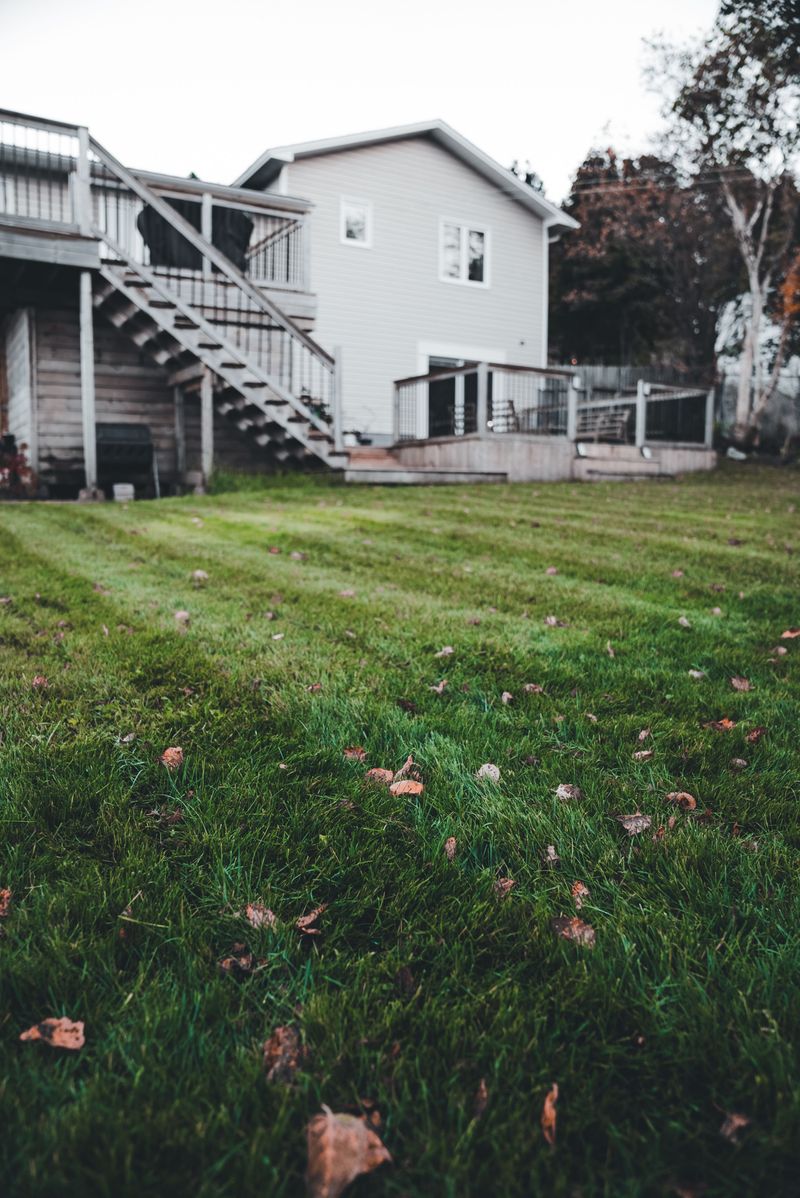
Compacted soil is basically restricting airflow to your grass. Aeration is the breath of fresh air your lawn benefits from right now.
Core aeration involves pulling small plugs of soil out of the ground. Those holes allow water, oxygen, and nutrients to travel deep into the root zone where they actually do some good.
You can rent a core aerator from most home improvement stores for a reasonable daily fee. It is worth every cent, especially when your lawn has been through a tough Kansas summer.
Aim to aerate when the soil has a little moisture in it. Bone-dry ground is hard to penetrate, and you will not get the depth you need for real results.
Run the aerator in two passes, going in opposite directions like you are mowing. This pattern ensures you hit the whole area evenly without missing spots.
Leave the soil plugs on the lawn after you finish. They typically break down within a few weeks, depending on moisture and temperature.
Aeration is especially helpful in high-traffic areas where people and pets have packed down the earth over time. Those zones often show the worst brown patches because roots never had room to spread.
After aerating, your lawn becomes far more receptive to compost, seed, and water. Repairing brown patches in your Kansas lawn after summer heat gets a serious boost from this one step alone.
4. Spread Compost Over Damaged Areas
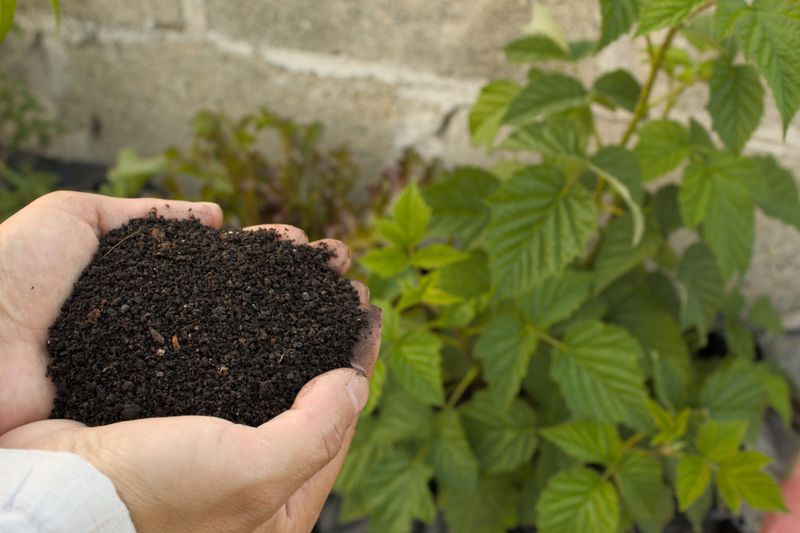
Think of compost as a multivitamin for your damaged lawn. It feeds the soil, improves drainage, and creates the perfect environment for new grass to take root.
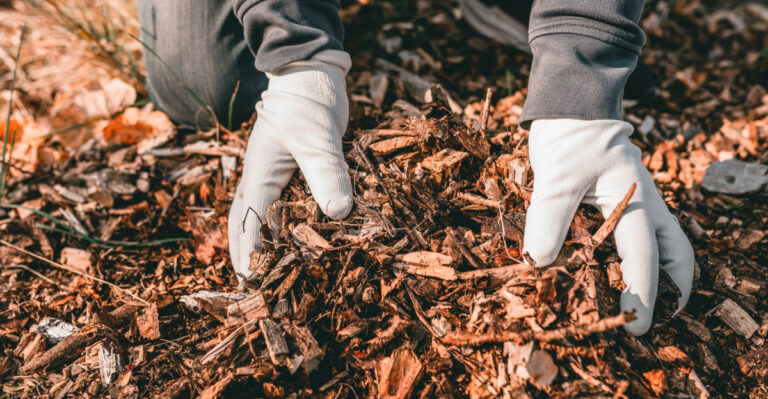
After aerating, spread a thin quarter-inch to half-inch layer of finished compost over every damaged area. You do not need a thick pile, just enough to fill in the holes and coat the surface lightly.
Use a hard rake to work the compost gently into the aeration holes. Getting it down into those openings maximizes the benefit because that is exactly where the roots need support.
Choose a high-quality compost with a dark color and earthy smell. Avoid anything that still looks chunky or smells sour, because it has not fully broken down yet.
Bagged compost from a garden center works perfectly for small patches. For larger areas, consider ordering a bulk delivery from a local landscaping supplier to save money.
Compost also helps balance soil pH over time, which is a bonus if your test results showed your Kansas soil running too alkaline. It works slowly but consistently.
Compost top-dressing is often considered one of the more underrated repair techniques. It improves soil structure without chemicals and lasts through multiple growing seasons.
Once the compost is spread and raked in, your damaged patches are primed and ready for seed. The ground is now soft, rich, and hungry for growth.
5. Overseed With A Heat-Tolerant Grass Blend
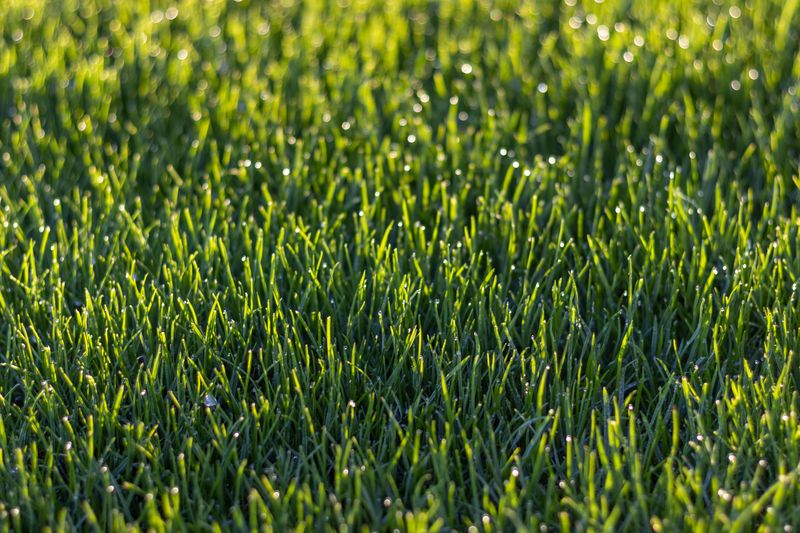
Bare spots do not fill themselves in. Overseeding is how you introduce fresh, strong grass plants to areas the summer heat thinned out.
For Kansas lawns, choosing the right seed blend matters more than most people think. Tall fescue is one of the best options because it handles both the summer heat and the cold winters that Kansas throws at you.
Zoysia and bermudagrass are excellent warm-season choices for homeowners who want a lawn that thrives through peak July temperatures. They spread aggressively and fill in bare patches faster than many cool-season varieties.
Read the seed bag label carefully and look for blends rated for your specific region. Seed sold in general national brands may not perform as well as locally sourced mixes designed for the Great Plains climate.
Spread seed generously over each brown patch, aiming for good coverage without piling it up too thick. A thin, even layer gives each seed enough space and light to sprout properly.
Use a hand spreader or broadcast spreader depending on the size of your damaged areas. Consistency matters more than speed here, so take your time and work methodically.
Press the seed lightly into the soil after spreading by walking over it or using a lawn roller. Good seed-to-soil contact is the number one factor in successful germination.
Patience is part of the process. Most grass seed takes one to three weeks to sprout, and your effort will show up right on schedule.
6. Water Lightly And Consistently After Seeding
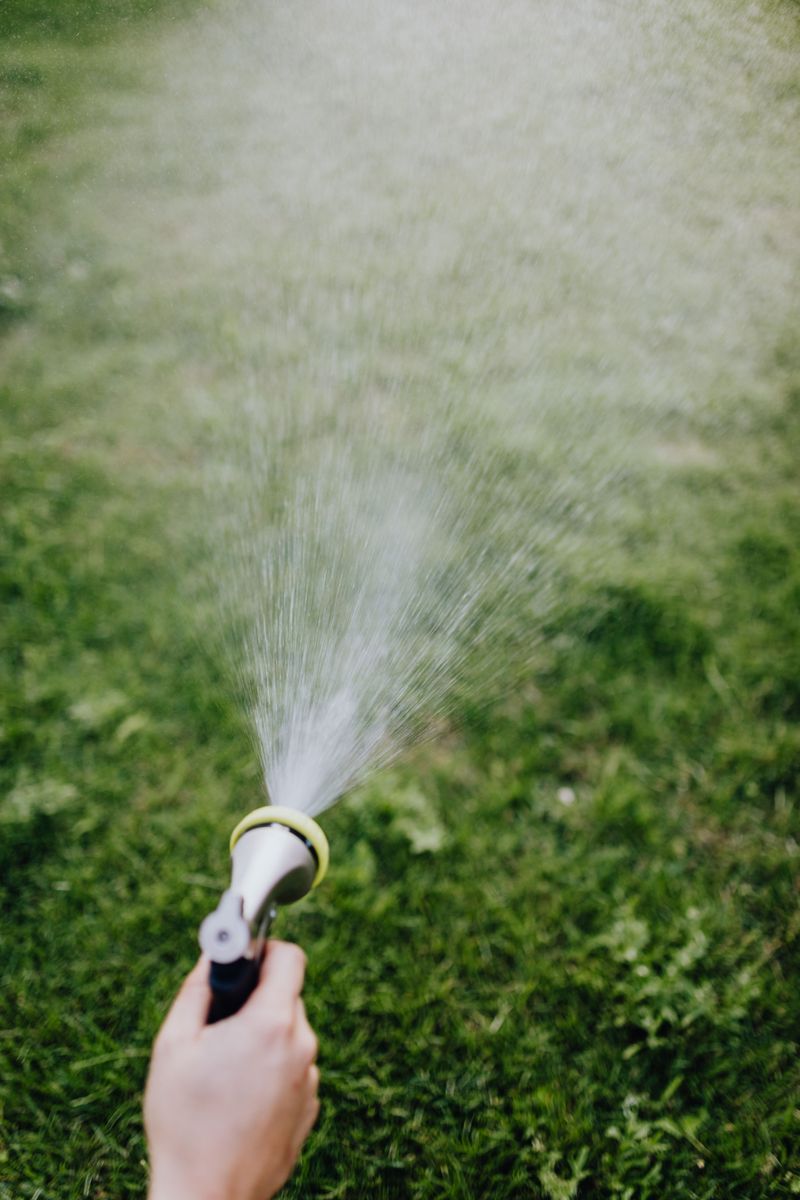
New seed is fragile. Too much water drowns it, and too little dries it out before it ever gets a chance to sprout.
The goal right after seeding is to keep the top inch of soil consistently moist without soaking it. Light, frequent watering is the key phrase to remember during the first two weeks.
Water your seeded patches twice a day when temperatures are still warm. Early morning and late afternoon are the best windows because they reduce evaporation and give the soil time to absorb moisture before nightfall.
Use a gentle spray setting on your hose or set your sprinkler to a light mist pattern. Hard streams of water can wash seeds away or push them into clusters, ruining your even coverage.
As seedlings begin to emerge and grow taller, gradually reduce watering frequency. Shift from twice daily to once daily, then to every other day as the new grass establishes itself.
Check the soil by pressing your finger about an inch into the ground near a seeded patch. If it feels damp, hold off on watering until it starts to dry out a bit.
Avoid watering during the middle of the day when the sun is strongest. That water evaporates before it can do any real good for your seedlings.
Consistent moisture during germination is what separates a lush lawn recovery from a second round of brown patches. Stay attentive and your new grass will reward you.
7. Apply A Balanced Fertilizer For Recovery
Grass recovering from summer stress is hungry. Giving it the right nutrients at the right time speeds up the entire repair process significantly.
A balanced fertilizer with equal parts nitrogen, phosphorus, and potassium works well for lawns coming out of heat damage. Look for a 10-10-10 or 12-12-12 blend at your local garden store.
Nitrogen encourages leafy green growth above the ground. Phosphorus supports strong root development, and potassium helps the plant handle stress and disease resistance going forward.
Apply fertilizer about two to three weeks after seeding, once you can see seedlings starting to emerge. Applying it too early can burn tender new roots before they have hardened off.
Always read the package instructions and follow the recommended application rates. Using more than directed does not speed up recovery and can actually set your lawn back by scorching the grass.
Granular fertilizers are generally easier for homeowners to apply evenly compared to liquid versions. Use a broadcast spreader and overlap your passes slightly to avoid striping.
Water the lawn lightly after applying granular fertilizer to help it dissolve and move into the soil. Leaving it dry on the surface reduces its effectiveness and risks burning the grass blades.
Feeding your lawn well during fall recovery builds the root strength it needs to survive next summer. A well-nourished lawn bounces back from heat stress far faster than a neglected one.
8. Mow High To Reduce Future Stress
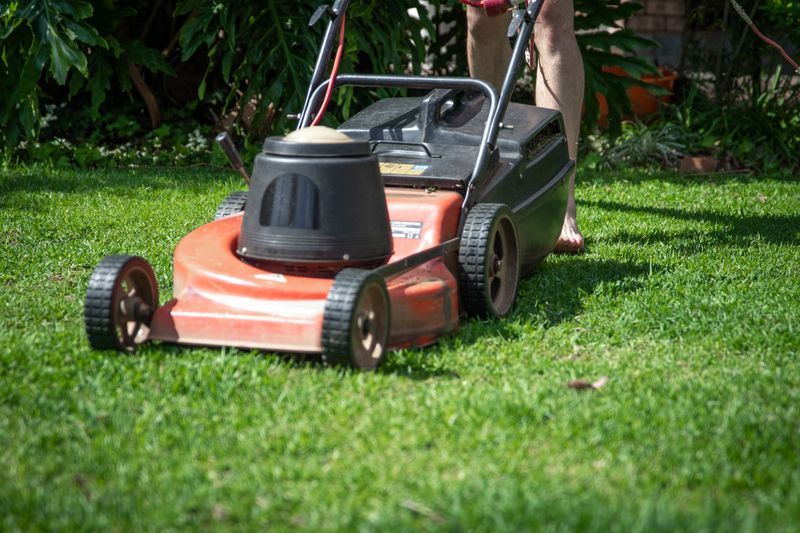
Your mowing height is one of the most overlooked factors in lawn health. Cutting grass too short is one of the fastest ways to invite brown patches back into your yard.
Set your mower deck to its highest or second-highest setting when mowing a recovering lawn. Taller grass blades shade the soil below, keeping it cooler and reducing moisture loss between watering sessions.
Most lawn experts recommend keeping grass at three to four inches tall during recovery and throughout the growing season. That extra height makes a surprisingly big difference in how the lawn handles heat and drought.
Taller grass also develops deeper root systems, which means the plant can reach moisture and nutrients further down in the soil. Shallow-cut grass has shallow roots, and shallow roots struggle when conditions get tough.
Never remove more than one-third of the grass blade in a single mowing session. Cutting off too much at once shocks the plant and slows down recovery significantly.
Keep your mower blades sharp throughout the season. Dull blades tear the grass instead of cutting it cleanly, leaving ragged edges that turn brown and create entry points for disease.
Mow in different directions each time to prevent the grass from leaning one way and to reduce soil compaction from repeated wheel tracks. Mixing up your pattern also gives the lawn a more even, finished look.
Repairing brown patches in your Kansas lawn after summer heat is only half the job. Mowing smart is how you make sure those patches never come back.