The Meaning Behind Blue Jays Visiting Texas Gardens More Often
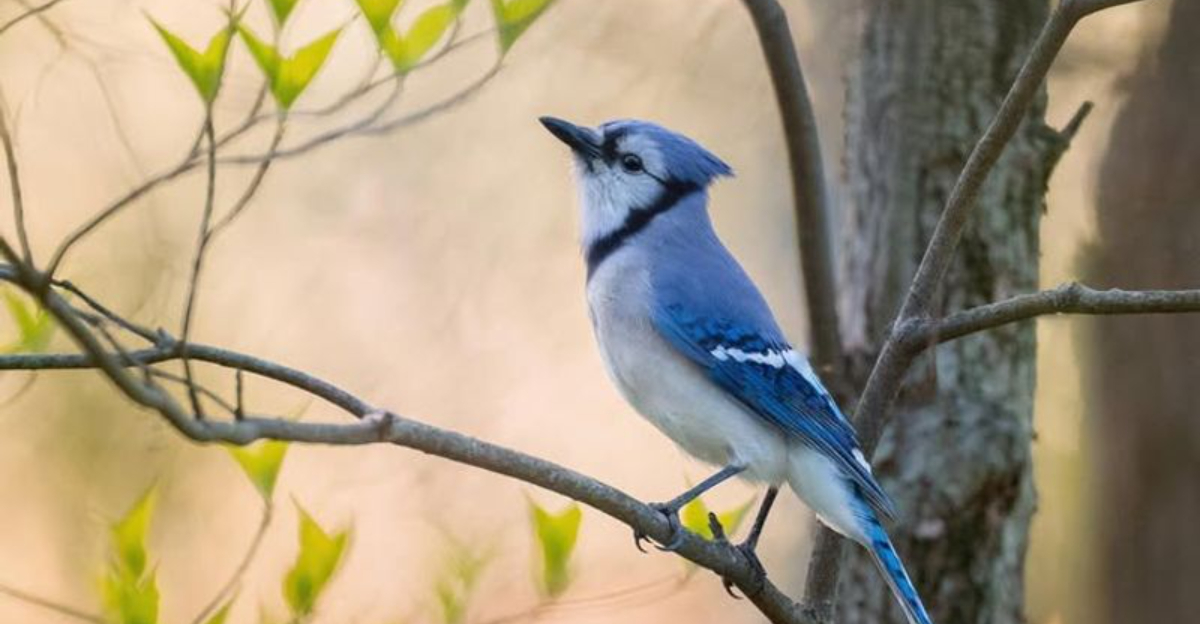
When blue jays start popping up in Texas gardens more often, it’s not just a random stroke of luck.
These birds are smart as a whip and rarely waste energy without a reason.
One day your yard feels quiet, the next it’s alive with bright blue feathers and loud calls that grab your attention fast.
Blue jays go where opportunity knocks.
A steady food source, fresh water, or sturdy trees can turn an ordinary garden into prime real estate.
Changes in weather, nearby construction, or shifting habitats can also push them closer to homes.
When nature reshuffles the deck, blue jays are quick to play a strong hand.
Their growing presence can say a lot about what’s happening around you.
Blue jays often act like neighborhood watch birds, warning others of danger and keeping insects in check.
While they can be a bit pushy at feeders, they serve a larger purpose in the ecosystem.
Seeing more blue jays may be a sign that your garden offers balance and shelter during changing times.
Paying attention to their behavior gives useful clues about your local environment and how wildlife adapts right outside your door.
1. Seasonal Migration Patterns Are Shifting
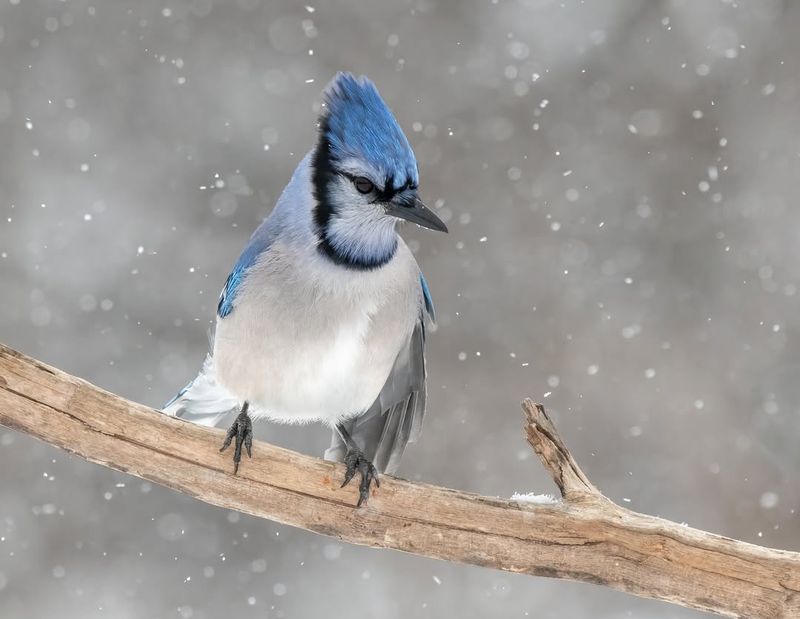
Migration habits among blue jays have been changing in recent years, and Texas gardens are experiencing the effects firsthand.
While blue jays aren’t traditional long-distance migrants like some bird species, they do move around based on food availability and weather conditions.
Some populations stay put year-round, while others travel south when northern winters get harsh.
Climate patterns across North America have been shifting, which affects when and where blue jays decide to travel.
Warmer winters in some northern regions mean fewer birds feel the need to head south.
However, unpredictable weather events and food shortages can still push flocks toward Texas.
Your garden might be serving as a welcome rest stop or even a new winter home for birds adjusting their routes.
Texas offers a mild climate compared to northern states, making it an attractive destination when conditions elsewhere become challenging.
The state’s diverse landscape provides plenty of food sources, from oak trees producing acorns to backyard feeders stocked by helpful homeowners.
Blue jays are smart and adaptable, so they quickly learn where reliable resources exist.
If you’re seeing more blue jays during fall and winter months, you’re likely witnessing this shift in migration behavior.
These birds are taking advantage of Texas’s hospitable environment.
Providing consistent food and water sources can make your garden an even more appealing stopover for these feathered travelers throughout the changing seasons.
2. Your Garden Offers Abundant Food Sources
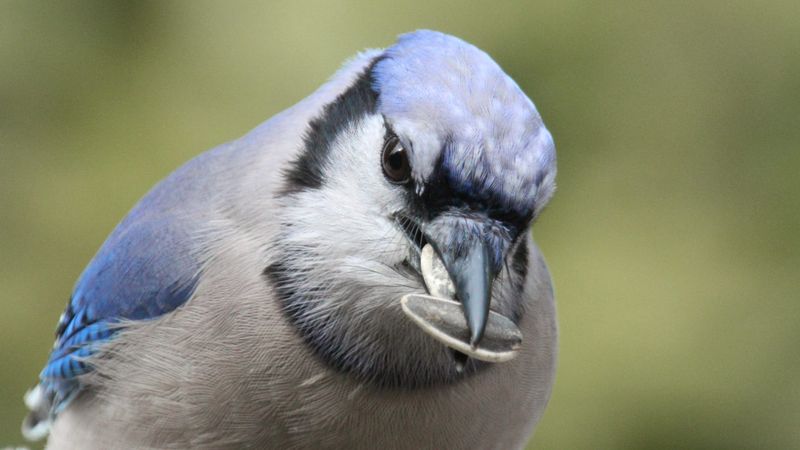
Nothing attracts blue jays quite like a reliable food supply, and your Texas garden might be serving up an all-you-can-eat buffet.
These birds have hearty appetites and aren’t picky eaters.
They love acorns, nuts, seeds, berries, and even insects.
If your yard features oak trees, pecan trees, or berry-producing shrubs, you’ve essentially rolled out the welcome mat for these colorful visitors.
Bird feeders make your property even more irresistible to blue jays.
They particularly enjoy sunflower seeds, peanuts, and suet cakes.
Once a few blue jays discover your feeders, word spreads quickly among the local bird population.
Blue jays are intelligent and have excellent memories, so they’ll return repeatedly to locations where they’ve found good meals before.
Native Texas plants create natural feeding opportunities that blue jays appreciate.
Live oaks drop acorns that these birds enthusiastically collect and store for later consumption.
They’ll stuff their throat pouches full of acorns and hide them in various spots around your garden.
This behavior, called caching, helps them survive when food becomes scarce and accidentally helps new trees grow when forgotten acorns sprout.
Even your lawn provides dining options for blue jays.
They’ll hop around looking for beetles, grasshoppers, and caterpillars hiding in the grass.
By maintaining a garden with diverse food sources, you’re creating an ecosystem that supports not just blue jays but many other beneficial wildlife species throughout Texas.
3. Water Features Are Drawing Them In
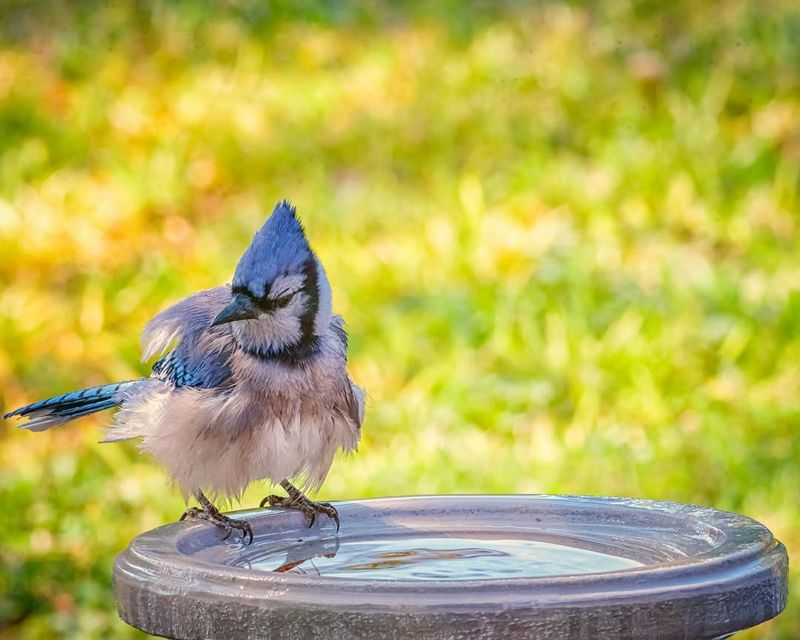
Fresh water is just as important to blue jays as food, especially in Texas where summers can be scorching hot.
If you’ve installed a birdbath, fountain, or pond in your garden, you’ve created a major attraction for these thirsty birds.
Blue jays need water for drinking and bathing, and they’ll visit reliable water sources daily when temperatures climb.
Birdbaths are particularly popular with blue jays because they offer a safe place to splash around and clean their feathers.
Keeping feathers in good condition is essential for flight and insulation, so birds take bathing seriously.
You’ll often see blue jays vigorously dunking themselves, flapping their wings, and shaking water everywhere.
It’s quite entertaining to watch!
During drought conditions, which Texas experiences periodically, water becomes even more precious.
Your garden’s water feature might be one of the few available sources in the neighborhood.
Blue jays will remember where they found water and return regularly, sometimes bringing their family members along.
This creates a consistent visiting pattern you’ll notice throughout the seasons.
To keep blue jays coming back, maintain clean water and refill your birdbath regularly.
Dirty or stagnant water can spread diseases among bird populations.
Adding a small fountain or dripper creates movement and sound that attracts birds from greater distances.
The gentle splashing noise signals to passing blue jays that fresh water awaits in your Texas garden, making your yard a popular destination for these beautiful birds.
4. Habitat Loss Is Pushing Them Toward Suburban Areas
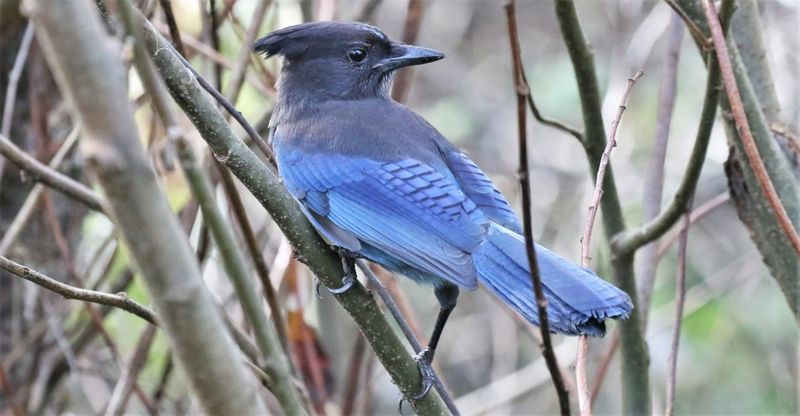
Urban development across Texas continues to transform natural habitats into neighborhoods, shopping centers, and roads.
As forests and wild spaces shrink, blue jays and other wildlife must adapt by finding new places to live.
Suburban gardens with mature trees and thoughtful landscaping now serve as replacement habitats for birds that once lived exclusively in wilder areas.
Blue jays are remarkably adaptable creatures.
Unlike some species that struggle when their natural homes disappear, blue jays can thrive in human-modified environments.
They’re comfortable around people and quickly learn to take advantage of resources that homeowners provide.
Your Texas garden, with its mix of trees, shrubs, and open spaces, might closely resemble the woodland edges where blue jays naturally prefer to live.
Cities like Houston, Dallas, Austin, and San Antonio have expanded significantly over recent decades.
This growth has displaced countless birds from their traditional territories.
Rather than disappearing entirely, many blue jays have simply moved into nearby residential areas.
They nest in backyard trees, forage in gardens, and raise their young alongside human families.
This shift explains why you might be seeing more blue jays now than in previous years.
By maintaining a bird-friendly garden, you’re helping offset some of the habitat loss occurring across Texas.
Native plants, mature trees, and natural areas within your yard provide essential resources that blue jays need to survive.
Your property becomes a small wildlife refuge in an increasingly developed landscape.
5. They’re Establishing New Nesting Territories
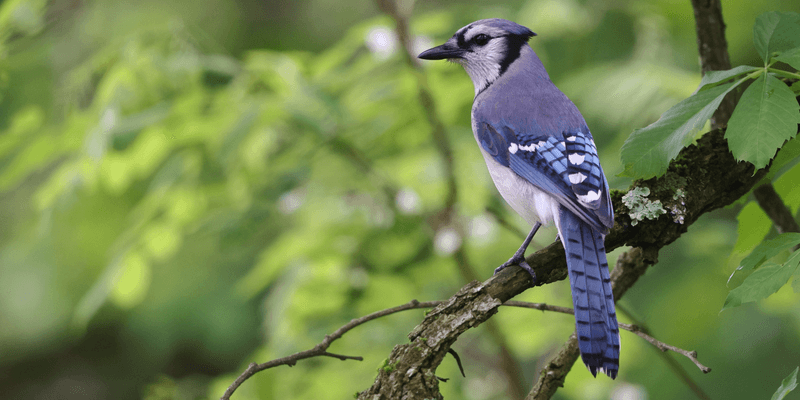
Spotting blue jays frequently in your Texas garden might mean they’re scouting for nesting sites or have already claimed your yard as their territory.
These birds are fiercely protective of their chosen nesting areas and will spend considerable time patrolling and defending them.
If a pair decides your property meets their requirements, you’ll see them regularly throughout the breeding season.
Blue jays typically nest between March and July in Texas, though timing varies depending on the region and weather conditions.
They prefer building nests in the sturdy branches of trees, usually 10 to 25 feet above the ground.
Oak trees, pine trees, and other species with dense foliage offer ideal nesting spots because they provide good cover from predators and harsh weather.
Once blue jays establish a territory, both parents work together to build the nest, incubate eggs, and feed their babies.
You might notice them carrying twigs, grass, and other materials back and forth during construction.
The male often brings food to the female while she sits on the eggs.
This dedicated teamwork increases the chances that their young will survive and thrive.
If blue jays have nested in your Texas garden, consider it a compliment.
They’ve determined that your yard offers safety, food, and suitable habitat for raising a family.
Avoid disturbing nesting areas and keep cats indoors during breeding season.
Watching blue jay parents care for their offspring provides a wonderful opportunity to observe nature’s cycles right in your own backyard.
6. Increased Predator Presence In Rural Areas
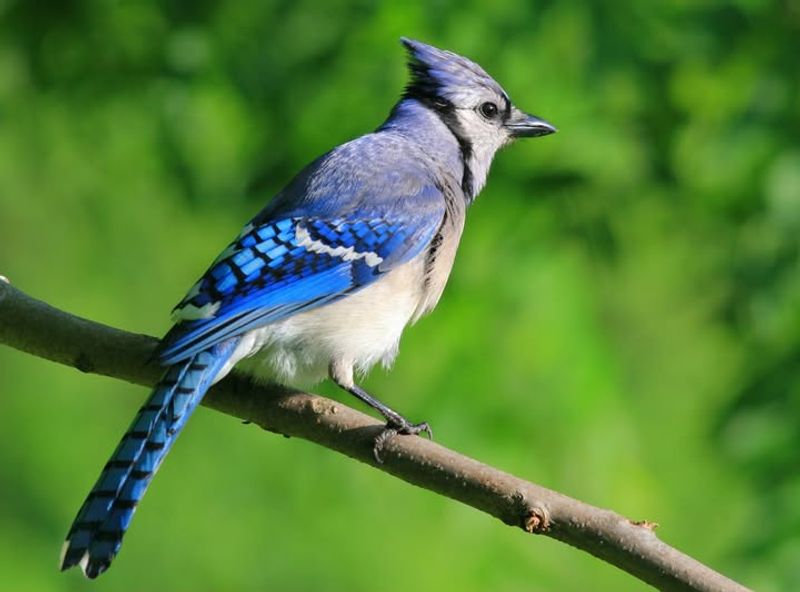
Predator populations in rural Texas areas have been growing, which influences where blue jays choose to spend their time.
Hawks, owls, snakes, and other animals that hunt birds are more abundant in heavily wooded or agricultural regions.
Blue jays, being smart and cautious, sometimes find suburban gardens safer than their traditional habitats.
Your yard might offer better protection from these threats.
Suburban environments typically have fewer large predators than rural areas.
While hawks occasionally hunt in neighborhoods, the presence of humans, pets, and buildings provides some deterrent.
Blue jays recognize these safer conditions and adjust their behavior accordingly.
They’re more likely to linger in gardens where they can feed and nest with reduced risk of becoming someone else’s meal.
Blue jays have excellent alarm calls that warn other birds about approaching danger.
You might hear their loud, harsh calls when a hawk flies overhead or a cat prowls nearby.
These vocalizations help protect not just blue jays but many other species sharing your Texas garden.
The birds work together as a neighborhood watch system, alerting everyone to potential threats.
Dense shrubs, thorny bushes, and evergreen trees in your garden provide hiding spots where blue jays can quickly escape from predators.
Creating layered landscaping with plants of different heights gives birds multiple escape routes and safe perches.
This thoughtful design makes your property more attractive to blue jays seeking refuge from the dangers present in more exposed rural locations across Texas.
7. Climate Changes Are Affecting Their Behavior
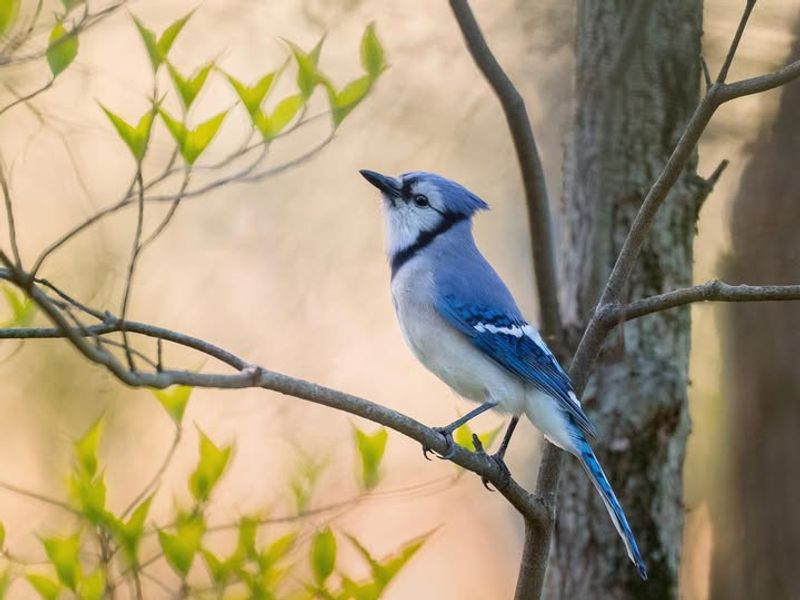
Weather patterns across Texas and the entire continent have been shifting in noticeable ways, and blue jays are responding to these changes.
Warmer average temperatures, altered precipitation patterns, and more extreme weather events all influence where birds choose to live and when they travel.
Your garden might be benefiting from these broader climate-related adjustments in blue jay behavior.
Extended growing seasons in Texas mean plants produce food for longer periods throughout the year.
Trees and shrubs bear fruit, nuts, and seeds over expanded timeframes, giving blue jays more reasons to stick around or visit more frequently.
Milder winters allow birds to survive comfortably in areas that might have been too harsh in previous decades.
These conditions make Texas gardens increasingly attractive to blue jays year-round.
Unpredictable weather also plays a role.
Sudden cold snaps, unexpected storms, or prolonged dry spells can push blue jays to seek more stable environments.
Residential gardens often provide buffering against extreme conditions through sheltering trees, consistent water sources, and supplemental food from feeders.
Blue jays learn quickly where they can find reliable resources regardless of what nature throws at them.
Scientists continue studying how climate change affects bird populations and behaviors.
Blue jays serve as indicator species, meaning their presence and habits tell us something about the health of ecosystems.
By welcoming these birds to your Texas garden and observing their patterns, you’re participating in the broader story of how wildlife adapts to our changing world.