The Meaning Behind That Deafening Buzz In Your Pennsylvania Trees
Pennsylvania yards turn into open-air theaters every July, and nobody printed a program. One second you’re flipping burgers, the next a wave of sound rolls down from the trees and every conversation just stalls out.
That sound has a name, a job, and a countdown clock, though you won’t hear the culprit named just yet. Its brief run each summer ranks among the oddest performances Mother Nature stages without a ticket booth.
Some seasons bring a light hum you barely notice. Other seasons bring a roar that camps out for weeks and turns your porch into the front row of an outdoor concert you never asked to attend.
A Loud Chorus Coming From The Canopy Points To One Familiar Insect
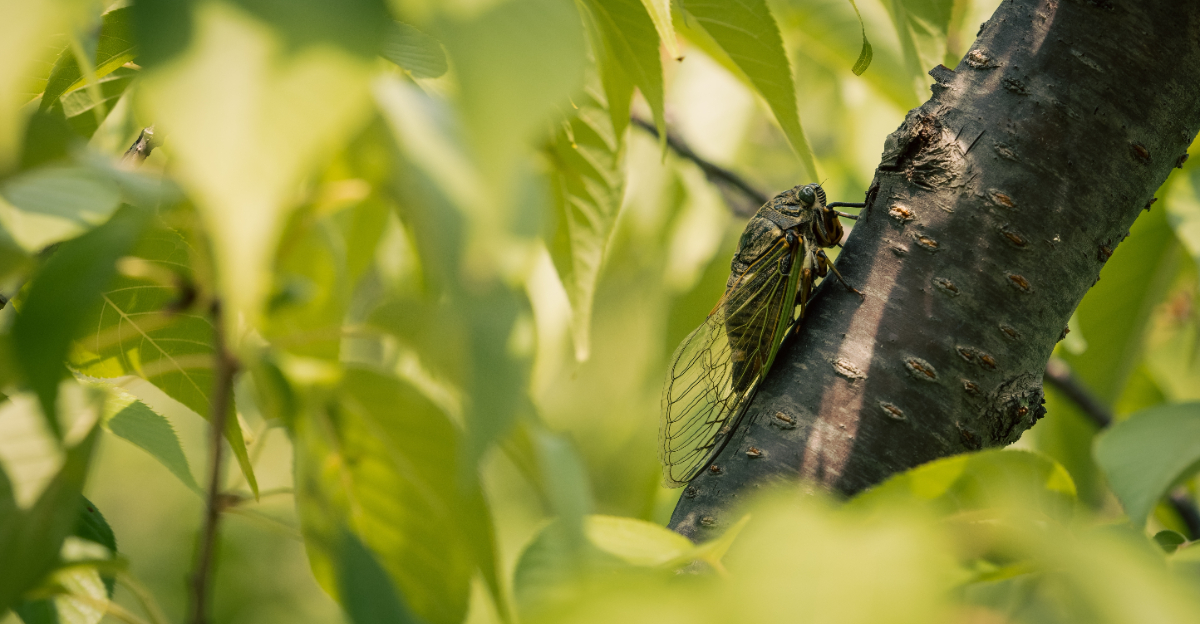
You step outside and the trees are absolutely screaming. That wall of sound surrounding your yard has one source: cicadas.
These insects are behind the deafening buzz in Pennsylvania trees every summer. Cicadas are large, winged insects that spend most of their lives underground.
They emerge as adults, climb into trees, and immediately get to work making noise. Most people mistake them for locusts, but the two are unrelated insects.
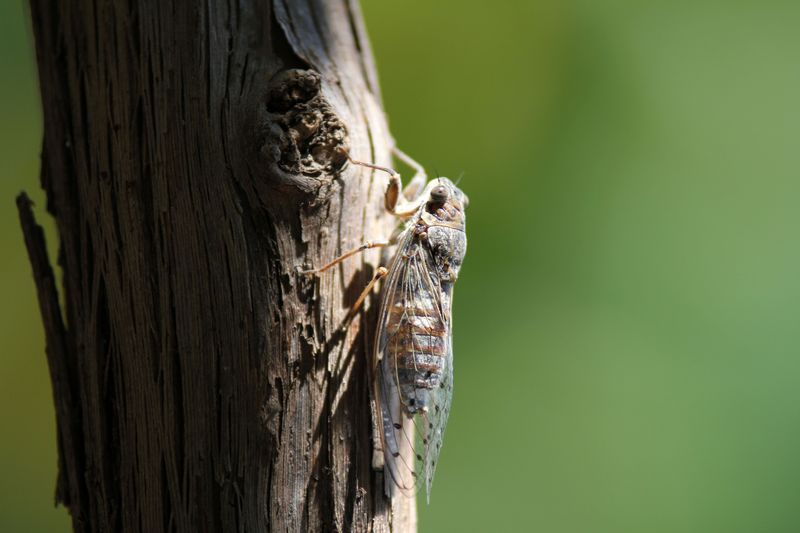
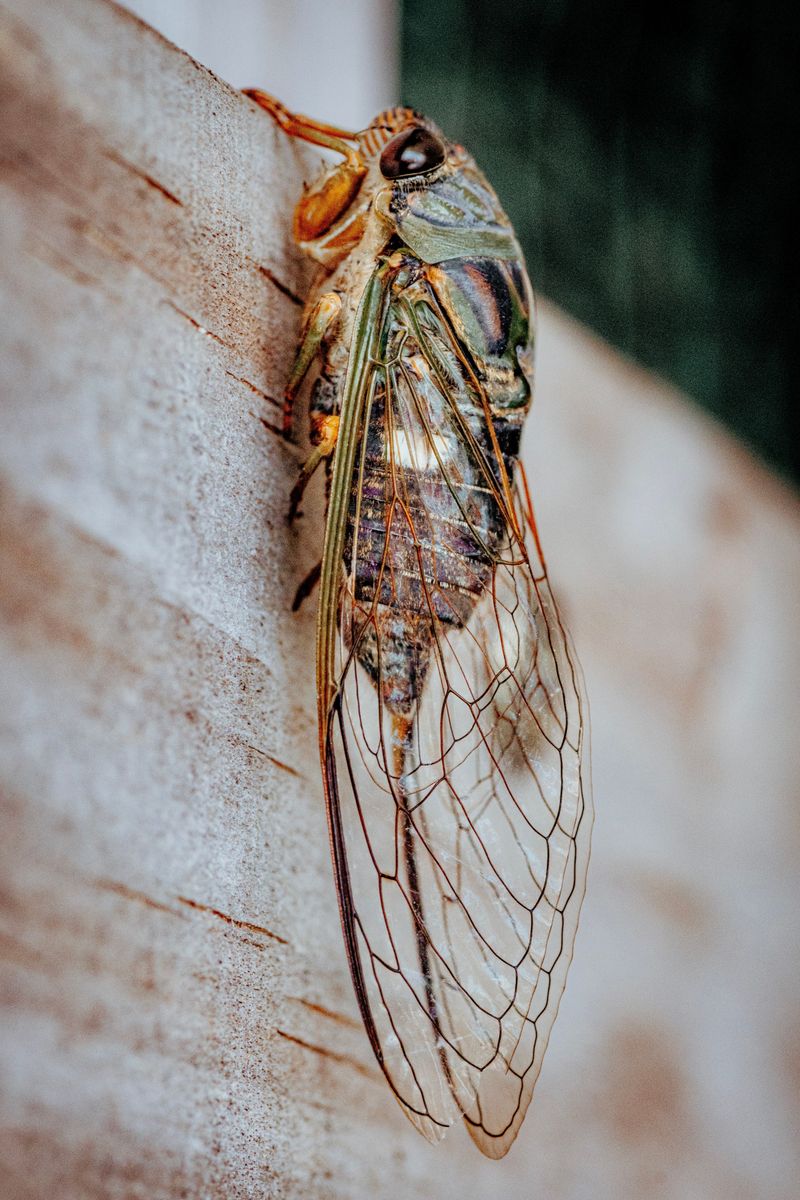
Adult cicadas range from one to two inches long. They have clear, veined wings and large compound eyes that give them an almost alien appearance.
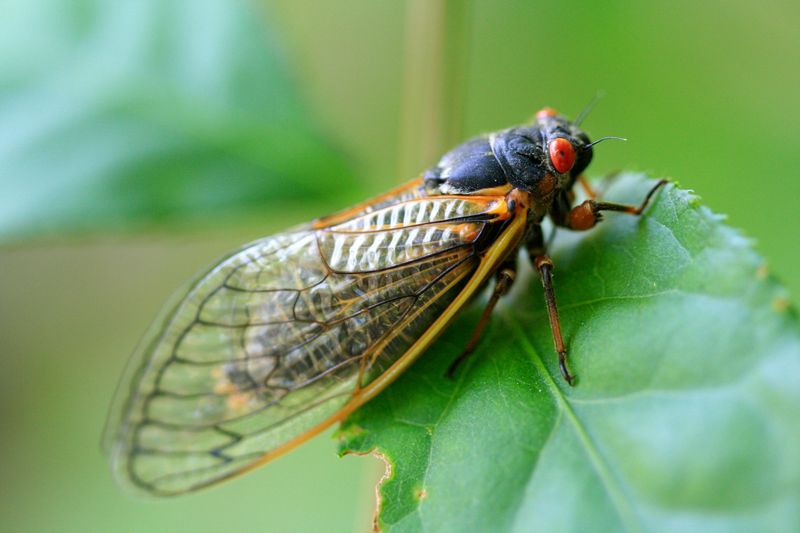
Some species sport bright red eyes that make them easy to spot on a branch. Pennsylvania hosts both annual and periodical cicada species.
Annual ones show up every summer in smaller numbers. Periodical ones erupt in massive swarms on a strict 13 or 17-year cycle.
When cicadas emerge in large groups, the noise level can hit 90 to 100 decibels. That is roughly the same volume as a gas-powered lawnmower running right next to you.
The sound can last from sunrise to sunset without a single break. Spotting them is easy once you know what to look for.
Check tree trunks for their shed exoskeletons, which look like hollow amber shells. Those crispy little husks are a clear sign that cicadas have arrived and the chorus is just getting started.
Cicadas Produce Sound Through A Unique Body Structure
No other insect on the planet makes noise quite the way a cicada does. Their sound comes from a built-in percussion instrument located right inside their own body.
It is one of the most remarkable features in the entire insect world. Male cicadas have paired organs called tymbals on the sides of their abdomen.
These ribbed membranes snap inward and outward rapidly, producing a clicking pulse with every flex. The muscles controlling the tymbals can contract more than 300 times per second.
That rapid clicking is then amplified by the cicada’s hollow abdomen. The body acts almost like a resonance chamber, the same way a guitar body amplifies a string’s vibration.
The result is a sound far louder than the tiny muscles alone could produce. Female cicadas do not have functional tymbals, so only the males sing.
Your Pennsylvania Garden Changes Every Week. Your Plan Should Too.
Gardening in Pennsylvania changes quickly throughout the season. Every Friday you’ll receive a simple weekly plan showing exactly what to plant, prune, fertilize, harvest, and protect so you never miss the right timing.
They are calling out to attract a mate, not trying to bother you or your neighbors. Every buzz, click, and whine is a love song aimed at the treetops.
Different species produce different songs, and females can tell them apart. A male cicada’s call is species-specific, almost like a fingerprint in sound form.
This is how females locate the right partner in a crowded, noisy canopy. When thousands of males sing at once, the individual clicks blur into a continuous roar.
That is the deafening buzz you hear shaking your Pennsylvania trees on a hot afternoon. Each one is a tiny musician playing at full volume.
Warm, Humid Weather Triggers The Loudest Chorus
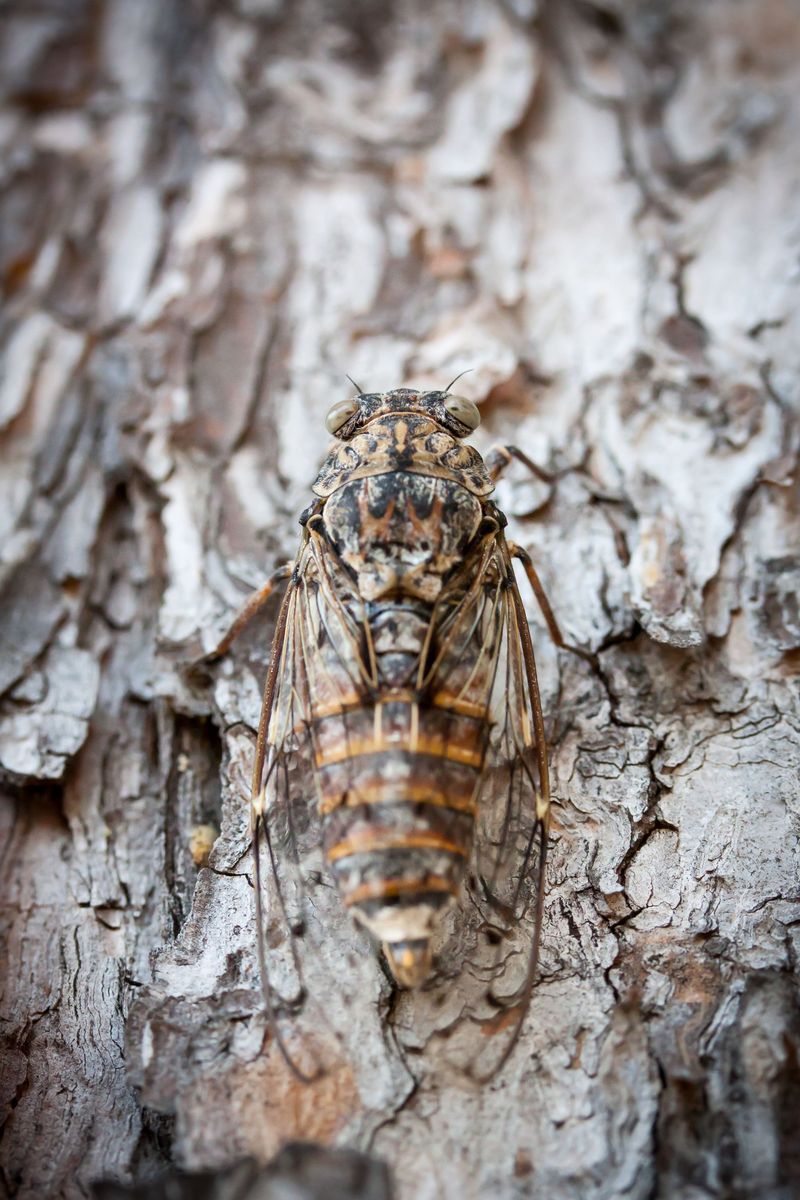
There is a reason the buzz seems to peak on the hottest, stickiest days of summer. Cicadas are cold-blooded, so their activity level rises and falls with the temperature.
Warm, humid air basically turns up their volume dial all the way. Cicadas become most active when temperatures climb above 80 degrees Fahrenheit.
Below that threshold, the singing slows down noticeably. On cool mornings or overcast days, you might barely hear them at all.
Humidity plays a supporting role in the intensity of the chorus. Moist air carries sound waves more efficiently than dry air does.
That means a humid Pennsylvania afternoon can make the buzz feel even closer and louder than it actually is. Peak singing hours are typically late morning through early afternoon.
By evening, as temperatures drop, the chorus fades to a murmur. This daily pattern is so predictable that experienced naturalists use it almost like a clock.
Hot spells following a stretch of cool weather often trigger sudden, dramatic surges of sound. Cicadas that had been resting suddenly burst into song all at once.
Neighbors who had forgotten about them get a sharp reminder in a hurry. The relationship between heat and cicada activity also explains regional differences across Pennsylvania.
Urban areas with more pavement and heat retention tend to have louder, longer choruses. Rural, shaded spots may hear softer singing simply because the air stays a few degrees cooler throughout the day.
Periodical And Annual Cicadas Sound Different For A Reason
Not every buzz you hear in a Pennsylvania summer comes from the same species. Two distinct groups of cicadas share these trees, and they operate on different schedules.
Knowing the difference helps explain why some summers feel louder than others. Annual cicadas, sometimes called dog-day cicadas, appear every single summer.
Their population stays relatively steady from year to year. These are the large, greenish-black insects with buzzing songs that feel like a steady, high-pitched drone.
Periodical cicadas are a different story entirely. They spend either 13 or 17 years underground before emerging in massive synchronized swarms.
When their year arrives, the sudden surge in numbers is almost impossible to describe without experiencing it firsthand. The songs these two groups produce are noticeably distinct. Annual cicadas tend to produce a long, continuous whirring sound.
Periodical cicadas often sing in shorter, more urgent pulses that can sound almost frantic compared to their annual cousins. Pennsylvania sits within the range of several periodical broods, including the famous Brood X.
When a periodical emergence coincides with a strong annual cicada year, the combined noise reaches levels that can genuinely surprise even longtime residents. That is the deafening buzz that makes headlines.
Recognizing which group is singing is simpler than it sounds. Check the eyes: periodical cicadas have striking red eyes, while annual ones have duller, darker eyes.
One look at those crimson peepers and you will know exactly which crew has taken over your trees this season.
The Buzz Signals Mating Season, Not A Threat To Trees
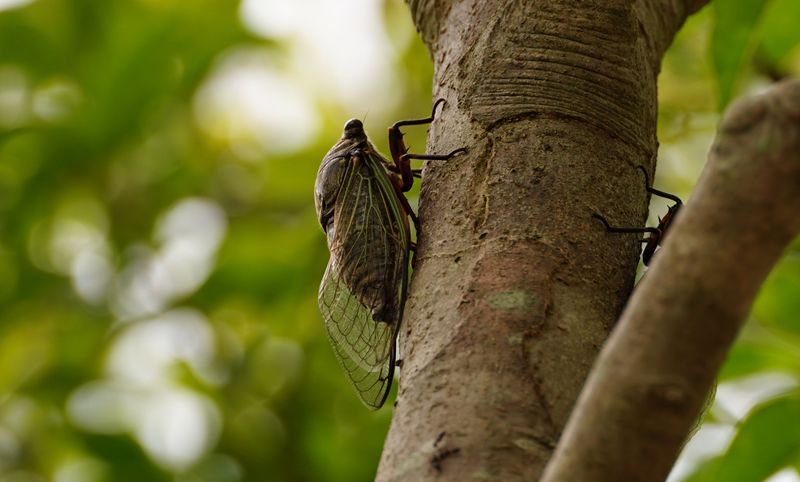
Hearing that deafening buzz rising from your trees might make you worry something bad is happening up there. The noise itself signals life, not harm to the tree.
Cicadas are not eating your leaves or hollowing out your branches. The entire purpose of the adult cicada’s singing is reproduction.
Males call out to females, females respond, and mating happens high in the canopy. The whole adult phase of a cicada’s life lasts only a few weeks.
After mating, females do cut small slits into tree branches to deposit their eggs. This process, called oviposition, can cause minor tip damage on young or newly planted trees.
Established, healthy trees handle it without any lasting harm. Gardeners sometimes notice wilting branch tips, a condition called flagging, after females have laid eggs.
The affected twigs turn brown and droop, which looks alarming but is rarely serious. Mature trees recover quickly once the eggs hatch and the nymphs drop to the soil.
Cicadas do not sting, bite, or spray anything harmful. They are focused on finding a mate and have no interest in you, your pets, or your garden plants.
Any fear around them is mostly a reaction to their overwhelming numbers and noise. The real ecological role cicadas play is positive.
Their bodies add nutrients to the soil when they decompose, and the egg-laying pruning actually stimulates new growth in many tree species. The buzz you hear is nature doing exactly what it has always done.
Homeowner Dos And Don’ts For Dealing With The Noise
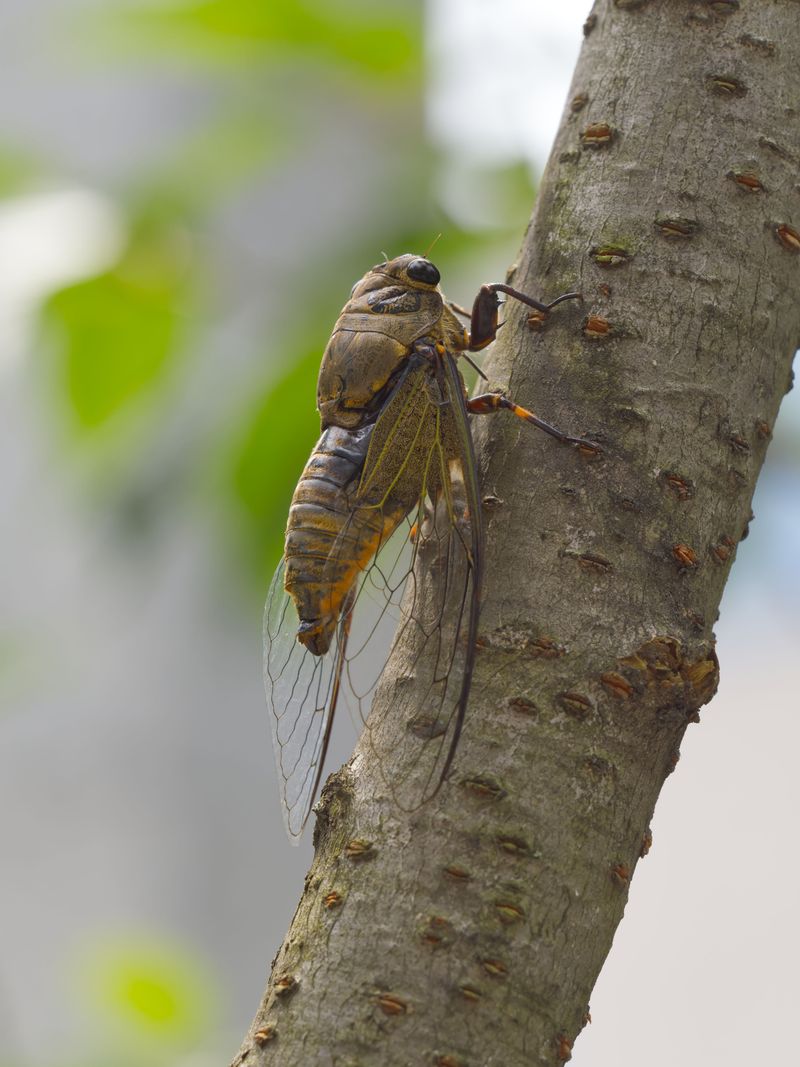
So the buzz is rattling your windows and you are wondering if there is anything you can do about it. The honest answer is that managing cicadas is mostly about managing your expectations.
These insects are temporary, native, and largely unstoppable. Protecting young or newly planted trees is the one area where action makes sense.
Wrapping thin branches with fine mesh netting before the emergence begins can prevent egg-laying damage. Remove the netting once the adults are gone, usually within four to six weeks.
Pesticides are not recommended for cicadas by most entomologists and extension services. Spraying does little to reduce the population and can harm birds, beneficial insects, and other wildlife that feed on cicadas during the emergence.
The cure ends up being worse than the noise. Earplugs are a perfectly reasonable solution if the sound genuinely bothers you indoors.
Planting dense shrubs or installing a water feature can also help mask the buzz in outdoor living spaces. White noise machines work surprisingly well for bedrooms during peak singing hours.
Kids and curious adults can turn the emergence into a genuine learning experience. Collecting shed exoskeletons, watching adults emerge from their shells, and observing mating behaviors are all fascinating up close.
Some families treat a cicada year like a natural holiday. The meaning behind that deafening buzz in your Pennsylvania trees is ultimately one of abundance and ancient rhythm.
Sit with it, appreciate the wildness of it, and know that the quiet will return soon enough.