Things You Should Do If Coyote Shows Up In Your Pennsylvania Yard This Fall (And Things You Shouldn’t)
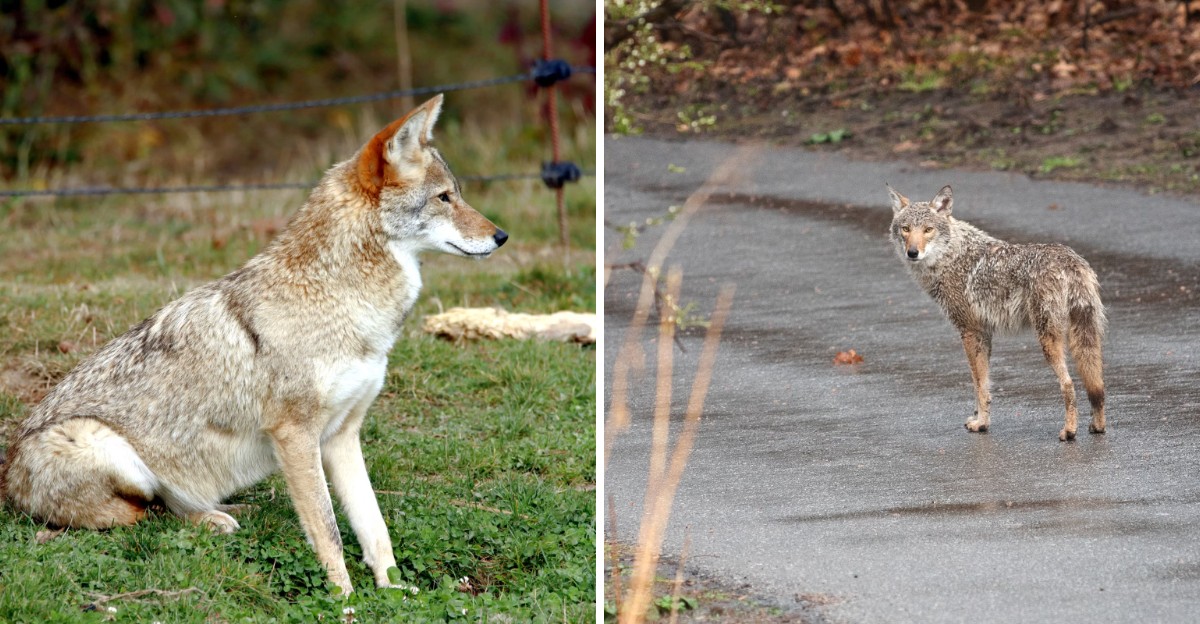
Coyotes are naturally wary of people. In the wild, they keep their distance, slip away quietly, and rarely stick around once they’ve been spotted. That fear isn’t permanent, though.
When coyotes find easy food near homes and face no consequences for hanging around, they can slowly grow bolder.
They start showing up in daylight, lingering near decks and driveways, and watching pets a little too closely. That’s when problems begin.
Fall is a busy season for coyote sightings across Pennsylvania. Young coyotes are striking out on their own, and many travel through suburbs and small towns in search of new territory.
How you respond during those encounters matters a lot. The right reaction can teach a coyote to stay away.
The wrong one can encourage it to come back again and again. A few simple dos and don’ts can help keep those visits short and rare.
1. Scare It Away With Noise And Size
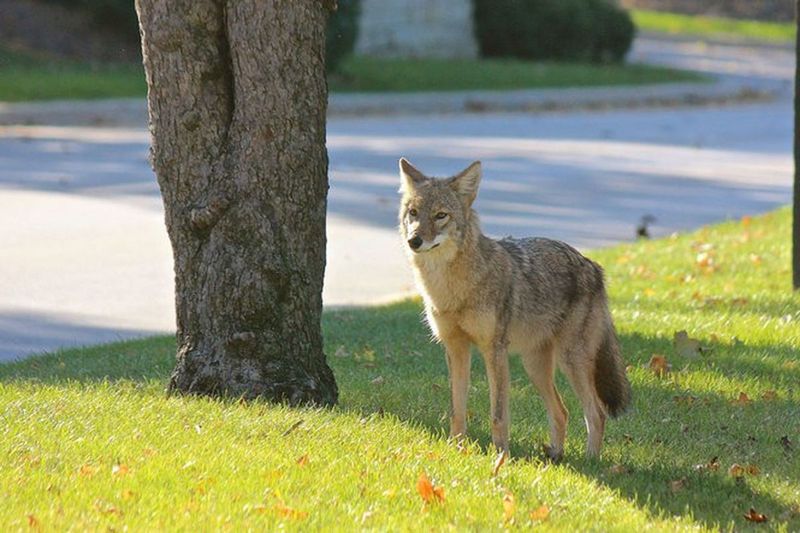
Wildlife experts have a funny name for chasing off coyotes. They call it hazing, and it works a lot like teaching manners. When a coyote learns that people are loud and annoying, it chooses to stay away.
So the next time a coyote strolls into your yard, do not just watch from the window. Step outside if it is safe and make yourself look as big as you can.
Raise your arms high over your head and wave them around. Yell in a deep, firm voice, something like “Go away, coyote!” Clapping your hands or stomping your feet adds even more drama.
Got a garden hose nearby? A quick spray of water is a great way to send the message. You can also bang pots and pans together or shake a can filled with coins or pebbles. Some families keep an air horn or a whistle by the back door for this exact reason.
The goal is not to hurt the animal. You simply want it to feel uncomfortable and leave. Keep up the noise until the coyote is fully out of sight.
If it stops and looks back, keep going, because quitting too early can teach it that you are not a real threat.
Here is a cool fact. Coyotes are very smart, and they remember places that felt unsafe. Hazing works best when the whole neighborhood does it.
If every house on your street scares coyotes off, they will quickly learn your area is not worth visiting.
Children should always let an adult handle the hazing. Kids can help by staying inside and calling a grown-up right away.
2. Bring Your Pets Inside Before Dark
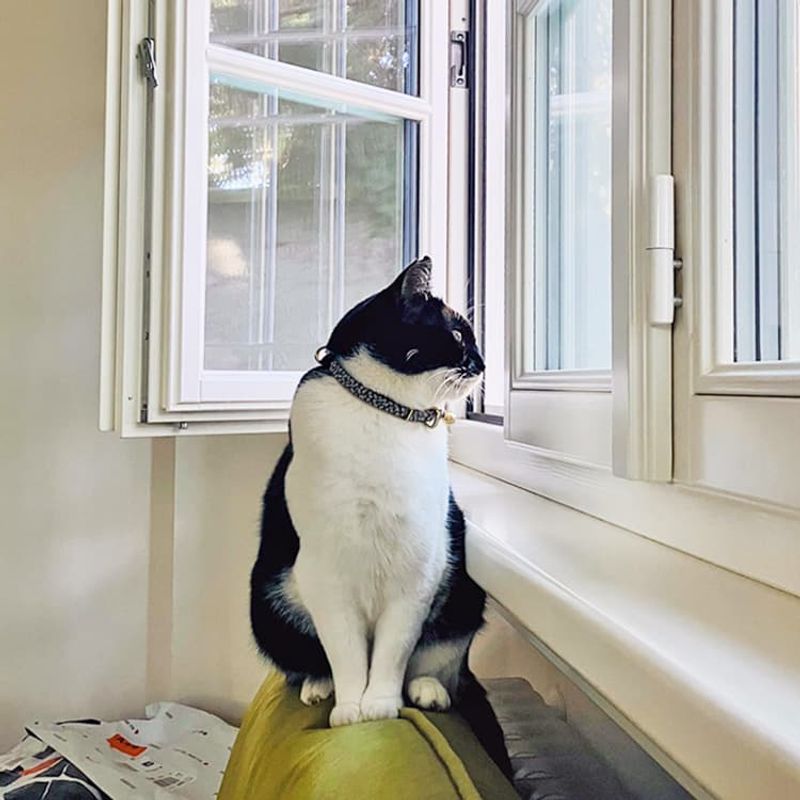
Your fluffy cat may be the boss of your house. To a hungry coyote, though, that same cat can look like an easy dinner. Small dogs face the same risk, especially breeds under about 25 pounds.
Coyotes are most active at dawn, at dusk, and through the night. In fall, the days get shorter, so darkness arrives earlier.
That gives coyotes more hours to roam while many families are still outside finishing chores or letting pets wander.
Your Pennsylvania Garden Changes Every Week. Your Plan Should Too.
Gardening in Pennsylvania changes quickly throughout the season. Every Friday you’ll receive a simple weekly plan showing exactly what to plant, prune, fertilize, harvest, and protect so you never miss the right timing.
The easiest fix is to keep cats indoors, period. Indoor cats tend to live longer, healthier lives anyway. They stay safe from cars, fights with other animals, and coyotes too.
If your cat loves fresh air, try a screened porch or an enclosed outdoor space often called a catio.
Dogs need their outdoor time, of course. Just be smart about it. Go outside with your dog instead of opening the door and walking away. Turn on porch lights and look around the yard before letting your pup out at night.
When you walk your dog, use a short leash of about six feet. Skip the long retractable leashes. They let dogs wander too far ahead, where a coyote could reach them before you can react.
Many Pennsylvania families also clip a small flashlight or light-up collar onto their dog for evening walks. It helps you keep an eye on your buddy and makes you look larger and more noticeable to wildlife.
Got a pet door? Lock it at night. Coyotes are curious, and an open flap can invite trouble right into your home.
3. Clean Up Anything That Smells Like A Snack
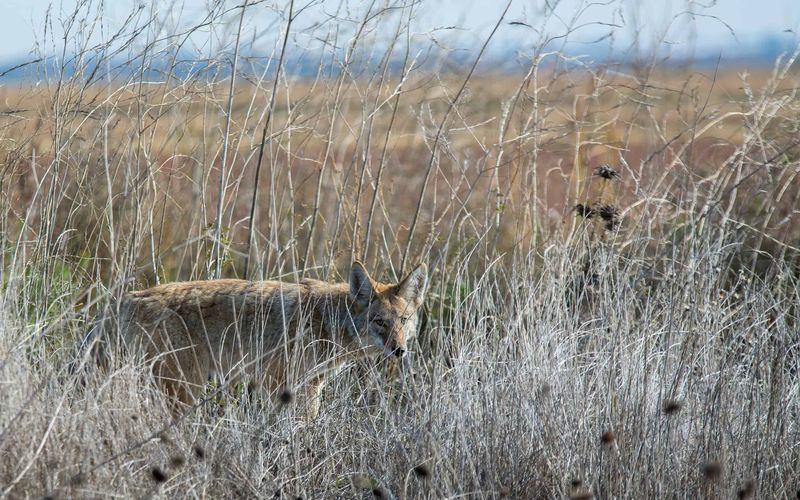
Think of your yard like a restaurant menu. If it is full of tasty choices, coyotes will keep coming back for more. Take those choices away, and they will look for a better place to eat.
Fall in Pennsylvania brings plenty of temptations. Apple and pear trees drop fruit all over the grass.
Bird feeders spill seeds that attract mice, chipmunks, and squirrels. Coyotes love munching on those little critters, so a messy feeder can work like a coyote magnet.
Start by picking up fallen fruit every few days. Rake it into a bag or toss it in a closed compost bin. Speaking of compost, avoid adding meat, bones, or dairy, because those smells travel far on a cool breeze.
Next, check your trash cans. Use sturdy cans with tight lids, and consider bungee cords or locking lids if animals have been snooping. Put garbage out on the morning of pickup instead of the night before.
Pet food is another big one. Never leave bowls of kibble or water outside overnight. Feed pets indoors whenever you can.
Bird lovers do not have to give up their hobby. Just add a seed tray under the feeder and sweep up spills often. Some folks take feeders down for a few weeks if coyotes keep visiting.
Why does fall matter so much? Young coyotes are leaving their families right now to find their own turf. They are inexperienced, hungry, and testing new places. A clean yard tells them to keep moving down the road.
4. Lock Up Chickens And Small Critters Tight
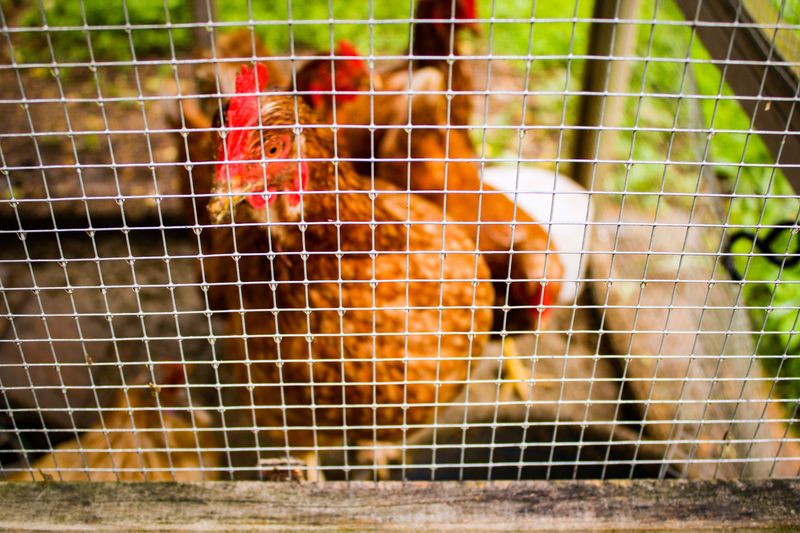
Ask any backyard chicken keeper about their worst night, and you might hear a coyote story.
These clever hunters can clean out a poorly built coop faster than you would believe. Rabbits, ducks, and guinea pigs kept outside are at risk too.
The secret weapon is something called hardware cloth. It is a tough metal mesh with small square holes, usually half an inch or a quarter inch wide.
Regular chicken wire sounds like it would work, but it really just keeps chickens in. A determined coyote can tear right through it.
Wrap your coop and run with hardware cloth and fasten it with strong screws and washers, not just staples.
Coyotes also dig, so bury the mesh about 12 inches deep around the edges. Another option is laying an apron of mesh flat on the ground, stretching out about two feet from the walls.
Locks matter as well. Raccoons are famous for opening simple latches, and a weak door helps every predator. Use spring clips or latches that need two steps to open.
Make it a habit to close everyone in before sunset. A cheap automatic coop door can do this for you, which is handy on busy fall evenings. Count your birds each night so you know everyone made it home.
Here is a neat trick. Some Pennsylvania farmers use motion lights or solar flashing lights near coops. Those sudden bursts of light can make a sneaky coyote think twice. A guardian dog or even a donkey can help larger farms stay safe too.
5. Never Hand Out Free Meals To Coyotes
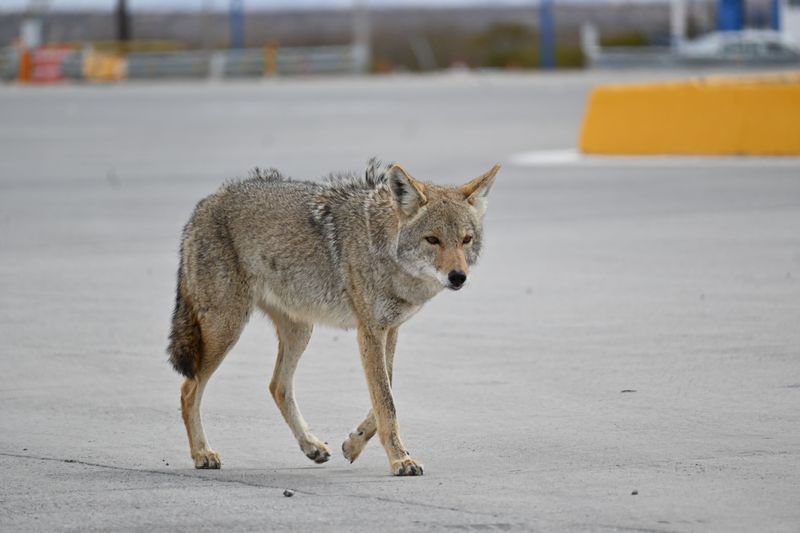
It might feel kind to toss a skinny coyote some leftovers. Honestly, it is one of the worst things you can do for that animal. Wildlife officers often say, “A fed coyote is a problem coyote.”
Wild coyotes are naturally careful around people. That fear keeps both humans and coyotes safe.
Once a coyote gets food from a person, it starts linking people with easy meals. Over time, it may walk right up to doors, follow walkers, or grab food off picnic tables.
Bold coyotes are the ones that end up getting into trouble. They may nip at people or attack pets. Often, wildlife officials have to remove them from the area. So feeding a coyote does not really help it at all.
Here is the tricky part. Plenty of people feed coyotes without meaning to. Leaving cat food on the porch for a stray counts. So does tossing meat scraps into the backyard or leaving a grill greasy and uncovered.
Talk with your neighbors about this, too. One house putting out food can bring coyotes to the whole street. Some towns in Pennsylvania even have rules against feeding wildlife, so check with your local township.
Fun fact time. Coyotes eat a wide range of foods in the wild, including mice, rabbits, insects, berries, and even grasshoppers. They are excellent at finding meals on their own. They truly do not need our help.
If you enjoy seeing wildlife, try a trail camera instead. You can watch coyotes from a distance without changing how they behave.
6. Stay Put Instead Of Running Off
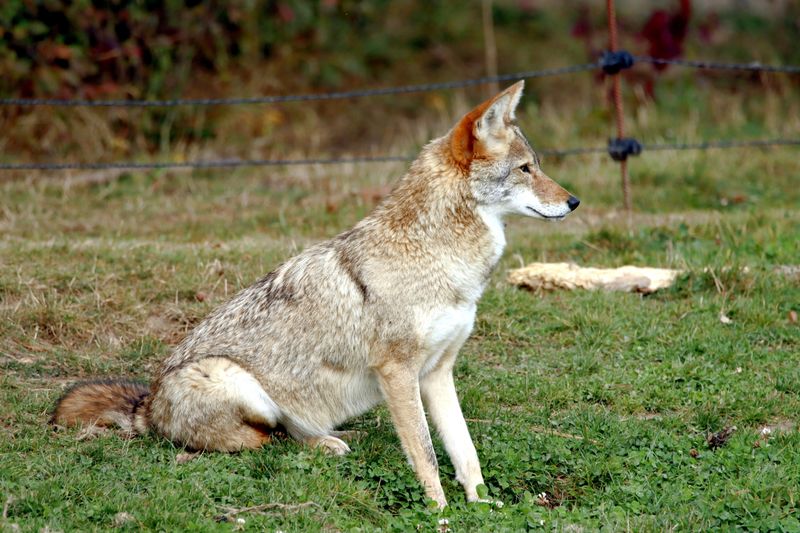
Your heart starts pounding the moment you spot a coyote staring at you. Every part of you wants to turn and sprint. Fight that feeling, because running is exactly the wrong move.
Coyotes are hunters, and hunters love a chase. When something runs, it can trigger an automatic reaction in a predator.
Even a coyote that was not interested in you might take a few steps after you just because you bolted. Plus, coyotes can run about 40 miles per hour, so you would never outrun one anyway.
Instead, stop and face the coyote. Stand tall and keep your eyes on it. Then back away slowly, one steady step at a time. While you move, make plenty of noise. Shout, clap, or blow a whistle.
If you have a small child with you, pick them up. Hold your little dog close or keep it right by your side on a short leash. This makes your group look bigger and protects the smallest members.
Out on a trail? Carry a walking stick or umbrella. Opening an umbrella quickly can startle a coyote and make you look huge. Some hikers in Pennsylvania state parks also keep a small air horn in their pocket during fall walks.
Remember that real coyote attacks on people are very rare. Most coyotes will slip away the second they notice you being loud and confident.
Staying calm keeps the moment short and safe. Teach kids this rule early so they know what to do if they ever see one.
7. Don’t Trust A Fence To Babysit Your Pets
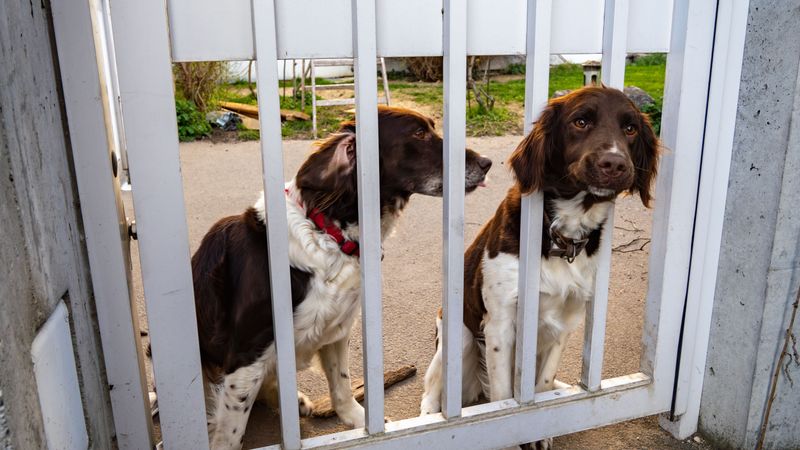
Plenty of pet owners feel safe once they put up a nice backyard fence. Sadly, coyotes do not care much about fences. These athletes can leap over a six foot fence and dig under one in no time.
Coyotes are also patient. One might watch a yard for days, learning when a small dog goes out alone. Then, when the owner heads back inside for a minute, it makes its move. It sounds sneaky because it is.
So the best rule is simple. Stay outside with small pets, even in a fenced yard. Grab a jacket, bring a mug of cocoa, and enjoy the fall air together.
Late nights and early mornings deserve extra care, and that goes double during long winter nights ahead.
Never leave a pet tied up or out overnight. A dog on a chain cannot escape if danger comes along. Dog houses do not offer real protection either. Want to make your fence stronger? There are a few upgrades worth trying:
Coyote rollers are spinning bars placed along the top of a fence. When a coyote tries to grab the top, the bar rolls, and it cannot get a grip. You can also bury wire mesh along the bottom to stop diggers.
Motion activated sprinklers and lights help too. They surprise coyotes and send them running.
Even with upgrades, nothing beats having you right there. Your pet will love the company, and you will rest easy knowing your furry friend is safe.
8. Keep Your Distance And Leave An Escape Route
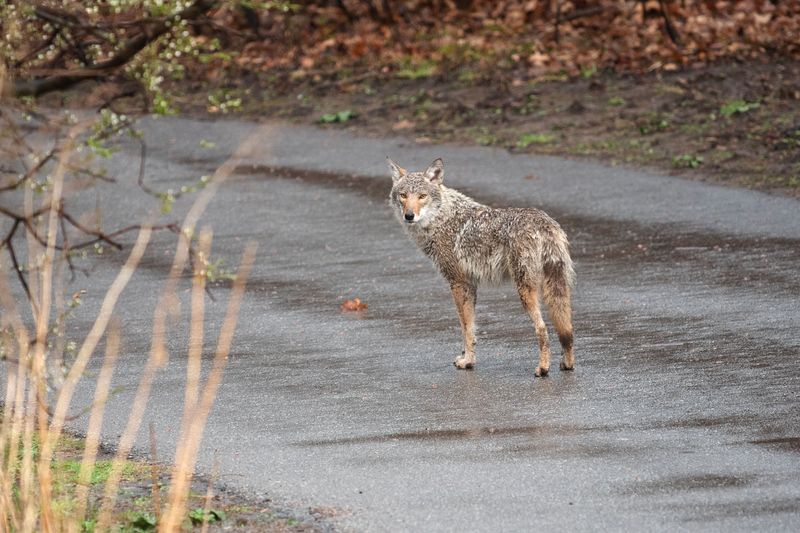
Curiosity is a wonderful thing, but not when a wild coyote is involved. Walking up to one, trying to pet it, or chasing it into a corner can turn a calm moment into a scary one.
A cornered coyote feels trapped. Animals that feel trapped may bite or scratch to protect themselves.
That is why you should always leave it an open path out of your yard. Keep gates open if it is inside a fence. Step aside from driveways and openings so it can slip away easily.
Never try to catch or trap a coyote yourself. In Pennsylvania, coyotes are managed by the Pennsylvania Game Commission, and there are rules about handling wildlife.
Coyotes can also carry diseases like rabies and mange, so touching one is a big risk. Sometimes a coyote acts strangely. Watch for these warning signs:
It shows no fear of people, even after loud hazing. It looks sick, stumbles, or has patchy, missing fur. It growls, snaps, or follows people. It keeps returning to your yard again and again.
If you notice any of these, call the Pennsylvania Game Commission regional office or your local animal control. They can give advice and handle the situation safely. If anyone is ever bitten, call 911 or see a doctor right away.
Did you know coyotes were once rare in Pennsylvania? They spread into the state during the 1900s and now live everywhere. Learning to share space wisely is the best way to keep everyone safe and happy.