The Michigan Perennials To Divide In September And The Ones To Leave Alone
September feels like the obvious time to tackle overdue perennial division, especially with cooler weather finally making yard work more bearable.
But not every Michigan perennial responds well to being divided this time of year, and getting it wrong can set a plant back significantly.
Some perennials genuinely benefit from a September split, while others need to be left completely undisturbed until an entirely different season arrives.
Knowing exactly which category your plants fall into changes how you approach this month’s garden tasks from the very start.
Many gardeners assume all perennials follow the same general rules, missing distinctions that matter more than most people realize. Understanding this list now could prevent setbacks that take an entire growing season to recover from.
Getting the timing right here makes all the difference between a healthier plant and an unnecessary struggle.
1. Divide Peonies
Peonies reward patience, and September is their golden window in Michigan. The soil still holds summer warmth, which helps new roots settle in before frost arrives.
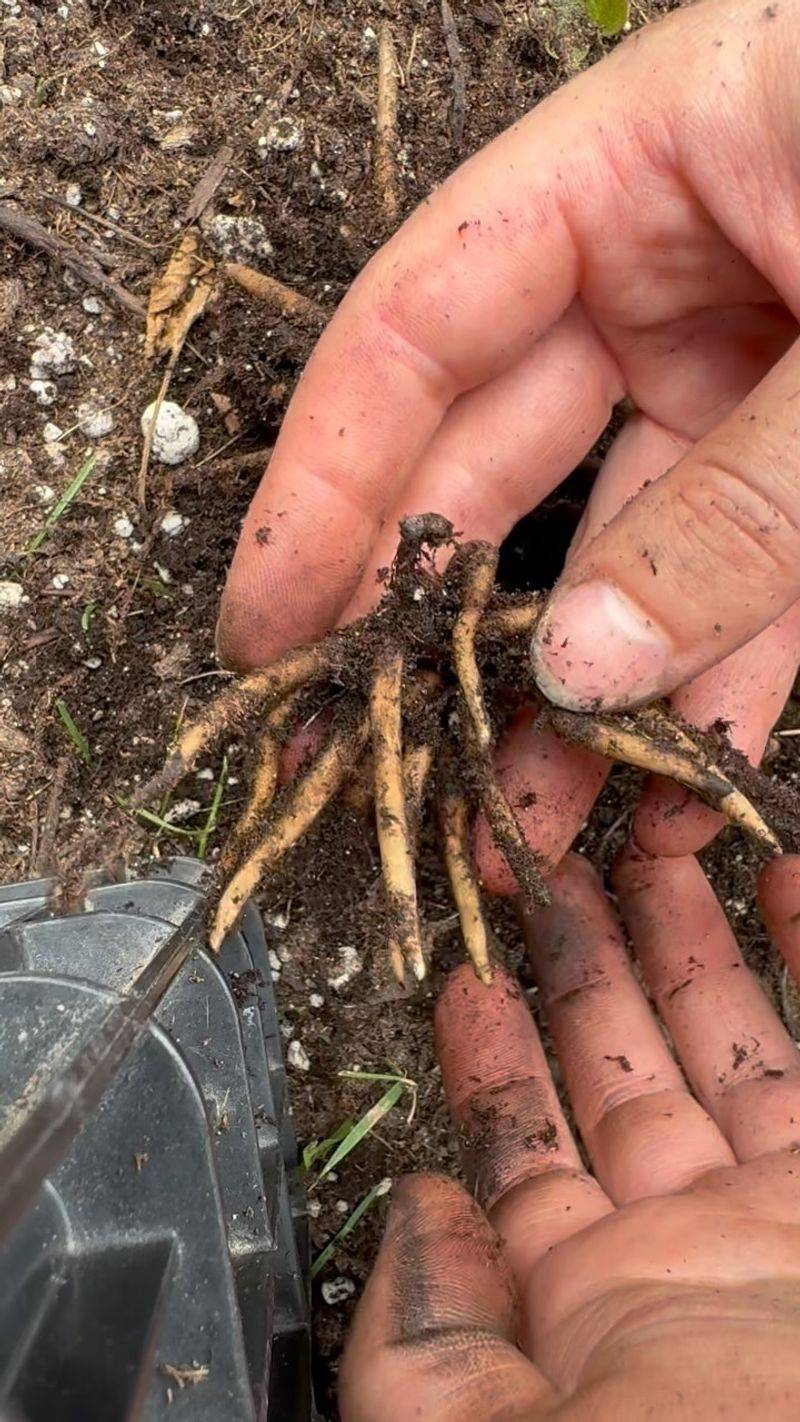
When you lift a peony clump, shake off the extra soil so you can see what you are working with. Each piece you cut should carry three to five plump buds, sometimes called eyes, along with a good handful of firm roots.
Skimpy sections with only one bud struggle to grow strong and may skip flowering for years.
A sharp, clean knife makes the job easier. Slice through the crown carefully, keeping those pink or reddish buds attached to solid root chunks. Try not to snap the roots, since damaged pieces heal slowly.
Planting depth matters more with peonies than almost any other flower. Set each bud no deeper than two inches below the surface. Plant them too low and you may wait forever for blooms.
Water your new divisions well and add a light layer of mulch once the ground cools. That blanket protects the roots through Michigan winters without smothering the buds.
Give the plants a season to adjust, and do not panic if flowers are shy the first spring. Peonies are famously long lived, often thriving for decades in the same yard.
Fun fact: a healthy peony can outlast the person who planted it, gracing the same garden spot for fifty years or more. A little care in September sets up a lifetime of fragrant, showy blooms.
2. Divide Daylilies
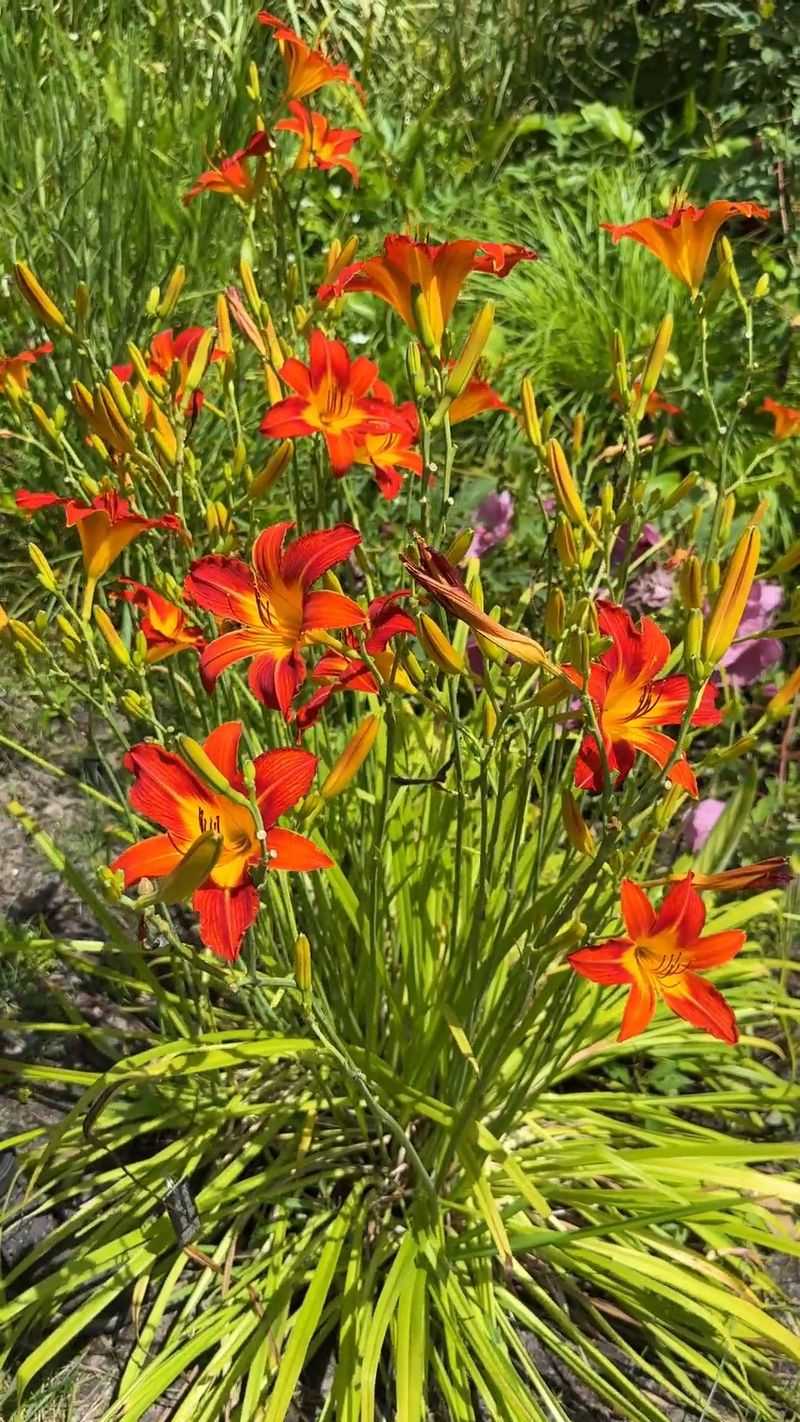
Daylilies are the workhorses of the perennial world, and they take dividing like champs. Once their flowering slows down in late summer, the plants are ready for a refresh.
Over the years, a daylily clump grows into a thick tangle. The middle can turn woody and tired, pushing up fewer and smaller flowers each season. Splitting the clump wakes everything back up.
Start by digging around the whole plant and lifting it out. The roots often look like a bundle of chunky fingers holding fat storage tubers.
Gently tug the clump apart into smaller sections, each with a few leafy fans and a healthy set of roots.
Stubborn clumps may need extra muscle. Two garden forks pushed back to back into the center will pry things loose without shredding the roots. For very tough plants, a clean knife works too.
Your Michigan Garden Changes Every Week. Your Plan Should Too.
Gardening in Michigan changes quickly throughout the season. Every Friday you’ll receive a simple weekly plan showing exactly what to plant, prune, fertilize, harvest, and protect so you never miss the right timing.
Trim the leaves down to about six inches so the new divisions can focus energy on rooting instead of feeding tall foliage. Replant them at the same depth they grew before, water deeply, and keep the soil moist for a couple weeks.
September gives the roots plenty of time to grab hold before the ground freezes. By next summer, you will notice fuller plants loaded with more buds.
Here is a bonus: each daylily flower opens for just one day, which is exactly how the plant earned its name. Dividing means more fans, more buds, and a longer parade of those one day wonders across your yard.
3. Divide Siberian Irises
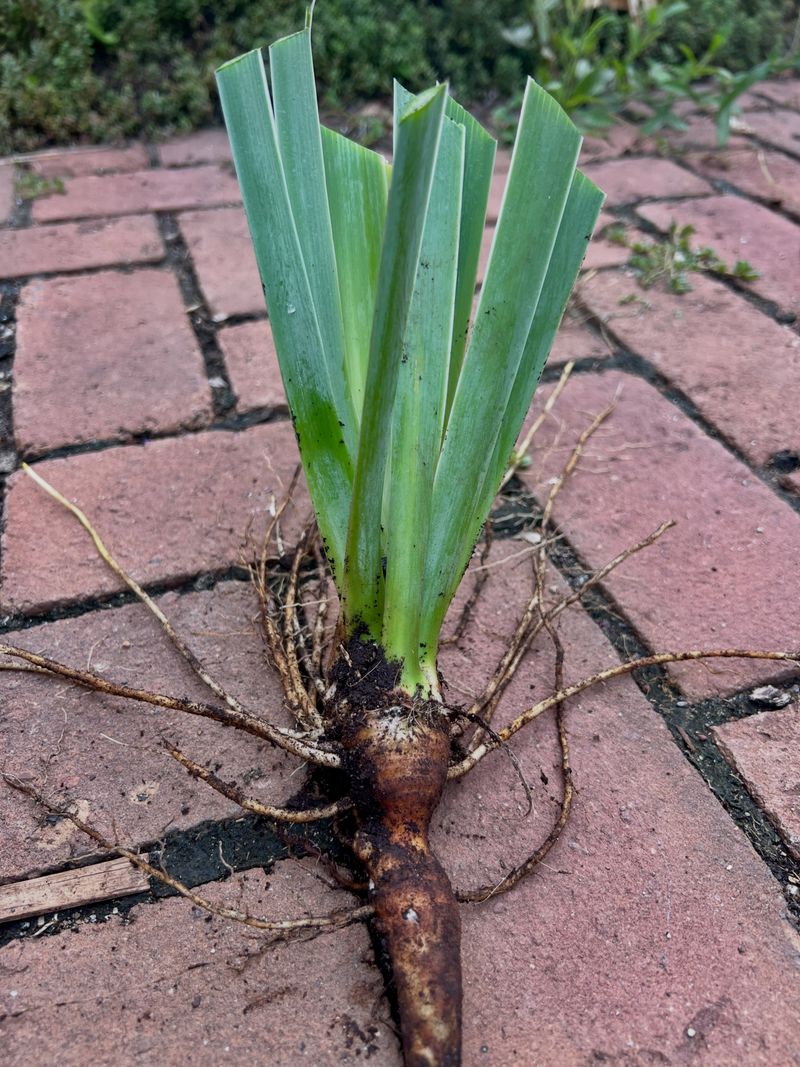
Siberian irises tell you when they need help. If the center of the clump looks empty while the edges keep growing, that hollow doughnut shape is your signal.
Early September is a smart time to tackle them in Michigan. The weather has cooled, and the plants have finished their spring show, so digging causes less stress.
These irises grow tough, wiry roots that can feel almost like rope. Dig out the entire clump, then rinse or brush away enough soil to spot the living outer sections. The tired middle can be tossed onto the compost pile.
Use a sharp spade or a strong knife to cut the healthy ring into fist sized pieces. Each chunk should have several green leaf fans and a good clump of roots attached. Small, weak divisions bounce back slowly.
Trim the leaves to about six inches to cut down on water loss while the roots reestablish. Replant right away, since Siberian iris roots dislike drying out.
Set each division at the same depth it grew before, firm the soil gently, and water thoroughly. A layer of mulch after the ground cools helps the new plants ride out winter.
Weak flowering and thin centers usually clear up within a season or two once the clumps have room to spread again.
Unlike fussy bearded irises, Siberian types handle wet Michigan springs with ease. Give them a division every few years and they will pay you back with slender blades and delicate blooms.
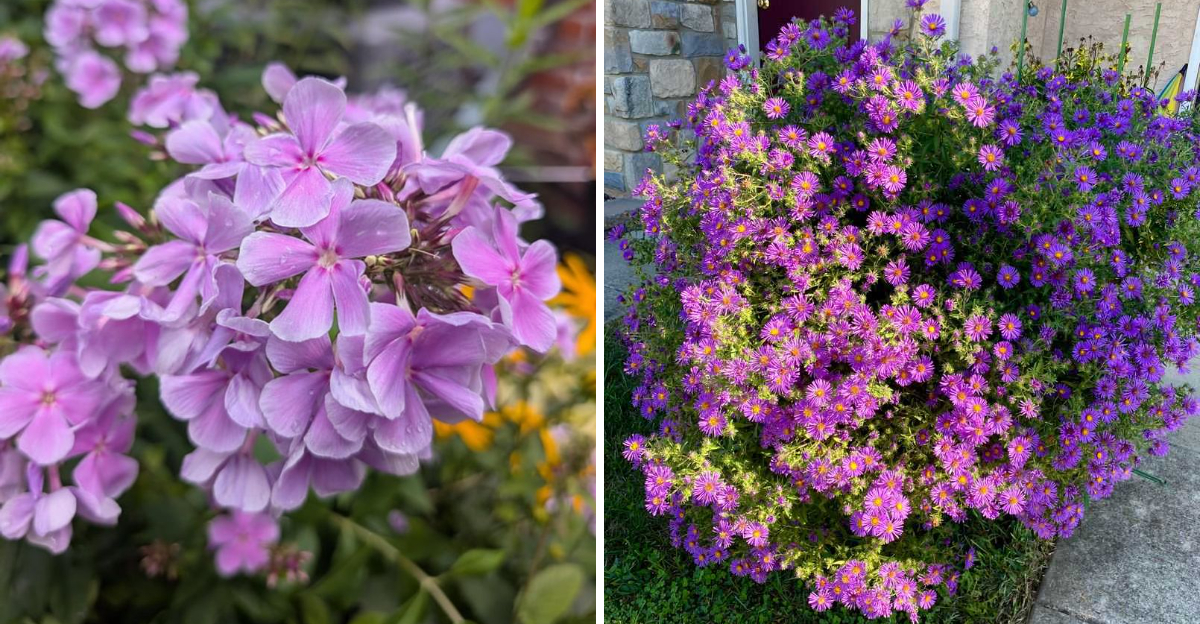
4. Divide Garden Phlox
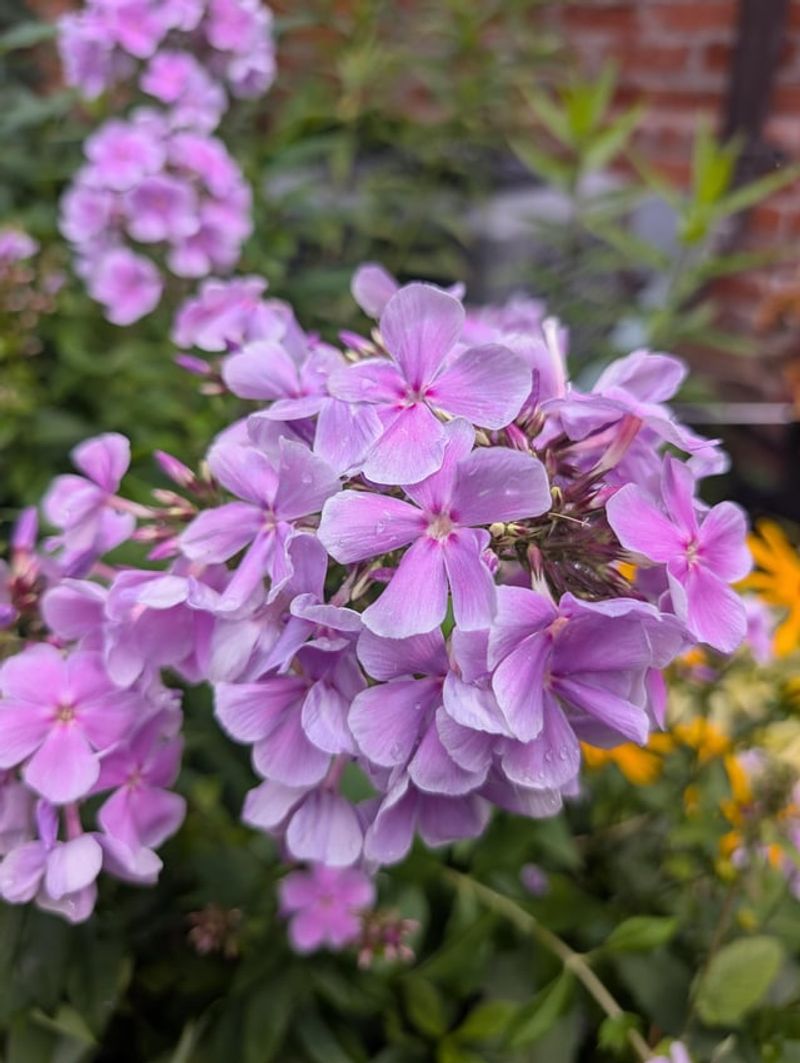
Tall garden phlox fills late summer with clouds of sweet smelling color, but a crowded clump slowly loses its punch. When the flowers shrink and the stems crowd together, it is time to give the plant some breathing room.
After the blooms fade, the cooler days of early fall let you divide without shocking the plant. Michigan gardeners often find September just right for the job.
Dig up the whole clump with a spade, going wide to catch as many roots as you can. The base may feel dense and packed, almost like a thick mat. Shake off loose soil so you can see where to make your cuts.
Pull or slice the clump into sections, each with several strong stems and plenty of roots. Aim for pieces about the size of your fist, since these settle in faster than tiny scraps.
Give your new plants space when you replant, leaving a foot or two between them. Good airflow keeps that powdery white mildew phlox is known for from taking over.
Water the divisions well and add mulch once the ground cools. The roots will keep growing quietly underground until winter sets in.
By next summer, you will see fuller plants with bigger flower heads and stronger stems. Butterflies and hummingbirds tend to notice too, drawn in by the fragrance.
Dividing every three or four years keeps garden phlox young, healthy, and blooming its heart out season after season without any fuss.
5. Leave Asters Alone
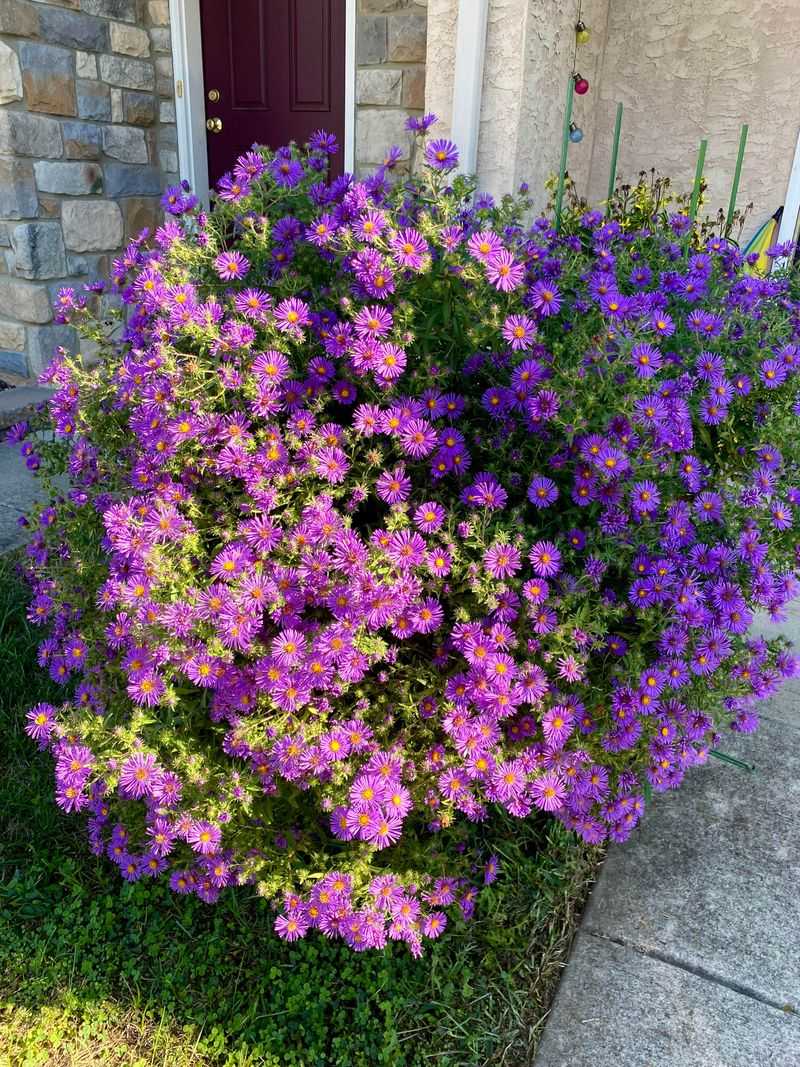
Asters are the stars of the autumn garden, so this is the worst possible moment to bother them. While most flowers wind down, asters burst into purple, pink, and blue right when September rolls around.
Digging them up now would cut short their big performance. The plants are pouring all their energy into those late blooms, which feed hungry bees and butterflies stocking up before cold weather.
Disturbing the roots at this stage stresses the plant badly. It may drop its flowers early and struggle to bounce back, leaving you with a sad, patchy corner instead of a colorful one.
The better plan is simple: leave them be and enjoy the show. Let the asters finish flowering and soak up every warm day they can.
Come spring, once you spot fresh green growth poking up, that is your cue. Dividing asters when new shoots appear gives them the whole growing season to recover and settle in.
At that point you can dig the clump, split it into healthy chunks with roots and shoots, and replant with room to spread. Spring divisions root quickly and reward you with bushier plants.
Many asters actually grow better and flower more heavily after a spring split, so waiting pays off twice.
For now, grab a chair and watch the pollinators dance across the blooms. Your asters are doing exactly what they were made to do, and the smartest move is to let them shine uninterrupted.
6. Leave Purple Coneflowers Alone
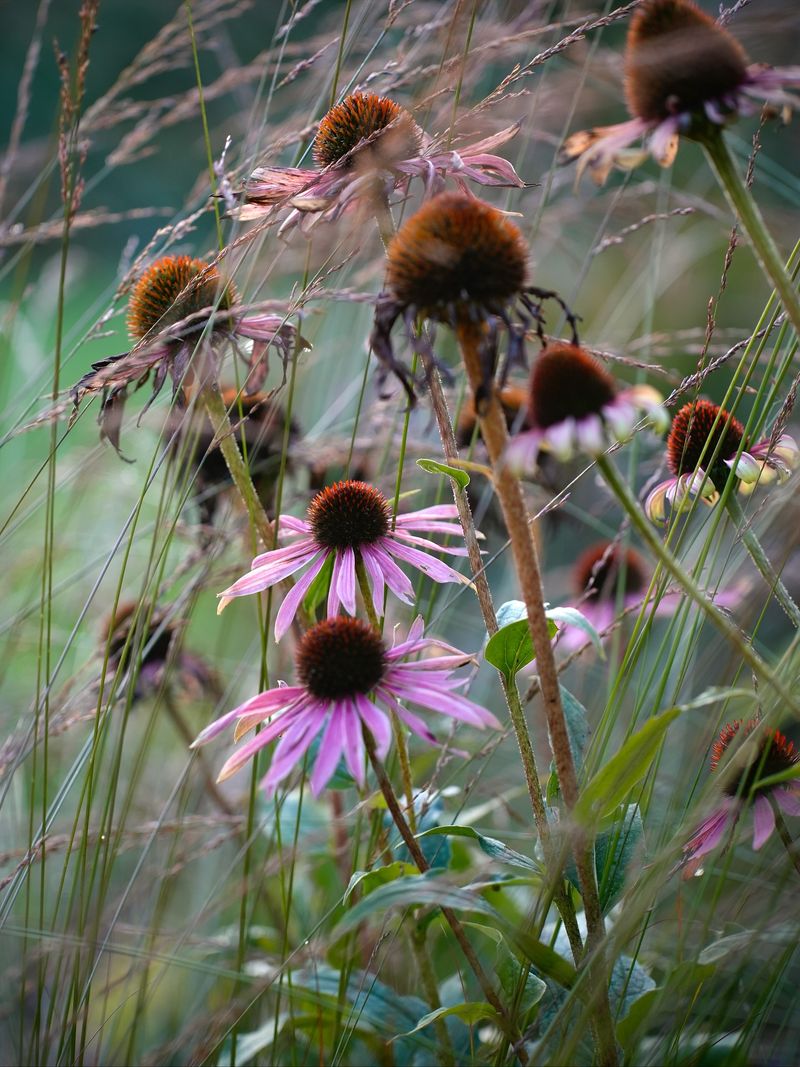
Purple coneflowers, also called echinacea, are tougher than they look, but their roots do not love being poked in fall. These prairie natives grow deep taproots that anchor them firmly in the soil.
Splitting them in September rarely goes well. The disturbed roots have little time to heal before the ground freezes, and weak divisions can struggle to survive a Michigan winter.
Spring is the friendlier choice. When fresh leaves start to appear, the plant is full of energy and ready to grow, so new pieces recover fast and root deeply.
Leaving coneflowers standing through fall brings a nice bonus. Those spiky seed heads turn into a snack bar for goldfinches and other birds looking for food as the weather cools.
The dried stems and cones also add texture to a quiet winter garden. A dusting of snow on the seed heads can look surprisingly pretty.
If your clump has grown large or the middle looks thin, just make a mental note. Mark the spot and plan to divide it after the last hard frost next spring.
When that time comes, dig the whole plant, separate sections with roots and buds, and replant in a sunny, well drained spot. Coneflowers love the sun.
Fun fact: echinacea has long been valued for herbal teas and remedies, which is part of why it stays so popular. Give these prairie favorites a rest this fall, and they will thank you with strong growth and cheerful blooms next year.
7. Leave Ornamental Grasses Alone
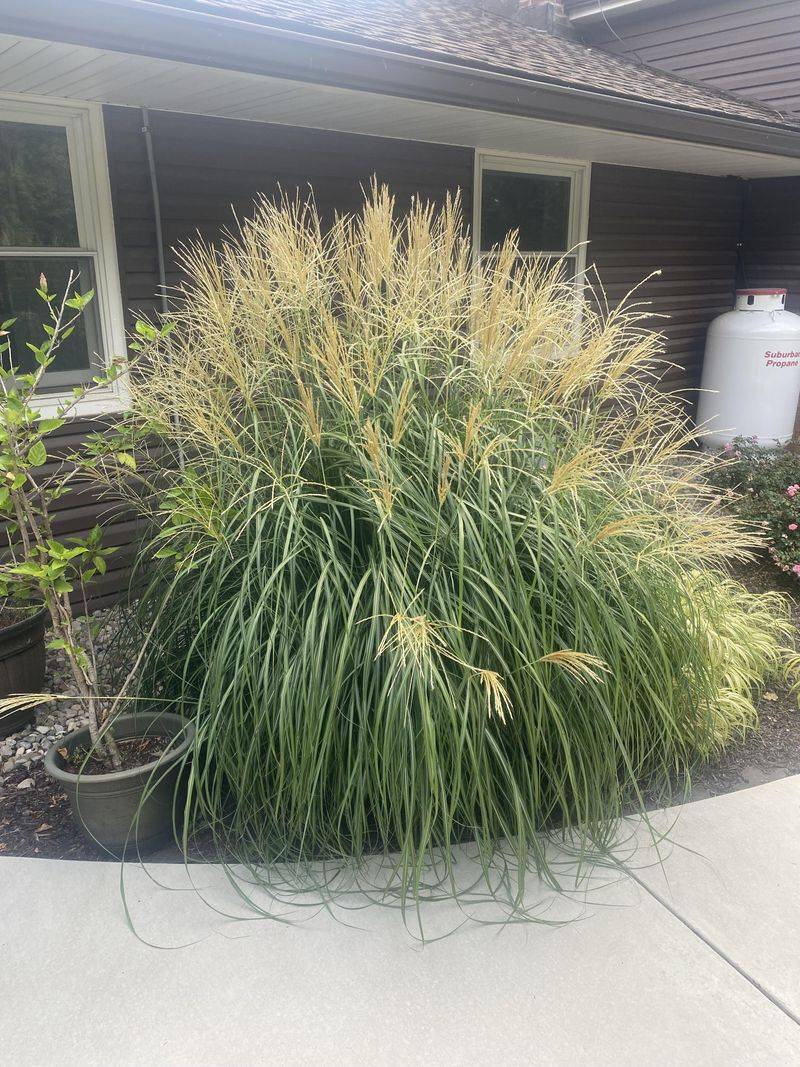
Ornamental grasses put on a graceful autumn display, with feathery plumes catching the light and swaying in every breeze. This is not the season to chop them apart.
Most grasses grow best when you divide them in spring, right as new blades push up from the base. Fall splitting leaves the roots too little time to settle before winter, and cold, soggy soil can rot fresh cuts.
Warm season types like miscanthus, switchgrass, and fountain grass especially prefer a spring split. They wake up hungry to grow, so divisions root fast and fill out quickly once the weather warms.
There is a real perk to leaving grasses standing through the cold months. The tall stems and plumes catch snow and frost, adding movement and beauty to a bare winter yard.
Those clumps also shelter helpful insects and give small birds a place to hide from wind. A tidy garden is not always the most welcoming one.
When spring finally arrives, cut the old growth back close to the ground before new shoots get tall. Then dig the clump and slice it into sections with a sharp spade or even a saw for tough ones.
Big grasses can build surprisingly dense roots, so do not be shy about using some force. Each division needs healthy roots and a few growing points.
Hold off for now and enjoy the show. Your grasses will look stunning all winter and divide far more easily once the growing season begins again.