The Nursery Mistake Arizona Gardeners Can Avoid When Shopping For Fall Plants
The biggest plant at the nursery can easily look like the best choice. That first impression can lead you toward a plant that has trouble adjusting later.
Arizona gardeners shopping for fall plants should look beyond height, fullness, and instant curb appeal. Strong growth above the pot does not always mean healthy growth below it.
Roots matter just as much as everything you can see. Crowded conditions inside a small container can make transplanting harder once the plant reaches your yard.
Fall gives many plants a valuable window to settle into their new surroundings. Starting with the right nursery pick can make that transition much smoother.
Take your time before grabbing the showiest option on display. Size alone should never make the decision for you.
Knowing what to check first can save you frustration after planting.
1. The Biggest Plant Is Not Always The Best Choice
Bigger does not mean better, especially at a nursery. Grabbing the tallest or fullest plant on the shelf feels satisfying, but that instinct can work against you in the garden.
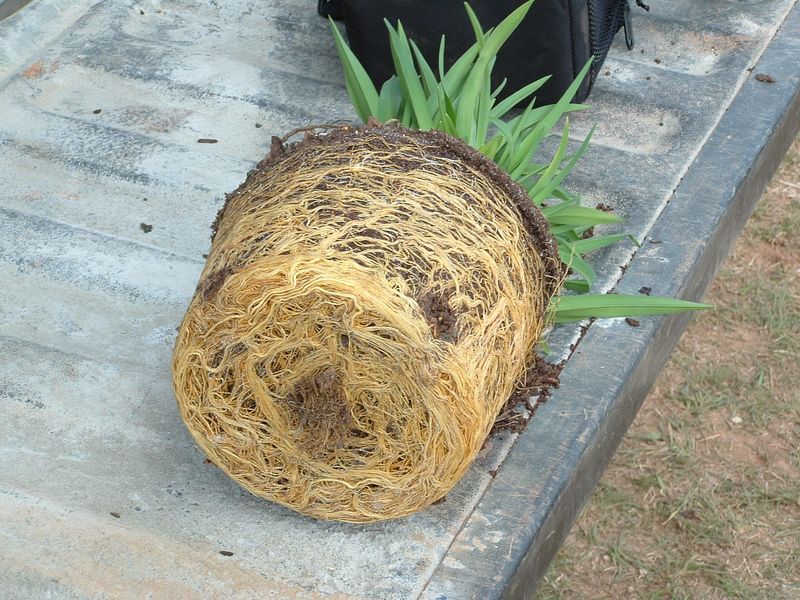
Larger plants in small pots often have crowded roots. When roots run out of room, they start wrapping around each other or pushing against the container walls.
That stress can slow the plant down significantly once it goes into the ground.
Smaller, younger plants often adjust faster after transplanting. Their root systems are still developing and tend to spread outward more naturally once given fresh soil and space.
A compact plant with good structure can catch up quickly under the right conditions.
At a nursery, look past the height and focus on the overall shape. A well-branched, sturdy plant with green foliage and no yellowing leaves is a better sign of health than sheer size.
Fall planting in the Phoenix and Tucson areas rewards plants that can focus energy on root development rather than maintaining large top growth. A slightly smaller pick with a balanced shape often settles in more reliably.
Size can be impressive at the store, but what matters most is how the plant performs after it leaves the shelf.
2. Healthy Roots Matter More Than Extra Top Growth
Root health is the real story of any plant. What you see above the soil is only part of the picture, and sometimes the least important part.
A plant with lush, full foliage can still have weak or damaged roots underneath. Top growth can look impressive even when the root system is struggling.
Roots are what anchor the plant and pull in water and nutrients, so their condition matters most.
Healthy roots are typically light-colored, firm, and spread through the potting mix without clumping in one spot. Dark, mushy, or sour-smelling roots can signal overwatering or root rot.
Either issue can make it harder for the plant to establish after planting.
Before buying, gently tip the pot and slide the root ball out slightly if possible. Most nursery staff will not mind if you check carefully and handle the plant with respect.
Your Arizona Garden Changes Every Week. Your Plan Should Too.
Gardening in Arizona changes quickly throughout the season. Every Friday you’ll receive a simple weekly plan showing exactly what to plant, prune, fertilize, harvest, and protect so you never miss the right timing.
What you find inside the pot tells you far more than the foliage ever could.
In Arizona fall planting, roots need to be in good shape before the ground cools significantly. A plant with strong roots going into the soil in October or November has a much better shot at thriving by spring.
Prioritize root quality over leafy appearance every time you shop.
3. Roots Coming From The Pot May Signal Trouble
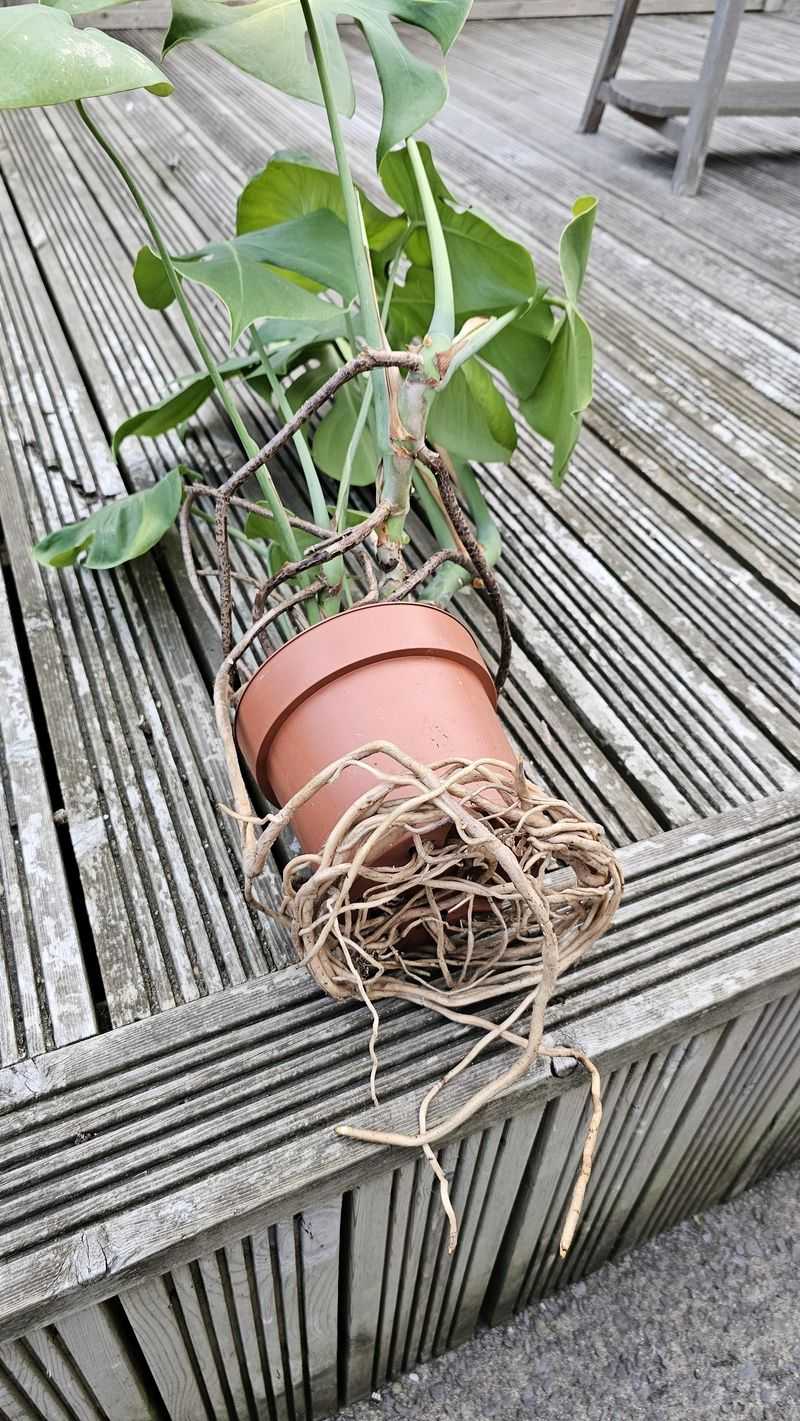
Roots poking out of the drainage holes might look harmless, but they are worth paying attention to. A few small roots near the bottom of a pot are not a big concern.
Thick, woody roots pushing hard through the holes are a different matter.
When roots exit the pot and reach the ground beneath, the plant has likely outgrown its container. At that point, the root system may be under stress and searching for more space.
Transplanting a plant in that condition can be trickier than it looks.
Roots that have grown into the ground through drainage holes can actually break when you lift the pot. That snapping removes part of the root system before the plant even reaches your yard.
Losing established roots right before transplanting adds stress at a critical moment.
Check the bottom of any pot before purchasing. A couple of thin white root tips are generally fine.
Thick, coiled, or soil-embedded roots suggest the plant has been sitting in that container too long.
Nurseries move inventory at different speeds, and some plants sit on shelves longer than others. Checking the pot bottom takes only a few seconds and can help you avoid bringing home a plant that is already working harder than it should be.
A fresh, well-timed container plant is worth the extra look.
4. Circling Roots May Cause Problems After Planting
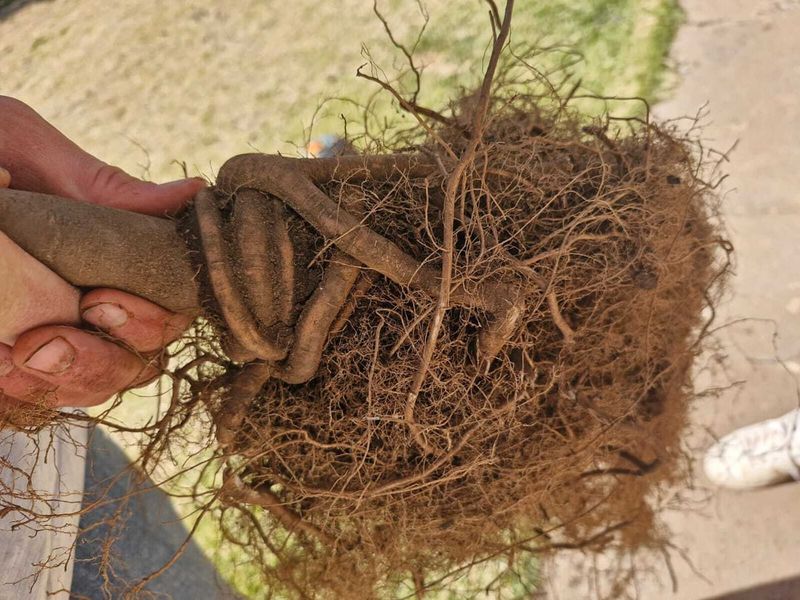
Pull a plant from its pot and you might notice roots wrapping in a circle along the inside edge. That pattern has a name: girdling or circling roots.
Left uncorrected, they can restrict the plant’s growth for years after planting.
Roots naturally grow outward when given space. Inside a container, they hit the wall and start curving.
Over time, those curved roots can continue circling even after transplanting, rather than spreading into the surrounding soil. That limits how well the plant anchors and feeds itself.
Girdling roots can eventually press against the trunk or main stem as both grow. That pressure can restrict water and nutrient movement within the plant over time.
Catching it early at the nursery is much easier than dealing with it later in the garden.
When you spot circling roots, use your fingers or a tool to gently loosen and redirect them outward before planting. Straightening them encourages outward growth into fresh soil.
Severe cases may need more careful untangling, but most moderate circling can be corrected at planting time.
Gardeners in the Southwest often focus on watering schedules and sun exposure, but root structure deserves equal attention. A plant with straight, outward-spreading roots from the start has a stronger foundation.
Taking a moment to check and correct root direction can make a real difference in long-term plant performance.
5. The Root Ball Should Feel Firm And Well Formed
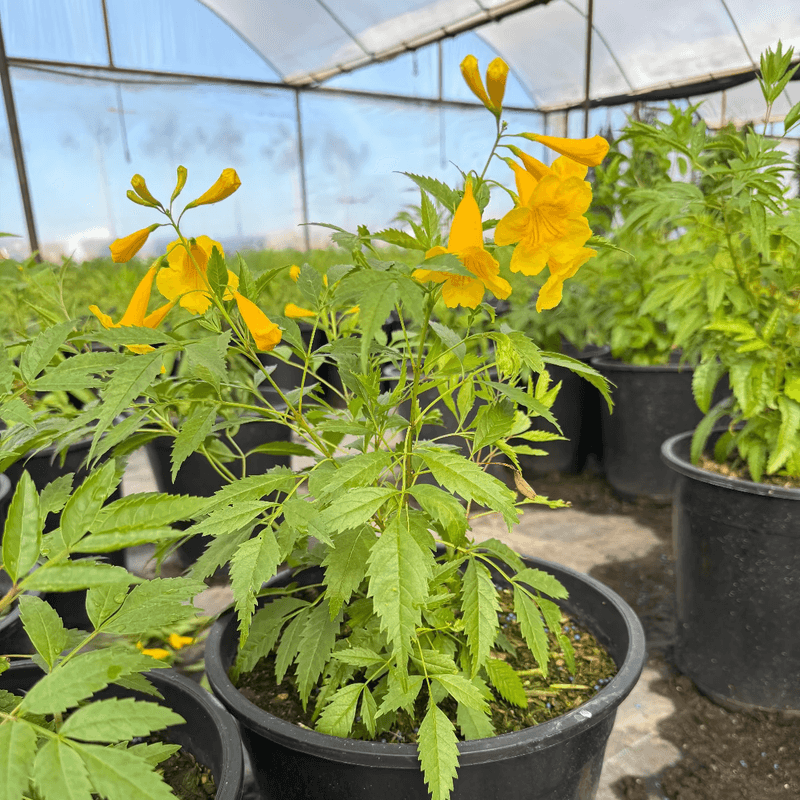
Give the root ball a gentle squeeze before you buy. A firm, cohesive root ball means the roots have grown through the potting mix and are holding it together well.
That structure is a good sign the plant has been growing steadily and is ready for transplanting.
A root ball that crumbles or falls apart when handled suggests the roots have not developed enough to bind the soil. Loose potting mix with few roots means the plant was likely potted recently or has not had time to establish in the container.
Planting it too soon can disrupt what little root structure it has.
On the other end, an extremely hard, compacted root ball can indicate the plant has been in the container too long. Very dense root masses sometimes resist water penetration after planting.
Loosening the outer edges slightly before placing the plant in the ground can help water reach the roots more effectively.
A good root ball holds together, feels slightly moist, and has visible roots throughout without being completely packed. Medium firmness is a reasonable target when checking at the nursery.
Fall planting in Arizona benefits from plants that are ready to go. A well-formed root ball means the plant can start settling into its new location right away.
Checking firmness takes only a moment and adds real confidence to your purchase decision.
6. The Right Plant Still Needs To Match Your Yard
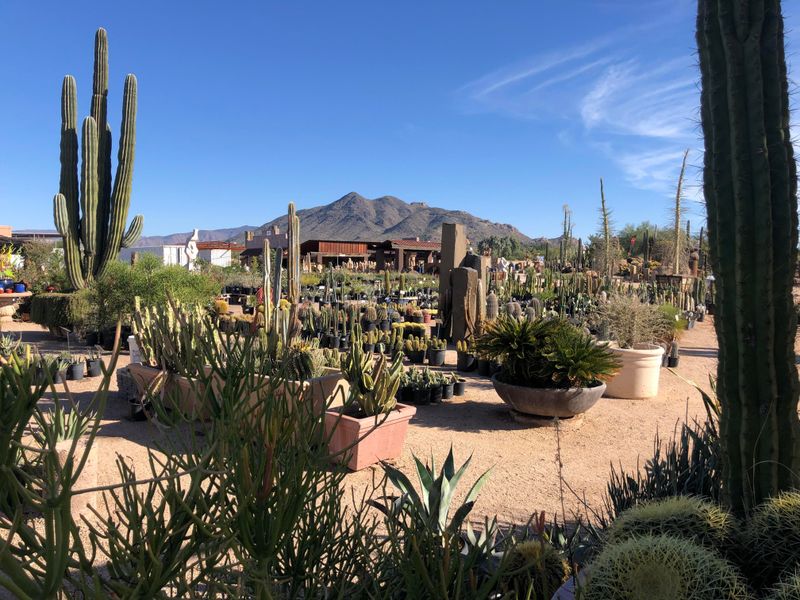
Finding a healthy plant at the nursery is only half the job. Matching that plant to your actual yard conditions is just as important, and it is a step that many shoppers skip.
Sun exposure, soil type, drainage, and available space all affect how well a plant performs. A drought-tolerant shrub that thrives in full sun may struggle in a shaded corner.
A moisture-loving plant placed in fast-draining gravel soil will need far more attention to stay healthy.
Read the plant tag carefully before purchasing. Tags usually list sun requirements, mature size, and water needs.
Comparing those details to what your yard actually offers helps you make a smarter pick. A plant well-suited to your conditions requires less intervention over time.
Consider the mature size listed on the tag. Plants often look small at the nursery but can spread several feet wider within a few seasons.
Placing a large-maturing shrub too close to a wall or walkway creates problems down the road that are hard to fix without significant effort.
Fall is an excellent planting season across much of the desert region. Cooler air gives roots time to spread before heat returns.
But even with ideal timing, a mismatched plant will underperform. Taking a few minutes to assess your yard before you shop helps you bring home plants that are genuinely suited to the space you have available.
7. Smart Nursery Choices Give Fall Planting A Better Start
Putting a little thought into your nursery visit pays off in the garden. Rushing through the plant section and grabbing whatever looks good in the moment is an easy habit to fall into.
Slowing down and checking a few key things changes the outcome.
Start by looking at the foliage. Yellowing leaves, spots, or wilting can point to stress, pests, or watering issues.
Healthy plants generally have consistent color and firm stems. Avoid anything that looks off, even if the price is appealing.
Check the pot next. Look for roots at the drainage holes, feel the weight of the container, and gently press the root ball.
A pot that feels very light for its size may be drying out too fast between waterings. A pot that feels waterlogged and heavy may have drainage issues.
Ask nursery staff questions if you are unsure. Experienced staff can tell you when a batch arrived, how long a plant has been on the shelf, and whether it suits your local conditions.
That information is often more useful than anything on the plant tag.
Fall planting in Arizona can produce strong results when you start with quality plants. Good root health, proper sizing, and a solid match to your yard all contribute to a garden that performs well season after season.
Shop with intention and your garden will reflect that effort.