The Minnesota Perennial That Quietly Keeps Deer Ticks And Rabbits Away
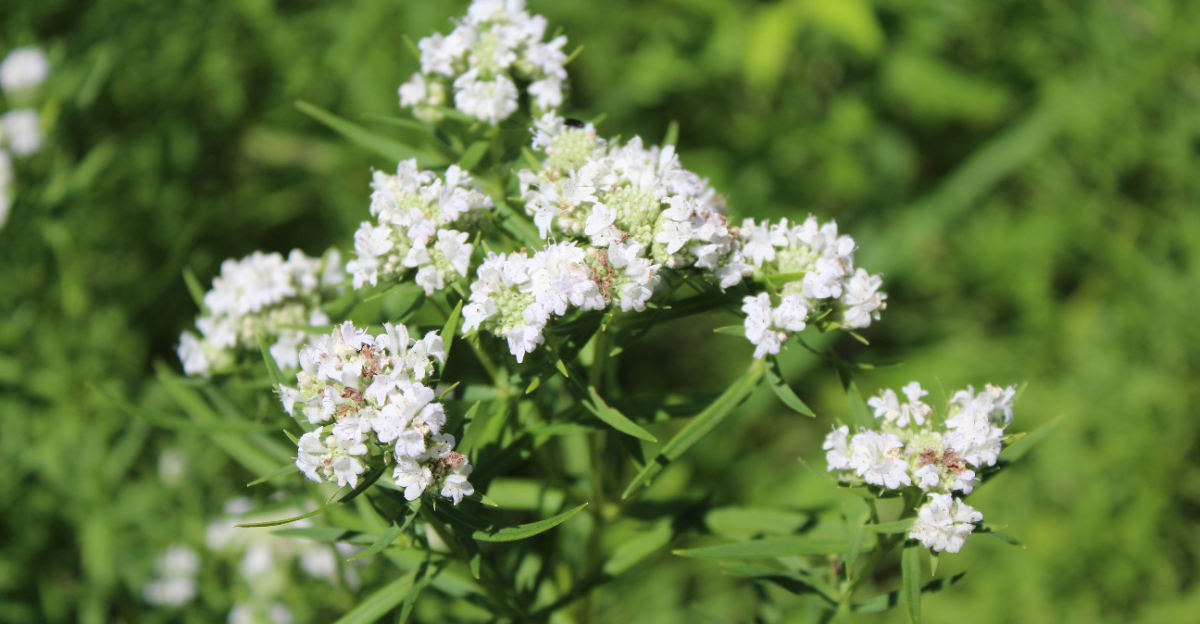
Something moves through a Minnesota backyard at dusk. It is not a deer. It is not a rabbit. Both turned around before they got close. The reason is a knee-high native perennial most gardeners walk right past at the nursery without a second look.
It does not look like much. Narrow leaves, white summer flowers, a sharp clean scent when you brush against it. Nothing about it screams problem-solver.
But Minnesota gardeners who plant it near their most vulnerable beds start noticing something odd. The chew marks stop appearing. The ticks thin out. The rabbits find somewhere else to be.
If your yard has a deer tick problem, a rabbit problem, or both, the solution might already exist in the native plant world. It just has not been in your garden yet.
This Native Perennial Has Been Growing In Minnesota Meadows For Centuries
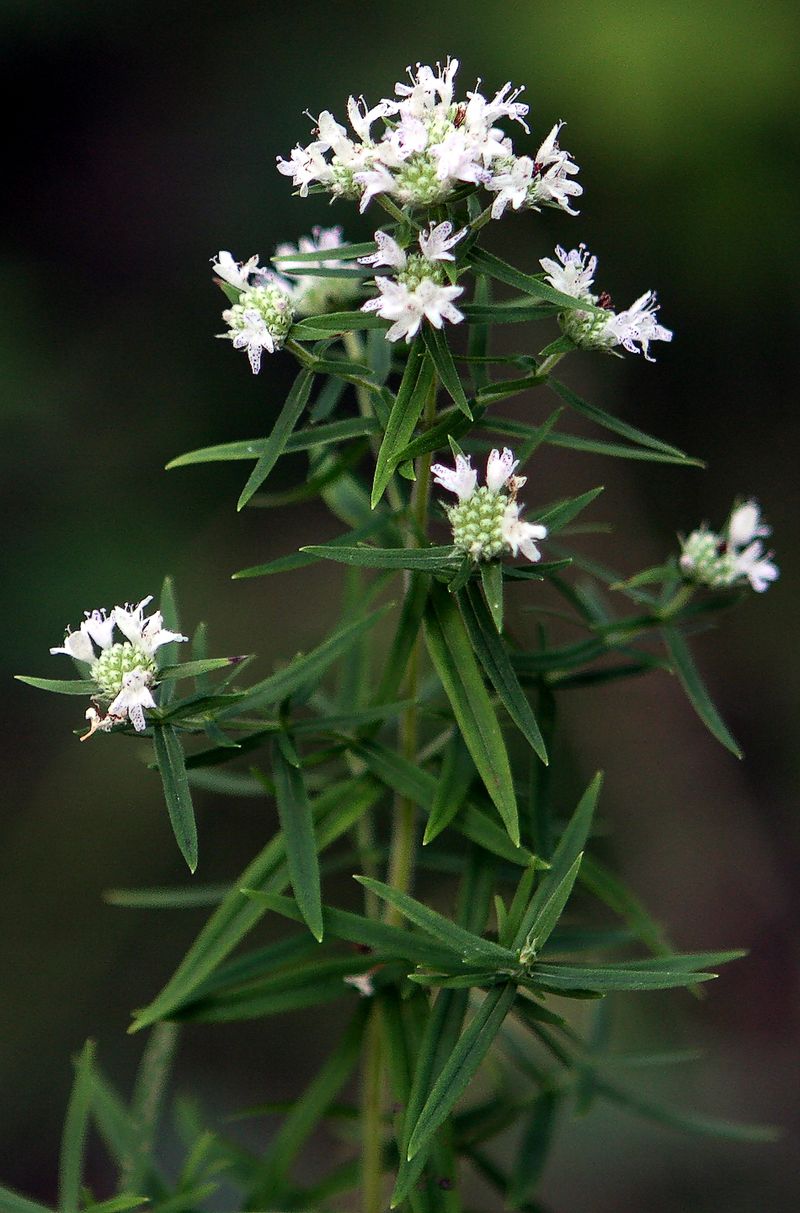
Long before garden centers existed, mountain mint was already thriving. Native to North American meadows, prairies, and open woodlands, this plant has deep roots in Minnesota’s natural landscape.
Botanists classify it under the genus Pycnanthemum, which includes around 20 species. At least one species, Pycnanthemum virginianum, grows naturally in Minnesota and surrounding states.
Mountain mint is a true perennial, meaning it comes back every year without replanting. Once established, it spreads steadily through underground runners, filling gaps in your garden with silvery-green foliage.
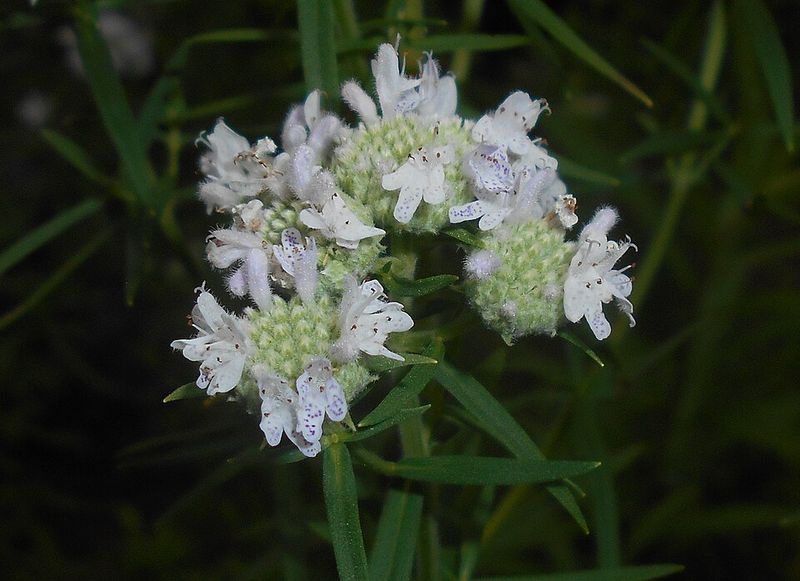
The plant blooms in midsummer, producing clusters of tiny white flowers that attract bees, butterflies, and beneficial wasps. Pollinators absolutely love it, making your garden more productive overall.
What sets mountain mint apart from other native plants is its strong, clean scent. Rub a leaf between your fingers and you will immediately smell something sharp, cool, and distinctly minty.
That scent is not just pleasant to humans. It carries chemical compounds that many pests find deeply offensive. Nature built this plant with its own defense system baked right in.
Farmers and herbalists in early America used mountain mint for medicinal teas and cooking. Indigenous communities across the Midwest recognized its value long before European settlers arrived on the land.
Knowing this history makes the plant feel even more special. You are not just growing a garden herb, you are growing a piece of Minnesota’s wild, resilient past.
Why Deer Ticks And Rabbits Want Nothing To Do With Mountain Mint
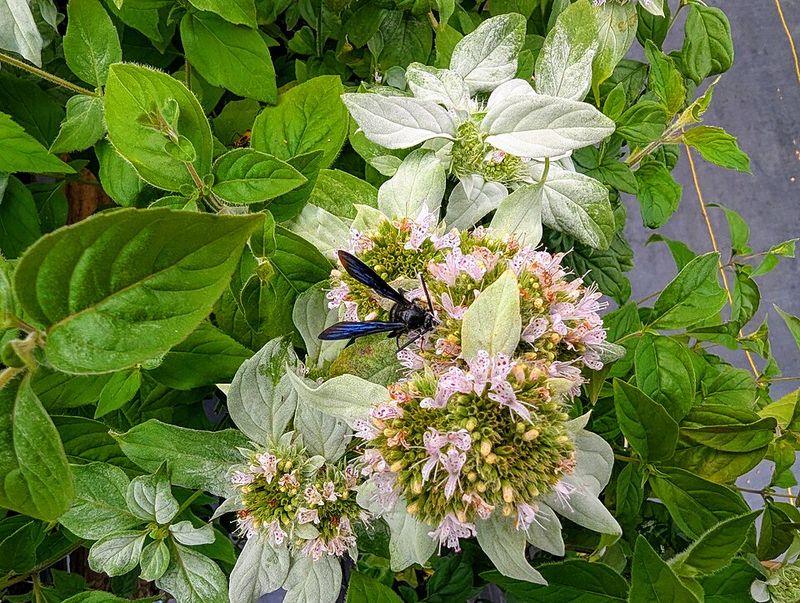
Pests are not stupid. They know when a plant is not worth the trouble. Mountain mint sends a very clear message that most unwanted visitors choose to respect.
The secret lies in the plant’s essential oils. Pycnanthemum species produce high concentrations of pulegone, menthone, and carvacrol. These compounds overwhelm the sensory systems of small insects and mammals.
Deer ticks, also known as black-legged ticks, are particularly sensitive to strong aromatic compounds. Studies on plant-based tick repellents have shown that mint-family oils disrupt tick behavior and reduce their activity near treated areas.
Rabbits rely heavily on smell when foraging. Their noses guide every meal, and mountain mint’s sharp fragrance registers as a warning signal. Most rabbits will simply turn around and find an easier target.
Your Minnesota Garden Changes Every Week. Your Plan Should Too.
Gardening in Minnesota changes quickly throughout the season. Every Friday you’ll receive a simple weekly plan showing exactly what to plant, prune, fertilize, harvest, and protect so you never miss the right timing.
Unlike chemical repellents, mountain mint works passively. You do not spray anything, reapply anything, or schedule any treatments. The plant just keeps releasing its oils into the surrounding air all season long.
Planting a border of mountain mint around your vegetable beds creates a natural scent barrier. Rabbits approaching from any direction are likely to catch that minty smell before they get close to your lettuce or beans
Ticks tend to cluster in shaded, humid spots near ground level. Mountain mint planted along pathways or lawn edges reduces the habitat ticks prefer, making your yard naturally less tick-friendly overall.
The best part is that this protection builds over time. Each growing season, the plant spreads a little further and your natural pest barrier grows with it.
How Mountain Mint Compares To Other Common Deer And Tick-Repelling Plants
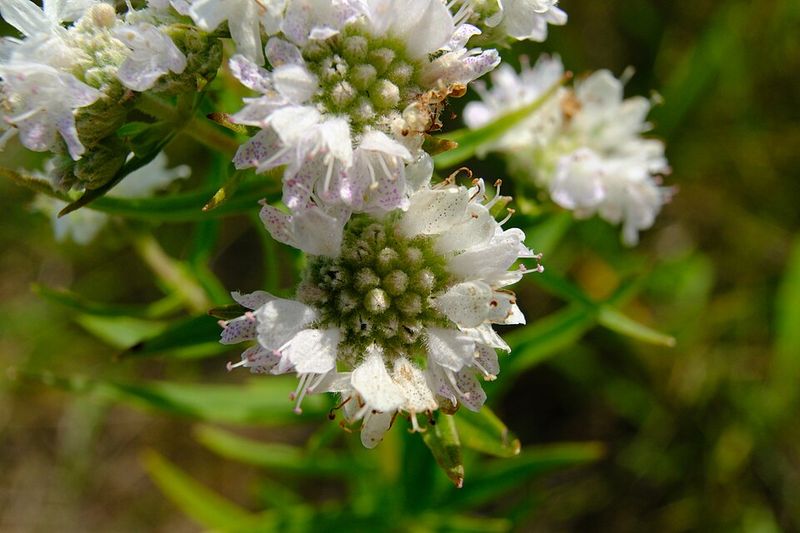
Lavender gets all the credit. Catmint gets the magazine covers. But mountain mint quietly outperforms both when it comes to Minnesota’s specific climate and pest pressures.
Lavender is a gorgeous plant, but it struggles in Minnesota winters. Zones 4 and below push lavender to its survival limits, and harsh cold snaps often wipe out established plants entirely.
Mountain mint, by contrast, is cold-hardy down to Zone 3. It laughs at polar vortexes and bounces back every spring without drama.
Catmint is another popular choice for repelling rabbits and works reasonably well. Mountain mint brings a sharper, more persistent scent that many gardeners find more effective in practice.
Marigolds are often recommended for pest control in vegetable gardens. They help with certain insects, but they offer almost no protection against deer ticks or determined rabbits looking for a meal.
Russian sage and yarrow are native-friendly options that do deter some pests. However, neither carries the same intensity of scent that mountain mint brings to a Minnesota garden.
One major advantage mountain mint holds over all competitors is its spread. Most repelling plants stay neatly in one spot. Mountain mint gradually expands, naturally extending its zone of protection without extra effort from you.
If you have tried other solutions and felt let down, mountain mint offers something different. It is built for this climate, built for these pests, and built to last.
The Spots In A Minnesota Garden Where Mountain Mint Thrives Most
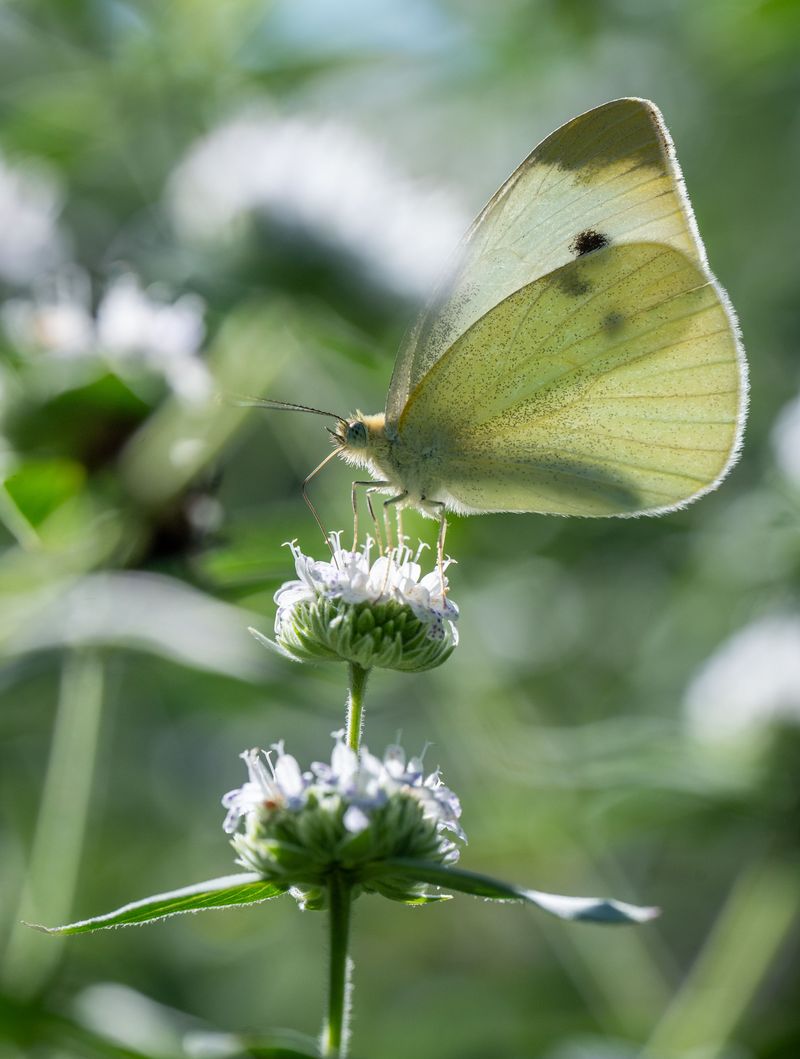
Location matters more than most gardeners realize. Planting mountain mint in the right spot can double its effectiveness as a natural pest barrier around your yard.
Mountain mint loves full sun to partial shade. It performs best with at least six hours of direct sunlight daily, which makes it ideal for open borders, sunny pathways, and south-facing beds.
Well-drained soil is preferred, but this plant is surprisingly tolerant. It will grow in clay-heavy Minnesota soil as long as water does not pool around the roots for extended periods after rain.
Plant it along the perimeter of your vegetable garden to create a living fence that rabbits find uninviting. A single row of mountain mint plants spaced about two feet apart forms a solid aromatic barrier.
For tick control, focus on the edges where your lawn meets wooded areas or tall grass. Ticks migrate from those transition zones into your yard, and mountain mint planted there interrupts their path.
Raised bed gardeners can tuck mountain mint into corners or along bed edges. Its spreading habit fills empty space quickly, which means less weeding and more natural coverage over time.
Avoid planting mountain mint in spots where you want strict control over borders. It spreads enthusiastically through runners, so give it room to roam or use a buried root barrier to contain it.
Once you find the right spot, this plant takes over the job of protecting your garden. Your only task is to step back and let it work.
The Perennials That Benefit Most From Growing Next To Mountain Mint
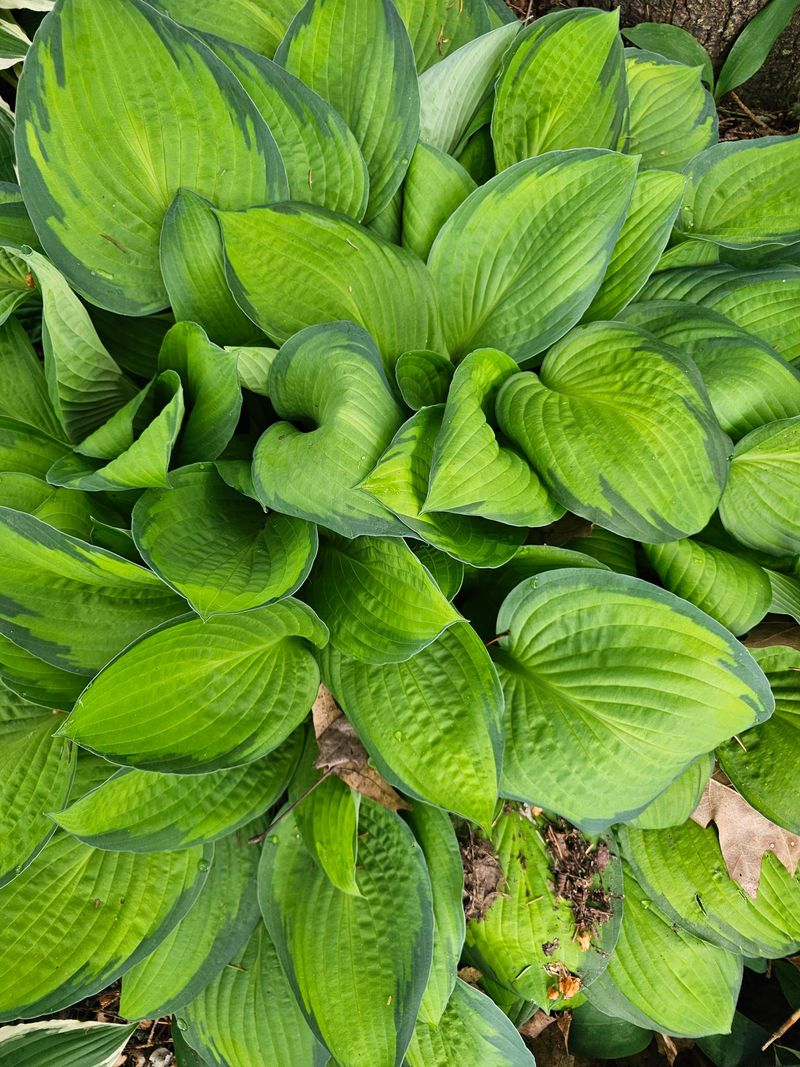
Pairing plants strategically is one of gardening’s most satisfying moves. When mountain mint becomes a neighbor, the plants around it tend to breathe a little easier each season.
Hostas are a classic Minnesota garden staple, but rabbits treat them like a delicacy. Planting mountain mint near hosta beds creates an invisible scent shield that keeps those hoppy visitors at a safe distance.
Echinacea, or coneflower, is another beloved perennial that rabbits occasionally nibble. Mountain mint planted alongside echinacea allows both plants to thrive without the need for any fencing or chemical sprays.
Some gardeners tuck mountain mint near tomatoes and peppers as a fragrant buffer. Whether it reduces pest pressure depends on the yard, but the aromatic presence does not hurt.
Pollinators, however, are an exception to this story. Bees, butterflies, and beneficial predatory wasps flock to mountain mint’s tiny white blooms. These helpful insects then spread throughout your garden, supporting neighboring plants beautifully.
Some gardeners plant mountain mint near strawberries to help deter rabbits from reaching the fruit. The combination creates a productive, low-maintenance growing zone that rewards patience with a generous harvest.
Young, newly planted perennials are especially vulnerable in their first season. Surrounding them with mountain mint gives them a protected environment while their roots establish and their defenses develop naturally.
Watching a garden thrive because of one smart planting decision is a deeply satisfying experience. Mountain mint has a way of making the whole yard feel more balanced and alive.
Minnesota Gardeners Who Find Mountain Mint Once Never Go Back
Ask any gardener who has grown mountain mint for more than one season. You will hear the same thing repeated with genuine enthusiasm and a little bit of wonder.
It is one of those plants that earns trust fast. The first summer, you watch it settle in. By the second summer, you cannot imagine your yard without it.
Low maintenance is a phrase that gets thrown around a lot in gardening circles. Mountain mint actually delivers on that promise without asking for anything dramatic in return from you.
No fussing with spent blooms, stakes, or feeding schedules. Water it occasionally during its first season, and after that it largely takes care of itself through Minnesota’s wet springs and dry summers.
The plant also adds genuine visual interest to the garden. Its silvery-white flower clusters and pale green foliage create a soft, airy texture that contrasts beautifully with bold-leafed neighbors like hosta or black-eyed Susan.
Gardeners who grow mountain mint also report a personal benefit. Brushing against the foliage while weeding releases that cool, clean scent into the air. It turns routine yard work into something almost refreshing.
Sharing divisions with neighbors becomes a joy, not a chore. Because mountain mint spreads readily, you can dig up clumps each spring and pass them along, growing a whole community of pest-protected gardens.
Mountain mint asks for almost nothing and gives back more than you expect. That kind of quiet reliability is exactly what every Minnesota garden needs.