The 5 Mistakes That Cause Transplant Shock In Florida Vegetable Gardens
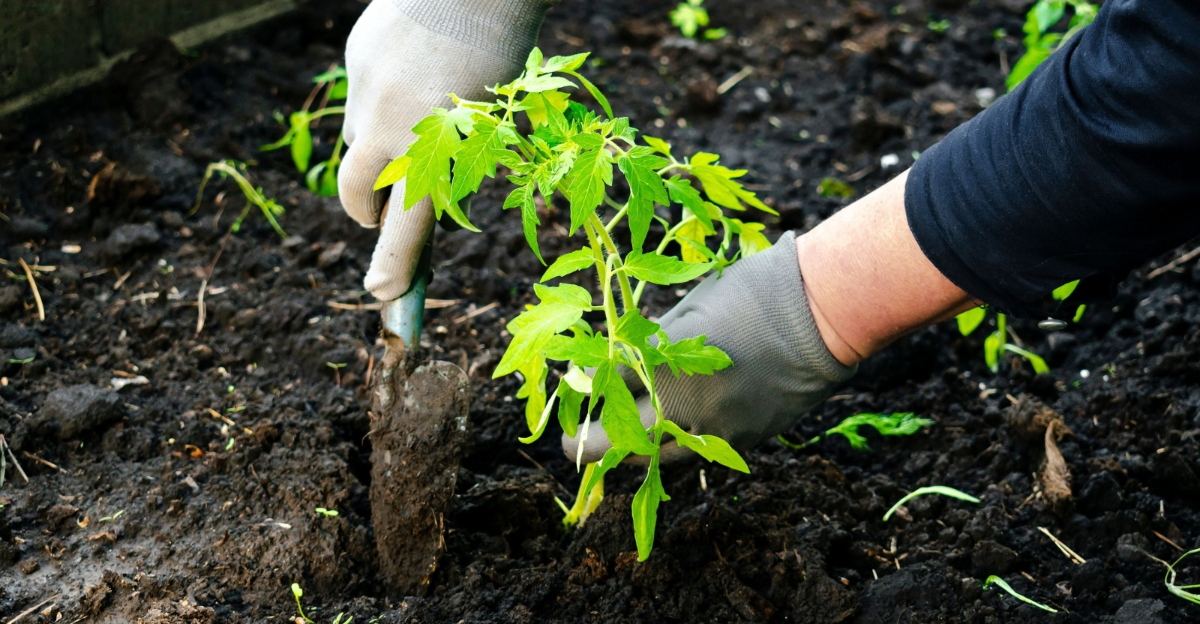
Your seedlings looked perfect yesterday. Today they look like they are giving up.
Leaves droop, stems lean, and the healthy little plants you just tucked into your Florida vegetable garden suddenly look weak and stressed. It can feel like something went terribly wrong overnight.
Many gardeners assume transplant shock is just part of gardening and hope the plants will recover on their own. But in most Florida gardens, transplant shock is not random at all.
It usually comes from a few small planting mistakes that happen in the first hour after a transplant goes into the soil. And in Florida’s heat, strong sun, and fast-drying soils, those mistakes can show up fast.
1. Planting Seedlings During The Hottest Part Of The Day
Plant a seedling under Florida’s midday sun and it can start wilting before you even put the shovel down. Florida summers regularly push afternoon temperatures above 90 degrees Fahrenheit, and even spring and fall afternoons can get surprisingly intense.
When seedlings are moved during the hottest part of the day, typically between 11 a.m. and 4 p.m., they are forced to deal with rapid moisture loss through their leaves. This process, called transpiration, speeds up dramatically under direct sun and high heat.
The roots, still recovering from being disturbed, simply cannot pull up water fast enough to keep the plant hydrated. The result is wilting, leaf scorch, and serious stress that can set a plant back by days or even weeks.
University of Florida IFAS Extension gardening guidance consistently recommends transplanting during the cooler parts of the day. Early morning is the ideal window because temperatures are lower, the sun is less intense, and the plant has the entire day to begin settling into its new environment before the next period of heat arrives.
Late afternoon or early evening is the second-best option. Transplanting after 5 p.m. gives seedlings a full night of mild temperatures to start recovering before facing daytime sun again.
This simple scheduling change can dramatically improve survival rates, especially during Florida’s warmer planting seasons.
Providing temporary shade right after transplanting is another smart move. A lightweight row cover or even an old bedsheet propped up over the seedlings for the first two or three days can reduce heat stress significantly.
Keeping the soil consistently moist during this adjustment window also helps roots recover and establish faster in Florida’s demanding climate.
2. Skipping The Hardening Off Process
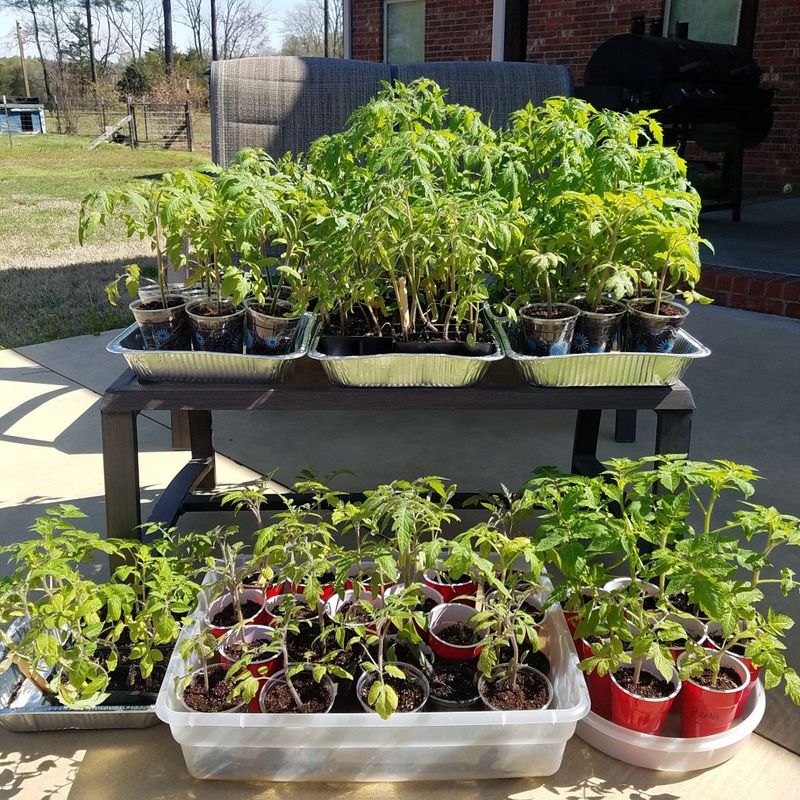
Picture a seedling that has spent its entire short life inside a greenhouse or on a sunny windowsill, protected from wind, temperature swings, and direct outdoor sunlight. Moving that seedling straight into a Florida garden bed without any preparation is like asking someone to run a marathon without any training.
The shock can be overwhelming.
Hardening off is the process of gradually introducing seedlings to outdoor conditions over the course of one to two weeks before transplanting them permanently. It sounds like extra work, but it is one of the most important steps a Florida vegetable gardener can take.
Skipping it is one of the top reasons transplants struggle even when everything else is done correctly.
Start by placing seedlings outdoors in a shaded, sheltered spot for just two to three hours on the first day. Over the following days, gradually increase the time spent outside and slowly introduce them to more direct sunlight.
By the end of the hardening off period, the seedlings should be comfortable spending a full day outdoors in conditions similar to where they will be planted.
Florida’s outdoor environment can be particularly tough on unprepared seedlings. Strong afternoon sun, gusty sea breezes, and sudden afternoon thunderstorms are all factors that tender indoor-grown plants have never experienced.
Hardening off builds stronger leaf tissue, sturdier stems, and a more resilient root system that can handle these real-world conditions.
University of Florida IFAS Extension notes that properly hardened seedlings establish much more quickly after transplanting and show significantly less stress. Taking those extra one to two weeks before moving plants into the garden may feel like a delay, but it pays off with healthier, faster-growing vegetables that bounce back quickly once they are in the ground across Florida’s varied growing regions.
3. Damaging Roots While Transplanting
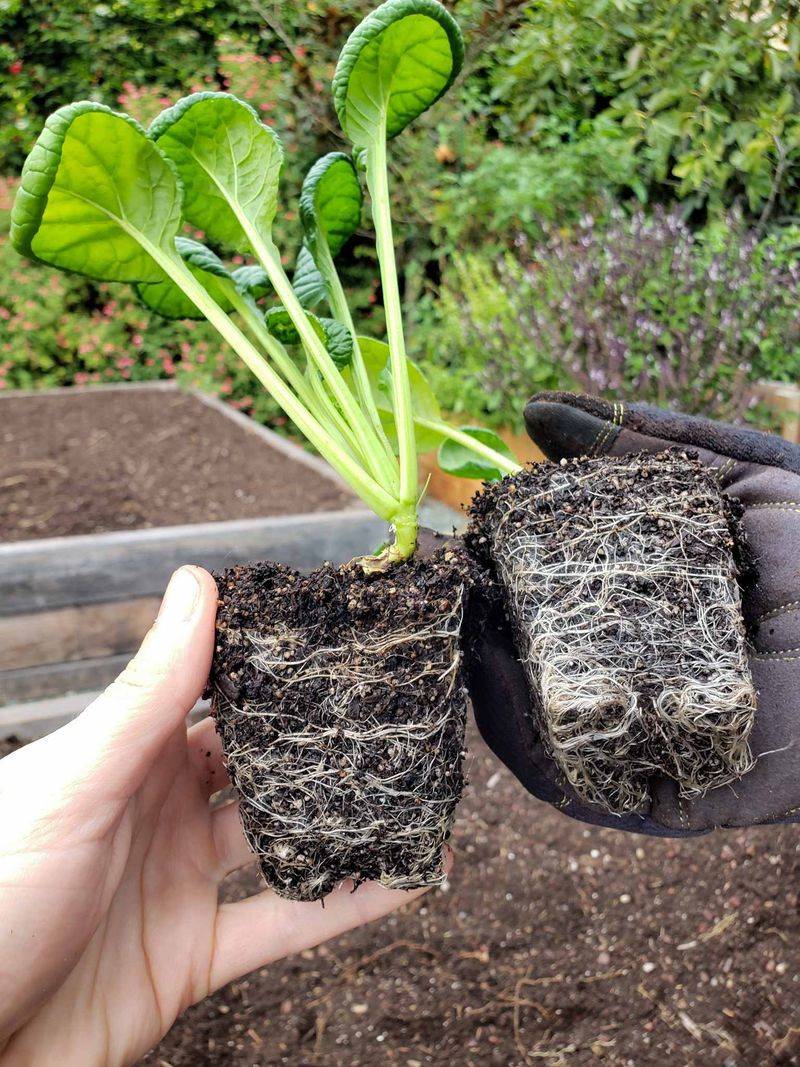
Roots are the lifeline of every vegetable plant. They are responsible for pulling water and nutrients from the soil, anchoring the plant in place, and supporting all of the growth happening above ground.
When those roots are torn, broken, or severely disturbed during transplanting, the plant loses much of its ability to function normally, and transplant shock sets in fast.
One of the most common root-damaging mistakes is pulling seedlings out of their containers by yanking on the stem. This almost always tears fine root hairs, which are the tiny, thread-like structures responsible for most water absorption.
Even if the main roots stay intact, losing those delicate root hairs puts the plant under immediate stress. In Florida’s heat, that stress can escalate quickly.
The right approach is to gently squeeze the sides of a flexible container to loosen the root ball, then tip the pot upside down and let the seedling slide out on its own. For seedlings grown in rigid pots, use a spoon or small trowel to carefully loosen the edges before sliding the plant out.
Always handle seedlings by the root ball or the leaves, never by the stem.
Transplanting into a pre-dug hole that is slightly wider and deeper than the root ball also helps. This prevents gardeners from forcing roots into a tight space, which can bend or break them and slow establishment.
Once the seedling is placed, fill in around the root ball gently and firm the soil with light pressure rather than packing it down hard.
According to University of Florida IFAS Extension, minimizing root disturbance is one of the key factors in successful transplanting. Keeping the root ball moist right up until the moment of planting also prevents the fine roots from drying out, which is especially important during Florida’s warm and breezy planting days.
4. Watering Too Much Or Too Little After Planting
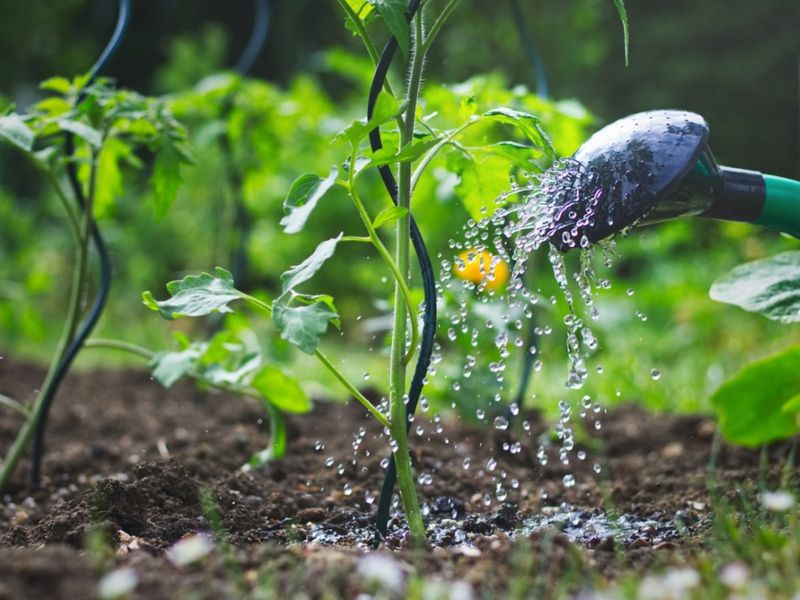
Water is everything when it comes to helping new transplants settle in, but getting the balance right is trickier than most people expect. Both too much and too little water after transplanting can send seedlings into shock, and unfortunately, both problems are extremely common in Florida vegetable gardens.
Underwatering is the more obvious danger. Without enough moisture, newly planted seedlings cannot replace the water they lose through their leaves, and they begin to wilt.
In Florida’s heat, this can happen within hours on a hot day. The first few days after transplanting are especially critical because the roots have not yet spread out into surrounding soil and are still relying heavily on whatever moisture is directly available to them.
Overwatering, on the other hand, is a sneaky problem. Florida’s sandy soils drain quickly in some areas, but in yards with clay or compacted soil, water can pool around the root zone and cut off oxygen to the roots.
When roots cannot breathe, they begin to break down, and the plant shows symptoms that look a lot like drought stress, such as yellowing leaves and wilting, which can confuse gardeners into adding even more water.
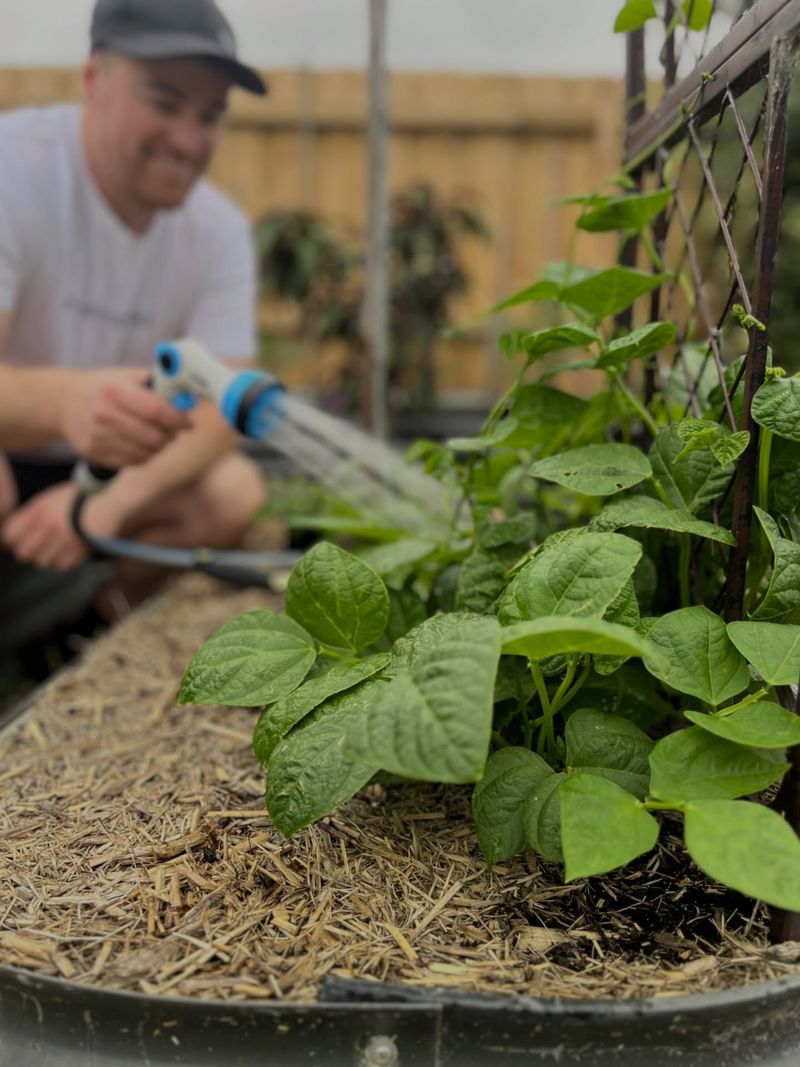
The best approach is to water transplants deeply right after planting to help settle the soil around the roots and eliminate air pockets. After that initial watering, check the soil daily by sticking a finger about an inch into the ground.
Water again when the top inch feels dry, but not before. This keeps the soil consistently moist without becoming saturated.
University of Florida IFAS Extension recommends using mulch around transplants to help retain soil moisture and regulate soil temperature, both of which are especially valuable during Florida’s warm growing seasons. A two-to-three-inch layer of straw or wood chip mulch can make a noticeable difference in how quickly transplants recover and begin to grow.
5. Planting In Poor Or Unprepared Soil
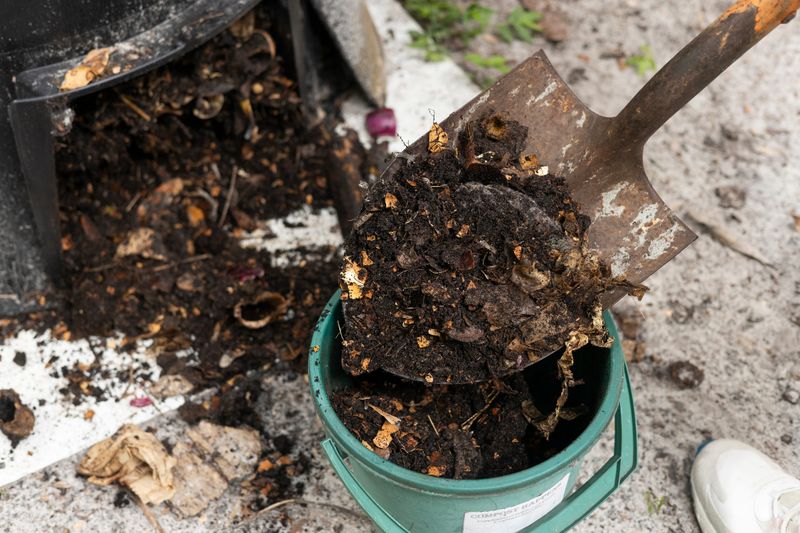
Florida’s native soils are not exactly a vegetable gardener’s best friend. Much of the state is covered in sandy, low-nutrient soil that drains so quickly that water and fertilizer can pass right through the root zone before plants have a chance to use them.
Planting seedlings into unprepared soil is one of the fastest ways to guarantee transplant shock and slow, struggling growth.
When roots are placed into compacted or nutrient-poor soil, they have a hard time expanding outward and downward. Establishment slows dramatically, and the plant cannot access the water and nutrients it needs to recover from the stress of being transplanted.
This is especially problematic in Florida, where the combination of heat and poor soil can push a struggling seedling past its limits.
Preparing soil before planting is not complicated, but it does require some effort ahead of time. Working two to four inches of compost or aged organic matter into the top eight to twelve inches of soil improves both nutrient content and water-holding capacity.
This is particularly important in sandy Florida soils, where organic matter breaks down quickly and needs to be replenished regularly each growing season.
Raised garden beds are a popular solution among Florida vegetable gardeners for exactly this reason. Filling raised beds with a quality blend of topsoil, compost, and other amendments gives gardeners full control over soil quality and drainage.
Even in-ground beds can be dramatically improved with the right soil preparation before a single seedling goes in the ground.
University of Florida IFAS Extension recommends conducting a soil test before planting to identify specific nutrient deficiencies and pH imbalances. Florida soils often need adjustments to reach the slightly acidic pH range that most vegetables prefer, typically between 6.0 and 6.5.
Addressing these issues before transplanting gives roots a welcoming environment to spread into, dramatically reducing transplant shock and supporting strong, productive vegetable plants.