The Pretty Floating Plant Florida Gardeners Should Never Bring Home
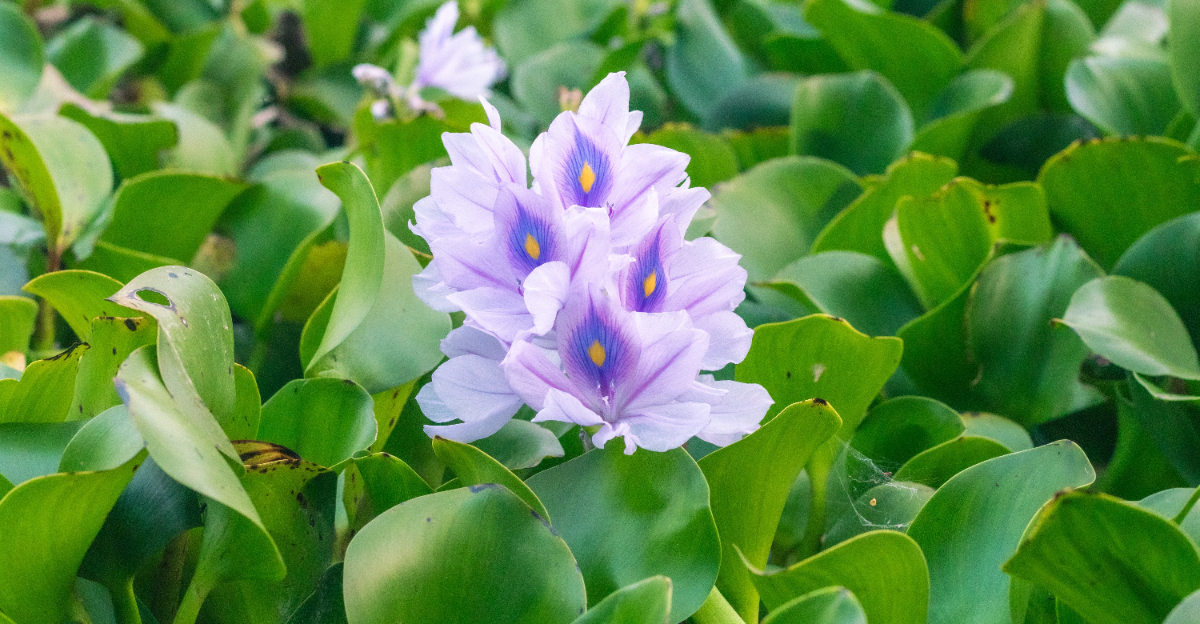
It catches your eye at the water garden display and it is easy to see why. Soft, rounded leaves sit perfectly on the surface, paired with delicate blooms.
The plant has a carefree quality that makes it look like the easiest addition imaginable to a backyard pond or water feature. Florida gardeners with an eye for something different bring it home, drop it in the water, and feel good about the choice.
For a while, everything looks exactly right. Then it starts to spread.
Not gradually, not politely, but with the kind of momentum that turns a manageable water feature into a maintenance problem within a single season. What looks ornamental in a display tank behaves very differently in Florida’s warm, nutrient-rich water.
Some of these plants have already escaped backyard ponds and taken hold in natural waterways across the state. They crowd out native species and disrupt ecosystems that took generations to establish.
The price tag on that pretty plant does not come close to reflecting its actual cost.
1. The Beauty That Makes Water Hyacinth So Tempting
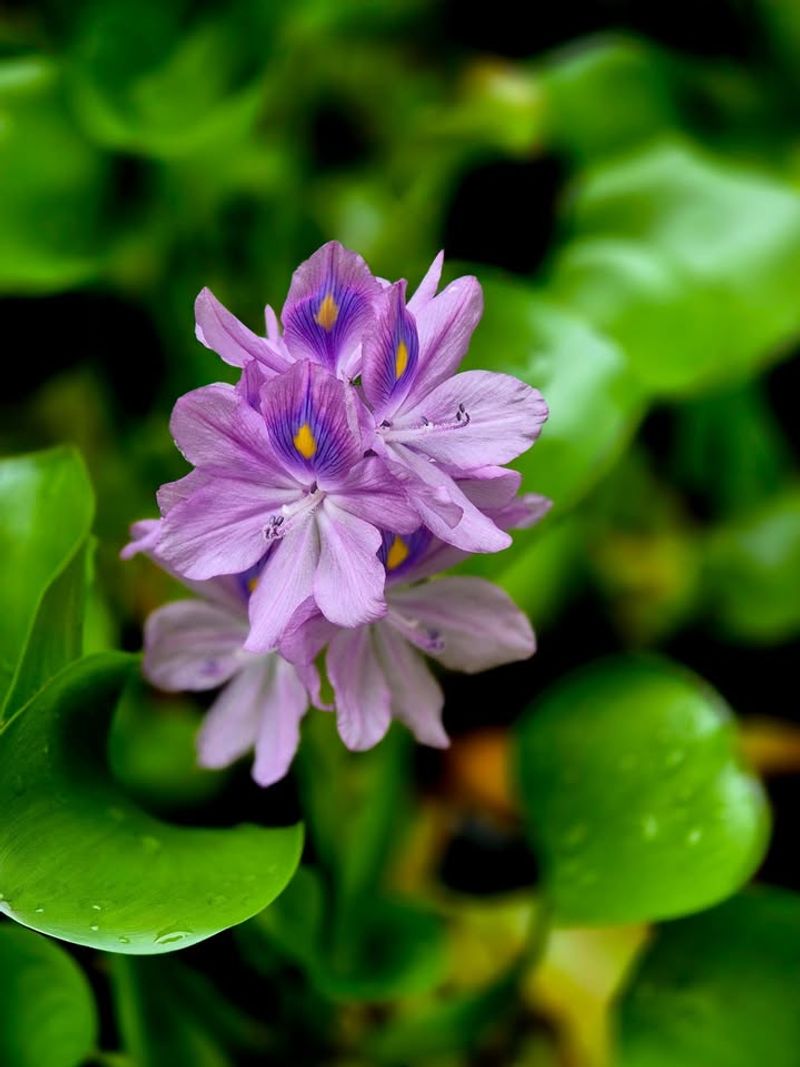
The plant gets attention for a reason. Water hyacinth, commonly listed in Florida resources as Eichhornia crassipes and also treated botanically as Pontederia crassipes, is genuinely striking.
Its rounded, glossy leaves sit on top of the water like small green platters, held up by spongy, air-filled bulbous stems that act as natural floats.
When the flowers bloom, they rise above the leaves in soft spikes of lavender-purple, each petal marked with a small yellow spot at its center.
For anyone who loves water gardens, the visual appeal is hard to ignore.
Spotted along a canal edge or in a slow-moving waterway, water hyacinth looks almost too pretty to be a problem.
It resembles the kind of ornamental plant sold at boutique garden centers, and that appearance is a big part of why it keeps ending up in places it should not be.
Gardeners see it and immediately want it for a backyard pond or decorative container water feature. The temptation makes complete sense.
Originally from South America, water hyacinth was introduced to many parts of the world, including the United States, as an ornamental plant during the late 1800s. People genuinely admired it.
It was displayed at a world exposition and distributed as a decorative novelty. Nobody anticipated what would happen once it reached warm, nutrient-rich freshwater systems in places like this state.
Acknowledging that the plant is beautiful does not mean encouraging anyone to grow it. Understanding the appeal is actually important.
It explains why so many well-meaning gardeners make the mistake of collecting it or purchasing it from informal sources. The flowers are lovely.
The floating habit is charming. But here, water hyacinth is not a plant that gardeners should collect, buy, grow, transport, or introduce to any pond or water feature.
The reasons behind that restriction are both practical and legal.
2. The Legal Problem Hidden Behind The Purple Flowers
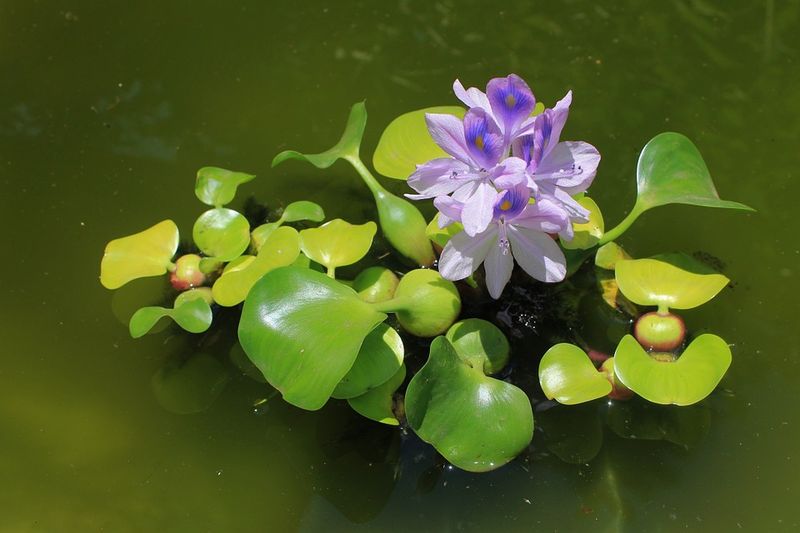
Pretty flowers can hide a serious rule, and water hyacinth is one of the clearest examples of that in Florida gardening. Under Florida law, water hyacinth is currently listed as a Class I prohibited aquatic plant.
Your Florida Garden Changes Every Week. Your Plan Should Too.
Gardening in Florida changes quickly throughout the season. Every Friday you’ll receive a simple weekly plan showing exactly what to plant, prune, fertilize, harvest, and protect so you never miss the right timing.
That classification comes from the Florida Fish and Wildlife Conservation Commission, or FWC, which oversees aquatic plant management across the state. Class I status means the plant poses a significant threat to native ecosystems and water resources.
The practical effect of that listing is real. Cultivation, sale, possession, collection, transportation, and importation of water hyacinth are prohibited in this state without proper authorization.
That means a gardener cannot legally scoop it from a canal, keep it in a backyard pond, or sell it at a plant swap. They also cannot transport it from one location to another without the right permits.
Those permits are typically issued only to researchers, government agencies, or licensed contractors managing aquatic vegetation, not to home gardeners.
It is worth being clear that this is not meant to frighten anyone. Most gardeners who have unknowingly kept water hyacinth simply did not know the rules.
The point is to make sure that going forward, everyone understands the situation before making a decision about their water garden. Ignorance of the rule does not make the plant legal to possess.
Rules and classifications can be updated over time, and local county regulations may add another layer of guidance.
Always check the most current information directly from FWC or the Florida Department of Agriculture and Consumer Services.
You can also contact your local UF/IFAS Extension office before purchasing, planting, or moving any aquatic plant. Extension agents are genuinely helpful and can answer questions about specific plants without judgment.
When in doubt, a quick phone call or email to your county Extension office is always the right move.
3. Why One Floating Plant Can Turn Into A Waterway Mess
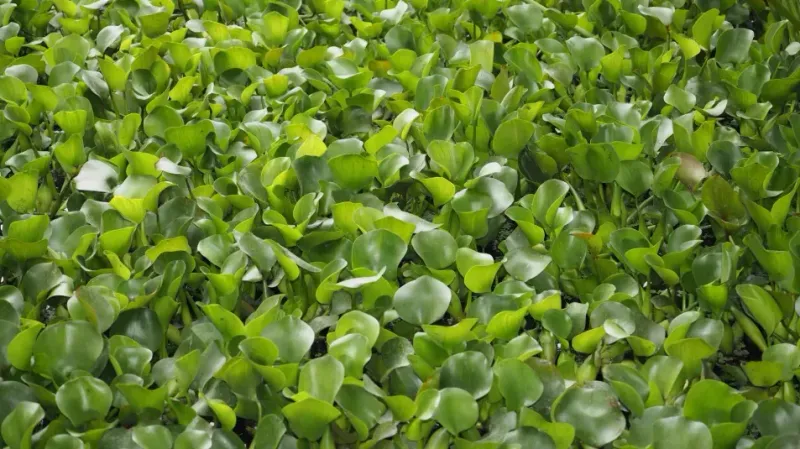
Warm water changes the story fast. Water hyacinth thrives in the kind of warm, still, nutrient-rich freshwater that is common across much of this state.
Under the right conditions, it reproduces quickly through vegetative growth, sending out daughter plants on short stolons that form new rosettes beside the parent plant. A small cluster can expand into a larger mass faster than most gardeners would expect.
When water hyacinth spreads across a water surface in dense mats, the consequences ripple outward in several directions.
Thick floating coverage blocks sunlight from reaching underwater plants and can reduce oxygen levels in the water below.
That affects the aquatic habitat in ways that go well beyond aesthetics. Fish, native aquatic vegetation, and other organisms that depend on light and oxygen-rich water can struggle under a heavy canopy of floating plants.
Beyond the ecological concerns, dense water hyacinth coverage creates practical problems for people who use waterways. Boating, fishing, swimming, and irrigation intake can all be affected when mats become thick enough to clog channels or interfere with equipment.
Managing established infestations requires significant effort, coordination, and resources.
State and local agencies spend considerable time and money working to keep water hyacinth from overtaking public waterways.
One reason water hyacinth is treated so seriously by state regulators is that management becomes much harder once the plant is widespread.
Preventing new introductions is far more practical than trying to remove established populations.
Every time a gardener places even a small piece of water hyacinth into a backyard pond near a connected waterway, there is a real risk. That plant material could eventually reach a canal, lake, or river.
That connection between private gardens and public water systems is exactly why the rules around this plant exist in the first place.
4. The Reason Gardeners Should Never Scoop It From The Wild
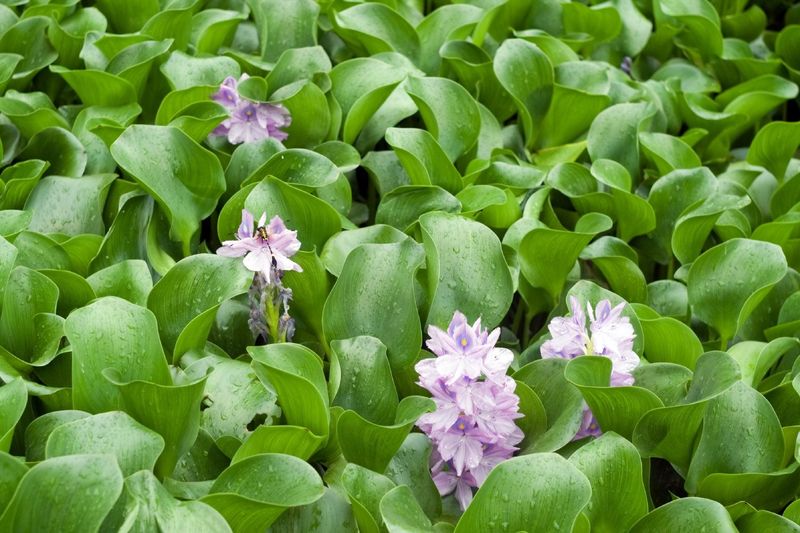
A roadside canal is not a plant nursery. It might look like one on a slow drive through rural parts of this state, especially when water hyacinth is blooming and the purple flowers catch the light just right.
But reaching in to grab a clump and bring it home creates problems that go well beyond the single plant you are holding in your hands.
Aquatic plants collected from wild waterways can carry more than just the plant itself. Fragments of other invasive species, algae, invertebrates, and pathogens can hitch a ride on wet plant material.
Moving that material from one water body to another, even unintentionally, can introduce new problems to a backyard pond or to any connected waterway nearby.
This is one of the key reasons why aquatic plant transportation rules exist, and why they apply even to plants that look perfectly clean.
There is also the legal side of the situation. Collecting water hyacinth from a public waterway without authorization is not permitted under current state rules.
Even if the plant is sitting right at the edge of a ditch or drainage canal, it is not available for anyone to take home. The location does not change the classification of the plant or the rules that apply to it.
A much better approach is to take a photo and use a plant identification app or send the image to your local UF/IFAS Extension office for confirmation.
If you spot a large or unusual concentration of an aquatic plant you do not recognize, FWC has reporting tools available for invasive species sightings.
Reporting a plant is genuinely helpful to the people working to manage aquatic invasives across the state. Photographing instead of collecting is always the responsible choice when you are not certain what you are looking at.
5. The Risk Of Buying It From The Wrong Seller
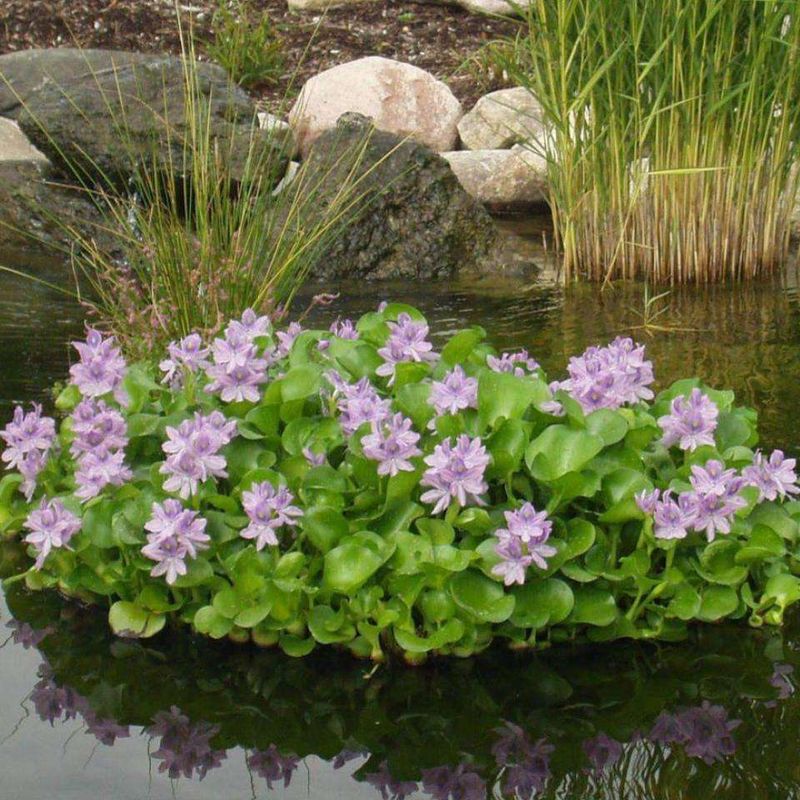
A plant listing can be misleading, and that is especially true for aquatic plants sold through informal channels. Water hyacinth is a prohibited plant in our state, but that does not mean it has completely disappeared from the marketplace.
It still turns up occasionally through backyard plant swaps, informal online groups, aquarium hobbyist forums, and out-of-state sellers. Some sellers may not be aware of this state’s restrictions or may not be disclosing the plant’s identity accurately.
One of the trickier parts of buying aquatic plants is that common names are not regulated and can be genuinely confusing. A seller might list a plant under a nickname, a regional name, or a name that sounds similar to a legal species.
A buyer in good faith might purchase something without realizing the botanical identity of what they ordered.
By the time the plant arrives and blooms, the connection to water hyacinth may not be obvious to someone unfamiliar with the species.
The safest habit is to always look up the botanical name of any aquatic plant before purchasing it. If a seller cannot provide a botanical name or seems uncertain about what they are selling, that is a signal to pause and do more research.
Checking the FWC prohibited plant list before completing any purchase is a straightforward way to avoid an accidental violation. Cross-reference it with UF/IFAS Extension resources for extra confidence.
Do not assume that a plant is legal simply because someone is offering it for sale. Sellers operating outside official nursery channels may not know or follow state rules.
Buying from a licensed nursery that specializes in aquatic or native plants is one of the most reliable choices. It helps confirm that what you are purchasing is both legally available and appropriate for your water garden.
Confirm before buying is always good advice when aquatic plants are involved.
6. Better Pond Plants To Choose Instead
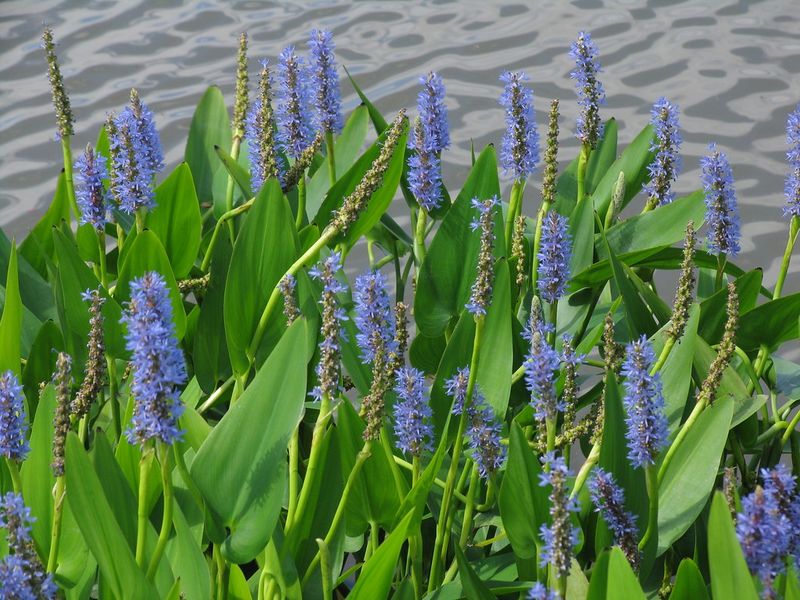
The safer choice starts with a legal plant. The good news is that there are genuinely attractive options for pond gardeners who want color, texture, and wildlife value without the complications of prohibited species.
The right plant for your pond depends on several factors. These include water depth, pond size, sun exposure, your region within the state, and how much maintenance you want to do each season.
Pickerelweed is a native aquatic plant that offers purple flower spikes and is well suited to shallow pond edges across much of this state. Blue flag iris brings elegant blooms and works well in wet margins.
Native water lilies include species in the Nymphaea genus found naturally in our state, and they can provide floating leaf coverage and flowers.
They do not carry the same prohibited invasive risk as water hyacinth, though they still need to be matched to the size and depth of the pond. These are the kinds of plants that support local wildlife while staying manageable.
Before purchasing any aquatic plant, it is always worth confirming its status with a trusted source. The UF/IFAS Extension network has county offices throughout the state and offers free guidance on plant selection for water gardens and ponds.
The Florida-Friendly Landscaping program provides resources specifically designed to help homeowners make environmentally responsible choices. FWC also maintains information on aquatic plant rules and native species options.
Visiting a licensed nursery that specializes in native or aquatic plants is one of the most practical steps you can take.
Staff at those nurseries are often knowledgeable about what grows well in specific regions and can help match a plant to your pond’s conditions.
Building a water garden with legal, native-friendly plants takes a little more research upfront. The result is a pond that looks beautiful, supports local ecosystems, and stays well within the rules that protect waterways for everyone.