The Most Beautiful Bicolor Flowers To Grow In Your Texas Garden
Ever noticed how two toned blooms can instantly make a garden feel more vibrant and eye catching? Bicolor flowers bring a playful mix of shades that add depth, contrast, and personality to any Texas landscape.
These striking blooms stand out among solid colors, creating a lively display that feels fresh and unique. Many bicolor varieties thrive in Texas conditions, handling strong sun and warm weather while continuing to bloom beautifully.
Their changing tones and blended petals create visual interest in beds, borders, and containers throughout the season. Beyond their beauty, they often attract butterflies and other pollinators, adding motion and life to your space.
From soft blends to bold contrasts, bicolor flowers offer endless charm and color combinations. With the right choices, your Texas garden can feel brighter, more dynamic, and full of stunning natural artistry all season long.
1. Lantana
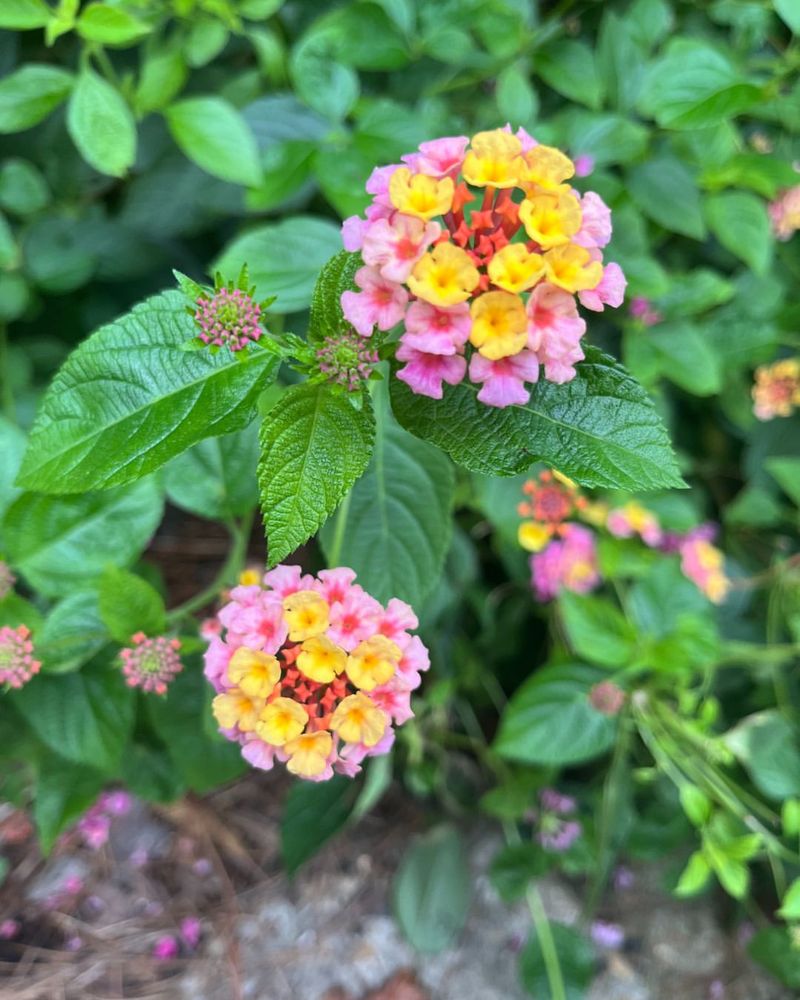
Lantana stands as one of the toughest flowers you can plant in Texas, handling our scorching summers without breaking a sweat. This shrubby perennial produces clusters of tiny flowers that start as one color and gradually shift to another as they age.
You might see yellow centers surrounded by orange edges, or pink blooms that fade to creamy white.
Texas gardeners love lantana because it practically takes care of itself once established in the ground. The plant tolerates drought like a champ and actually prefers our hot weather to cooler conditions.
Butterflies and hummingbirds flock to these colorful clusters all summer long, making your garden a wildlife hotspot. Plant lantana in full sun where it gets at least six hours of direct light each day.
The soil does not need to be fancy since this tough customer grows well in average garden dirt as long as water drains away properly. Space plants about two to three feet apart because they spread out as they mature.
Water your lantana regularly during the first few weeks after planting to help roots get established. After that, you only need to water during extended dry spells.
Trim back any leggy growth in early spring to keep plants looking neat and encourage bushier growth.
Lantana works beautifully in Texas landscapes as a border plant, in containers on patios, or massed together for dramatic color impact. The bicolor varieties create eye-catching displays that brighten up even the hottest days of summer.
2. Calibrachoa
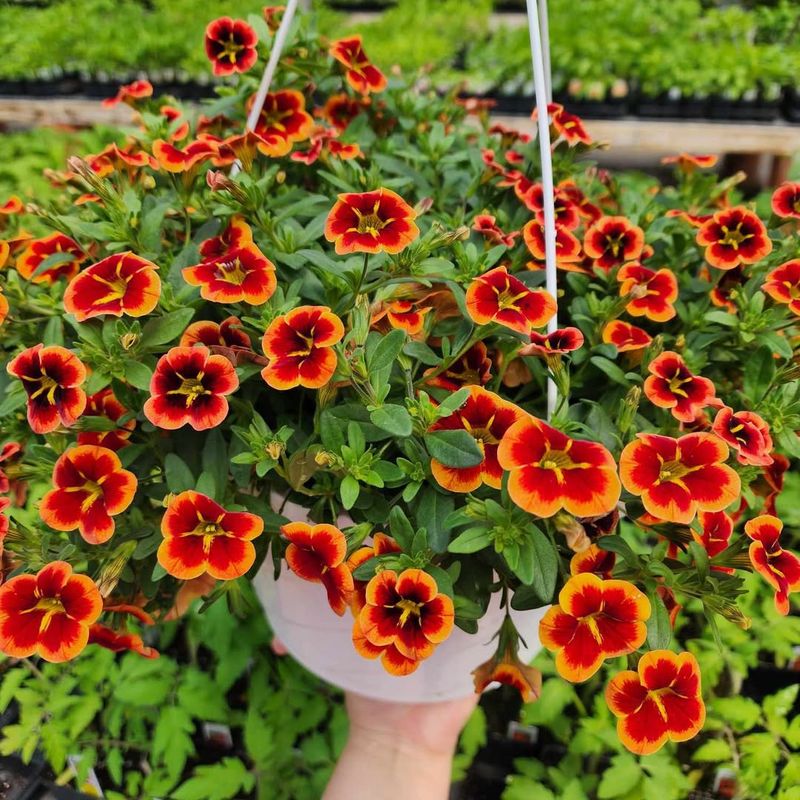
Often called million bells, calibrachoa brings non-stop color to hanging baskets and containers throughout the growing season. These petite trumpet-shaped flowers look like miniature petunias and come in fantastic bicolor combinations.
Purple petals with yellow throats, pink blooms with white centers, and red flowers with golden eyes are just a few options.
Container gardening works perfectly in Texas since you can move plants to shadier spots during the most brutal afternoon heat. Calibrachoa thrives in well-draining potting mix and needs consistent moisture to keep flowering.
Unlike some finicky flowers, these beauties bounce back quickly if you forget to water occasionally.
Hanging baskets show off calibrachoa best because the trailing stems cascade over the sides beautifully. Place your containers where they receive morning sun and afternoon shade for the healthiest plants.
In Texas, this protection from intense late-day sun helps flowers last longer and keeps colors more vibrant.
Feed your calibrachoa every two weeks with a balanced liquid fertilizer to support constant blooming. Deadheading spent flowers is not necessary since these plants clean themselves, dropping old blooms and producing new ones continuously.
Check soil moisture daily during hot weather because container plants dry out faster than garden beds.
Calibrachoa makes a fantastic choice for Texas patios, balconies, and entryways where you want immediate color impact.
The bicolor varieties create stunning visual interest up close, and the trailing habit softens hard edges around outdoor living spaces. These cheerful flowers keep your containers looking fresh from spring through fall.
3. Dianthus
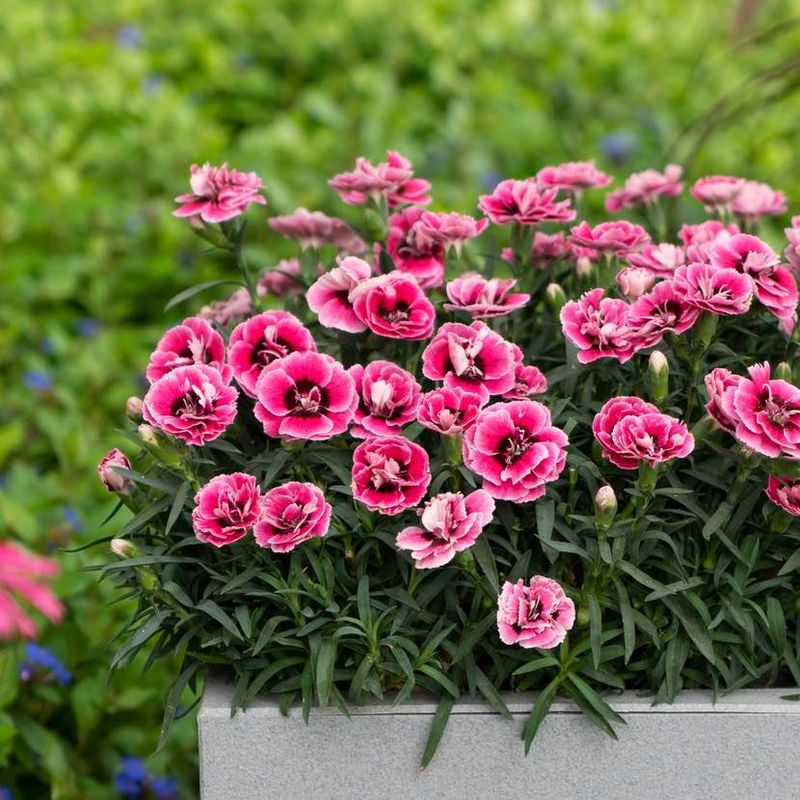
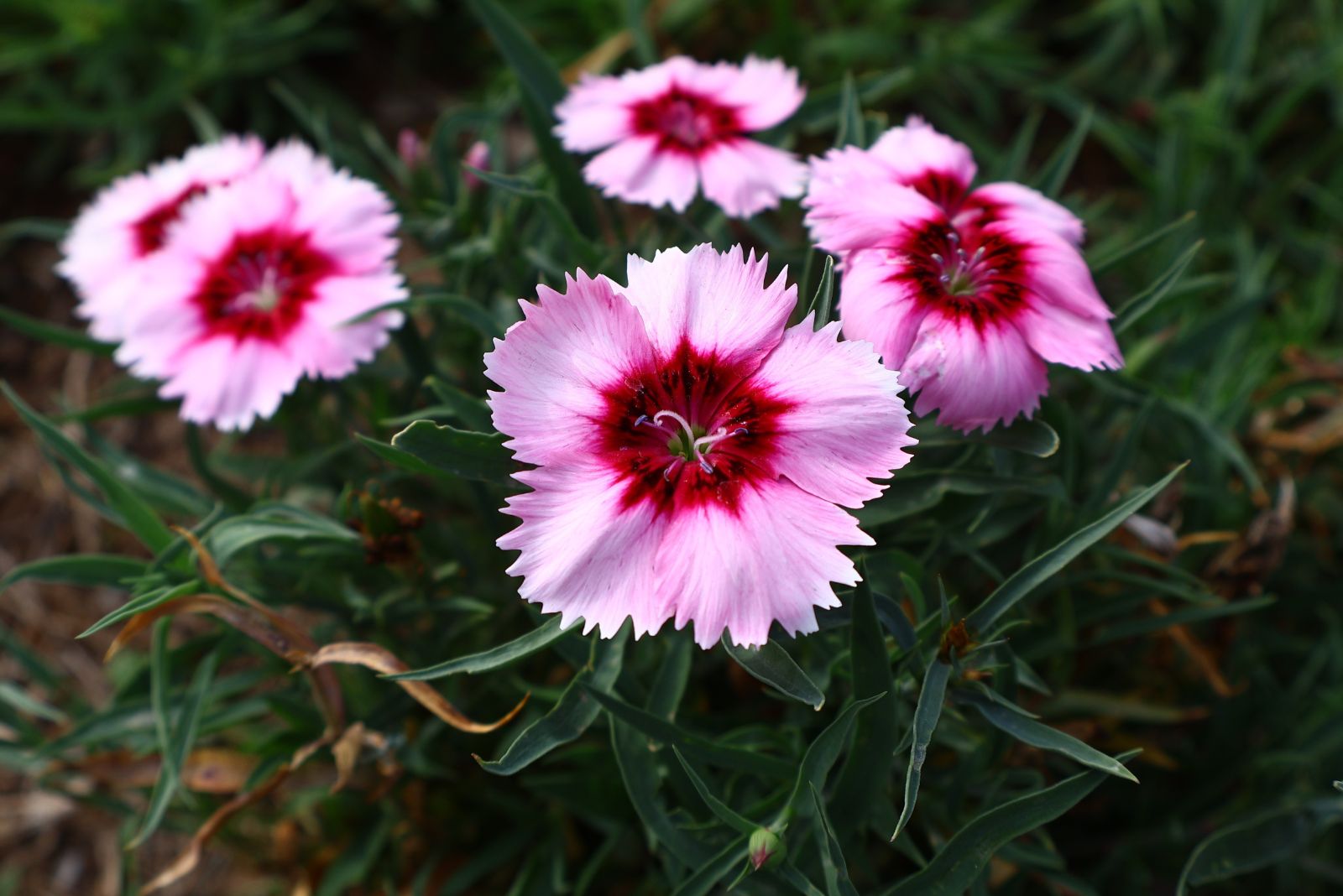
Dianthus earns its nickname of pinks thanks to the fringed edges on its petals that look like they were cut with pinking shears.
Bicolor varieties steal the show with patterns that include dark pink centers ringed by white edges or burgundy blooms splashed with cream. The spicy, clove-like fragrance adds another layer of enjoyment to these pretty flowers.
Cool-season growing makes dianthus perfect for Texas fall and spring gardens when temperatures moderate a bit. Plant them in October or November for winter and early spring blooms, or set them out in February for a spring show.
The flowers handle light frost without damage, making them reliable performers during our mild winters.
Choose a spot with excellent drainage because dianthus roots rot quickly in soggy soil. Mix compost into your planting area to improve soil structure, and consider raised beds if your yard has heavy clay.
Full sun to partial shade works well, though plants in Texas benefit from some afternoon shade during warmer spring days.
Water dianthus when the top inch of soil feels dry to the touch, avoiding overhead watering that can encourage fungal problems. Remove spent flower stems to encourage more blooms and keep plants looking tidy.
A light application of balanced fertilizer once a month supports healthy growth and abundant flowering.
Dianthus works wonderfully along walkways where you can enjoy the sweet scent, or plant them in groups for bigger color impact. The bicolor varieties add sophistication to Texas gardens during seasons when many other flowers take a break from blooming.
4. Petunia
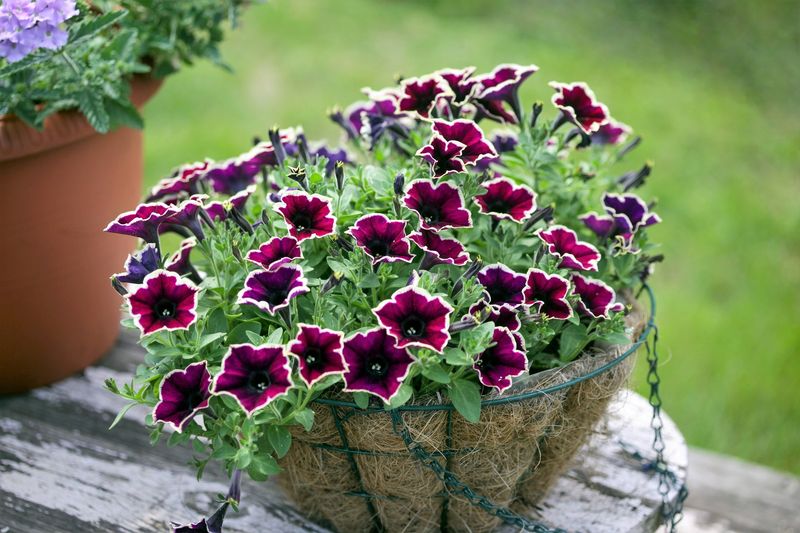
Petunias rank among the most popular bedding plants in Texas for good reason. These workhorses bloom constantly from spring through fall, covering themselves in trumpet-shaped flowers that come in amazing bicolor patterns.
Striped varieties show bold lines of contrasting colors, while others feature dark veining over lighter backgrounds or star patterns in the center.
Modern petunia varieties handle Texas heat much better than older types, though they still appreciate some relief during the hottest months.
Plant them where they get morning sun and dappled afternoon shade for the longest bloom period. In cooler parts of Texas, full sun works fine all season long.
Garden beds, containers, and hanging baskets all suit petunias equally well. Use a quality potting mix for containers and amend garden soil with compost before planting.
Space plants about 12 inches apart to allow for their spreading habit as they mature and fill in.
Keep petunias blooming strong by watering when the soil surface dries out and fertilizing every two weeks with a bloom-boosting formula.
Pinch back leggy stems in midsummer to encourage bushier growth and a fresh flush of flowers. This simple trim makes plants look fuller and more attractive.
The bicolor petunias create stunning displays when you plant several of the same variety together for a unified look. Mix different bicolor patterns for a more cottage-garden feel that brings playful energy to your Texas landscape.
These reliable bloomers deliver months of color with minimal fuss, making them perfect for both beginning and experienced gardeners across the state.
5. Rose
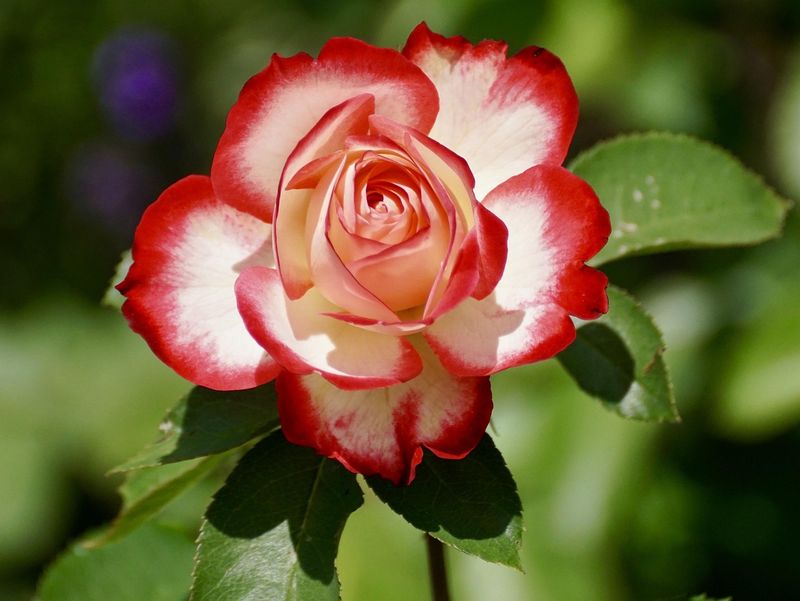
Bicolor roses bring elegance and drama to Texas gardens with their stunning color combinations and classic flower form.
Varieties like Double Delight feature creamy white centers that blaze into deep red edges, while others show yellow petals blushed with pink or orange blooms tipped in coral. The color intensity often deepens or changes based on temperature and sun exposure.
Selecting rose varieties bred for hot climates makes all the difference in Texas. Look for disease-resistant types that handle our humidity and heat without constant spraying or fussing.
Hybrid teas, floribundas, and shrub roses all offer gorgeous bicolor options that perform well across the state.
Plant roses in a location that receives at least six hours of direct sunlight daily for the best flowering. Prepare the planting hole by mixing compost and aged manure into the native soil to give roots a nutrient-rich environment.
Good air circulation around plants helps prevent fungal diseases that can plague roses in humid Texas weather.
Water deeply once or twice a week rather than giving frequent shallow drinks. This encourages roots to grow deeper where moisture stays more consistent.
Apply a thick layer of mulch around the base to conserve moisture and keep roots cooler during summer heat.
Feed roses monthly during the growing season with a fertilizer formulated specifically for roses. Remove spent blooms regularly to encourage more flowers and keep plants looking their best.
The bicolor varieties create focal points in Texas gardens and provide stunning cut flowers for indoor arrangements throughout the blooming season.
6. Zinnia
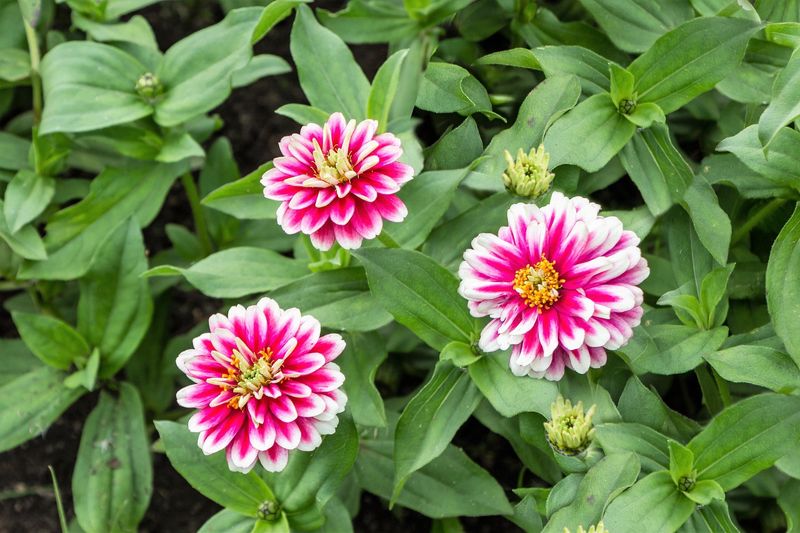
Zinnias pump out color all summer long in Texas gardens, and the bicolor varieties take the show to another level. These cheerful flowers feature petals that blend two or more colors in stripes, tips, or gradual transitions.
You might find orange blooms tipped in yellow, pink flowers with white bases, or red petals streaked with gold.
Heat lovers by nature, zinnias actually perform better as temperatures climb in Texas. They laugh at our hottest days and keep producing flowers when many other plants slow down or stop blooming.
Starting zinnias from seed is easy and inexpensive, letting you grow lots of plants for maximum color impact.
Direct sow zinnia seeds in your Texas garden after the last frost date when soil has warmed up. Scatter seeds in drifts for a natural look, or plant them in rows for a more formal display.
Cover seeds lightly with soil and keep the area moist until seedlings emerge in about a week.
Full sun and well-drained soil are the main requirements for happy zinnias. Water at ground level rather than overhead to prevent powdery mildew on leaves.
Once established, these tough flowers tolerate dry spells between waterings, though regular moisture produces the biggest, most abundant blooms.
Tall varieties make excellent cut flowers that last over a week in vases. Shorter types work well along borders or in containers mixed with other sun-loving plants.
The bicolor zinnias attract butterflies and beneficial insects to your Texas garden while providing weeks of non-stop color from early summer until frost.
7. Columbine
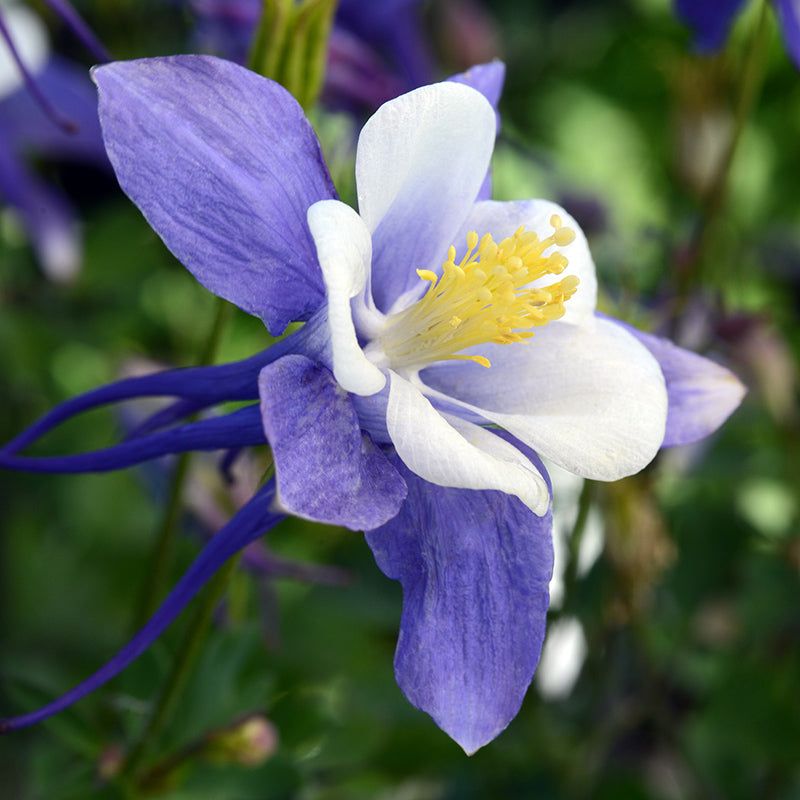
Columbine brings an airy, woodland feel to Texas gardens with its unique spurred flowers that seem to dance above the foliage. Bicolor varieties show off contrasting colors between the inner petals and outer sepals.
Blue and white combinations look cool and refreshing, while red and yellow pairings add warmth and energy to shaded spots.
Shade gardening in Texas can be challenging, but columbine thrives in the dappled light under trees where many flowers struggle.
The delicate-looking blooms appear tougher than they seem, handling our spring weather beautifully. Plant columbine in fall for the best establishment and strongest spring flowering.
Choose a location with morning sun and afternoon shade, or a spot that receives filtered light throughout the day.
Rich, well-drained soil amended with plenty of compost helps columbine roots stay healthy. These plants appreciate consistent moisture but cannot tolerate waterlogged conditions.
Water regularly during dry spells to keep soil evenly moist but never soggy. A layer of mulch helps retain moisture and keeps roots cool during warmer days.
Columbine often self-seeds in Texas gardens, giving you new plants each year without any effort on your part.
The distinctive flower shape attracts hummingbirds who use their long beaks to reach nectar in the spurs. Columbine blooms in mid to late spring, providing color when many summer flowers have not yet started.
After flowering finishes, the attractive mound of foliage continues to look good in your Texas garden. The bicolor varieties add unexpected beauty to shaded areas where bold color is hard to achieve.