These Compact Ornamental Grasses Are Ideal For Florida Garden Borders
Most garden borders look stunning in October and completely forgotten by July. That’s not bad luck, that’s the wrong plant.
Florida has a reputation for chewing up high-maintenance plants and spitting them out before the season even peaks. But low-growing ornamental grasses?
They didn’t get that memo. Tough, compact, and almost offensively easy to maintain, the right varieties stay lush through brutal heat and poor soil.
They also handle humidity that would make most plants wave a white flag. No babysitting.
No seasonal replacements. No watching your hard-earned money bake into the ground.
The secret to a border that turns heads twelve months a year isn’t working harder, it’s choosing smarter. And a handful of low-growing ornamental grasses might just be the best design decision your Florida garden ever gets.
1. Use Dwarf Mondo Grass For A Clean Low Edge
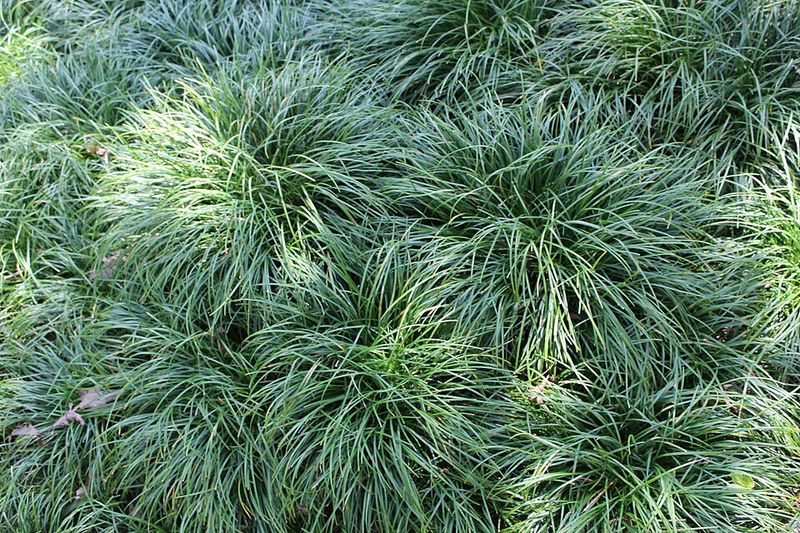
A crisp edge starts with a plant that stays low and behaves itself, and dwarf mondo grass does exactly that. Technically a grass-like plant rather than a true grass, dwarf mondo grass belongs to the genus Ophiopogon and is native to East Asia.
It is widely used in managed landscapes across this state because of its very compact size and tidy growth habit.
Dwarf mondo grass typically stays just a few inches tall, making it one of the lowest options available for path edges, stepping stones, and shaded bed borders.
It spreads slowly by short rhizomes, which means it fills in over time without becoming aggressive in most managed settings.
Patience is key here because this plant is not a fast grower.
Shade and part shade are where dwarf mondo grass performs best. It can handle morning sun in many gardens, but harsh afternoon sun in hot exposed sites can stress the foliage and cause it to look bleached or ragged.
Planting it under tree canopies or along shaded structures tends to give the cleanest results.
Soil moisture matters too. Dwarf mondo grass prefers well-drained soil but does not like to dry out completely for long periods.
In sandy Florida soils, some organic matter worked into the bed can help it establish more comfortably. Once settled in, it usually needs less attention than many other edging plants.
It is worth noting that dwarf mondo grass is not native to this state. For gardeners focused on native plantings, other options on this list may feel like a better fit.
However, for a formal, low-maintenance shaded edge, it remains one of the most reliable and widely available choices in local garden centers.
2. Choose Blue-Eyed Grass For Native Mini Blooms
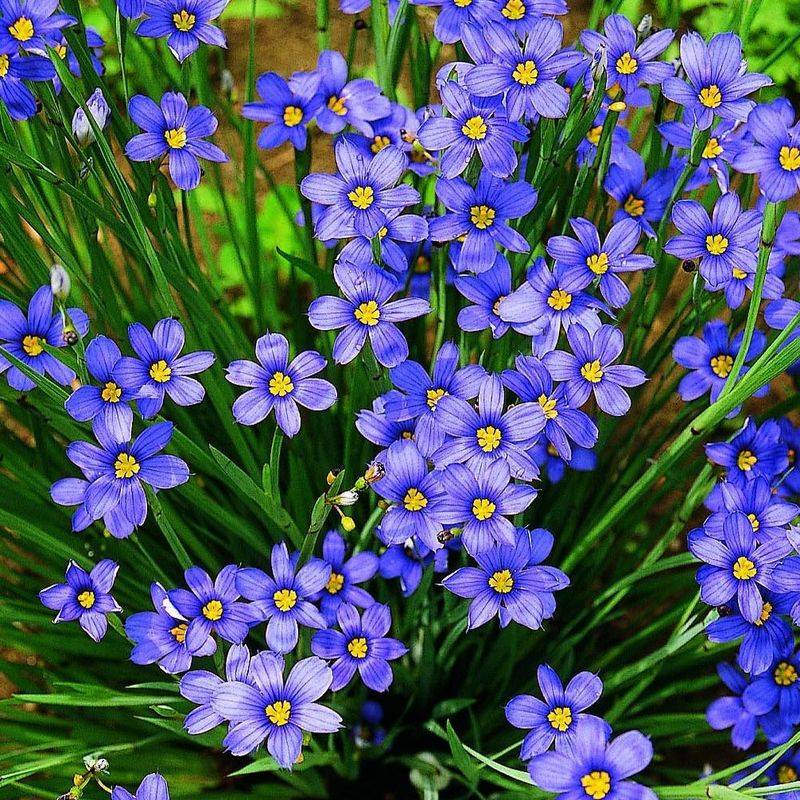
Tiny flowers make a grass-like plant feel truly special, and blue-eyed grass delivers that charm in a compact, native package. Despite its name, blue-eyed grass is not actually a grass at all.
It belongs to the iris family, genus Sisyrinchium, and several species are native to the state. That makes it a genuinely local choice for gardeners who want to support native plants.
Your Florida Garden Changes Every Week. Your Plan Should Too.
Gardening in Florida changes quickly throughout the season. Every Friday you’ll receive a simple weekly plan showing exactly what to plant, prune, fertilize, harvest, and protect so you never miss the right timing.
The flowers are small but eye-catching, ranging from soft blue to purple depending on the species and individual plant. They appear on slender stems above the fine, flat, grass-like foliage.
Bloom time is often strongest in spring, but it can extend from winter into summer depending on the species and conditions. The plant itself stays low and does not take up much space, which is part of its appeal for garden borders and natural edges.
Blue-eyed grass works best in sunny to partly sunny spots. It is not a plant for deep shade, and many native blue-eyed grasses are naturally found in moist open habitats, wet flatwoods, wet prairies, and similar sites.
Sandy or loamy soil can suit it well, especially when the area stays evenly moist rather than bone dry. It is a better choice for a moist natural edge than for a hot, dry strip that never receives supplemental water.
One realistic note worth keeping in mind is that blue-eyed grass is a small flowering perennial, not a dense turf-style ground cover. It will not create a solid carpet along an edge the way dwarf mondo grass might.
Instead, it works best planted in small clusters or drifts where its delicate texture and seasonal blooms can be appreciated up close.
For native plant gardens, pollinator beds, and natural-style borders, blue-eyed grass adds a cheerful, subtle beauty that few other low plants can match.
It pairs well with other native low-growers and gives a border a soft, meadow-like feel without any aggressive spreading concerns.
3. Try Purple Lovegrass For Airy Native Movement
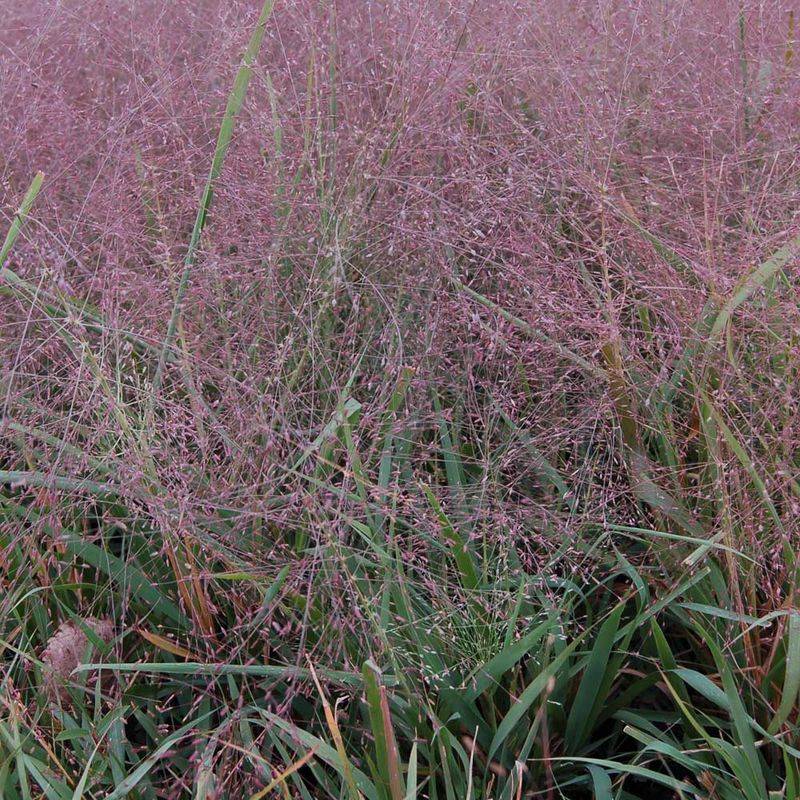
Airy seed heads bring motion to sunny beds in a way that few other low plants can match. Purple lovegrass is one of the best native options for that relaxed, breezy effect.
Eragrostis spectabilis is native to much of the eastern United States, including parts of Florida. It brings fine texture and a warm seasonal display to natural-style garden edges.
The seed heads are the real showstopper. In late summer and into fall, the plant sends up clouds of tiny reddish-purple florets that catch the light and sway in even a gentle breeze.
The effect is soft and almost hazy. That is why purple lovegrass works so well in naturalistic plantings and informal sunny borders rather than tight, formal edging situations.
Sandy, well-drained soil suits this grass well, and it generally prefers full sun. Overly rich or consistently moist soils can sometimes lead to floppy growth or reduced performance.
In lean, sunny conditions, the plant tends to stay more upright and put on a better seasonal show.
The loose, open shape of purple lovegrass is part of its character, not a flaw. Gardeners who want a very neat, controlled edge may find it too relaxed for their style.
However, for sunny native beds, meadow-style plantings, and natural driveway borders, that easy, flowing form is exactly what makes it valuable.
Purple lovegrass can work beautifully in masses where its fine texture creates a soft, unified look across a larger area. Spacing plants to allow for their natural spread adds visual interest.
Letting the seed heads remain through the season also benefits local wildlife that forages on grass seeds.
4. Use Dwarf Fakahatchee Grass For A Fuller Look
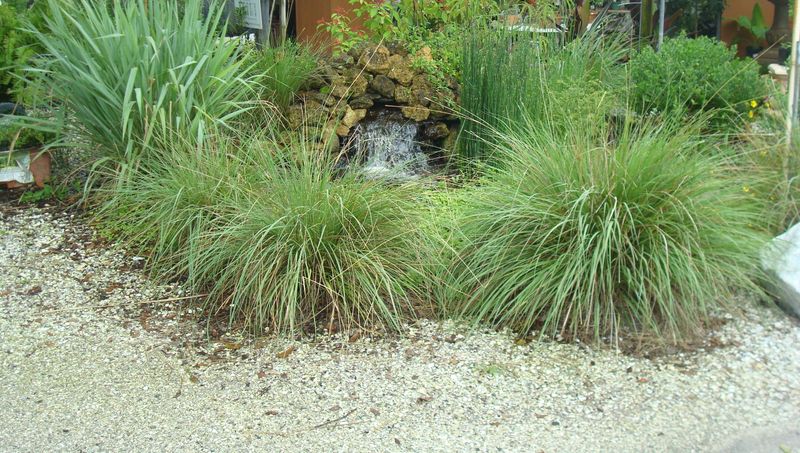
A fuller edge needs more room to breathe, and dwarf Fakahatchee grass is the plant to reach for when you want something with real presence along a larger border.
Tripsacum floridanum is a native clumping grass found in South Florida, and it brings a bold, arching texture that smaller, finer-leaved plants simply cannot match.
Its native status makes it a strong choice for Florida-friendly landscapes.
Honesty matters here because this plant is not tiny. Even the dwarf form can grow to a meaningful size over time, and mature clumps can spread wider than some gardeners expect.
Checking the mature size and spacing guidance before planting is genuinely important, especially if the bed is narrow or the path edge is tight.
This grass fits best in larger beds, open driveway borders, and naturalistic plantings where it has space to express its full shape.
Sun is generally preferred, though dwarf Fakahatchee grass can handle some light shade in certain situations. It performs best when soil is kept somewhat moist, though it can adapt to drier conditions once established.
That flexibility makes it useful in many landscapes, but it should not be treated as a tiny dry-strip edging plant. Once established, it is typically a low-maintenance plant that does not require frequent attention.
The arching, medium-green foliage creates a soft, layered look that works well in native plant gardens and informal landscapes.
Planting it in small groupings rather than a single specimen can create a more natural, cohesive appearance along a longer border section.
For gardeners who want a native grass with real visual weight and a relaxed but substantial presence, dwarf Fakahatchee grass is worth serious consideration. Just give it the space it needs and let its natural clumping form do the design work for you.
5. Plant Elliott’s Lovegrass For Natural Sunny Edges
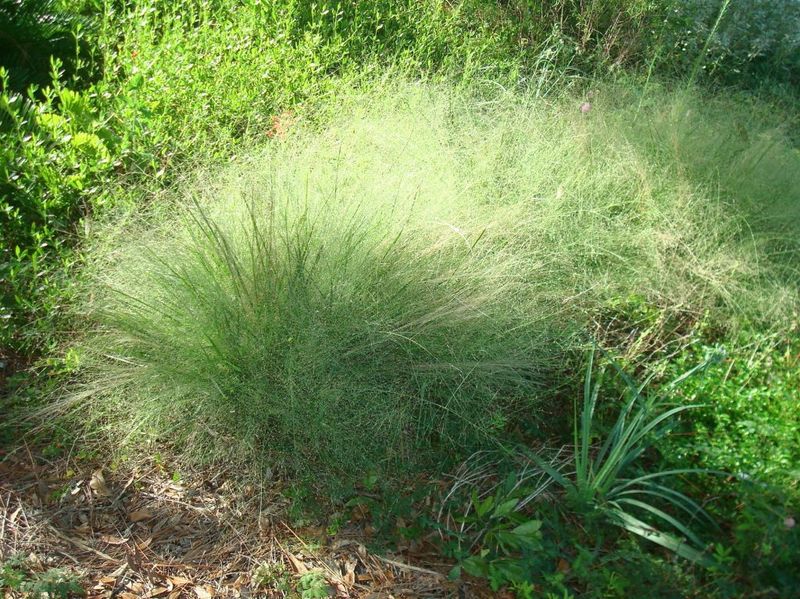
Natural plantings look best when the shape stays relaxed, and Elliott’s lovegrass understands that assignment completely. Eragrostis elliottii is a native clumping grass found across much of the state.
It brings a fine, airy texture to sunny garden edges that feels right at home in naturalistic landscapes. It is a practical, low-fuss choice when the site and style are a good match.
The foliage is slender and blue-green in color, giving it a slightly cooler, softer appearance than many other grasses in the same size range. In late summer and fall, it produces delicate seed heads that add a light, wispy quality to the planting.
The overall effect is graceful rather than bold, which suits informal and native-style borders very well.
Full sun is where Elliott’s lovegrass performs at its best. It tends to prefer well-drained soils and can handle the sandy conditions common in many parts of this state.
Consistently wet or poorly drained sites are generally not a good fit, so paying attention to drainage before planting will save frustration later.
Being realistic about what this plant is and is not will help set the right expectations. Elliott’s lovegrass is not a manicured edging plant that holds a sharp, tidy line.
Its clumping, flowing habit is better suited to low-maintenance sunny areas and native plant beds. It also works well in natural borders where a relaxed shape is welcome rather than a concern.
Spacing matters with clumping grasses, and giving each plant enough room to develop its full form will produce a more attractive result over time. Planted in drifts or groupings, Elliott’s lovegrass can create a soft, unified texture along a longer sunny edge.
Once established, it requires very little ongoing care.
6. Consider Muhly Grass For A Seasonal Color Boost
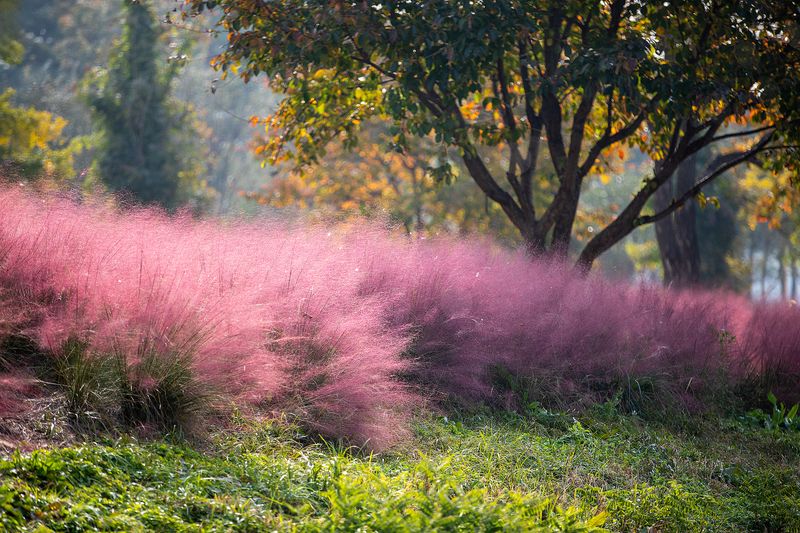
Few plants earn as many compliments in a garden as muhly grass does in the fall. Muhlenbergia capillaris is a native grass found across the southeastern United States, including Florida.
Its annual display of soft, cotton-candy-pink seed heads is one of the most striking seasonal moments a compact border grass can offer. For gardeners who want color, movement, and native value all in one plant, muhly grass delivers on every count.
The plant forms a neat, arching clump of fine green foliage through most of the year, staying relatively tidy without requiring much attention.
Then, usually in October and November, it erupts into a cloud of rosy-pink to purplish seed heads that seem to glow in afternoon sunlight.
The effect is stunning in mass plantings and still quite beautiful even in smaller groupings along a garden border.
Full sun is strongly preferred. Muhly grass generally does not perform as well in shaded or heavily sheltered spots.
It tends to flop or produce fewer seed heads when it does not get enough direct light. Well-drained soil, including sandy soil, suits it well, which is a real advantage in many parts of this state.
Size is worth considering before planting. Muhly grass can grow two to three feet tall and wide at maturity, which makes it better suited to medium and larger borders than to very narrow or tight path edges.
Giving each clump enough space to develop its full, rounded shape will produce the most attractive results.
For sunny native beds, natural driveway borders, and open landscape edges, muhly grass is one of the most rewarding choices available to gardeners. Its seasonal show alone makes it worth planning a spot for in the garden.