The 9 Most Overplanted Florida Shrubs (And Better Low-Maintenance Swaps)
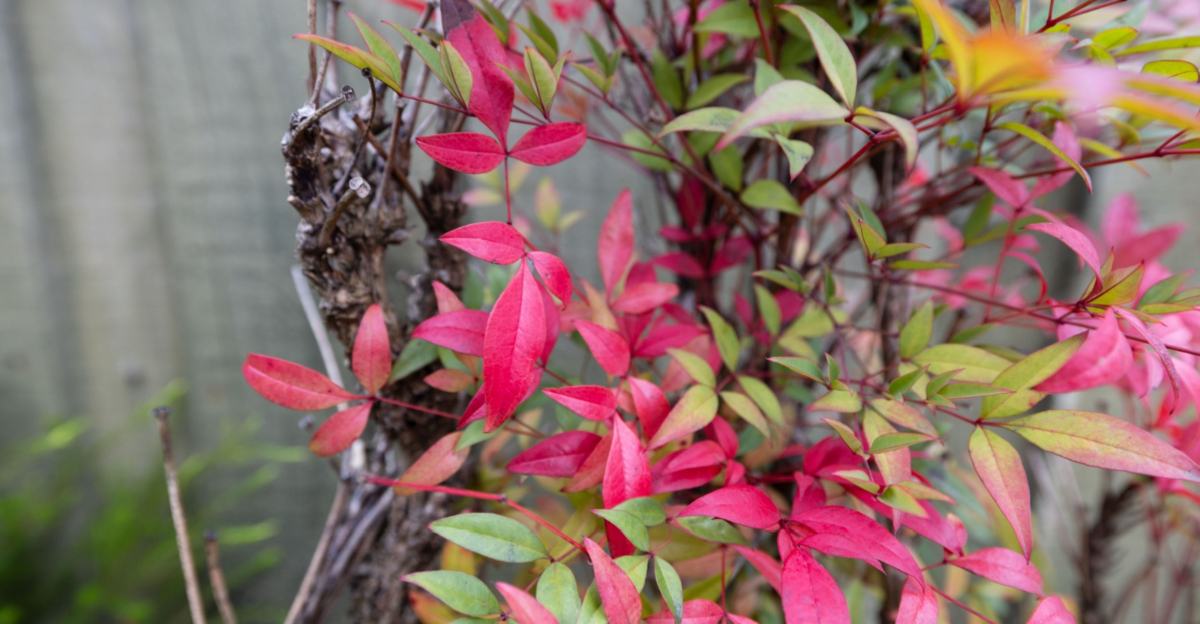
Across Florida, the same shrubs repeat from yard to yard, clipped into familiar shapes, demanding constant care, water, and patience. What once looked lush now feels predictable, and many homeowners grow tired of fighting pests, pruning overgrowth, and chasing a picture perfect hedge.
Landscapes should thrive, not exhaust. A quiet shift has begun as gardeners search for smarter choices that stay beautiful with less effort. Some classic favorites struggle in heat, sprawl beyond control, or invite endless maintenance, yet better options wait just outside the spotlight.
Modern low-maintenance shrubs bring color, structure, and resilience without constant trimming or heavy watering. The goal no longer centers on tradition but on balance, beauty, and ease.
Fresh alternatives can transform a familiar yard into a cleaner, calmer, more sustainable space. It is time to rethink the usual picks, break free from overplanted habits, and discover shrubs that work with Florida’s climate, not against it, every single season.
1. Boxwood Struggles In Florida Landscapes
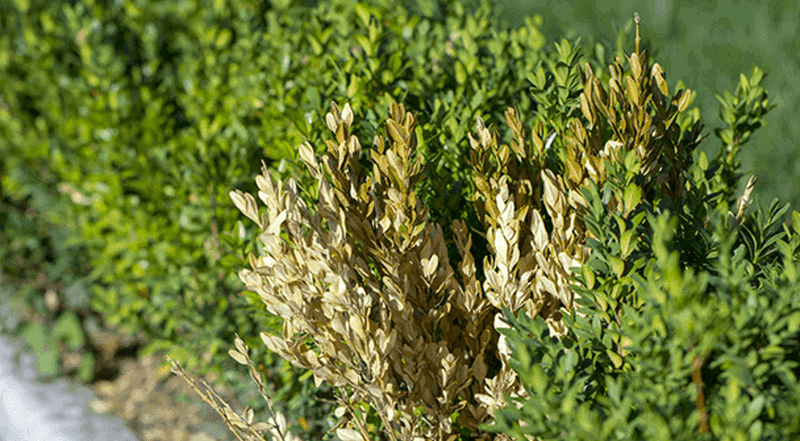
Garden centers stock boxwood because it looks tidy and familiar, but Florida’s climate creates serious problems for these temperate shrubs. High humidity combines with poor air circulation to create the perfect environment for fungal diseases that cause leaf drop and thinning.
Summer heat stresses boxwood beyond its comfort zone, leading to bronze foliage and declining vigor that never quite recovers.
Maintenance becomes a constant battle as you treat diseases, prune out affected branches, and watch your hedge develop unsightly gaps. Boxwood requires excellent drainage and consistent moisture levels that Florida’s sandy soils and heavy summer rains make nearly impossible to maintain.
Many homeowners find themselves replacing sections every few years.
Simpson’s stopper offers everything boxwood promises without the headaches. This native Florida shrub develops naturally dense growth with small glossy leaves that create the formal appearance people want from boxwood.
It tolerates heat, humidity, salt spray, and occasional drought once established, thriving in conditions that destroy boxwood.
The fragrant white flowers attract butterflies while requiring minimal pruning to maintain shape. Simpson’s stopper handles Florida’s summer humidity without developing the leaf spot and blight issues that plague boxwood.
For a formal hedge or foundation planting that actually performs well long term, this native alternative delivers superior results with dramatically less maintenance and no disease problems.
2. Indian Hawthorn Brings Ongoing Disease Problems
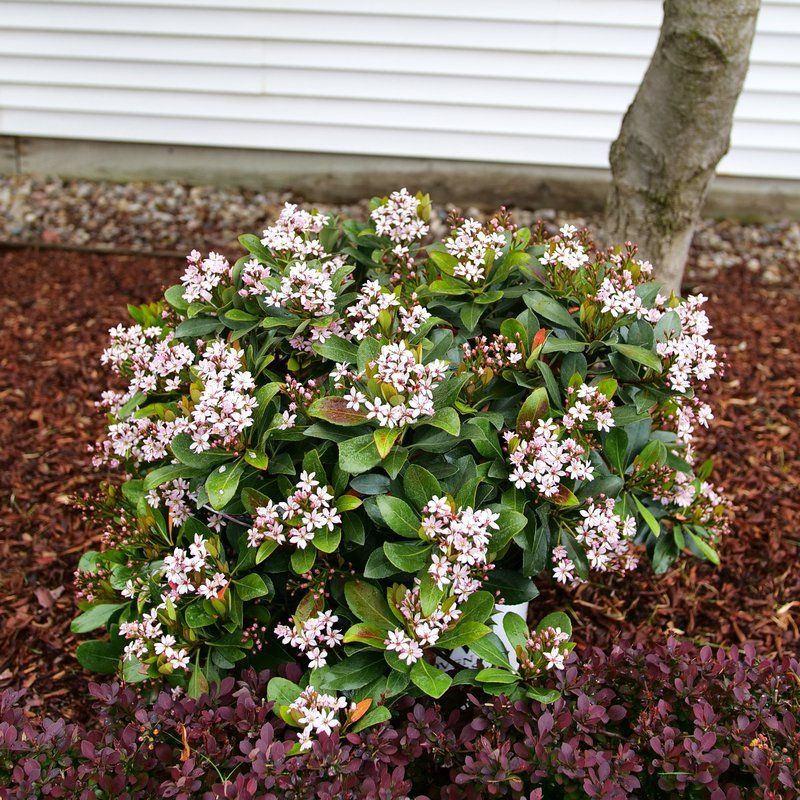
Nurseries promote Indian hawthorn for its spring flowers and evergreen foliage, but Florida’s humidity turns this shrub into a maintenance nightmare. Entomosporium leaf spot appears almost immediately in most Florida landscapes, creating reddish purple spots that spread across leaves throughout the growing season.
The disease never truly goes away, requiring regular fungicide applications just to keep plants marginally acceptable.
Leaves drop constantly as the disease progresses, creating a perpetually messy appearance beneath the shrubs. Plants gradually thin out and lose vigor despite chemical treatments and careful care.
Indian hawthorn also struggles with scale insects and root problems in Florida’s challenging soils, adding more maintenance issues to an already problematic plant.
Firebush provides a much tougher alternative that handles humidity without constant disease pressure. This Florida native produces brilliant orange-red tubular flowers that bloom repeatedly from spring through fall, attracting hummingbirds and butterflies to your landscape.
The plant thrives in heat and humidity that destroy Indian hawthorn.
Firebush requires no spraying, tolerates various soil conditions, and bounces back quickly if occasional cold weather causes tip damage. The shrub naturally maintains an attractive rounded form with minimal pruning.
While it grows larger than Indian hawthorn, firebush offers reliable color and zero disease problems, making it infinitely easier to maintain. For landscapes needing a flowering shrub that thrives in Florida, firebush performs far more reliably than Indian hawthorn, remaining evergreen in warmer parts of the state and freezing back in colder regions before regrowing.
3. Croton Requires More Care Than Expected
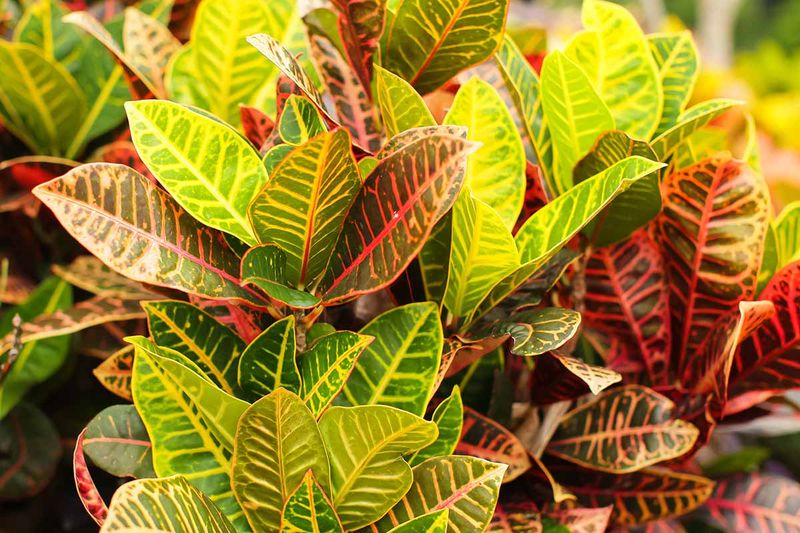
Croton’s wildly colorful foliage tempts many Florida gardeners, but these tropical shrubs demand more attention than most people anticipate. Any temperature drop below 40 degrees damages or completely defoliates croton, leaving brown sticks that take months to recover.
Even in South Florida, occasional cold fronts create stress that ruins the plant’s appearance for extended periods.
Crotons also suffer from spider mites, especially during dry periods, requiring regular inspection and treatment to prevent severe damage. The plants need consistent moisture and don’t tolerate drought well, demanding irrigation attention that many Florida landscapes can’t reliably provide.
Stressed crotons drop leaves, lose color intensity, and develop a scraggly appearance that defeats their decorative purpose.
Copper plant delivers bold foliage color with far greater reliability across Florida. This tough shrub produces leaves in stunning combinations of copper, burgundy, pink, and green that rival croton’s color range.
Unlike croton, copper plant tolerates brief cold snaps without significant damage and recovers quickly if tips get nipped.
The plant handles heat, humidity, and occasional drought much better than croton while maintaining its colorful appearance throughout the year. Copper plant grows vigorously with minimal care, rarely suffers from pest problems, and doesn’t require the constant babying that croton demands.
For gardeners wanting colorful foliage without high maintenance requirements, copper plant provides reliable performance that croton simply can’t match in most Florida landscapes.
4. Ligustrum Quickly Becomes A Maintenance Burden
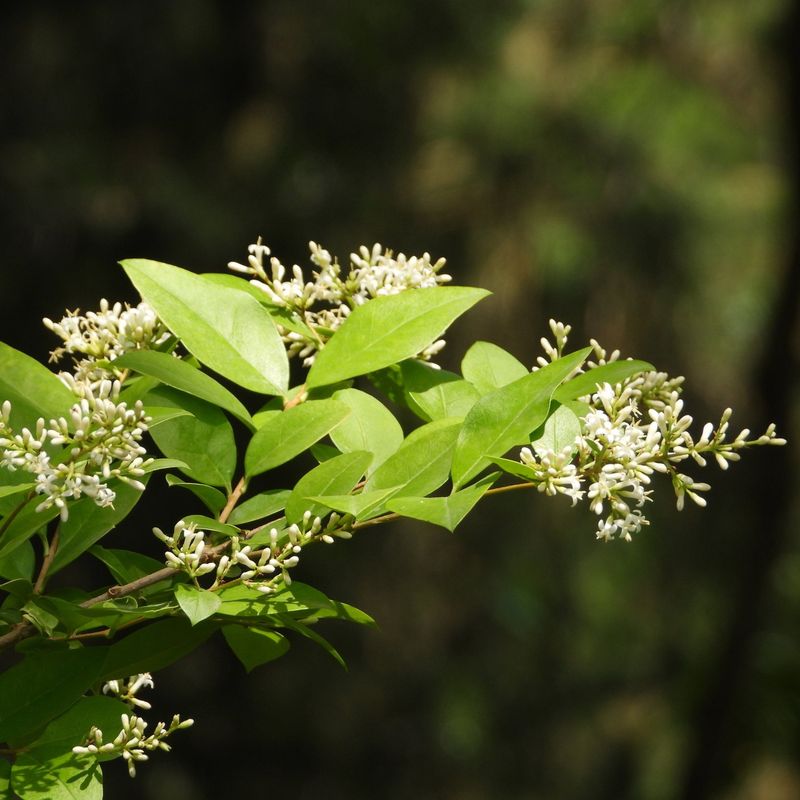
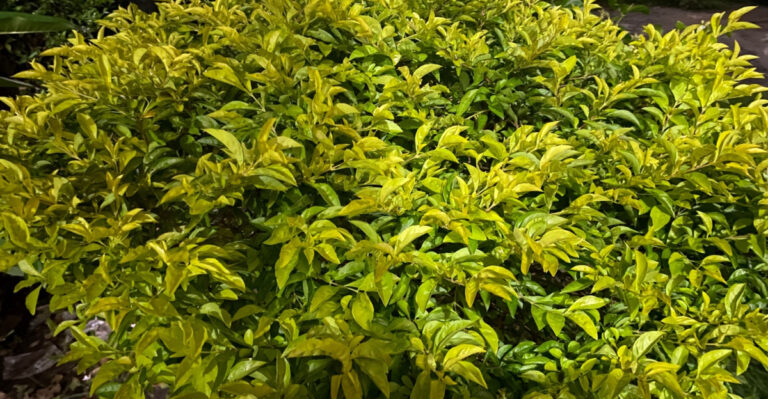
Ligustrum appears in countless Florida landscapes because it grows fast and tolerates shearing, but that vigorous growth quickly becomes a serious problem. These shrubs require trimming every few weeks during the growing season just to maintain any semblance of control.
Miss a few pruning sessions and ligustrum explodes into a massive, ungainly mess that dominates the landscape.
The shrub also produces abundant berries that birds spread everywhere, creating invasive seedlings throughout your property and neighboring areas. Ligustrum has become a significant invasive species problem in Florida, escaping landscapes and crowding out native vegetation in natural areas.
The plant’s shallow roots compete aggressively with nearby plants for water and nutrients.
Walter’s viburnum offers a native alternative that stays naturally compact without constant pruning. This Florida native develops dense growth with small glossy leaves that create an attractive hedge or screen with far less maintenance.
The shrub produces small white flowers in spring followed by berries that wildlife appreciate without becoming invasive.
Walter’s viburnum grows at a moderate pace that requires only occasional light trimming to maintain shape, not the constant shearing that ligustrum demands. The plant tolerates various soil conditions, handles drought once established, and resists pest and disease problems.
For landscapes needing a manageable hedge that doesn’t require weekly attention or threaten natural areas, Walter’s viburnum provides excellent performance without ligustrum’s numerous drawbacks and maintenance demands.
5. Azaleas Often Decline In Florida Conditions
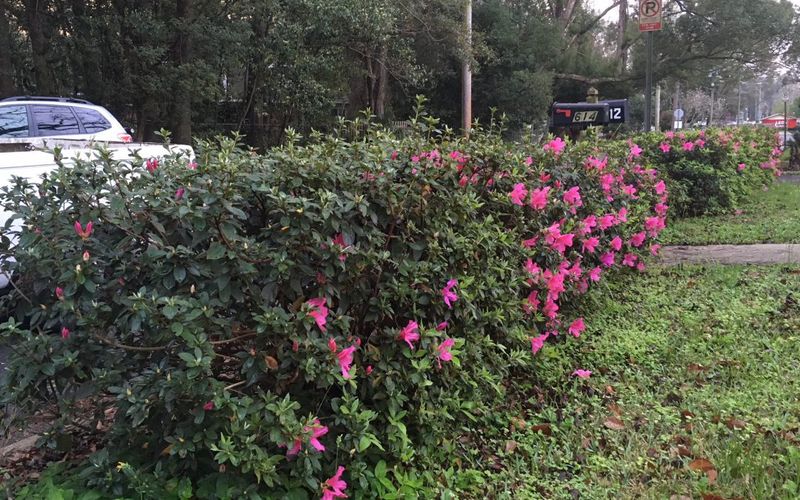
Azaleas bloom beautifully in garden centers, leading many Florida gardeners to plant them with high expectations that rarely pan out long term. In parts of Florida with alkaline soils or limestone, these acid-loving shrubs often struggle, developing chlorosis and nutrient deficiencies despite amendments and fertilizers.
The plants require consistently moist but well-drained conditions that Florida’s weather extremes make nearly impossible to maintain.
Summer heat stresses azaleas beyond their tolerance, especially in Central and South Florida where temperatures regularly exceed their comfort range. Lace bugs attack stressed plants, causing stippled leaves and declining vigor that compounds existing problems.
Many azaleas gradually decline over several years, never achieving the lush appearance gardeners envision.
Coontie provides a tough evergreen alternative that thrives in Florida’s challenging conditions. This native cycad develops attractive feathery foliage that adds fine texture to landscapes while tolerating heat, drought, and various soil types without complaint.
Coontie requires virtually no maintenance once established, never needs pruning, and resists pest and disease problems.
The plant handles full sun to partial shade, making it versatile for different landscape situations. While coontie doesn’t flower like azaleas, its reliable year-round appearance and zero-maintenance nature make it far more valuable in Florida landscapes.
The plant also supports the endangered atala butterfly, adding ecological value that azaleas can’t provide. For gardeners tired of struggling with finicky azaleas, coontie offers dependable performance that actually improves over time.
6. Oleander Creates Hidden Landscape Challenges
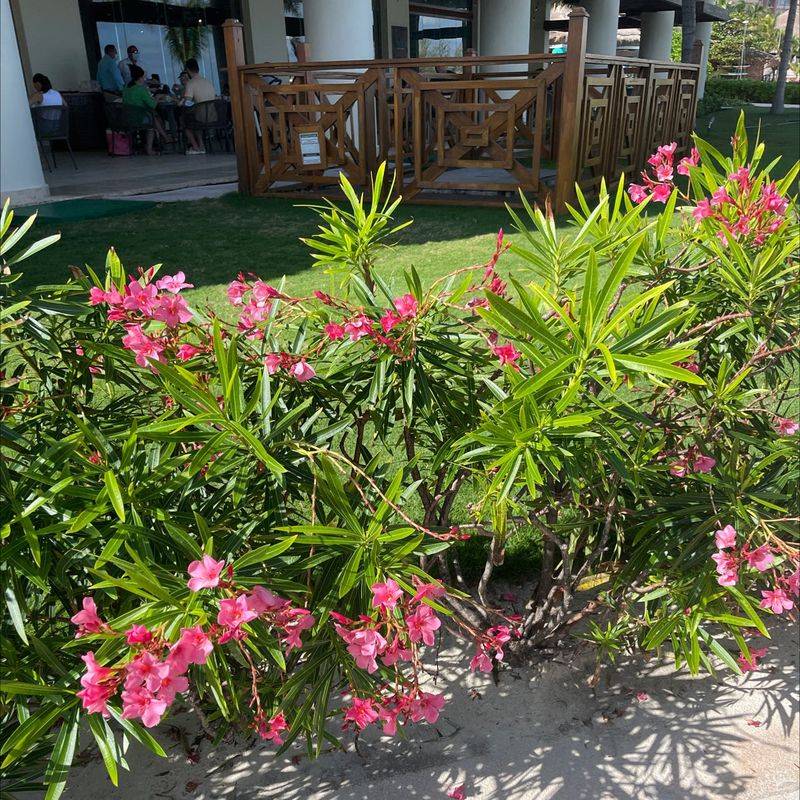
Oleander tolerates tough conditions and produces colorful flowers, but this Mediterranean shrub creates long-term problems that aren’t immediately obvious. Plants grow large and woody over time, developing thick trunks and branches that become difficult to manage or remove.
The shrub’s mature size often exceeds the space allocated in foundation plantings, requiring aggressive pruning that ruins its natural form.
All parts of oleander are extremely toxic, creating safety concerns around children, pets, and even adults who might handle prunings without realizing the danger. The plant also suffers from oleander caterpillars that can completely defoliate shrubs seemingly overnight, requiring vigilant monitoring during warm months.
Old oleander plantings become maintenance headaches as they outgrow their spaces and require constant cutting back.
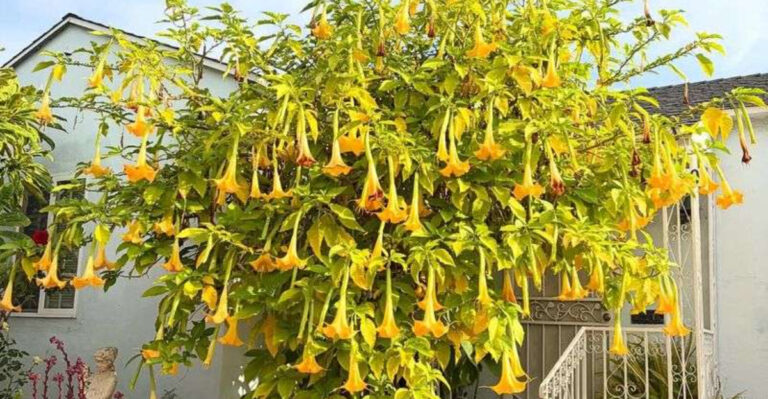
Yellow elder provides a flowering alternative that stays more manageable while offering spectacular color. This tough shrub produces clusters of bright yellow trumpet-shaped flowers repeatedly throughout warm months, creating far more consistent color than oleander.
The plant tolerates heat, drought, and poor soils while maintaining a more reasonable size.
Yellow elder doesn’t develop the thick woody structure that makes oleander so difficult to manage long term. The shrub handles pruning easily if needed to control size and is considered far less toxic than oleander, though it is still not edible.
Plants attract hummingbirds and butterflies while requiring minimal care beyond occasional shaping. For landscapes needing a flowering shrub that performs reliably without creating maintenance or safety issues, yellow elder delivers superior results.
7. Podocarpus Demands Patience And Constant Shaping
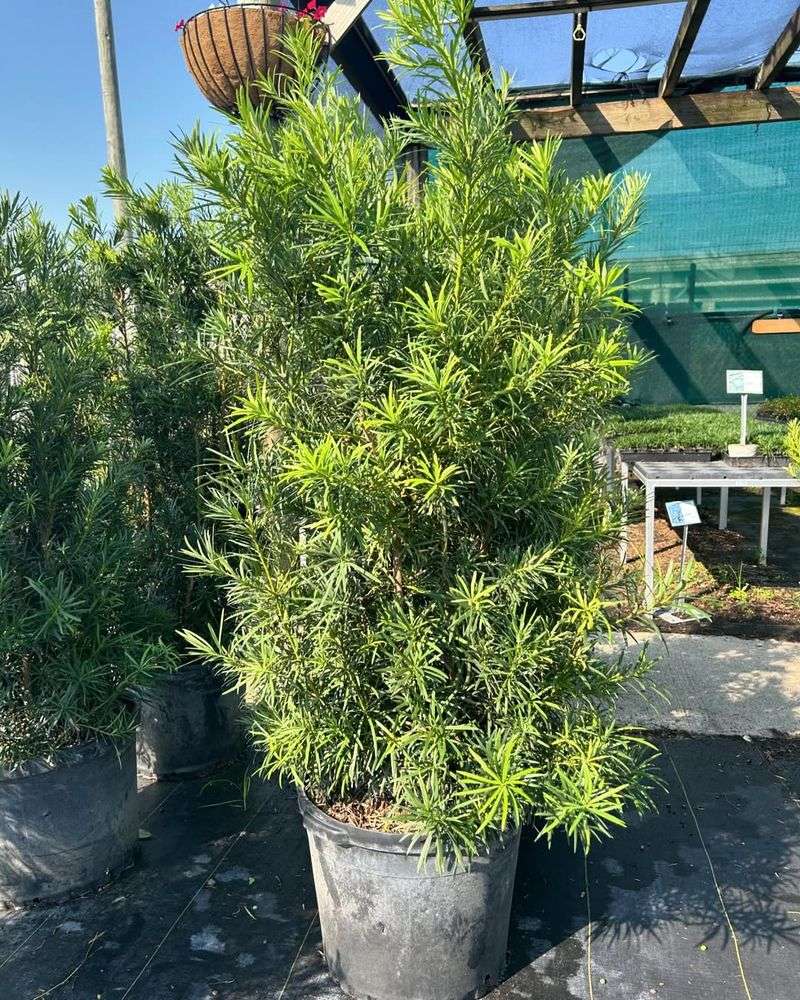
Podocarpus appears in countless Florida hedges because it tolerates shearing and stays evergreen, but this slow-growing shrub requires more maintenance than many alternatives. Plants take years to fill in as hedges, leaving gaps and thin spots that frustrate homeowners expecting quicker results.
The shrub needs regular shaping to maintain density, and skipping pruning sessions results in uneven growth that’s difficult to correct.
Podocarpus also suffers from scale insects and sooty mold that create black coating on leaves, requiring treatment and cleanup to maintain acceptable appearance. The plant’s slow growth means mistakes take a long time to correct, and replacing sections that decline or get damaged sets your hedge back significantly.
Many landscapes use podocarpus simply because it’s familiar, not because it’s actually the best choice.
Green buttonwood offers a native alternative that fills in faster while staying naturally dense. This Florida coastal native develops compact growth with attractive silvery-green foliage that creates an excellent hedge or screen.
The plant tolerates salt spray, wind, heat, and drought conditions that stress many other shrubs.
Buttonwood grows at a moderate pace that’s faster than podocarpus, filling in hedges more quickly while requiring less frequent pruning to maintain shape. The shrub naturally develops dense branching without the constant shaping that podocarpus demands.
Plants resist pest and disease problems while handling various soil conditions. For landscapes needing a reliable evergreen hedge that doesn’t require years to establish, buttonwood provides superior performance with notably less maintenance.
8. Viburnum Odoratissimum Grows Too Large Too Fast
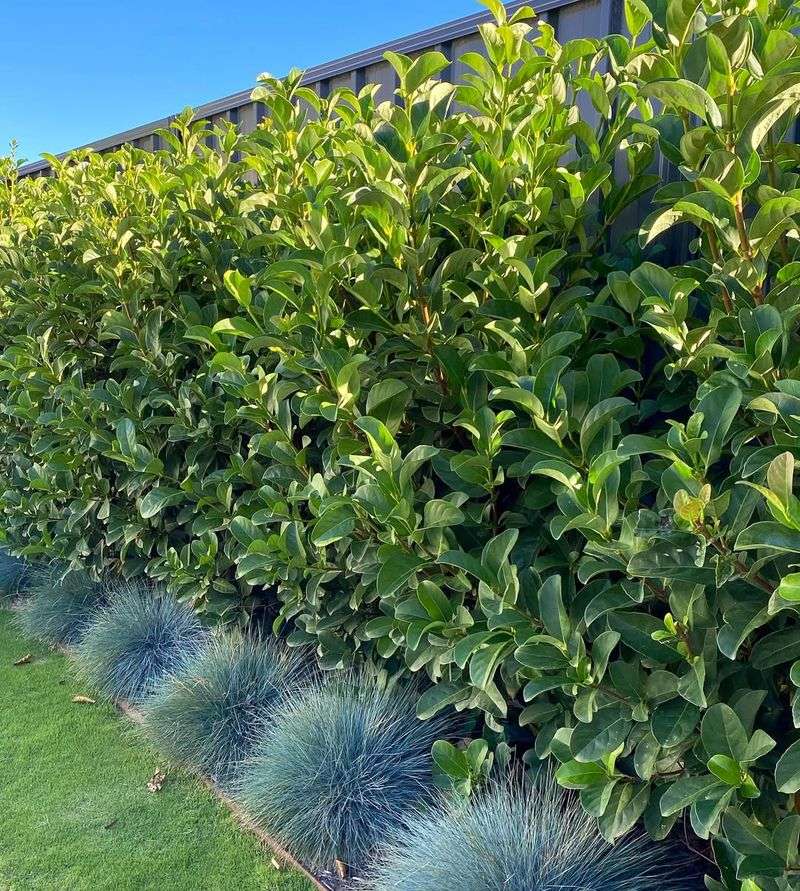
Viburnum odoratissimum gets planted extensively in Florida because it grows quickly and creates fast screening, but that vigorous growth rapidly becomes a major problem. These shrubs easily reach 15 to 20 feet tall and wide, overwhelming spaces designed for much smaller plants.
Homeowners find themselves constantly cutting back aggressive growth that returns within weeks.
The plant’s size makes pruning physically difficult and time-consuming, often requiring ladders and power equipment just to keep it somewhat contained. Viburnum odoratissimum planted as foundation shrubs quickly block windows, crowd walkways, and dominate landscapes in ways that weren’t anticipated.
The constant battle to control size defeats any low-maintenance benefits the plant might otherwise offer.
Cocoplum provides a much more manageable native alternative that stays naturally compact. This Florida native develops dense growth with attractive rounded leaves that create excellent hedges or screens without explosive growth.
The plant tolerates shearing well if you want formal shapes, but it also maintains nice form with minimal pruning.
Cocoplum handles coastal conditions, salt spray, and various soil types while producing small white flowers and edible fruits that wildlife enjoy. The shrub grows at a moderate pace that’s fast enough to establish screening relatively quickly but doesn’t require constant cutting back.
Plants available in both green and red-purple leaf forms offer color options. For landscapes needing screening without ongoing size control battles, cocoplum delivers reliable performance that viburnum odoratissimum simply can’t match without constant intervention.
9. Nandina Spreads And Loses Landscape Value
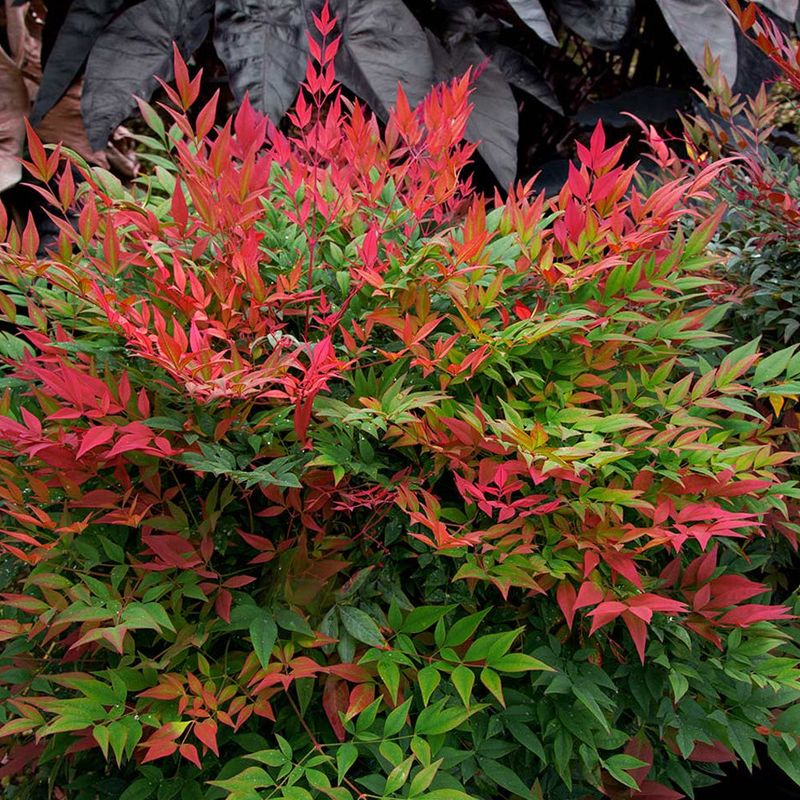
Nandina gets planted in Florida landscapes for its bamboo-like appearance and red winter foliage, but this Asian import performs poorly in our climate. The shrub develops a leggy, sparse appearance in Florida’s heat, never achieving the full dense growth that makes it attractive in cooler regions.
Lower leaves drop as stems elongate, creating bare stalks topped with small foliage tufts that look unkempt.
Nandina also spreads through underground runners, popping up in unwanted areas and becoming difficult to contain. The plant has escaped cultivation in many Florida areas, threatening native ecosystems.
Its berries can be harmful if eaten in large quantities and have raised wildlife concerns in some regions. Nandina simply doesn’t offer enough landscape value to justify its space in Florida gardens.
Beautyberry provides a native alternative with far more visual interest and ecological value. This Florida native produces clusters of brilliant purple berries in fall that create stunning color while providing safe food for numerous bird species.
The shrub develops attractive arching branches with textured leaves that add graceful form to landscapes.
Beautyberry tolerates shade, handles various soil conditions, and requires virtually no maintenance beyond occasional light pruning to shape. The plant doesn’t spread aggressively or create containment problems like nandina.
While beautyberry loses leaves in winter in North Florida, it leafs out quickly in spring and provides far more seasonal interest than struggling nandina. For gardens wanting a shrub with real landscape impact and wildlife value, beautyberry outperforms nandina in every meaningful way.