The 5 Most Overplanted Shrubs In Georgia And Better Low Maintenance Swaps
Georgia yards can look polished at a glance, but something often feels a little too familiar once everything fills in. The same shrubs keep showing up in the same spots, shaping landscapes in a way that starts to feel predictable over time.
They may look tidy early on, but as growth picks up, they do not always hold that clean look without extra effort.
What makes it tricky is how gradual the change is. A shrub that once looked balanced can start to spread unevenly or need more frequent trimming just to stay in place.
It does not happen overnight, but it becomes harder to ignore as the season moves forward.
At the same time, there are other choices that settle in more naturally and stay easier to manage through Georgia’s growing season.
The difference is subtle at first, yet it becomes clear once everything begins to grow and the yard starts showing what really works and what does not.
1. Boxwood Is Overused And Needs Constant Upkeep To Stay Healthy
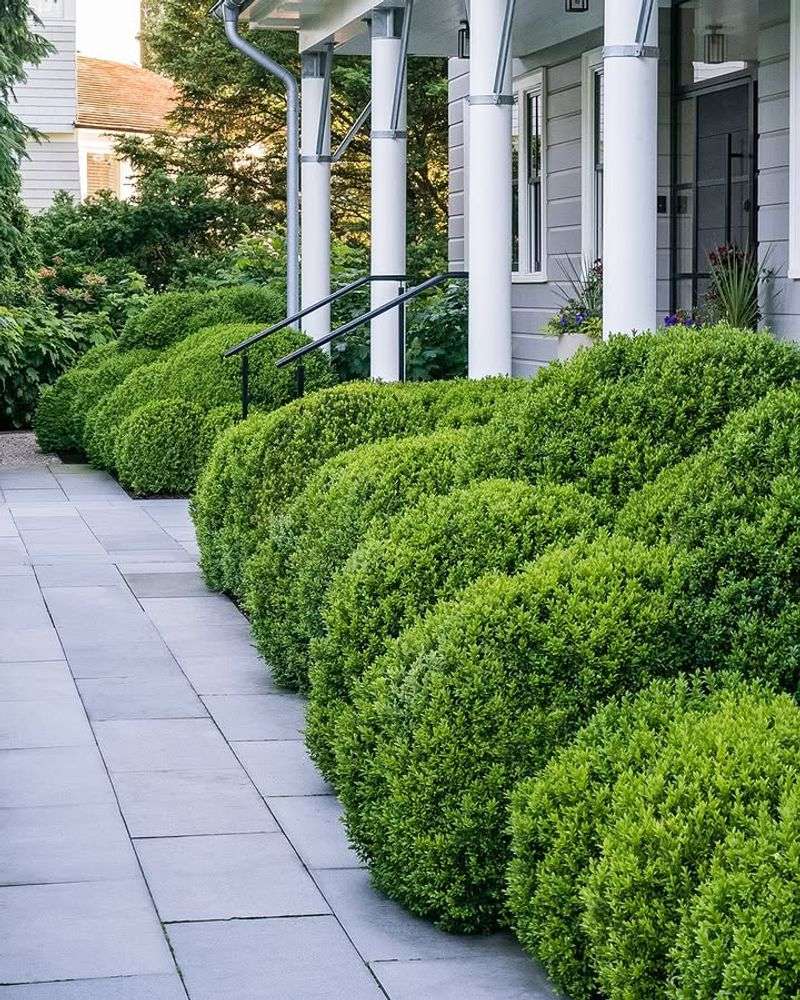
Boxwood looks sharp in a catalog photo, but growing it in Georgia is a completely different story. Boxwood blight has become a serious problem across the state, and humid summers here make conditions almost perfect for the fungus to spread fast.
Once it moves through a hedge, whole sections can brown out within weeks.
Beyond disease, boxwoods demand regular pruning to stay tidy. Skip a season and they start looking ragged.
Pests like psyllids and leafminers also show up regularly, adding even more to the maintenance list.
Georgia gardeners who planted long boxwood hedges are often the first ones dealing with expensive removal costs later. Replanting the same shrub in the same spot usually leads to the same outcome.
Soil-borne pathogens can linger even after removal, making recovery slow.
Switching to something with natural disease resistance is a smarter move for most Georgia landscapes. Korean boxwood handles humidity better and does not need constant shaping to stay compact.
If you want a structured look without the constant upkeep, it is worth making the swap before blight becomes your problem too.
Even healthy looking boxwoods can decline quickly once conditions turn in favor of disease, which makes them a risky long term investment in Georgia yards. Starting with a more resilient shrub saves time, money, and a lot of frustration down the line.
2. Nandina Spreads Easily And Often Becomes A Problem Over Time
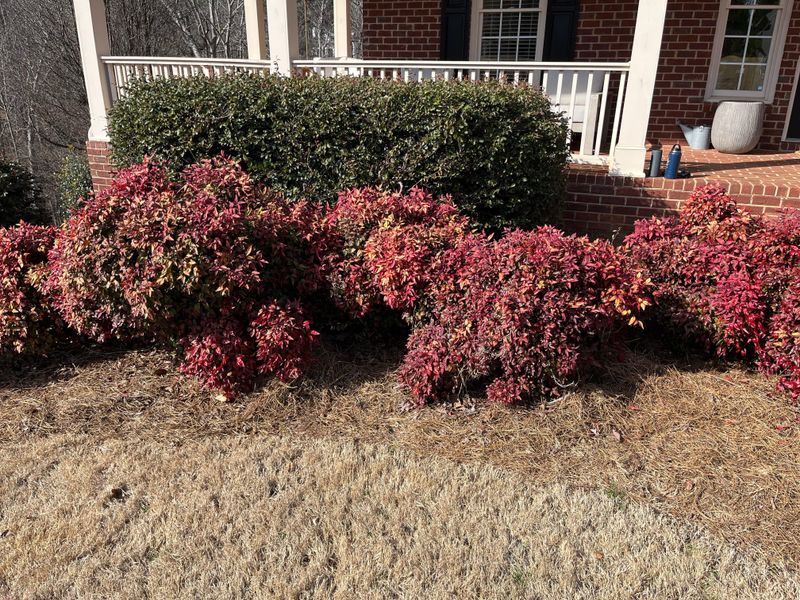
Nandina has a way of looking innocent at first. You plant one or two near the front steps, they stay tidy for a while, and then suddenly they are everywhere.
Birds eat the berries and drop seeds across the yard, along fence lines, and into nearby woods.
Beyond the spreading habit, nandina berries are toxic to birds like cedar waxwings. A flock can eat enough berries in one visit to cause serious harm.
That alone is a good reason to reconsider planting it anywhere near natural areas in Georgia.
Georgia has seen nandina naturalize along roadsides, creek banks, and woodland edges throughout the state. It tolerates shade, drought, and poor soil, which sounds useful until you realize that is exactly what makes it so hard to control once it gets going.
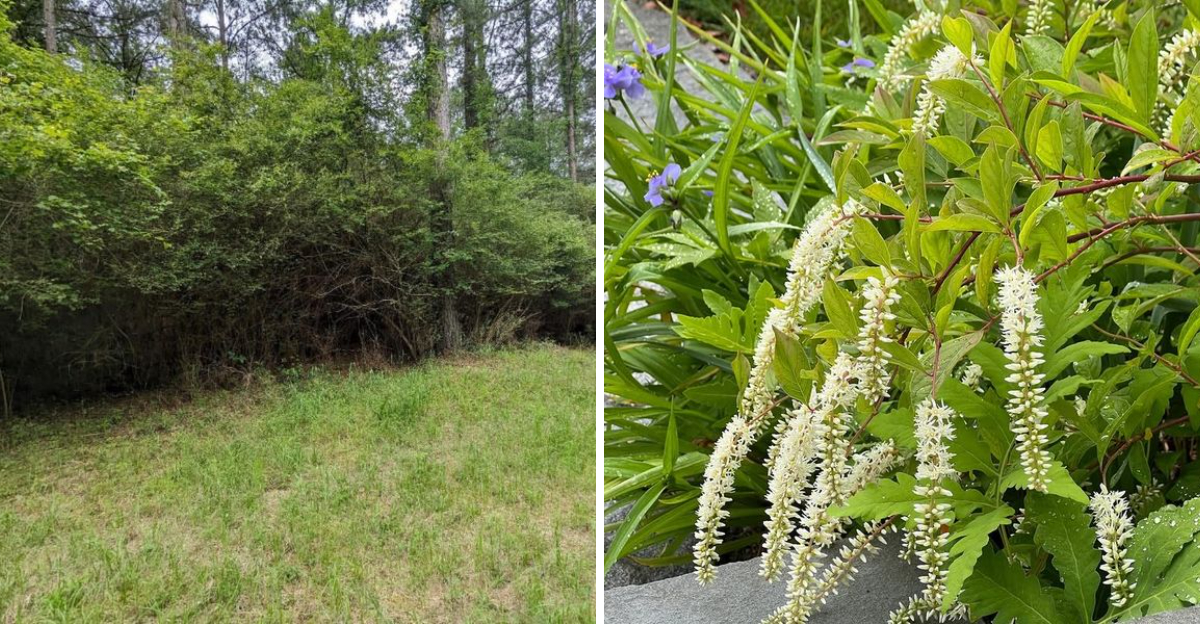
Inkberry holly is a far better choice for similar spots. It stays put, handles wet areas around Georgia’s clay soils well, and supports native wildlife instead of harming it.
Swapping nandina out is one of the easier decisions you can make for a cleaner, lower-effort yard long term.
3. Privet Grows Aggressively And Can Take Over Surrounding Areas
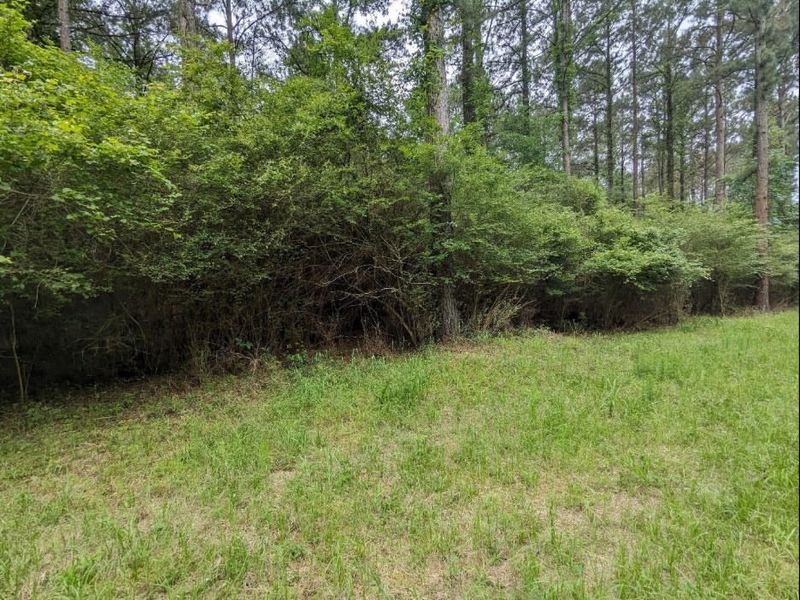
Privet might be the most stubborn plant in Georgia. Cut it down and it sprouts back from the roots within weeks.
Ignore it for a summer and it doubles in size. Whole creek bottoms across Georgia have been swallowed by privet thickets that started as a few backyard hedges decades ago.
Both Chinese and Japanese privet are listed as invasive in Georgia, yet they still show up at nurseries and in new landscapes. Fragrant spring flowers might seem appealing, but those flowers produce thousands of seeds that birds spread far beyond your property line.
Removing established privet takes serious effort. Pulling young plants works only when the root system is still small.
Older plants require cutting and treating the stumps, and even then you will be pulling seedlings for years afterward.
Walter’s viburnum is a much smarter alternative for Georgia landscapes that need a dense, tall shrub. It stays compact without constant pruning, produces white spring blooms, and the berries attract wildlife.
It does not wander into neighboring properties or take over your garden beds. For a hedge that actually behaves, viburnum is a dependable replacement that holds up well across the state.
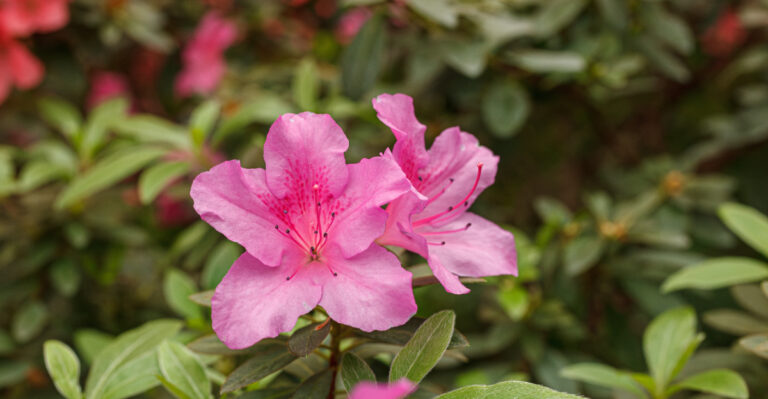
4. Azaleas Are Widely Planted And Often Overused In Landscapes
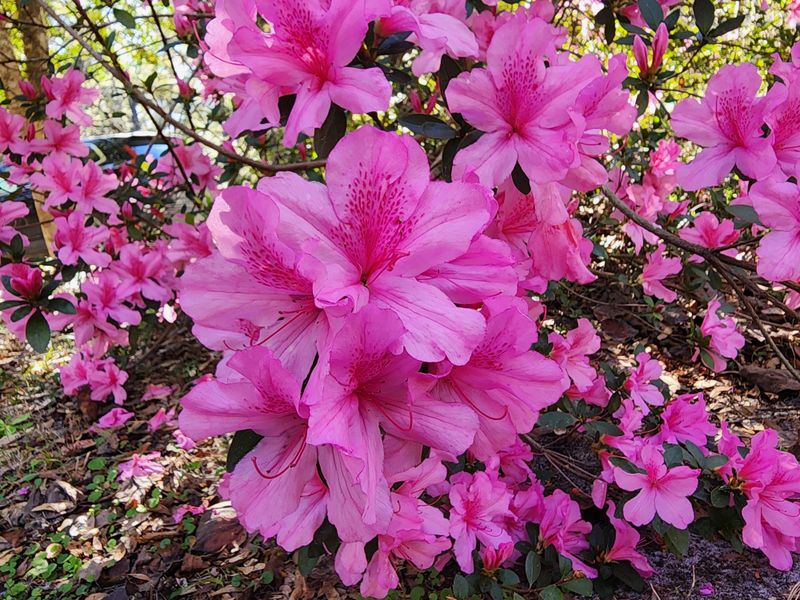
Spring azaleas are everywhere in Georgia, and that is part of the problem. Lace bugs are drawn to stressed plants, and in Georgia’s heat and alkaline soils, azaleas often struggle enough to become easy targets.
By midsummer, foliage on many common varieties looks silvery and washed out from feeding damage.
Azaleas planted in the wrong spot also get leggy fast. They want dappled shade and acidic, well-drained soil.
Georgia’s heavy clay and full sun exposures are a rough match for most popular varieties. Amending soil every few years becomes part of the routine just to keep them alive.
Overplanting azaleas has also created a monoculture problem in many Georgia neighborhoods. When a single pest or disease moves through, entire streetscapes can look rough at the same time.
Diversity in the landscape matters more than most homeowners realize until something goes wrong.
Native alternatives like Virginia sweetspire offer similar seasonal color without the pest pressure. Fall color on sweetspire is genuinely striking, and it handles Georgia’s clay soil and humidity far better than most azalea varieties.
Planting something with more seasonal range gives your yard interest beyond a two-week spring bloom window.
5. Indian Hawthorn Struggles With Disease And Declines In Humidity
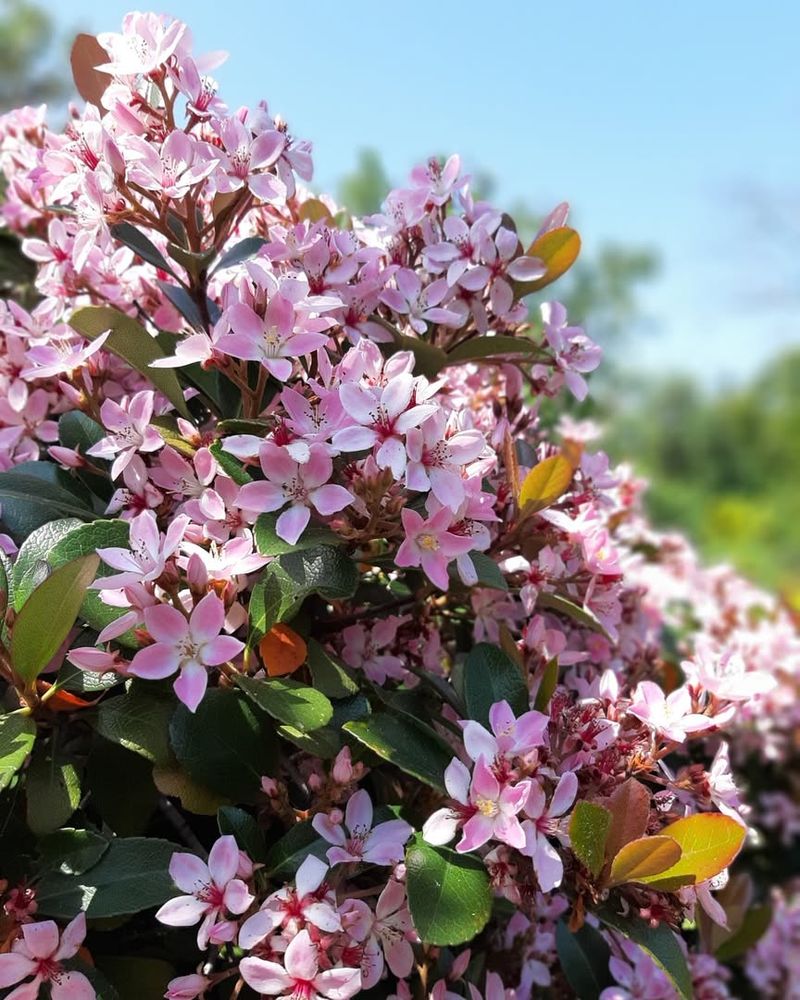
Indian hawthorn was once planted in nearly every Georgia commercial landscape, and now those same plants are showing the consequences.
Entomosporium leaf spot is rampant across the state, and once it takes hold, the shrub drops leaves repeatedly until it barely has any coverage left.
Wet springs accelerate the cycle dramatically.
Fungicide applications can slow the disease, but they do not cure it. You end up on a spray schedule just to keep the plant looking halfway decent.
For a shrub that was supposed to be low effort, that is a lot of ongoing work.
Replanting Indian hawthorn in Georgia soil that has already hosted the disease is asking for trouble. Spores persist in the soil and on fallen leaves, so new plants often start showing spots within their first season.
Removing infected debris every fall helps, but it never fully solves the problem.
Dwarf yaupon holly is a genuinely reliable swap for Indian hawthorn in Georgia. It holds a tidy shape, handles heat and humidity without complaint, and does not require a spray program to stay healthy.
Whether you are planting along a foundation or edging a driveway, yaupon adapts without drama across a wide range of Georgia conditions.
6. Inkberry Holly Stays Neat And Handles Moist Conditions With Ease
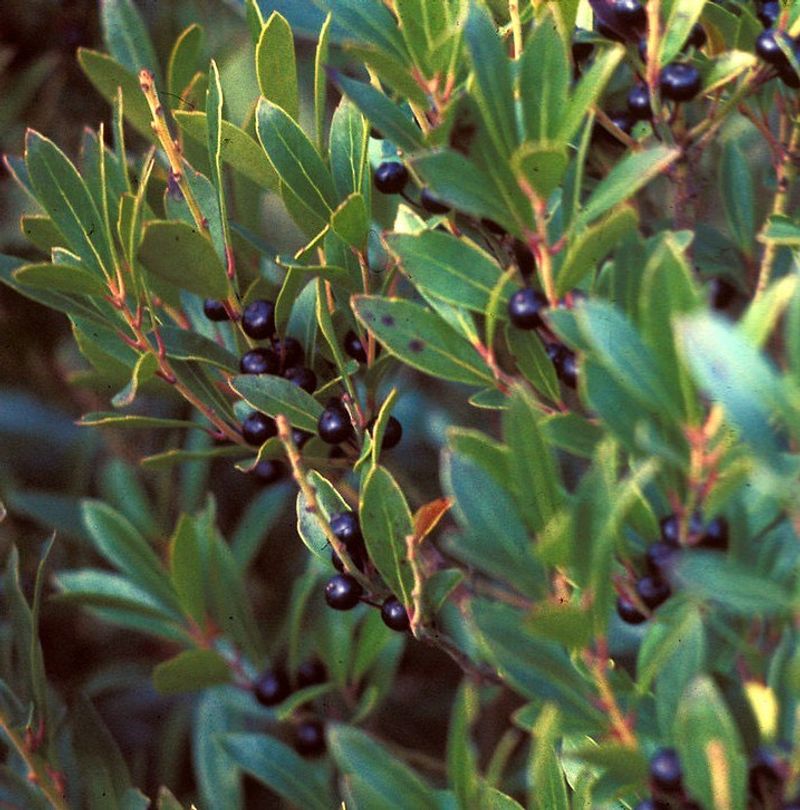
Wet spots in a Georgia yard are usually a headache, but inkberry holly actually prefers them. Along downspout drainage areas, low spots in the lawn, or rain garden edges, inkberry settles in and stays tidy without any extra effort.
That kind of reliability is hard to find in a shrub.
Inkberry is a native evergreen, which means it keeps its dark green leaves through Georgia winters without any protection. Birds are drawn to the small black berries in fall and winter, so you get wildlife activity right in your own yard without planting anything exotic.
Compact varieties like Shamrock stay around three to four feet, making them easy to fit into foundation plantings without constant trimming. Larger varieties work well as screening shrubs along property lines.
Both handle Georgia’s humidity and clay soils better than most alternatives on the market.
Swapping nandina for inkberry is one of the most straightforward upgrades Georgia homeowners can make. You lose nothing in terms of evergreen coverage and gain a plant that actually supports the local ecosystem.
No invasive spread, no toxic berry concerns, and no annual pruning battles to keep it in check.
7. Virginia Sweetspire Grows Reliably With Minimal Care And Seasonal Interest
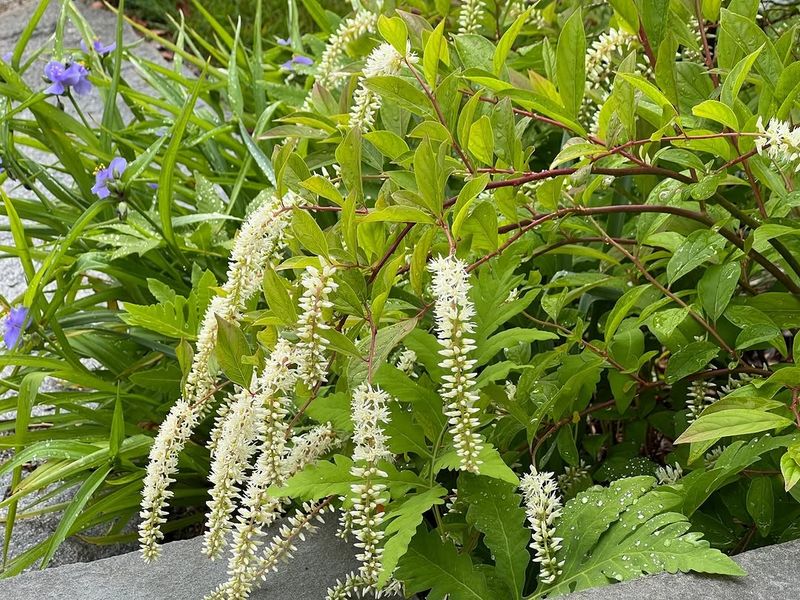
Few shrubs earn their spot in a Georgia yard the way Virginia sweetspire does. Fragrant white flower spikes appear in early summer, and then fall color kicks in with deep reds and oranges that hold on the plant for weeks longer than most other shrubs in the landscape.
Sweetspire handles partial shade and full sun, tolerates wet feet, and adjusts to Georgia’s clay soil without needing amendments every season. It spreads slowly by suckers to form a loose colony, which works well for naturalized areas or slopes where erosion is a concern.
Compared to azaleas, sweetspire requires almost no attention once it gets going. No spray schedule, no soil acidification, no lace bug infestations to deal with come July.
It simply grows, blooms, colors up in fall, and repeats the cycle the following year.
Henry’s Garnet is one of the most popular varieties in Georgia and for good reason. It stays around three to five feet tall with a slightly wider spread, fitting neatly into most residential landscapes.
If your yard needs color in both summer and fall without adding to your weekend workload, Virginia sweetspire is one of the best plants you can put in Georgia soil.
8. Oakleaf Hydrangea Thrives Naturally And Produces Consistent Blooms
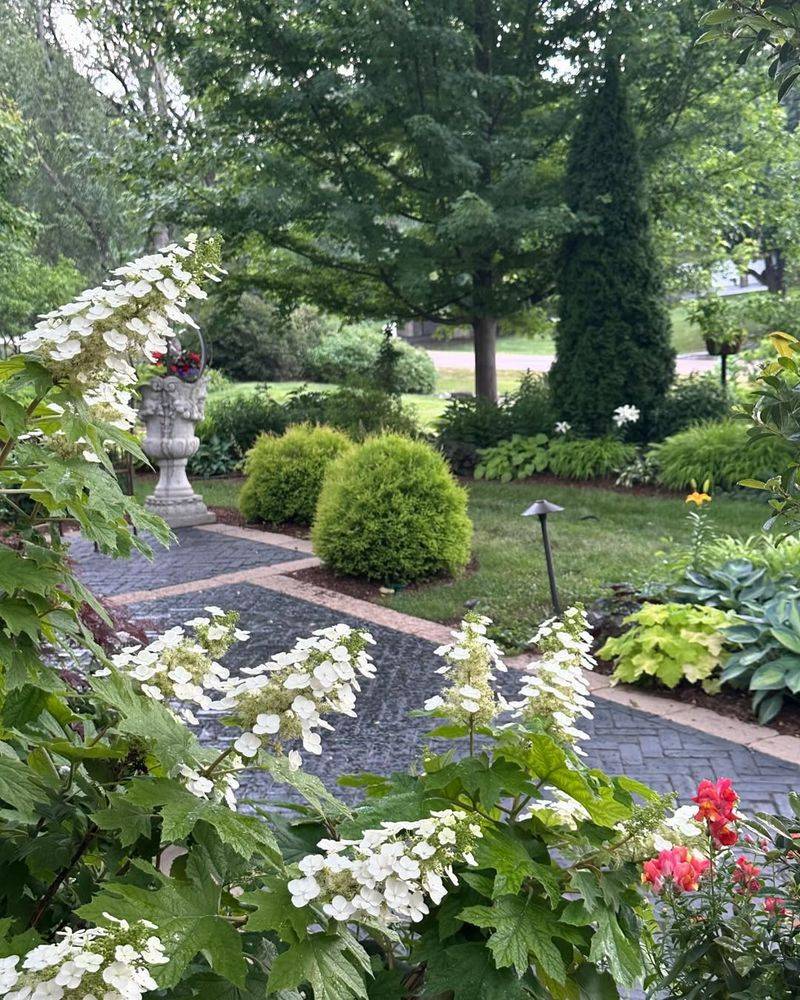
Oakleaf hydrangea is one of those plants that does more for a Georgia garden than most people expect when they first put it in the ground. Large white flower panicles open in early summer and slowly age to a papery tan that looks good well into fall.
The blooms alone justify the space it takes up.
Beyond flowers, the foliage turns deep burgundy and orange in autumn, and the exfoliating bark adds texture to winter landscapes when everything else looks bare. Very few shrubs deliver that much across four seasons without any significant inputs.
Shade is where oakleaf hydrangea really shines in Georgia. Under large trees where grass refuses to grow and most shrubs struggle, oakleaf settles in and spreads gradually into a full, layered planting.
It handles Georgia’s summer heat better than smooth or bigleaf hydrangea varieties that wilt and scorch in direct afternoon sun.
Pruning is rarely necessary unless a branch gets out of line. Skip the annual shearing that other hydrangeas sometimes need and just let it grow.
For Georgia homeowners who want a statement shrub in a difficult shaded spot, oakleaf hydrangea is one of the most dependable choices available in the region.
9. Dwarf Yaupon Holly Keeps Its Shape And Adapts To Different Conditions Easily
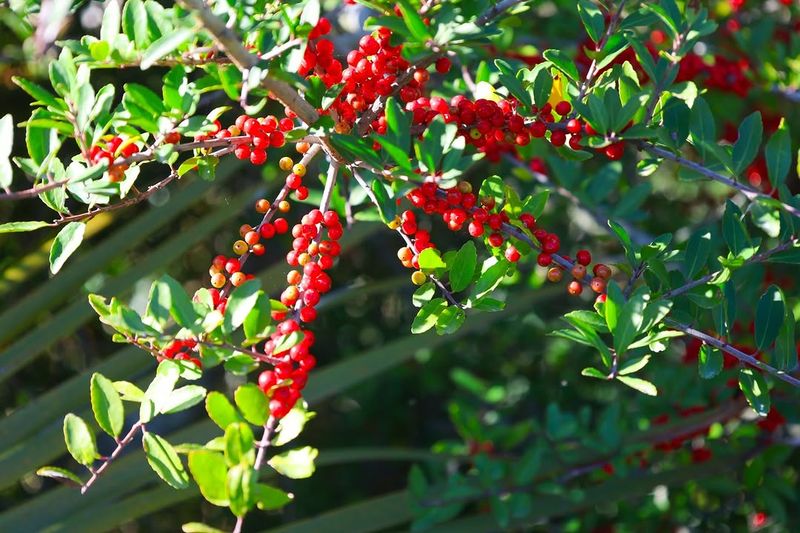
Yaupon holly is arguably the most adaptable native shrub in the entire Southeast, and the dwarf form brings that same toughness into a compact, manageable package. Salt spray, drought, clay soil, poor drainage, full sun, heavy shade, it handles all of it without complaint.
That kind of flexibility is genuinely rare.
Dwarf yaupon naturally mounds into a rounded shape, which means most homeowners never need to touch it with shears unless they want a more formal look.
Compare that to Indian hawthorn, which needs regular attention just to survive in Georgia’s humid conditions, and the difference in effort is significant.
Birds appreciate the small red berries that female plants produce in fall and winter. Planting a mix of male and female plants near each other ensures good berry production.
Even without berries, the dense evergreen foliage provides solid year-round structure in a landscape that can look bare in winter.
Foundation plantings, parking strips, slopes, and rain garden edges all work well for dwarf yaupon in Georgia. It stays around two to three feet tall and wide, which fits most residential spaces without growing into windows or blocking views.
Replacing struggling Indian hawthorn with dwarf yaupon is one of the easiest upgrades Georgia gardeners can make right now.