The Most Underrated Michigan Edible Native That Helps Make Garden Edges Less Tick-Friendly
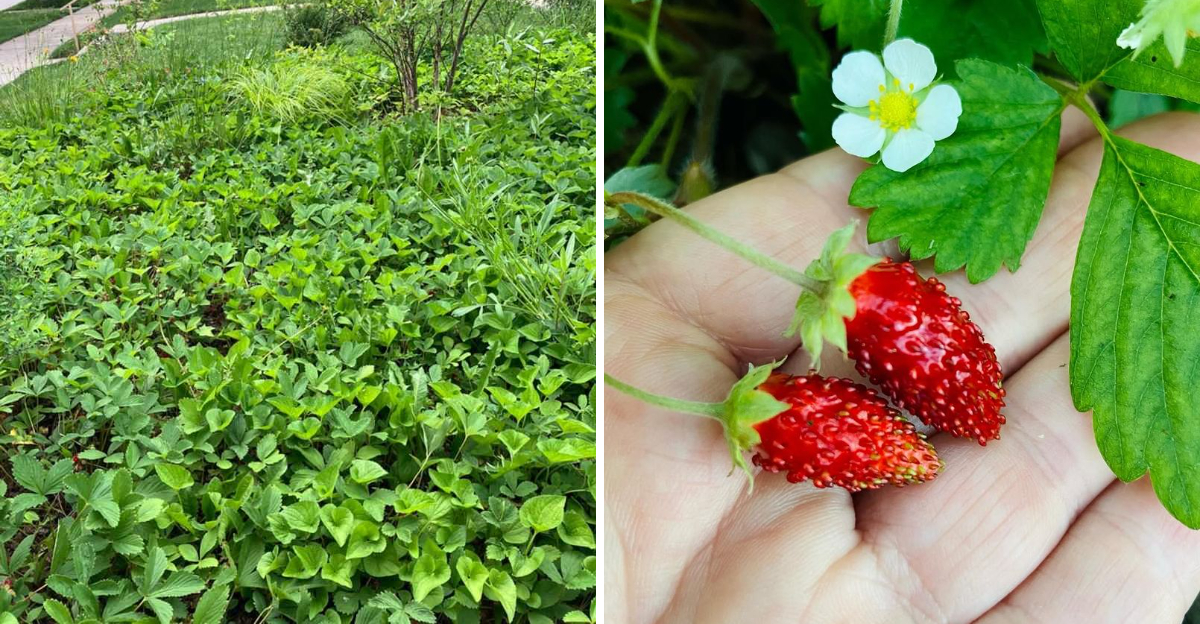
Garden edges in Michigan are where tick pressure tends to concentrate and where most conventional management strategies fall short.
The transitional strip between maintained garden space and wilder surrounding areas creates exactly the kind of microhabitat ticks prefer, and treating that zone with the same approach used in open lawn areas rarely produces lasting results.
One native Michigan plant addresses the problem from a completely different angle, modifying the edge environment in ways that reduce tick activity while producing something genuinely worth harvesting and eating through the season.
It fits naturally into the layered plantings that work best along garden boundaries and requires almost no special care once it establishes itself in the first season of growth.
1. The Plant Is Wild Strawberry
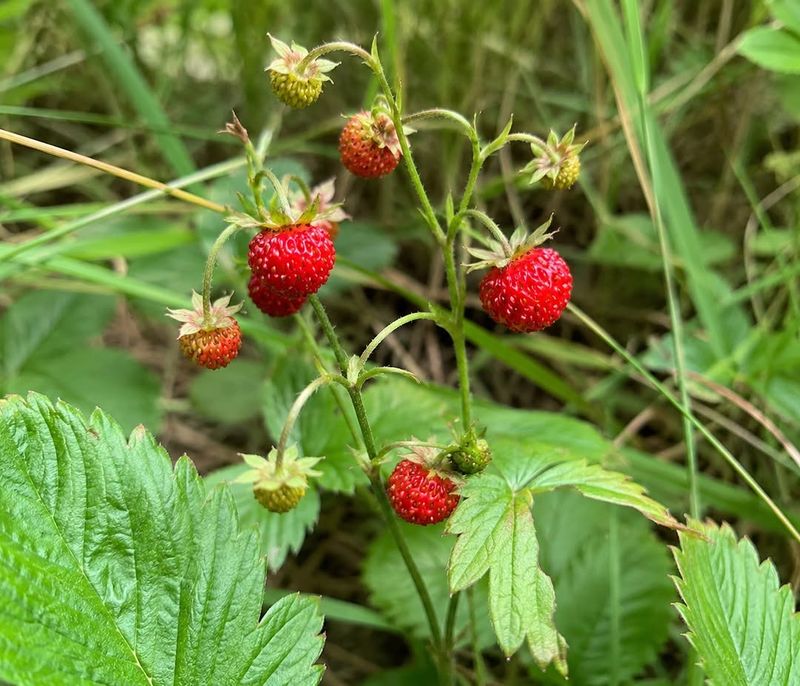
Not every garden hero looks dramatic. Wild strawberry, known scientifically as Fragaria virginiana and sometimes called Virginia strawberry, is one of those quiet overachievers that earns its place without demanding much attention.
You might have seen it growing along roadsides or woodland edges without realizing it was edible, native, and genuinely useful for your yard.
Wild strawberry fits this topic perfectly because it checks so many boxes at once.
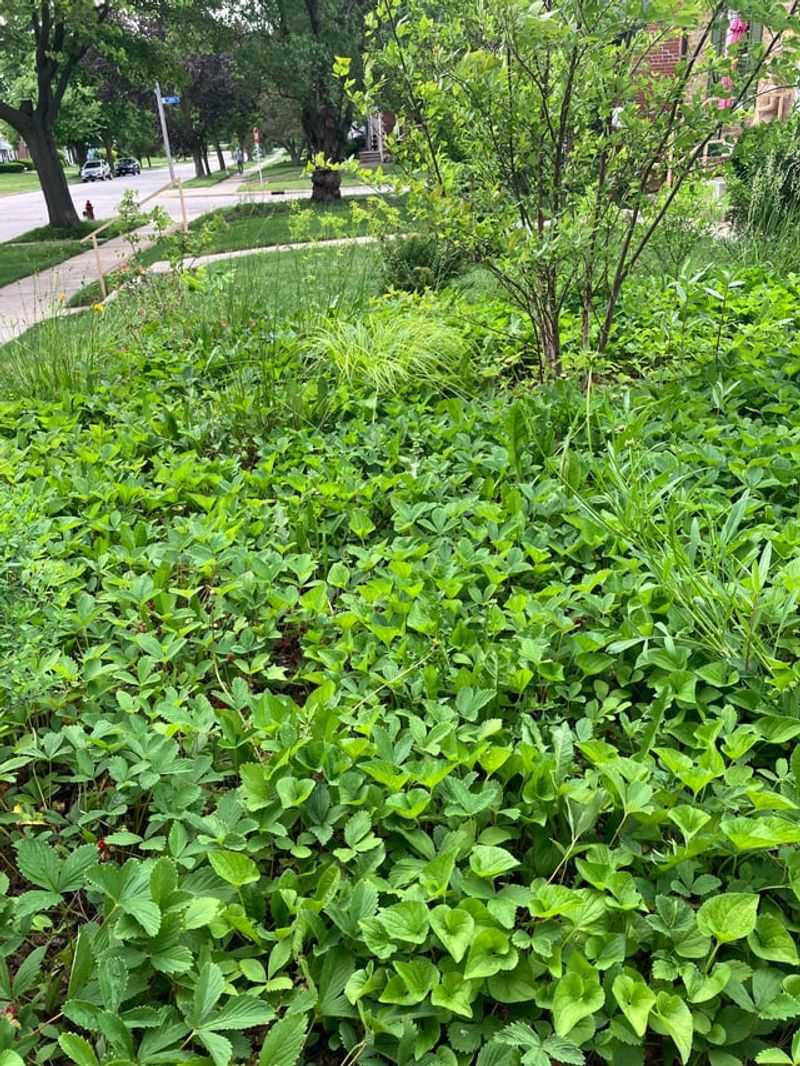
It is native to Michigan, produces edible fruit, stays low to the ground, and spreads into a living mat that can replace the kind of messy, unmanaged edge growth that collects leaves and hides unwanted guests.
That combination of traits is rare in a single plant, and it is exactly why gardeners who discover it tend to stick with it.
Replacing tangled weeds and brushy clutter along a garden border with a tidy, low native planting can make that edge easier to see and manage.
Wild strawberry does not repel ticks on its own or eliminate them entirely.
What it does is help swap out the type of dense, damp, overgrown habitat that ticks tend to favor, making your border cleaner and more open. That is a meaningful difference, and it starts with choosing the right plant for the job.
2. It Is A True Michigan Native
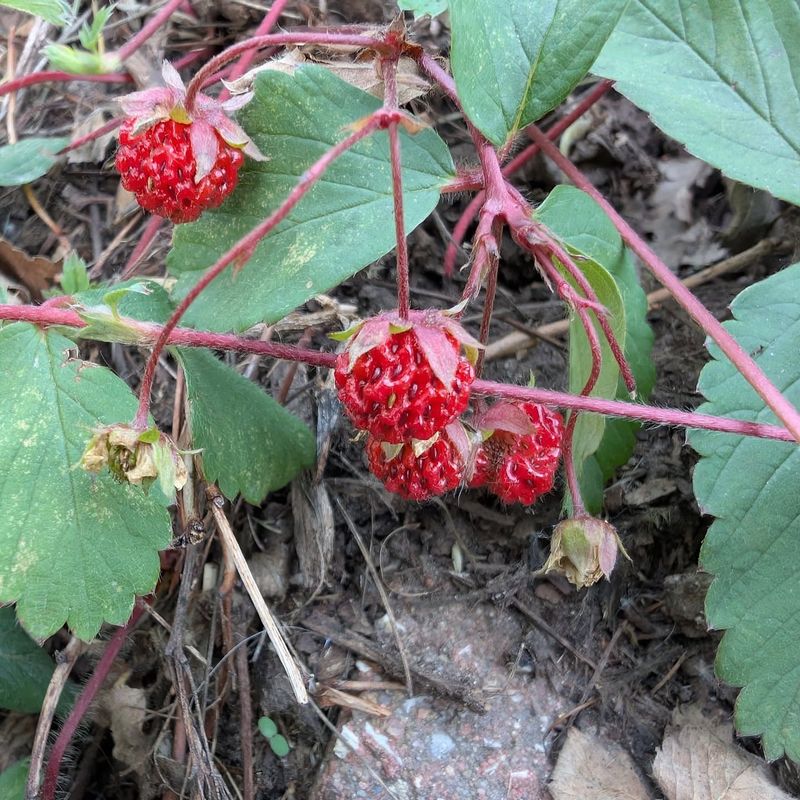
Some plants just belong in Michigan, and wild strawberry is one of them.
Fragaria virginiana has grown naturally across the state for thousands of years, long before anyone was planting pollinator gardens or edible landscapes.
That deep history means it is already adapted to Michigan soils, rainfall patterns, and seasonal temperatures without needing much help from the gardener.
Using a true native groundcover along your garden edge makes more practical sense than leaving bare soil, which invites weeds, or allowing tall unmanaged grass to take over, which creates exactly the kind of brushy clutter that makes edges harder to manage.
Wild strawberry fills that open space with something intentional, low, and genuinely useful rather than leaving a gap that nature fills on its own terms.
One thing worth knowing before you plant is that wild strawberry is sometimes confused with mock strawberry, which is an introduced species that produces tasteless fruit and looks similar from a distance.
It is also different from barren strawberry, a native plant with yellow flowers that does not produce edible fruit.
Your Michigan Garden Changes Every Week. Your Plan Should Too.
Gardening in Michigan changes quickly throughout the season. Every Friday you’ll receive a simple weekly plan showing exactly what to plant, prune, fertilize, harvest, and protect so you never miss the right timing.
Fragaria virginiana has white flowers with five rounded petals and produces the real thing.
When you are sourcing plants for a native bed, pollinator border, or naturalized garden edge, always confirm you are getting the right species so your planting delivers everything you are counting on from a Michigan native edible groundcover.
3. It Spreads By Runners Into A Living Mat
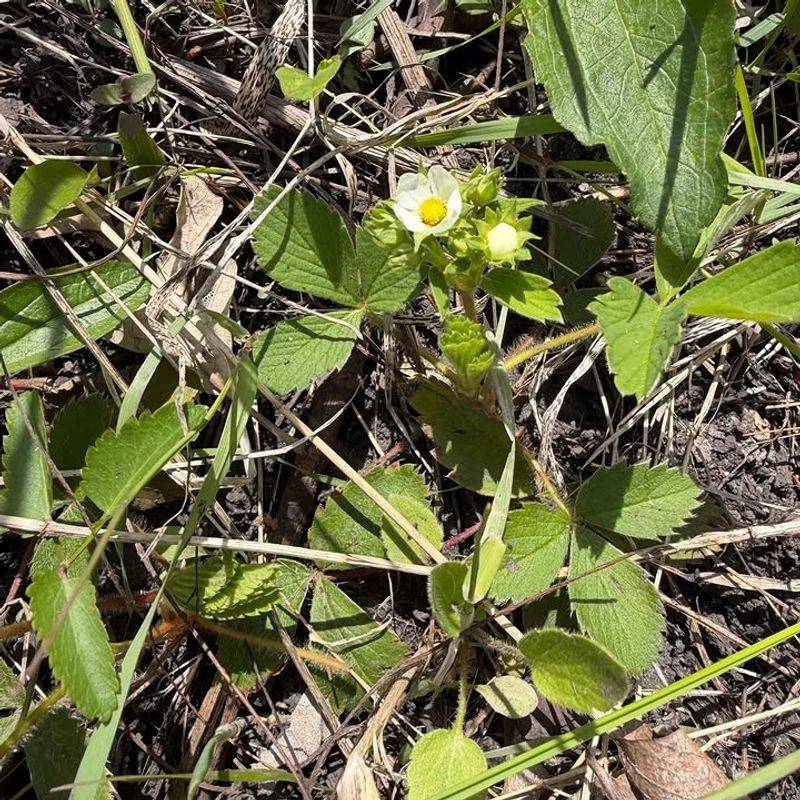
Watch a wild strawberry plant for one full growing season and you will see something satisfying happen.
Starting in late spring and continuing through summer, the plant sends out long, thin horizontal stems called runners.
Each runner travels across the soil surface and sets down a new plant wherever it makes contact with the ground. Before long, one plant becomes many, and bare soil becomes covered.
That spreading habit is exactly what makes wild strawberry so useful along garden edges, between native shrubs, around the margins of pollinator beds, and beside sunny garden paths.
Open soil is an invitation for weeds, and weeds along a garden border tend to get tall, go to seed, and create the kind of layered, damp growth that makes a border harder to walk through and harder to keep clean.
A living mat of wild strawberry fills that space before weeds get the chance. The key is guiding the spread rather than ignoring it.
Wild strawberry is not aggressive in the way that some spreaders can be, but it will move into areas you did not plan for if you leave it unattended.
Running a garden edger along the border once or twice a season keeps it where you want it.
Thinning patches that get too dense helps the remaining plants stay healthy and productive.
Think of it less like managing a problem and more like steering a good thing in the right direction.
A well-guided planting stays tidy, covers the ground effectively, and keeps your border looking intentional.
4. It Replaces Tall Weedy Edge Growth
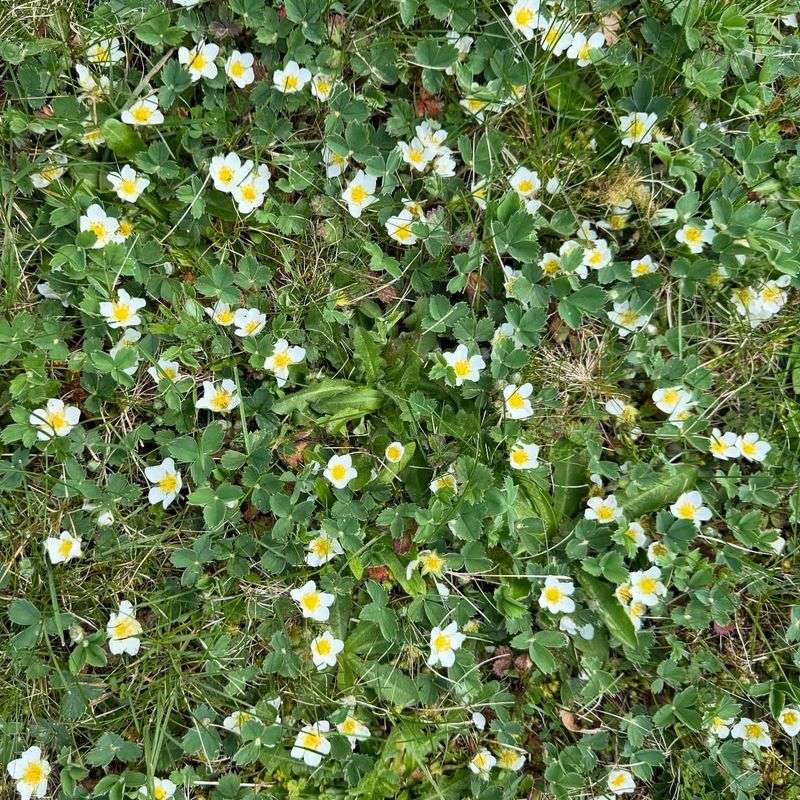
Ticks are not random.
Research consistently shows that they concentrate in specific types of habitat, particularly areas with tall grass, leaf litter, brushy transitions, and moist shaded edges where wooded areas meet lawns or garden beds.
The messier and more layered a garden edge is, the more hospitable it becomes to the conditions ticks prefer. Wild strawberry addresses that problem indirectly but practically.
When you replace tall, unmanaged weeds and tangled grass along a garden border with a low, maintained planting of Fragaria virginiana, you are changing the physical character of that edge.
The ground stays more open and visible. Leaf litter has less dense vegetation to hide under and is easier to rake out.
The overall height of the planting stays well below the knee, which is a meaningful shift from what a neglected border typically looks like by midsummer.
To be straightforward about it, wild strawberry does not repel ticks, and planting it alone will not solve a serious tick pressure problem around a wooded property.
What it does is swap out one type of edge, the kind that is overgrown, damp, and difficult to inspect, for another type that is lower, neater, and easier to manage. That trade is worth making.
Pairing a low native groundcover with regular maintenance habits like removing leaf buildup and trimming nearby brush creates a garden edge that is genuinely less hospitable to the conditions ticks thrive in, without sacrificing the ecological value of a living border.
5. It Produces Small Edible June Berries
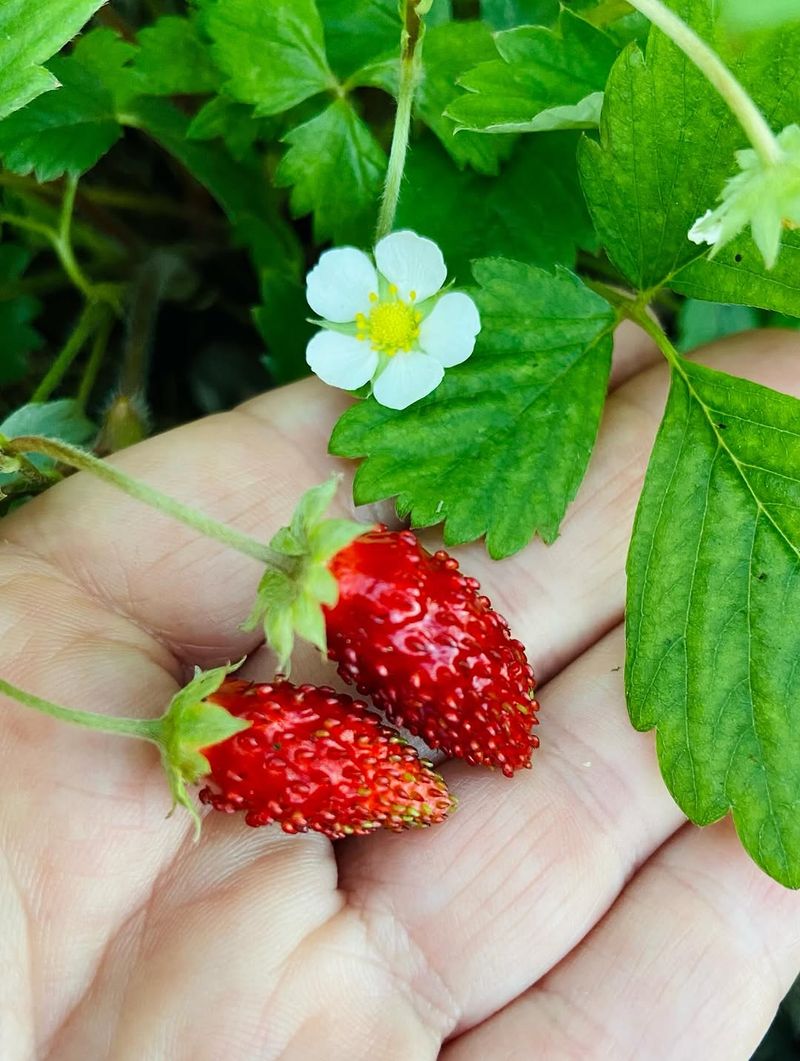
Few things in a garden feel as rewarding as eating something you grew on purpose.
Wild strawberry delivers that experience every June with small, intensely flavorful berries that taste nothing like the oversized grocery store variety.
The fruit is tiny, but the flavor is concentrated and genuinely sweet in a way that surprises most people who try it for the first time.
Honest harvests from wild strawberry are modest. You are not going to fill a mixing bowl from a garden edge planting the way you might with a row of cultivated June-bearing strawberries.
A handful here, a few more there, scattered over a couple of weeks in June, is the more realistic expectation. That does not make the plant less valuable.
It just means you should think of it as an edible landscaping plant first and a fruit crop second.
The real advantage is that wild strawberry gives you both at the same time.
The same plant that covers your border, fills bare ground, and keeps the edge low and tidy also hands you a small edible reward in early summer.
Cultivated strawberry varieties focus most of their energy on fruit production.
Wild strawberry spreads, flowers, supports pollinators, and produces fruit all as part of the same natural growth cycle.
For gardeners who want their landscape to do more than just look nice, that combination of groundcover function and edible value in one native plant is genuinely hard to beat along a Michigan garden edge.
6. It Keeps Garden Borders Lower And Easier To Inspect
Height matters more than most gardeners realize when it comes to border management.
A low planting is simply easier to see, easier to walk beside, and easier to keep clean than a border that has grown tall and tangled.
Wild strawberry maxes out at around six inches in height, which means the entire edge of your garden stays visible and accessible without crouching down or pushing through growth to check what is happening at ground level.
That visibility has real practical value.
When you can see the ground clearly, you notice early when leaf litter is building up, when a weed is getting started before it goes to seed, or when the planting has started to move beyond where you intended.
Catching those things early means a few minutes of light maintenance instead of a full afternoon of cleanup.
A border that is easy to inspect is a border that stays manageable season after season. Keeping the path beside the border open and clear is just as important as the planting itself.
Trim any nearby shrubs or ornamental grasses that hang over the edge and create shade or damp pockets. Rake out leaf accumulation in fall before it settles into a thick mat.
If the area beside the planting tends to stay wet, consider a narrow strip of wood chips or coarse gravel along the path edge to keep the transition dry.
Wild strawberry does its best work in a border that is actively maintained, not just planted and forgotten.
The combination of a low native groundcover and consistent garden habits is what keeps the edge looking sharp.
7. It Attracts Helpful Insects Early In The Season
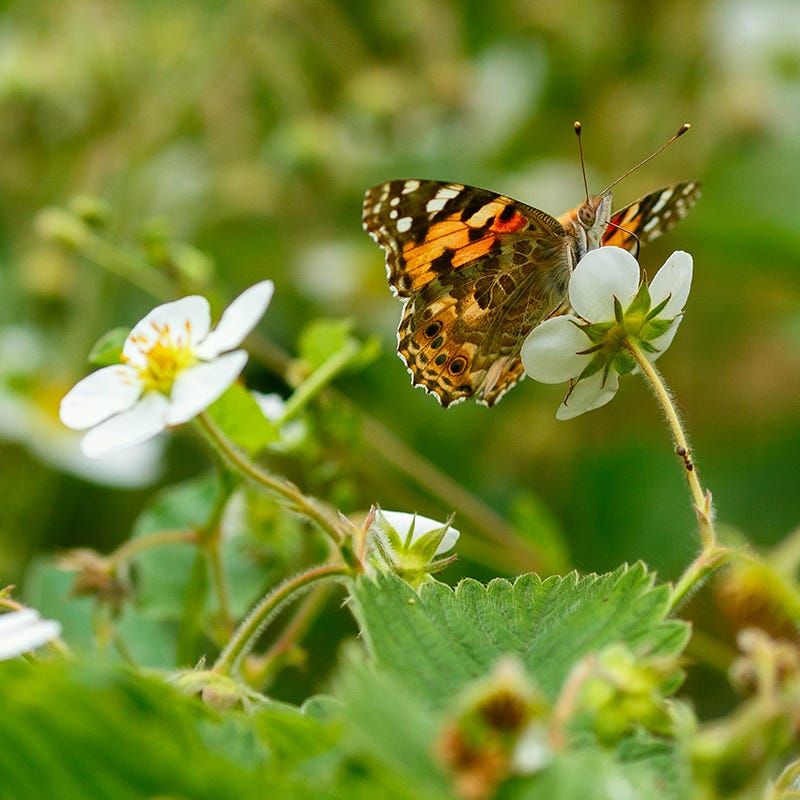
Michigan State University research found wild strawberry to be attractive to natural enemies, the category of beneficial insects that includes predatory ground beetles, parasitic wasps, and other helpful species that support a more balanced garden ecosystem.
That finding matters because early-season activity from these insects can have a positive ripple effect across the whole garden, especially in beds near vegetables and native plantings.
Wild strawberry blooms early, often starting in April or May depending on the season, which makes it one of the first flowering groundcovers to offer nectar and pollen when little else is open yet.
Native bees, small pollinators, and beneficial insects that overwinter in the landscape need early food sources to build their populations before summer.
A garden edge planted with Fragaria virginiana gives them exactly that without requiring any extra effort from the gardener beyond letting the plant do what it naturally does.
The insect value of wild strawberry is easy to overlook because the flowers are small and the plant stays close to the ground.
You will not see a dramatic cloud of pollinators hovering over it the way you might over a tall flowering native.
What you will see, if you take a few minutes to watch, is a steady stream of small bees and other beneficial visitors working the flowers quietly and efficiently. That quiet activity is genuinely valuable.
Supporting early-season beneficial insects near your vegetable beds and native borders helps the whole planting function better, and wild strawberry provides that support as a natural part of its growth cycle.
8. It Works Best With Clean Garden Edge Habits
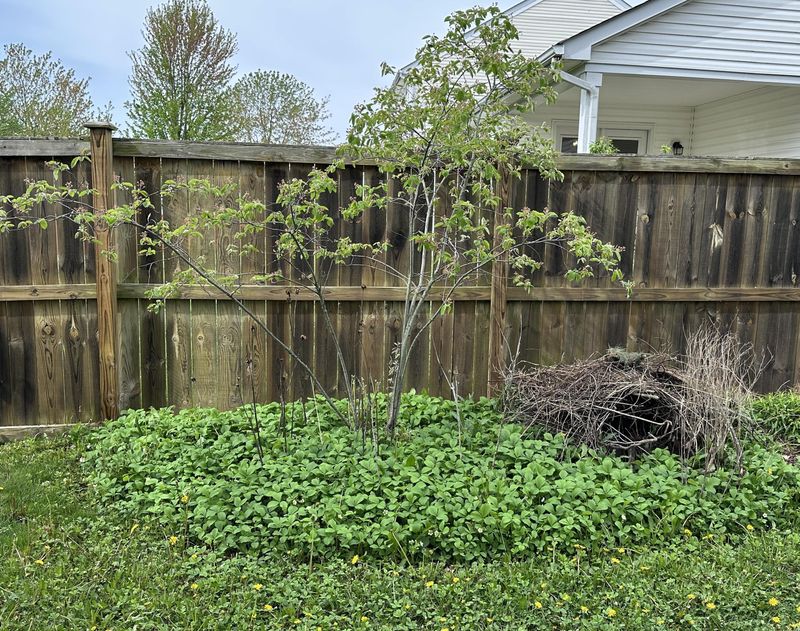
Wild strawberry is a strong performer, but it works best when the gardener brings good habits to the partnership.
Planting it along a garden edge is a great first step. Keeping that edge genuinely clean and well-maintained is what turns a good planting into a great one.
A few consistent habits make a real difference in how the border looks and functions all season long.
Start by removing leaf buildup in fall and again in early spring before the strawberry plants start actively growing.
Thick leaf mats sitting on top of a groundcover create damp, sheltered pockets that work against everything you are trying to accomplish with a low, open planting.
Rake them out or blow them clear so the soil surface stays exposed and dry between plants.
Keep tall weeds out of the border as soon as they appear, before they have a chance to root deeply or shade out the strawberry mat.
Where the garden edge meets a wooded area or a section of the yard that stays brushy, consider adding a narrow strip of wood chips or coarse gravel as a dry transition barrier.
That simple addition creates a less hospitable zone between the wild edge and your maintained planting. Trim any shrubs or overhanging plants that crowd the border and keep it damp or shaded.
Wild strawberry earns its reputation as underrated because it quietly delivers edible fruit, native plant value, early insect support, and a cleaner living edge all from one low-maintenance planting.
Pair it with smart garden habits and it becomes one of the hardest-working plants in your entire yard.