The Most Underrated Michigan Native That Helps Keep Ticks Away From Vegetable Beds
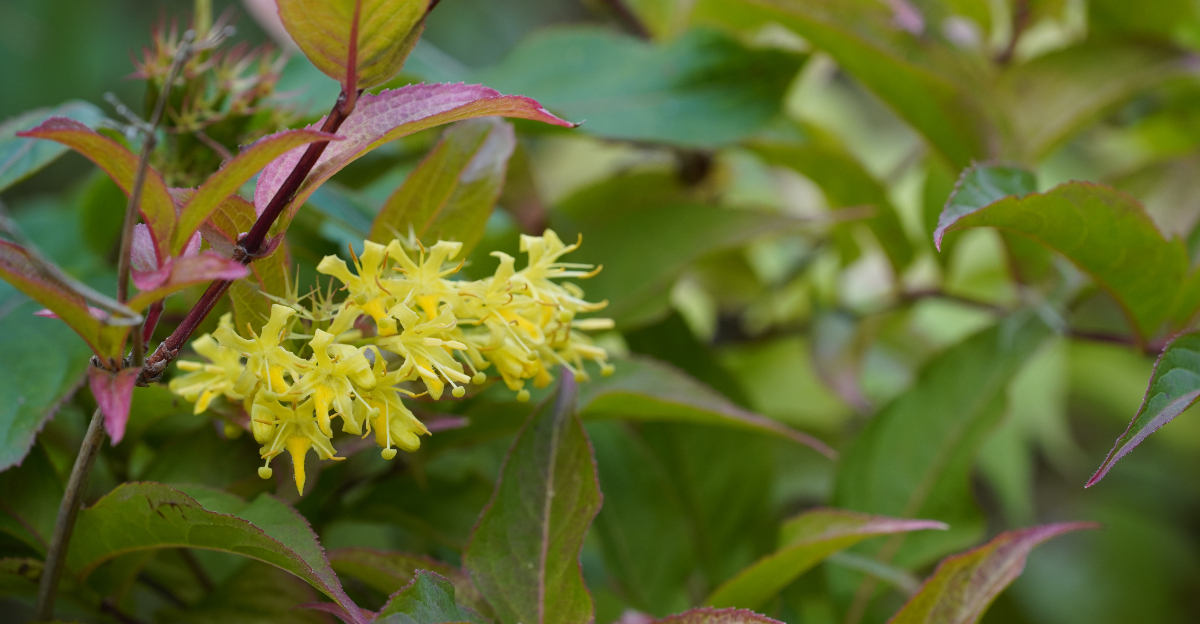
Most gardeners spend far more time thinking about what to grow than what to grow it near. Ticks are a genuine problem across Michigan, especially in yards that border wooded areas, unmowed edges, or patches of tall grass close to the garden.
The interesting thing is that one native plant has been quietly doing tick deterrent work for years without getting nearly enough attention or credit from the gardening community.
It tucks neatly along the edges of vegetable beds, requires very little maintenance, and comes back on its own every single season.
Gardeners who have added it report noticeably less tick activity around their growing areas. Once you learn what this plant is and understand how it works, adding it to your garden becomes an easy decision.
1. Northern Bush Honeysuckle
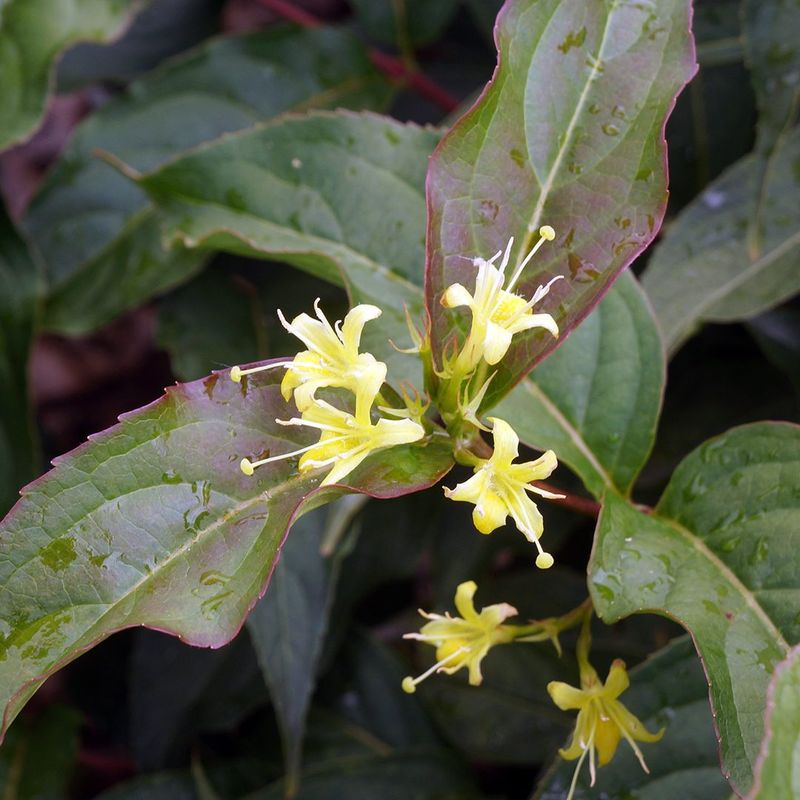
Not every hero in the garden looks flashy, and Northern Bush Honeysuckle proves that point beautifully.
This compact Michigan native grows between two and four feet tall, spreading at a similar width, making it a natural fit along the borders of raised beds or vegetable rows.
It thrives in both full sun and partial shade, which gives Michigan gardeners a lot of flexibility depending on their yard layout.
Planting spacing of about three to four feet apart allows individual shrubs to fill in over two to three growing seasons.
Once established, the dense branching creates a low-growing thicket that physically interrupts the moist, sheltered zones where ticks prefer to wait for passing hosts.
That structural quality alone makes it worth considering near any edible garden space.
Soil preference leans toward well-drained ground, but this plant handles average Michigan garden soil without complaint. It tolerates clay as well as sandy conditions, which covers most of the state’s common soil types.
Pruning once every few years keeps the shape tidy without sacrificing the coverage that makes it effective.
For Michigan homeowners who want a functional, attractive shrub that earns its place, Diervilla lonicera is quietly one of the best options available right now.
2. Dense, Layered Foliage That Works Against Ticks
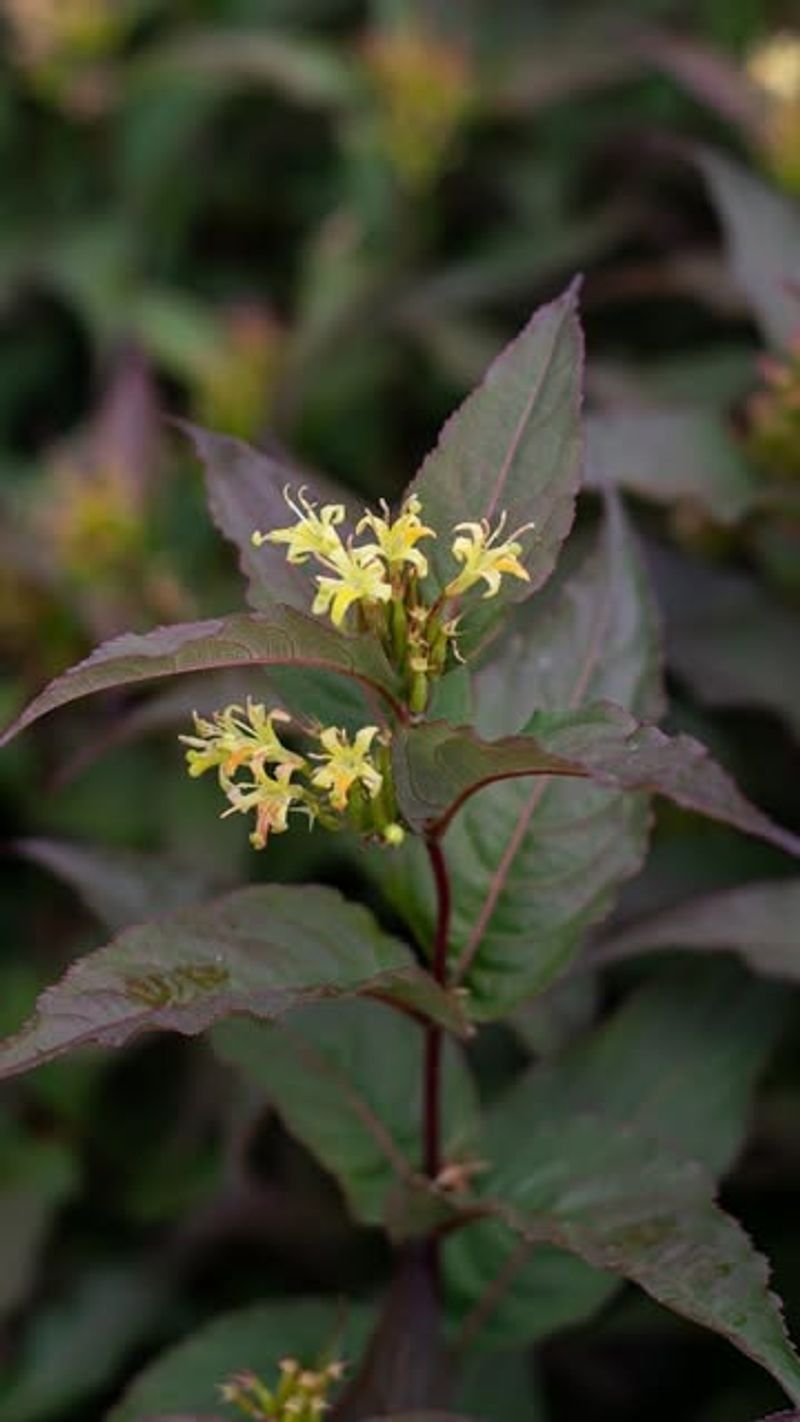
Ticks are surprisingly picky about where they hang out. They gravitate toward shaded, humid pockets at ground level where leaf litter collects and air movement stays low.
Northern Bush Honeysuckle disrupts exactly that kind of environment with its dense, multi-layered branching that promotes airflow while reducing the dark, damp corners ticks depend on.
Michigan summers bring plenty of humidity, and that moisture creates ideal tick conditions along garden edges that go unmanaged. A thicket of Diervilla lonicera planted strategically around a vegetable bed changes the microclimate in a meaningful way.
The layered canopy intercepts sunlight, dries out leaf litter faster, and keeps ground-level humidity lower than open mulched borders typically allow.
What makes the foliage particularly useful is the way branches grow outward and slightly downward, creating overlapping layers rather than a single flat canopy.
That structure means ticks cannot easily navigate the shrub to reach the vegetable bed on the other side. Think of it as a living obstacle course rather than a passive planting.
Your Michigan Garden Changes Every Week. Your Plan Should Too.
Gardening in Michigan changes quickly throughout the season. Every Friday you’ll receive a simple weekly plan showing exactly what to plant, prune, fertilize, harvest, and protect so you never miss the right timing.
Combined with regular garden tidiness, this layered growth pattern gives you a consistent, chemical-free way to reduce tick pressure without adding a single item to your maintenance routine.
It works quietly and steadily throughout the entire growing season.
3. Deer-Resistant Qualities That Protect Your Tick Barrier
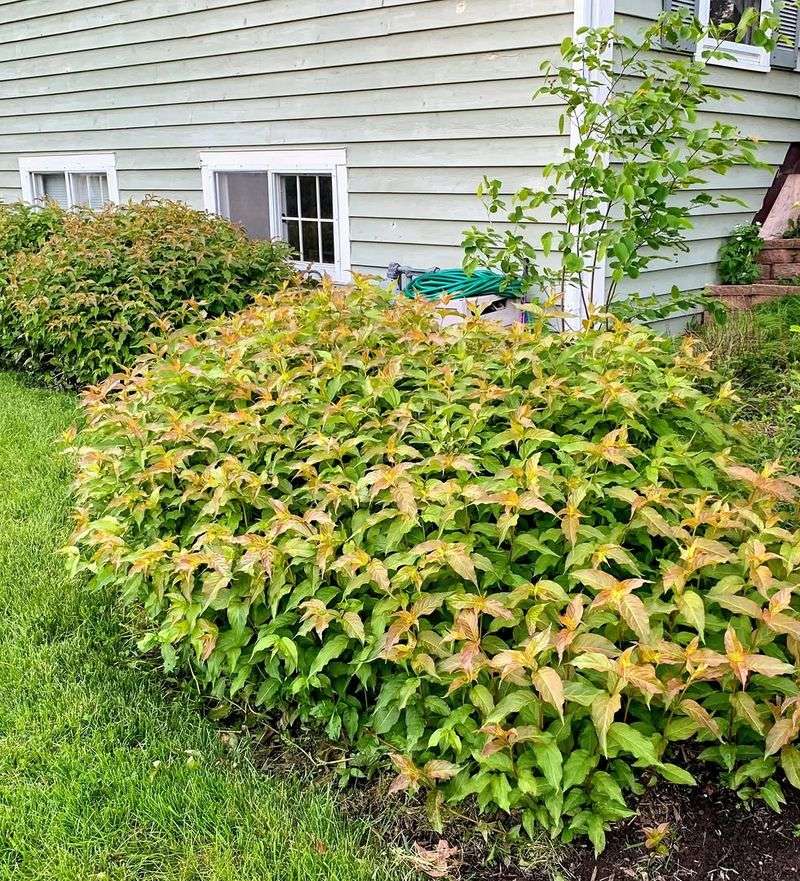
Deer damage is one of the most frustrating setbacks for Michigan gardeners, and it goes beyond losing a few leaves. When deer repeatedly browse a shrub, they thin it out and create the open, low-coverage gaps that ticks need to move freely.
A shrub that deer consistently avoid stays structurally intact, which means the tick barrier it creates remains effective season after season.
Northern Bush Honeysuckle has aromatic foliage that deer find unappealing. While no plant is completely deer-proof in every region, Diervilla lonicera holds up significantly better than many ornamental alternatives.
Michigan gardeners in areas with high deer pressure have found this shrub stays surprisingly full and undamaged compared to nearby plantings that deer target regularly.
Keeping the shrub intact matters because a half-eaten border is only half as useful. Ticks move along the path of least resistance, and gaps in coverage create easy access points into vegetable beds.
An aromatic, dense shrub that deer pass over naturally maintains its protective function without requiring fencing or repellent sprays.
Planting Diervilla lonicera around the perimeter of your garden means you get dual protection working simultaneously.
The deer stay away, the shrub stays full, and the tick barrier holds strong all the way through the season without extra intervention from you.
4. Supports Pollinators While Reducing Tick-Friendly Microclimates
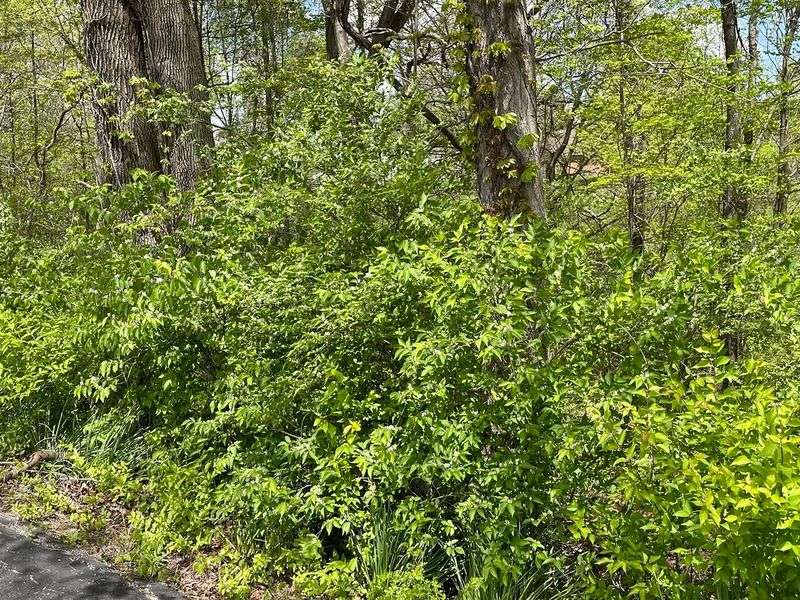
Yellow flowers covering a shrub in midsummer are hard to ignore, and Northern Bush Honeysuckle delivers exactly that kind of display.
The blooms appear in June and July, attracting native bees, bumblebees, and various butterfly species that benefit the entire vegetable garden nearby.
Pollinators visiting the shrub naturally move into adjacent beds, improving fruit set on tomatoes, cucumbers, squash, and peppers.
Beyond the visible pollinator activity, there is an ecological ripple effect worth understanding. A garden edge planted with pollinator-friendly natives supports a wider variety of insects, including predatory species that help manage pest populations.
That biodiversity creates a more balanced environment overall, one where no single pest species dominates unchecked.
From a tick perspective, active pollinator zones tend to be well-maintained, sunnier, and drier than neglected garden borders.
Gardeners who cultivate pollinator habitat naturally keep those areas tidier, which reduces the leaf litter and low humidity pockets ticks prefer.
The shrub pulls double duty in the most efficient way possible: it draws in the beneficial insects your vegetables need while simultaneously maintaining the kind of open, active border environment that ticks avoid.
Planting Diervilla lonicera near your vegetable beds is not just a nice-to-have addition. It is a genuinely smart ecological investment that pays dividends in produce quality and garden health simultaneously.
5. Low Maintenance Once Established
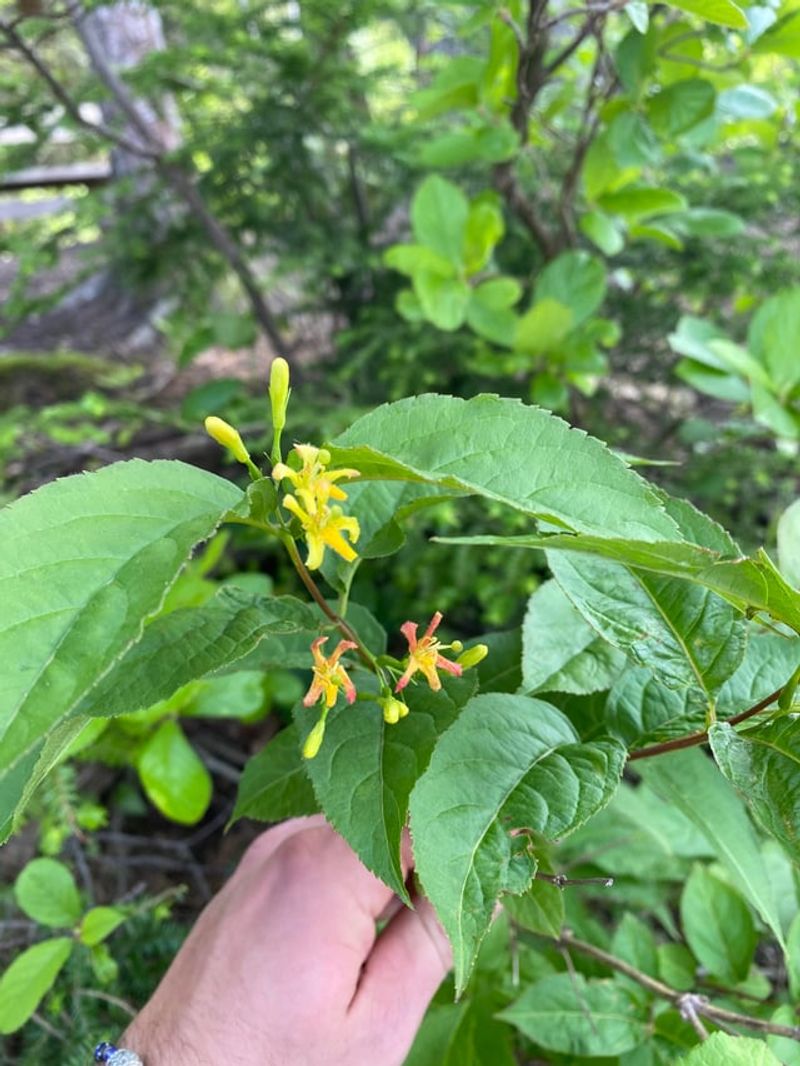
Vegetable gardens already come with a long to-do list, so the last thing most Michigan gardeners want is a high-maintenance border shrub that demands constant attention. Northern Bush Honeysuckle earns its place by doing the opposite.
After the first full growing season, it requires almost no intervention to stay healthy, full, and structurally effective as a tick deterrent.
Watering needs drop significantly once the root system establishes itself, typically within the first year after planting. Fertilization is rarely necessary in average Michigan soils, and the plant handles seasonal variation without complaint.
A light pruning every two or three years helps refresh the shape and encourage fresh branching, but skipping a year does not compromise the shrub’s effectiveness or appearance.
Consistency is actually the secret weapon here. A low-maintenance shrub stays in place year after year without gaps or replacements, which means the tick barrier it creates remains continuous and reliable.
Compare that to annual plants or mulched borders that need seasonal refreshing, and the advantage becomes obvious.
You plant Diervilla lonicera once, give it a season to settle in, and then it works quietly in the background while you focus your energy on the vegetables themselves.
For busy gardeners who want real results without extra labor, this shrub fits the routine perfectly and delivers steadily without asking much in return.
6. Adaptable Soil Conditions Across Michigan Gardens
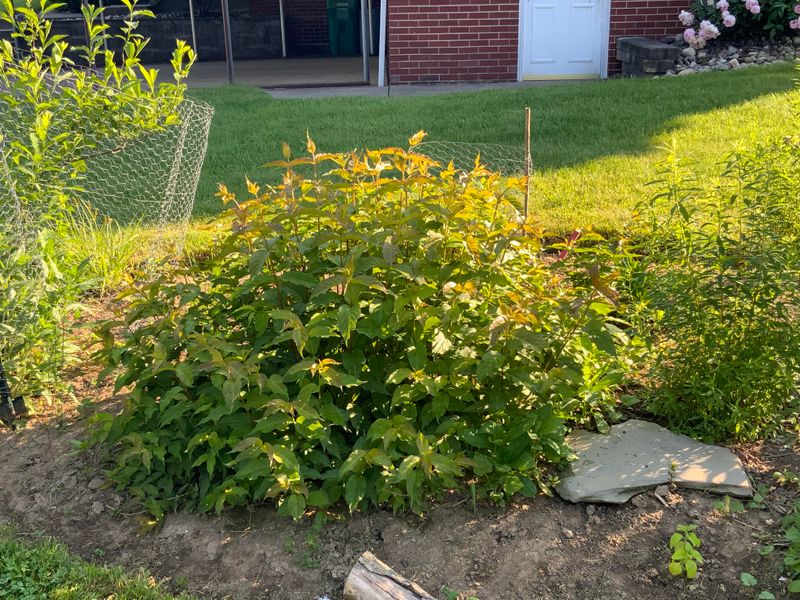
Michigan soil varies dramatically from one county to the next. The Upper Peninsula often brings rocky, acidic ground, while southern Michigan yards frequently deal with heavy clay or sandy loam.
Most ornamental shrubs struggle when soil conditions shift away from ideal, but Northern Bush Honeysuckle adapts with minimal fuss across this entire range.
Clay soils, which drain slowly and compact easily, are handled well by Diervilla lonicera as long as standing water does not persist for extended periods.
Sandy soils dry out quickly but support this shrub just as effectively, especially with a layer of organic mulch at the base during the first season.
Loamy soils in the middle of the texture spectrum are essentially ideal and require no amendment at all.
Soil pH tolerance is equally forgiving, with this shrub performing well from mildly acidic to slightly neutral conditions. That range covers the vast majority of Michigan garden environments without requiring lime or sulfur adjustments.
What this means practically is that you can plant Diervilla lonicera around almost any vegetable bed in the state and expect it to establish without special preparation.
The adaptability removes one of the biggest barriers gardeners face when introducing new shrubs, making the whole process straightforward, budget-friendly, and far more likely to succeed on the first try.
7. Multi-Season Interest That Earns Its Space Year-Round
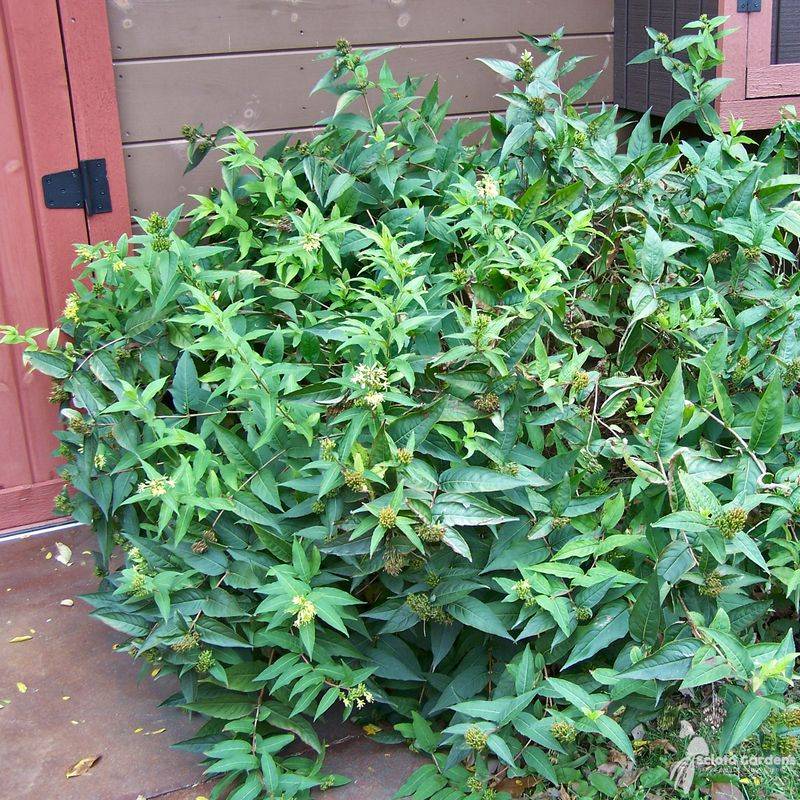
A shrub that only looks good for six weeks and disappears into the background for the rest of the year is not pulling its full weight.
Northern Bush Honeysuckle offers something genuinely different: visual appeal that shifts meaningfully across all four seasons, giving the garden edge a dynamic look while the tick-deterrent function continues working below the surface.
Summer brings the bright yellow tubular flowers that attract pollinators through June and July.
As the season transitions into fall, the foliage turns a rich combination of red, orange, and burgundy that rivals many ornamental shrubs planted specifically for autumn color.
That warm display adds real beauty to the vegetable garden edge right as the growing season winds down.
Winter reveals the woody structure of the shrub, which holds its branching form well and provides subtle visual interest even under snow.
Early spring growth emerges reliably, often ahead of many surrounding plants, giving the garden border an early-season freshness. Each transition reinforces the shrub’s presence and reminds you it is doing its job.
When a single plant contributes aesthetically across every season while also maintaining a physical barrier that discourages ticks from approaching vegetable beds, the value proposition becomes impossible to argue with.
This is the kind of multi-purpose planting that experienced Michigan gardeners come to rely on year after year.
8. Natural Spread That Fills Coverage Gaps Organically
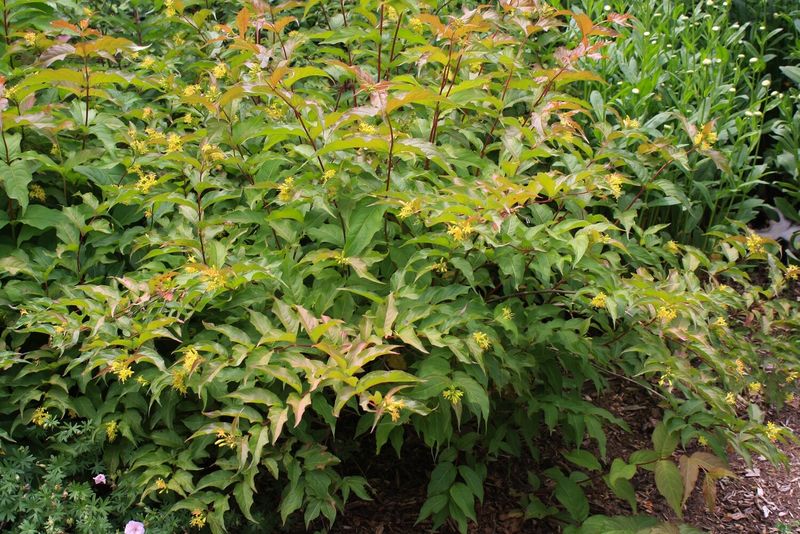
Gaps in a garden border are more than an aesthetic problem. Open spaces along the edge of a vegetable bed create easy entry points for ticks moving through the surrounding landscape.
Northern Bush Honeysuckle addresses this naturally through a spreading habit that fills coverage gaps without any extra effort from the gardener.
Stems that arch outward and touch the soil surface will root at that contact point, producing new growth that gradually extends the shrub’s footprint.
Over two to three seasons, a single plant can spread several feet in each direction, creating a continuous low thicket along a garden edge.
That organic expansion is exactly what you want when the goal is uninterrupted coverage rather than isolated planting spots.
The spreading behavior also means you can start with fewer plants and allow natural colonization to complete the border over time. That approach reduces upfront cost while still achieving full coverage within a few growing seasons.
Unlike aggressive non-native spreaders that become invasive problems, Diervilla lonicera spreads at a manageable pace and stays within reasonable bounds in most Michigan garden settings.
You stay in control of the overall shape with occasional pruning while the plant handles the gap-filling on its own.
The result is a seamless, chemical-free tick barrier that grows stronger and more complete every single year.
9. Integration With Companion Plantings For Stronger Tick Barriers
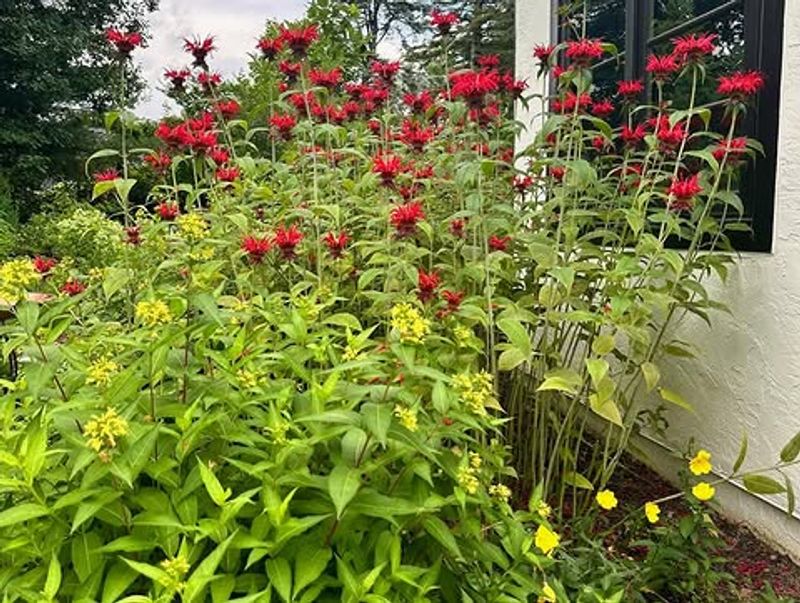
Planting Diervilla lonicera alone creates a solid foundation, but pairing it with thoughtfully chosen companion plants takes the tick barrier to a genuinely higher level.
Layered plantings that combine shrubs, mid-height perennials, and ground covers create a complex border that is far less hospitable to ticks than any single-species planting could ever achieve on its own.
Native options like wild ginger as a ground cover, little bluestem grass for mid-height texture, and black-eyed Susan for vertical interest all work beautifully alongside Northern Bush Honeysuckle.
Space the shrubs three to four feet apart, fill the mid-layer with perennials planted eighteen to twenty-four inches from the shrub edge, and let the ground cover knit together at the base.
This creates a graduated wall of vegetation that ticks find structurally difficult to navigate.
Maintenance for a layered companion border stays manageable when native species are chosen throughout.
Natives are adapted to Michigan conditions, require little supplemental water after establishment, and rarely need fertilization.
Cutting back perennials in late winter and doing a light shrub prune every two to three years keeps everything tidy without disrupting the structural integrity of the barrier.
The combination of different plant heights, textures, and growth habits creates a border that works on multiple levels simultaneously.
It protects your vegetable beds while making the entire garden edge look intentional, vibrant, and genuinely beautiful throughout the growing season.