4 Florida Plants You Can Safely Prune This July To Deter Spider Mites (And 4 To Leave Alone)
Spider mites treat a Florida July like an all-inclusive resort. These tiny invaders zero in on plants that are crowded, dusty, and gasping for airflow, turning healthy green leaves into a speckled, sorry sight.
Timing your pruning right can flip the script. Knowing which plants to trim now and which ones to leave untouched often decides whether your yard bounces back or turns into mite territory.
Triple-digit heat indexes, clockwork storms, tangled foliage fighting for air. Mites love a Florida July almost as much as they love a stressed, overcrowded shrub.
Let’s find out which plants to cut back this month, and four to leave completely alone. Grab your shears.
Hibiscus
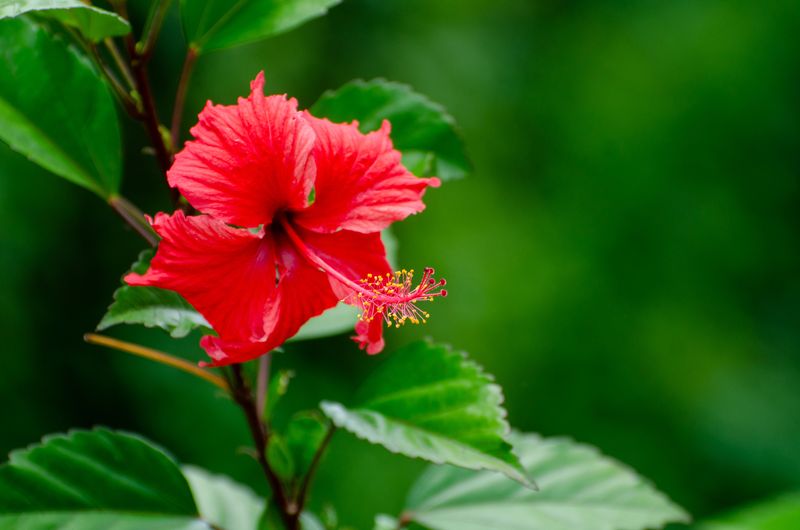
Hibiscus is one of the most recognizable plants in Florida gardens, and July pruning makes a real difference in keeping it healthy. Spider mites love to hide in thick, tangled hibiscus growth where airflow is poor.
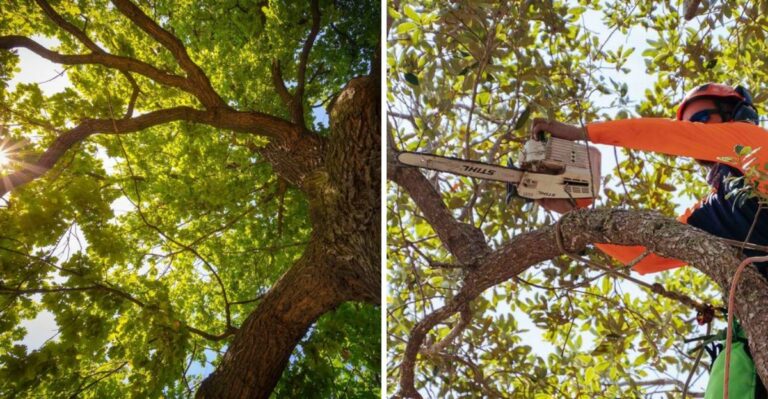
Trimming it back opens up the canopy and makes it a much less inviting home for pests. Start by removing any crossing branches first.
Then cut back up to one-third of the plant to encourage fresh, healthy regrowth. Fresh growth is less likely to already be infested, giving your hibiscus a clean start.
Use clean, sharp pruning shears to avoid tearing the stems. Torn cuts invite disease and create another stress point for the plant. A clean snip heals faster and keeps your hibiscus strong through the rest of summer.
After pruning, give your hibiscus a deep watering and a light feeding with a balanced fertilizer. Pruning and feeding together give your hibiscus the best defense against pests.
Check the undersides of remaining leaves after trimming. Spider mites spin fine webbing on leaf undersides, so catching them early saves you a bigger problem later. A strong blast of water from a garden hose can knock off any stragglers that survived the trim.
Hibiscus bounces back quickly after a July haircut. You will likely see new blooms within a few weeks, which is a pretty satisfying reward for your effort.
Roses
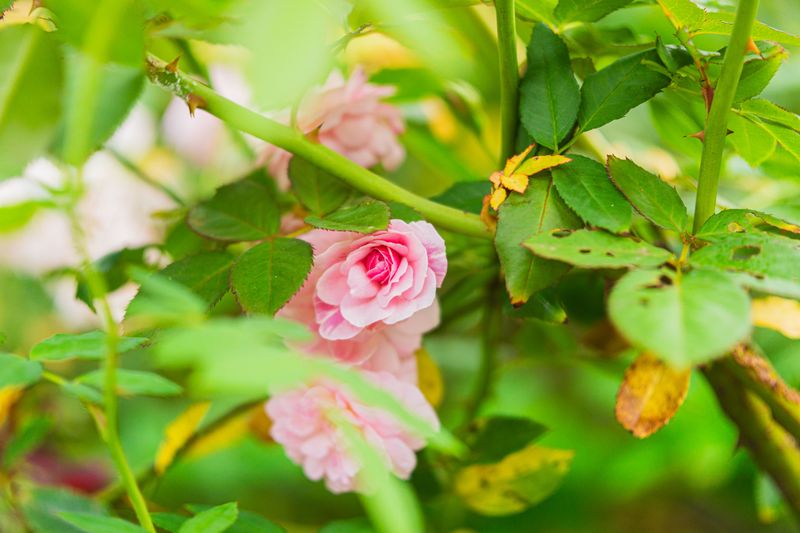
Roses in Florida do not follow the same rulebook as roses up north. Down here, July pruning is not just acceptable, it is actually encouraged to keep spider mites from taking hold.
Mites thrive in the dense, leafy canopy that roses produce in summer heat, spreading quickly if left unchecked. Remove any canes that are crossing, rubbing, or growing inward toward the center of the plant.
This simple step dramatically improves airflow through the bush. Better airflow means lower humidity inside the plant, and lower humidity means fewer mites calling it home.
Remove spent blooms regularly this month. Old flowers trap moisture and attract both fungal issues and pest activity.
Snipping them off keeps the plant focused on producing strong, new growth instead of feeding decaying tissue. Cut back the tips of long, arching canes by about six inches.
This light tip pruning stimulates branching and creates a bushier, more compact shape. A compact rose is easier to inspect and treat if mites do appear.
Your Florida Garden Changes Every Week. Your Plan Should Too.
Gardening in Florida changes quickly throughout the season. Every Friday you’ll receive a simple weekly plan showing exactly what to plant, prune, fertilize, harvest, and protect so you never miss the right timing.
After every pruning session, clean your shears with rubbing alcohol. Mites and their eggs can hitch a ride on dirty blades and spread to your next plant.
That thirty-second cleaning habit can save you hours of pest control work later. Florida roses are tough, but they need a gardener who pays attention.
Regular July maintenance keeps these classic beauties blooming strong and mite-free through the long, steamy summer ahead.
Ligustrum And Hollies
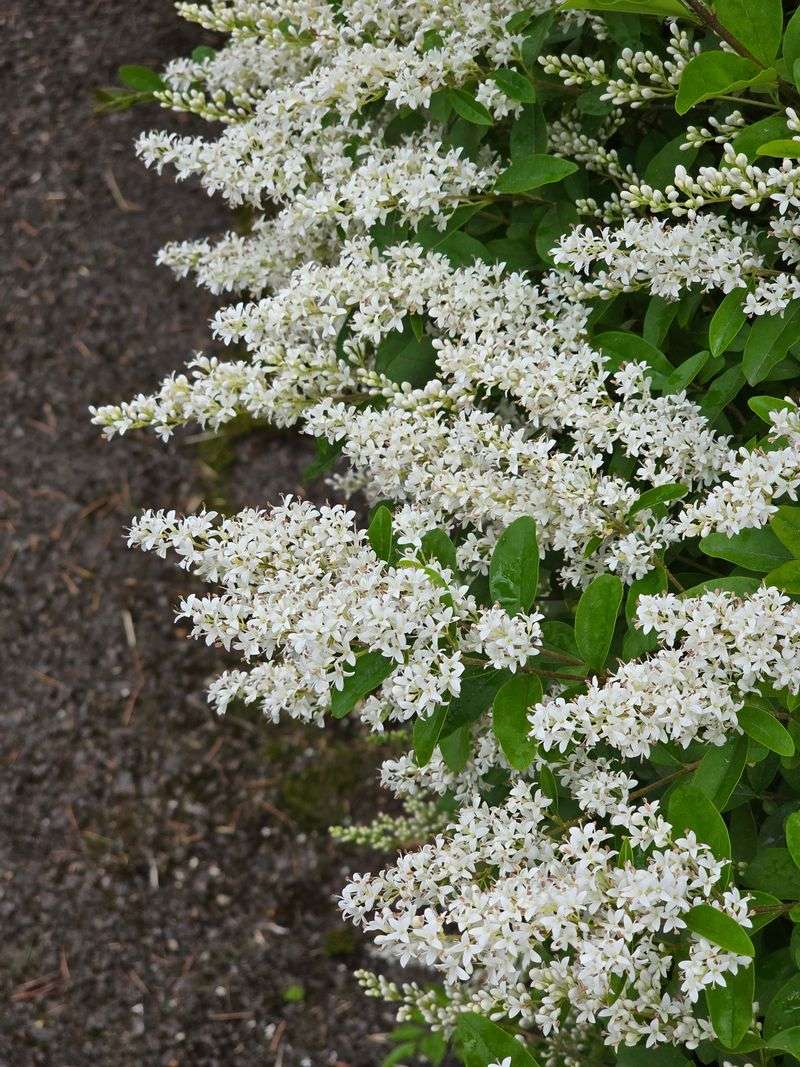
Ligustrum and hollies are workhorses of the Florida landscape, and they handle a July trim well. These tough shrubs respond well to shaping, and cutting them back now helps reduce the dense interior growth where spider mites love to breed.
Think of it as clearing out unwanted guests before they multiply. Ligustrum especially tends to grow fast and thick during the rainy season.
That dense interior canopy traps heat and moisture, creating a five-star resort for mites. Thinning out the center of the shrub lets light and air reach every branch.
For hollies, focus on removing any bare wood and branches that cross or crowd each other. Hollies have a naturally dense habit, so even a light thinning makes a big difference.
You do not need to reshape the whole plant, just open it up a bit. Always use sharp loppers or hedge trimmers for these shrubs.
Dull blades crush stems instead of cutting them cleanly, and crushed stems stress the plant. Stressed plants produce weaker foliage that mites find far easier to colonize.
After trimming, inspect the remaining foliage for any silvery or stippled patches. Those tiny discolored dots are a classic sign of mite feeding damage.
Catching it early means you can treat with neem oil or insecticidal soap before the infestation spreads. Ligustrum and hollies reward consistent care with dense, healthy growth that stays pest-resistant all season long.
A little July attention goes a very long way with these reliable shrubs.
Plumeria
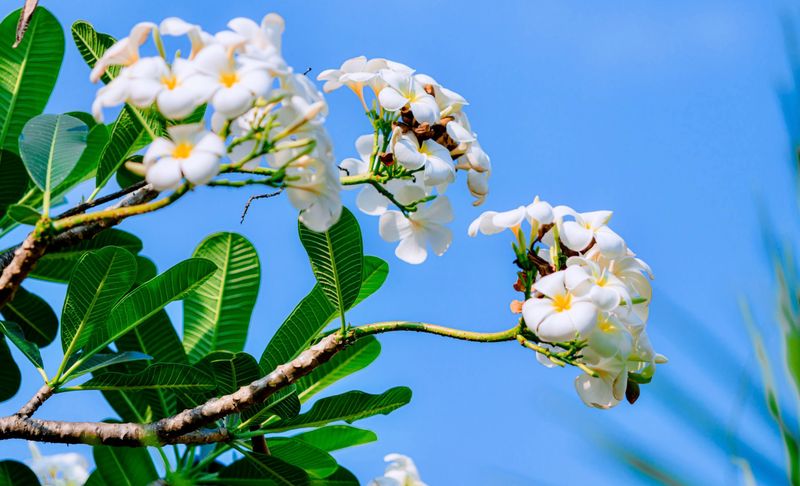
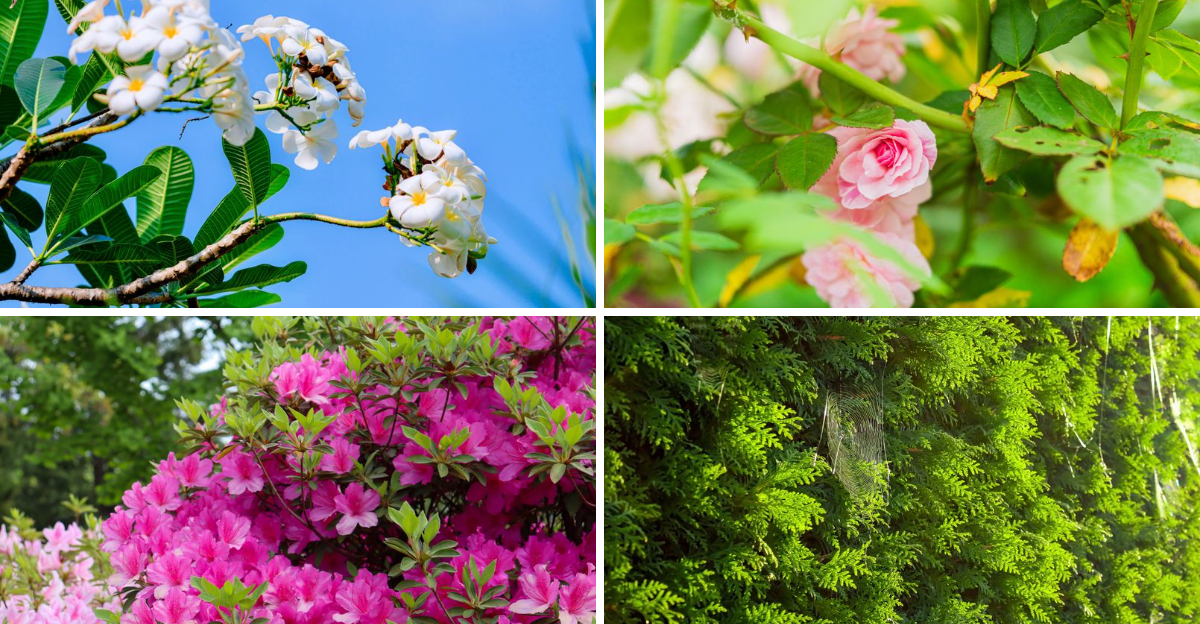
Plumeria is one of those plants that looks almost too beautiful to touch with a pair of shears. But trust the process, because July pruning actually helps this tropical stunner defend itself against spider mites.
Mites target stressed, overcrowded plumeria branches, especially during the hottest and driest stretches of summer. Plumeria branches grow in a distinctive, candelabra-like pattern.
Pruning encourages more branching tips, which means more flowers later in the season. Each cut you make at the right spot triggers the plant to push out two or three new growth points.
Cut just above a node or leaf scar to direct new growth outward. Avoid cutting into the thick, fleshy trunk unless absolutely necessary.
The sap that oozes from cuts is actually a mild irritant, so wear gloves and wash your hands after working with this plant. Spider mites on plumeria tend to cluster near the newest growth tips.
After pruning, check those fresh tips carefully for any fine webbing or stippling. A targeted spray of neem oil solution handles small infestations before they escalate into a bigger problem.
One quirky fact about plumeria: the milky sap that drips from cut stems has long been noted for its distinct texture and irritant properties.
With a little July care, your plumeria will reward you with an explosion of fragrant blooms. That sweet, tropical scent in the evening air makes every pruning session completely worth it.
Azaleas
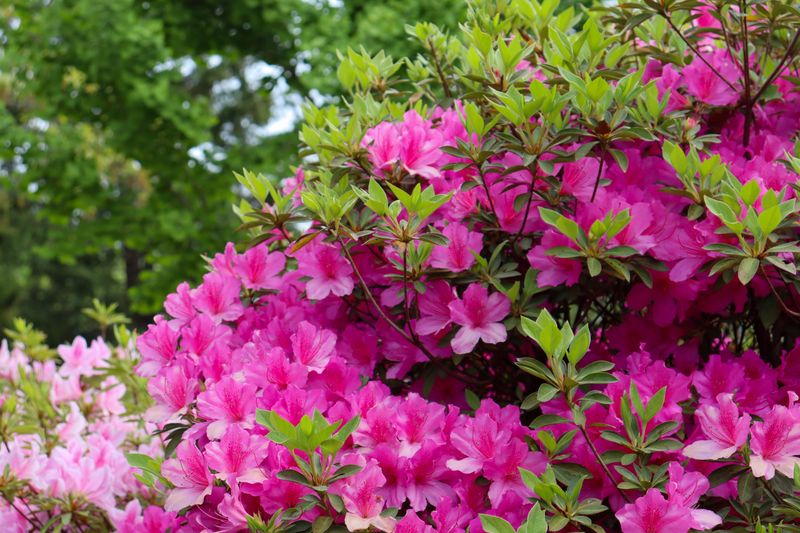
Here is where things get interesting: azaleas made the do-not-touch list for July. Pruning azaleas this month can significantly reduce next spring’s flower show.
These shrubs set their bloom buds in summer, and cutting now removes exactly what you are trying to protect. Beyond the bloom-bud issue, pruning azaleas in peak summer heat stresses the plant significantly.
Stressed plants produce weaker, thinner leaves that spider mites find irresistible. You would essentially be rolling out a welcome mat for the very pests you are trying to avoid.
Azaleas also have a naturally layered branching structure that provides its own internal shade. That shading actually helps regulate the plant’s temperature during brutal July afternoons.
Removing branches disrupts this built-in cooling system and leaves the plant more vulnerable. If you spot spider mite damage on your azaleas, address it without pruning.
A strong spray of water directed at the undersides of leaves dislodges mites effectively. Follow up with neem oil or insecticidal soap for persistent infestations.
The best time to prune azaleas in Florida is right after they finish blooming in spring. That window gives the plant the entire summer to set new buds on fresh growth.
Waiting for that timing pays off with a strong floral display the following year. Patience is the most powerful tool in an azalea gardener’s kit.
Put the shears away this July, and your azaleas will reward you with a beautiful spring bloom.
Conifers
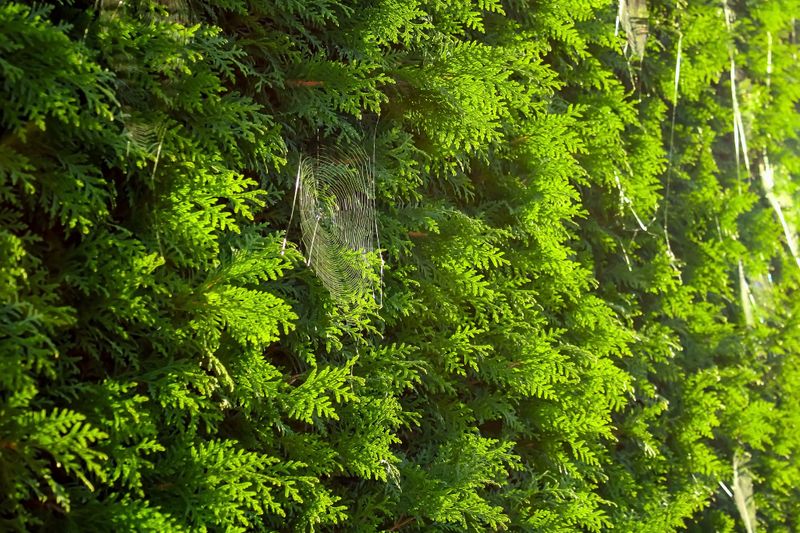
Conifers like junipers and arborvitae are another group to keep the shears away from this July. These plants are already under serious heat stress during Florida’s peak summer, and pruning pushes that stress into overdrive.
Spider mites actually prefer conifers when they are weakened, so cutting them now is counterproductive. Junipers and arborvitae do not regenerate from old wood the way broadleaf shrubs do.
If you cut back too far and remove the green growth, that branch will not come back. Unlike hibiscus or roses, conifers cannot bounce back from aggressive summer pruning.
Spider mites on conifers show up as bronzing or a dusty, grayish look on the foliage. That discoloration is actually mite feeding damage, not drought stress.
Knowing the difference helps you treat the right problem with the right solution. To manage mites on conifers without pruning, try a forceful water spray across all surfaces of the plant.
Do this in the morning so foliage dries before evening, which reduces fungal risk. Repeat every few days to keep mite populations from rebuilding.
If you absolutely must shape a conifer, wait until early spring or late fall. Those cooler seasons give the plant time to recover before the next heat cycle hits.
Timing your cuts around the plant’s natural growth rhythm makes all the difference. Healthy conifers are naturally more resistant to mite pressure than stressed ones.
Keeping them watered, mulched, and untouched this July is genuinely the most protective thing you can do for them right now.
Camellias
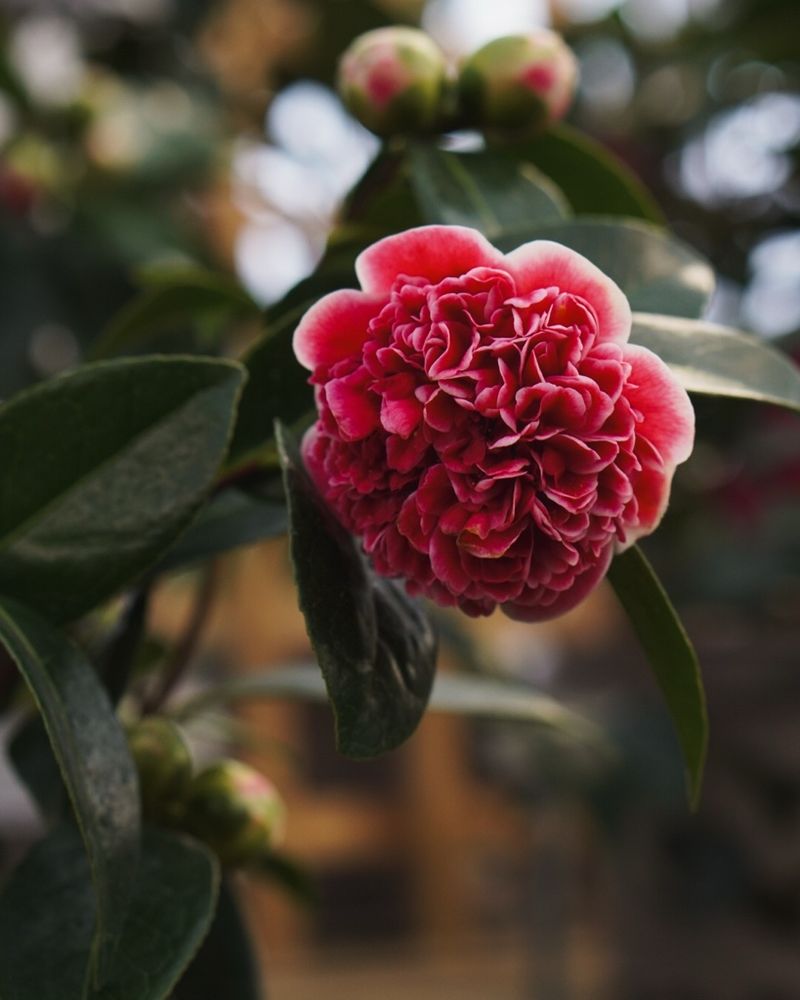
Camellias are beloved for their glossy leaves and stunning late-fall blooms, but July is the wrong month to prune them. Like azaleas, camellias spend summer quietly setting the flower buds that will put on a show from November through February.
Pruning now removes those buds before they ever get a chance to open. There is also a practical pest angle here.
Freshly cut camellia stems release sap that can attract unwanted insects. Leaving the plant undisturbed this month helps keep it from drawing extra pest attention.
Camellias prefer dappled shade, which makes them slightly less vulnerable to mite pressure than sun-loving plants. Still, they are not immune, especially during dry spells between summer rain events.
Keeping the soil consistently moist around camellias helps them stay strong and resistant. If you spot mite activity on your camellia, use a gentle insecticidal soap spray on the leaf undersides.
Avoid anything too harsh, as camellias have sensitive foliage that can burn easily. Gentle and consistent treatment tends to work better than aggressive, occasional treatment.
The ideal pruning window for camellias in Florida is right after their blooming season ends in late winter or early spring. That timing gives the plant months to recover and set new buds before summer arrives.
Missing that window means waiting until next year. Camellias reward patience with some of the most jaw-dropping blooms in the winter garden.
Hands off this July, and you’ll be rewarded with a beautiful bloom come December.
Bigleaf Hydrangea
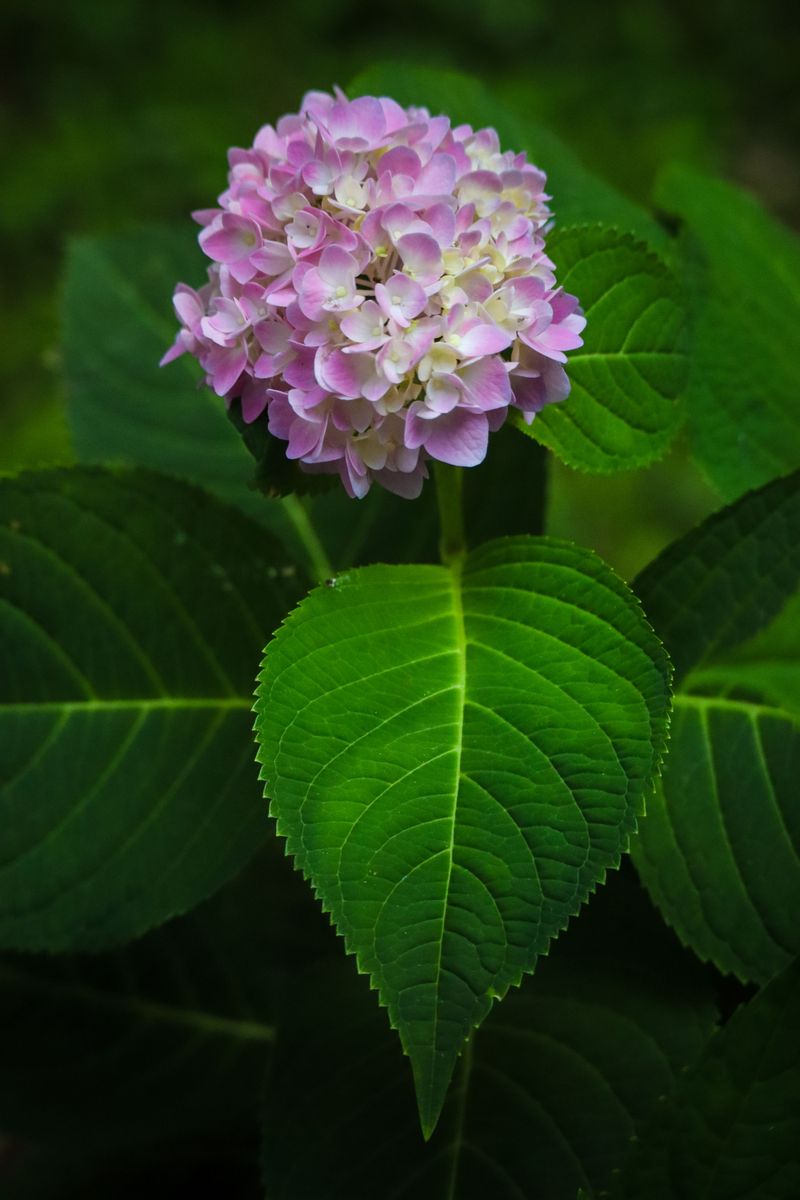
Bigleaf hydrangeas are the ones with those iconic, globe-shaped blooms in shades of pink, purple, and blue. They are also one of the most misunderstood plants when it comes to summer pruning.
Cutting them in July removes the old wood where next season’s blooms are already quietly forming. Unlike some hydrangea varieties that bloom on new wood, bigleaf hydrangeas bloom on old wood from the previous season.
Pruning now essentially erases a full year of growth. You would be waiting another twelve months to see a single flower. Spider mites can target bigleaf hydrangeas during dry stretches between summer rain events.
The large, flat leaves give mites plenty of surface area to work with. Checking the undersides of those big leaves regularly is your best early-warning system.
To manage mites on bigleaf hydrangeas without pruning, focus on keeping the soil moist and mulched. Well-hydrated plants produce tougher cell walls that mites have a harder time piercing.
A two-inch layer of mulch around the base keeps moisture in and soil temperature down. If mites are visible, a neem oil spray applied in the early morning works well on hydrangea foliage.
Avoid spraying in direct afternoon sun, which can cause the oil to burn the leaves. Evening applications are also effective and gentler on the plant.
Bigleaf hydrangeas are worth every ounce of patience they demand. Skip the July pruning, protect against mites with smart watering, and you will have a showstopping display of blooms to look forward to next summer.