9 Yard Features That Are Secretly Inviting Snakes In
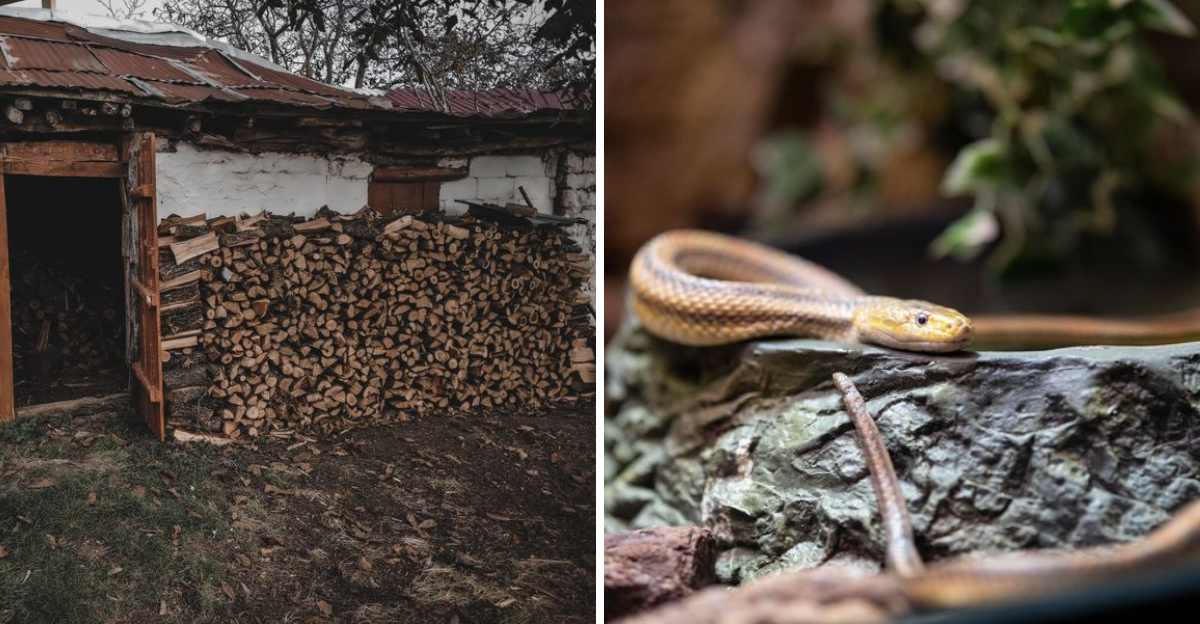
Danger doesn’t wait for you to notice. Snakes are already testing your yard’s boundaries. You may never notice the warning sign. Something moves closer each night you sleep.
Quiet corners near your home invite more. Every shadow near you could hide intent. Warmth pulls unseen visitors toward your walls.
Darkness beneath your steps keeps its own secrets. Silence in your garden rarely means safety. Nothing about this feels accidental to you. Curiosity will not protect your family tonight.
Awareness shifts everything once instinct kicks in. Denial only deepens the risk waiting outside. Instinct already knows something you refuse to admit. Patterns emerge once you stop ignoring them.
Understanding what pulls them close changes everything. Movement near your fence rarely stops. Gaps around your home become invitations you never authorized.
Recognition now matters more than comfort later. Waiting only increases the risk. Ignoring this warning could cost you everything that matters.
1. Tall Grass And Overgrown Vegetation
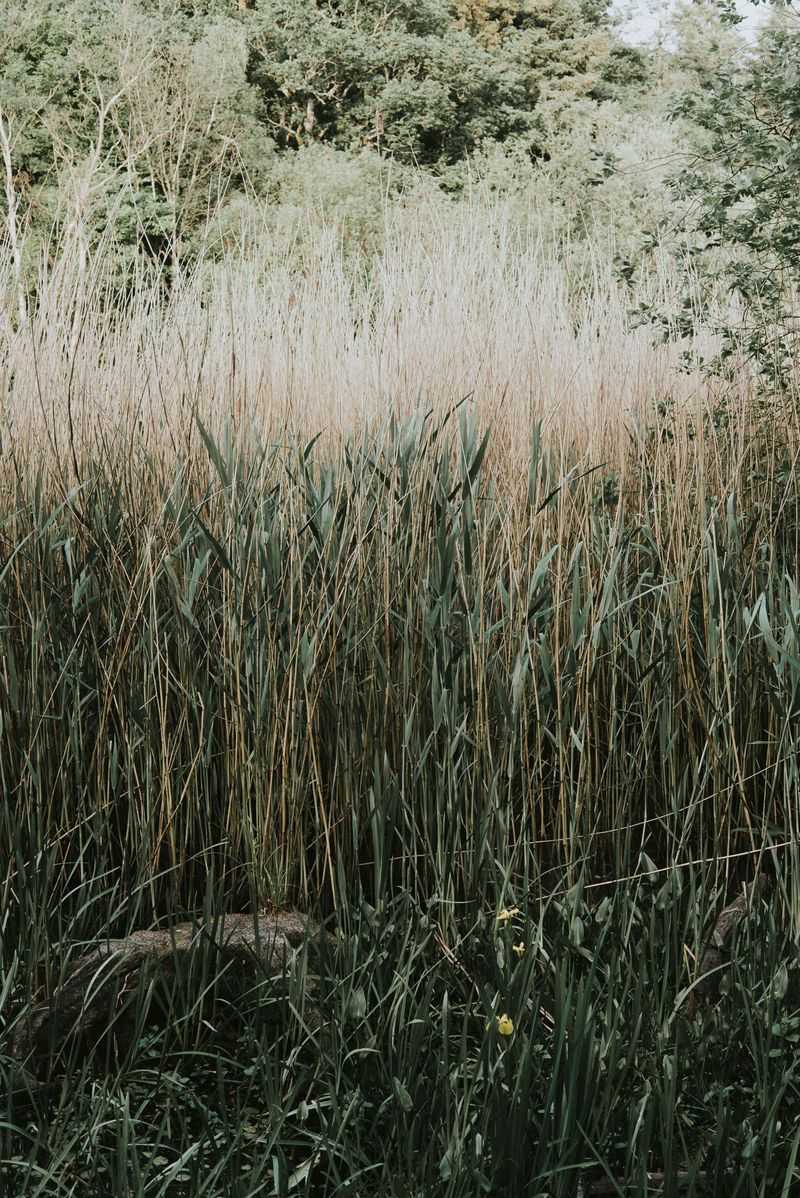
Your lawn becomes highly attractive to snakes if you skip mowing. Tall grass gives snakes exactly what they crave: cover, shade, and a hunting ground full of hidden prey.
Snakes are ambush predators by nature. They rely on dense vegetation to stay hidden from both prey and predators, making your unmowed lawn an ideal base of operations.
Rodents love tall grass too, and where rodents go, snakes follow. Cutting that cycle short starts with a simple lawn care habit.
As a general guideline, mowing regularly during warm months and keeping grass short can reduce snake habitat, though exact timing varies by climate and region.
Weeds along fences and garden borders are just as problematic. Overgrown edges create shaded corridors that snakes use to travel safely across your yard.
Pull weeds regularly and trim any wild growth near your home’s foundation. Removing these hidden pathways makes your yard far less appealing to passing snakes.
Yard features that attract snakes often start with neglected grass. A well-maintained lawn sends a clear signal that your yard is not a safe place to set up camp.
Snakes are not brave, they are opportunistic. Take away the cover, and they will simply move on to a neighbor’s yard instead.
2. Dense Ground Cover Like Ivy Or Mulch
Ivy creeping across your garden looks gorgeous in photos, but snakes think it looks even better. Dense ground cover creates a moist, shaded layer that acts like a protective blanket for reptiles.
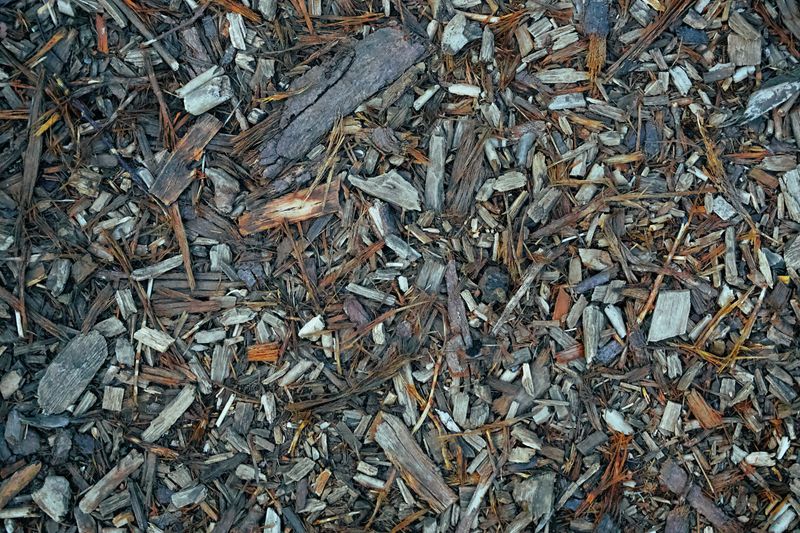
Mulch is another popular offender hiding in plain sight. A thick layer of wood chips holds moisture, stays cool, and gives snakes a soft, hidden surface to rest and hunt beneath.
Both ivy and mulch also shelter slugs, beetles, and small rodents. That food supply turns your decorative ground cover into an active feeding ground for passing snakes.
Swap thick mulch for gravel or river rock in areas close to your foundation. These materials do not retain moisture the same way, making the environment far less hospitable for snakes.
If you love ivy, consider keeping it trimmed short and away from the house. Letting it sprawl unchecked creates hidden tunnels that snakes can use to move around undetected.
Cedar mulch is sometimes cited as a mild deterrent, though scientific evidence supporting this effect is limited and largely anecdotal. Its natural oils can irritate snake skin, though it is not a guaranteed solution on its own.
Pair mulch choices with regular yard inspections to stay ahead of any snake activity. Catching signs early, like shed skin or disturbed ground cover, helps you act before a snake settles in.
Yard features that attract snakes are rarely obvious, and ground cover is one of the sneakiest culprits of all. A simple material swap can make a big difference.
3. Woodpiles Stacked Near The House
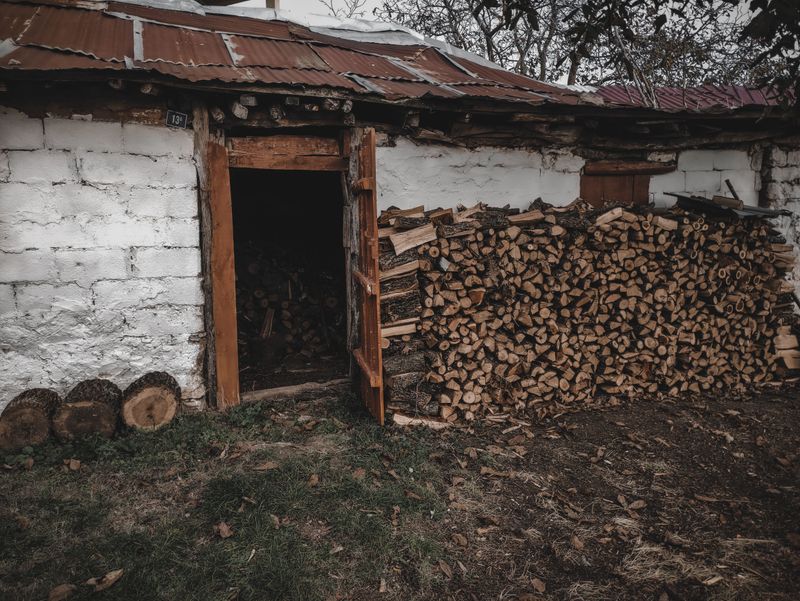
That woodpile by the back door is an ideal shelter for snakes. Logs stacked together create dozens of dark, warm gaps that snakes absolutely love.
Snakes do not build their own shelters. They move into spaces that already exist, and a woodpile offers the perfect combination of warmth, darkness, and protection from the elements.
Mice and insects also nest in woodpiles, giving snakes a built-in food source. A stacked log pile near your house is an appealing habitat for snakes.
A commonly recommended guideline is to position woodpiles roughly 20 to 30 feet from the house, though this can vary by property layout. Distance matters because snakes will not travel far from their shelter just to explore your porch.
Store wood on a raised metal rack whenever possible. Elevating the pile removes ground-level hiding spots and makes the area less attractive to both snakes and the rodents they hunt.
Cover your woodpile with a tarp during rainy seasons to reduce moisture. Damp wood attracts insects, which then attract rodents, which then attract snakes in a predictable chain.
Inspect your woodpile regularly before grabbing logs. Snakes that feel cornered may strike, so using gloves and a stick to check before reaching in is a smart habit.
Yard features that attract snakes are often the ones we never think twice about. Your firewood stash deserves a second look before the next warm season begins.
4. Rock Piles And Stone Walls
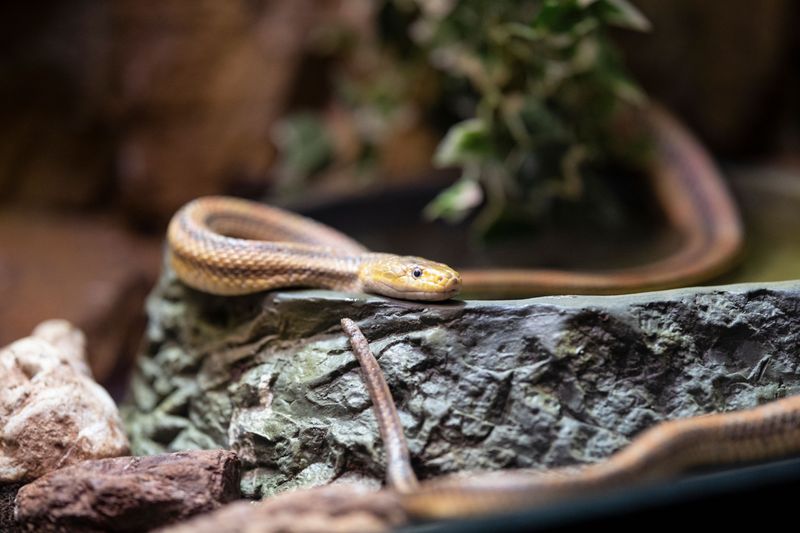
Rock piles are commonly attractive to snakes. The gaps between stones create a network of tunnels that offer warmth, shade, and protection all in one convenient location.
Snakes are cold-blooded, which means they depend on their environment to regulate body temperature. Rocks absorb heat from the sun and release it slowly, making stone structures a perfect thermostat for reptiles.
Stone retaining walls are especially attractive because they often border garden beds or wooded areas. Snakes can slip between your wall and the surrounding landscape with ease.
If you have a decorative rock feature, consider repositioning it away from the house and high-traffic areas. Keeping it in a far corner of the yard reduces the chance of an unexpected close encounter.
Filling in large gaps between rocks with mortar or packed soil removes the hiding spaces snakes depend on. A solid, sealed wall is far less appealing than one full of cozy crevices.
Check stone walls and rock borders after heavy rain or temperature changes. Snakes often shift positions when the weather changes, and you may spot shed skin or trails near disturbed soil.
Avoid stacking flat stones on top of each other in a loose, casual way. Flat stones layered loosely are especially attractive because they create wide, flat chambers perfect for a resting snake.
Beautiful landscaping and snake prevention can coexist. Thoughtful design choices make your yard stunning without creating conditions that attract unwanted snake activity.
5. Cluttered Sheds And Storage Areas

Open that shed door carefully, since snakes may be hiding inside. Cluttered storage areas are among the most overlooked snake magnets in any yard.
Sheds offer snakes everything they need: darkness, warmth, shelter from rain, and usually a few rodents that have moved in alongside the garden tools. It is a complete package deal.
Boxes stacked on the floor, old tarps, and piles of unused equipment create a maze of hiding spots. Snakes can tuck themselves away so effectively that homeowners go weeks without noticing.
Start by clearing clutter off the floor entirely. Store items on shelving units or wall hooks so the ground stays open and any snake activity becomes immediately visible.
Check the shed’s foundation and walls for gaps or holes. Smaller and juvenile snakes can fit through gaps as narrow as a pencil’s width, so sealing openings of various sizes is advisable.
Install a door sweep on the shed entrance to block low gaps. Snakes often enter through the bottom of doors, especially when the shed is warm and the outside air is cool.
Keep rodent traps active inside any shed you use for storage. Eliminating the food source removes the main reason a snake would bother entering in the first place.
A clean, organized shed is not just satisfying to walk into. Yard features that attract snakes thrive on disorder, and a tidy shed sends a clear message that this space is taken.
6. Bird Feeders That Attract Rodents
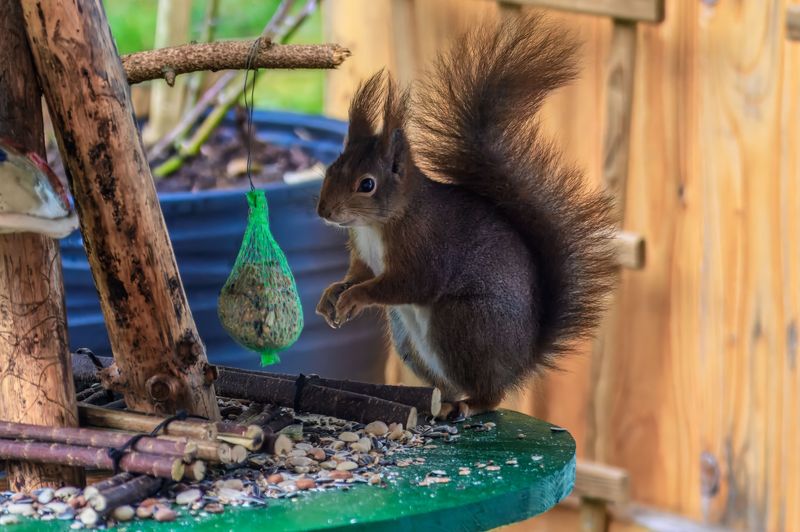
Feeding birds is a common backyard hobby for many homeowners. Rodents flock to spilled birdseed, and snakes follow rodents like clockwork.
Mice and rats are a snake’s preferred meal. Place a reliable food source in your yard, and you have essentially created a snake hunting ground right outside your kitchen window.
The feeder itself is not the problem. The mess underneath it is.
Seed hulls, spilled grain, and scattered millet accumulate fast and draw in ground-feeding rodents almost immediately.
Switch to a no-waste seed blend that birds consume completely without leaving husks behind. These blends cost slightly more but eliminate the ground-level mess that rodents depend on.
Use a seed tray attachment below your feeder to catch falling seeds. Empty and clean the tray every few days to prevent buildup from attracting unwanted visitors.
Position feeders at least ten feet from your home and any dense shrubs. Keeping them away from cover reduces the chance that rodents and snakes will linger near your house.
Consider taking feeders down during late spring and summer, when snake activity tends to increase in many regions. Birds adapt quickly, and a short seasonal break can significantly reduce rodent pressure in your yard.
Yard features that attract snakes often work indirectly, and bird feeders are the perfect example. You never see the chain reaction until a snake shows up uninvited.
7. Standing Water Or Ponds
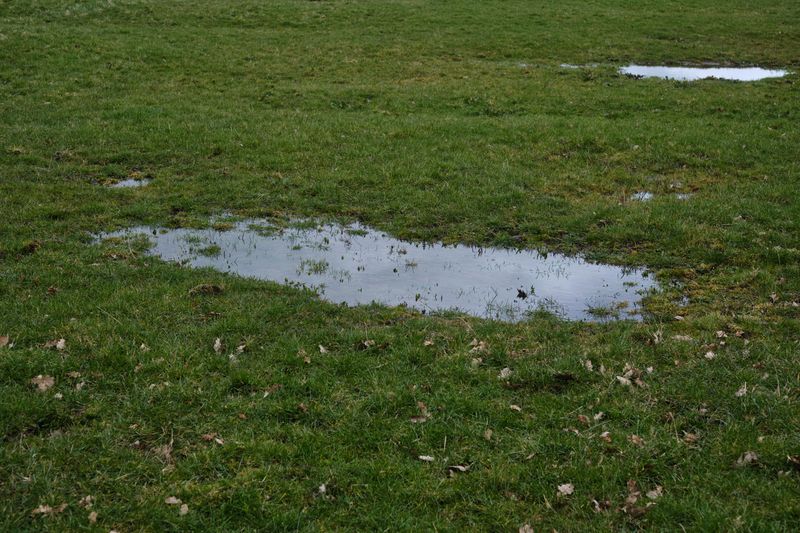
Still water in a yard can attract snakes from nearby areas. Snakes are drawn to water sources for hydration, hunting, and in some species, breeding.
Frogs and toads breed in standing water, and they happen to be a top menu item for many snake species. A backyard pond stocked with amphibians is an abundant food source for snakes.
Even a neglected birdbath or a low spot in the yard that collects rainwater can attract snakes. You do not need a full pond to create a problem.
Drain any low areas in your yard that hold water after rain. Grading your lawn to improve drainage eliminates these accidental water features before they become snake attractions.
If you love your pond, consider adding a fountain or aerator to keep water moving. Moving water tends to be less appealing to frogs and certain snake species than calm, still pools.
Install a fence or barrier around ornamental ponds using hardware cloth buried a few inches into the ground. This physical boundary makes it harder for snakes to access the water’s edge.
Keep vegetation around ponds trimmed short and clear of debris. Dense reeds and overgrown edges give water-loving snakes the perfect combination of cover and access to prey.
Yard features that attract snakes near water are especially effective in warm climates. Managing your water features carefully keeps the ambiance without the uninvited reptile guests.
8. Gaps Under Decks And Porches
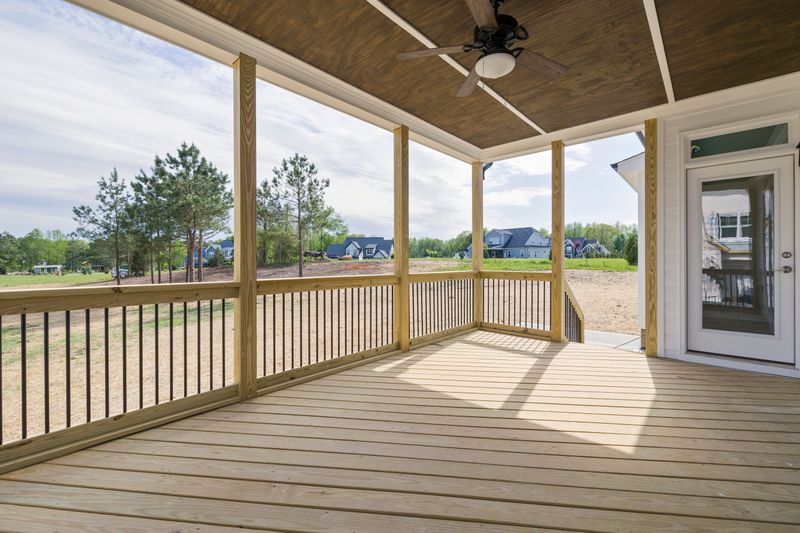
The space beneath your deck is dark, sheltered, and almost never disturbed. For a snake, that space offers an ideal, undisturbed shelter.
Gaps under porches and decks offer snakes a climate-controlled environment that stays cool in summer and holds warmth in fall. Many snakes return to the same spot season after season once they find it.
Rodents love these spaces just as much as snakes do. Mice nesting under your deck create a permanent food source that keeps snakes coming back long after you have spotted the first one.
A commonly recommended approach is burying hardware cloth several inches into the ground around the deck’s perimeter. This L-shaped barrier prevents both snakes and rodents from burrowing underneath the structure.
Avoid using lattice panels alone as a barrier. Standard lattice has gaps wide enough for many snake species to pass through with little effort.
Check for gaps around plumbing pipes or electrical conduits that pass through the deck foundation. These small openings are easy entry points that often go unnoticed for years.
Clear any stored items from under the deck entirely. Bikes, holiday decorations, and old furniture create the same kind of clutter that makes sheds so attractive to snakes.
Yard features that attract snakes often hide in plain sight, and your deck is no exception. Sealing that space off completely gives you peace of mind every time you step outside.
9. Compost Bins Left Open Or Unmanaged
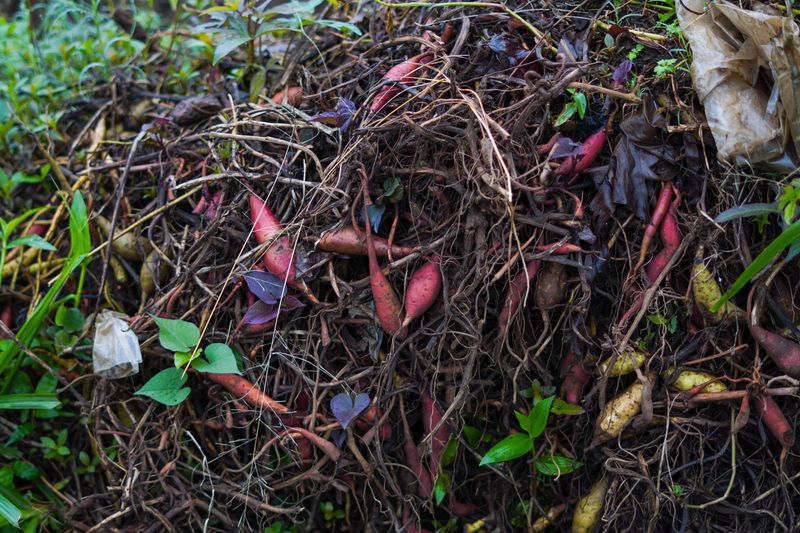
Composting is great for your garden, but a poorly managed bin is great for snakes. Open or overflowing compost creates a warm, moist environment packed with insects, worms, and the rodents that eat them.
Decomposing organic material generates heat as it breaks down. That warmth attracts snakes looking for a cozy spot, especially during cooler mornings and evenings in spring and fall.
Rodents are the real bridge between your compost bin and a snake problem. Rats and mice raid open bins regularly, and snakes commonly follow where rodents gather.
Always use a compost bin with a secure, fitted lid. An enclosed design keeps rodents out and prevents the strong odors that attract them in the first place.
Turn your compost regularly to disrupt any nesting activity happening inside. Frequent disturbance makes the bin a less stable and less attractive home for both rodents and snakes.
Avoid adding meat, dairy, or cooked foods to your compost pile. These items decompose slowly and produce strong smells that draw in scavengers far more aggressively than plant-based scraps do.
As a general guideline, positioning your compost bin farther from the home can help reduce rodent activity nearby. Distance creates a buffer zone that keeps any associated snake activity away from your living spaces.
Yard features that attract snakes are often the ones tied to good intentions, and composting is a perfect example. Small management habits protect both your garden and your peace of mind.