The Mulch Mistake New York Homeowners Should Avoid To Keep Ticks Away
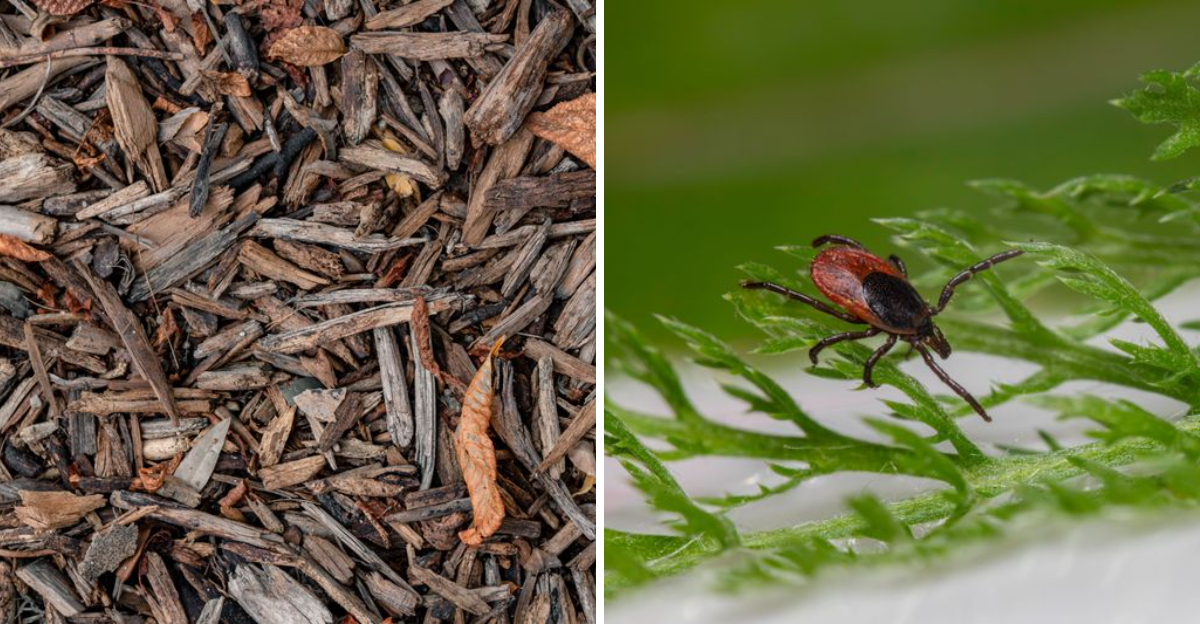
Ticks are already moving quietly toward your garden beds across New York. That fresh mulch feels wholesome, yet it hides something surprising for you.
Assuming safety from neat, tidy beds already misleads you. Moisture builds steadily beneath your mulch, creating ideal conditions for tiny, unwelcome hitchhikers waiting patiently.
Shade traps humidity right where you walk every evening. Deer and mice creep steadily closer to your home, drawn by cover.
Meanwhile your children play while something unexpected waits mere inches away. Pets brush past your beds, carrying unwanted guests straight indoors.
According to the New York State Department of Health, Lyme disease cases have trended upward across the state over the past decade. Nobody warned you about depth, placement, or buffer zones.
Small choices you make right now determine whether your entire yard stays less hospitable to ticks. Every layer you add either shields or exposes your family.
Still your attention shifts constantly, but tick season never pauses. You cannot afford to overlook what happens next.
Why Ticks Thrive In New York Backyards
Ticks are not random visitors. New York’s humid summers and leafy landscapes create conditions favorable to ticks across much of the state.
Blacklegged ticks, often called deer ticks, are especially common across Long Island, Westchester, and the Hudson Valley. These tiny creatures need moisture and shade to survive.
Your backyard gives them both. Wooded edges, overgrown shrubs, and leaf piles all create cozy hiding spots for ticks waiting to latch onto a host.
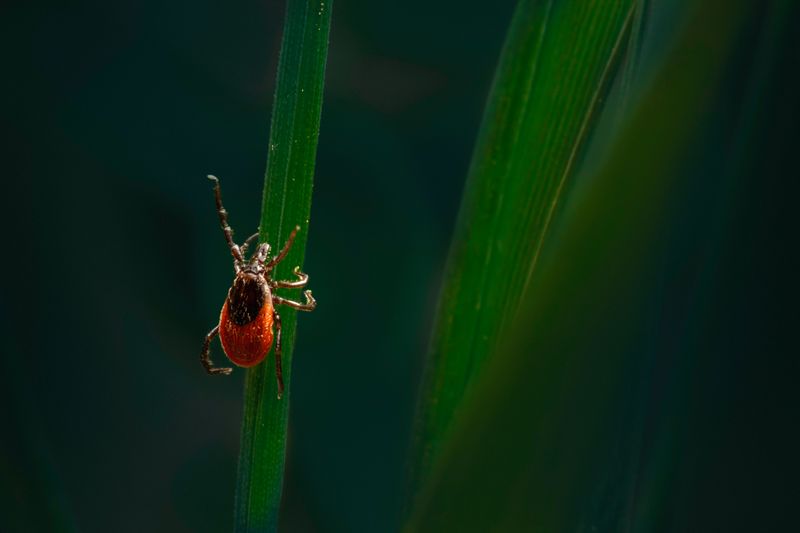
Ticks do not jump or fly. They sit at the tips of grass blades or low shrubs and grab onto anything that brushes past.
That could be your dog, your kid, or you walking to the garden shed. The risk is easy to overlook because it’s low-visibility, not dramatic.
Most homeowners focus on tall grass or wooded areas as the main risk zones. But the mulch mistake many people make creates an equally serious problem right in the garden beds.
Mulch that is too deep, too damp, or placed too close to your home becomes prime tick territory. Understanding why ticks favor certain yard conditions is the first step toward keeping them out.
Your backyard should feel like a retreat, not a risk. Knowing what attracts ticks helps you make smarter choices about how you landscape and maintain your outdoor space.
The Mulch Mistake Homeowners Do Not Notice

Most people think more mulch means better results. That logic feels right, but it is one of the most common errors in yard care today.
The mulch mistake homeowners do not notice is piling it on too thick, too close to the house, and too near lawn edges. It looks tidy from a distance but creates hidden problems underneath.
When mulch depth goes beyond three inches, the bottom layers tend to stay damp for longer. That moisture can persist even on sunny days.
Ticks thrive in exactly that kind of environment. A thick, moist mulch bed can become an ideal environment for them.
Your New York Garden Changes Every Week. Your Plan Should Too.
Gardening in New York changes quickly throughout the season. Every Friday you’ll receive a simple weekly plan showing exactly what to plant, prune, fertilize, harvest, and protect so you never miss the right timing.
The mistake gets worse when mulch is pressed right up against the foundation of the house. That creates a pathway that connects the yard directly to the home.
Homeowners also often mulch right to the edge of the lawn without any barrier between the two zones. Ticks are commonly found traveling along that edge.
You might not spot the problem because mulch always looks fine on top. The risk lives in the dark, damp layer below where light never reaches.
Fixing this mulch mistake does not require a total yard overhaul. A few small adjustments to depth and placement can make a real difference in tick activity around your home.
Awareness is the most powerful tool you have. Once you see the mistake, you cannot unsee it, and your yard will be safer for it.
How Damp, Deep Mulch Creates Tick Habitat
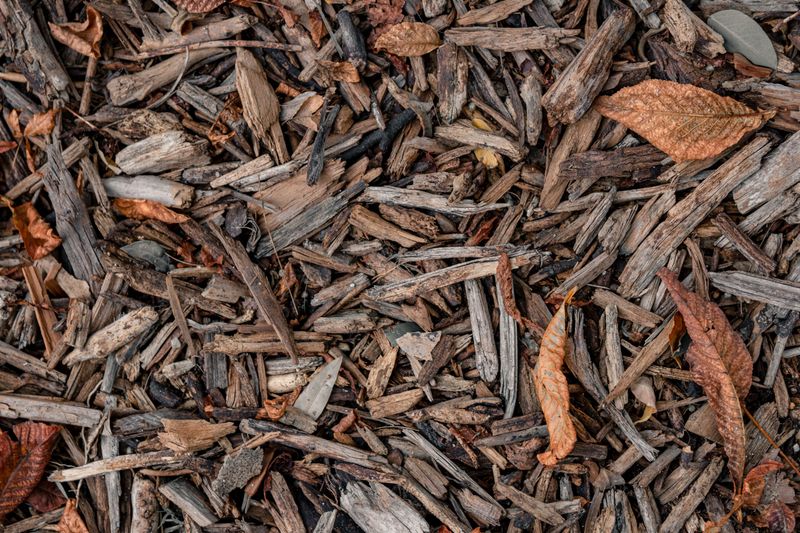
Ticks need humidity to stay alive. Without moisture in their environment, they dry out and cannot function properly.
Damp, deep mulch holds water like a sponge. Layers below the surface can stay wet for days after a rainstorm, long after the top looks dry.
When mulch is piled four or five inches deep, it traps heat and moisture at the base. That warm, wet layer can become a favorable environment for ticks at every life stage.
Tick eggs, larvae, and adult ticks all shelter in moist organic material. Mulch gives them conditions similar to leaf litter on a forest floor.
The problem is that many homeowners use wood chip mulch, which breaks down slowly and holds water especially well. Cedar mulch may offer some natural insect-repelling properties, making it worth considering as an alternative.
Rubber mulch and gravel do not hold moisture the same way. They let water pass through and dry out faster, making them potentially less attractive to ticks.
Even with the right mulch type, depth still matters. Keeping any mulch at two to three inches maximum can reduce the moisture buildup that ticks depend on.
Raking and turning your mulch regularly also helps. Disturbing the surface lets air circulate and speeds up the drying process between rain events.
Think of your mulch layer as a small climate zone. Manage that climate, and you remove one of the reasons ticks choose to settle in your yard.
Where Mulch Placement Matters Most

Location is everything when it comes to mulch and tick risk. Not all mulched areas in your yard carry the same level of danger.
The highest-risk spots are along the transition zones where mulch meets lawn. Ticks are commonly found along these edges, moving between grass and garden.
Mulch placed directly against your home’s foundation is another red flag. It can create a moist, shaded pathway that connects yard and home environments.
Garden beds near wooded areas or fence lines are especially problematic. Ticks from the woods travel along those edges and settle into mulch beds close to the boundary.
Play areas and patios bordered by mulch also carry higher risk. Kids and pets spend time in those zones, which increases the chance of tick contact.
The smart approach is to create a buffer zone between mulched beds and high-traffic areas. A strip of gravel or wood chips placed as a dry barrier can slow tick movement significantly.
The Centers for Disease Control and Prevention recommends a three-foot-wide barrier of dry material, such as wood chips or gravel, between wooded zones and the lawn. That gap disrupts the moist corridor ticks use to migrate toward the house.
Mulch near garden entrances and walkways should also be kept shallow and dry. Those are the spots where you and your family make the most contact with the landscape.
Placement decisions you make today shape your yard’s tick risk all season long. Thoughtful mulch mapping is one of the easiest wins in outdoor pest management.
Better Barriers To Keep Ticks At Bay
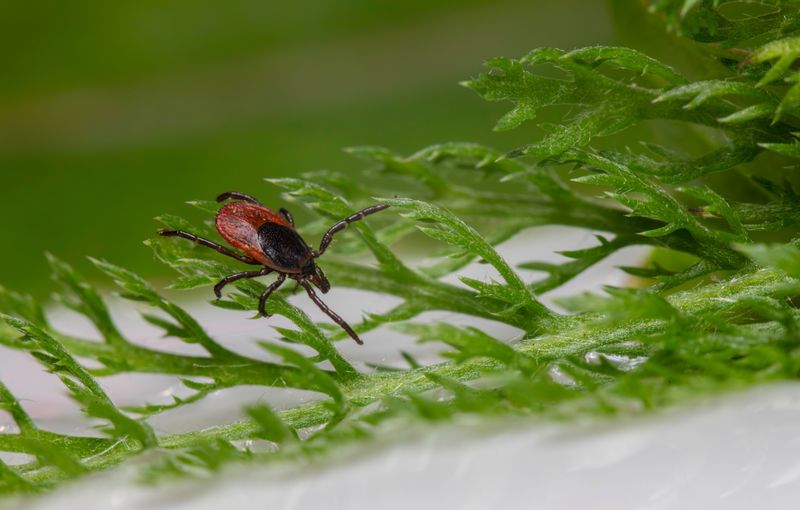
Gravel is an effective but underused method in tick prevention. A dry, rocky border between your lawn and wooded edges creates a zone that discourages tick movement.
Ticks are less likely to cross dry, exposed surfaces because they lose moisture quickly in open areas. A gravel strip as narrow as three feet wide can act as a reliable deterrent.
Cedar mulch is another option for homeowners who prefer an organic look. Cedar contains natural oils that may have some insect-repelling properties, making it a reasonable alternative to standard wood chips.
Some homeowners also use rubber mulch made from recycled tires. It does not hold moisture, does not decompose into organic matter, and may give ticks fewer reasons to stick around.
Landscape fabric placed under any type of mulch adds another layer of protection. It limits the damp soil contact that ticks seek when nesting near the surface.
Fencing can also help, especially if deer frequent your yard. Deer carry ticks and drop them across the landscape as they move through. A physical barrier can reduce that wildlife traffic near your home.
Plant choices matter too. Certain plants like lavender, rosemary, and marigolds are believed to have mild insect-repelling properties. Placing them along garden borders adds beauty and a modest layer of defense.
Combining multiple strategies gives you the strongest results. No single barrier is perfect, but layering your approach makes your yard less welcoming to ticks all season long.
Simple Changes To Make Your Yard Safer

You do not need a landscaping crew to reduce tick risk around your home. A few consistent habits make a bigger impact than most people expect.
Start by checking your mulch depth this weekend. Grab a ruler and probe a few spots in your garden beds. Anything over three inches should be raked back.
Pull mulch at least six inches away from your home’s foundation. That small gap removes the moist pathway ticks can use to travel from the garden toward your house.
Rake your mulch beds every two to three weeks during peak season. Turning the surface breaks up damp clumps and lets air reach the lower layers where ticks hide.
Keep your lawn mowed short, especially along the edges near mulched beds. Short grass dries faster and gives ticks fewer places to wait for a passing host.
Remove leaf litter from the yard regularly, especially in fall. Piles of wet leaves function similarly to thick mulch, offering shelter and moisture for overwintering ticks.
Consider applying a tick-control product around your yard’s perimeter each spring. Look for products labeled safe for pets and children, and always follow the instructions on the label carefully.
Check yourself, your kids, and your pets after any time spent outdoors. A quick scan after yard work catches ticks before they have a chance to attach.
Avoiding the mulch mistake is one of the simplest ways to help protect your family from ticks all season. Small changes, done consistently, add up to a safer yard.