Why Your New York Christmas Cactus Looks Wrinkled And Tired After Summer
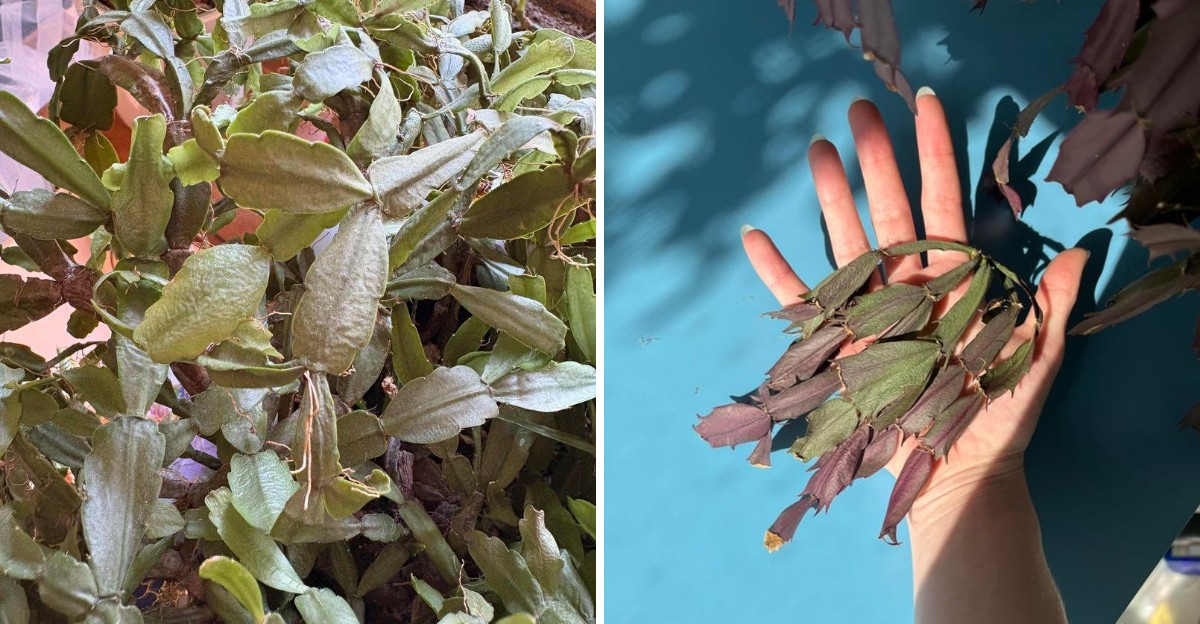
Your Christmas cactus used to look like a proud green fountain, but now it resembles a pile of limp, wrinkly ribbons. Plenty of New York plant lovers notice this sad slump right around the first cool breeze of fall.
Luckily, a tired cactus is usually telling you something specific, not giving up on you. Each stress leaves its own clues on those flat, droopy segments.
Summer throws a lot at these rainforest natives, from sticky heat to surprise downpours. Bright sun bouncing off city windows can add even more strain.
Some clues point to water, some to soil, and a few might surprise you. Once you learn to read the signs, nursing your plant back to its plump, glossy self gets much easier.
It Went Thirsty During Hot Weather
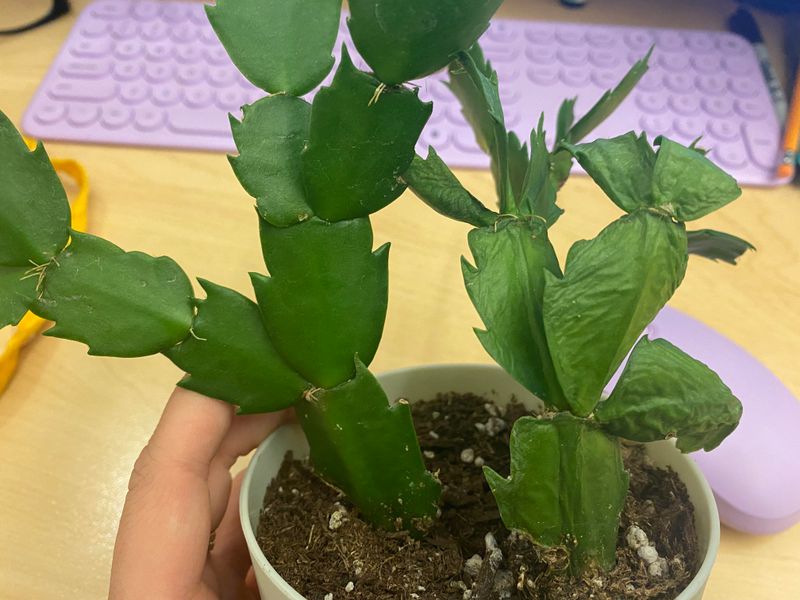
Picture a grape slowly turning into a raisin on a sunny windowsill. Your Christmas cactus segments can do the same thing when summer water runs short.
Unlike desert cacti, this plant comes from Brazilian rainforests where it grows on trees. It expects steady moisture, not long dry spells between drinks.
Healthy segments feel plump and firm, a bit like a fresh snap pea. Thirsty ones turn flat, soft, and wrinkled, with edges that curl slightly inward.
Summer in New York can swing from muggy mornings to baking afternoons on a fire escape. Pots dry out fast when heat and breeze team up.
Try the finger test every few days during warm months. Push a finger into the soil, and water when the top inch or two feels dry.
Most plants do well with a drink every seven to ten days in summer. Pour slowly until water runs from the drainage hole, then let it drip.
Badly parched plants may need a longer soak to recover. Set the pot in a bowl of water for about twenty minutes, then drain it well.
Give the plant a week or two to plump back up after watering. Segments that stay wrinkled could point to a root issue, which we cover next.
Here is a handy trick for busy weeks. Group your cactus with other houseplants, since clustered pots hold moisture a little longer than lonely ones.
Morning watering works best on hot days. Cooler soil soaks up moisture evenly, and less of it vanishes into the afternoon air.
Soggy Soil May Have Damaged The Roots
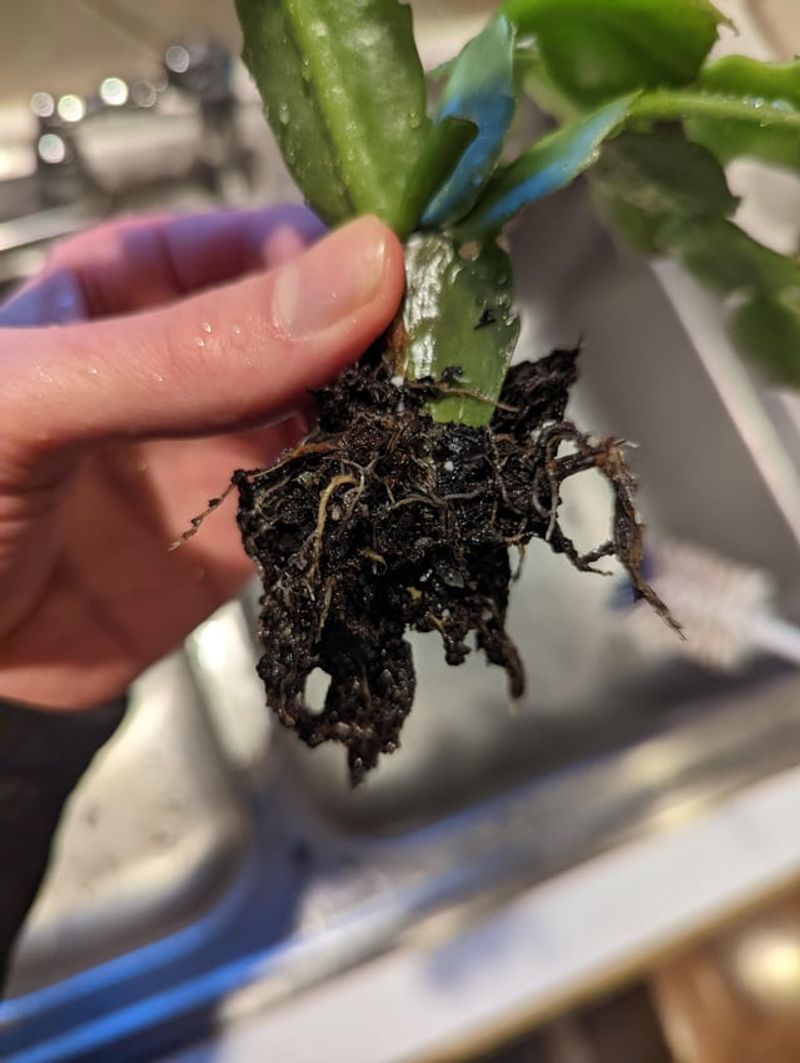
Oddly enough, too much water can make a cactus look just as thirsty as too little. Wrinkled segments in wet soil are a classic warning sign of trouble below.
Roots need air as much as they need moisture. Soil that stays soggy for days pushes out oxygen, and the roots begin to rot.
Healthy roots look white or light tan and feel firm. Rotting ones turn brown or black, feel mushy, and often give off a sour smell.
Once roots break down, they cannot pull water up to the leaves. The result is a droopy, shriveled plant sitting in perfectly damp soil.
Summer thunderstorms are a sneaky cause if your plant spent time outdoors. A few rainy days in a row can flood a pot without you noticing.
Your New York Garden Changes Every Week. Your Plan Should Too.
Gardening in New York changes quickly throughout the season. Every Friday you’ll receive a simple weekly plan showing exactly what to plant, prune, fertilize, harvest, and protect so you never miss the right timing.
Ready to play plant surgeon? Slide the cactus out, rinse the old soil away, and snip off soft roots and mushy stems with clean scissors.
Let the trimmed plant rest on a counter for a day or two. The cut ends dry and seal, which lowers the chance of new rot.
Repot into a clean container with fresh cactus or succulent mix. Adding a handful of perlite helps water flow through quickly.
Hold off on watering for another day or two after repotting. Your plant needs time to settle before its first drink.
Going forward, empty the saucer within fifteen to thirty minutes after watering. Standing water is one of the quickest ways to invite root problems back.
Too Much Summer Sun Scorched It
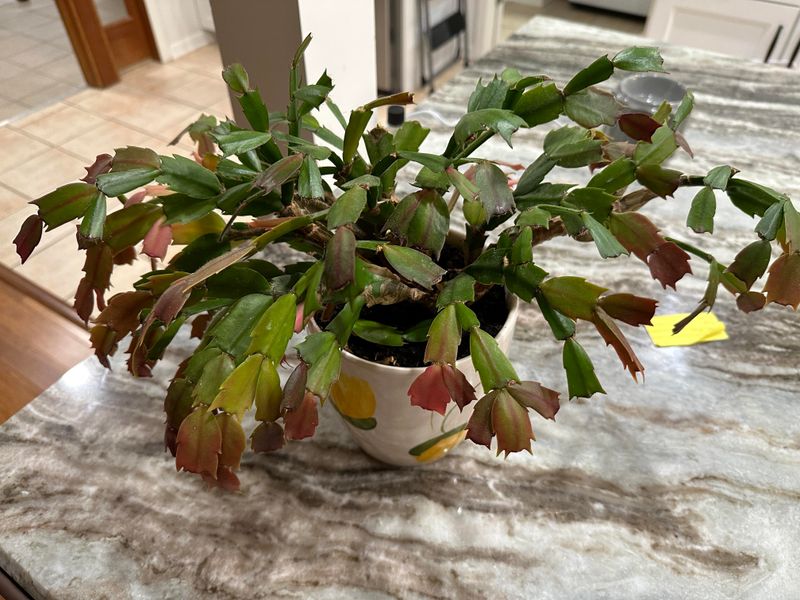
Sunburn is not just a beach problem. Christmas cactus segments can scorch too, especially after a sudden move into bright summer light.
In the wild, these plants grow under a leafy forest canopy. They enjoy bright, filtered light, not hours of harsh afternoon rays.
Scorched segments often turn reddish, purple, pale yellow, or even bleached. Some develop tan, crispy patches that feel papery to the touch.
Sun damage also speeds up water loss through the leaves. A scorched plant usually wrinkles faster because it loses moisture it cannot replace.
New York apartments can be tricky here. A south-facing window or a sunny rooftop can act like a magnifying glass on hot July afternoons.
Look for a spot with bright but indirect light. An east window with gentle morning sun is a sweet spot for most Christmas cacti.
Sheer curtains work wonders on a sunny sill. They soften the light just enough to protect the segments while still keeping growth strong.
Outdoor plants do best under a tree, porch roof, or shade cloth. Dappled light mimics their forest home far better than an open patio.
Sadly, burned patches will not turn green again. Healthy new growth will fill in over time, and you can trim ugly segments at a joint.
Fun fact for curious growers: a slight red tint can simply mean mild stress. Move the pot to softer light, and the color often fades back.
Heat Waves Left It Stressed
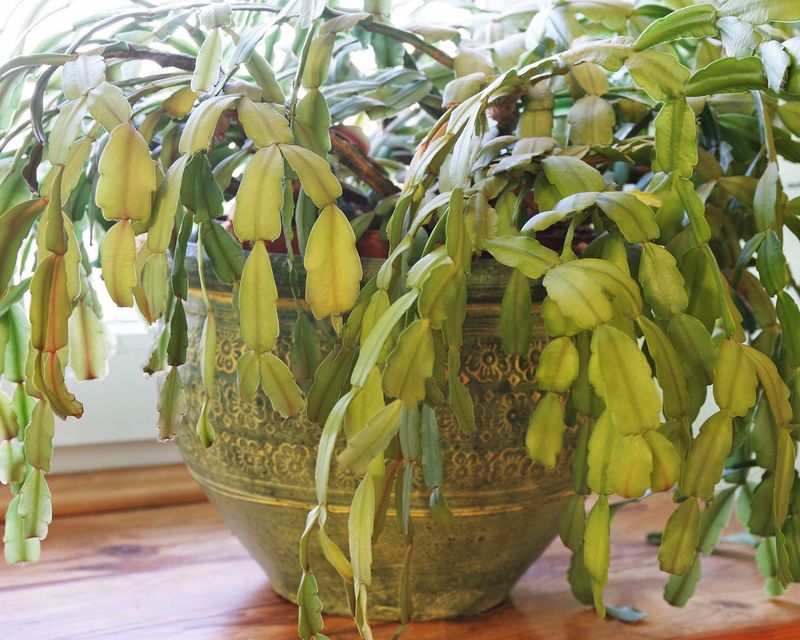
Remember those sticky August days when even the sidewalks seemed to sweat? Your cactus felt that heat too, and it may still be recovering.
Christmas cacti prefer temperatures between about 60 and 80 degrees. Once things climb past 90, the plant starts struggling to keep up.
During intense heat, many plants slip into a semi-dormant state. Growth slows down, and the segments may sag or pucker as a survival move.
Here is the twist that surprises many growers. Watering more during a heat wave can backfire, since a resting plant uses less moisture.
Check the soil before reaching for the can. Water only when the top inch feels dry, even if the plant looks a little droopy.
Concrete and brick in New York soak up daytime heat and release it at night. Balcony and fire escape plants may never get a chance to cool off.
Move potted cacti somewhere shaded and breezy during extreme weather. A spot with good airflow helps the plant shed extra heat.
Light misting in the morning can offer a small humidity boost. Skip evening misting, because damp segments overnight can invite fungus.
Once temperatures ease, most heat-stressed plants perk up on their own. Give yours a few weeks of steady care before judging its health.
Patience matters more than fixes here. Heat stress often looks dramatic but fades quietly as fall weather settles in.
Mealybugs Could Be Draining Its Juices
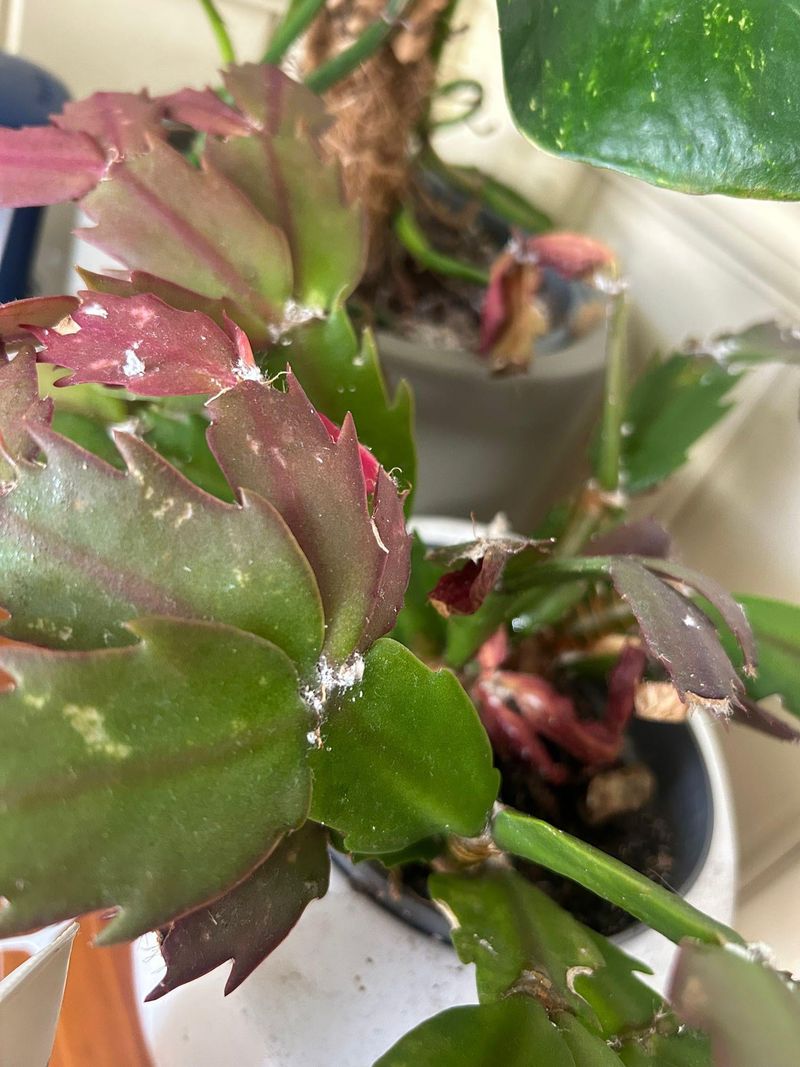
Tiny cotton balls tucked between segments may look harmless, but they are hungry guests. Mealybugs love Christmas cacti, and summer is their favorite party season.
These small insects pierce the plant and sip its sap. Over weeks, a heavy crowd can leave segments thin, wrinkled, and weak.
Check the joints, the undersides of segments, and the soil line. Mealybugs look like fuzzy white specks, often hiding where parts connect.
Plants that summered outdoors often bring pests inside. Warm weather lets bugs multiply fast, so a few hitchhikers can turn into a colony.
You might also notice a sticky film on leaves or nearby surfaces. Called honeydew, it is sugary waste the bugs leave behind.
Grab a cotton swab and some rubbing alcohol. Dab each bug directly, and they will loosen and wipe away with ease.
For bigger outbreaks, spray the plant with insecticidal soap. Repeat every five to seven days for a few weeks to catch newly hatched bugs.
Keep the infested plant away from your other houseplants. Mealybugs crawl surprisingly well and will happily move to a new host.
Root mealybugs are a sneakier version living in the soil. If the plant keeps wilting after treatment, peek at the roots for white fuzz.
Once the pests are gone, feed the plant lightly and water on schedule. Fresh growth usually shows up within a month or so.
Old, Compacted Soil Stopped Draining Well
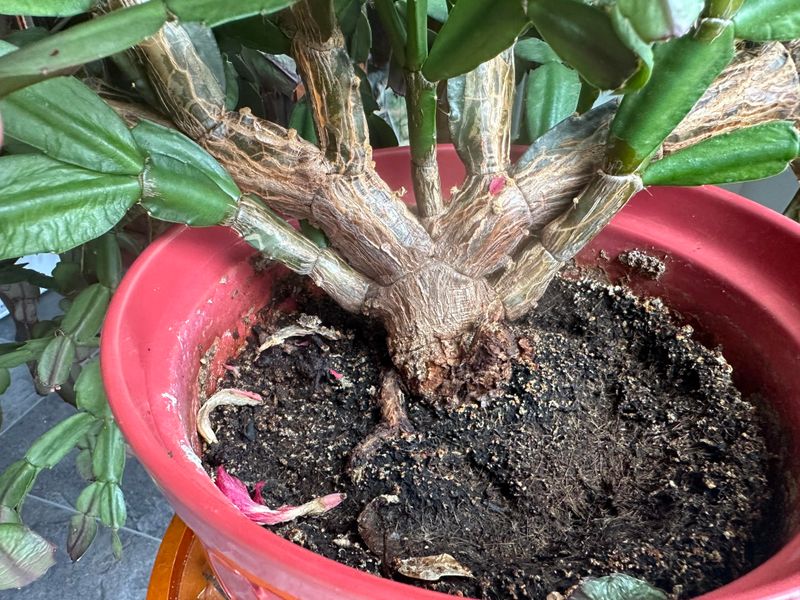
Soil wears out quietly, just like an old sponge that stops soaking. After a few years, potting mix breaks down and packs tightly around the roots.
Compacted soil can cause two problems at once. Water may run straight down the sides, or it may sit in a soggy clump.
Either way, the roots struggle to get what they need. A plant in tired soil often wrinkles even when you water on schedule.
Watch for water pooling on top instead of sinking in. A hard, crusty surface or a pot that feels unusually heavy are also clues.
Spring is the ideal time to repot, but summer stress can justify a fall refresh. Just avoid repotting once flower buds start forming.
Choose a pot only one size larger than the current one. Christmas cacti like snug roots and may sulk in an oversized container.
A mix of cactus soil, perlite, and a little orchid bark works nicely. The chunky texture mimics the loose tree bark these plants grow on naturally.
Loosen the old root ball gently with your fingers. Shake away as much stale soil as you can without tearing healthy roots.
Terracotta pots breathe better than plastic ones. They help excess moisture escape, which is handy if you tend to be generous with water.
Plan on repotting every two to three years. Fresh soil keeps drainage smooth and gives roots room to stretch.
The Move Back Indoors Brought On Shock
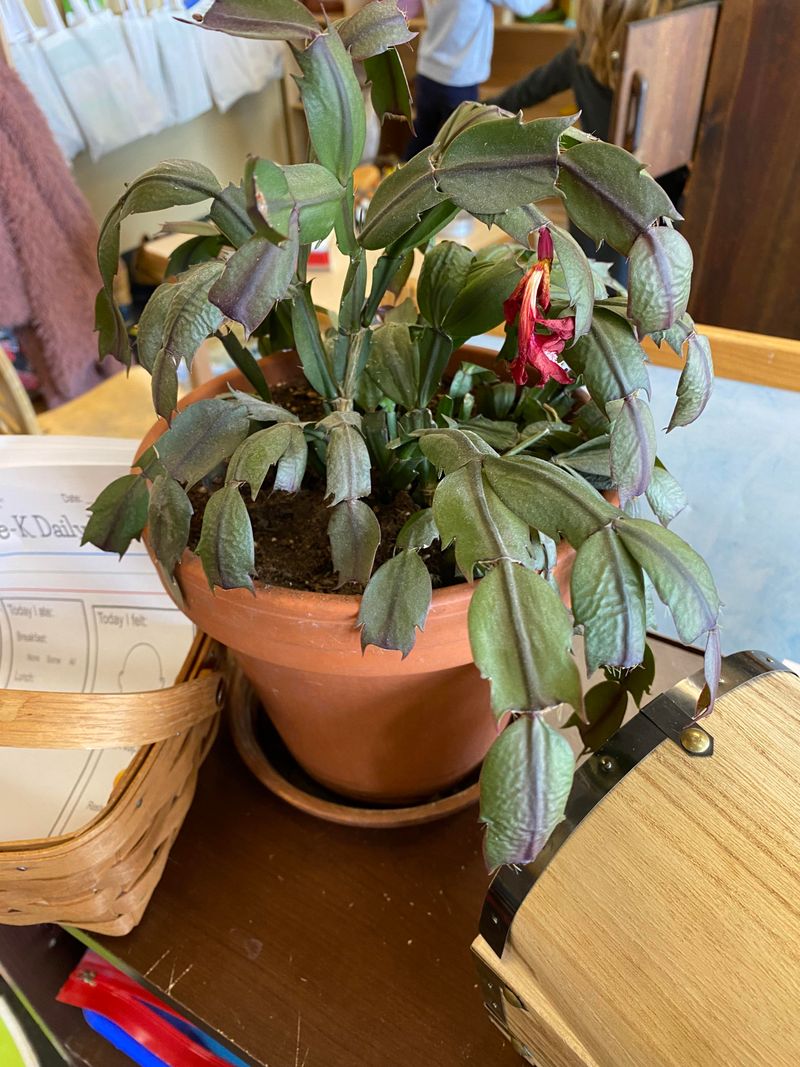
Moving day is stressful for people, and plants feel it too. Hauling a cactus from a patio into a living room is a big change overnight.
Outdoors, the plant enjoyed fresh air, bright shade, and natural humidity. Indoors, it suddenly faces dimmer light, drier air, and steady temperatures.
Sudden shifts like these can trigger shock. Segments may wrinkle, droop, or even drop off while the plant adjusts.
Timing matters a lot in New York, where fall nights cool quickly in September. Bring plants in before temperatures dip below about 50 degrees.
Ease the transition over a week or two if you can. Start by bringing the pot inside at night, then back out during the day.
Pick an indoor spot with bright, indirect light. A space near an east or west window helps soften the change.
Before the move, inspect the plant closely for pests. Rinse the segments with a gentle spray of water to knock off any stowaways.
Hold off on fertilizer for a few weeks after the switch. A stressed plant needs rest more than a push to grow.
Keep your watering routine steady, but check the soil more often at first. Indoor pots usually dry more slowly than outdoor ones.
Most plants bounce back within two to four weeks. Firm, glossy segments are your sign that the adjustment is complete.
Dry Indoor Heat Adds To The Problem
Ah, the clank and hiss of an old radiator warming up for the season. Cozy for you, maybe, but rough on a rainforest plant.
Many apartments crank up the heat as soon as fall arrives. Indoor humidity can quickly drop well below what a Christmas cactus enjoys.
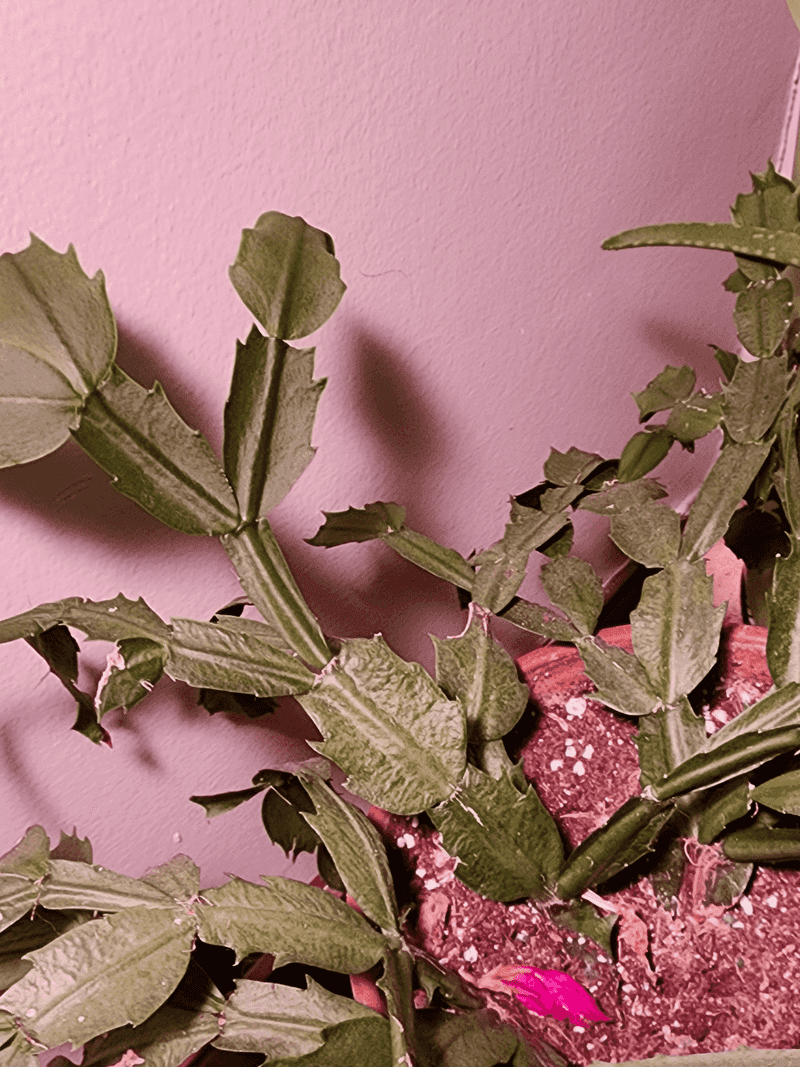
Dry air pulls moisture from the segments faster than roots can replace it. The plant ends up wrinkled even when the soil feels fine.
Placement makes a real difference here. Keep your cactus several feet away from radiators, heating vents, and space heaters.
A pebble tray is a cheap and easy fix. Fill a shallow dish with pebbles and water, then set the pot on top above the waterline.
Grouping plants together creates a small pocket of humid air. Each one releases a little moisture that its neighbors can share.
Small room humidifiers work well for serious plant collections. Aim for around 50 percent humidity, which your skin will appreciate as well.
Watch for crispy segment tips or edges during winter. Brown tips usually mean the air is simply too dry.
Bathrooms with bright windows can make surprisingly happy homes. Shower steam gives the plant a regular humidity treat.
Drafts matter too, both hot and cold. Keep the plant away from drafty doors and blowing vents to avoid sudden swings.
It Needs A Cool, Dark Rest Before Blooming
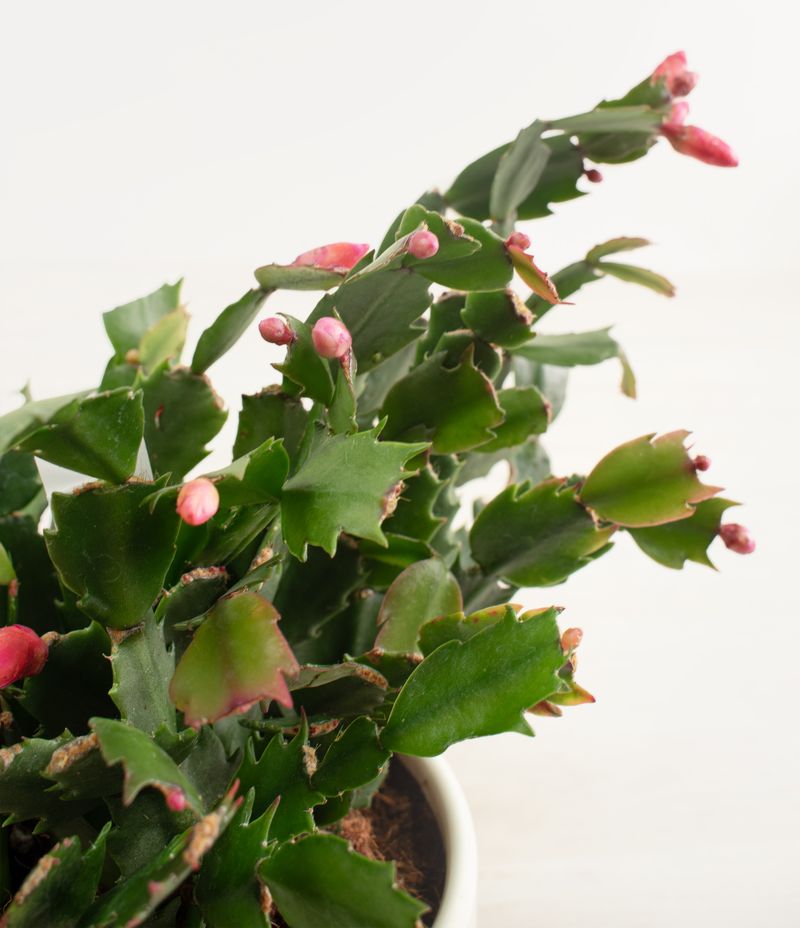
Here is the secret that turns a tired cactus into a holiday showstopper. Your plant needs a cozy nap before it can bloom.
Christmas cacti set flower buds in response to long nights and cool temperatures. Without that rest period, you may get lots of leaves but few flowers.
Starting in early fall, give the plant about 12 to 14 hours of darkness nightly. A spare room or closet works if lamps stay off.
Cool nights help too, ideally around 50 to 60 degrees. An unheated room or chilly windowsill in New York often fits the bill.
Cut back on water during this rest stretch. Let the top couple inches of soil dry out, but do not let segments shrivel badly.
Skip fertilizer for now as well. Feeding during rest can push leafy growth instead of the buds you want.
After about six to eight weeks, tiny buds should appear at segment tips. Move the plant to its display spot and water a bit more regularly.
Avoid shifting the pot around once buds form. Sudden changes in light or temperature can make buds drop before they open.
Fun fact: many cacti sold for Christmas are really Thanksgiving cacti. Check the segment edges, since pointy teeth suggest the Thanksgiving type.
With a little rest and care, your cactus can go from wrinkled to wonderful. Those bright blooms will be worth the wait.