The 10 Native Florida Plants That Bounce Back Fast After Frost Damage
Dawn breaks after a hard frost and the garden looks lost, color drained, leaves collapsed, silence everywhere. Many plants surrender right there, but Florida natives play by tougher rules.
Beneath the damage, roots hold heat, cells stay alive, and a quiet comeback begins. Green tips pierce through brown, stems stiffen, life returns with surprising speed.
No fuss, no pampering, just raw survival written into their DNA by sun, storm, and sudden cold. Landscapes across Florida rely on these relentless growers to restore beauty after winter strikes.
They absorb the shock, reset, then burst forward with fresh color and steady strength. These standout natives lead that rebound, turning frost scars into vibrant growth and proving that true Florida plants do not fade for long.
When cold retreats, resilience takes the stage, and the garden rises again with bold color, renewed energy, and the quiet power of plants built to endure.
1. Saw Palmetto Survives Even The Hardest Freezes
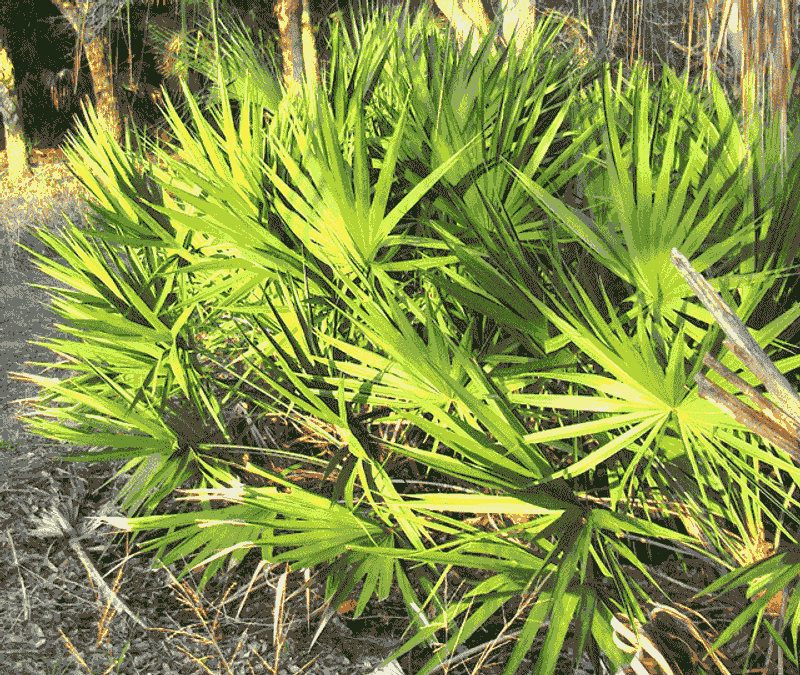
Walk through any natural Florida landscape and you’ll likely spot this tough palm with its distinctive fan-shaped fronds spreading close to the ground.
Saw palmetto grows throughout the entire state, from the Panhandle down to the Keys, which tells you something important about its ability to handle whatever weather comes its way.
When temperatures drop below freezing, the fronds might look a bit tattered or brown at the tips, but the plant’s growing point stays protected near the ground. This low profile acts like natural insulation, keeping the most vital parts safe from the worst cold.
Within a few weeks of warmer weather, fresh green fronds emerge from the center, quickly covering any freeze damage.
Saw palmetto thrives in sandy soils and full sun, though it tolerates partial shade reasonably well. Once established, it needs almost no care and handles drought as well as it handles cold.
The dense growth provides excellent cover for wildlife, and the small white flowers attract native bees in spring.
For Florida gardeners wanting a truly bulletproof plant, saw palmetto delivers reliability without fuss. It works beautifully as a foundation plant, creates effective barriers, or naturalizes large areas.
In most Florida conditions, it rarely needs replacement after freezes.
2. Dwarf Palmetto Handles Cold Better Than Most Palms
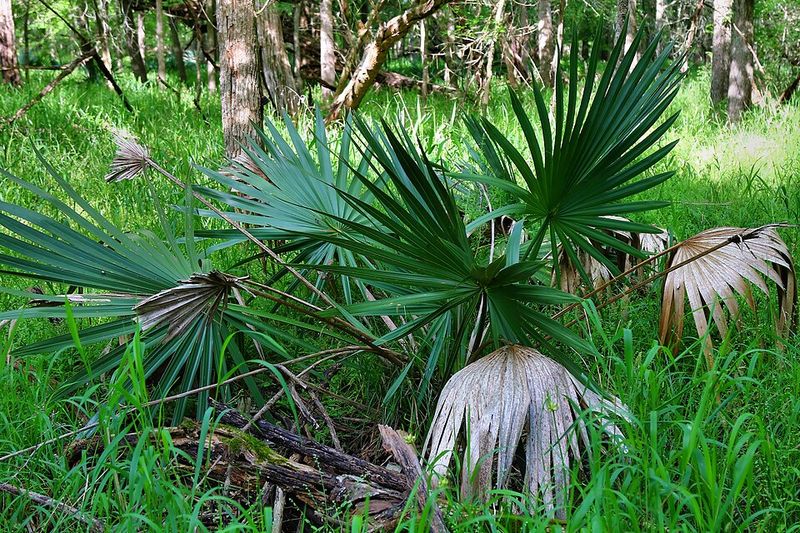
Smaller than its cousin the saw palmetto, dwarf palmetto rarely grows more than a few feet tall, making it perfect for tight spaces or layered plantings. This compact native palm occurs naturally across much of Florida, particularly in areas that experience occasional freezes, which explains its excellent cold tolerance.
The secret to its freeze recovery lies in its underground trunk, which stays insulated by soil even when surface temperatures plummet. While the visible fronds might show some browning after a hard freeze, the protected growing point below ground remains unharmed.
New growth usually appears once temperatures warm, often within a few weeks depending on conditions.
Dwarf palmetto adapts to various soil types and moisture levels, though it prefers well-drained sandy or loamy ground. It grows well in full sun or partial shade, making it versatile for different garden situations.
The blue-green fronds add nice color contrast to darker green plants, and the overall texture brings a tropical feel without the tropical vulnerability.
Florida gardeners appreciate how dwarf palmetto fills spaces without overwhelming them. It works wonderfully along walkways, in mixed native plant beds, or as a textural accent.
After experiencing how quickly it recovers from cold damage, many gardeners plant more of them throughout their landscapes.
3. Cabbage Palm Stays Strong Through Frost And Wind
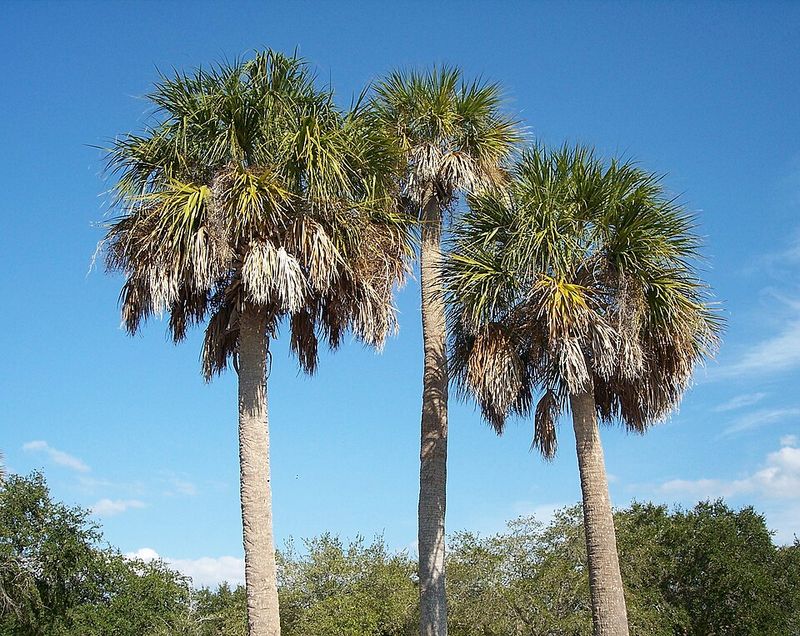
Standing tall across Florida’s landscape, the cabbage palm earned its place as the state tree for good reason. These majestic palms grow naturally from the coastal areas inland, facing everything from hurricanes to occasional freezes without missing a beat.
Their impressive height and graceful crown make them landscape favorites throughout the state.
Unlike many tropical palms that suffer badly in cold weather, cabbage palms show remarkable resilience when temperatures drop. The growing point sits protected high in the crown, shielded by old leaf bases and dense tissue.
Even when outer fronds get frost-damaged and turn brown, the protected bud continues growing. Within a month or so, fresh green fronds emerge and the tree looks healthy again.
Cabbage palms grow in nearly any soil type and tolerate both wet and dry conditions once established. They prefer full sun but adapt to light shade when young.
The trunk develops slowly, but patience pays off with a long-lived tree that needs almost no maintenance. Small white flowers attract pollinators, and the black fruits feed many bird species.
For Florida gardeners wanting a statement tree that won’t let them down after a freeze, cabbage palm delivers both beauty and reliability. It anchors landscapes with vertical interest while proving tough enough to handle whatever weather arrives.
4. Muhly Grass Grows Back Strong Every Spring
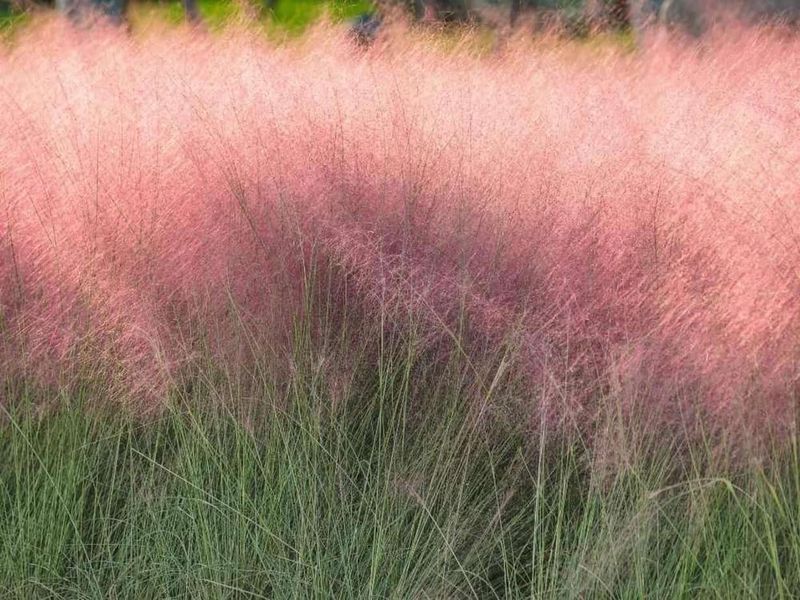
Few sights in the Florida garden match the beauty of muhly grass when its pink plumes catch the autumn light. This clumping native grass brings color and movement to landscapes while proving incredibly tough when cold weather arrives.
Even gardeners in North Florida count on it to return reliably every year.
Muhly grass goes dormant in winter, with the green foliage turning tan or brown as temperatures drop. While this might look concerning to new gardeners, it’s completely normal and actually protects the plant.
The roots stay alive underground, and the withered foliage acts as mulch. When spring warmth returns, fresh green shoots emerge quickly from the base, and the clump fills out within weeks.
This grass thrives in full sun and well-drained soil, though it tolerates a range of conditions once established. It handles both drought and occasional flooding, making it adaptable to different garden situations.
The airy pink flower plumes appear in fall, creating a stunning display that lasts for weeks. Butterflies and beneficial insects visit the flowers regularly.
Florida gardeners use muhly grass as specimen plants, in mass plantings, or mixed with other natives for texture contrast. The fast spring recovery means you get a full season of beauty without worrying about winter damage.
Simply cut back the old foliage in late winter before new growth starts.
5. Firebush Comes Back After Every Freeze
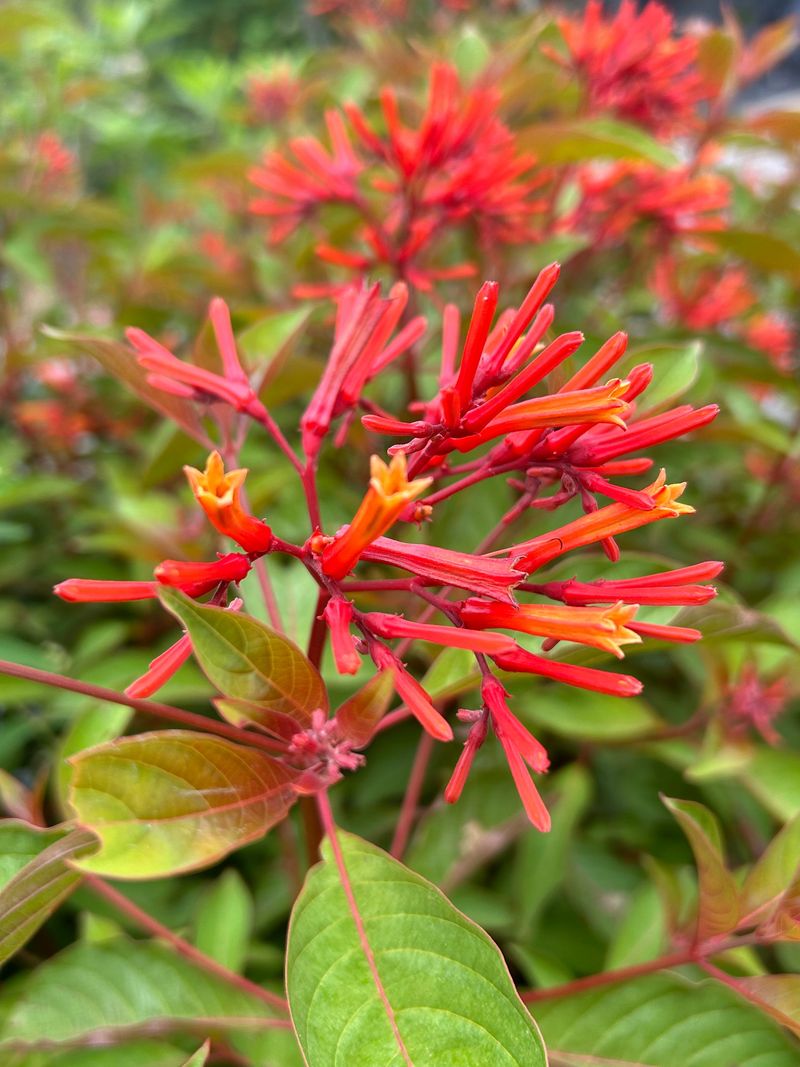
Hummingbirds know a good thing when they see it, and they flock to firebush whenever it’s blooming. This Florida native shrub produces tubular orange-red flowers nearly year-round in warmer parts of the state, providing crucial nectar when little else is blooming.
The common name comes from the bright red fall foliage that appears in cooler weather.
Hard freezes often knock firebush back to the ground in North Florida and sometimes in Central Florida, leaving what looks like a total loss. However, gardeners who resist the urge to remove the plant get rewarded when spring arrives.
Strong new shoots emerge from the roots, and the shrub quickly rebuilds itself, often reaching three to five feet tall within a few months. By summer, it’s blooming again as if nothing happened.
Firebush prefers full sun and well-drained soil but adapts to various conditions. It tolerates drought once established and actually blooms more heavily with occasional pruning.
The flowers attract hummingbirds, butterflies, and bees, while the small fruits feed many bird species. In South Florida where freezes rarely occur, it grows as a large evergreen shrub.
For Florida gardeners wanting reliable color and wildlife activity, firebush delivers consistently. Even in areas where it freezes back annually, the fast regrowth and quick return to flowering make it worth planting.
Just leave the freeze-damaged stems until spring growth appears, then trim away the old wood.
6. American Beautyberry Returns Strong After Frost
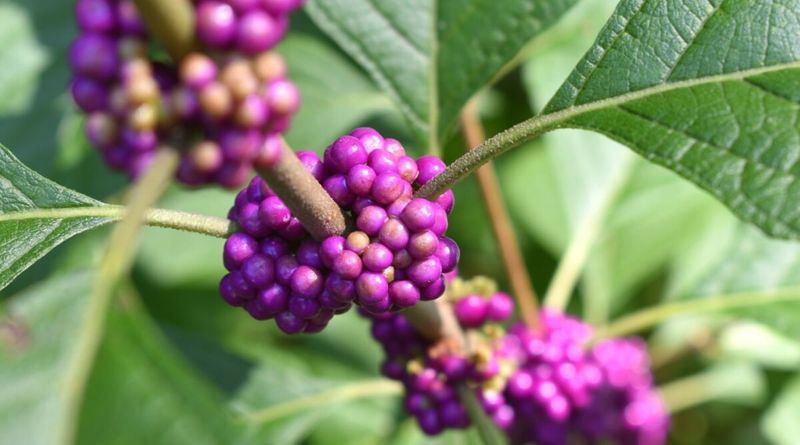
Clusters of bright purple berries packed tightly along the stems make American beautyberry impossible to miss in fall and winter. This deciduous native shrub grows wild throughout Florida’s woodlands, where it faces regular temperature fluctuations and occasional hard freezes.
The berries provide important food for birds during winter months when other food sources become scarce.
Cold weather causes beautyberry to drop its leaves and can cause some stem dieback, occasionally all the way to the ground. This natural dieback actually benefits the plant by encouraging vigorous new growth from the base.
Come spring, fresh shoots emerge quickly and grow several feet in just a few months. The plant typically reaches four to six feet tall by summer and produces flowers on the new growth.
Beautyberry grows best in partial shade with moist, well-drained soil rich in organic matter, though it tolerates full sun if given adequate water. The small pink flowers appear in spring and summer, attracting native bees and other pollinators.
By fall, the famous purple berries develop, creating a spectacular display that lasts into winter. Deer usually leave it alone, which adds to its appeal.
Florida gardeners appreciate beautyberry for its unique color, wildlife value, and reliable return after cold weather. It works well in woodland gardens, mixed borders, or naturalized areas.
The fast spring regrowth means you get a full-sized shrub every year regardless of winter damage.
7. Coontie Grows Back From The Roots
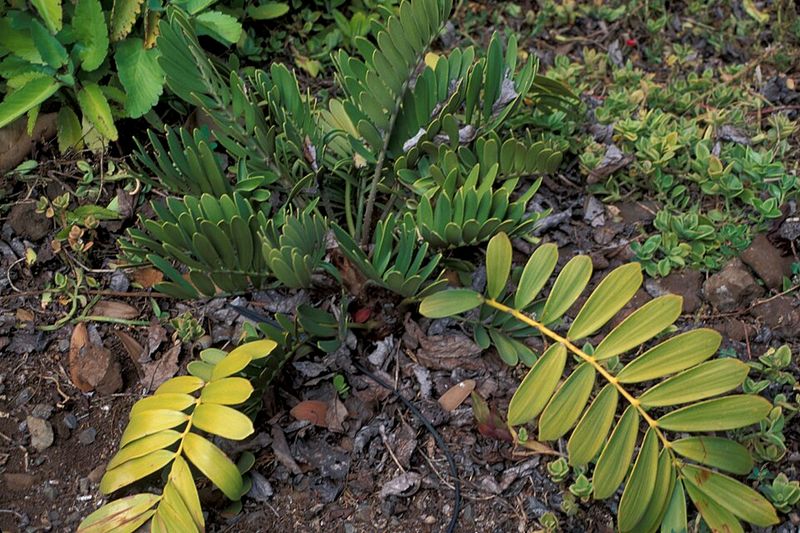
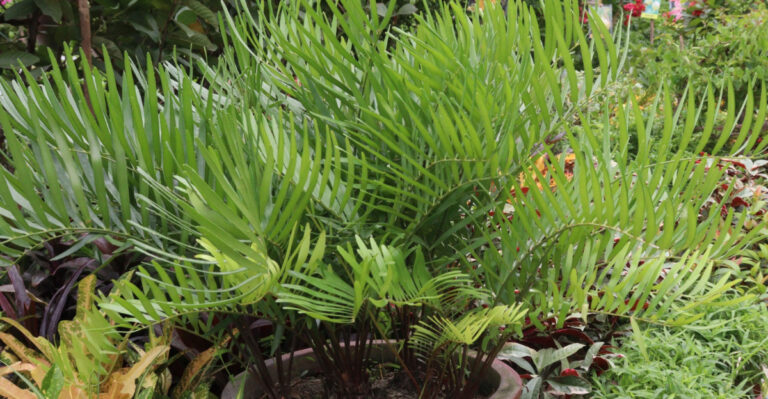
Looking somewhat like a small palm or fern, coontie is actually Florida’s only native cycad, an ancient plant group that existed alongside dinosaurs. This low-growing plant spreads slowly into attractive clumps of dark green, feather-like fronds that add fine texture to any garden.
It grows wild in various Florida habitats, from coastal areas to inland woodlands.
Severe freezes can damage coontie’s above-ground fronds, turning them brown and crispy. New gardeners often think the plant is lost, but coontie’s secret weapon lies underground.
The thick underground stem remains protected in the soil and stores plenty of energy. When warm weather returns, fresh fronds emerge from the crown, and the plant looks healthy again within a couple of months.
Coontie adapts to sun or shade and various soil types, though it prefers well-drained conditions. Once established, it needs little water and almost no fertilizer.
The unusual cone-like reproductive structures appear on mature plants, with male and female cones growing on separate plants. Coontie serves as the only host plant for the rare Atala butterfly, making it ecologically important.
Florida gardeners value coontie for its prehistoric appearance, toughness, and low maintenance requirements. It works beautifully as a ground cover, in shady areas under trees, or in containers.
The reliable recovery from freeze damage means you can count on it year after year without worry.
8. Live Oak Stands Strong Through Winter Cold
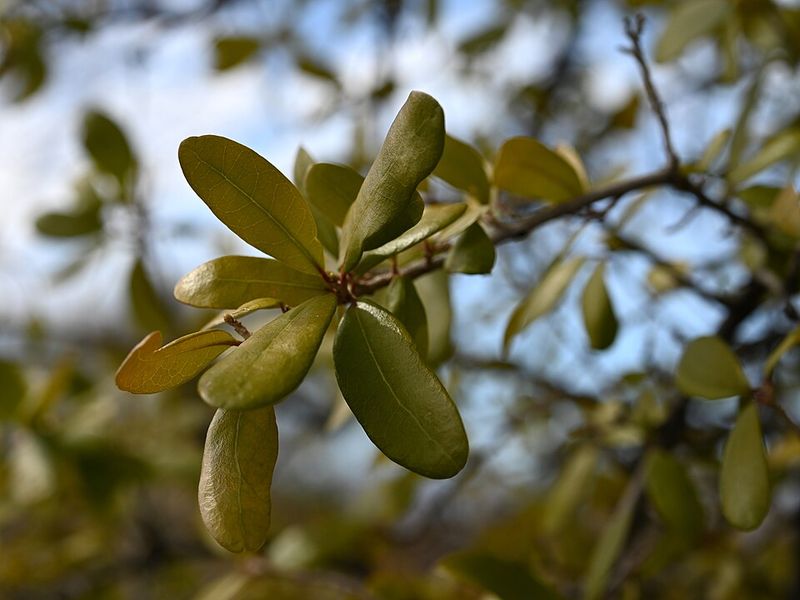
Massive spreading branches draped with Spanish moss create the iconic image of old Florida, and live oak stands at the center of that picture. These magnificent trees grow throughout the state, living for centuries and providing shade, wildlife habitat, and landscape structure.
Their strength and longevity make them beloved by generations of Florida families.
Live oaks keep most of their leaves through winter, though they do drop some and grow new ones in spring. When hard freezes occur, the leaves might show some browning or curling, but the tree itself remains unaffected.
The thick bark and massive wood protect the living tissue inside, and the extensive root system stores tremendous energy. Any damaged leaves eventually drop and are replaced during the normal spring growth cycle.
These trees prefer full sun and well-drained soil but adapt to various conditions across Florida. They grow slowly when young but eventually reach impressive size with trunks several feet in diameter and canopies spreading a hundred feet or more.
The tiny flowers attract pollinators in spring, and the acorns feed squirrels, deer, and many bird species. The dense wood resists storm damage better than most trees.
For Florida gardeners planning for the long term, live oak represents the ultimate investment. It provides generations of beauty, shade, and wildlife value while never worrying about cold weather.
Even young trees show impressive resilience to temperature fluctuations.
9. Fakahatchee Grass Grows Back From Tough Roots
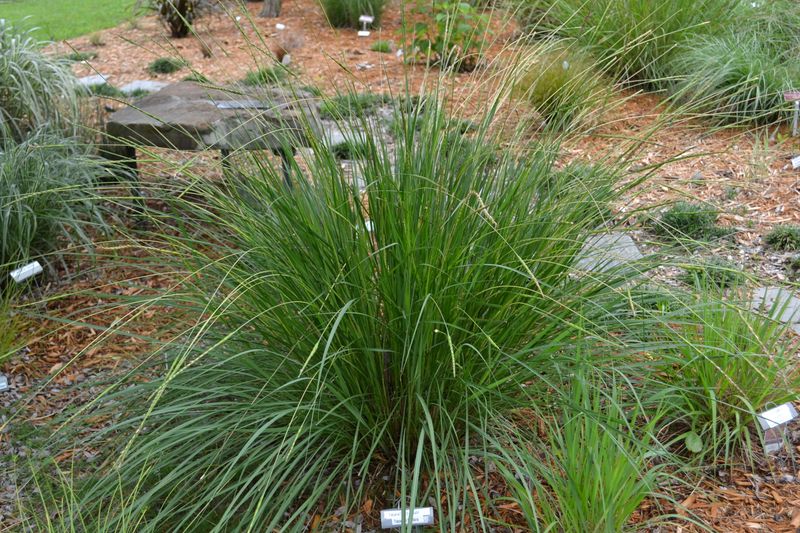
Graceful and fine-textured, fakahatchee grass brings softness to the Florida landscape while proving surprisingly tough when temperatures drop. This clumping native grass grows naturally in South Florida and performs best in warmer regions, though it can tolerate light freezes in parts of Central Florida.
The delicate appearance hides a resilient nature that handles various challenges including occasional freezes.
Cold weather turns the foliage brown and dormant, which can concern gardeners seeing it for the first time. However, the extensive root system remains very much alive underground, protected by the soil.
When spring warmth arrives, new green shoots emerge quickly from the base, and the clump fills out rapidly. Within a month or two, the grass looks lush and full again, ready for another growing season.
Fakahatchee grass thrives in full sun to partial shade and adapts to various soil types, though it prefers consistent moisture. The fine texture works beautifully as contrast to broader-leaved plants, and the arching habit creates graceful movement in the landscape.
It rarely needs division and stays neat without much maintenance. The grass provides cover for small wildlife and seeds feed birds.
Florida gardeners use fakahatchee grass in mixed borders, as edging along paths, or in mass plantings for textural effect. The reliable spring recovery and attractive appearance throughout the growing season make it a valuable addition to landscapes across the state.
10. Coralbean Comes Back Bright Every Spring
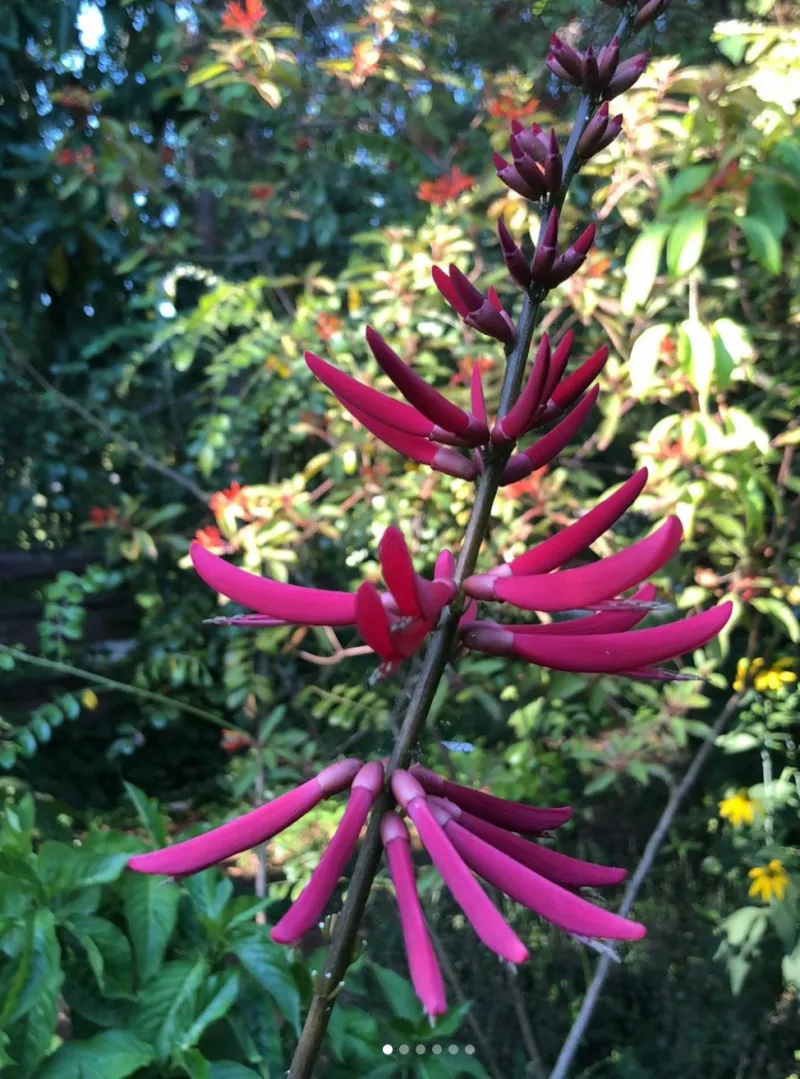
Tall spikes of brilliant red tubular flowers rising above the foliage announce coralbean’s presence in the spring garden. This deciduous native shrub naturally occurs in coastal areas and along woodland edges throughout Florida, where it faces salt spray, wind, and occasional cold snaps.
Hummingbirds seek out the bright flowers, and gardeners who plant coralbean get rewarded with regular visits from these tiny birds.
Freezing temperatures often freeze coralbean back to the ground in North and Central Florida, leaving bare stems that look lifeless. The roots survive underground though, storing energy through winter.
When soil temperatures warm in spring, vigorous new growth shoots up quickly, often reaching six feet or more by early summer. The flower spikes appear on the new growth, creating a spectacular display that lasts for weeks.
Coralbean grows best in full sun with well-drained soil, and it tolerates drought, salt, and poor soil once established. The compound leaves create interesting texture, and the bright red seeds that follow the flowers add fall interest.
The seeds are toxic if eaten, so plant away from areas where small children play. Butterflies visit the flowers along with hummingbirds.
For Florida gardeners wanting dramatic spring color and hummingbird activity, coralbean delivers reliably. Even in areas where it freezes completely each winter, the fast regrowth and dependable flowering make it worth the space.
Simply cut away old stems in late winter before new growth begins.