The Native Georgia Shrub To Plant This Fall Instead Of Invasive Japanese Barberry
Japanese barberry may look attractive in a landscape, but its ability to spread beyond garden beds makes it a choice worth reconsidering.
The good news is that you do not have to sacrifice seasonal interest when replacing it. Native shrubs can offer appealing foliage and berries without introducing another invasive plant.
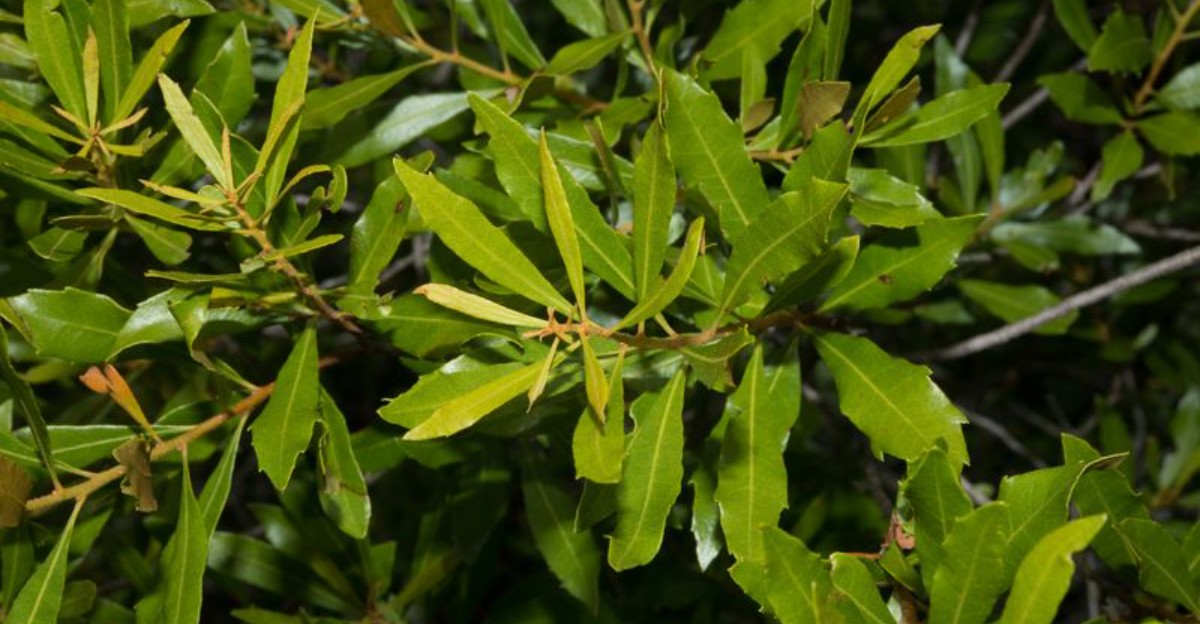
One option worth considering is Southern wax myrtle, a native evergreen shrub with fragrant foliage and small, waxy berries.
It grows in many Georgia landscapes, offers year-round greenery, and provides shelter and food for birds.
Before planting, consider the space available and how much sunlight the location receives.
Choosing a shrub suited to your yard can make maintenance easier over time. Fall planting also gives roots an opportunity to establish before summer heat returns.
1. Japanese Barberry Can Spread Beyond The Garden
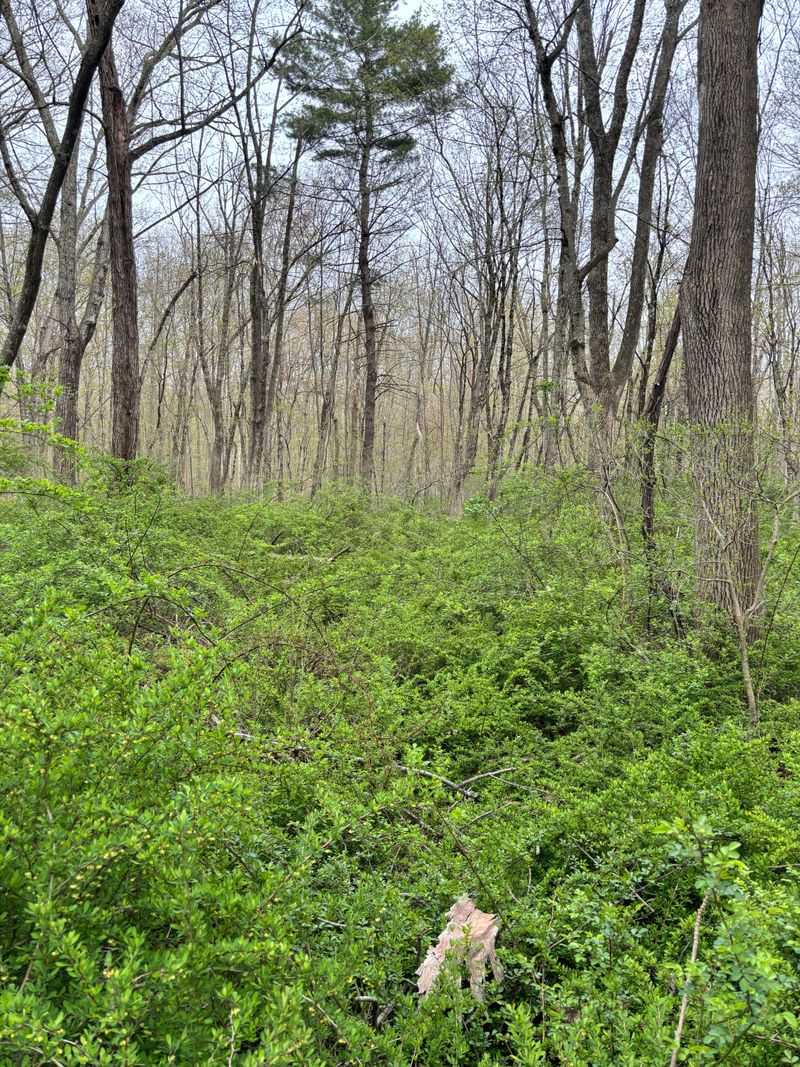
Pretty in a pot, pushy in the woods. Japanese barberry looks tidy in a front bed, yet its red berries tell a different story once birds find them.
Birds eat the fruit and drop seeds in forests, fields, and along stream banks.
Once seedlings take hold in shady spots, they can form thick, thorny patches. Those patches may crowd out native wildflowers and young trees that wildlife depends on.
Georgia lists Japanese barberry among its invasive plants, and land managers in the northern part of the state watch for it closely.
Some research has also linked dense barberry thickets in the Northeast to higher tick numbers. That connection depends on local conditions, so it may not hold everywhere in the South.
Removing an older shrub is usually doable for a homeowner with gloves and a sturdy shovel.
Small plants can often be pulled after a soaking rain loosens the soil. Bigger ones may need digging, and you should check back the next year for sprouts from leftover roots.
Bagging any berries before you dig keeps seeds from scattering around the yard.
Swapping in a native shrub after removal fills the empty space quickly. Bare ground tends to invite weeds, so having a replacement ready makes the job easier to finish.
2. This Native Evergreen Makes A Better Landscape Choice
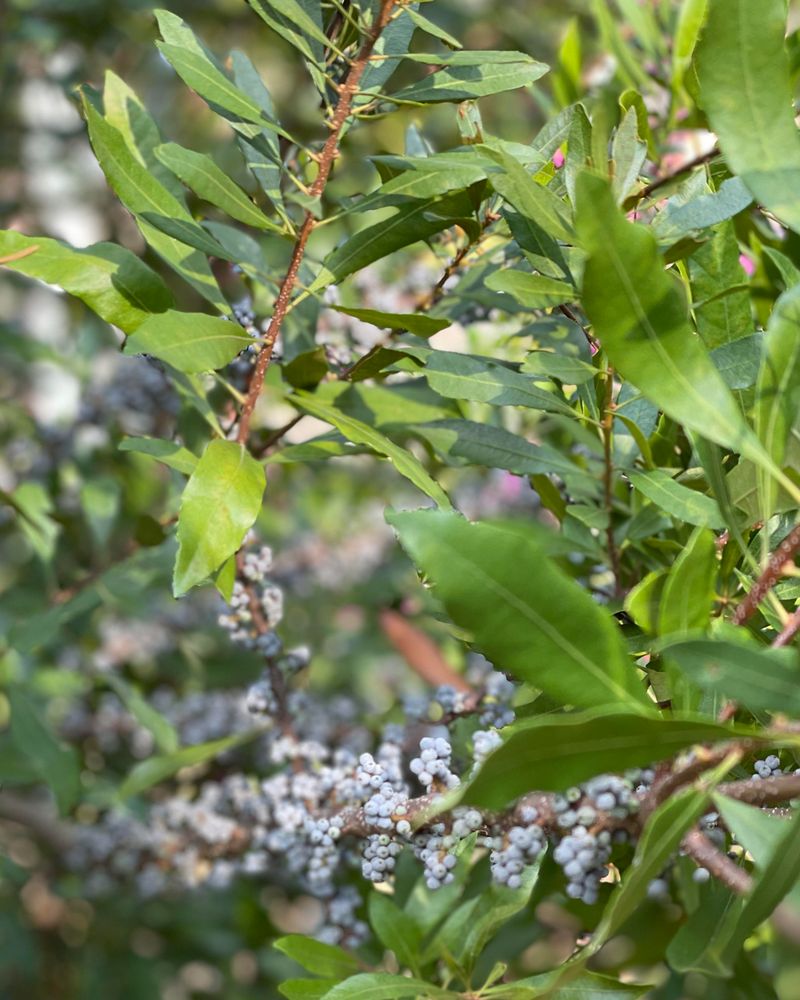
Meet Southern wax myrtle, a shrub that has grown wild across the Southeast long before anyone planted it on purpose.
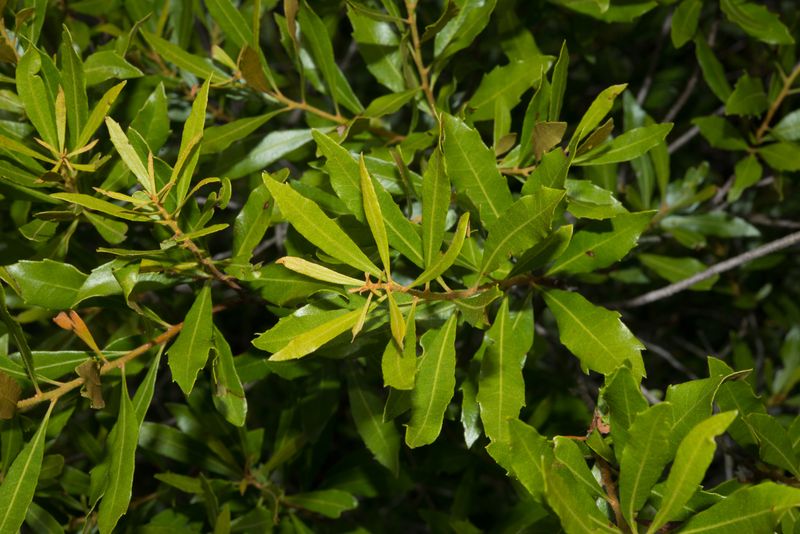
Known to botanists as Morella cerifera, it is native to much of Georgia, especially the Coastal Plain and Piedmont. Its narrow, olive green leaves give off a spicy scent when you crush them.
Unlike barberry, wax myrtle has no thorns, so pruning and weeding nearby is far more pleasant.
It also fits into the local food web. Birds eat the fruit, and the dense branches offer cover from weather and predators.
Roots of wax myrtle work with bacteria that can fix nitrogen. That trait helps the plant cope with poor, sandy soils where fussier shrubs struggle.
Growth can be fast, sometimes a few feet per year under good conditions.
Size is worth planning around before you plant. Left alone, it can grow into a large shrub or small multi-stemmed tree, so give it room or plan on regular trimming.
Your Georgia Garden Changes Every Week. Your Plan Should Too.
Gardening in Georgia changes quickly throughout the season. Every Friday you’ll receive a simple weekly plan showing exactly what to plant, prune, fertilize, harvest, and protect so you never miss the right timing.
Compact selections such as Don’s Dwarf are sold at some nurseries for smaller spaces.
Check local garden centers or native plant sales in your area. Availability varies by season, and asking staff for locally grown stock is a good habit.
3. Dense Evergreen Foliage Works Well For Screens And Hedges
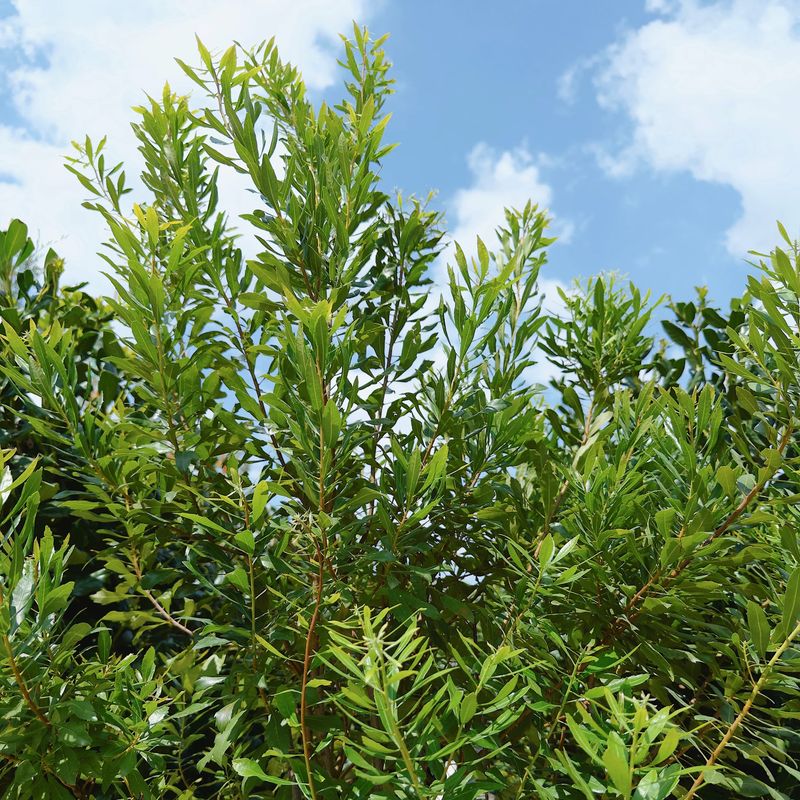
Nosy neighbors and busy roads have met their match. Wax myrtle keeps its leaves through winter in most of its range, which makes it a steady privacy plant.
Planted in a row, young shrubs can knit together into a soft green wall within a few seasons.
Spacing matters more than people expect. Many gardeners set plants several feet apart, then adjust based on how full and how quickly they want the screen to close.
You can shear it into a formal hedge, though it often looks best with a looser, natural shape.
Light trimming in late winter or spring helps keep growth thick. Heavy cuts are possible because wax myrtle often resprouts well, but results vary with plant health.
In colder parts of north Georgia, a hard freeze can brown some leaves.
Plants usually push out fresh growth in spring after a rough winter. Siting your hedge out of harsh, open wind may reduce winter damage in the mountains.
Older shrubs sometimes get leggy at the base, showing bare stems.
Pairing wax myrtle with lower natives like inkberry holly can fill that gap. Mixed hedges also look more natural and give birds more variety.
4. Female Plants Produce Blue Gray Berries That Attract Birds
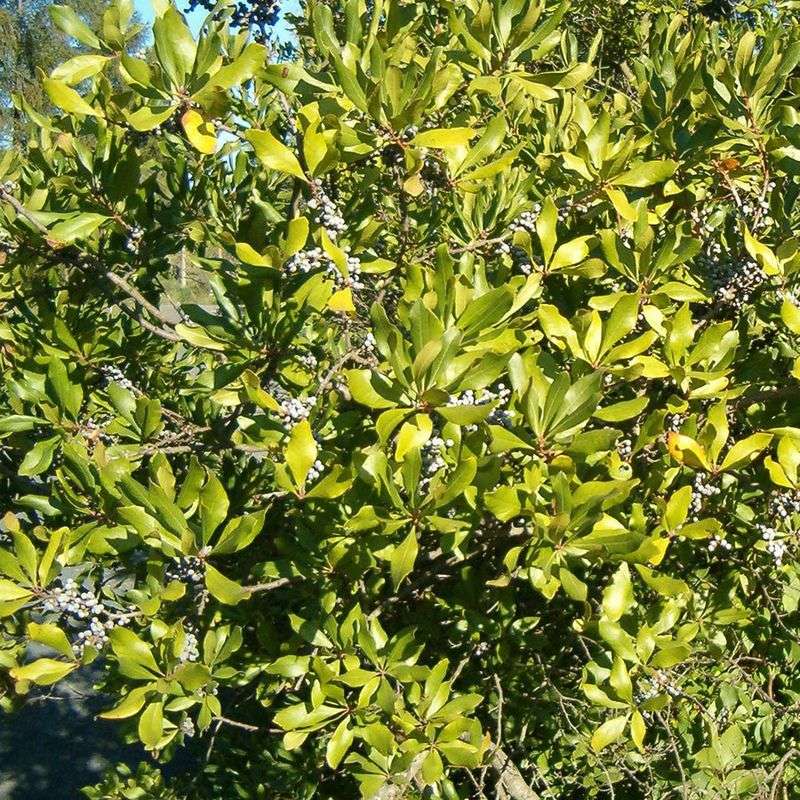
Here is a detail that surprises a lot of new owners. Wax myrtle plants are usually either male or female, and only females carry fruit.
Those berries are tiny, round, and coated in a pale, blue gray wax.
Fruit ripens in late summer and fall, and it can hang on the branches into winter. That timing makes it a useful food source when other options get scarce.
Yellow-rumped warblers are well known for eating wax myrtle berries, and tree swallows use them too.
Other birds such as bluebirds and catbirds may stop by, though visits depend on your area and habitat. A Georgia yard near woods or water often sees more variety than a bare lot.
Want berries? Buy plants from a nursery that knows the sex of its stock.
A male plant nearby is usually needed for pollination. In many neighborhoods, wild wax myrtles already grow close enough to handle that job.
Early colonists boiled the waxy fruit to make bayberry-scented candles, which explains another common name.
Leaving berries on the plant instead of trimming them off in fall gives birds the most benefit. Save shaping for later in winter, after much of the fruit is gone.
5. Full Sun To Light Shade Gives It Room To Thrive
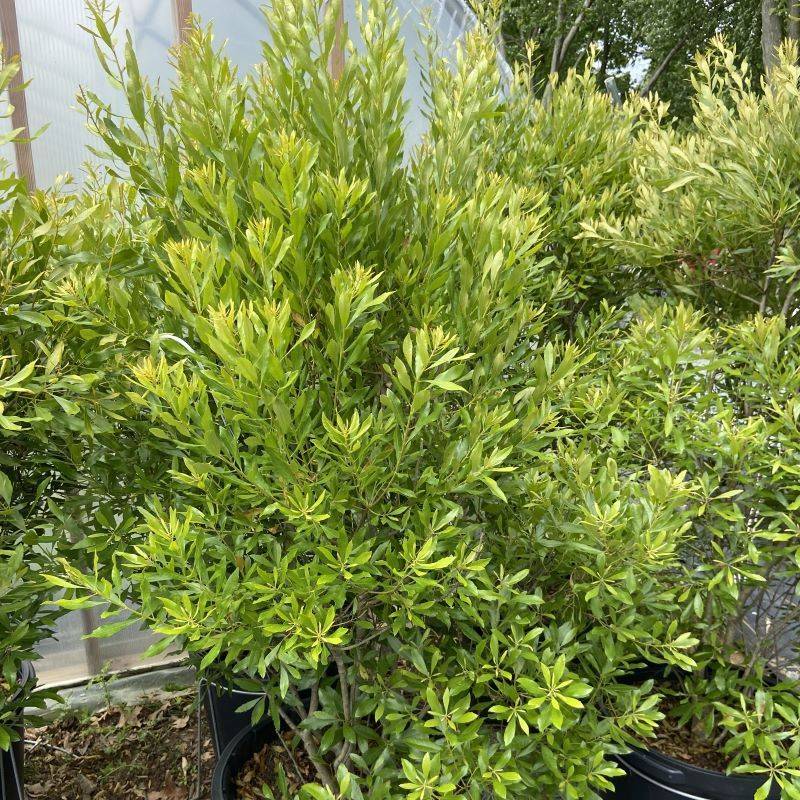
Sunshine is where wax myrtle really shows off. Full sun usually produces the thickest growth and the best berry crop on female plants.
Light shade works too, especially under tall pines with filtered light.
Deep shade is another matter. Plants tucked under thick oaks often grow thin and open, reaching toward whatever light they can find.
Across much of Georgia, afternoon heat can be intense in July and August.
Young wax myrtles may appreciate a little afternoon relief during their first summer. Mature plants generally handle full sun without trouble once roots spread out.
Before planting, spend a day watching how light moves across your yard.
Note which spots get at least several hours of direct sun. Those areas are often the best bet for a dense screen or a heavy-fruiting shrub.
Keep the shrub a few feet from your house foundation and walkways.
Air movement helps foliage dry after rain, which can lower the chance of leaf problems. Crowded corners with poor airflow tend to stay damp and may lead to weaker growth.
If your yard is mostly shady, consider native options better suited to low light. Matching the plant to the site saves a lot of frustration later.
6. Established Plants Can Handle Both Moist And Drier Sites
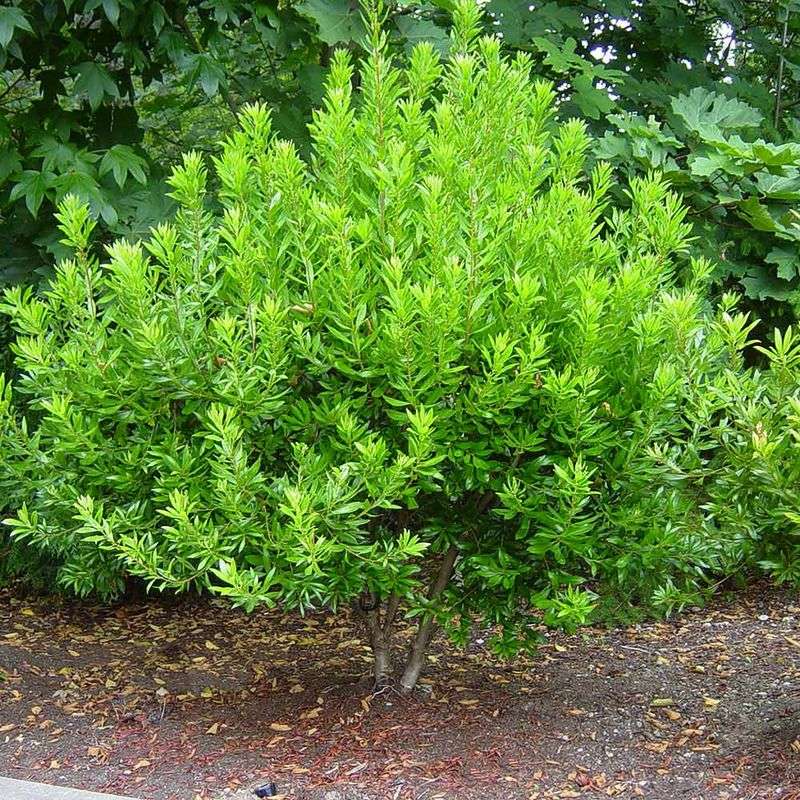
Soggy corner or sandy slope? Wax myrtle can often handle both, which is rare for a single shrub.
In the wild, it shows up in coastal swamp edges, wet flatwoods, and dry sandy ridges.
That flexibility helps in Georgia yards, where red clay, coastal sand, and low wet spots can all appear on one property. Still, extreme conditions like standing water for long stretches may stress any plant.
The key word in this heading is established.
New shrubs need steady moisture while roots grow into the surrounding soil. Water deeply when rain is scarce, and check the soil with your finger before adding more.
Roots typically take a season or more to settle in, depending on plant size and weather.
After that, many plants get by on normal rainfall. During long summer droughts, an occasional deep soak can still help keep leaves looking fresh.
A layer of shredded bark or pine straw keeps soil cooler and holds moisture.
Keep mulch a few inches away from the trunk so stems stay dry. Heavy fertilizer is rarely needed, since wax myrtle tolerates lean soil.
Some gardeners use it in rain gardens or near downspouts. It can work there if the spot drains within a day or two.
7. Fall Gives New Shrubs Time To Establish Before Summer Heat
Cool air up top, warm soil below. That combination is why fall planting often works so well for shrubs in the South.
Roots can keep growing in mild soil even after top growth slows down.
In Georgia, winters are often mild enough for roots to stay active on many days. By the time summer heat returns, a fall-planted shrub may have a stronger root system than one planted in May.
Timing varies across the state, so watch your local forecast rather than a calendar date.
Gardeners in the mountains may want to plant earlier in fall than folks along the coast. Earlier planting gives roots more time before the ground gets cold.
Dig a hole about twice as wide as the root ball and no deeper.
Loosen circling roots gently, set the plant level with the ground, and backfill with native soil. Water slowly until the soil feels moist deep down.
Fall rain can be spotty, so keep checking soil moisture through winter.
Dry spells happen, and new shrubs can struggle without help. Skip fertilizer at planting time and let roots settle first.
Come spring, look for fresh leaves at branch tips as a good sign of progress.