Why Piling Mulch Against Your Georgia Shrubs Does More Damage Than Skipping It
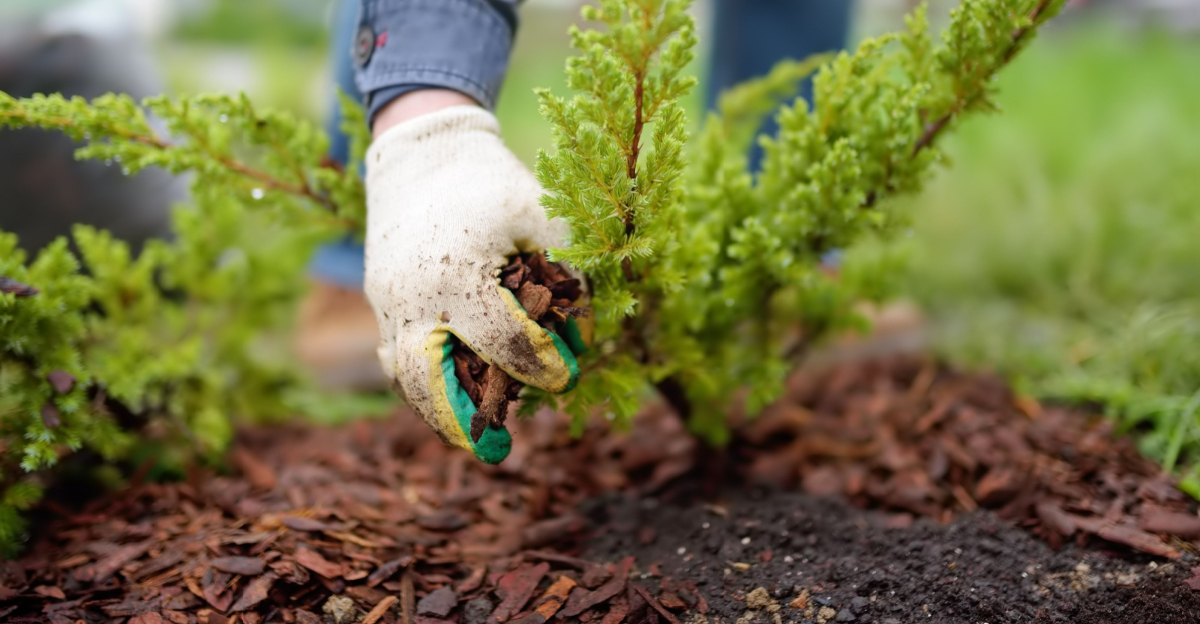
Mulch does a lot of good things in a Georgia landscape bed. It holds moisture through hot summers, keeps soil temperature steady, and gives weeds very little opportunity to take hold around foundation plantings.
But there’s a common application mistake that shows up in yards everywhere, and it involves piling mulch high against shrub stems in the name of making beds look neat.
In Georgia’s humid climate, where heavy summer rains are regular and clay soils hold water longer than expected, that habit can backfire in a hurry.
Moisture trapped against woody bark, buried plant crowns, and increased pest and disease pressure are all potential consequences of mulch that’s too deep and too close to the plant.
The way mulch goes down matters just as much as putting it down at all.
1. Mulch Traps Moisture Against Shrub Stems
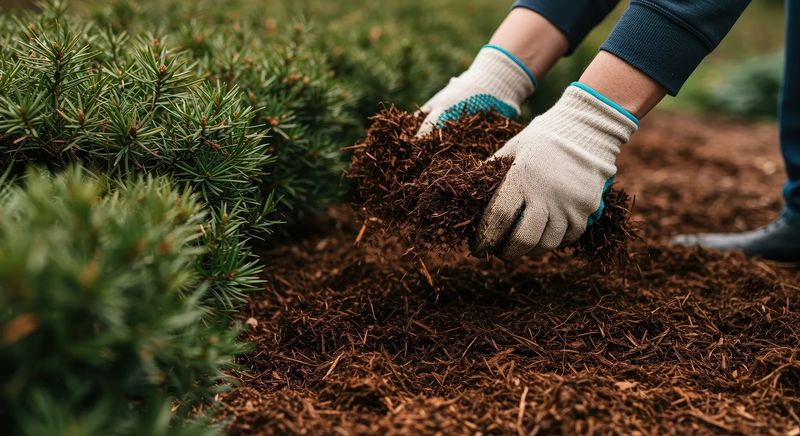
Fresh pine straw looks tidy when it is raked right up to the base of a shrub, but what happens underneath that neat-looking pile is a different story.
In Georgia, where summer humidity already keeps the air thick and the soil stays damp between rain events, adding a thick layer of mulch pressed against woody stems creates a pocket of trapped moisture that has nowhere to go.
Bark on shrubs is not waterproof. When it stays wet for long stretches, the outer layer begins to soften.
That softening weakens the natural barrier the bark provides, making the stem more vulnerable to problems that would not normally take hold on a healthy, dry-barked shrub.
Georgia’s clay-heavy soils in many neighborhoods drain slowly to begin with, so water from summer storms tends to linger near the surface.
Mulch piled against stems adds another layer of moisture retention right where the plant needs airflow the most.
Pulling mulch back just a few inches from the base of each shrub allows that zone to dry out between waterings and after rain, which is a small change that makes a real difference in how the plant holds up through a long Georgia summer.
2. Wet Bark Can Invite Bigger Problems
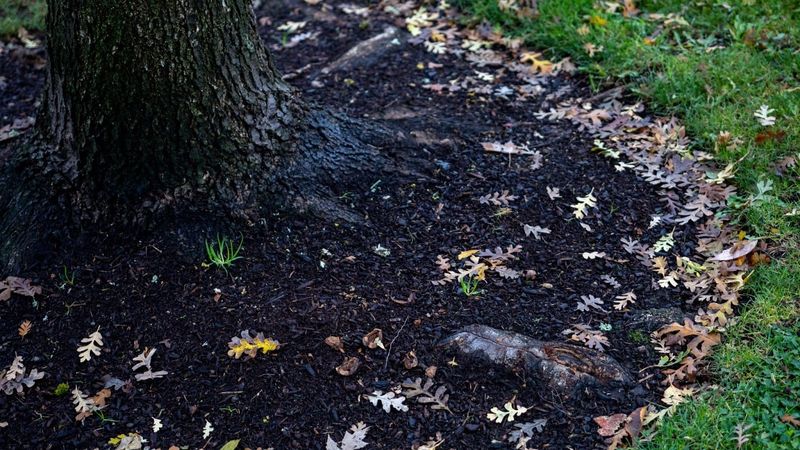
Bark that stays consistently wet does not just look dark and weathered. Over time, that constant moisture creates conditions where certain fungi and pathogens find it much easier to get established.
In Georgia’s warm, humid climate, those conditions can develop faster than homeowners might expect, especially during the stretch from late spring through early fall when temperatures stay high and afternoon storms roll through regularly.
One of the early signs that wet bark is becoming a problem is a soft or slightly spongy feeling at the base of a shrub stem.
Some homeowners also notice discoloration, a faint musty smell near the plant base, or small patches of growth on the bark that were not there before.
These are signs that the stem has been holding too much moisture for too long.
Foundation beds along Georgia homes are especially prone to this issue. Roof drip lines push extra water into the soil right where shrubs are often planted, and mulch piled against the stem in those spots holds even more moisture against the bark.
Your Georgia Garden Changes Every Week. Your Plan Should Too.
Gardening in Georgia changes quickly throughout the season. Every Friday you’ll receive a simple weekly plan showing exactly what to plant, prune, fertilize, harvest, and protect so you never miss the right timing.
Keeping mulch pulled back two to three inches from the stem and maintaining a layer no deeper than two to three inches overall helps bark stay drier and gives the shrub a better chance of staying healthy through Georgia’s long, wet summers.
3. Buried Crowns Make Shrubs Struggle
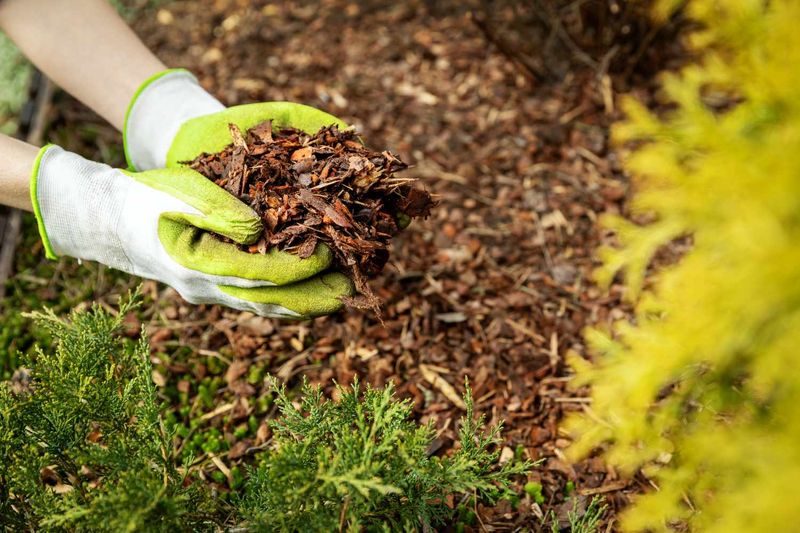
The crown of a shrub is the spot where the stem meets the root system, and it is one of the most sensitive parts of the whole plant.
Burying that zone under mulch might seem harmless, especially when the goal is to make a bed look full and finished, but covering the crown changes how the plant breathes, drains, and responds to the surrounding soil environment.
In Georgia yards with heavy clay soil, water pools around plant bases more easily than it does in sandier soils. When mulch buries the crown in those spots, moisture builds up around the most vulnerable part of the shrub.
The plant may begin to show stress in ways that are easy to misread, including yellowing leaves, slow new growth, or stems that look healthy from the top but are struggling at the base.
Many homeowners respond to those symptoms by adding more water or fertilizer, which can make the situation worse rather than better. The real fix is pulling the mulch back so the crown sits above the mulch line and has access to air.
A good rule of thumb for Georgia shrub beds is to keep the mulch layer even and low, with a clear gap around each stem so the crown stays visible, dry between rain events, and able to function the way it was meant to.
4. Deep Mulch Can Smother Young Plants

Young shrubs that were recently planted in a Georgia landscape bed have not yet built the deep root system that established plants rely on.
Their roots are still spreading outward and downward, exploring the surrounding soil and working to anchor the plant through its first few seasons.
Piling mulch too deep around those young plants puts extra pressure on a system that is still finding its footing.
A thick mulch layer over the root zone of a new shrub can actually limit how well the roots breathe.
Roots need oxygen just as much as they need water, and when mulch builds up to four or five inches, it can reduce the gas exchange between the soil and the surface air.
In Georgia’s clay soils, where drainage is already slower, that combination of reduced airflow and slower drainage around young plants can lead to root stress that shows up as wilting, pale leaves, or stunted new growth.
New plantings in Georgia also tend to get extra attention from homeowners who want them to look established quickly, which sometimes leads to over-mulching as a way to encourage faster growth.
Spreading mulch two to three inches deep and keeping it pulled back from the stem gives young shrubs the moisture protection they need without cutting off the airflow their developing roots depend on.
Starting with good habits on new plantings saves a lot of corrective work later.
5. Soggy Mulch Encourages Pest Pressure
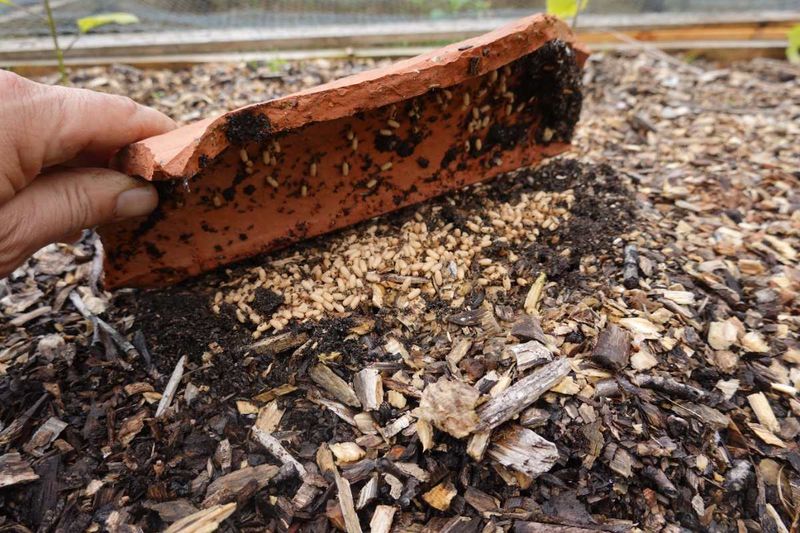
Humid mornings in Georgia are common from April through September, and landscape beds with thick, high mulch hold onto that moisture longer than most homeowners realize.
When overnight dew or recent rain adds to the mix, the result is a soggy, dark environment right at the base of shrubs where problems can develop quickly.
That kind of environment is exactly what certain insects and other pests look for when searching for a place to settle in.
Certain boring insects, as well as some soft-bodied pests, are drawn to wood that has been softened by prolonged moisture exposure.
When mulch holds steady dampness against shrub bark through warm Georgia summers, the bark becomes easier to penetrate and the conditions around it become more hospitable to pest activity.
Homeowners may notice small holes, sawdust-like material at the base of stems, or sudden decline on one side of an otherwise healthy-looking shrub.
Keeping mulch pulled back from stems and maintained at an appropriate depth reduces the amount of sustained moisture that sits against woody material.
It also allows the base of each shrub to dry out faster after rain, which makes the environment less appealing to pests that need consistent dampness to thrive.
In Georgia’s warm climate, where pest seasons run long and overlap, reducing favorable conditions around shrub bases through proper mulch placement is one of the more straightforward ways to support plant health in home landscape beds.
6. Thick Mulch Limits Air Around Roots
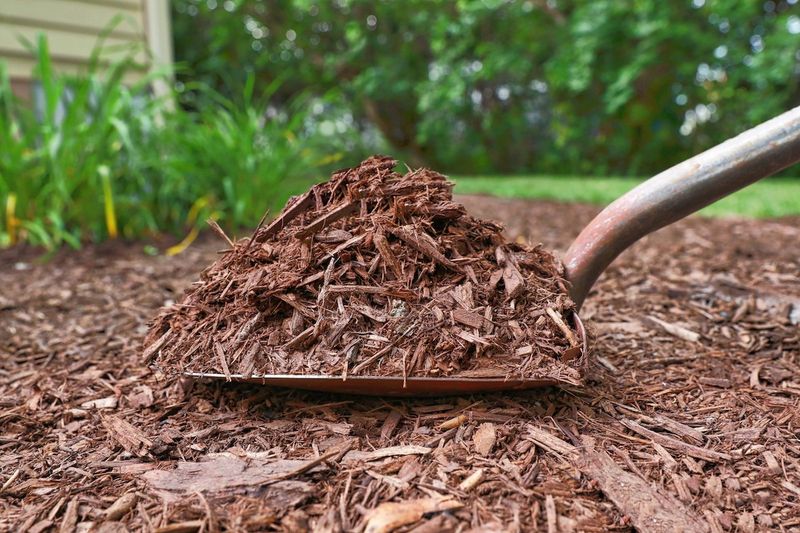
Roots do not just absorb water and nutrients. They also exchange gases with the surrounding soil, taking in oxygen and releasing carbon dioxide as part of normal root activity.
When mulch builds up too thick over the root zone, it can reduce the space available for that gas exchange, especially in Georgia’s clay-heavy soils where air pockets in the soil are already limited compared to looser, sandier ground.
Clay soil compacts more easily than other soil types, and heavy mulch layers can press down on the surface and reduce the natural porosity that allows air to move through.
Over time, a shrub growing in those conditions may begin to show signs of root stress even when the soil appears moist and the plant is receiving regular care.
Leaves may yellow, growth may slow, and the overall vigor of the plant can decline in ways that are hard to trace back to mulch depth without taking a closer look at the bed.
Georgia homeowners who maintain foundation beds or shrub borders can support better root health by keeping mulch layers at two to three inches deep.
Avoiding the habit of topping off beds every season without removing or mixing in the older material underneath makes a real difference over time.
Letting some of the lower layers break down naturally before adding fresh mulch on top helps maintain better soil structure and keeps the root zone from becoming sealed off from the air it needs to function well.
7. Mulch Mounds Waste The Real Benefits
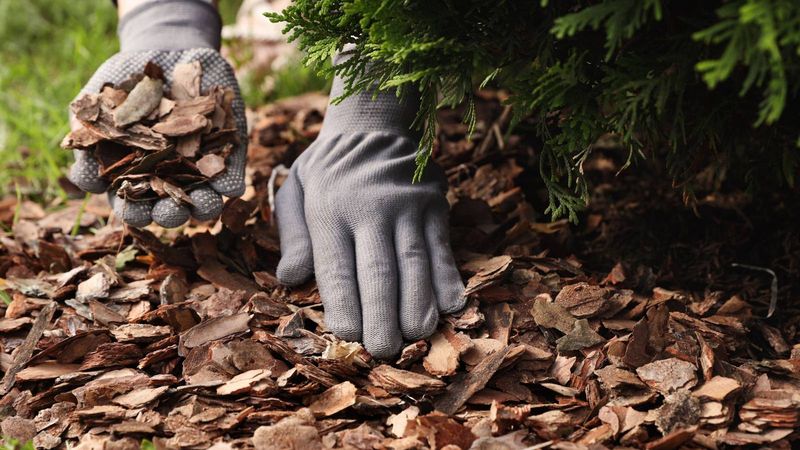
Tidy-looking mulch piles built up around shrubs like small volcanoes are one of the most common sights in Georgia neighborhood landscapes, but that style of application actually works against most of the reasons people use mulch in the first place.
Mulch is most effective when it is spread in an even layer across the root zone, where it can moderate soil temperature, slow moisture evaporation, and suppress weed growth over a wider area.
When mulch is concentrated in a mound against the stem rather than spread evenly outward, the root zone farther from the plant base gets little benefit.
The soil over the wider root area stays exposed to Georgia’s summer heat, dries out faster, and loses the temperature stability that a proper mulch layer provides.
Meanwhile, the excess material piled at the base creates the moisture and airflow problems covered throughout this article.
Spreading mulch in a wide, flat ring that extends out to the drip line of the shrub, or at least a foot or two beyond the stem in every direction, puts the material where it can do the most good.
Keeping the center of that ring clear and the layer even at two to three inches gives the root zone the coverage it needs without concentrating moisture and heat against the stem.
That approach works with Georgia’s climate rather than against it, and it makes every bag or bale of mulch go further across the bed.
8. A Pulled-Back Ring Works Better
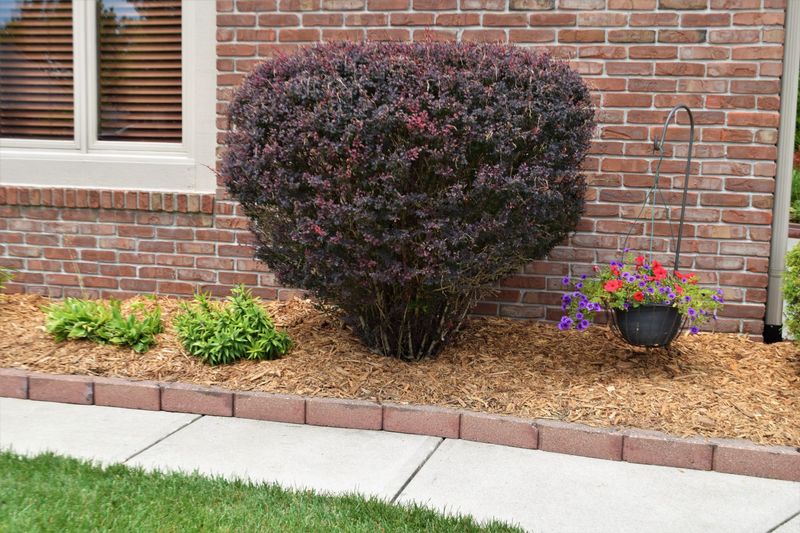
Getting mulch placement right does not require a lot of extra effort.
The adjustment is simple: instead of piling mulch against the stem, pull it back two to three inches from the base of each shrub and spread the rest outward in a flat, even layer across the root zone.
That small change removes the trapped moisture problem, gives the crown room to breathe, and still delivers all the benefits that make mulch worth using in Georgia landscape beds.
A properly mulched shrub bed in Georgia should have a layer that is two to three inches deep across the root zone, pulled back from each stem so the base of the plant is visible and exposed to air.
Pine straw, shredded hardwood, and pine bark nuggets are all common mulch choices in Georgia, and each one works well when applied at the right depth and kept away from woody stems.
Checking mulch depth once or twice a year and refreshing only where the layer has thinned out keeps beds looking neat without letting material build up to problematic levels.
Pulling back any mulch that has crept against stems during rain events or seasonal maintenance is a quick habit that pays off over time.
Georgia shrubs planted in well-mulched beds with proper placement tend to hold up better through summer heat, bounce back faster after stress, and stay more vigorous season after season than plants surrounded by poorly placed mulch mounds.