The Native Michigan Wildflower That Blooms In Shade When Everything Else Needs Full Sun
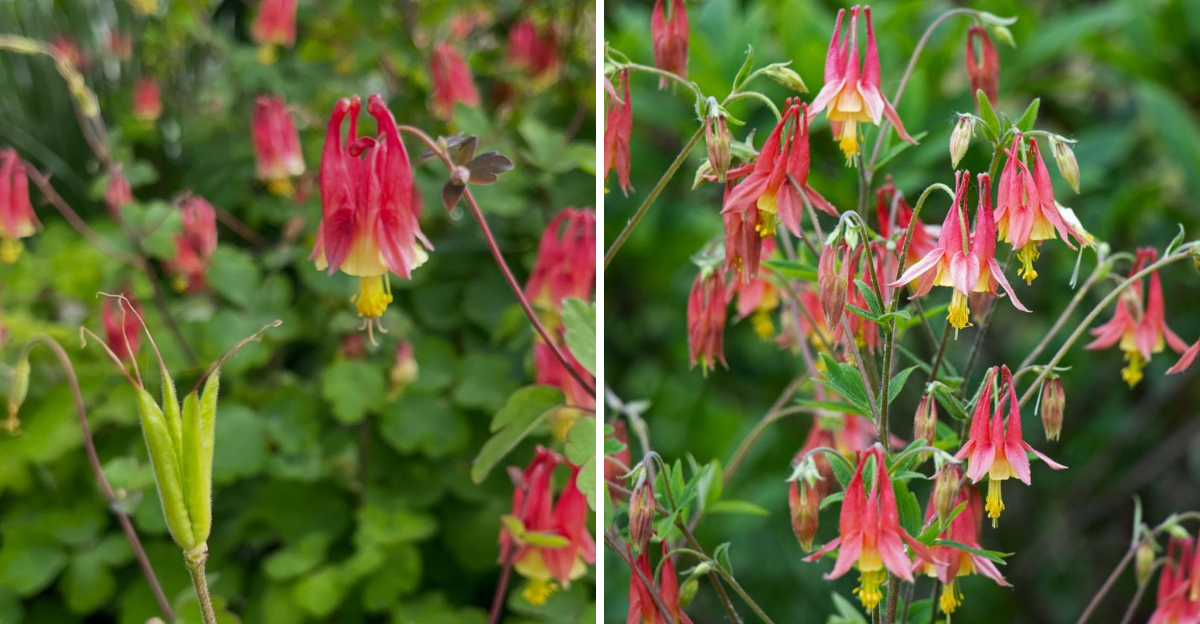
Shady spots in a Michigan garden can feel like a design problem that never quite gets solved. Most flowering plants want full sun, and the ones marketed as shade tolerant often mean they survive in low light rather than actually thrive and bloom there.
Wild columbine operates differently. This Michigan native produces its distinctive red and yellow blooms in the kind of dappled woodland shade that sends most flowering plants into a purely foliage existence, and it does so reliably every spring without needing much in return.
It is one of the earliest native flowers to open each season, which makes it especially valuable to hummingbirds and native bees that are active before most other food sources are available.
For gardeners with mature trees casting deep shade over sections of the yard, or north facing beds that other plants have always struggled in, wild columbine is not a compromise.
It is genuinely the right plant for that space, and it rewards the gardener who plants it there every single spring.
1. Native To Michigan (Aquilegia Canadensis)
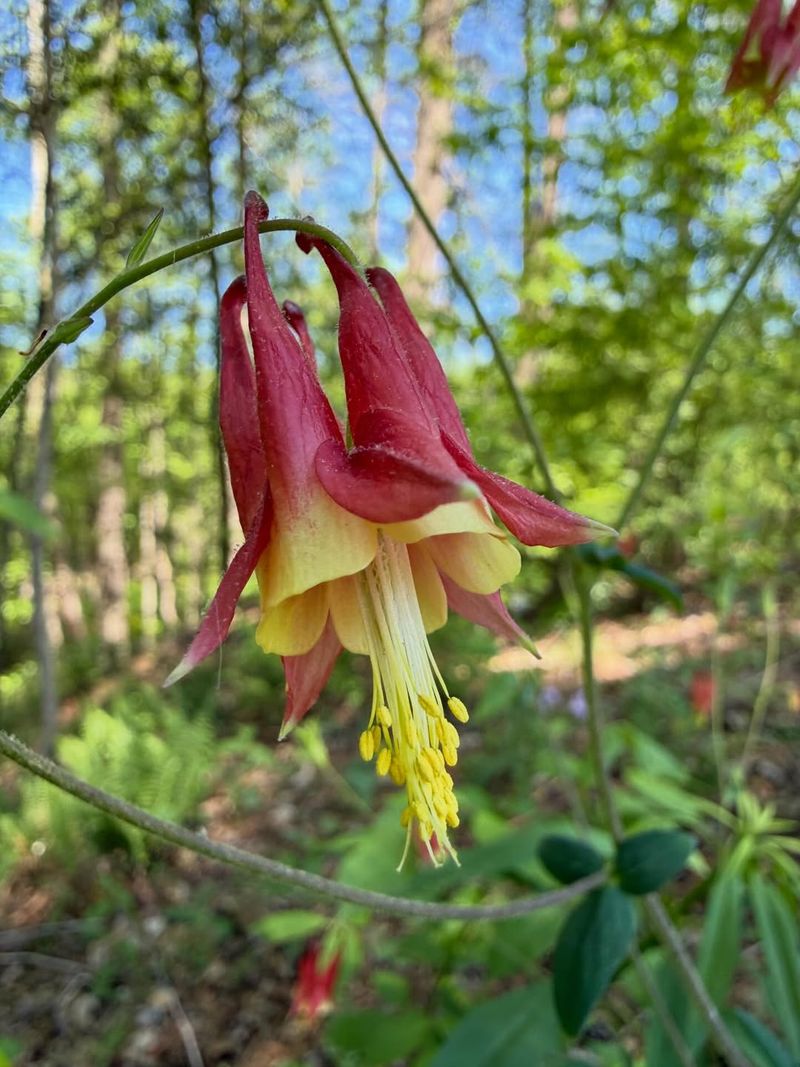
Few plants carry a story as rich as Aquilegia canadensis, the Wild Columbine that has called Michigan home long before any garden existed.
Native to woodlands, rocky slopes, and forest edges throughout the state, this plant evolved right alongside Michigan’s ecosystems.
It isn’t just adapted here, it genuinely belongs here, shaped by the same soil, rainfall, and seasonal rhythms that define the region.
Because it’s a true native, Wild Columbine works in harmony with the local environment in ways that non-native plants simply can’t match. It supports native insects, fits naturally into existing plant communities, and doesn’t require much human help to thrive.
Michigan gardeners who plant it are essentially inviting a piece of the original landscape back into their yards.
Aquilegia canadensis grows across a wide range of conditions found in Michigan, from moist woodland edges to dry, rocky hillsides. That kind of flexibility is rare and incredibly valuable for home gardeners.
Planting a native species also means less time fussing over soil amendments or special fertilizers, since this plant already knows exactly what it needs from the Michigan landscape it has always called home.
2. Blooms In Partial Shade To Light Shade
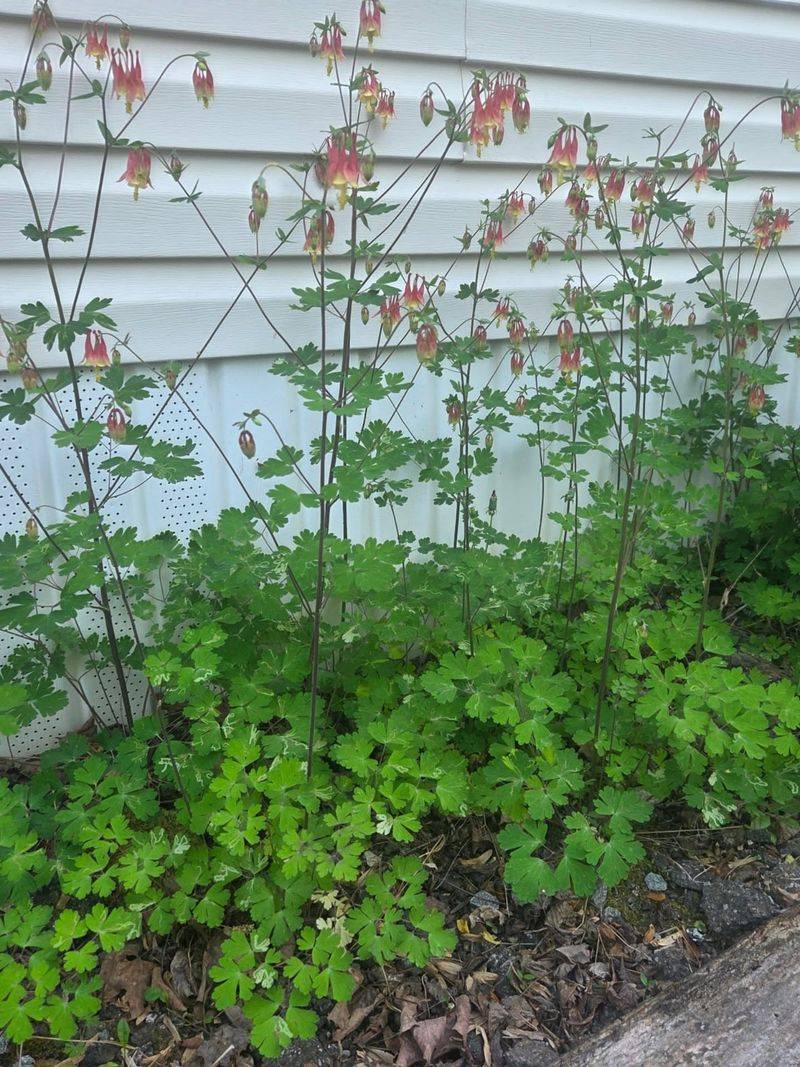
Here’s something that surprises most gardeners the first time they hear it: Wild Columbine actually prefers shade. While nearly every popular flowering plant demands a sunny spot, this Michigan native is perfectly happy with morning sun and afternoon shade.
That makes it an absolute gem for those tricky garden areas under trees or along north-facing fences where most flowers simply refuse to perform.
Wild Columbine performs best in partial shade, where it gets a few hours of gentle light each day. It can tolerate deeper shade too, though flowering slows down a bit when sunlight becomes very limited.
Even with reduced blooms, the plant’s delicate, ferny foliage still adds a lovely, soft texture to shaded garden beds throughout Michigan’s growing season.
Your Michigan Garden Changes Every Week. Your Plan Should Too.
Gardening in Michigan changes quickly throughout the season. Every Friday you’ll receive a simple weekly plan showing exactly what to plant, prune, fertilize, harvest, and protect so you never miss the right timing.
Gardeners in Michigan often struggle to find flowering plants that work under mature trees, and Wild Columbine fills that gap beautifully.
Pairing it with other shade-tolerant natives like wild ginger or trillium creates a lush, layered look that feels natural and intentional.
Once established, it quietly does its job year after year, rewarding patient gardeners with cheerful blooms even in the shadiest corners of the yard.
3. Early Bloom Timing Avoids Summer Stress
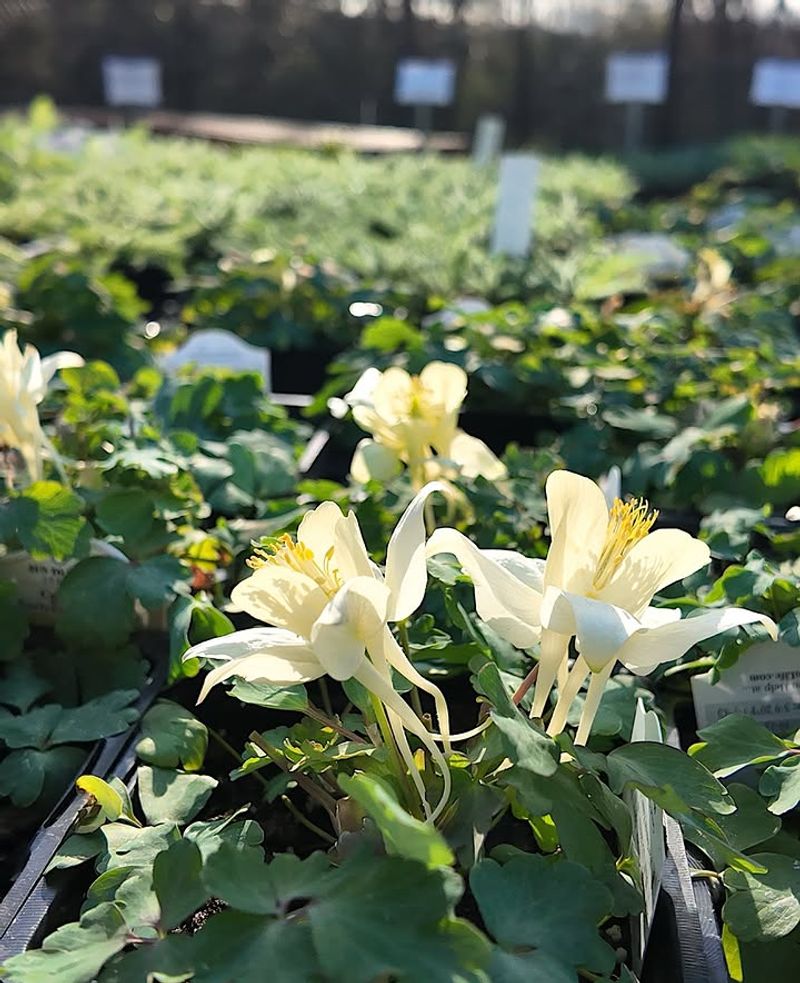
Timing is everything in the garden, and Wild Columbine has it figured out perfectly. This clever native blooms in late spring, usually from April through June in Michigan, well before the punishing heat and humidity of summer arrive.
That early bloom window means the plant gets to shine during the most comfortable part of the growing season, avoiding the stress that wilts so many other flowering plants.
Because it flowers before summer’s peak, Wild Columbine doesn’t have to fight against drought stress or scorching temperatures while trying to produce blooms.
This timing also lines up beautifully with the arrival of ruby-throated hummingbirds in Michigan, which begin their migration north right around the same time the flowers open. It’s almost like the plant planned the whole thing.
For gardeners who want reliable early-season color in shaded areas, Wild Columbine is one of the most dependable choices available. After blooming, the plant quietly shifts into a resting phase, making room for summer perennials to take over.
Planting it alongside later-blooming natives like black-eyed Susan or native ferns creates a garden that stays visually interesting from spring all the way through fall, without requiring constant attention or replanting throughout the Michigan growing season.
4. Attracts Hummingbirds And Pollinators
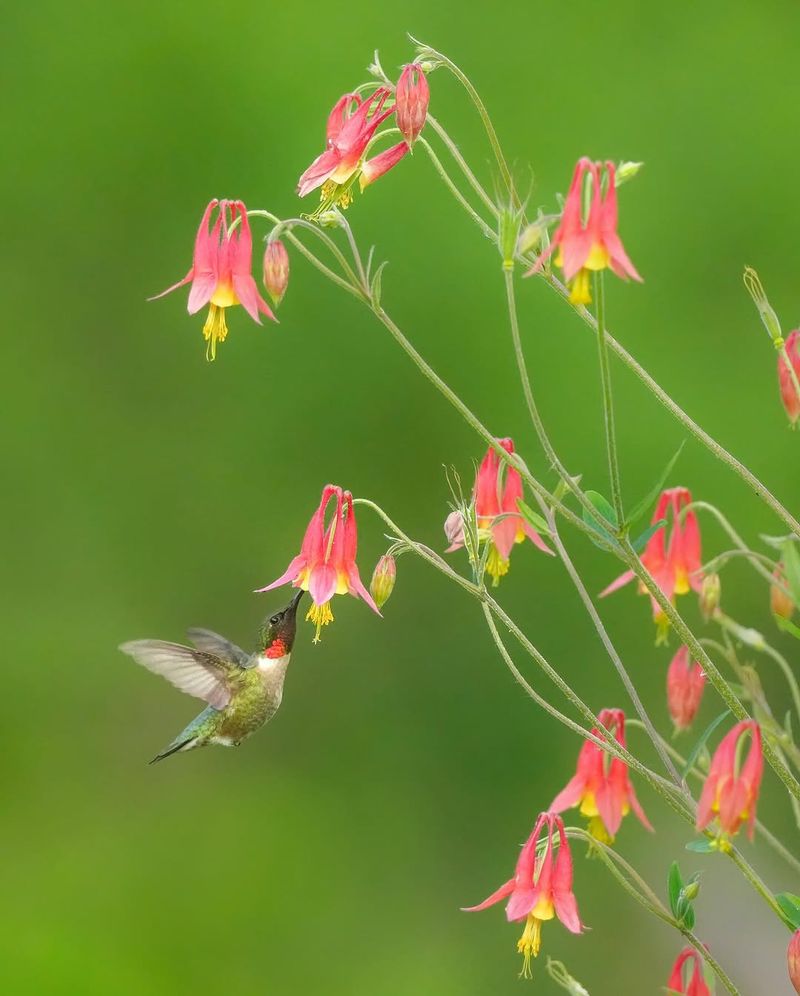
Imagine stepping outside on a warm May morning in Michigan and spotting a ruby-throated hummingbird hovering right at eye level, sipping from a cluster of Wild Columbine blooms.
That’s not a fantasy, it’s a regular occurrence for gardeners who plant this native wildflower. The long, tubular red and yellow flowers are practically custom-built for hummingbirds, with nectar tucked deep inside where only long-beaked visitors can reach it.
Beyond hummingbirds, Wild Columbine draws in a wonderful variety of early-season pollinators. Native bumblebees, long-tongued bees, and even certain hawk moths visit the blooms regularly.
These early pollinators are critically important in Michigan’s spring ecosystem, and providing them with reliable food sources like Wild Columbine helps support healthy pollinator populations throughout the entire region.
What makes this plant especially exciting is that it blooms so early in the season when very few other nectar sources are available. For hummingbirds just arriving from their winter range, Wild Columbine can be one of their first meals in Michigan.
Planting even a small cluster near a window or patio gives you a front-row seat to some seriously impressive wildlife activity. Few garden plants deliver that kind of living, buzzing, hovering entertainment without requiring any extra effort from the gardener.
5. Tolerates Poor, Rocky, Or Well-Drained Soil
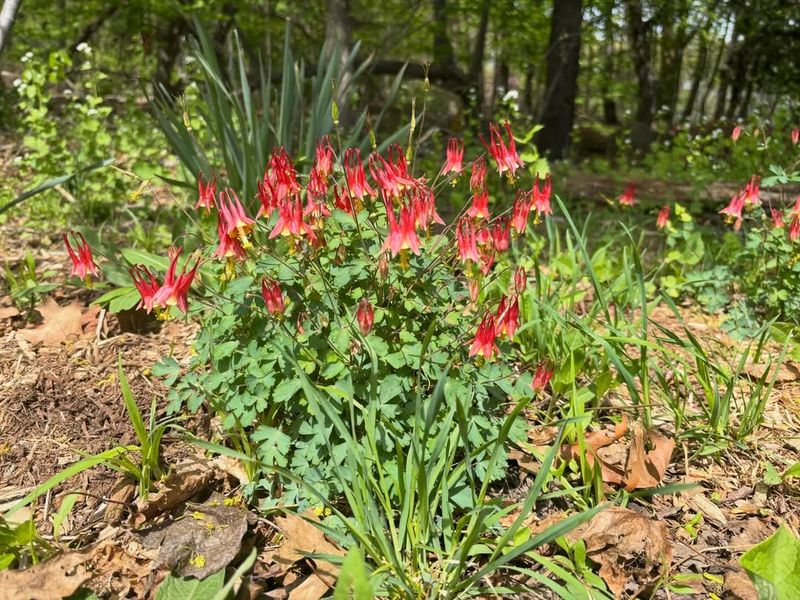
Most gardeners assume that beautiful flowers need rich, heavily amended soil to look their best. Wild Columbine flips that assumption completely on its head.
Growing naturally in rocky outcroppings, thin woodland soils, and dry slopes across Michigan, this plant actually prefers leaner conditions over the heavily fertilized beds that many garden plants demand. Give it too much richness and it may actually underperform.
Good drainage is the one thing Wild Columbine truly needs. It doesn’t like sitting in soggy or waterlogged soil, but beyond that, it’s remarkably unfussy.
Sandy soils, gravelly hillsides, or the thin, root-filled soil under mature trees in Michigan are all perfectly acceptable growing conditions for this adaptable wildflower. That flexibility makes it a practical choice for challenging spots where other plants consistently struggle.
For Michigan gardeners dealing with difficult areas like dry slopes, rocky garden edges, or spots with compacted or poor soil, Wild Columbine offers a genuinely beautiful solution.
Since it doesn’t need fertilizer or soil improvement to thrive, it also saves time and money over the long run.
Simply plant it in a well-drained spot, give it some initial water to help it settle in, and then step back and watch it quietly take care of itself through Michigan’s variable seasons with minimal fuss or intervention needed.
6. Self-Seeds Readily In Suitable Conditions
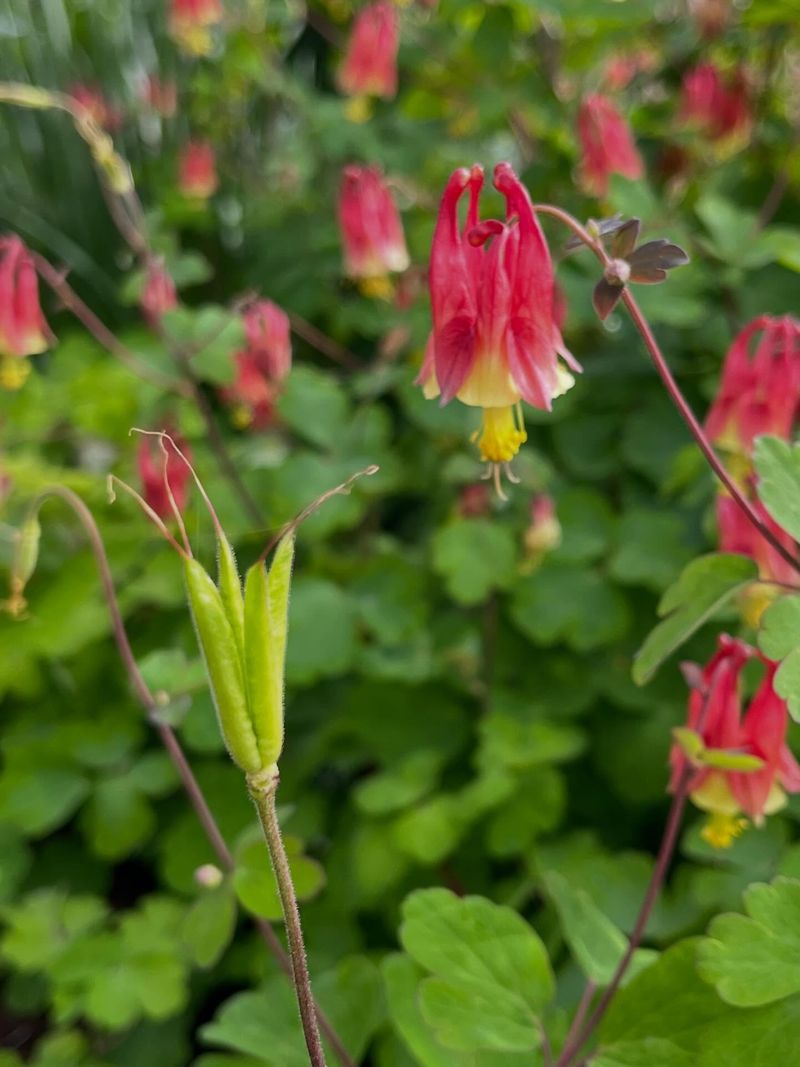
One of the most charming things about Wild Columbine is how it quietly handles its own future. After the blooms fade in late spring, the plant produces slender seed pods packed with small, shiny black seeds.
When conditions are right, those seeds fall to the ground and sprout on their own, gradually filling in nearby open spaces without any help from the gardener. It’s natural propagation at its most effortless.
Wild Columbine isn’t aggressive about spreading, which is an important distinction for Michigan gardeners who worry about plants taking over. It tends to reseed in lightly disturbed soil or open patches where there’s a bit of bare ground and some light.
Dense, heavily mulched beds may actually slow its reseeding, so leaving a few open soil patches near existing plants gives the seeds the best chance to establish naturally.
Over several growing seasons, a small planting of Wild Columbine can gradually expand into a lovely, informal colony that looks completely at home in a Michigan woodland garden.
Since the seedlings are easy to transplant when young, you can also move them around to fill gaps or share extras with neighbors.
Watching a plant confidently manage its own population is genuinely satisfying, and it makes Wild Columbine one of the most rewarding low-effort natives you can grow in Michigan.
7. Short-Lived But Maintains Itself By Reseeding
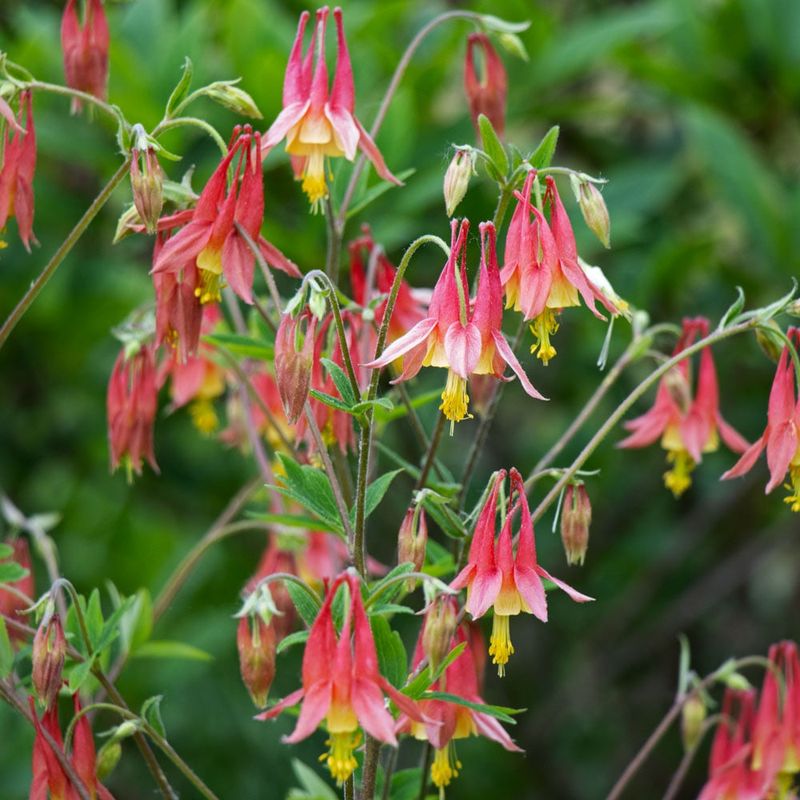
Wild Columbine has a reputation for being short-lived, and that’s technically true. Individual plants typically last only two to four years before they naturally fade out.
For gardeners used to long-lived perennials, this might sound like a drawback, but Wild Columbine has a clever built-in solution that makes the whole concern almost irrelevant once you understand how the plant works.
The magic is in the reseeding. As long as conditions in your Michigan garden stay reasonably suitable, Wild Columbine keeps a steady population going through its own natural cycle of seeding and sprouting.
New seedlings replace older plants without any intervention needed from you. The colony may shift slightly over time, popping up in new spots as seeds find favorable ground, which actually gives the garden a pleasantly natural, evolving look.
Embracing this reseeding habit means accepting a little looseness in your garden design, and honestly, that’s part of the charm.
Wild Columbine doesn’t want to be rigidly controlled, and Michigan’s woodland gardens look their best when they have that kind of relaxed, naturalistic feel anyway.
If you do want more control, simply remove seed pods before they fully mature to limit spreading. Either way, this plant keeps giving back season after season, maintaining its cheerful presence in Michigan gardens with almost no help required from you.