8 Trees You Can Plant In May In Georgia
May in Georgia hits that point where everything starts moving fast, and yards either keep up or fall a step behind. Growth is happening everywhere, yet something still feels unfinished in many spaces.
That is usually where trees come in, not just for shade but for structure that ties everything together. This is also the moment when planting decisions matter more than most people expect.
Some trees handle May planting with no issues and settle in quickly, while others struggle once the heat builds. Many homeowners plant without thinking about that difference, then deal with slow progress later.
Focusing on the right trees for this exact time makes a noticeable difference, especially before summer fully takes over in Georgia.
1. Crepe Myrtle Handles Heat And Establishes Well In Late Spring
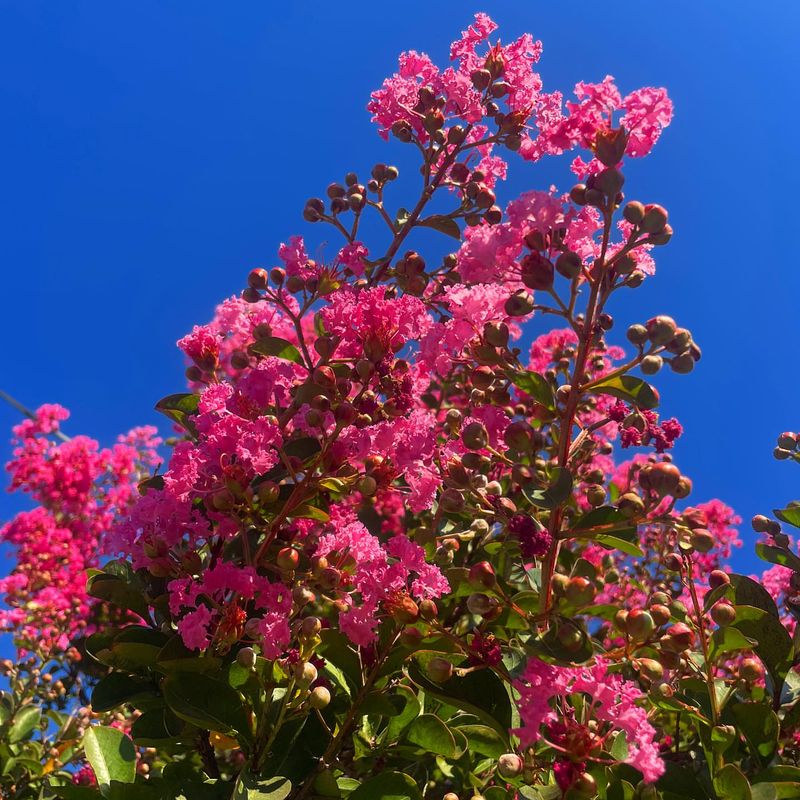
Few trees put on a summer show quite like crepe myrtle, and May is a smart time to get one planted in Georgia. The soil is already warm, which helps roots spread quickly before the hottest weeks arrive.
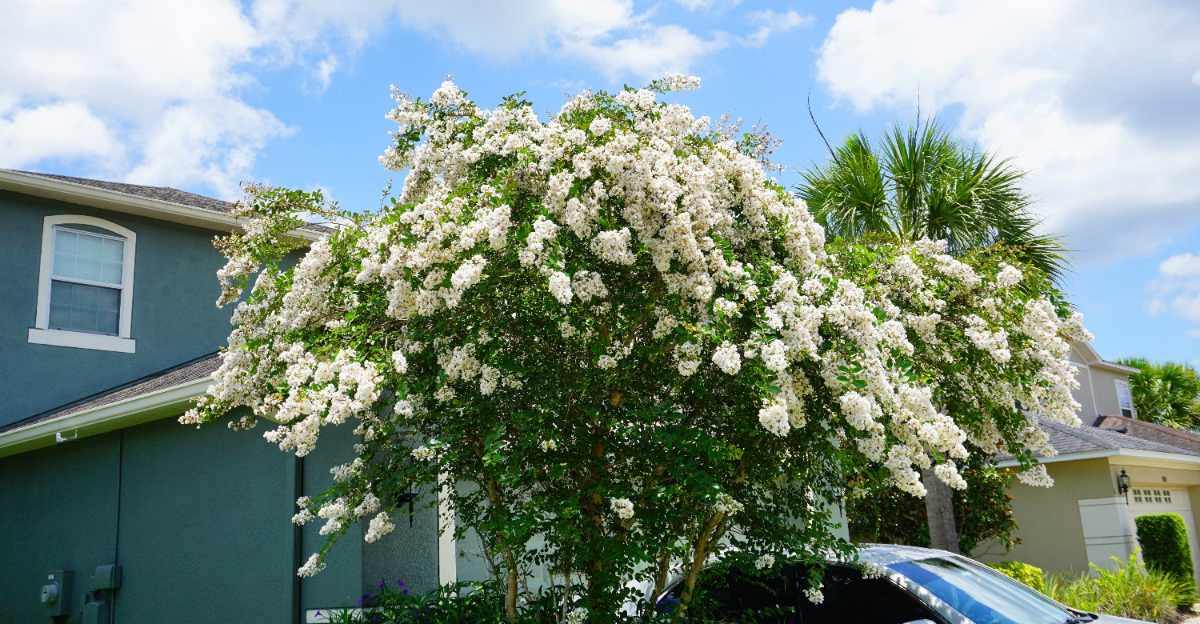
You will find crepe myrtles growing all over Georgia, from front yards in Macon to roadside plantings in Augusta, and there is a good reason for that.
Crepe myrtles love heat. Once established, they handle Georgia summers without much fuss.
Planting in May gives roots several weeks to anchor before temperatures climb into the upper 90s. Water deeply two to three times per week for the first month, then slowly back off as the tree settles in.
Choose a spot with full sun, at least six hours a day. Crepe myrtles planted in shade tend to bloom poorly and may develop fungal issues.
Well-drained soil is important since standing water around the roots can cause problems.
There are many size varieties available, from compact shrub types to trees that reach 30 feet tall. Pick a size that fits your space so you never feel the urge to over-prune.
Avoid the common mistake of cutting them back hard every year, which is sometimes called “crape murder” by Georgia gardeners. Let them grow naturally for the best shape and the most impressive blooms each season.
2. Eastern Redbud Can Still Be Planted With Proper Watering
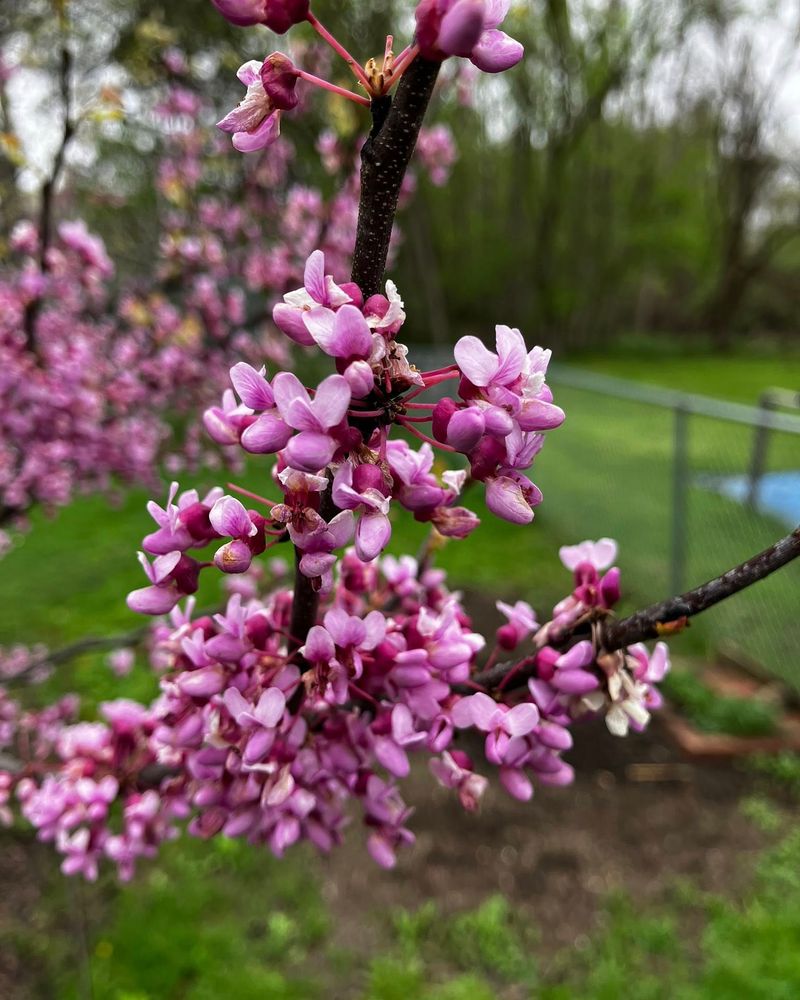
Eastern Redbud is typically known as a spring bloomer, but that does not mean May planting is off the table in Georgia.
Yes, the flowers have already faded by the time May rolls around, but the tree itself is tough and can establish well if you stay on top of watering.
The window is still open, just a little narrower.
Plant your redbud in a location that gets morning sun and some afternoon shade. Georgia afternoons in May can be intense, and a young tree with a freshly disturbed root system will appreciate that break from direct sun.
Well-drained soil with a little organic matter worked in gives roots the best environment to spread.
Watering is the most critical part of a May redbud planting. Plan on watering deeply every two to three days for the first four to six weeks.
Your Georgia Garden Changes Every Week. Your Plan Should Too.
Gardening in Georgia changes quickly throughout the season. Every Friday you’ll receive a simple weekly plan showing exactly what to plant, prune, fertilize, harvest, and protect so you never miss the right timing.
If you skip watering during a dry stretch, the tree will struggle. A layer of mulch two to three inches deep around the base helps the soil hold moisture between waterings.
Eastern Redbuds are native to Georgia and grow naturally across much of the state. That native status means they are well adapted to local soils and weather patterns once established.
Mature trees are reasonably drought tolerant, but getting through that first Georgia summer requires consistent attention and reliable moisture at the roots.
3. Southern Magnolia Grows Strong When Planted In Warm Soil
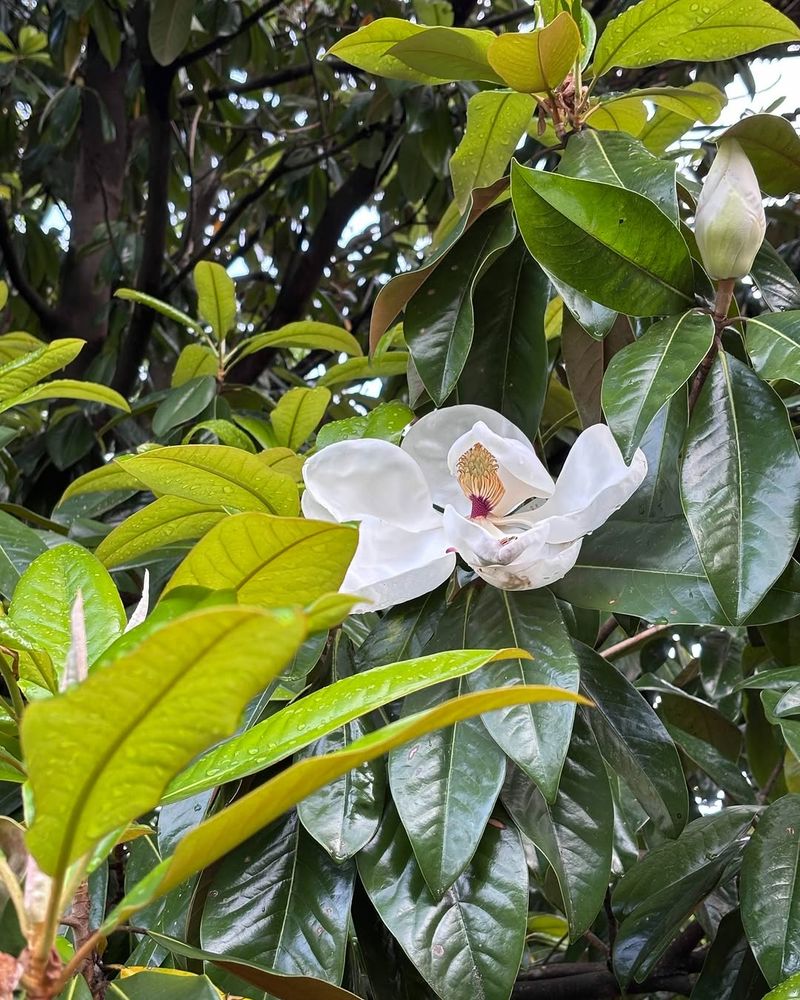
Southern Magnolia is practically a symbol of Georgia, and planting one in May takes advantage of the warm soil that speeds up root development. Cold soil slows root growth considerably, so late spring gives this iconic tree a real head start.
If you have ever driven through a Georgia neighborhood and admired those massive, glossy-leafed trees, you already know what you are working toward.
Pick a spot with plenty of room. Southern Magnolias grow wide and tall, often reaching 60 to 80 feet at full maturity.
Planting too close to a house, fence, or driveway is a common mistake that causes headaches years later. Give the tree space from the start and you will not regret it.
Full sun works best, though young trees can handle light afternoon shade during their first summer in Georgia. Water deeply right after planting and continue watering two to three times per week through the summer.
A thick layer of mulch over the root zone helps lock in moisture and keeps soil temperatures steady.
Southern Magnolias are slow to establish but very long-lived once they settle in. Expect some leaf drop in the first season, which is normal and not a sign that something is wrong.
Stick with consistent watering and avoid fertilizing heavily in the first year. Let the roots focus on anchoring before you push new growth with nutrients.
4. River Birch Adapts Well If Kept Consistently Moist
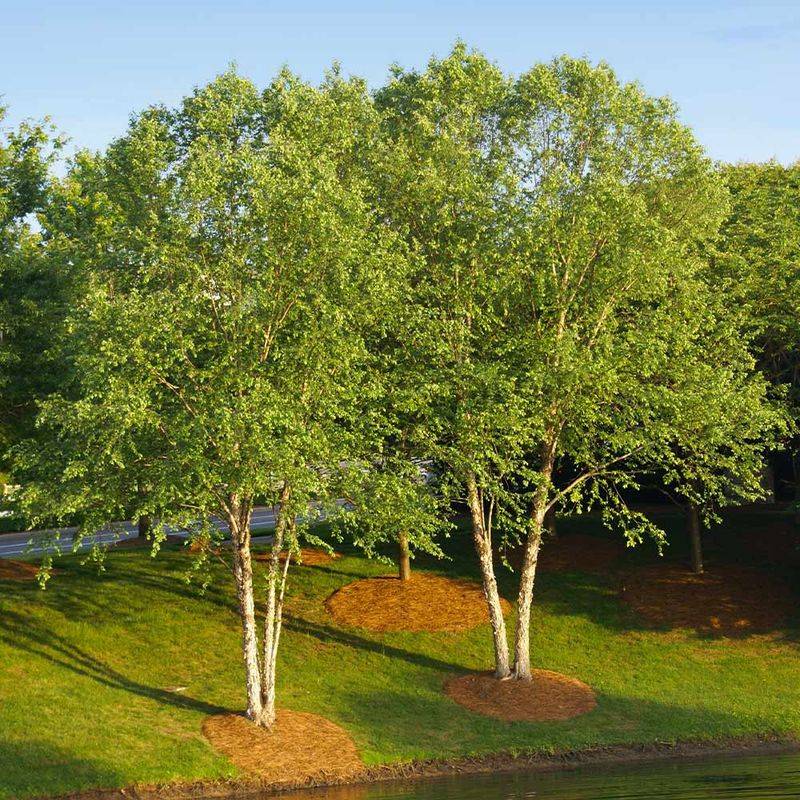
River Birch brings something different to a Georgia yard: that gorgeous peeling bark in shades of cinnamon, cream, and tan that looks striking even in winter. May planting works well for this tree, but there is one condition you need to meet consistently: moisture.
River Birch is not drought tolerant in its early years, and Georgia summers can be brutally dry between rain events.
Pick a low spot in your yard if you have one. Areas that stay a little damp or collect runoff after rain are ideal.
River Birch grows naturally along creek banks and floodplains across Georgia, so it is built for wet feet. Avoid high, dry, sandy spots where the soil bakes out quickly between rains.
After planting, water deeply every two days for the first several weeks. If temperatures climb above 90 degrees, consider watering daily during the hottest stretches.
Mulching heavily around the base, four to five inches deep, makes a real difference in keeping the root zone cool and moist.
River Birch grows fast compared to many shade trees, which is a genuine advantage. You will notice real size gains within the first two or three years.
Once established, it handles Georgia heat better than most birch species, which typically struggle in the South. Planting in May gives roots a strong start before the toughest summer weather arrives across the state.
5. Sweetbay Magnolia Handles Moist Soil And Warm Weather
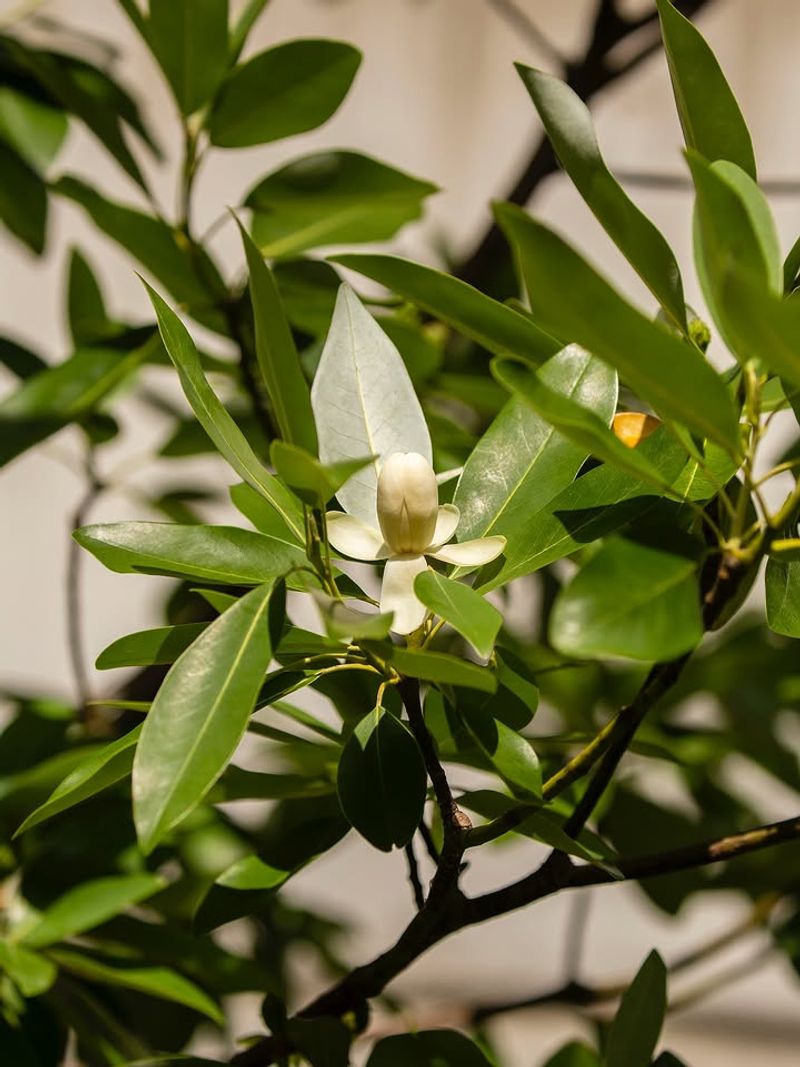
Not everyone has a dry, well-drained yard in Georgia, and Sweetbay Magnolia is the tree for people who do not. Boggy areas, low spots, and consistently moist soil that would stress other trees are exactly where Sweetbay thrives.
If standing water has been a problem in part of your yard, this tree is worth serious consideration.
Sweetbay Magnolia blooms later than its Southern cousin, and May-planted trees may even push out a few creamy white flowers in their first season. The fragrance is subtle but lovely.
Leaves are dark green on top and silvery underneath, which creates a nice flickering effect when the breeze moves through the canopy.
Plant in a spot that gets full sun to partial shade. In hotter parts of Georgia like Columbus or Albany, afternoon shade helps reduce stress on a newly planted tree.
Water frequently for the first six weeks, especially if May turns dry. Even though Sweetbay tolerates wet soil, a freshly planted tree still needs consistent moisture at the root zone during establishment.
Sweetbay Magnolia is semi-evergreen in Georgia, meaning it holds most of its leaves through mild winters and drops them during colder years. Mature trees reach 20 to 30 feet tall, making them a manageable size for most yards.
Native to the Southeast, this tree is genuinely well suited to Georgia conditions and rarely needs much intervention once it settles in.
6. Bald Cypress Tolerates Heat And Wet Conditions Easily
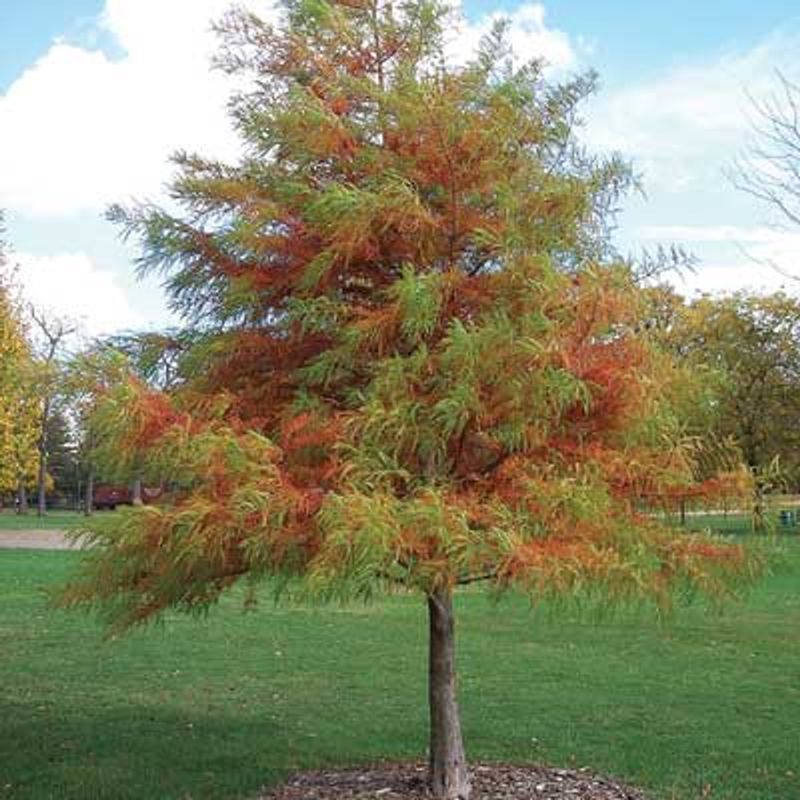
Bald Cypress is tougher than it looks. Most people associate it with swamps and murky water, but this tree actually grows well in average garden soil too, as long as it gets enough moisture during establishment.
Planting in May across Georgia gives it warm soil to root into before summer heat peaks, and it handles that heat with impressive ease.
If you have a low, wet area near a pond, creek, or drainage swale in your Georgia yard, Bald Cypress is nearly unbeatable. It thrives where other trees fail and grows surprisingly fast once roots are established.
Expect one to two feet of growth per year under decent conditions.
Water deeply and consistently for the first two months after planting. Even though Bald Cypress handles flooding, a young tree in a newly dug hole still benefits from regular moisture to encourage root spread.
Avoid letting the soil dry out completely during the first summer.
One thing that surprises many Georgia gardeners: Bald Cypress is deciduous. It drops its feathery needles in fall, which some people do not expect from a conifer-looking tree.
The fall color is a warm rusty orange before the needles fall, which is genuinely attractive. Mature trees can grow very large, sometimes exceeding 70 feet, so plan your planting location with the long-term size in mind.
Bald Cypress is native to Georgia and built for the climate.
7. American Holly Establishes With Care In Late Spring
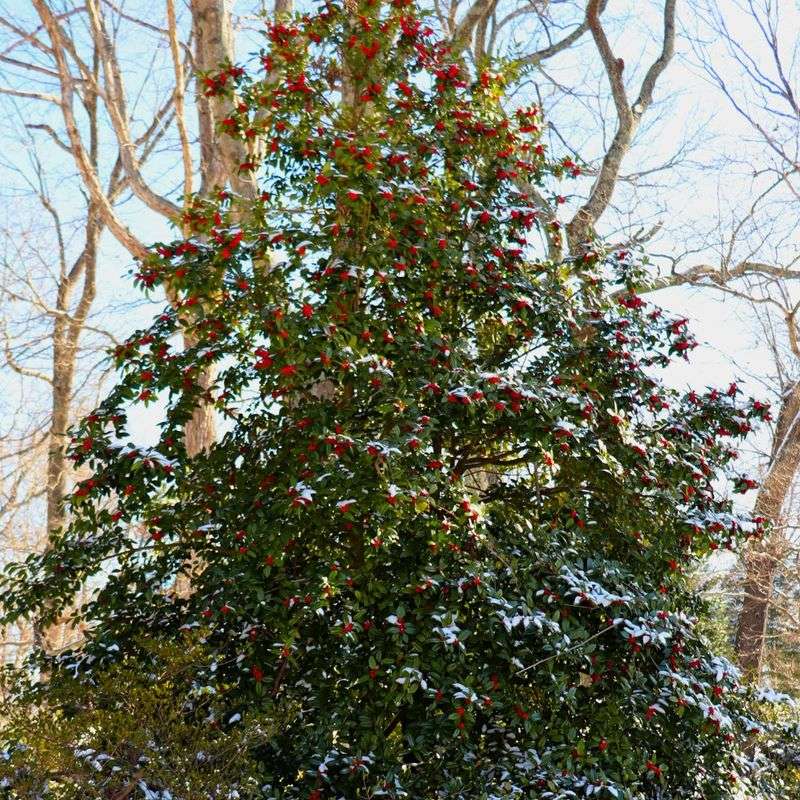
American Holly is a workhorse of the Georgia landscape, offering year-round greenery, wildlife value, and those classic red berries that show up just in time for the holiday season.
May planting is doable, but American Holly does require some extra attention during the first summer to get fully established.
Put in the effort early and you will have a tree that rewards you for decades.
Choose a planting site with well-drained soil and at least four to six hours of sun daily. American Holly tolerates some shade but produces more berries in brighter light.
If you want berries, you will need both a male and female plant nearby. One male can pollinate several females within about 50 feet, so you do not need equal numbers of each.
Water deeply right after planting, then keep the soil consistently moist for the first six to eight weeks. Georgia summers can be unforgiving, and American Holly is not especially drought tolerant when young.
A thick mulch layer helps significantly, keeping roots cooler and reducing how often you need to water during dry stretches.
American Holly is native to Georgia and supports a wide range of wildlife. Birds flock to the berries in winter, and the dense evergreen canopy provides cover for nesting.
Growth rate is moderate, typically one to two feet per year under good conditions. Once established, it handles Georgia heat and occasional dry spells without much trouble at all.
8. Red Maple Can Be Planted But Needs Extra Water Early On
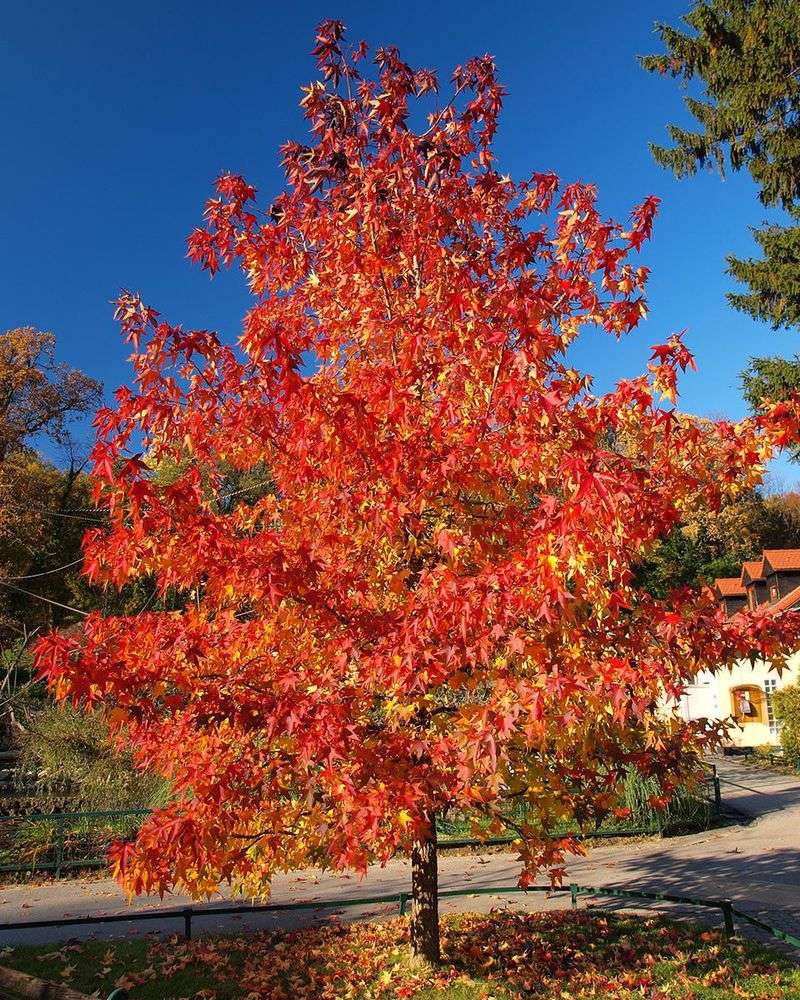
Red Maple is one of the most widely planted shade trees in the eastern United States, and Georgia gardeners have been putting them in yards for generations.
Planting in May is possible, but you need to be honest with yourself about one thing: this tree will need more water than most during its first Georgia summer.
Skip watering for a week during a heat wave and you will set the tree back considerably.
Choose a site with full sun or light partial shade. Red Maple grows in a range of soil types, from sandy coastal soils to heavier clay soils found in the Georgia Piedmont region.
It is adaptable, but consistently dry or compacted soils will slow establishment and stress a young tree during summer heat.
Water deeply every two to three days for at least the first eight weeks. During stretches of 95-degree heat, increase watering frequency.
A two-to-three-inch mulch ring extending several feet from the trunk makes a measurable difference in soil moisture retention and root zone temperature.
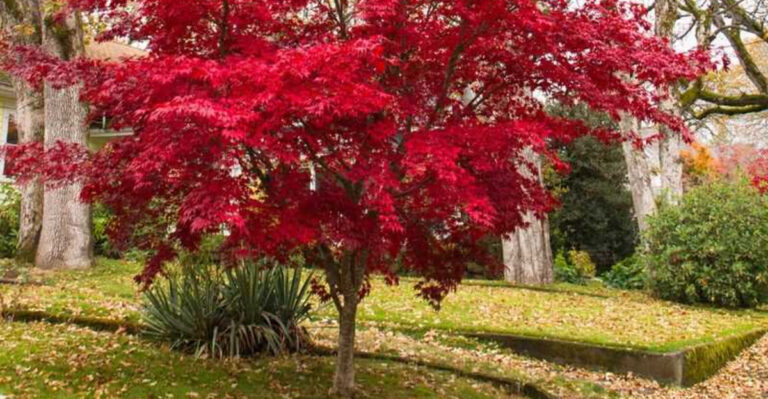
Fall color is where Red Maple earns its name. Even in Georgia, where fall colors are less dramatic than farther north, Red Maple puts on a solid show of orange, red, and yellow before leaf drop.
Growth rate is moderate to fast, often two to three feet per year once established. May planting gives roots enough time to anchor before Georgia winters arrive, making spring growth the following year noticeably stronger.