The Native North Carolina Tree You Should Never Prune In Spring No Matter What
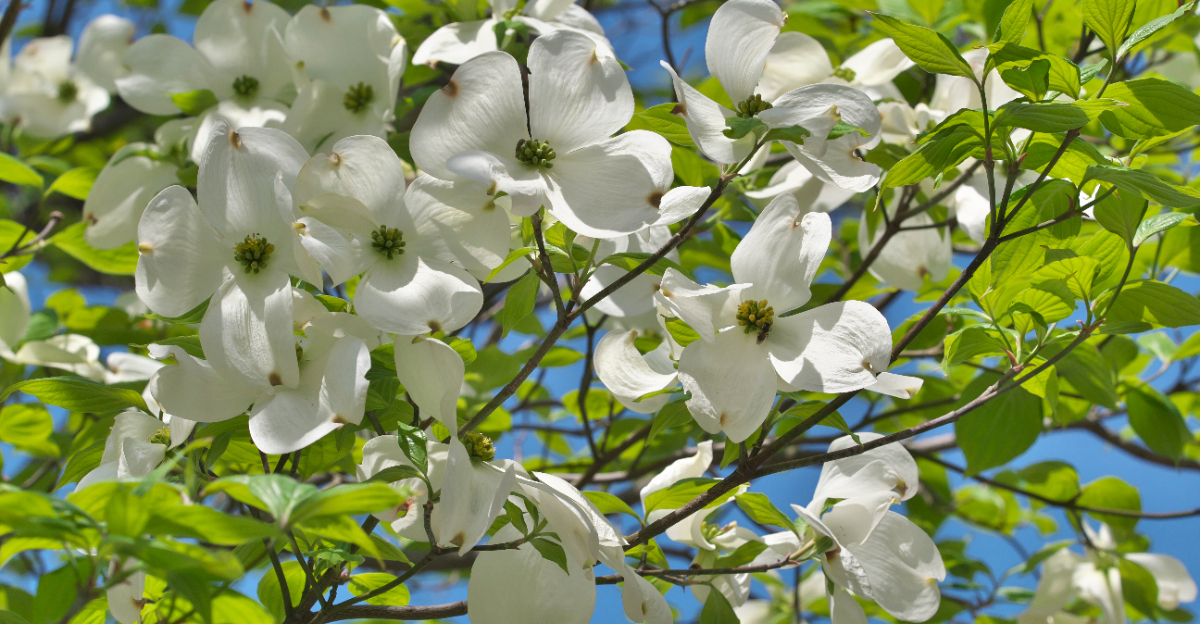
Spring feels like the natural time to tackle pruning in a North Carolina yard. Everything is waking up, you can finally see what made it through winter, and the urge to clean things up is hard to ignore.
For most trees, spring pruning is perfectly fine and sometimes even beneficial. But there is one native North Carolina tree where that timing is not just unhelpful, it is a serious mistake that can set off a chain of problems you will spend years managing.
The issue is not about technique or how much you remove. It is about when the cut happens and what that timing invites in.
North Carolina’s spring conditions create a specific window where this tree becomes highly vulnerable to a threat that enters through fresh pruning wounds and spreads quickly once it gets established.
Knowing which tree this is and why the calendar matters so much for it could be the most important pruning decision you make all season.
1. A Sensitive Native Tree That Needs Your Respect (Cornus Florida)
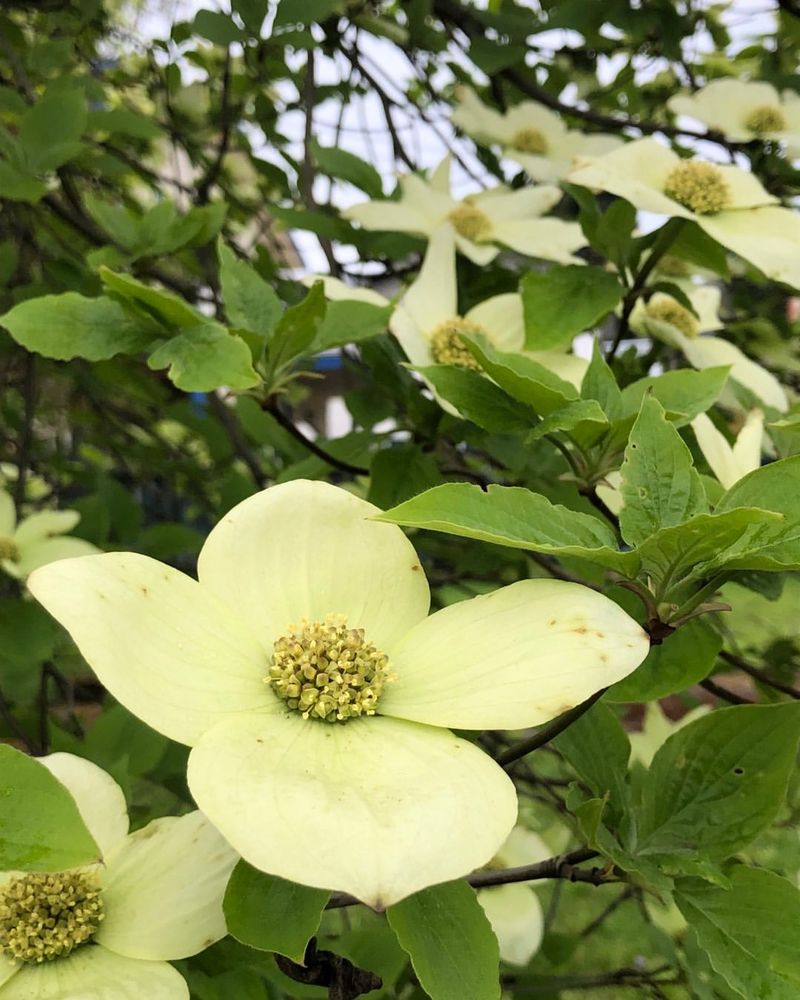
Not every tree can handle the rough-and-tumble of improper care, and the flowering dogwood is definitely one that rewards patience and attention.
Cornus florida is native to North Carolina, growing naturally in the understory of forests from the mountains to the coastal plain.
Because it evolved under a forest canopy, it prefers partial shade, well-drained soil, and consistent moisture, conditions that mimic its natural habitat.
When those conditions are not met, the tree becomes stressed, and stressed dogwoods are far more vulnerable to pests, fungal problems, and decline. Poor timing, drought, and wounds from careless pruning all pile on top of each other to weaken the tree over time.
North Carolina summers can be brutally hot and dry, which already puts dogwoods under pressure without adding pruning stress on top.
Many homeowners assume that because dogwoods are native, they are tough and low-maintenance no matter what. That is partially true, but native does not mean invincible.
Giving your dogwood the right care, especially avoiding spring pruning, makes an enormous difference in how long and how beautifully it lives in your landscape. Treat it well, and it will reward you with breathtaking blooms every single year.
2. Spring Pruning Opens Wounds At The Worst Possible Time
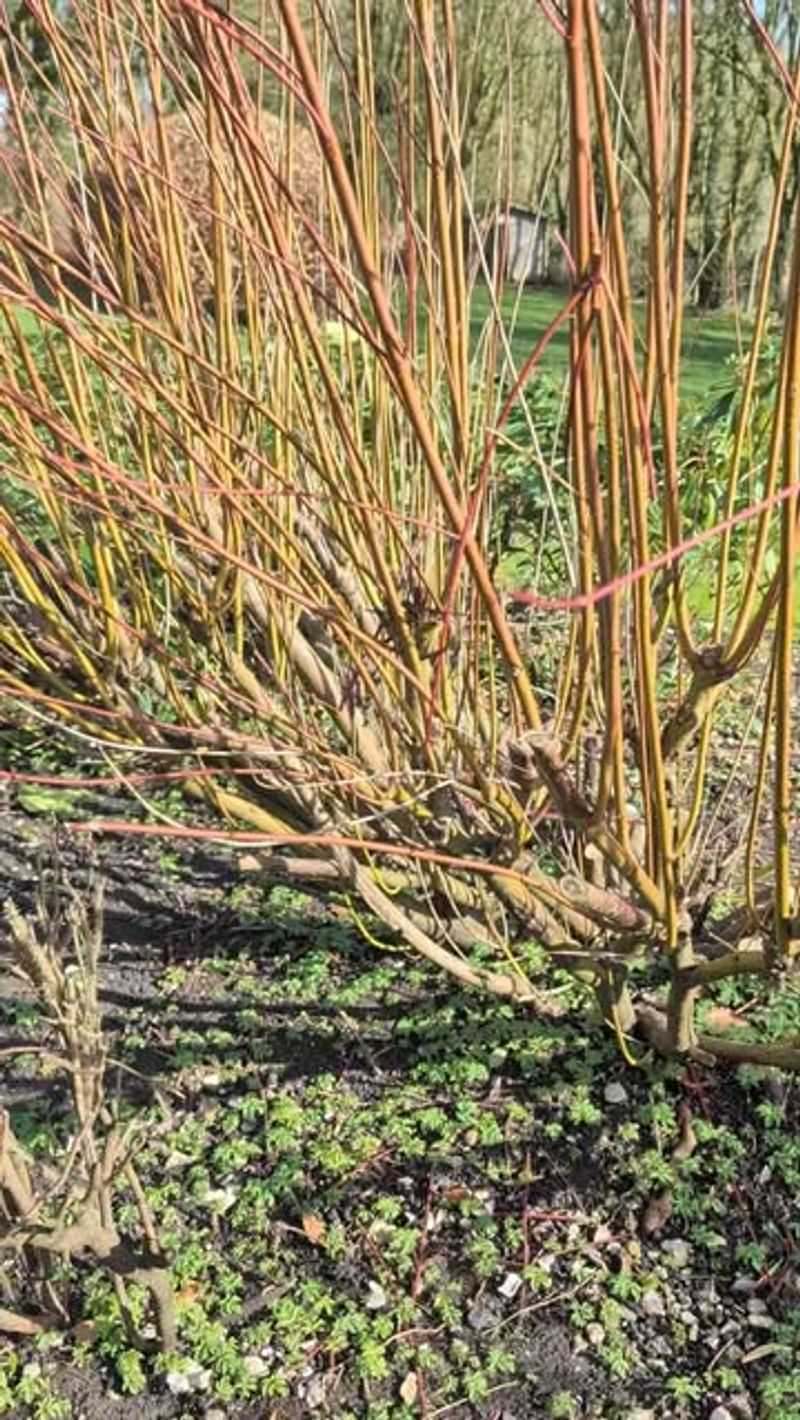
Picture your dogwood in early spring, pushing out new leaves and flowers with everything it has got. Every bit of energy is flowing upward through the branches, and the tree is working at full speed.
Cutting a branch at this exact moment creates a fresh, open wound right when the tree is least able to protect itself from outside threats.
Spring wounds on dogwoods take longer to seal over compared to cuts made during dormancy. The bark is actively moving nutrients and moisture, which means cuts stay wet and open longer, creating a perfect entry point for fungi and insects.
In North Carolina, where warm, humid springs arrive quickly, that window of vulnerability is especially risky.
Wounds from spring pruning can also disrupt the tree’s flowering cycle, meaning you might lose those gorgeous blooms for an entire season without even realizing the pruning was the cause.
Your North Carolina Garden Changes Every Week. Your Plan Should Too.
Gardening in North Carolina changes quickly throughout the season. Every Friday you’ll receive a simple weekly plan showing exactly what to plant, prune, fertilize, harvest, and protect so you never miss the right timing.
The tree redirects energy toward healing rather than blooming, and the results can be disappointing.
Waiting just a few weeks or choosing a completely different season to prune protects both the health and the beauty of your dogwood. Small timing decisions like this one truly make a big difference in the long run.
3. The Dogwood Borer Is A Real And Serious Threat
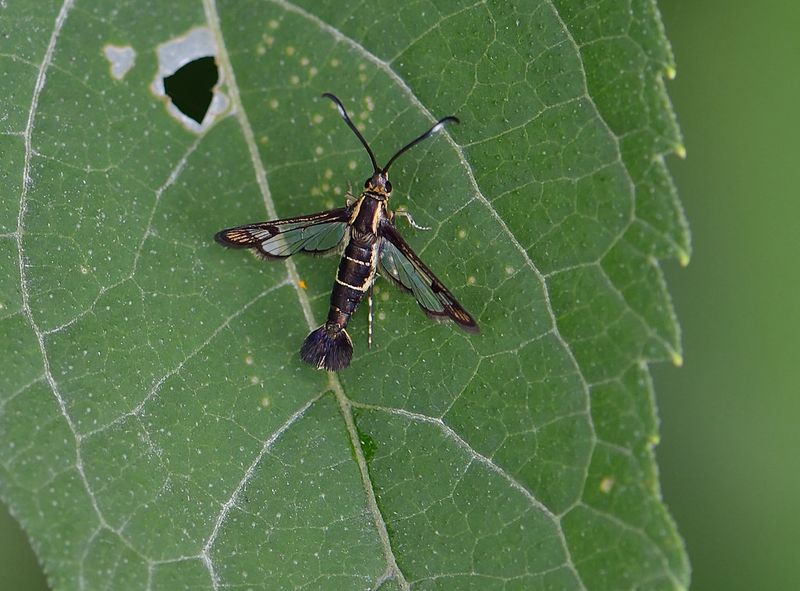
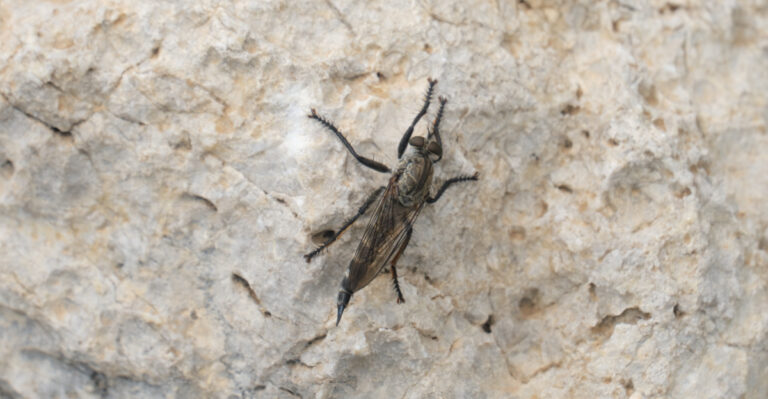
Most gardeners in North Carolina have heard the name, but few have actually seen one: the dogwood borer, known scientifically as Synanthedon scitula, is a clearwing moth whose larvae tunnel beneath the bark of dogwood trees.
Once inside, the larvae feed on the cambium layer, which is the thin living tissue just under the bark that carries water and nutrients throughout the tree.
What makes this pest especially sneaky is that the damage happens out of sight. By the time you notice bark cracking, sawdust-like frass, or swollen areas near the base of the trunk, the infestation may already be well established.
Borers are not randomly distributed across the landscape either. They actively seek out trees that are already under stress, making weakened dogwoods a priority target.
Stress can come from many sources, including drought, root damage from lawn equipment, soil compaction, and yes, poorly timed pruning cuts.
While pruning alone does not automatically summon borers, it adds to the overall stress load that makes your tree attractive to them.
In North Carolina, where dogwood borers are well established and active from late spring through summer, keeping your tree as strong and stress-free as possible is the smartest defense you have against this persistent pest.
4. Pruning Alone Does Not Invite Borers, But Stress Does
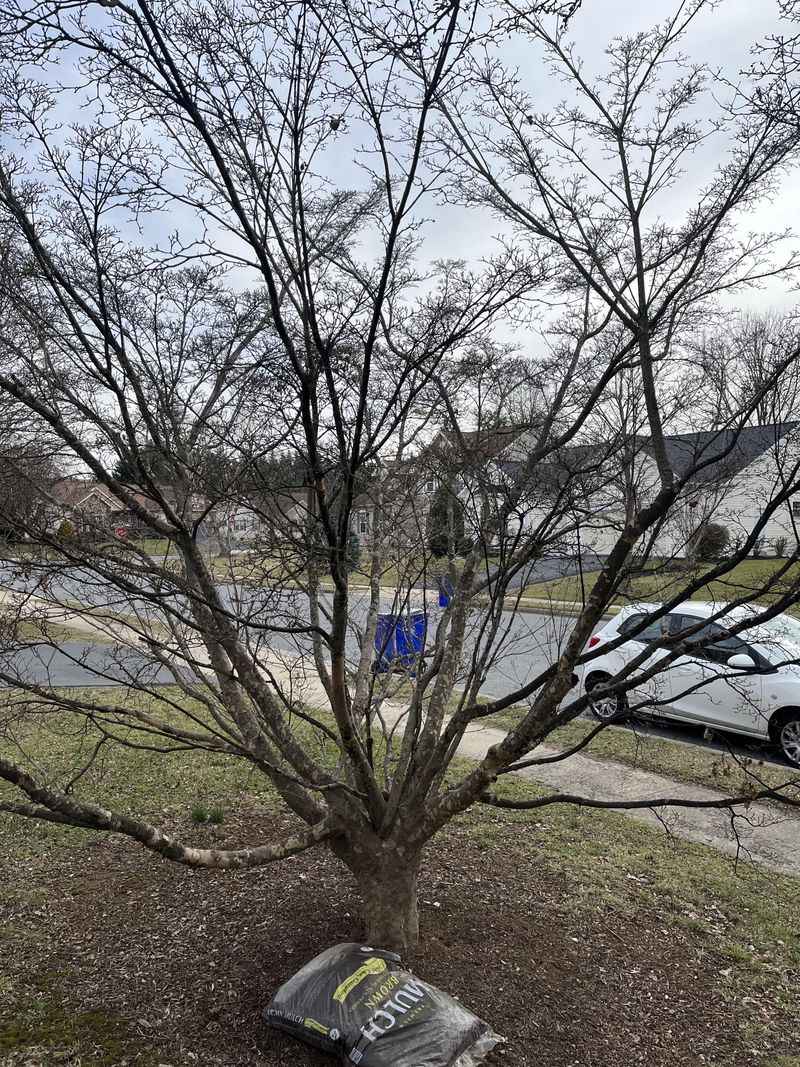
Here is a nuance worth knowing: the idea that pruning automatically attracts dogwood borers is a bit of an oversimplification. Borers do not magically appear the moment you pick up your pruning shears.
What actually draws them in is a tree that is already struggling, and pruning at the wrong time is simply one more thing that pushes a tree toward that struggling state.
Think of it like this. A healthy, well-sited dogwood with no open wounds, no drought stress, and no soil compaction is far less appealing to borers than a tree that has multiple stressors stacked against it.
Pruning in spring adds an open wound to a tree that may already be dealing with heat stress or poor drainage, and that combination is what creates real risk.
Gardeners in North Carolina should focus on the big picture of tree health rather than fixating on any single cause.
Avoiding spring pruning is one smart piece of the puzzle, but it works best alongside good watering habits, proper mulching, and protection from physical damage.
Keeping your dogwood genuinely healthy reduces its stress load across the board, which is the most effective way to make it unattractive to borers and other opportunistic pests throughout the growing season.
5. Late Winter And Mid-Summer Are Your Safest Windows For Pruning
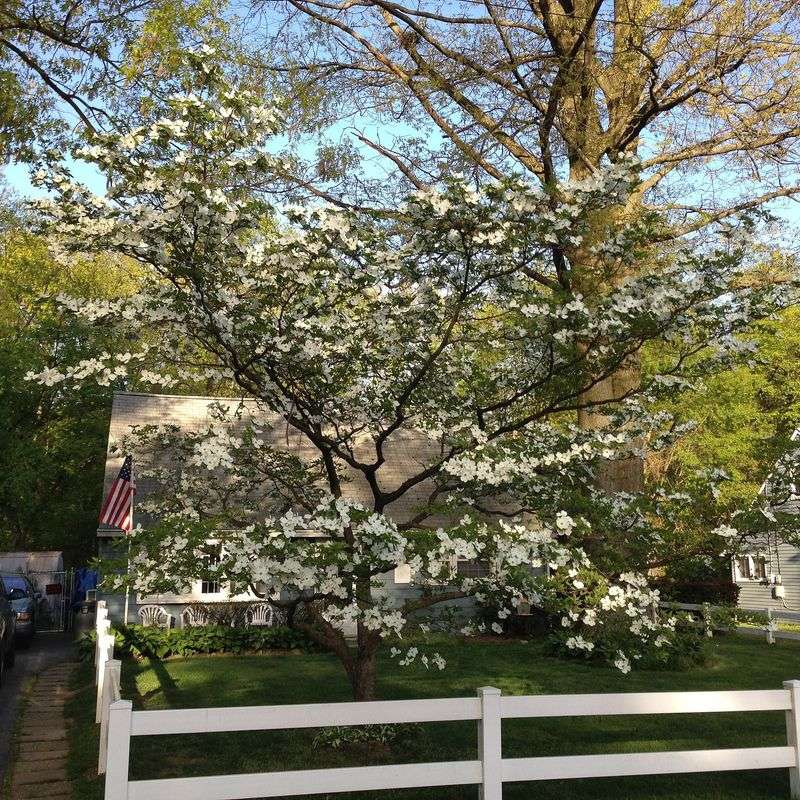
Timing really is everything when it comes to dogwood pruning, and two windows stand out as significantly safer than spring. The first is late winter, while the tree is still fully dormant and before new growth begins.
Pruning during this period means cuts are made on a tree that is essentially resting, with minimal sap flow and reduced risk of attracting pests or developing fungal infections.
The second safer window is mid-summer, after the tree has finished flowering and the new growth has hardened off. At this point, the tree is less actively vulnerable, and the peak activity period for dogwood borers has typically started to wind down.
Cuts made in mid-summer also have the rest of the warm season to begin callusing over before winter arrives.
For most dogwood owners in North Carolina, late winter pruning is the most practical choice because it is easy to see the tree’s structure clearly without leaves in the way.
You can spot crossing branches, damaged limbs, and structural problems much more easily on a bare tree.
Whichever window you choose, always use clean, sharp tools and make smooth cuts just outside the branch collar. Ragged cuts take longer to heal and increase the overall stress your tree has to manage through the season.
6. Most Dogwoods Honestly Do Not Need Much Pruning At All
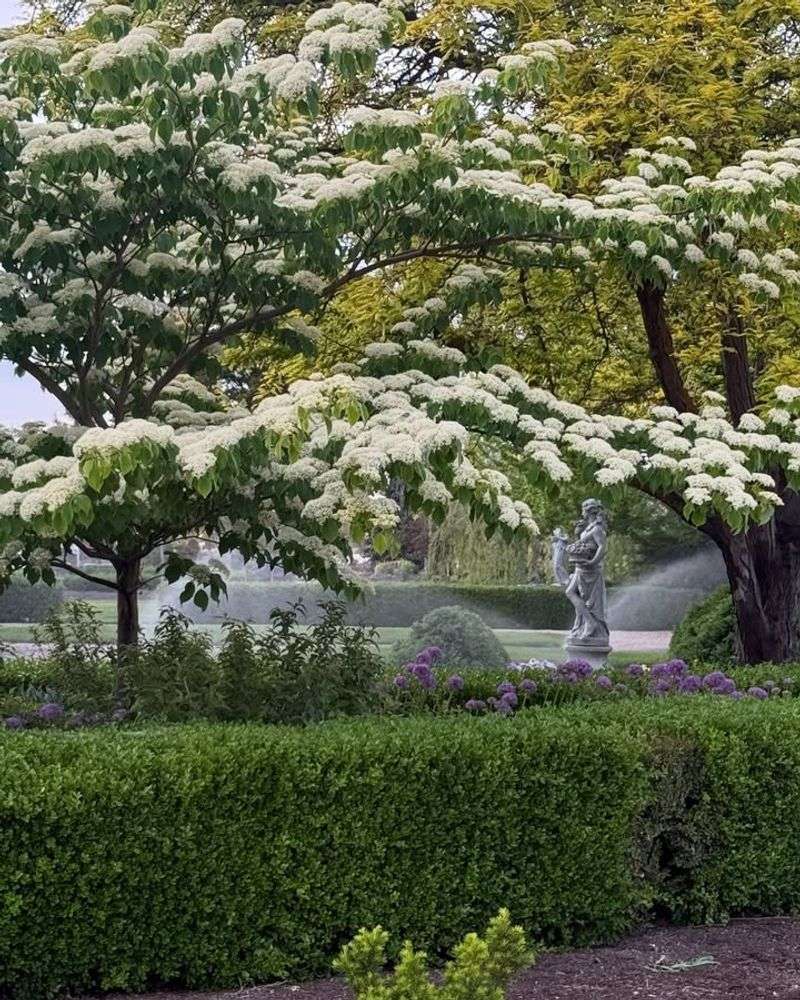
One of the most freeing things you can learn as a dogwood owner is that this tree is remarkably good at shaping itself. Cornus florida naturally develops a graceful, layered branch structure that looks beautiful without any human intervention.
Heavy pruning is not just unnecessary for most dogwoods, it can actually make the tree look worse and recover more slowly than if you had left it alone.
Many homeowners prune their dogwoods out of habit, assuming all trees need regular trimming to stay healthy. With dogwoods, that instinct can backfire.
Removing large amounts of healthy wood stresses the tree, disrupts its natural energy balance, and creates multiple wounds that all need to heal at the same time.
In North Carolina’s warm, humid climate, that is an open invitation for fungal issues on top of pest pressure.
The best approach is to prune only when there is a clear reason: removing a branch that is rubbing against another, clearing a limb that poses a safety risk, or taking out wood that looks diseased or structurally compromised.
Cosmetic pruning just to tidy things up is rarely worth the trade-off for a tree as naturally elegant as the dogwood.
Trust the tree’s own design, and you will almost always be rewarded with a healthier, more beautiful result year after year.
7. Long-Term Tree Health Starts With Where And How You Plant
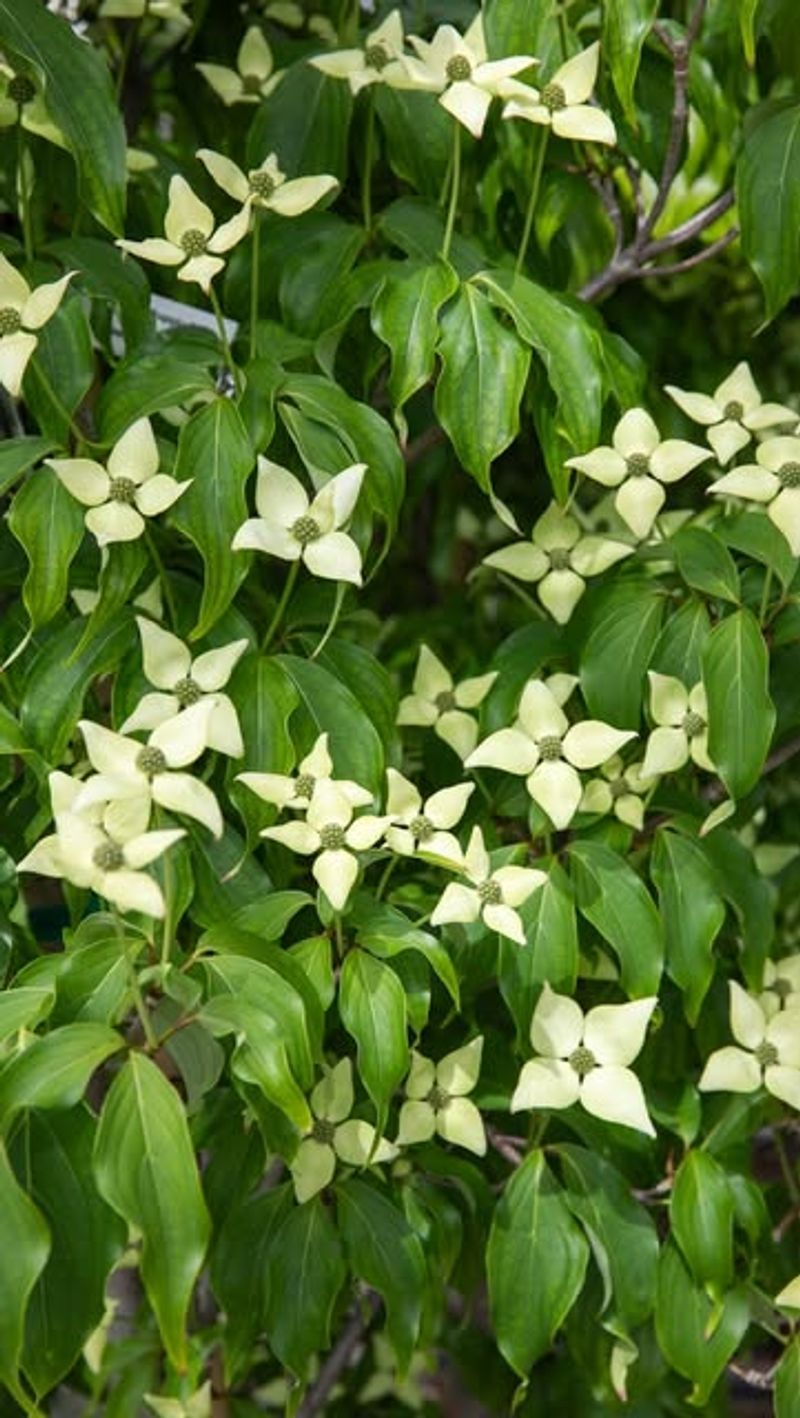
Pruning decisions get a lot of attention, but the single biggest factor in your dogwood’s long-term health is where and how you plant it in the first place.
Dogwoods thrive in partial sun, meaning they love morning light and afternoon shade, which is easy to find in many North Carolina yards with mature trees nearby.
Full afternoon sun in the South is genuinely hard on dogwoods and increases their drought stress significantly.
Well-drained soil is equally important. Dogwoods do not tolerate standing water around their roots, and consistently wet soil leads to root rot and a weakened tree that becomes a target for secondary problems.
Amending heavy clay soil before planting and keeping a wide ring of organic mulch around the base of the tree helps regulate moisture and temperature throughout the year.
Protecting the trunk from lawn mower and string trimmer damage is another often-overlooked priority. Wounds at the base of the trunk are prime entry points for dogwood borers, and they happen far too easily during routine yard maintenance.
Keeping a mulched area around the base eliminates the need to get mowing equipment close to the trunk at all.
When you combine smart siting, good soil preparation, consistent watering during dry spells, and careful trunk protection, your dogwood in North Carolina has every advantage it needs to flourish beautifully for generations.