The Native North Carolina Wildflowers That Fill A Wet Ditch Where Black-Eyed Susans Drown
You walk the edge of your yard after an August storm, and the ground squishes under your shoes where the ditch never really dries. You planted black-eyed Susans there last spring, sure they would fill it with gold. Instead they turned yellow, flopped over, and rotted at the root while the water just sat there. Here is the good news for North Carolina gardeners: that soggy strip is not a dead zone.
A whole crew of native wildflowers actually loves wet feet, and they will turn that drowning ditch into the busiest pollinator spot on your property.
1. Swamp Milkweed Turns The Wet Spot Into A Monarch Nursery
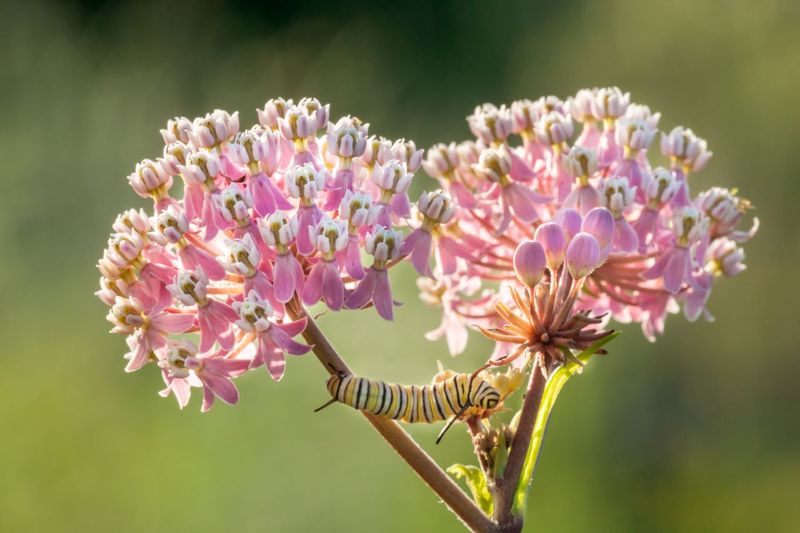
Most gardeners buy the orange butterfly weed and watch it sulk in soggy clay. Swamp milkweed (Asclepias incarnata) does the opposite. It genuinely wants the muck your black-eyed Susans hated.
The plant grows 3 to 4 feet tall with clusters of soft pink to mauve flowers that smell faintly of vanilla on a warm evening. Here is where it earns its keep. Monarch caterpillars only eat milkweed, and fall monarchs moving through North Carolina in September and October need every leaf they can find.
Plant it in spring after your last frost, spacing crowns about 18 to 24 inches apart in that constantly damp ground. It handles standing water for short spells, which is exactly what a ditch throws at it after a Piedmont thunderstorm. Give it full sun, at least 6 hours, and leave it alone.
Do not deadhead everything in fall. The seed pods split open into silky fluff that feeds goldfinches and reseeds your patch for free. NC State Extension lists swamp milkweed as one of the better native picks for rain gardens and wet edges across the state.
You will stand at that ditch next September and count caterpillars where you once counted rotting stems.
2. Cardinal Flower Lights Up The Shade With Red
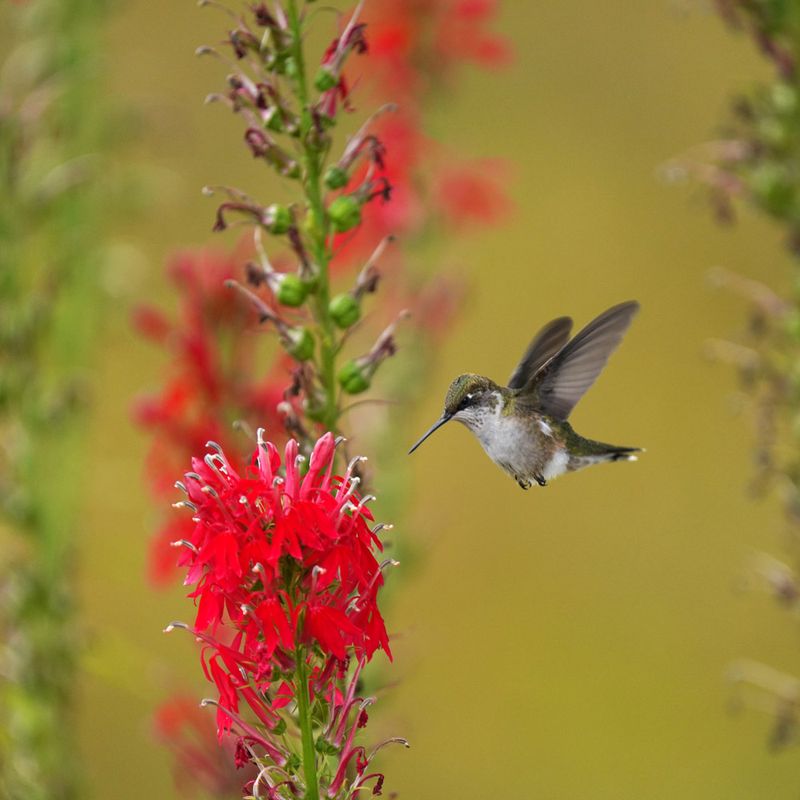
Blunt truth. Nothing else in the native world gives you this exact red. Cardinal flower (Lobelia cardinalis) throws up spikes of scarlet so intense they look almost fake against green ditch grass.
The tension for most folks is shade. That wet spot under a dogwood or along the north fence gets maybe 3 to 4 hours of sun, and the black-eyed Susans practically begged for more light. Cardinal flower shrugs. It tolerates part shade and actually prefers consistently moist ground, which is why creek banks across the Coastal Plain are lined with it.
Set plants 12 to 18 inches apart in early spring or fall. Each spike climbs 2 to 4 feet and blooms from July into September, right when your summer garden looks tired.
The quiet hero move here is hummingbirds. Ruby-throated hummingbirds fueling up for their fall trip south will hover at these red tubes for weeks, and their long bills fit the flower like a key in a lock.
One honest limit. Cardinal flower is short-lived, often fading after 2 or 3 years. So let it drop seed on bare, damp soil, and new plants fill the gap on their own.
Your North Carolina Garden Changes Every Week. Your Plan Should Too.
Gardening in North Carolina changes quickly throughout the season. Every Friday you’ll receive a simple weekly plan showing exactly what to plant, prune, fertilize, harvest, and protect so you never miss the right timing.
3. Joe Pye Weed Builds A Tall Pink Pollinator Wall
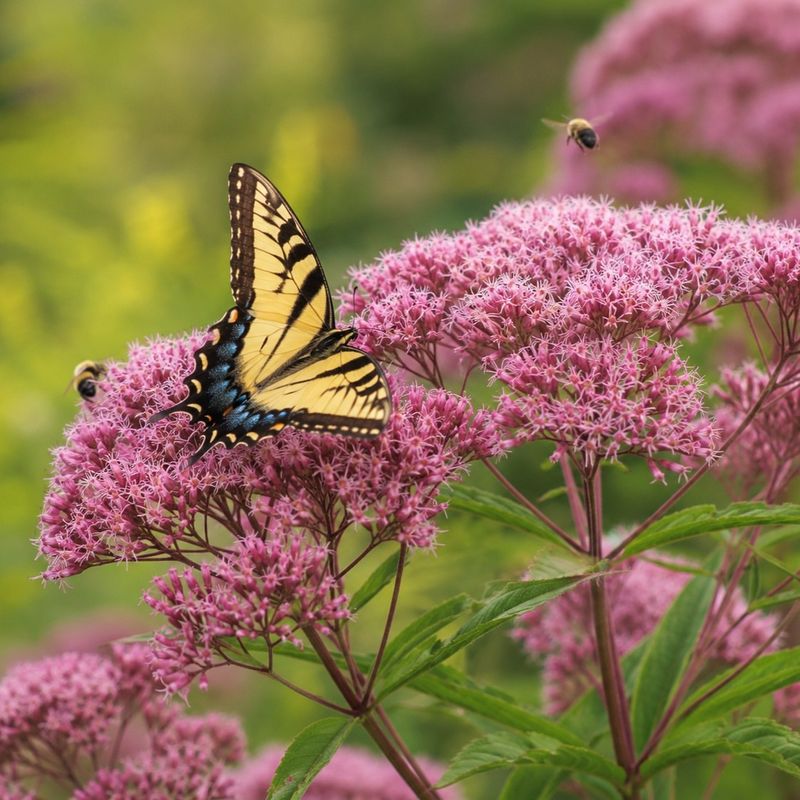
Picture the back of that ditch draped in dusty rose clouds taller than your mailbox. Joe Pye weed (Eutrochium fistulosum) reaches 5 to 7 feet in rich, wet ground, and it does not flop the way a stressed black-eyed Susan does.
Butterflies treat it like a landing strip. On a muggy Piedmont afternoon in late July, a single mature clump can hold tiger swallowtails, skippers, and fat bumblebees all at once. The nectar volume is genuinely that good.
Give it the wettest, sunniest corner you have and space plants 24 to 36 inches apart, because they bulk up fast. Plant in spring and expect real height by the second summer.
Here is where it gets tricky. A single plant can look leggy and lonely. Joe Pye weed reads best in a group of three or more, forming a living screen that hides a chain-link fence or a neighbor’s trash cans.
Come winter, leave the hollow stems standing. Native bees tuck into them, and the seed heads catch frost in a way that earns their keep long after the color fades.
4. Blue Flag Iris Handles Standing Water Like A Champ
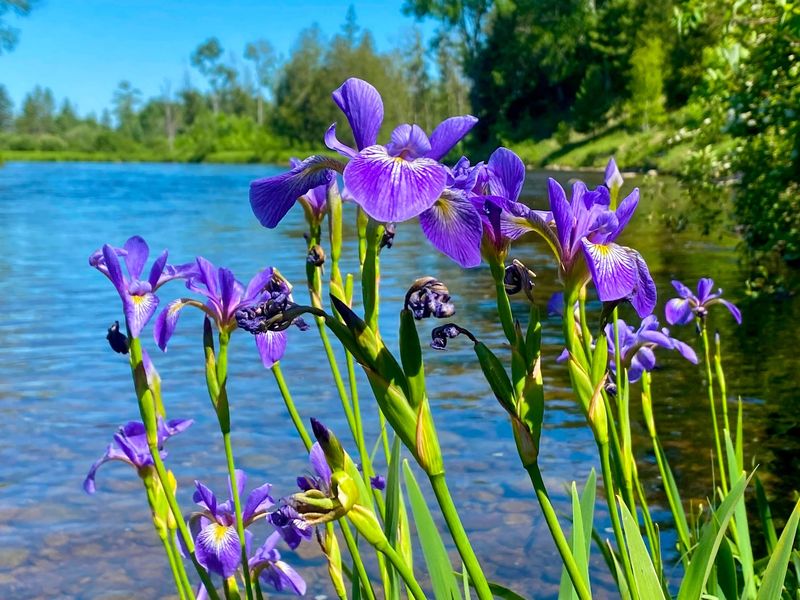
Did you know a true native iris grows wild in North Carolina marshes and pond edges? Blue flag iris (Iris versicolor and its cousin Iris virginica) will sit in an inch or two of standing water and bloom happily, which is the exact condition that drowned your Susans.
The flowers arrive in late spring, purple-blue with delicate yellow and white veining that guides bees straight to the nectar. Blooms fade by early summer, but the sword-shaped foliage stays crisp and upright all season, giving your soggy corner structure when everything else is floppy.
Plant rhizomes just below the surface in spring or fall, spacing them 12 to 18 inches apart. They spread slowly into a clump, holding streambank soil in place with a dense root mat.
That erosion control matters more than it sounds. After a hurricane dumps 4 or 5 inches of rain on the Coastal Plain, loose ditch soil washes away. Iris roots knit it down.
Fair warning, keep the yellow flag iris off your list. That one is a non-native invader. Stick with the true natives and you get beauty without the guilt.
5. Great Blue Lobelia Fills The Late-Summer Gap
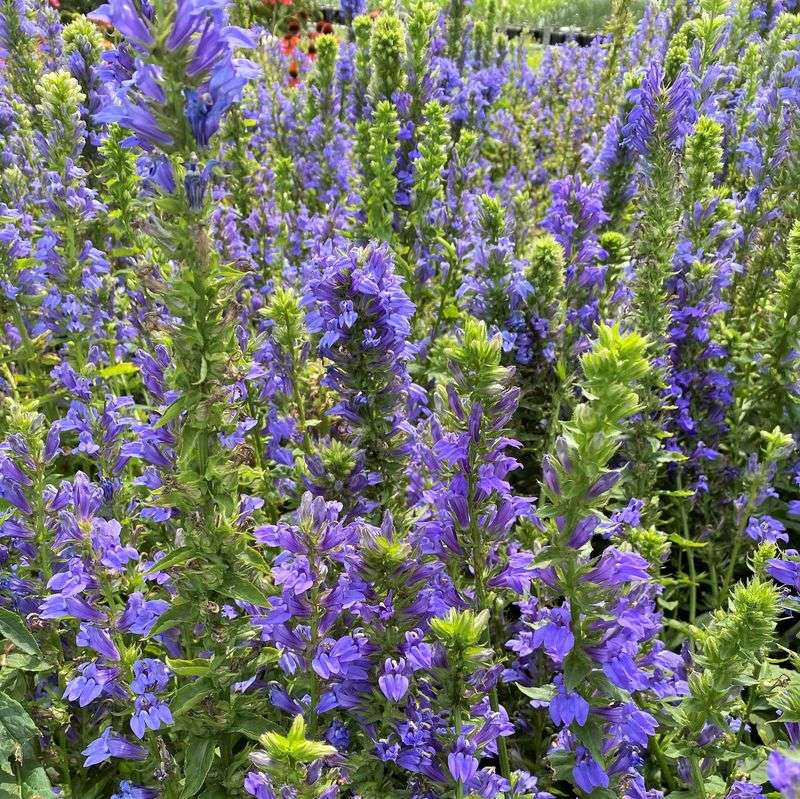
By late August a lot of North Carolina flower beds have quit. Great blue lobelia (Lobelia siphilitica) is just clearing its throat.
The plant sends up leafy spikes packed with tubular blue-violet flowers from August into October, precisely when your garden needs a fresh jolt of color. It grows 2 to 3 feet tall and stays sturdy in wet, rich soil without the staking a droopy Susan demands.
Bumblebees are the main act here. Their weight pries open the flower’s lower lip, and they crawl right inside for nectar the way a person ducks through a low doorway. Watching it happen is quietly hypnotic.
Tuck it in part sun to full sun, 12 to 15 inches apart, next to its red cousin the cardinal flower for a blue-and-scarlet pairing that stops people mid-walk. Plant in spring and keep the ground damp the first season while roots settle.
Like cardinal flower, it is not the longest-lived perennial, so let a few spikes go to seed. Fresh seedlings appear on bare moist soil, and your late-summer show renews itself for free.
6. Swamp Sunflower Delivers The Gold You Wanted All Along
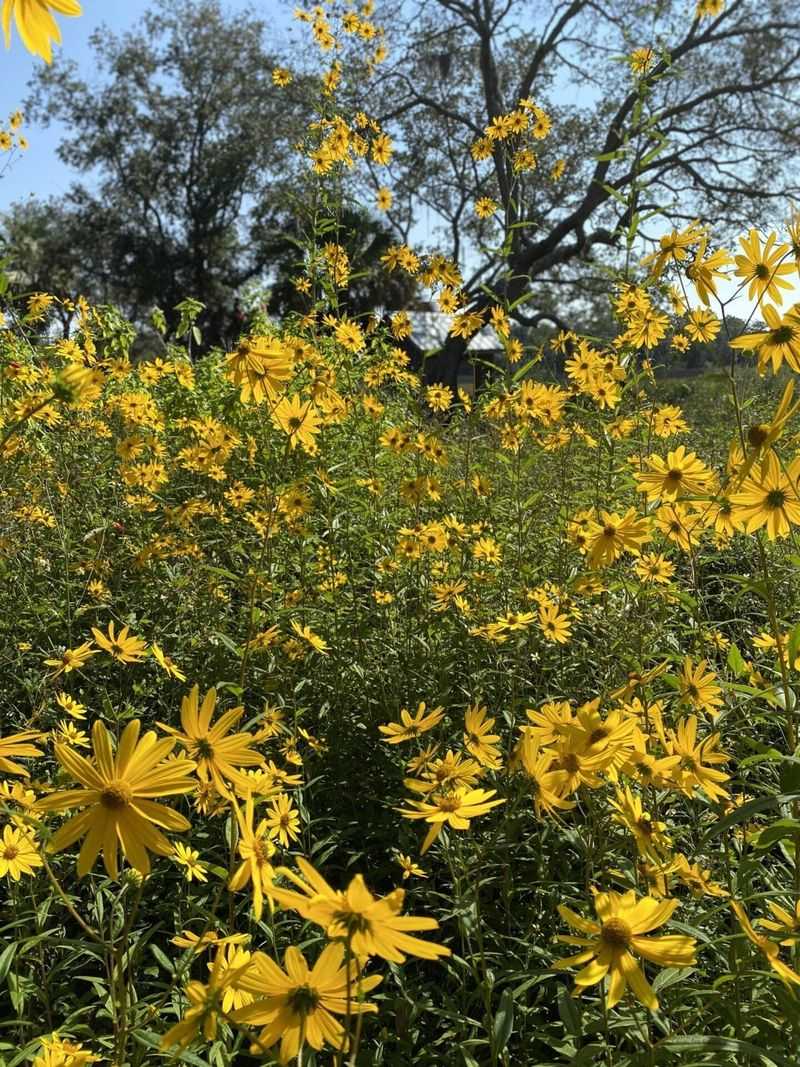
You wanted that ditch full of cheerful yellow. The black-eyed Susan could not deliver in the wet. Swamp sunflower (Helianthus angustifolius) genuinely can.
Come October, this plant erupts into hundreds of small golden daisies on stems that can hit 6 to 8 feet in a good wet spot. It is the last big burst of the year, blooming right up until frost, which in the Piedmont lands roughly late October into November.
Pollinators mob it when little else is left, and songbirds pick the seed heads clean through winter. So it feeds two crowds in two seasons.
Plant in spring, spacing clumps 24 to 36 inches apart in full sun and consistently damp ground. Here is a trick for the height. Pinch the stems back by about a third in early June, and you get a shorter, bushier plant loaded with even more blooms.
It spreads by underground runners, so give it room or plan to divide it every few years. In exchange, you finally get the golden ditch you pictured, just three months later than you first tried.
7. New York Ironweed Brings A Purple No Bug Ignores
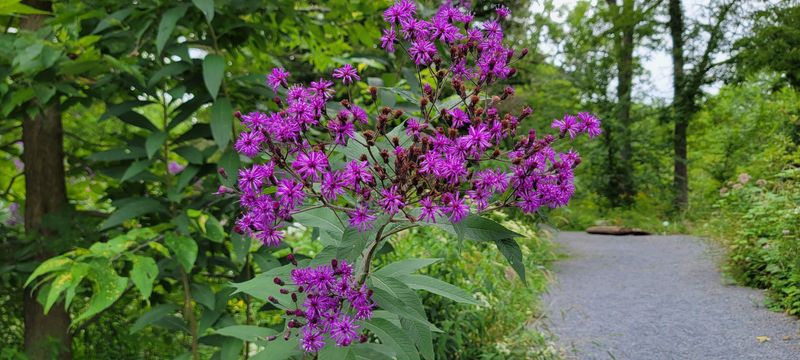
Few native flowers carry a purple this deep. New York ironweed (Vernonia noveboracensis) blooms in flat-topped clusters of rich magenta-purple from July into September, and the color reads from across the yard.
The name is not decoration. Ironweed earns it with tough, wiry stems that stand 5 to 7 feet without staking, even after a storm knocks softer plants flat. That backbone is exactly what a wet, exposed ditch needs.
Butterflies and long-tongued bees work it hard through late summer, and it pairs beautifully with the yellow of swamp sunflower for a purple-and-gold combo any football fan in the state can appreciate.
Set plants 24 to 36 inches apart in full sun and moist ground, and plant in spring for best establishment. It handles the heavy clay soils common across the Piedmont without complaint, which is more than most showy flowers can say.
One neighborly heads-up. Ironweed self-sows enthusiastically. Snip most seed heads before they scatter if you want a tidy clump, or let it roam and build a wild purple thicket at the back of the ditch.
8. Marsh Marigold Wakes The Ditch Up First In Spring
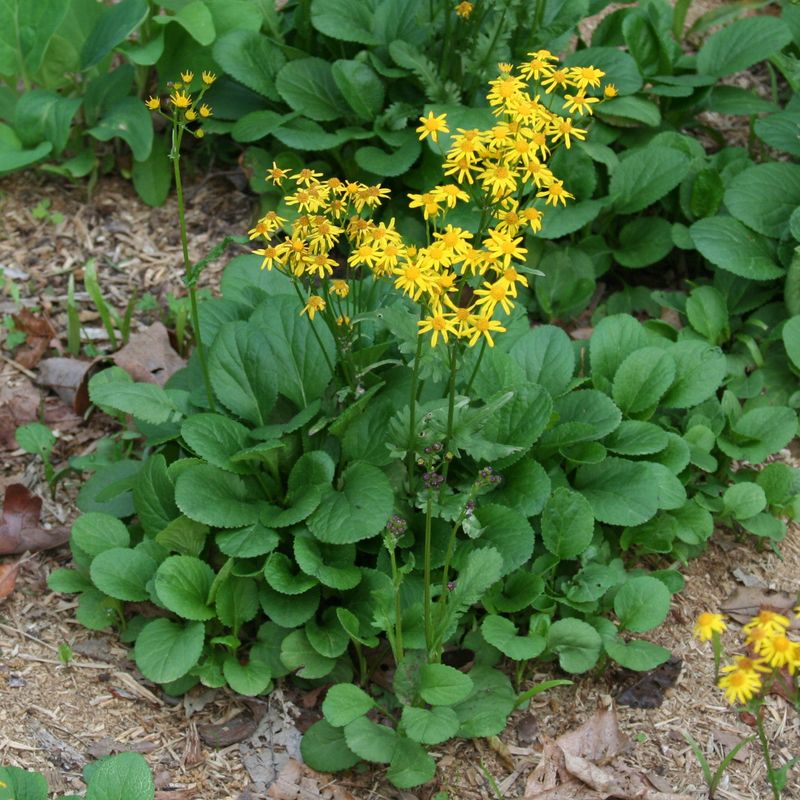
Long before the swamp sunflower even thinks about blooming, the ditch needs an opening act. Marsh marigold, and its Southern stand-in golden ragwort (Packera aurea), fills that early gap when the rest of the yard is still brown.
Golden ragwort is the reliable native across much of North Carolina, sending up cheerful yellow daisy clusters in March and April on stems about 1 to 2 feet tall. The rounded basal leaves stay green through winter, acting as a living mulch that shades out weeds in your damp spot.
Early native bees emerging on the first warm 60-degree days depend on flowers like this, and there is not much else blooming yet. So it is more than pretty. It is a lifeline.
Plant divisions in fall or early spring, 12 inches apart, in part shade to full sun and moist ground. It spreads by runners into a low groundcover carpet that fills bare mud fast.
Once it settles in, the ditch that used to sit empty and soggy every March greets you with gold instead. And you did not have to lift a finger to earn it.