The Native Ohio Flowers That Self-Seed In Garden Beds
The best surprise in an Ohio flower bed sometimes starts with a plant you never put there.
One spring morning, a new rosette appears beside the path. Another pops up between two perennials. By June, that empty patch suddenly looks far more intentional than you remember planning.
No nursery receipt. No seed packet. No mystery gardener sneaking over the fence.
So who did the planting?
Last year’s flowers may deserve the credit.
Some native blooms leave behind enough viable seed to quietly rebuild their own little neighborhood. Wind helps. Rain helps. Birds sometimes join the landscaping crew.
The fun part comes later.
A few species volunteer with excellent manners. Others treat bare soil like an open house and arrive with the whole family.
That difference matters when you want a fuller bed without creating another spring chore.
Let the right seed heads stay, learn which seedlings deserve space, and your garden can start filling gaps almost by itself, with a little seasonal editing from you and very little extra expense.
1. Black-Eyed Susan Fills Gaps On Its Own
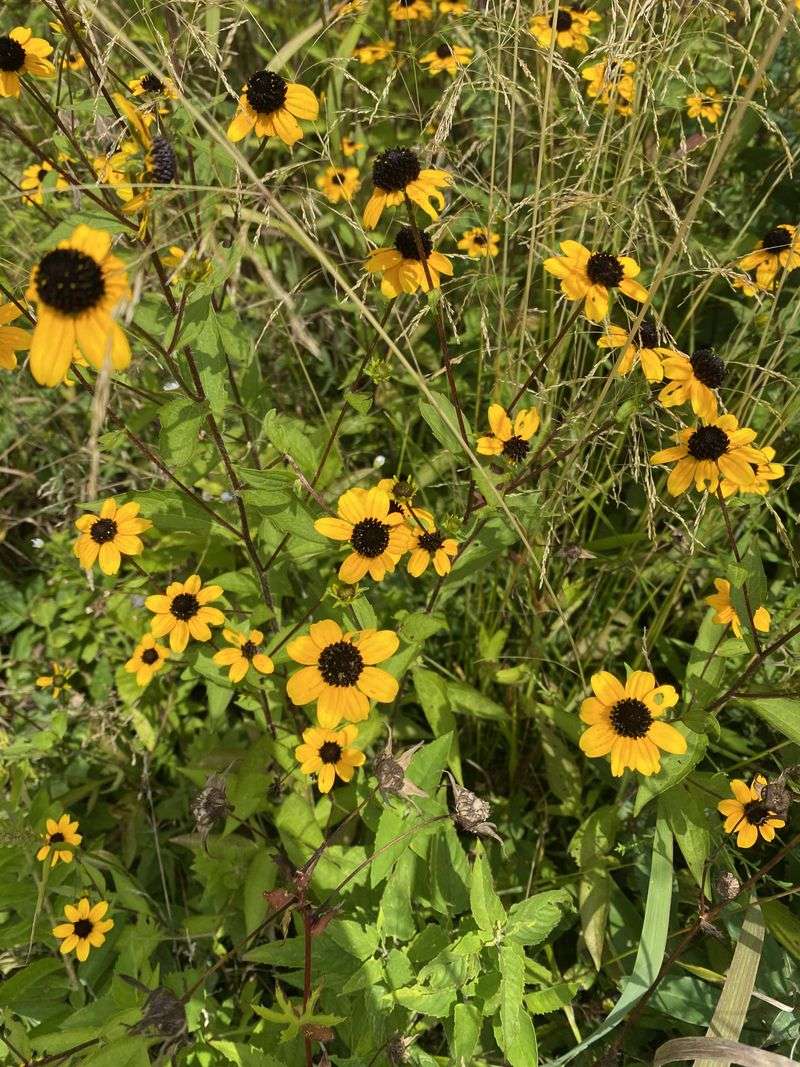
A bare patch near the edge of a sunny bed rarely stays empty for long once black-eyed Susan gets comfortable.
Leave a few seed heads standing through fall, and wind, rain, and birds help scatter tiny seeds around the parent plants. By spring, fuzzy young rosettes can show up beside paths, between perennials, or in spots you never planned to fill.
That enthusiasm is useful when you want a natural-looking drift.
It can also become a little too generous in loose soil with plenty of open space.
Pull extra seedlings while they are small. They usually come out much more easily before roots settle in and neighboring plants disappear under the crowd.
You can also cut some spent flowers and leave others. That gives birds winter seed while keeping the next generation closer to reasonable numbers.
Rudbeckia hirta often behaves as a short-lived perennial or biennial, so fresh seedlings help keep the patch going as older plants fade.
Give it sun, decent drainage, and enough air between plants. Crowded foliage can stay damp longer during humid Ohio weather and make leaf problems more noticeable.
This is one volunteer worth learning to recognize early.
A few surprise seedlings can make the bed look fuller for free. Fifty may suggest that black-eyed Susan has started its own neighborhood association.
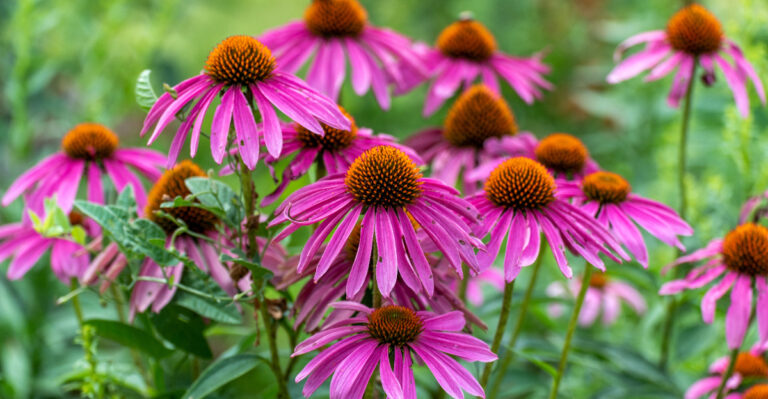
2. Purple Coneflower Multiplies Without Much Fuss
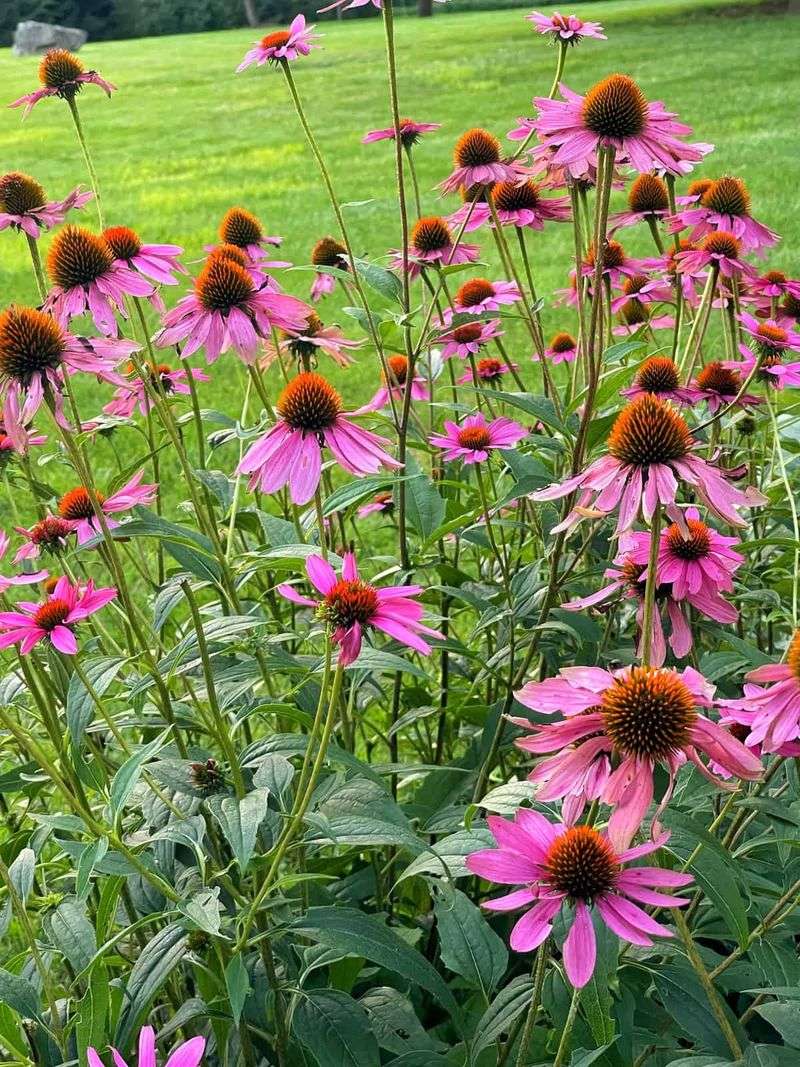
Leave the seed cones standing after summer, and winter suddenly has a snack bar.
Goldfinches work those dark centers for seed, while some kernels escape and land in the soil below. By spring, a few purple coneflower seedlings may appear around the original clump.
The pace is usually manageable.
You are more likely to get scattered volunteers than a solid carpet, especially in beds with thick mulch. Seeds need contact with soil, so open edges and lightly covered patches tend to produce more surprises.
Move seedlings while they are young.
Once coneflowers build deeper roots, relocation becomes less convenient. Small spring volunteers can usually shift to a better spot with less fuss and a good drink of water afterward.
Your Ohio Garden Changes Every Week. Your Plan Should Too.
Gardening in Ohio changes quickly throughout the season. Every Friday you’ll receive a simple weekly plan showing exactly what to plant, prune, fertilize, harvest, and protect so you never miss the right timing.
Straight-species Echinacea purpurea gives you the best chance of seedlings that resemble the parent.
Fancy cultivars can be less predictable. Some produce little viable seed, while others send up offspring with simpler colors and forms.
That can be part of the fun in a relaxed native bed.
Skip the fall haircut when possible. The cones add winter texture, feed birds, and give seed more time to reach the ground.
Cut old stems back before strong spring growth takes over.
Coneflowers do not usually flood the yard with babies.
They are more like the relative who brings one or two extra guests to dinner and somehow makes the table look better.
3. Wild Columbine Pops Up In Surprising Spots
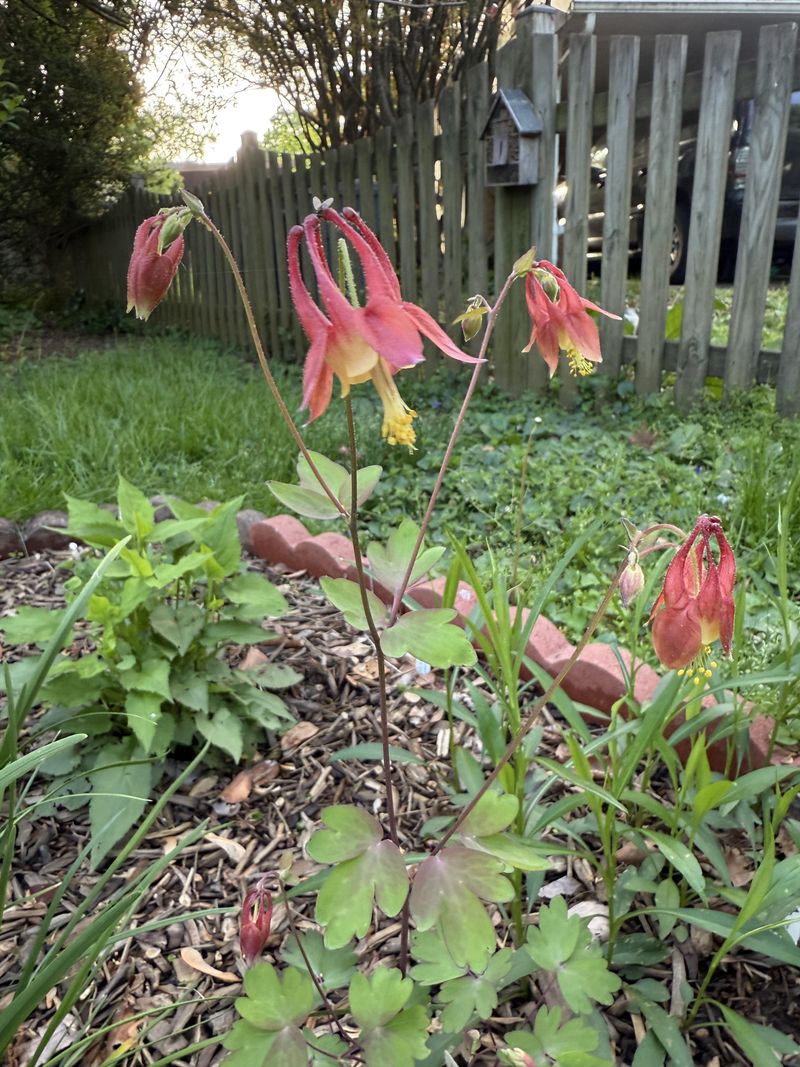
Check the crack beside a stepping stone in spring and you may find a tiny plant that clearly ignored your garden plan.
Wild columbine excels at choosing its own address.
After the red and yellow flowers fade, upright seed capsules dry and split. Small dark seeds tumble into gravel, leaf litter, bed edges, and other little pockets where moisture can linger.
That creates some of the most charming volunteers in a shady garden.
The seedlings do not usually arrive in overwhelming numbers, but they can appear several feet from the parent. Rain runoff, shoes, and shifting mulch help move seed farther than expected.
Part shade suits them well.
A spot with morning sun and protection from harsh afternoon heat can keep the foliage looking better through summer. Good drainage matters too.
Let seed capsules turn fully dry before you remove them. Cutting too soon also cuts off your chance of next year’s volunteers.
You can crush ripe capsules over a preferred spot when you want to nudge the process in a certain direction.
Older plants do not last forever, so those young arrivals help the patch renew itself.
Leaf miners may leave pale trails across foliage later in the season. The damage often looks worse than it is.
Columbine is not interested in standing in a perfect row.
It prefers to pop up where it sees an opening, which may make it the garden’s smallest freelance designer.
4. Butterfly Weed Spreads Slowly By Seed
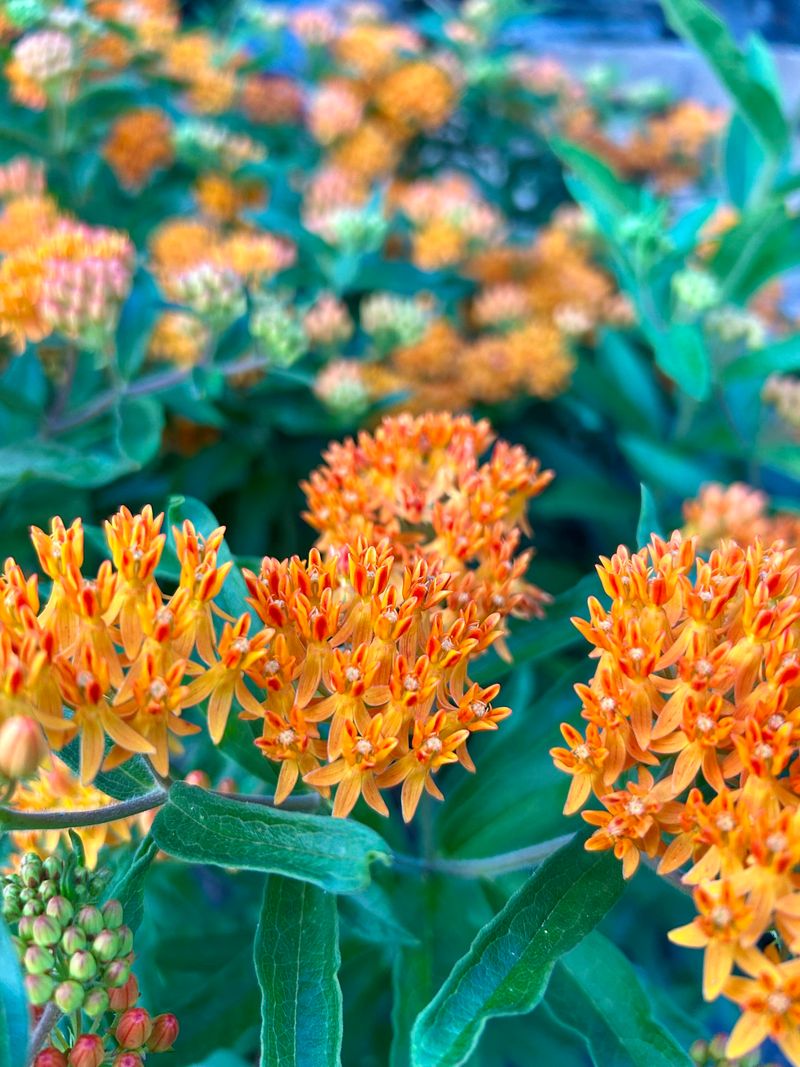
Patience pays better than constant intervention with this orange-flowered native.
Butterfly weed spends serious time on roots before it puts on a big show above ground. Once established, though, the seed pods provide a second act.
Long pods split as they mature and release flat seeds attached to silky fibers.
A breeze can carry them well beyond the original clump, yet only some land in the sunny, open soil they need. That keeps volunteer numbers fairly modest in many home beds.
Full sun matters.
So does drainage. A wet, heavy spot can cause far more trouble than a dry stretch once the plant has settled in.
Move new seedlings only when they are very young.
Butterfly weed develops a deep taproot and becomes much less enthusiastic about relocation with age. A volunteer in a reasonable spot is often better left right where it chose to grow.
The plant also appears later in spring than many neighbors.
Mark established clumps so an eager April cleanup does not accidentally remove them before new shoots show.
Leave some mature pods when you want more plants. Snip them before they open when the bed already feels full.
You get monarch host foliage, bright summer color, and occasional free seedlings without a root system that races through the border.
Butterfly weed takes its time, but at least it does not arrive with luggage for forty cousins.
5. Blazing Star Adds Height And New Volunteers
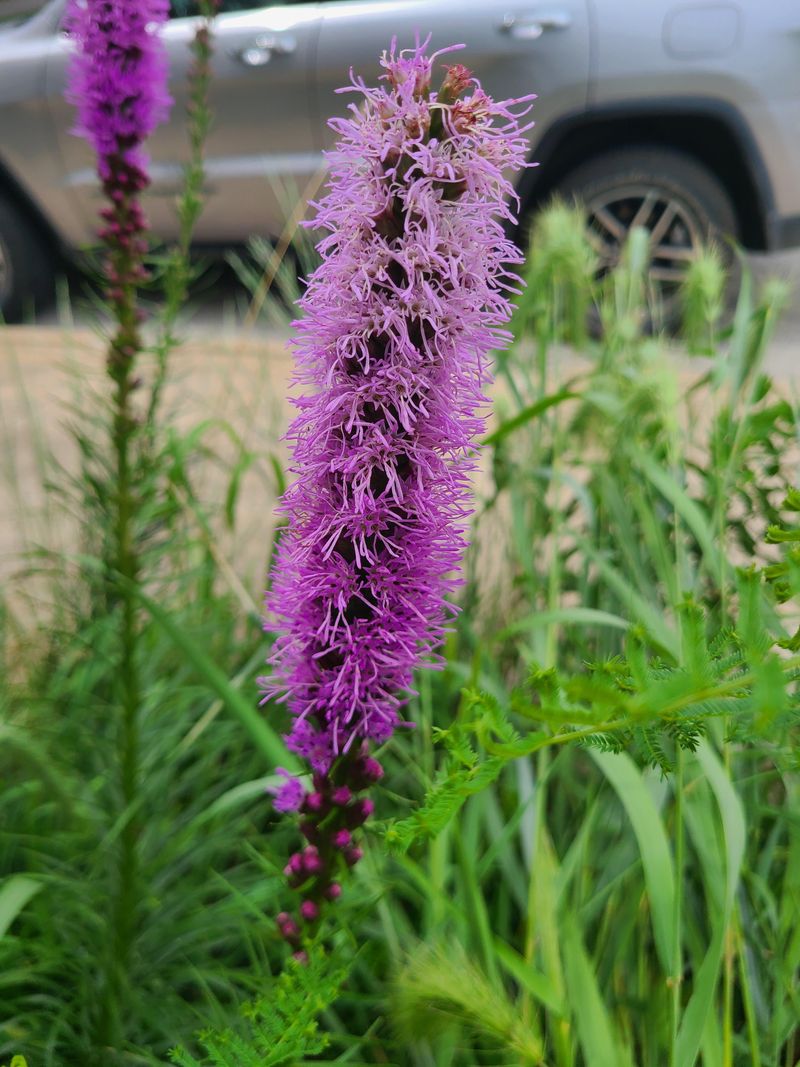
A flower bed full of rounded shapes can use something that points straight up.
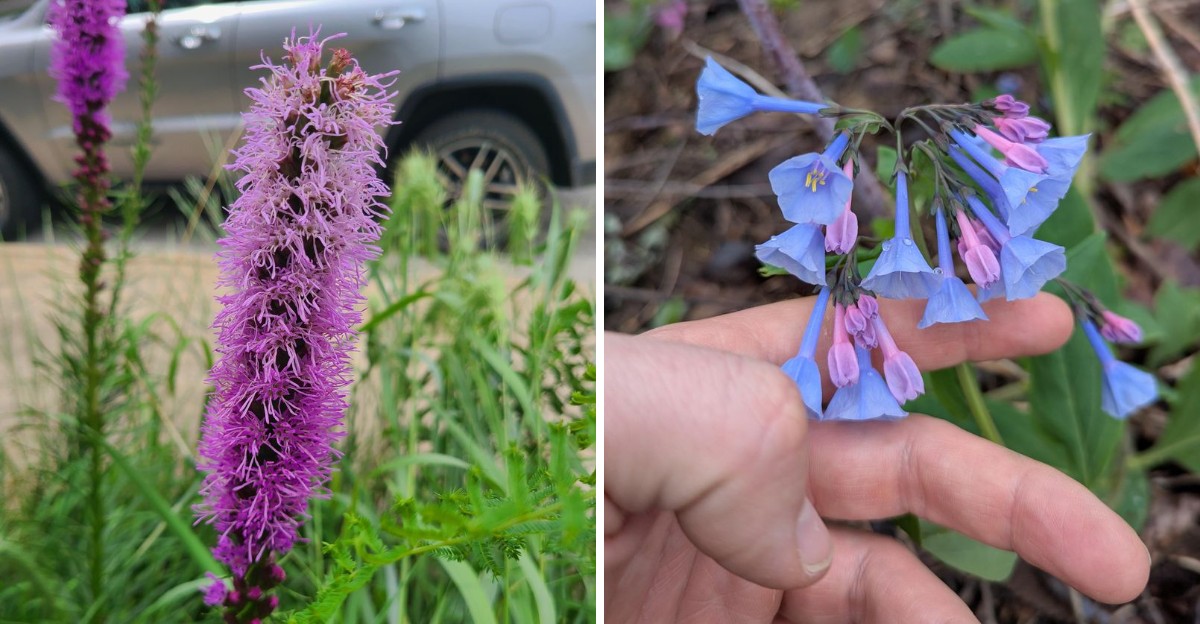
Blazing star brings that vertical punch with tall purple flower spikes, then follows it with fluffy seed heads later in the season.
Some of those seeds settle close to the parent plants and produce volunteers.
Do not expect an overnight colony.
Young plants can take time to build enough strength for a full flower spike, and their narrow foliage is easy to mistake for grass during the first season.
Mark seedlings you want to keep.
That tiny label can save them from an enthusiastic spring weeding session when every thin green blade looks suspicious.
Sun helps plants stay sturdy and flower well.
Good drainage also matters, especially through winter. Wet soil around the underground corms can cause problems in heavy beds, so raised spots or improved drainage can help.
Leave several dried spikes standing into winter.
They add structure after flowers fade, provide seed for birds, and give some seed a chance to fall naturally into nearby soil.
Thin volunteers later when clusters become crowded.
Blazing star looks especially good among coneflowers, asters, and black-eyed Susans because those rounded flower forms make the spikes stand out even more.
This native does not usually carpet the garden with seedlings.
It sends a few understudies instead.
Give them time, and one may eventually steal the whole summer scene with a purple exclamation point.
6. New England Aster Extends Color Into Fall
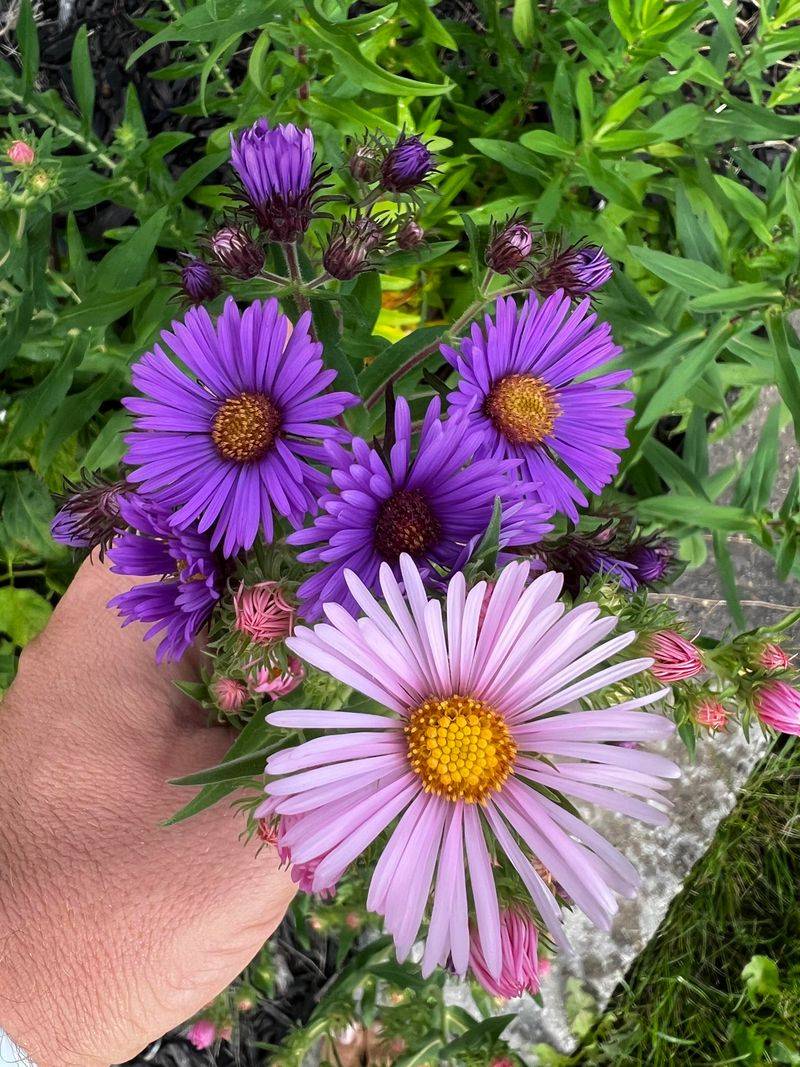
Just when an Ohio flower bed starts looking ready for retirement, a burst of violet can change the whole mood.
New England aster saves much of its show for late summer and fall.
After bloom, fluffy seed heads release plenty of seed into nearby open ground. Spring volunteers can appear along bed margins, beside paths, and in gaps between established perennials.
This one deserves a little editing.
Plants can grow tall, and a generous patch can become crowded fast when seedlings combine with gradual expansion at the base.
Thin young volunteers early and keep the strongest ones where you actually want height.
A trim in early summer can encourage bushier plants and reduce late-season flopping. Do not wait until flower buds are well underway.
Give the clump sun and enough airflow.
Humid weather can leave lower leaves prone to powdery mildew, so tight planting rarely improves the look.
Shorter plants in front can hide bare lower stems later in the season.
Pollinators make the late bloom worth the space. Bees and migrating monarchs often visit when many summer flowers have already finished.
Leave some seed heads through winter when extra volunteers are welcome.
Cut more of them back when the patch already has enough personality.
New England aster does not quietly fill a gap.
It tends to arrive like the last guest at the party and somehow become the reason everyone stays longer.
7. Virginia Bluebells Self Seed In Shady Beds
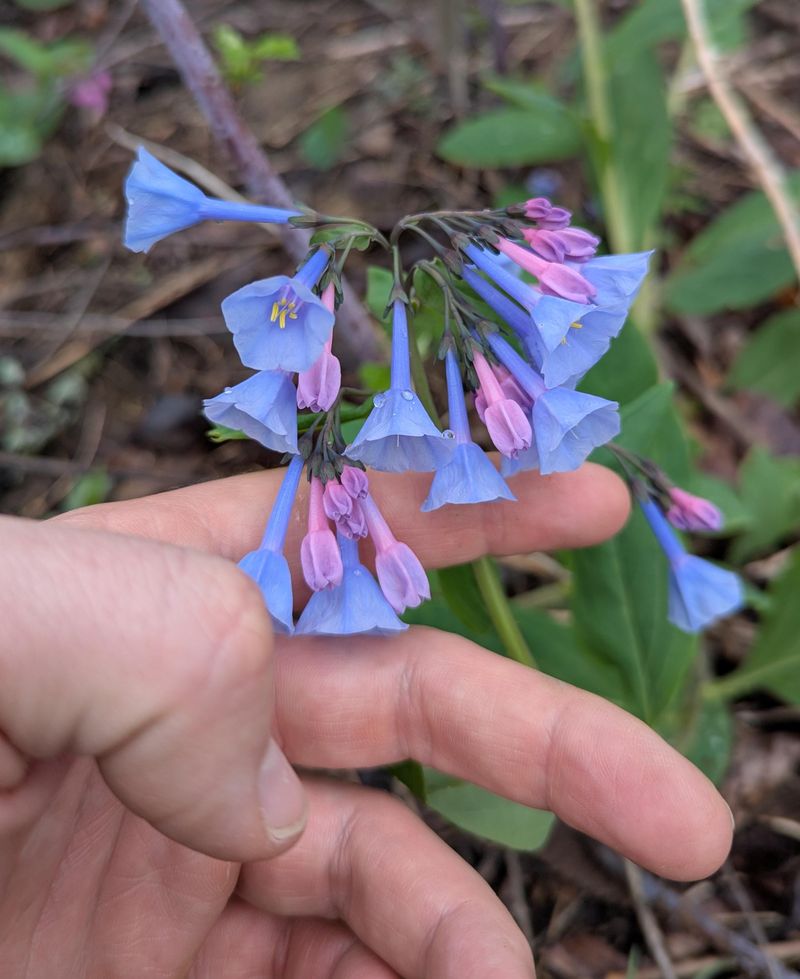
A shaded bed can look empty by midsummer even after a spectacular spring.
Virginia bluebells are often the reason.
Their pink buds open into soft blue flowers early in the season, then the foliage gradually fades and disappears as summer arrives.
Before that retreat, mature plants can drop seed close to the parent clump.
Over several seasons, new seedlings help a small group widen into a loose colony. The spread feels gradual rather than pushy, which suits woodland beds well.
Leave fallen tree leaves in place when possible.
A light natural layer protects the soil and creates the woodland conditions these plants prefer. Thick bark mulch can make it harder for small seedlings to establish.
Plan for the summer gap from the start.
Ferns, wild ginger, Solomon’s seal, and other shade plants can expand as the bluebells retreat. That keeps the bed covered without smothering spring growth.
Young seedlings are easy to overlook.
They may look unimpressive for a while and can take time before they produce a full floral show.
Resist the urge to tidy every empty-looking patch in early summer. The plants are dormant, not gone.
A mature drift can feel almost magical in April.
Then June arrives and the whole cast exits through a trapdoor.
Thankfully, the seeds stay behind to start rehearsals for another spring performance.
8. Golden Alexanders Reseed Reliably Each Spring
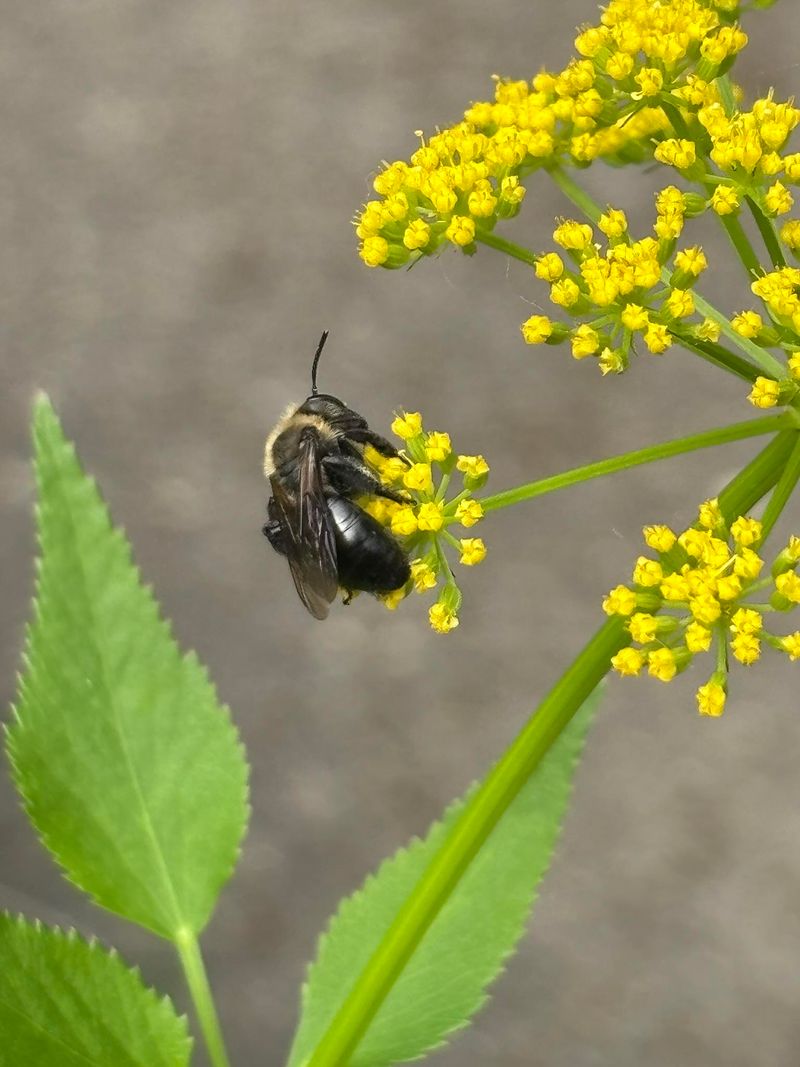
There is a quiet stretch in late spring when bulbs have faded but many summer natives have not reached full stride yet.
Golden Alexanders steps neatly into that gap.
Flat clusters of bright yellow flowers sit above fresh green foliage and attract plenty of small pollinators. After bloom, seeds mature and drop around the parent plants.
Expect volunteers, but not usually chaos.
A handful of seedlings can appear each spring in open soil, especially where mulch stays light. Keep the strongest ones and pull extras before they crowd neighboring plants.
The species handles sun or part shade, which makes it useful in transition zones where a bed moves from open lawn toward trees.
Average garden soil works well, and established plants tolerate seasonal shifts in moisture better than many fussier perennials.
The foliage stays useful after flowering too.
That gives the plant more value than a spring bloomer that disappears immediately after its show.
Leave several seed heads when you want the patch to expand. Cut them earlier when the bed has reached its limit.
Black swallowtail caterpillars may use the foliage, so take a closer look before removing striped visitors.
By fall, the plant has already done several jobs without much ceremony.
It filled the spring gap, fed insects, and planted a few replacements.
Golden Alexanders is the garden coworker who finishes early, helps the team, and never sends an email about it.